REVIEW · LOWER AUSTRIA
Admission Pass to The Roman Quarter and the Museum Carnuntinum
Book on Viator →Operated by Roman City Carnuntum · Bookable on Viator
Roman life comes with built-in visuals. The Roman Quarter at Carnuntum turns ruins into real spaces, with reconstructed houses and a bathhouse that helps you read everyday Roman life fast.
What I like most is the chance to see functional details instead of just imagining them. The second big win is pairing the quarter with Museum Carnuntinum, where the finds and themes put the site in context. A possible drawback: you’ll spend a good chunk outdoors, and there can be distances between areas, so bring comfortable shoes and expect to plan your movement—there’s a weekend shuttle this season.
In This Review
- Key highlights at a glance
- Roman Quarter at Carnuntum: reconstructed homes, baths, and daily life
- Practical note on movement and comfort
- Museum Carnuntinum: connecting finds to the Danube frontier story
- How to make the museum work in your schedule
- Price and value: what $16.21 buys you in real time
- Timing your visit: seasonal hours and how to plan a smooth day
- Weekend tip
- What to watch for: details that make reconstructions feel real
- A note on seasonal programming and vibe
- Who should book this pass
- Should you book Admission Pass to The Roman Quarter and the Museum Carnuntinum?
- FAQ
- How long does the Roman Quarter and Museum Carnuntinum visit take?
- What is included with the admission pass?
- Are guided tours included?
- What are the opening hours?
- Is there anything for families?
- Is this experience suitable for most people?
- Is there public transportation nearby?
- Is there a shuttle bus between areas?
- What is the cancellation policy?
Key highlights at a glance
- Reconstructed, lived-in Roman houses that help you understand how homes actually worked
- Roman Therme bathhouse to experience water-and-routine life in Roman terms
- Museum Carnuntinum finds that cover 2,000 years connected to Carnuntum
- Weltstadt am Donaulimes exhibit tying Carnuntum to the UNESCO Danube Limes near Vienna
- Weekend shuttle between locations (helpful if you don’t want to walk it all)
Roman Quarter at Carnuntum: reconstructed homes, baths, and daily life
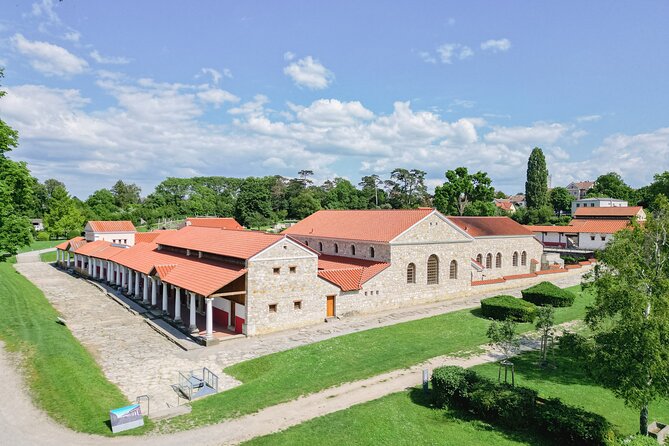
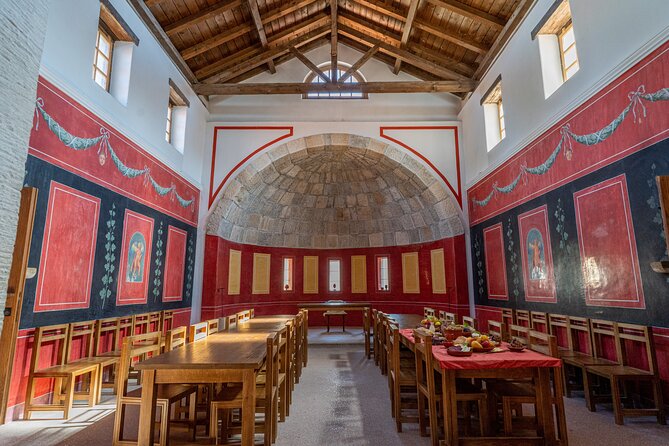
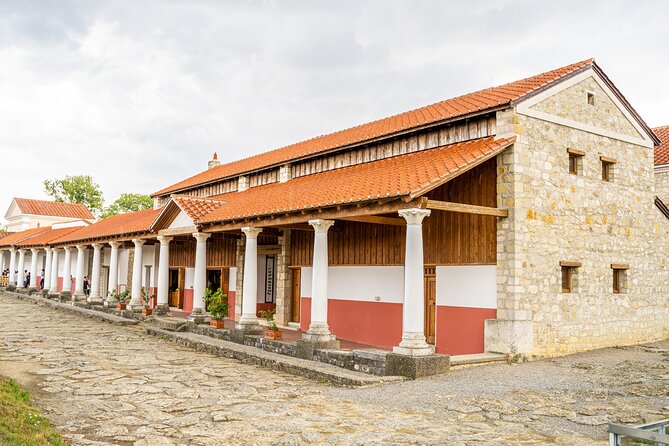
If you’ve ever stood in front of a ruin and thought, I get it, but I still can’t picture the rest—this place fixes that problem. Carnuntum’s Roman Quarter is set up so you’re not doing mental gymnastics. The site includes reconstructed Roman houses with enough physical detail—decoration, furniture, and objects—that you can get your bearings quickly.
The layout is built for a real stroll through Roman neighborhood life. You start by taking in the visitor center and then move outward into a large outdoor setting with trees and meadows. That outdoor space matters. It gives the whole experience a slower, human pace, not the sprint-from-sign-to-sign feeling you sometimes get at big archaeological sites.
Then comes the star attraction: the Roman Therme bathhouse. One review summed it up with a simple idea: you don’t have to imagine anything. In a Roman site, baths weren’t just about cleaning. They were a social and routine hub—part therapy, part hangout, part status display. Even if you only have a few hours, seeing a bathhouse in full working form helps the whole Roman day make sense in your head.
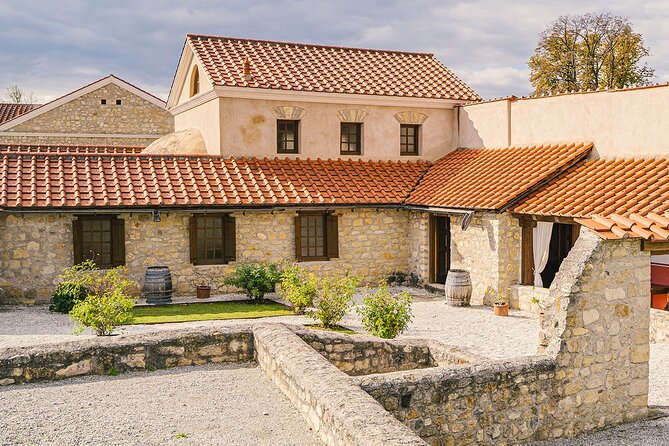
After the bathhouse, you’ll notice the quarter is more than one “pretty set piece.” The site includes multiple houses with different roles and vibes—so you can start distinguishing how people lived based on occupation, class, and household needs. You can walk through spaces like a villa urbana, a more stately city palace-style space, and a house tied to everyday trade such as the house of the oil merchant. That last one is a great detail, because it shifts the story away from only emperors and soldiers and toward the supply chain that kept the town fed and moving.
There’s also the more comfortably “everyday” touch of a bourgeois home associated with House of Lucius, plus a garden you can stroll through. Gardens sound small, but they change the mood. They make Roman domestic life feel like it had downtime, not just hard edges and stone monuments.
One more thing that’s easy to overlook until you’re on site: it’s set up like a full visitor destination. There’s a restaurant called Forum Culinarium, and there’s a children’s playground. That’s not just convenient. It helps you enjoy the Roman Quarter at a natural rhythm. You can take breaks, manage time, and keep kids happy without turning your trip into a constant negotiation.
You can also read our reviews of more tours and experiences in Lower Austria.



Practical note on movement and comfort
This is a mostly outdoor experience, and even when buildings are reconstructed indoors, you’ll still be walking between spaces. Plan for comfort: breathable layers in warmer months, and shoes that handle uneven outdoor paths. Also, if you’re visiting on a weekend, it helps that a shuttle bus runs this season due to distances between locations. If you’re staying nearby, that can save energy for the museum part.
Museum Carnuntinum: connecting finds to the Danube frontier story
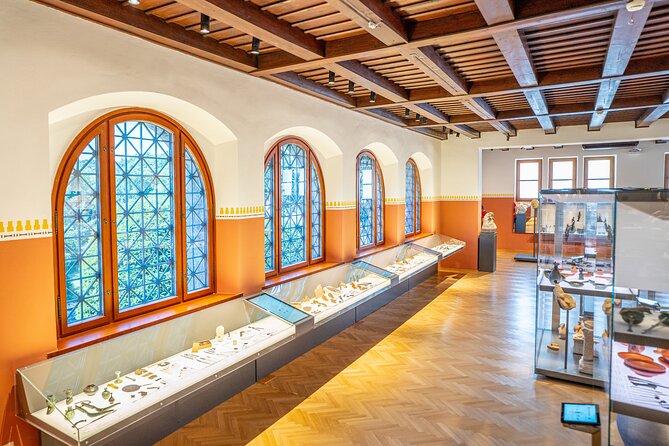
After the Roman Quarter, the museum is the part that makes everything click. The Museum Carnuntinum holds finds from about 2,000 years of Roman history tied to Carnuntum. In other words, it doesn’t replace the reconstructed spaces—it explains how those stories relate to actual objects and evidence.
The exhibition currently on display is titled Weltstadt am Donaulimes (Metropolis at the Danube Limes). That title matters, because it frames Carnuntum not as an isolated outpost, but as part of a larger border system along the Danube. The exhibit also connects the story to the UNESCO World Heritage Site at the gates of Vienna. That’s a smart pairing for your brain: you go from “cool Roman buildings” to “this place mattered in a bigger Roman network.”
You’ll also get the “who lived here” angle—stories of the inhabitants and the character of the settlement. That’s what turns a historic site from background scenery into something you can actually visualize: households, trades, daily routines, and how a frontier community functioned.
How to make the museum work in your schedule
You’re typically looking at around 1 hour here. That’s enough to read thoughtfully, but not enough to do everything slowly like you’re prepping a semester paper. I’d suggest focusing on:
- The exhibition sections that explain Carnuntum’s role along the Danube Limes
- A handful of key objects/finds that feel most connected to daily life
- Any parts that show the timeline of change at the site
If you’re short on time, don’t try to read everything. Pick themes that connect to what you saw outside—the bathhouse routines, household living spaces, and trade life.
Price and value: what $16.21 buys you in real time
This Admission Pass covers entry to both the Roman Quarter and Museum Carnuntinum, and the listed duration is about 3 hours total. At $16.21 per person, the value comes from the combination, not from either site alone.
Here’s the practical way to think about it: you’re getting two different learning modes in one ticket. Outside, you walk through reconstructed Roman houses and the bathhouse. Inside, you backfill that experience with actual finds and an exhibit that explains the larger historical frame. Many places charge extra for that “see it + understand it” pairing. Here, it’s included, so you don’t have to decide which piece you can afford to skip.
Also, the pass is designed to be self-directed. That matters if you don’t want to march to someone else’s pace. Guided tours are listed as not included, but that doesn’t mean you’re left completely on your own. You can still move through the spaces at your speed and spend more time where you’re curious.
One more value signal: this experience is booked on average 17 days in advance. That suggests steady demand during the operating season. If your dates fall in a busy week (especially spring and summer), booking ahead is a good habit so you’re not stuck with a no-show moment later.
Timing your visit: seasonal hours and how to plan a smooth day
The Roman Quarter and museum are open during a defined season. For 2025, the hours are 9:00 AM to 5:00 PM, Monday through Sunday, from 04/23/2025 to 11/15/2025.
That window helps you plan. With a typical 3-hour visit, you can fit it into:
- A morning schedule (start at opening, then slow-walk the quarter)
- An afternoon schedule (arrive after lunch and still cover both stops)
Since it’s all tied into Roman City Carnuntum, you’ll want to avoid the trap of arriving late and feeling rushed. If you get there near closing time, you’ll miss the best part: the ability to wander between reconstructed houses and actually notice how they differ.
Also, the site is near public transportation, so you don’t have to rely 100% on a car. If you’re coming from Vienna or using regional transit, you’ll likely find this easier than remote sites that require private transport.
Weekend tip
If you’re visiting on a weekend, pay attention to the shuttle bus setup mentioned for this season. It’s there because of distances between areas. Use it if it saves your legs. Then use your energy where it counts: the reconstructed houses and bathhouse, plus the museum’s main exhibition.
What to watch for: details that make reconstructions feel real
The most praised aspect of Carnuntum’s Roman Quarter is the sense that you’re not asking yourself what something looked like. The reconstructions include furniture, objects, and visible decoration. That’s the difference between reading about Rome and understanding daily life.
When you’re walking through, try these “detail hooks” to keep the experience from feeling like scenery:
- Look at how household spaces relate to daily routine (baths, living areas, garden space).
- Notice contrasts between the different houses: a merchant-style environment feels different than a more stately palace space.
- Pay attention to mural-style decoration in places like the villa urbana. Murals aren’t just pretty. They tell you what people wanted their homes to communicate.
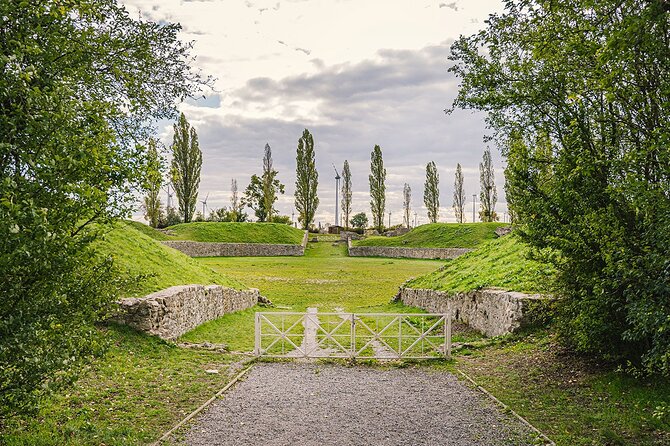
A review also described the amphitheater atmosphere as part of what transports you into the gladiator world. Even if you don’t sit through an event (and nothing in the basic pass implies a guaranteed show), the presence of amphitheater spaces helps you feel the Roman city as entertainment and authority, not only labor and administration.
A note on seasonal programming and vibe
Carnuntum can feel like a history site with a living-stage feel in certain seasons. One review mentioned a summer recreation festival with a staged emperor character named Geza and a crowded, party-like atmosphere (with some rowdiness described). That won’t affect everyone the same way, but it’s worth knowing if you like quiet, controlled museum time.
If you prefer a calmer visit, consider going earlier in the day during busy periods, or spend more time in the museum where the pacing is naturally more structured.
Who should book this pass
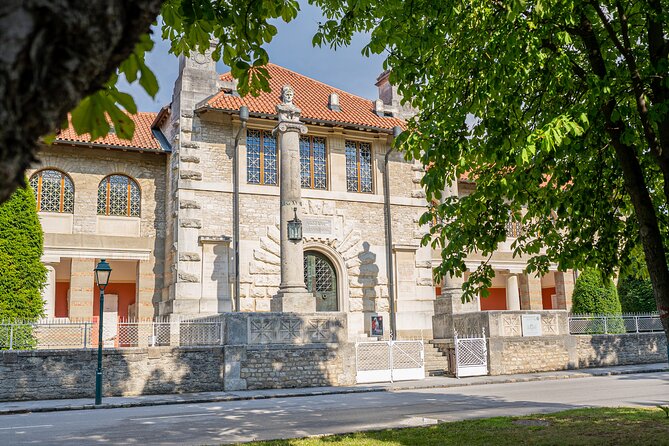
This is a strong fit if you want Roman history that doesn’t rely on guesswork. You’ll enjoy it most if you:
- Like reconstructed sites that explain everyday life, not just big monuments
- Want a mix of outdoor walking and indoor interpretation
- Travel with kids (the playground and family-friendly setup help)
- Prefer self-guided flexibility since guided tours aren’t included
It’s also a good choice if you’re short on time. About 3 hours total means you can experience both the Roman Quarter and the museum without turning it into an all-day commitment.
If you’re the type who wants lots of formal interpretation from a guide, you may feel the absence of included guided tours. But you can still get a lot by using the museum to frame what you saw outside.
Should you book Admission Pass to The Roman Quarter and the Museum Carnuntinum?
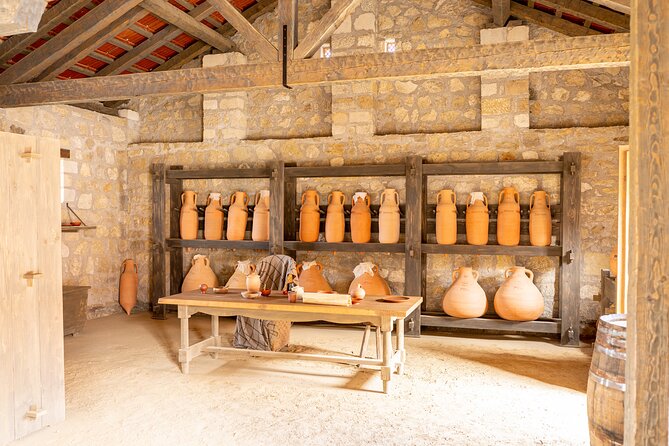
Yes, if your goal is to understand Roman daily life in a hands-on way. For the money—$16.21—you get a rare pairing: reconstructed houses and bathhouse spaces outside, then a museum that connects the story to real finds and the Danube Limes context. The best reason to book is the “you don’t have to imagine it” effect: the site is built to help you visualize how people lived.
Skip it only if you strongly dislike walking outdoors, or if you’re expecting an included guided tour. In that case, plan your time carefully, wear good shoes, and treat the museum as your main interpretation tool.
FAQ
How long does the Roman Quarter and Museum Carnuntinum visit take?
The total duration is about 3 hours.
What is included with the admission pass?
The pass includes admission to the Roman Quarter at Roman City Carnuntum and admission to Museum Carnuntinum. All fees and taxes are included.
Are guided tours included?
Guided tours are not included with this experience.
What are the opening hours?
From 04/23/2025 to 11/15/2025, the site is open Monday through Sunday from 9:00 AM to 5:00 PM.
Is there anything for families?
Yes. The Roman Quarter area includes a large children’s playground, and there’s also a restaurant on site.
Is this experience suitable for most people?
Most travelers can participate.
Is there public transportation nearby?
Yes. The experience is near public transportation.
Is there a shuttle bus between areas?
A shuttle bus is set up at weekends this season to help with distances between locations.
What is the cancellation policy?
Free cancellation is available up to 24 hours before the experience’s start time for a full refund.