REVIEW · VIENNA
From Vienna: Mauthausen Memorial Private Day Trip
Book on GetYourGuide →Operated by Vienna à la carte · Bookable on GetYourGuide
Memorial visits change your pace. This private day trip from Vienna to Mauthausen Memorial pairs hotel pickup with a calm, self-guided audio experience in 11 languages. You’ll also have the space to pay respects properly at key sites without feeling rushed.
I like that the tour is built for steady, respectful walking: you spend about three hours inside the memorial grounds, including time at the Room of Names. One real consideration: this is heavy material, and the full day runs long (8 hours total), so wear comfortable shoes and mentally pace yourself.
In This Review
- Key things I’d plan around
- Why Mauthausen from Vienna makes sense
- The Vienna-to-Mauthausen drive: comfort, not chaos
- Arriving at the memorial: a self-guided visit that keeps control with you
- The route through preserved areas: what you’ll actually see
- Wiener-Graben Quarry and hard geography
- SS-Quarters: the camp as a machine
- Prisoners’ barracks and the Camp Prison
- Gas Chamber: the visit’s darkest section
- Paying respects at the Room of Names
- Stairs of Death: connect the story to the terrain
- The newly re-opened Mauthausen Museum: context right after walking
- Timing that keeps the day humane
- Price and value: what you’re paying for with a private group
- Who should book this day trip (and who should reconsider)
- My honest take: the balance is right
- Should you book it?
- FAQ
- What time does the tour start from Vienna?
- How long is the day trip?
- What happens after you visit Mauthausen?
- Is lunch included?
- Is there an audio guide, and in what languages?
- Do I have to wait in ticket lines?
- Is the experience wheelchair accessible?
- Is it suitable for children?
- How many people are in the private group, and what’s the price?
Key things I’d plan around
- Private door-to-door transport from Vienna keeps stress low and time on the road predictable
- Self-guided walking with an audio guide in 11 languages lets you go at your speed
- Room of Names for paying respects gives the visit a focused, human moment
- Wiener-Graben Quarry, SS-Quarters, and prisoners’ barracks show multiple sides of the camp’s system
- Stairs of Death and camp prison areas help you connect the geography to what happened there
- Recently re-opened Mauthausen Museum adds context right after the preserved grounds
Why Mauthausen from Vienna makes sense
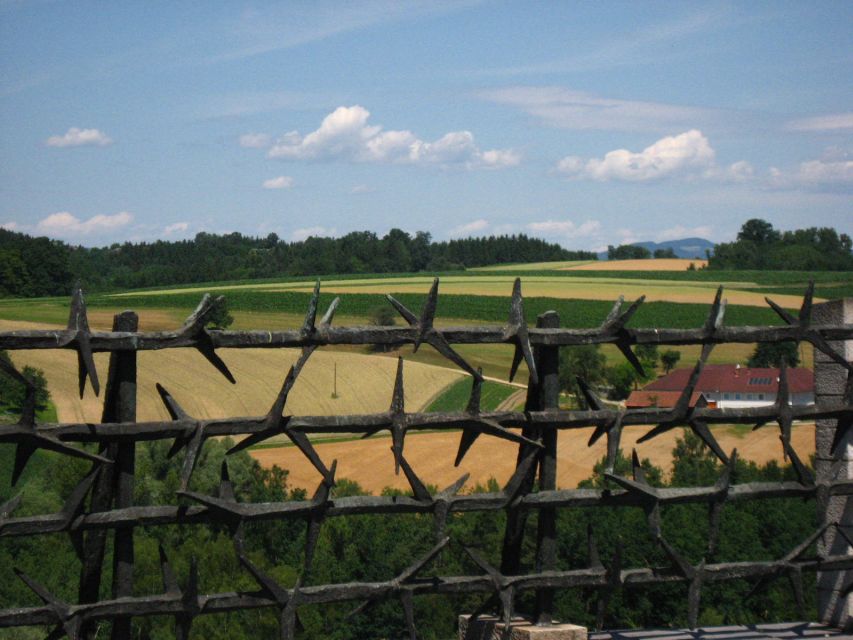
Mauthausen is not a casual stop. It was one of the largest labor camp complexes of the Third Reich, operating as a system of imprisonment and exploitation in Upper Austria. Between 1938 and 1945, about 200,000 people from across Europe were imprisoned there, and roughly half lost their lives.
What makes this trip a good choice from Vienna is how well it fits a single day without turning into a frantic checklist. You get direct transport out of the city, a focused visit window at the memorial, and a return before evening. That structure matters because at places like this, you don’t just want information—you want time to absorb it.
You can also read our reviews of more private tours in Vienna

The Vienna-to-Mauthausen drive: comfort, not chaos
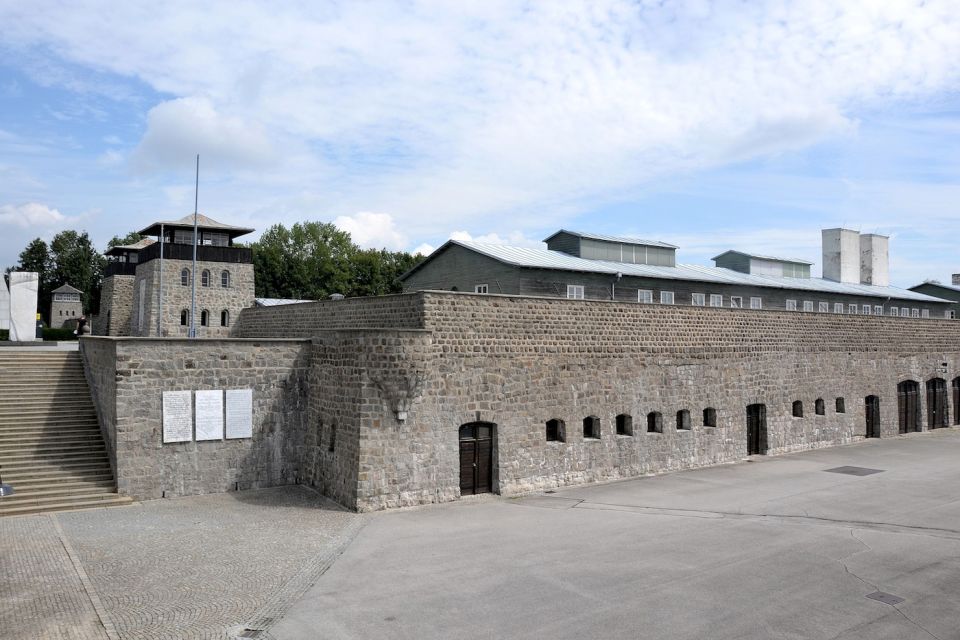
The day starts with pickup from your Vienna hotel. Your driver will take you across Lower Austria toward Mauthausen in a private limousine or minivan, and you’ll have an English-speaking driver for the whole transfer. It’s one of the best ways to do this route because you skip the stress of trains and transfers when your main focus is the memorial.
The itinerary is built with a clear rhythm. The tour start is around 9:30 AM, and you reach the memorial area around 11:45 AM. From there, you’re not stuck in long lines or waiting for the next step—you’ll have access for a self-guided visit and can settle into the audio guide right away.
One nice detail from the real-world experience of the day: the vehicle is described as very comfortable, with water provided. Even on a somber trip, that small comfort helps you stay steady on your feet.
Arriving at the memorial: a self-guided visit that keeps control with you
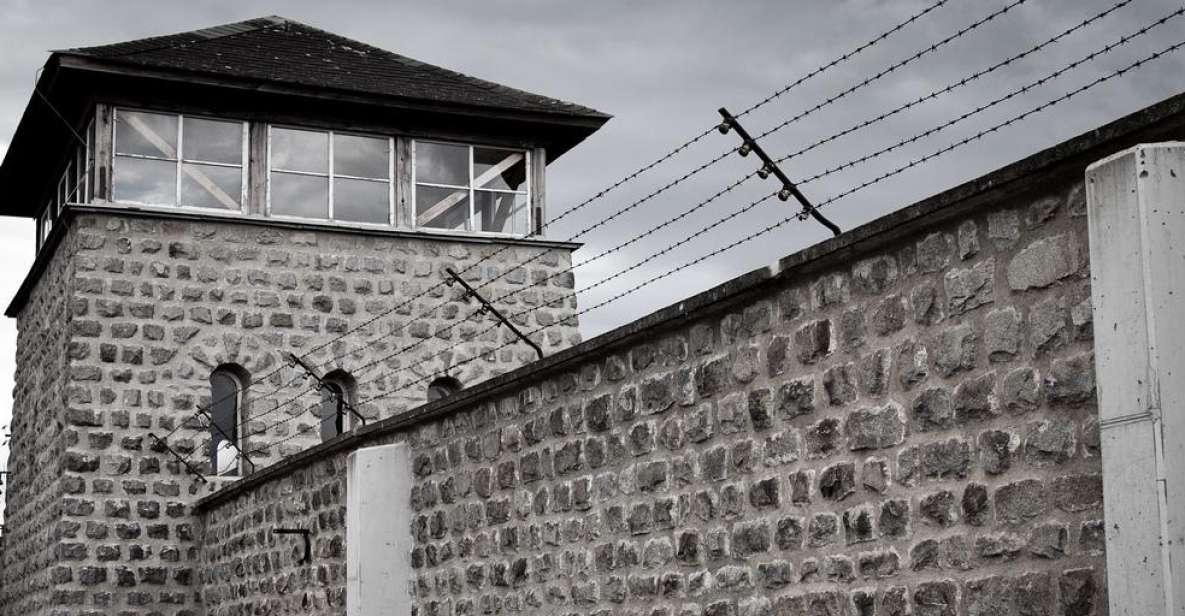
Once you get to Mauthausen Memorial, you’ll explore the preserved historic grounds at your own pace using the included audio guides. The audio is available in 11 languages—English, Czech, Dutch, French, German, Hebrew, Hungarian, Italian, Polish, Russian, and Spanish.
That multilingual audio matters more than it sounds. You can slow down when a scene hits you harder, and you can replay sections if you want to catch details without pulling someone’s attention. It also helps when your group includes different learning styles—some people want a quick overview, others need time to process.
The tour also includes skip-the-ticket-line entry, which is practical. At the memorial, the goal is to spend your energy on the site, not on logistics.
The route through preserved areas: what you’ll actually see
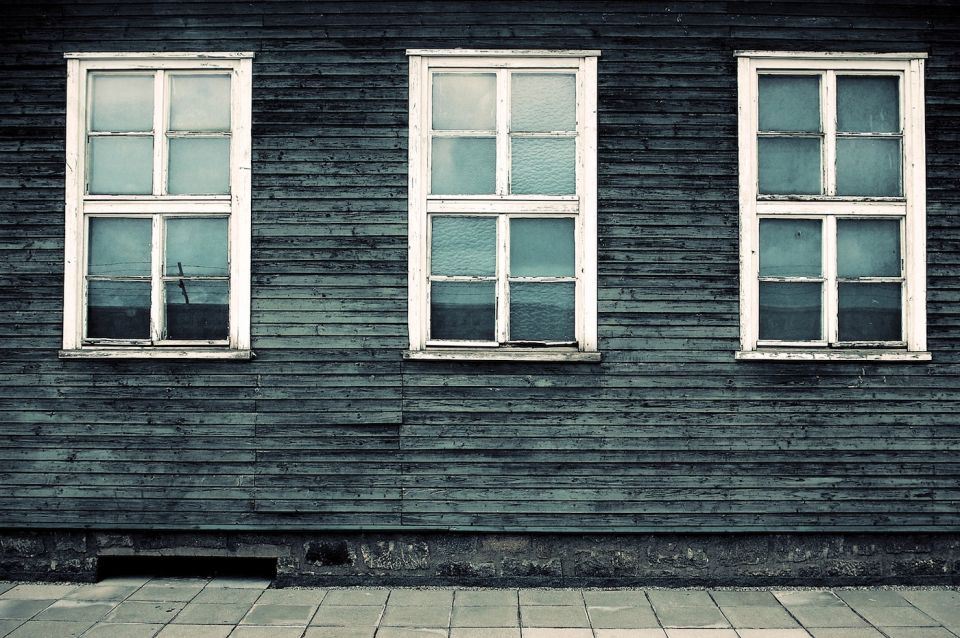
This visit isn’t vague. You’ll move through specific, preserved elements of the camp and related areas. Here are the major stops you should plan for, and what they mean for your understanding.
Wiener-Graben Quarry and hard geography
The Wiener-Graben Quarry is one of the key places you’ll visit. Quarries were not just workplaces; they were part of a brutal system that shaped daily suffering. Seeing the setting makes the scale feel real, because you’re standing in the terrain where forced labor took place.
Plan to spend a little extra time here if the story feels abstract at first. The audio guide helps turn the space into understanding.
You can also read our reviews of more tours and experiences in Vienna



SS-Quarters: the camp as a machine
You’ll also see the SS-Quarters. This is an important contrast point: it reminds you the camp wasn’t only about prisoners—it was also about the structure, authority, and routines that made the system function.
When you stand in or near administrative spaces, the goal isn’t to hunt for drama. It’s to notice how ordinary systems of control were integrated into the camp’s daily life.
Prisoners’ barracks and the Camp Prison
The tour includes visits to the prisoners’ barracks and the camp prison. These areas bring the experience back to the human level: confinement, deprivation, and the constraints that controlled movement and health.
You might find it helps to think in terms of movement. Ask yourself: where would someone go, what could they do, and what could they not do? The preserved spaces make those boundaries visible.
Gas Chamber: the visit’s darkest section
The gas chamber is included in the route. This part of the memorial is intentionally difficult. If you feel yourself getting overwhelmed, it’s totally okay to pause, take a breath, and use the audio for small chunks rather than trying to absorb everything at once.
The advantage of a self-guided structure here is simple: you can step back when you need to, without slowing down a whole group.
Paying respects at the Room of Names
One of the highlights is the chance to honor the victims by visiting the Room of Names. This is where the visit turns from sites and facts into people you can’t ignore.
The practical value is that the tour builds this into your time in a meaningful way. You’re not just passing through; you’re given time to learn and then pay respects.
If you’re traveling with family or friends, this is also a strong place to sit together quietly. It naturally creates a shared moment—even among people who usually rush through monuments.
Stairs of Death: connect the story to the terrain
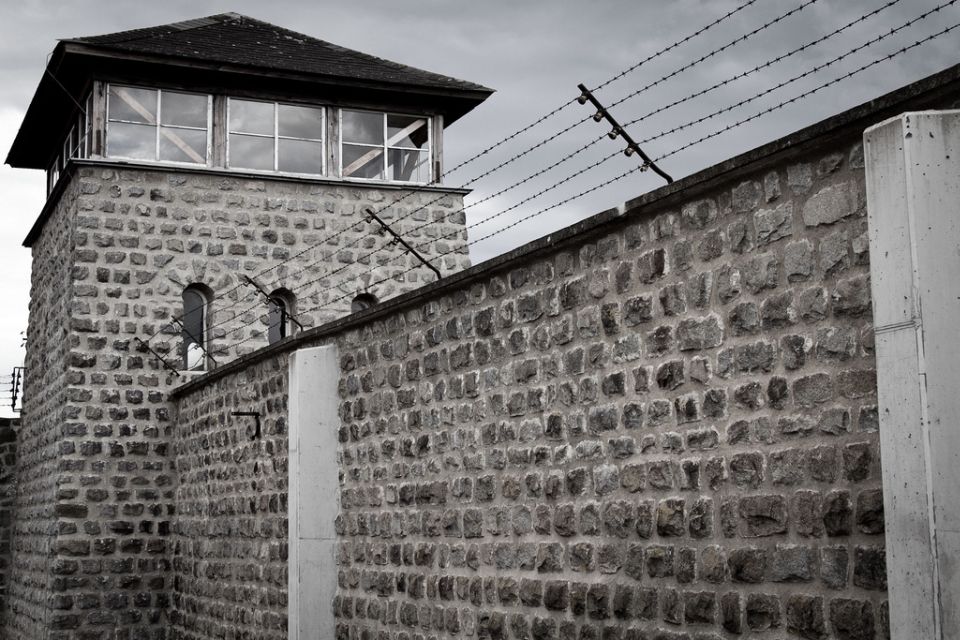
You’ll see the Stairs of Death, and it’s one of those places where the physical layout does a lot of the explaining. It’s hard to forget once you’ve walked around or near it, because you’re reminded that punishment often had a geography.
Don’t treat it like a photo spot. Treat it like a prompt for understanding: what would this mean for someone who was already weakened, exhausted, or injured? The audio guide helps you connect that question to the broader camp system.
The newly re-opened Mauthausen Museum: context right after walking
You’ll also visit the recently re-opened Mauthausen Museum. Museums at memorials often work best when they follow a route through the preserved grounds, because you already have images in your mind and can place the exhibits into a timeline.
In your pacing, think of it as your “connective tissue.” After seeing buildings, prison areas, and quarry-related spaces, the museum can help you make sense of how the complex worked over time.
If you’re the type who likes context, this museum stop will feel especially valuable. If you prefer less reading, at least take in the main interpretive sections; they can turn scattered impressions into a clearer story.
Timing that keeps the day humane
This trip is designed for one main visit and one main travel push—nothing more. The schedule goes like this:
- Pickup and departure around 9:30 AM from your Vienna hotel
- Arrive around 11:45 AM and have about 3 hours at Mauthausen Memorial
- Depart around 2:45 PM for Vienna
- A short stop for a snack about 30 minutes (paid on your own)
- Arrive back in Vienna around 5:30 PM for hotel drop-off
That timing helps because it avoids the trap of trying to cram too much into the memorial visit itself. Three hours gives you enough space to do the core route and still absorb what you’re seeing.
It also gives you an easy way to plan food. Lunch is not included, and you’re told to carry cash for it. In practice, I’d bring enough cash for a simple meal during the snack stop so you’re not scrambling.
Price and value: what you’re paying for with a private group
The price is listed as $1,343 per group up to 8 for the full experience, including hotel pickup and drop-off, private transportation, an English-speaking driver, and the self-guided memorial entry with audio guide.
For a serious one-day trip like this, I look at value in terms of what you avoid:
- You avoid traveling on your own with transfers and timing pressure.
- You avoid queue time thanks to skip-the-ticket-line access.
- You avoid having to coordinate a group at a memorial where your attention needs to stay on the site.
If you’re traveling as a couple, that price can still feel steep. But with a group of up to 8, it can start to look more like a fair “shared transport + guide support” cost rather than a premium solo experience.
Also, private transport keeps you in control of the day. You’re not waiting on other schedules, and you’re not dealing with a mix of walking speeds across the same route.
Who should book this day trip (and who should reconsider)
This tour fits best if you want a serious, structured memorial visit without the stress of complicated logistics. It’s also a good option if you prefer self-guided time with an audio guide, not a tight, scripted group tour.
It is not suitable for children under 14, so if you’re traveling with younger kids, you’ll need a different approach. On the other hand, the experience is wheelchair accessible, which is useful to know when planning accessibility needs.
Because the site is emotionally intense, it’s also a smart fit for adults and older teens who can handle reflective spaces and long walking segments.
My honest take: the balance is right
If you want the quick version: this is a high-value way to do Mauthausen from Vienna because transportation and entry are handled, and the memorial time is self-guided with language support. You get the key preserved areas, you get the chance to honor victims at the Room of Names, and you have time to take in the museum afterward.
A recurring theme in the experience of this tour is how the driver experience can lighten the day without changing the tone. People note English-speaking drivers and mention comfort details like a very comfortable vehicle and water. Josef/José is specifically named in feedback as someone who kept the mood respectful and human while explaining the day clearly.
That combination—comfort and clarity on the way, self-paced attention on site—makes the whole day easier to manage.
Should you book it?
Yes, if you’re doing this for understanding and respect, not for rushing. The private pickup, multilingual audio guide, and focused three-hour memorial window are exactly the setup that helps you take the site in without stress.
I’d book with extra confidence if:
- You want to control your pace at the memorial
- You need audio in a language you’re comfortable with
- You’re traveling with a small group and can split the cost
I’d think twice if:
- You’re looking for a mostly guided, scripted tour rather than self-guided audio
- You know you’ll struggle with a long, emotionally heavy day
If you do go, plan for good shoes, cash for your meal, and a slower mindset than you usually use for sightseeing.
FAQ
What time does the tour start from Vienna?
The tour start is listed as 9:30 AM.
How long is the day trip?
The duration is listed as 8 hours.
What happens after you visit Mauthausen?
After the memorial visit, you’ll depart around 2:45 PM, stop for about 30 minutes for a snack at a local restaurant at your own expense, and arrive back in Vienna around 5:30 PM for hotel drop-off.
Is lunch included?
No. Lunch is not included, and you’re asked to carry cash for lunch.
Is there an audio guide, and in what languages?
Yes. The audio guide is included and available in English, Czech, Dutch, French, German, Hebrew, Hungarian, Italian, Polish, Russian, and Spanish.
Do I have to wait in ticket lines?
The tour includes skip the ticket line.
Is the experience wheelchair accessible?
Yes, it is listed as wheelchair accessible.
Is it suitable for children?
No. It is listed as not suitable for children under 14.
How many people are in the private group, and what’s the price?
It’s a private group for up to 8 people, priced at $1,343 per group.