REVIEW · VIENNA
Fall in Love with Vienna Tour- the best of Vienna on foot!
Book on Viator →Bookable on Viator
Vienna turns on fast when you walk it. This 3-hour, on-foot tour strings together the city’s big landmarks and the stories that make them stick. You start with Mozart-linked sights, work through churches and imperial power centers, and end at the Opera area with practical ideas for what to do next.
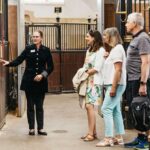
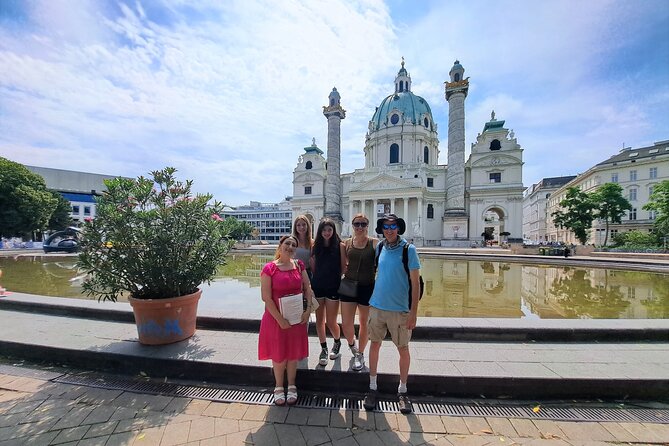
I like the way this tour teaches you what you’re looking at, not just where it is. Nicoletta and Moritz are highlighted by name in guide feedback I’ve seen, and a consistent plus is that guides will help with photos so you do not spend the day fighting your phone. I also like the built-in comfort: a coffee-house break (January to November only) that keeps the pace human, not marathon.
One thing to consider: it is a popular, central route, so crowds can make it harder to hear at certain stops, especially in peak season. If you want deep, museum-level detail for every building, you may still want to plan a follow-up visit on your own.
In This Review
- Key highlights
- Vienna on foot in 3 hours: how this tour sets you up
- Pace, distance, and crowd reality (so you pack smart)
- Mozarthaus meeting point and the Mozart warm-up you’ll remember
- Stop: Mozart and the first lesson in Vienna storytelling
- St. Stephen’s, wafer counter, and church stops that explain the city
- Stop: how a fast tour can still be thoughtful
- Julius Meinl coffee culture and the smartest way to plan your coffee stops
- Hofburg, Sisi Museum area, and the imperial core you’ll walk through
- Stop: Sisi Museum and the Empress Elisabeth story
- Volksgarten, the Greek temple reminder, and Parliament-area elegance
- Burgtheater, Schottenkirche, and the Ring street feel at the end
- Café Central to Hotel Sacher: sweet stops with clear stories
- Spanish Riding School and Opera-area finale
- Finish at Vienna’s Opera house
- Price and value: what $72.59 buys you here
- Who this tour suits best (and who should look elsewhere)
- Should you book Fall in Love with Vienna Tour- the best of Vienna on foot!
- FAQ
- FAQ
- How long is the Vienna walking tour?
- What’s the price per person?
- Where does the tour start and end?
- Is the tour offered in English?
- Is there a coffee-house break included?
- Are museum entrance fees included?
- How big is the group, and what fitness level is needed?
Key highlights
- A tight 3-hour route that gives you bearings for the rest of your Vienna days
- Guides take photos for you, so you get real pictures at landmark spots
- Coffee-house break (Jan–Nov) plus tips on where to eat and drink nearby
- Mostly exterior sightseeing, so you skip lots of waiting on entry lines
- Imperial hits in one loop: Hofburg, Sisi Museum area, Heldenplatz, and more
- Ends at the Opera area so you can continue walking or hop into your next plan
Vienna on foot in 3 hours: how this tour sets you up
If you’ve only got a half day, Vienna can feel like it’s going to swallow you whole. This tour is built to stop that feeling. You get a clear line through the city’s most iconic corners, and you learn enough context that later visits feel easier.
The format matters. It is a guided walking tour with a small-to-medium group (up to 18), so you can ask questions without feeling like you’re shouting at a wall. And because it focuses on major landmarks around the city center, you leave with a mental map that makes your self-guided time better.
You also get a practical planning boost. The guide provides local recommendations for museums, venues, restaurants, and coffee shops—exactly the stuff that’s hard to sort out on day one when your energy is still catching up.
You can also read our reviews of more tours and experiences in Vienna.
Pace, distance, and crowd reality (so you pack smart)
This is a walking tour with a moderate fitness level requirement, and it is not “stand in one place and look pretty.” Expect a solid trek—one feedback note describes it as around 5 km—with some uneven footing from cobblestones. That’s not a reason to skip it, just a reason to bring good shoes.
The pace is designed to keep moving. You are not stuck for long periods at every stop, which helps you cover more ground in a short time window. Still, it’s Vienna. In busy seasons, you can run into crowds around big sights like St. Stephen’s Cathedral and the Ring street corridor, so plan for the tour to feel lively.
The other practical point: audio can be tricky when streets get packed. Even with a strong guide, you might need to step a little closer at times if you want to catch every detail.
Mozarthaus meeting point and the Mozart warm-up you’ll remember
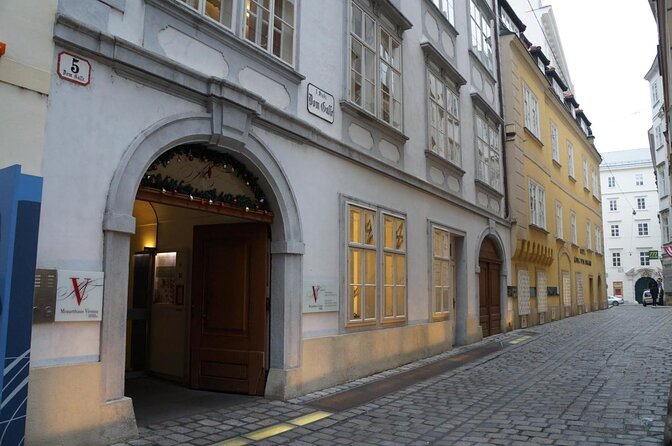
The tour starts at Mozarthaus Vienna on Domgasse 5, right by the historic center. This is a smart kickoff because it grounds you in Vienna’s musical identity before the route turns toward churches and palaces.
From there, you learn about Mozart and his life in Vienna right in front of one of his long-time residences. If you want even more music, the tour mentions that they can help book concert tickets on request in top concert houses—so you can turn your “first stop” into a full Vienna music plan.
Stop: Mozart and the first lesson in Vienna storytelling
Vienna is famous for names. The trick is learning how those names connect to real places. This early stage helps you understand why certain streets matter and why the city feels so interconnected—music, power, religion, and everyday life all show up in the same walking loop.
St. Stephen’s, wafer counter, and church stops that explain the city
Next comes St. Stephen’s Cathedral area, and the route uses the surroundings to make the sights make sense. You visit Stephansdom, one of Vienna’s main attractions from the 11th century. The key value here is orientation: you see the church in the context of the streets around it, not as an isolated postcard.
Just after that, there’s a quick stop for a wafer-and-candy shop right by St. Stephen. It’s a short detour, but it’s also very Vienna. You get the idea that food culture here is not an afterthought—it’s part of the sightseeing experience. This is also a good moment to grab a snack so you’re not hunting later.
Then you move through a sequence of smaller-but-meaningful monuments and churches:
- Pestsaule (Colonna Della Peste): a high baroque plague memorial ordered by Emperor Leopold II in gratitude for help during a plague epidemic. It’s a reminder that Vienna’s grand look often sits on top of real survival stories.
- Peterskirche: a Roman Catholic church that looks like an art gallery inside. The standout point is the rebuild—originally destroyed in the 16th century, then rebuilt, giving you baroque drama in a very compact stop.
Stop: how a fast tour can still be thoughtful
These shorter stops are doing a job. They teach you to notice details you’d otherwise skip: the reason a monument exists, what a rebuild means historically, and why baroque styles show up again and again across the city center.
Julius Meinl coffee culture and the smartest way to plan your coffee stops
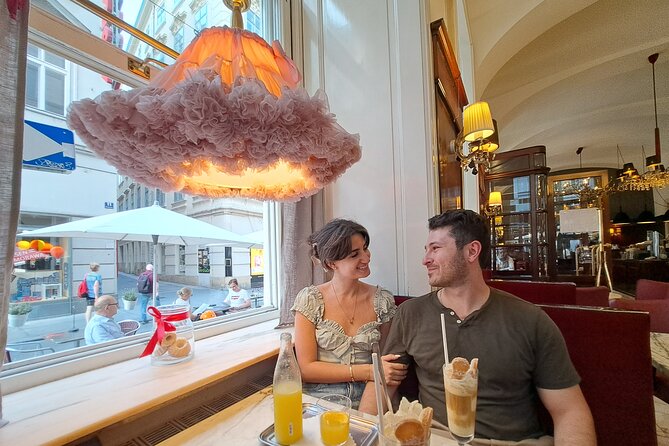
At some point mid-tour, you’ll hear about Vienna’s coffee culture and visit Julius Meinl near Kohlmarkt street. The reason this part works is simple: you get a story, then you get the place. That’s how you remember things when you’re tired.
Later in the route, the tour keeps feeding that theme. You pass or stop near key historic cafés, including:
- Café Landtmann, linked with Sigmund Freud as his favorite coffee house
- Café Central, often called Vienna’s most famous coffee house in this area
- Demel, presented as Empress Elisabeth’s favorite cake shop just outside the winter palace
Even if you do not go inside every café, the route helps you understand what each one represents in Vienna’s social life. After the tour, you’ll know which café to choose based on the mood you want—quiet historic sitting, sweet and decadent, or simply a classic stop to recharge.
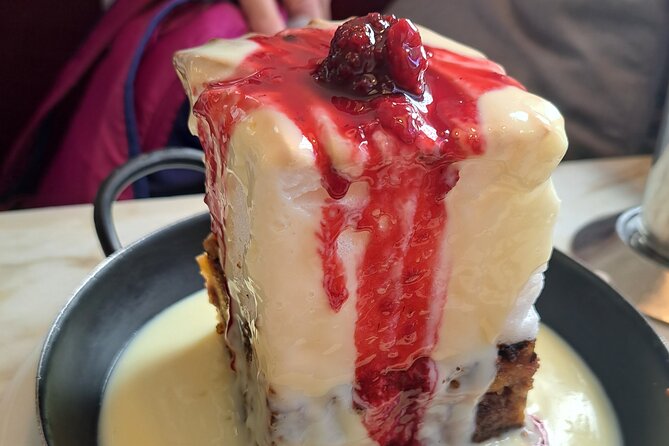
One review detail that’s useful: during the mid-tour coffee break, people mention ordering coffee and apple strudel. If that’s your thing, keep it in mind for your break.
Hofburg, Sisi Museum area, and the imperial core you’ll walk through
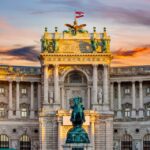
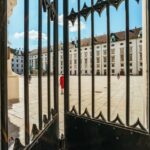
This is where Vienna stops being “pretty buildings” and starts being real power. The tour brings you to the Hofburg complex, and you get a guided explanation of where Elisabeth, Franz, Maria-Theresa, and others lived.
The guide doesn’t treat the palace like a museum label. The emphasis is on daily life around the Habsburgs: the people who worked there, the rhythms of palace living, and the weird little stories that make history feel less like a list of dates.
Stop: Sisi Museum and the Empress Elisabeth story
Right near this area, you reach the Sisi Museum, dedicated to Empress Elisabeth and connected to the museum of the Emperor’s Apartments. The tour frames this as legend plus storytelling, which is exactly how you want an empress museum to land—less dry, more human.
Then you continue to:
- Heldenplatz (Heroes’ Square): described as the entrance to the Winter Palace area, with several museums around the square and a tie-in to palace spaces like a major ballroom
This part is especially valuable if you’re planning to visit Hofburg or related museums later. You’ll already know where you are, what you’re looking at, and which rooms or stories are likely to interest you.
Volksgarten, the Greek temple reminder, and Parliament-area elegance
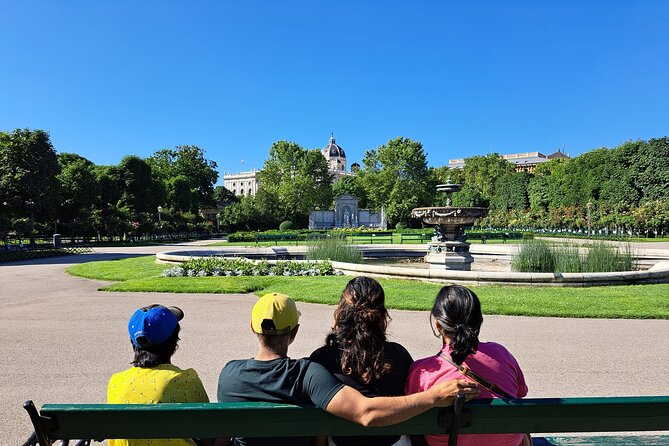
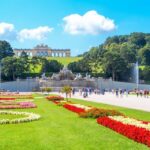
The tour then shifts from imperial interiors to city gardens and public spaces. You’ll visit Volksgarten, built in 1821 and known as the garden of the 1000 roses. Even in a short visit, you get the sense that Vienna’s parks are not remote escapes—they are part of the city’s daily rhythm.
In the People’s Garden, there’s also a Greek style temple inside. The tour frames it as a reminder of the Habsburg emperors’ interest in Greece, which helps explain why classical themes show up so often in Viennese planning.
From there, you move to the Pallas-Athene-Brunnen, a fountain in front of the Austrian Parliament. You learn what the goddess is holding and what that symbolizes. It’s a quick stop, but it trains your eye to see allegory in plain sight—sports fans and soccer metaphors will understand this fast; it’s the same idea.
Then you pass the city hall with its new-gothic architecture. The tour points out that it’s used for festivals year-round and hosts the largest Christmas market in Vienna. That detail is useful if your trip timing lines up with the holidays—you’ll know exactly where to aim.
Burgtheater, Schottenkirche, and the Ring street feel at the end
Vienna’s Ring street area can overwhelm you because it’s all grand at once. This tour helps by feeding you landmark stops in the right order.
You’ll pass Burgtheater, built in the 17th century by Maria Theresa. The point here is not the theater building alone—it’s that the Habsburg court culture shaped arts institutions early and kept feeding them.
Next you visit Schottenkirche, a 13th-century church, monastery, and museum area. The framing is that it relates to early churches in Vienna, which can make it feel like you’re stepping back a few chapters in the city’s timeline.
Then there’s Palais Ferstel with its passage and fountain—shown as a beautiful palace area with shops, restaurants, and café options nearby. This is a “look up and notice” stop. You’ll likely walk through the passage and remember it later when you see similar architecture elsewhere.
Café Central to Hotel Sacher: sweet stops with clear stories
If you love pastry culture, this tour gives you a fun path through some of the city’s most famous names. After Palais Ferstel, you hit Café Central, described as the most famous in Vienna in a historic palais.
Then you go to Demel, positioned as Empress Elisabeth’s favorite cake shop near the winter palace. Candy lovers will appreciate that the tour presents it as a must-visit for cakes and chocolates.
Finally, you reach Hotel Sacher Vienna, introduced as the birthplace of the Sacher cake and the place to taste the original. Even if you already know the name, this stop helps you connect the cake story to the building and the broader idea of Vienna as a place where food and identity stick together.
Spanish Riding School and Opera-area finale
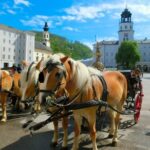
You’ll also pass the Spanish Riding School, with a tradition tied back to Emperor Maximilian and the idea of maintaining a strong military presence. Even if horses are not your main interest, this stop tells you why Vienna takes tradition so seriously.
Then the route includes Augustinerkirche, where a small chapel holds hearts of emperors and empresses of Austria, kept as a preserved treasure since the 17th century.
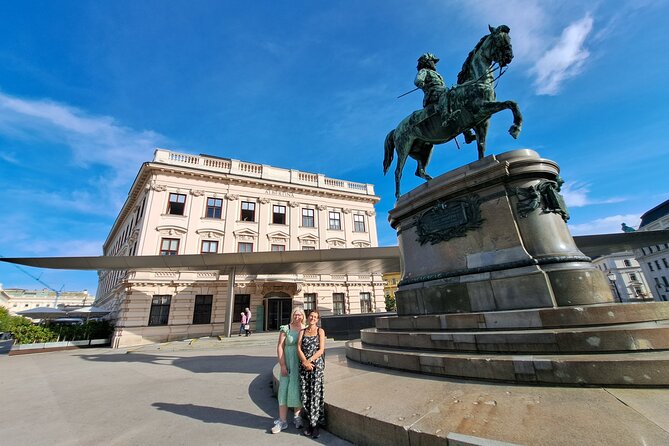
As the tour wraps up, you reach Albertinaplatz, tied to the Albertina museum area, a memorial for the Jewish community of Vienna, and also the city’s central tourist information office. It’s a meaningful moment because the route doesn’t only spotlight power; it also includes remembrance and civic resources.
Finish at Vienna’s Opera house
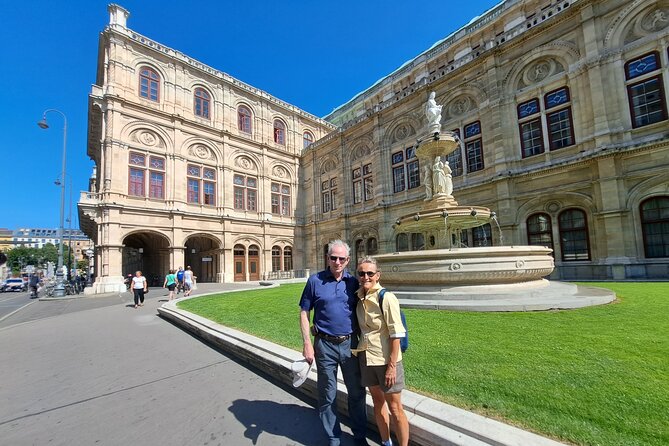
The final stop is Vienna State Opera (Wiener Staatsoper). You’ll also hear why the opera matters in the city’s modern identity, since the building dates to 1869 and sits right on Ring street.
The tour ends at Herbert-von-Karajan-Platz in front of the opera, which is perfect if you want to keep walking on the Ring or start an evening plan nearby.
Price and value: what $72.59 buys you here
At about $72.59 per person for roughly three hours, this tour is priced like a “high value, no-wasted-time” option. The good reason is that you get a tight route through a lot of recognizable landmarks, plus a guide who can answer questions as you walk.
Another value point: most stops in the route are free to view from the outside. That keeps the tour from turning into a constant line of paid admissions. Museums you want to enter afterward are still your choice, but the tour helps you decide what’s worth your time and money.
Also worth noting: the tour is scheduled with morning or afternoon departures (to fit your schedule), and the guide offers practical suggestions for museums and cafés. That planning help can save you time and reduce the stress of deciding where to go next.
If you only want a cheap photo walk, this might feel like too much. If you want a fast orientation plus stories plus guidance on what to do after, the price makes a lot more sense.
Who this tour suits best (and who should look elsewhere)
This is a great fit for:
- First-time visitors who need bearings quickly
- People who want to cover major sights without buying a long list of tickets
- Travelers who like coffee stops and food culture stories
- Anyone who appreciates a guide who will help with questions and photos
It may not be the best choice if:
- You expect museum-style depth at every major stop
- You prefer a quieter day where you can linger inside places for long periods
- Your priority is one specific topic (like only music, only architecture, or only palace interiors)
Should you book Fall in Love with Vienna Tour- the best of Vienna on foot!
Yes, if you want a half-day overview that actually helps your next moves. This route gives you a practical map through the city center, plus coffee-and-cake culture that’s part of Vienna’s personality, not an optional side quest. The ending at the Opera area is a clean finish point for an evening plan.
I’d book it especially if you’re arriving mid-trip and need a smart first day. Bring comfortable shoes, be ready for crowd noise at the busiest stops, and plan to pick one or two places from what you saw for deeper visits later.
FAQ
FAQ
How long is the Vienna walking tour?
The tour lasts about 3 hours.
What’s the price per person?
The price is $72.59 per person.
Where does the tour start and end?
It starts at Wien Museum Mozart apartment (Mozarthaus), Domgasse 5, 1010 Wien, Austria. It ends at Vienna Highlight Tour on Herbert-von-Karajan-Platz at the Staatsoper area, 1010 Wien, Austria.
Is the tour offered in English?
Yes, it is offered in English.
Is there a coffee-house break included?
There is an extra 30-minute break in a traditional Viennese coffee house from January to November only.
Are museum entrance fees included?
No. Entrance fees to museums are not included.
How big is the group, and what fitness level is needed?
The tour has a maximum of 18 travelers. You should have a moderate physical fitness level for the walking pace and cobblestones.