REVIEW · VIENNA
Vienna: Vivaldi’s Four Seasons Concert in Karlskirche
Book on GetYourGuide →Operated by Orchester 1756 GmbH · Bookable on GetYourGuide
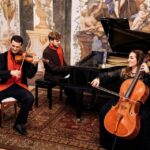
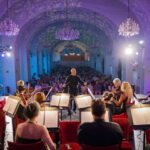
Vienna’s Karlskirche turns Vivaldi into real atmosphere. You get Vivaldi’s Four Seasons performed by Orchestra 1756 on period instruments, so the sound feels closer to the 1700s than what you hear in most modern concerts. I particularly like how the church setting makes the music’s drama feel physical—thunder, birdsong, ice, and hunting scenes all land in the air.
Just do one thing for comfort: dress for temperature. The venue has no air conditioning, so it can run very cold in winter (but blankets are provided). A possible drawback is that seating quality varies, and being far back or up in the balcony can mean a weaker view and less direct sound.
In This Review
- Key Details That Matter
- Why Karlskirche Makes Vivaldi Feel Like a Show
- Orchestra 1756 and the Period-Instrument Sound
- The Program: What You’ll Hear in the Four Seasons
- Seat Choice: Where You’ll Actually See the Musicians
- Staying Warm (or Not): Vienna Weather Meets No Air Conditioning
- The Experience Length: Why 75 Minutes Works
- Photography, Cameras, and the Rules That Affect Your Evening
- Who This Concert Is Best For (and Who Might Skip It)
- Price and Value: Is $40 Worth It?
- Should You Book This Karlskirche Vivaldi Concert?
- FAQ
- How long is the Vienna Vivaldi’s Four Seasons concert at Karlskirche?
- Where is the meeting point?
- Are cameras allowed during the performance?
- Is the venue comfortable year-round?
- Are children allowed?
- Is this concert suitable for wheelchair users?
- Can I enter after the concert starts or leave and re-enter?
- What music will be included besides Vivaldi’s Four Seasons?
Key Details That Matter
- Orchestra 1756 plays on period instruments for a more historical sound
- 75 minutes of music, plus a short amount of extra material that changes week to week
- Karlskirche is the star, and the temperature can be extreme without climate control
- Blankets are available on seats, and some front seating includes heat under the seat
- Some seat areas (especially farther back or balcony) can affect how well you hear and see
Why Karlskirche Makes Vivaldi Feel Like a Show
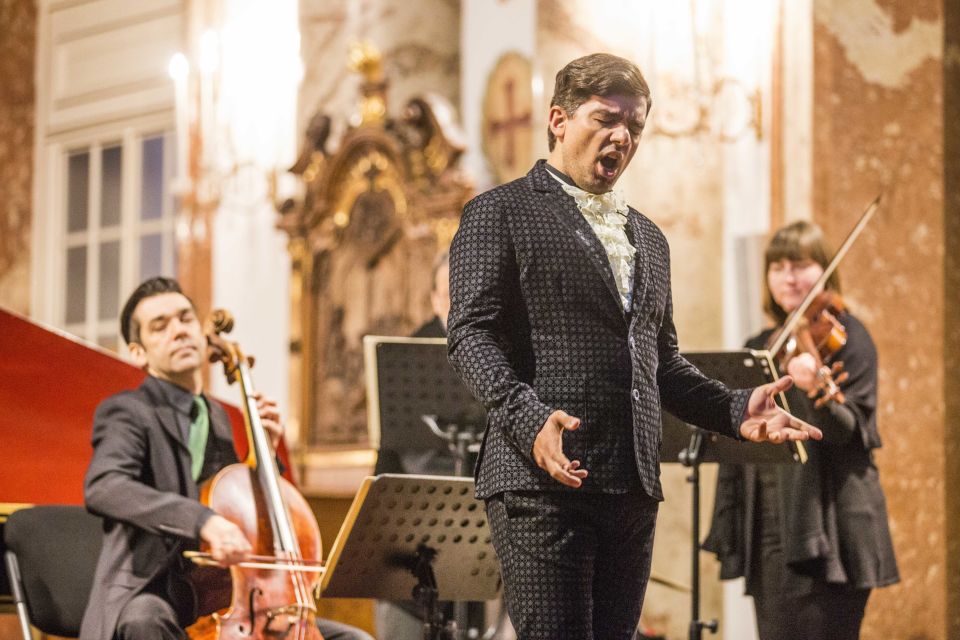
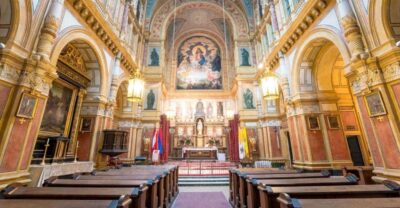
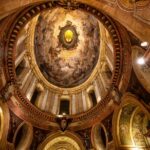
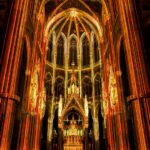
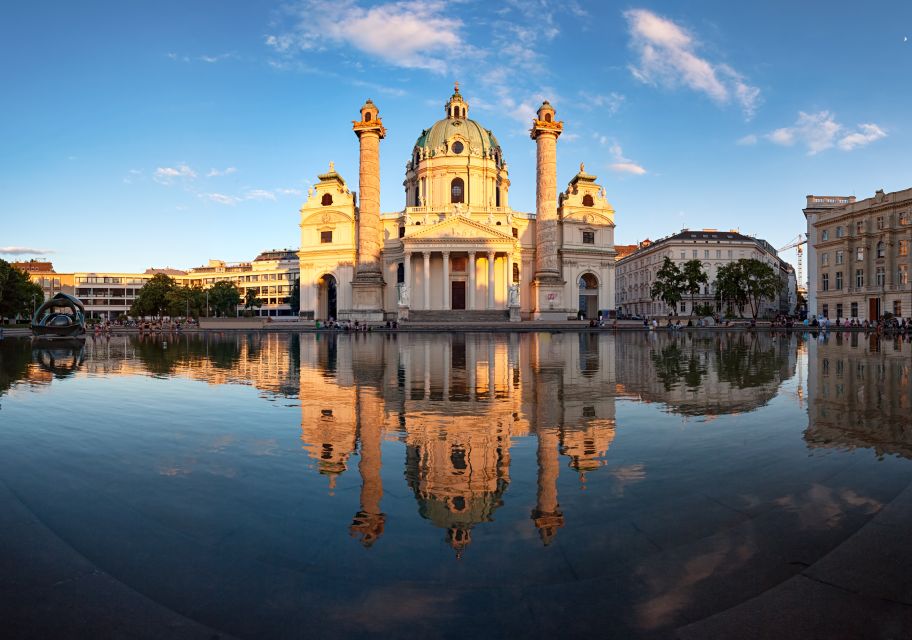
Karlskirche is one of those Vienna churches where the architecture does not stay quiet. Even before the first note, you’ll feel how much this space wants to “carry” sound. That matters because Vivaldi’s Four Seasons is built for contrast: sudden storms, brittle winter textures, and bright spring energy.
The result is that the music does not sit politely in the background. You hear it as story—thunder and lightning feel like events, not effects. If you’ve ever liked the idea of classical music but found it too formal, this kind of staged natural drama usually flips the switch.
And yes, the church itself can be part of the soundtrack. People keep pointing out how beautiful the hall is and how well the sound carries, especially when you’re in a good seating zone. For many, it turns a standard concert into a Vienna moment with a location you’ll remember.
You can also read our reviews of more tours and experiences in Vienna
Orchestra 1756 and the Period-Instrument Sound
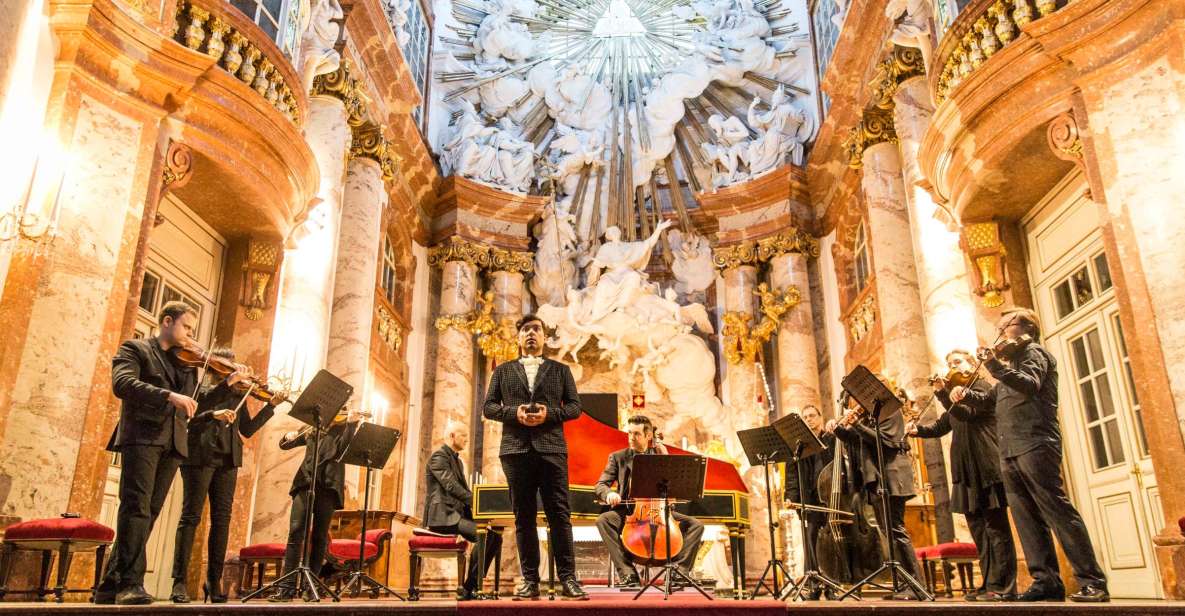
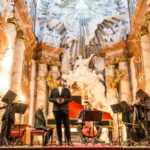
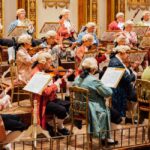
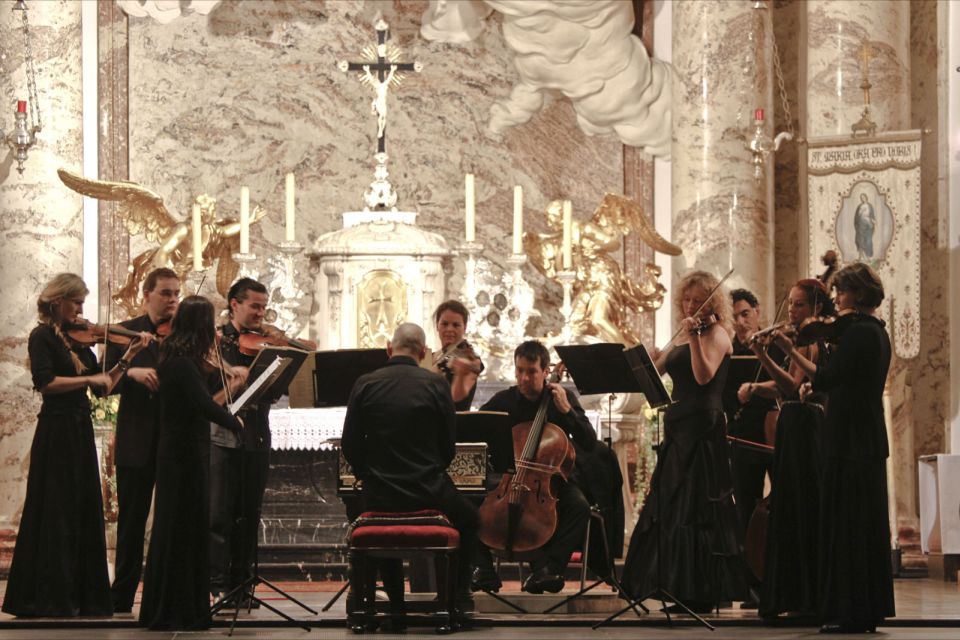
This concert is special because Orchestra 1756 performs on period instruments. That usually means the instruments and playing style aim to recreate the sound-world around Vivaldi’s time. You can hear the difference in details: articulation comes through more clearly, and the textures can feel lighter and more “sprung” than in some modern performances.
You’re also hearing the music as Vivaldi intended it to communicate. The concert format follows the Four Seasons structure, with each season’s character brought forward through string writing and the supporting harmonic engine. The program is built around a string ensemble plus basso continuo, so you get that sense of steady pulse under the melodies.
I like this approach because it makes the famous violin lines feel less like museum pieces. They feel like living lines—phrases you can track, chase, and anticipate. Even if you’re not the biggest classical fan, the historical sound tends to make the music easier to follow and more fun to listen to.
The Program: What You’ll Hear in the Four Seasons
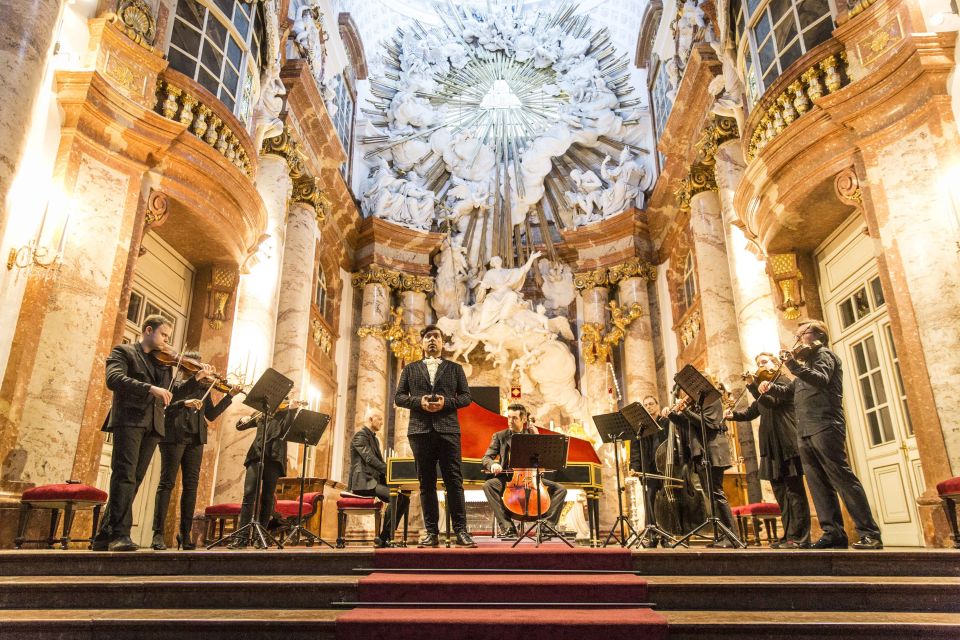
Plan for four main blocks, one for each season. The concert performs:
- Spring, Op. 8 No. 1
- Summer, Op. 8 No. 2
- Autumn, Op. 8 No. 3
- Winter, Op. 8 No. 4
Each season is tied to the idea of four sonnets—the literary images that inspired the music. So you’re not just listening to tempi and keys. You’re listening for scenes: cracking ice, birdsong, a sleeping shepherd boy, hunting parties, and stormy weather moments like thunder and lightning.
A quick practical reality check: this is violin concerto music. That means the violin lines are often the headline, but the ensemble work around them is what makes the picture complete. You’ll hear the music set up a “you are there” feeling—especially in a resonant church.
Then there’s usually also one or two additional parts that change from week to week. Those extra pieces can include works by Mozart, J. S. Bach, H. I. F. Biber, and other major composers. So even if you’ve heard Four Seasons before, there’s a chance the evening won’t feel identical to another performance.
Seat Choice: Where You’ll Actually See the Musicians
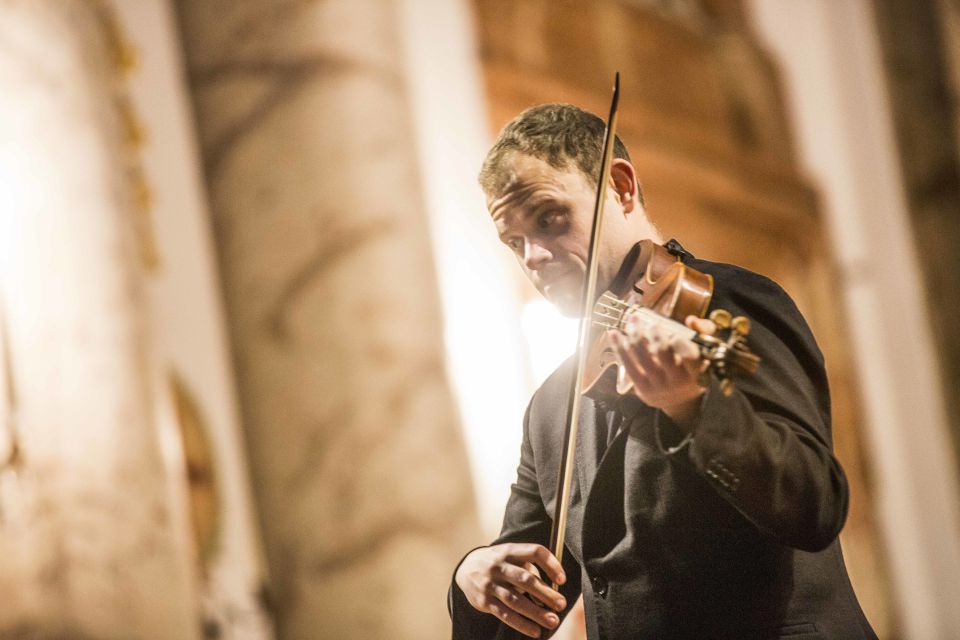
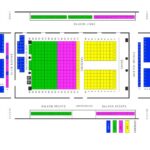
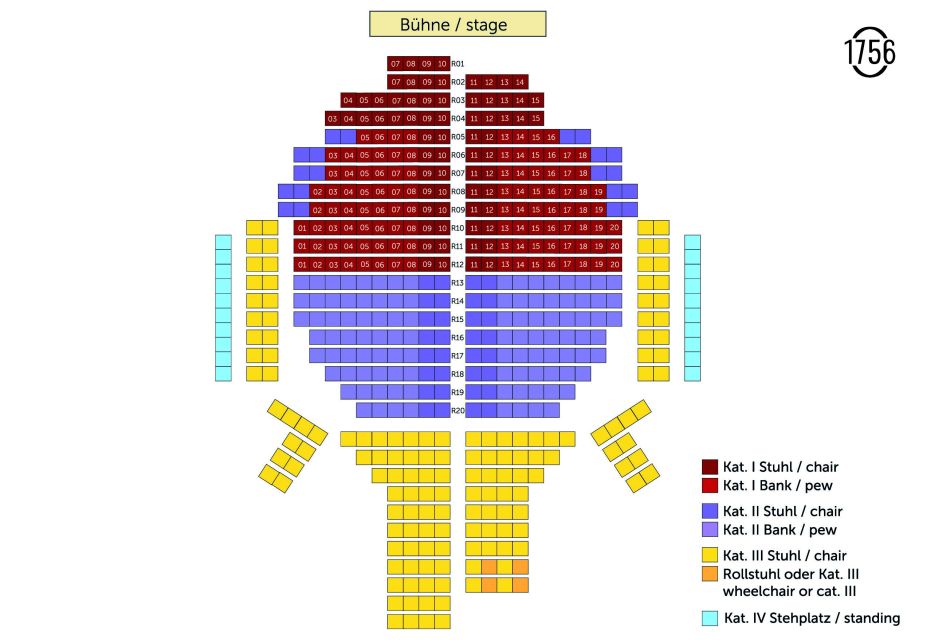
Seat quality is the difference between a good concert and a great one here. Many people choose the front rows because they can see the musicians more clearly and catch the energy up close. If you want to watch bowing, facial expression, and that small musical communication that happens in chamber-style groups, closer seats help a lot.
If you go for farther back seating or the balcony, expect trade-offs. You might still enjoy the sound, but view lines can get blocked by the room’s geometry and by other audience members. Some seating can also make the sound feel less direct, especially in sections that rely more on natural reflections from the church.
I recommend deciding based on what you care about most:
- Want the best “face-to-face” performance view? Pay for the better seating tier.
- Want a good listen more than a close look? Mid-range can work fine.
- If you hate the idea of strained listening or looking past heads, be cautious with the top or back sections.
Also, the church pews can be hard for 75 minutes. Bring a mindset that says: yes, your comfort prep counts.
Staying Warm (or Not): Vienna Weather Meets No Air Conditioning
The venue can swing hard by season. There’s no air conditioning, so winter can feel truly cold and summer can feel stuffy. The good news: you’re not left totally unarmed. Blankets are provided on seats, and some front seating includes heat under the seat, which is a big comfort boost for longer sitting.
Here’s what I’d do if I were planning your evening: wear layers you can handle. Bring something warm you’d actually use—like a thicker jacket and warmer socks. If you tend to feel cold quickly, plan as if you’ll be sitting longer than you think you will.
One more practical point: the church doors open 30 minutes before the concert starts. That matters because you’ll want time to settle without rushing, and because you’ll likely need a minute to get comfortable with your clothing and posture.
If you’re already thinking about how cold the pews might be, this concert is still worth it. Just treat warmth as part of the plan, not an afterthought.
The Experience Length: Why 75 Minutes Works
At 75 minutes, the concert has a “contained” feeling. It’s long enough for each season’s mood to register, and short enough that you don’t start thinking about your coat, your feet, or the end of the night halfway through.
That time structure also matches Four Seasons well. You get the arc: spring brightness, summer heat, autumn rhythms, then winter chill. With the extra changing pieces, you also get a little surprise element without turning the night into an all-consuming event.
This is one of those activities that fits almost any Vienna itinerary. It’s perfect if you want an evening that feels cultural but not complicated. It also works nicely as a finale day activity—something that feels like a proper send-off to the city.
Photography, Cameras, and the Rules That Affect Your Evening
This concert has clear boundaries. Cameras are not allowed during the performance, though you can take photos before and after. That means you get a moment to capture the church and then your full attention goes to the music.
Also keep in mind:
- No entry is permitted after the concert has started.
- Leaving and entering during the concert isn’t allowed. If you leave, you can’t return to the hall for that concert.
That sounds strict because it is strict. So I’d plan a calm arrival, use the time before the music to settle, and skip any last-minute bathroom runs once the performance begins.
One small irony: the church is gorgeous, so you’ll want photos. The system is basically telling you to enjoy it in real time, then snap pictures at the ends.
Who This Concert Is Best For (and Who Might Skip It)
This works best for you if:
- You like classical music but want something with momentum and clear character.
- You want a Vienna cultural experience that feels connected to the place, not just a ticket and a seat.
- You’re curious about historical performance sound and want to hear how Four Seasons can land differently.
It can be less ideal if:
- Your comfort is a big deal and you hate cold indoor seating. The venue can be cold in winter.
- You need a wheelchair-friendly setup, because wheelchair users aren’t suitable for this event.
- You rely on bringing kids under 6, because children under 6 aren’t allowed.
Age rules matter here. If you’re traveling with young kids, plan a different evening option.
Price and Value: Is $40 Worth It?
At around $40 per person for a 75-minute concert, the value depends on what you’re buying. You’re paying for two things that are hard to recreate yourself: (1) a major historic church setting, and (2) a period-instruments performance that changes the sound character.
You also shouldn’t expect extras. The ticket includes the entrance only. Food and drinks aren’t included, there’s no mention of a cloakroom, and you’ll handle getting there on your own (transfers aren’t included).
So the best value is for people who treat this as the main event of the evening. If you’re already planning a full night out with dinner nearby, then this becomes a great add-on: a concentrated dose of music in a memorable space.
Should You Book This Karlskirche Vivaldi Concert?
Book it if you want Four Seasons plus a real sense of place. The combination of Orchestra 1756, period-instrument sound, and the atmosphere of Karlskirche is exactly the kind of “why am I here?” payoff that makes a Vienna trip feel complete.
Skip it if you know you’ll be miserable sitting in a cold (or hot) church for 75 minutes, or if your viewing needs are strict and you’re considering the far back or balcony sections. In that case, either choose a better seat tier or pick a different evening plan.
If you do go, show up early, dress warm, and accept the no-photo-during-performance rule. Then sit back and let Vivaldi do what he does best: turn weather and seasons into music you can almost see.
FAQ
How long is the Vienna Vivaldi’s Four Seasons concert at Karlskirche?
The concert runs for 75 minutes.
Where is the meeting point?
The meeting point may vary depending on the option booked, so you’ll need to use the meeting point details tied to your chosen option.
Are cameras allowed during the performance?
No. Cameras are not allowed during the performance. You can take pictures before and after.
Is the venue comfortable year-round?
The church does not have air conditioning, so it can be cold in winter and hot in summer.
Are children allowed?
Children under 6 years are not allowed.
Is this concert suitable for wheelchair users?
No. It is not suitable for wheelchair users.
Can I enter after the concert starts or leave and re-enter?
No entry is permitted after the concert has started. Leaving and entering during the concert is not allowed, and if you leave you cannot re-enter the concert hall.
What music will be included besides Vivaldi’s Four Seasons?
Besides the four Four Seasons concertos, there may be one or two additional parts that change from week to week, with possible works by Mozart, J. S. Bach, H. I. F. Biber, and other major composers.