REVIEW · VIENNA
Vienna Spanish Riding School Guided Tour
Book on GetYourGuide →Operated by Spanische Hofreitschule · Bookable on GetYourGuide
A calm hour inside one of Vienna’s most famous horse kingdoms. You’ll move through the Winter and Summer Riding Schools, then end up in the Stallburg to see the Lipizzaner stables and the Renaissance setting they train for. Two things I really like: you get the architecture lesson built in, and the guide talks history plus day-to-day horse work. The only real catch is strict rules, especially no cameras or video, and on a larger group you may have to position yourself to hear everything.
This is a 55-minute guided tour run by the Spanische Hofreitschule, with live guides in English or German. You’ll exchange your mobile voucher at the cashier desk at the entrance at Michaelerplatz 1, then follow the group through key spaces where classical training happens. One drawback to consider: the tour doesn’t include morning exercise tickets, so if you’re aiming for the action at a specific training session, you may need a separate add-on.
In This Review
- Key Things You Should Notice During the Tour
- Stallburg and the Spanish Riding School: What You’re Really Paying For
- The 55-Minute Route: Where Your Time Goes (and What You’ll Miss)
- Winter Riding School: Baroque Architecture That Explains the Training Mood
- Summer Riding School and the Oval Horse Walker: Seeing the Work Behind the Scenes
- Stallburg and the Renaissance Courtyard: Where History Feels Close
- Lipizzaner Stables: How to Watch Without Interrupting the Routine
- Price and Value: Is $28 for 55 Minutes a Good Deal?
- Who Should Book This Spanish Riding School Tour (and Who Might Skip It)
- FAQ
- FAQ
- Where is the meeting point for the Vienna Spanish Riding School guided tour?
- Do I need to exchange a voucher when I arrive?
- How early can I pick up tickets?
- How long is the guided tour?
- What languages are the guides available in?
- Are cameras or video recordings allowed?
- Is the tour suitable for wheelchair users?
- Are pets allowed on the tour?
- Does this tour include morning exercise tickets?
- Should You Book This Tour?
Key Things You Should Notice During the Tour
- Winter Riding School: Baroque spaces that frame how the classical method is practiced
- Summer Riding School: where you’ll see the large oval horse walker
- Stallburg setting: Vienna’s major Renaissance structure, not just a backdrop
- Lipizzaner stables: historical, close-up access to the stars of the school
- Built-in context: horses, riders, and the logic behind the routines you’re seeing
Stallburg and the Spanish Riding School: What You’re Really Paying For
Vienna sells a lot of tickets. This one is for people who want meaning, not just a photo stop. The Spanish Riding School (Spanische Hofreitschule) has been operating for more than 450 years, and that continuity changes how the place feels. It’s not a museum built around horses. It’s a working institution where the Renaissance tradition of classical equitation still shapes training choices.
The big value here is that you see the school as a system. The buildings matter because classical training is slow, controlled, and repetitive on purpose. When you tour both the Winter and Summer locations, you’re not just switching rooms. You’re seeing how the same tradition adapts to conditions across seasons. Add the Stallburg, Vienna’s most important Renaissance structure, and you get a feel for why this place became iconic in the first place.
I also appreciate that the tour is tightly timed. At 55 minutes, it stays focused: history, architecture, and the spaces where horses rest and train. If you’re doing a packed Vienna itinerary, this “small commitment, high payoff” format fits well.
You can also read our reviews of more guided tours in Vienna
The 55-Minute Route: Where Your Time Goes (and What You’ll Miss)
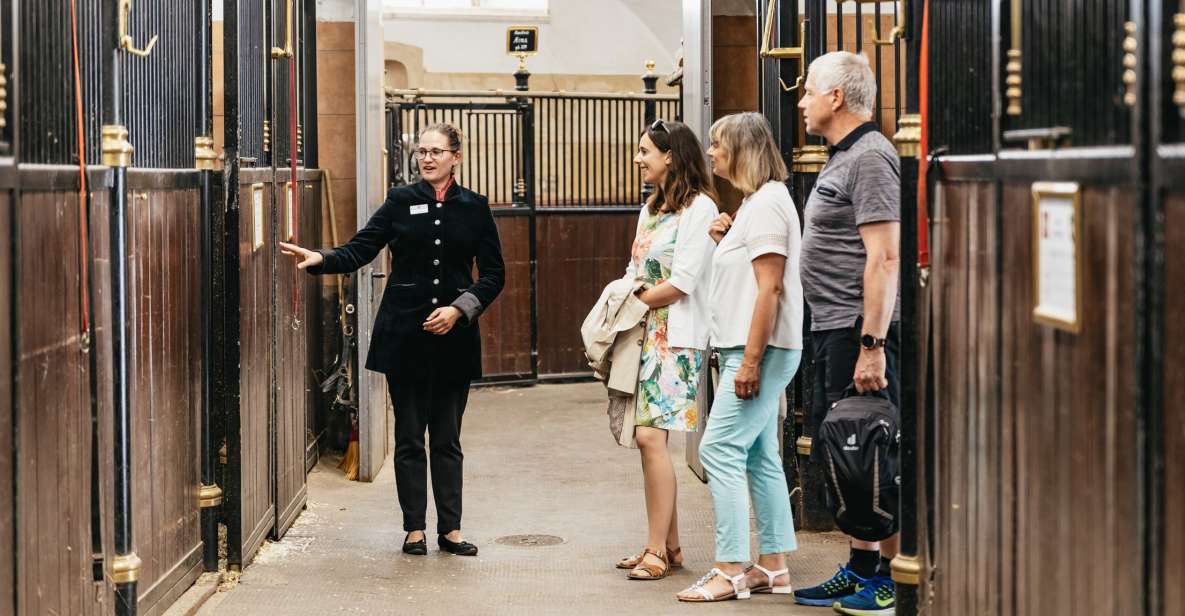
Here’s the rhythm you should expect: you gather at Michaelerplatz 1 at the main entrance, check in, and then walk through the key parts of the facility with a live guide. The tour’s structure is designed to give you variety without dragging on.
You’ll typically spend time seeing:
- Winter Riding School and its Baroque architecture
- Summer Riding School, including the oval horse walker
- The Stallburg areas connected to the Lipizzaner horses and historical stables
What you should understand upfront: this is a guided tour, not a full “watch the training session” experience. The tour focuses on behind-the-scenes access to spaces and explanations. If you’re hoping to catch a specific live exercise period, note that morning exercise tickets aren’t included. You may still see plenty of horses depending on timing, but don’t plan your visit around one guaranteed performance moment.
A practical tip: if your tour time lands when many horses are away for break, you’ll still get meaningful access to stable areas and training-related spaces. This tour is about what makes the institution work, not only about catching one dramatic moment.
Winter Riding School: Baroque Architecture That Explains the Training Mood
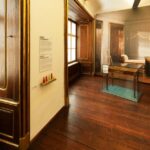
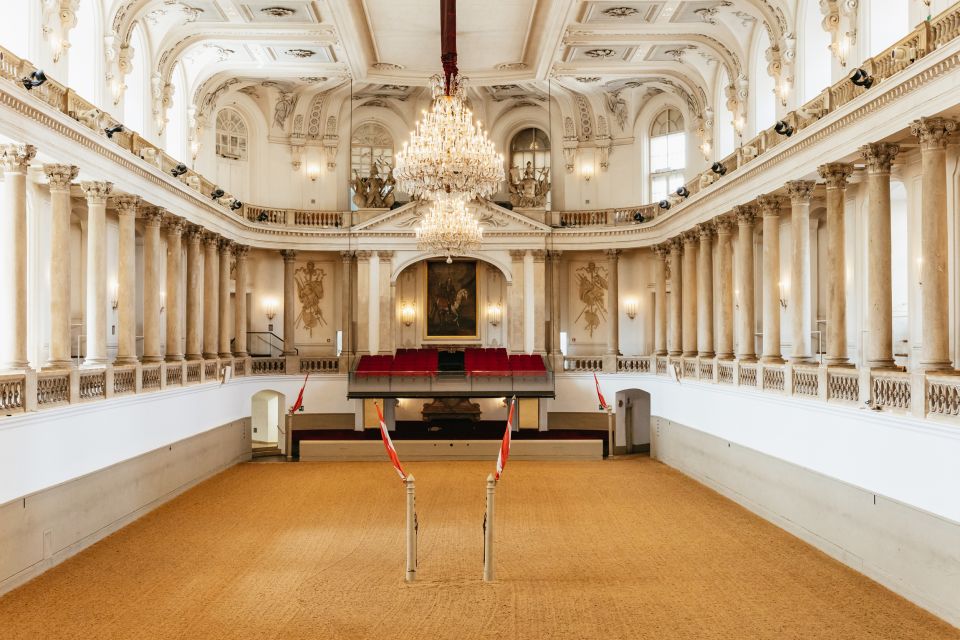
The Winter Riding School is the first “wow” stop. It’s described as a gem of Baroque architecture, and that matters because the room itself changes how you experience the training. High, formal interiors are part of the discipline here. They signal that nothing is accidental, not even the way movement is viewed.
In a short tour, I like that Winter School gives you a historical baseline. The guide’s explanations about classical equitation help connect what you’re seeing to what the horses and riders are doing day after day. Instead of treating the place as pretty scenery, you start to notice the logic: controlled movement, consistent practice, and a tradition that values correctness over speed.
The main consideration? You’ll be in a group environment. One review noted that when the group is large, hearing the guide can be harder. That’s a normal reality for popular sites. If you want the best experience, stay toward the front half of the group when the guide stops talking. You’ll catch more details and miss fewer names and training points.
Summer Riding School and the Oval Horse Walker: Seeing the Work Behind the Scenes
The Summer Riding School is where this tour becomes more than “pretty buildings.” It houses the world’s largest oval horse walker, which is the kind of fact that makes you pause and look closer. A walker like this isn’t just equipment. It’s part of maintaining horses’ physical routine in a way that fits the school’s schedule.
Even if you aren’t an equestrian nerd, you’ll understand the importance of infrastructure. A classical program can’t be built on show-time only. It needs consistent care, movement, and preparation throughout the year. The Summer Riding School helps you see that planning.
This is also where you’ll get a sense of seasonality. Some guides may explain how the school uses different spaces across the year, and you’ll feel that the institution’s rhythms are built into the architecture. If you’re visiting in a period when horses are not all on-site, the walker and other training spaces still give you tangible context for what “daily life at the school” means.
One more practical note: because this is a guided walkthrough, you don’t control pacing. If you’re the type who wants to linger and stare, accept that this is a structured tour with a start and finish. The upside is that you leave with a coherent picture, not a pile of random impressions.
Stallburg and the Renaissance Courtyard: Where History Feels Close
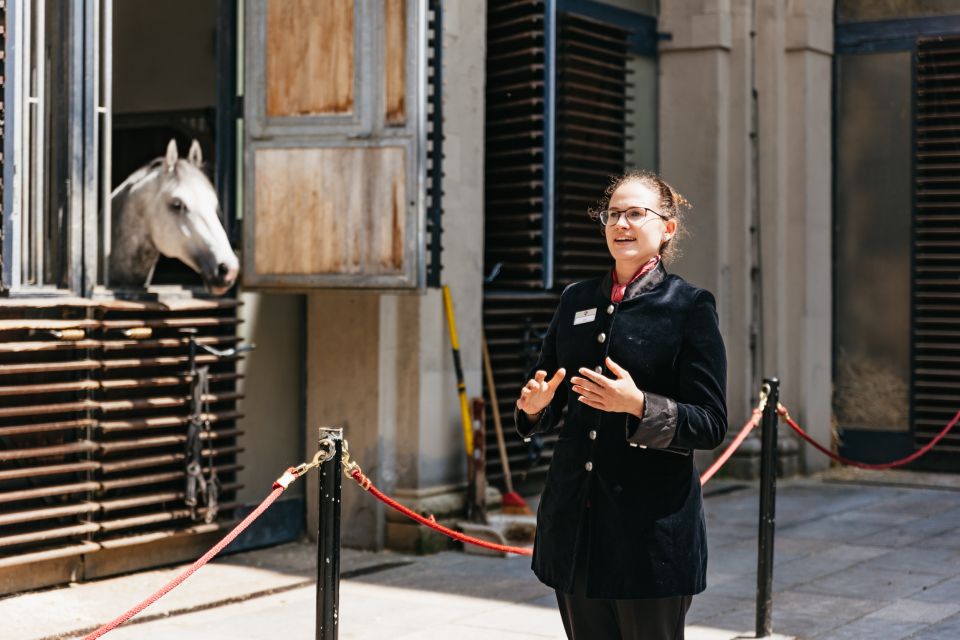
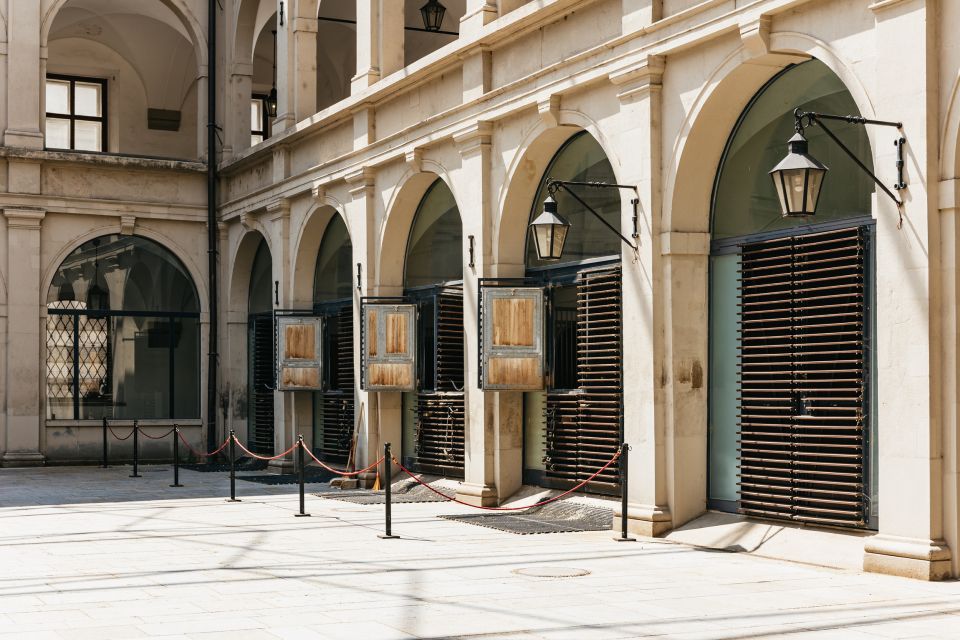
The Stallburg is the big architectural anchor of the tour. It’s described as Vienna’s most significant Renaissance building, and you’ll see that influence clearly in the arcade courtyard and the stable setting linked to the Lipizzaner horses.
This stop is valuable for two reasons. First, it grounds the story of the school in physical permanence. A place operating for 450+ years doesn’t survive by being flexible and forgettable. It survives by being built to last. Second, it sets expectations for how carefully the school manages horse life and movement through specific corridors, courtyards, and stables.
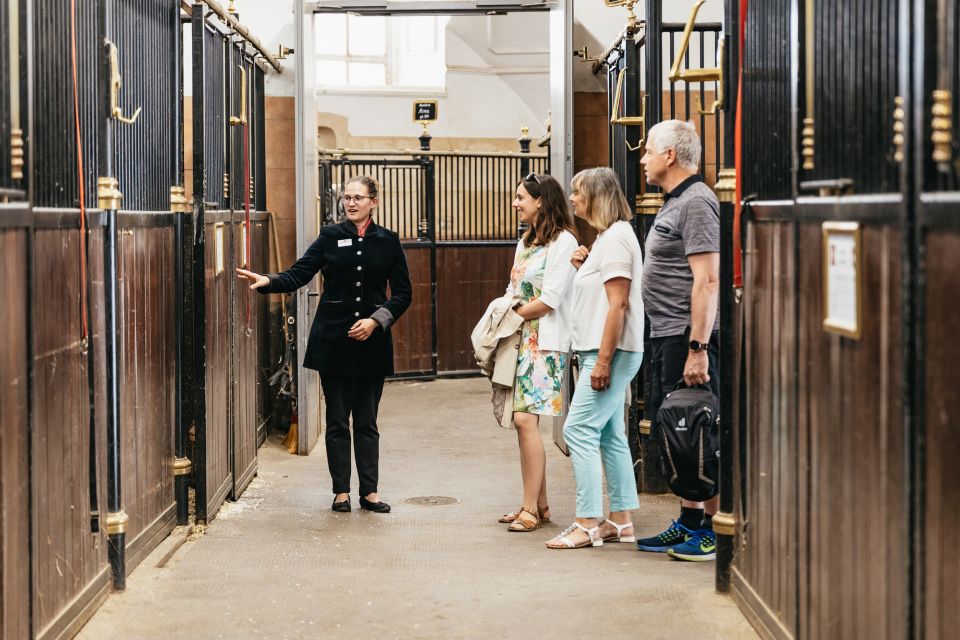
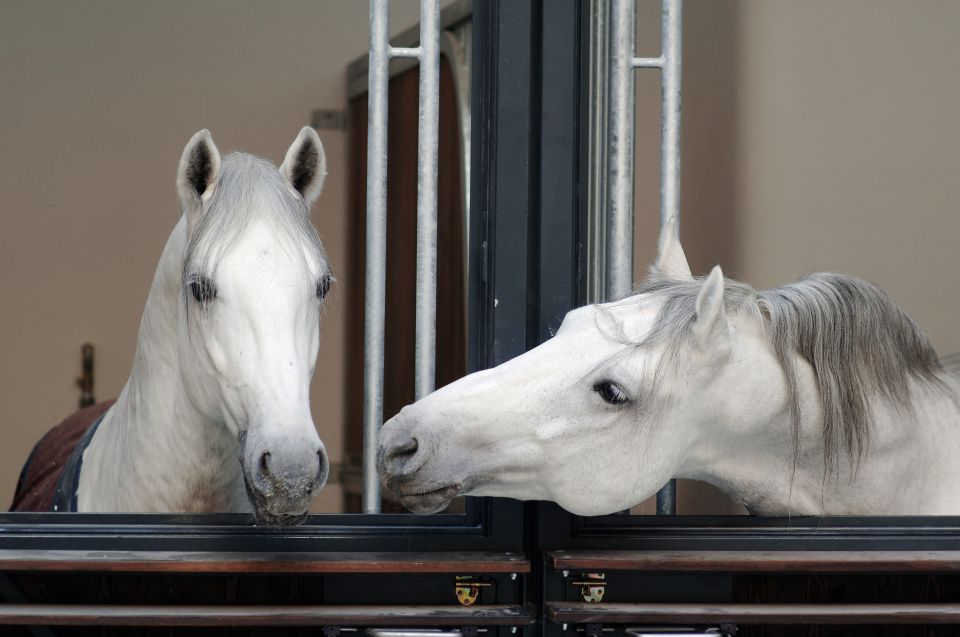
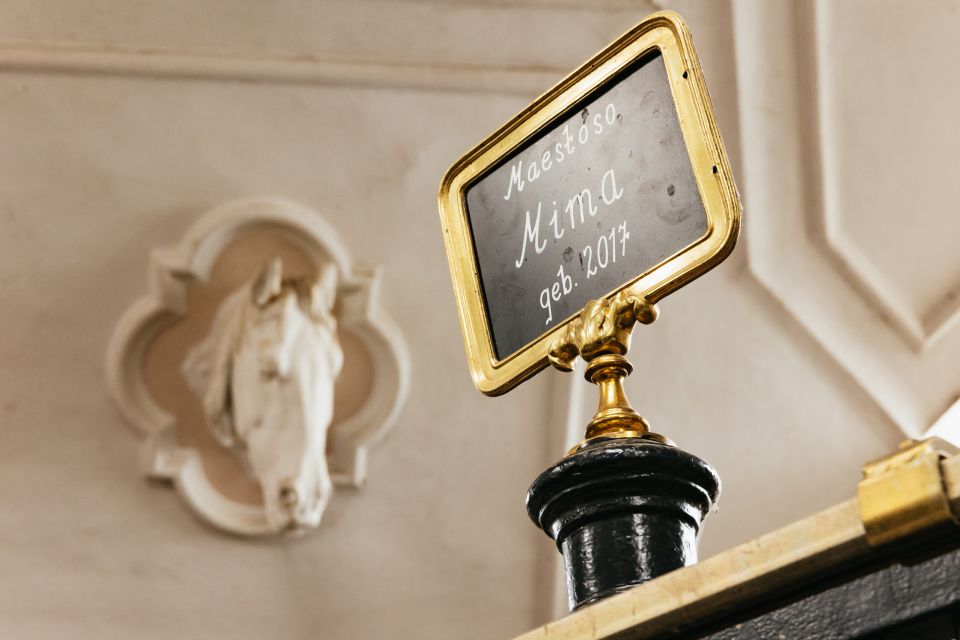
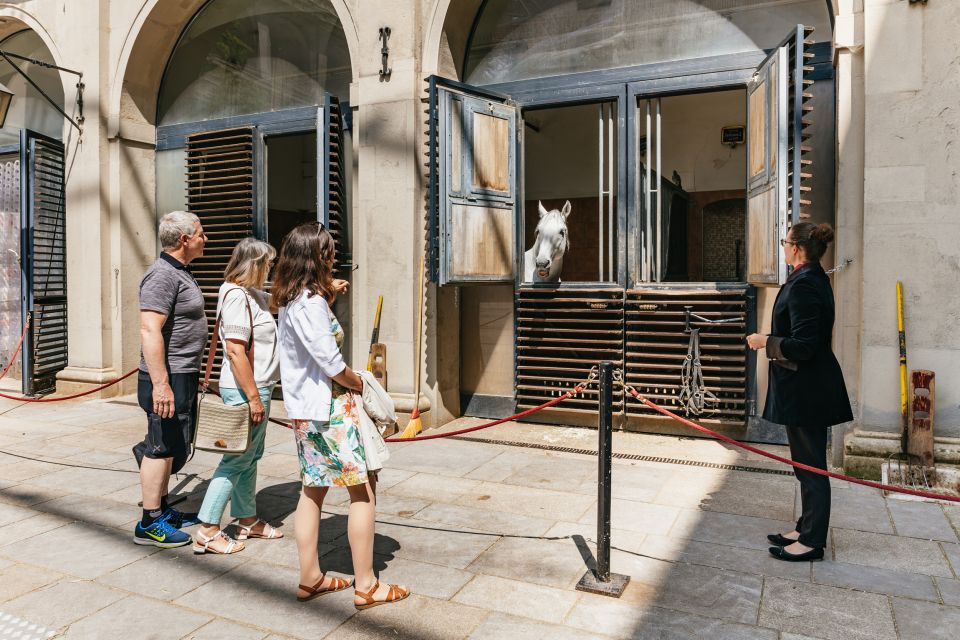
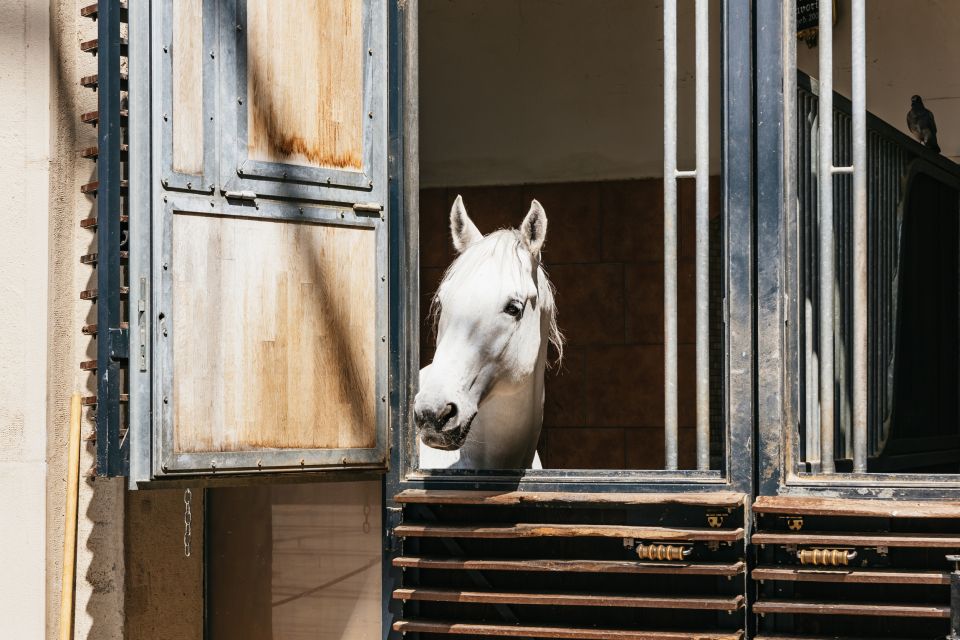
You’ll also get a look at the historical stables where the Lipizzaner stallions are kept. This is where the “stars of the establishment” idea becomes real in your senses: you’re not just hearing about iconic horses; you’re standing near the stable environment that supports them.
There’s also a small, humanizing detail. Several tour comments mention cats around the grounds, including working “mouser” cats. It’s a quirky touch, but it also makes the place feel lived-in rather than staged.
Remember the rules: no cameras, no video recording, and no pets. It’s not about control for its own sake. Stable environments require calm and trust, and the school enforces that.


Lipizzaner Stables: How to Watch Without Interrupting the Routine
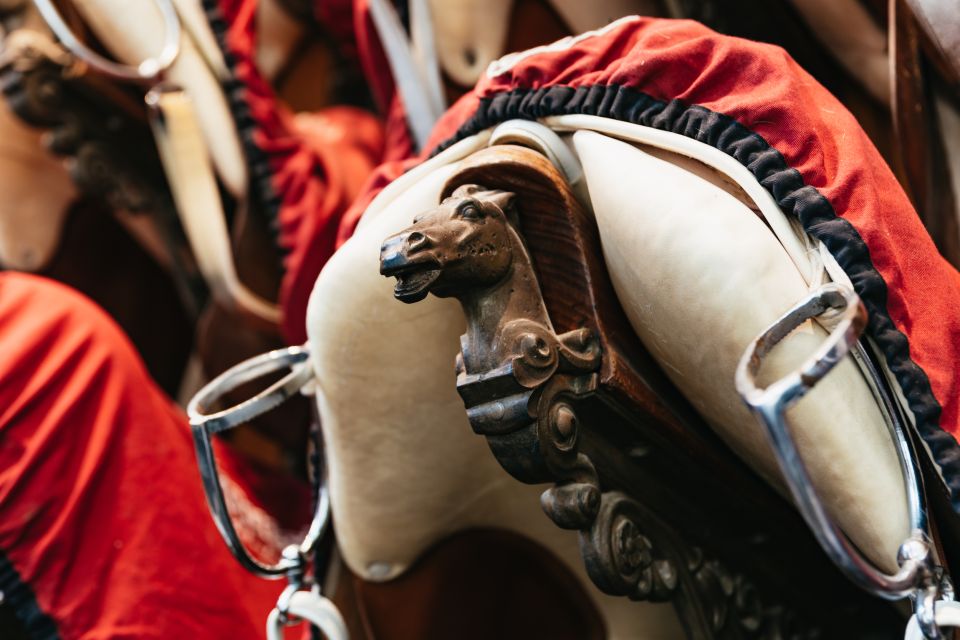
The Lipizzaner are the reason people come, and on this tour you get a closer view of them in their stable context. I like that the guide’s focus isn’t only on glamour. You’ll learn about the history of the equestrian tradition and the Lipizzaner in the setting where they’re cared for and trained.
What helps most is how the guide explains naming, lineage, and care practices. Even if you know nothing about horses, these explanations turn the visit from sight-only into understanding. You start noticing patterns in the way the school operates: where horses are, how they’re managed, and why the routine matters.
Now for the part you should respect. You’re not allowed cameras or video, and you shouldn’t expect to get hands-on interaction. Reviews also point out that touching horses isn’t part of the tour experience. If you’re going in expecting a meet-and-greet moment, adjust that expectation. The experience is about respectful observation in a working environment.
If you want to get the most out of the stable sections, do it with patience. Let the guide’s facts land, then take a quiet moment to watch what’s happening around you. Horses don’t perform on command for tourists. That’s not a drawback—it’s the point.
Price and Value: Is $28 for 55 Minutes a Good Deal?
At $28 per person for 55 minutes with a live guide, this tour sits in the “reasonable ticket cost” category for Vienna. The key value isn’t just that you get access. It’s that you get access with context: Winter and Summer Riding Schools, plus the Stallburg and its Renaissance stables. That’s a lot of meaningful space for under an hour.
Also, the guide experience matters. The overall rating is very strong, and consistent comments highlight how useful the information is, especially about horse and rider training and how the school runs day to day. Names that came up in tour experiences include guides such as Sisi, Natasha, Lorelai, Inga, Isabelle, and Pieta. If you get one of the guides with a talent for answering questions, the tour can feel faster and more personal, even when the group is big.
Price comparison logic: if you’re choosing between a show ticket and a guided tour, this tour is often the better fit when your schedule is limited. It’s also the practical choice if you want to understand what you’re watching before you watch anything at all. The downside is straightforward: you’re not paying for a performance inside this ticket price.
One more practical value note: this tour helps you see the institution even if the horses you most want to see are not in the riding area during your visit. You still get the stable and training infrastructure, which is the real engine of the school.
Who Should Book This Spanish Riding School Tour (and Who Might Skip It)
This is a great fit for:
- Horse lovers who want background on the Lipizzaner beyond a single spectacle
- Architecture fans who care about Baroque interiors and the Renaissance Stallburg
- People with limited time who want a guided hit of Vienna culture in under an hour
It may not be ideal if:
- You’re counting on photography or want video footage. Cameras and video are not permitted.
- You use a wheelchair. The tour isn’t accessible by wheelchair.
- You’re traveling with very young kids. Children under age 3 aren’t allowed on guided tours.
One more “be honest with yourself” check: can you handle the idea of a structured group experience where you’re walking and listening for most of the hour? If you want unstructured roaming, this won’t feel like that.
If your goal is to leave Vienna feeling like you understand what makes the Spanish Riding School different, this tour is one of the cleanest ways to get there.
FAQ
FAQ
Where is the meeting point for the Vienna Spanish Riding School guided tour?
You meet at Michaelerplatz 1, Vienna, at the main entrance of the Spanish Riding School.
Do I need to exchange a voucher when I arrive?
Yes. You must exchange your mobile voucher for a ticket at the cashier’s desk.
How early can I pick up tickets?
You can pick up your tickets earliest 1 hour before the activity.
How long is the guided tour?
The tour duration is 55 minutes.
What languages are the guides available in?
The live tour guide is available in English and German.
Are cameras or video recordings allowed?
No. Cameras and video recording are not permitted.
Is the tour suitable for wheelchair users?
No. The guided tours are not accessible by wheelchair.
Are pets allowed on the tour?
No. Pets are not allowed.
Does this tour include morning exercise tickets?
No. Morning exercise tickets are not included.
Should You Book This Tour?
Book it if you want a guided, respectful look at the Spanish Riding School as an institution: the buildings, the horses, and the training tradition behind the scenes. At $28 for 55 minutes, you’re buying structure and context, not just entry.
Skip it if you need photography, wheelchair access, or you’re specifically chasing a morning exercise ticket experience. And if your travel dates are tight, use this tour as your “learn the place first” option rather than expecting it to replace a performance schedule.
If you like practical facts, architecture you can stand inside, and Lipizzaner-focused explanations, this is a strong, low-stress way to spend an hour in Vienna.