
Mozart, but make it theatrical. In the STEFFL basement, Mythos Mozart turns the composer’s life into five multimedia rooms you experience with sound, images, and story beats.
I especially like the way the music is placed around you—each scene feels like a different lens on Mozart’s world, not just a slideshow. I also like that the show is designed to work for families and first-timers, without requiring you to already know every detail.
Two things really land. I loved the sound-and-light mixing that matches the mood in each room, and I’m a fan of the show’s big moment in the first space: a Requiem-inspired setup with many candles that makes the music feel physical.
One drawback to plan for: it runs about 55 minutes, so if you’re chasing deep biography, you might feel it’s over before you’ve fully settled in.
In This Review
- Key highlights to know before you go
- Inside STEFFL’s Basement: the setting that shapes the whole show
- Five scenes of Mozart: how you experience the story
- Room one and the Requiem candle scene: the moment people remember
- Sound, lights, and photos: why the multimedia format works
- How long it takes (about 55 minutes) and who will love it
- Pair it with Mozart House for faster context
- Price and value: what $27.63 gets you
- Mobile ticket, getting there, and staying on schedule
- Any gotchas? Tech issues, reaction limits, and the epilepsy note
- So who should book Mythos Mozart?
- Should you book Mythos Mozart in Vienna?
- FAQ
- How long is Mythos Mozart?
- Is admission included?
- Can I use a mobile ticket?
- Where does the experience take place?
- Is it suitable for families or young children?
- What about epilepsy or visual sensitivities?
Key highlights to know before you go
- STEFFL basement setting: the show runs under a major department store, so it’s easy to pair with nearby walking and shopping streets
- Five scenes, one storyline: you move room to room and follow Mozart’s music and life through changing themes
- Requiem candles moment: the first room uses a dramatic visual setup that many people remember long after
- Sound in different rooms: listening changes as you go, so the soundtrack doesn’t feel repetitive
- Good for families: it works for young kids as an alternative to a formal classical concert
- Plan for a short visit: you’re done in under an hour, so arrive with curiosity, not a full-day mindset
Inside STEFFL’s Basement: the setting that shapes the whole show
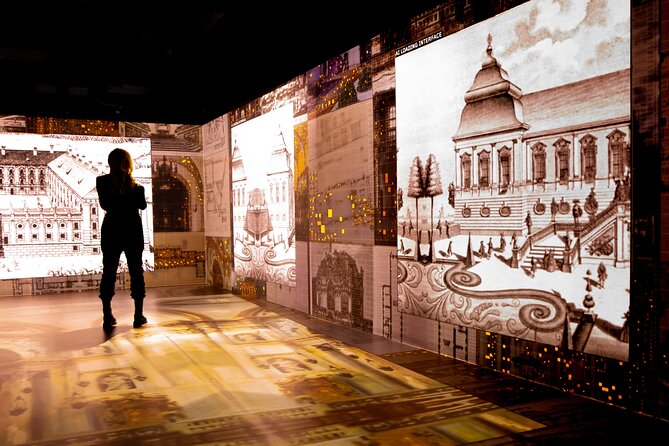
Mythos Mozart takes place in the basement of the STEFFL department store, covering about 1,500 square meters. That matters because it’s not a small museum corner—you’ll be walking through a real, designed environment where the technology has space to breathe.
STEFFL markets itself as more than fashion. The building is set up for layered experiences: art, culture, social initiatives, and services under one roof. So Mythos Mozart feels like a cultural “stop” built into a shopping destination, not a standalone ticket you’d have to plan a whole separate day for.
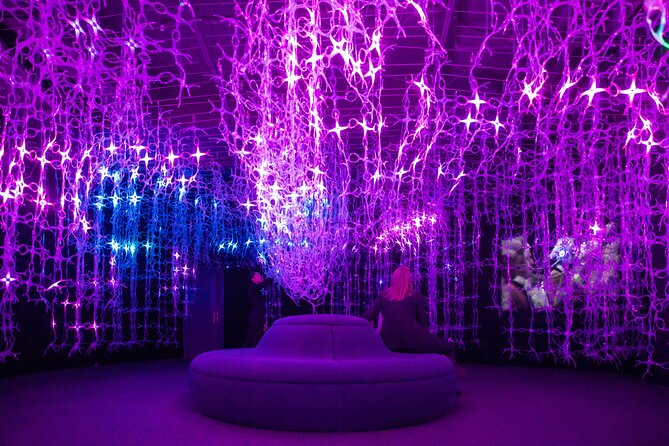
The vibe is modern. You’re not staring at glass cases for an hour. You’re moving through scenes built for audio, visuals, and interaction—so the building helps you stay focused on what’s happening next.
You can also read our reviews of more tours and experiences in Vienna.


Five scenes of Mozart: how you experience the story
The show is arranged in five different scenes. The basic idea is to get to know Mozart through his music, his time, and stories that aren’t always the headline version of his life.
You also get a “hands-on with your senses” approach. In practice, that means audio plays an obvious role and the lighting and visuals are part of the storytelling, not decoration. It’s the kind of presentation that works especially well if you learn by hearing and seeing rather than reading labels for long stretches.
You should expect a guided flow without needing a lot of prior knowledge. Still, you’ll enjoy it more if you’ve recently met Mozart through another context (more on that pairing below).
Room one and the Requiem candle scene: the moment people remember
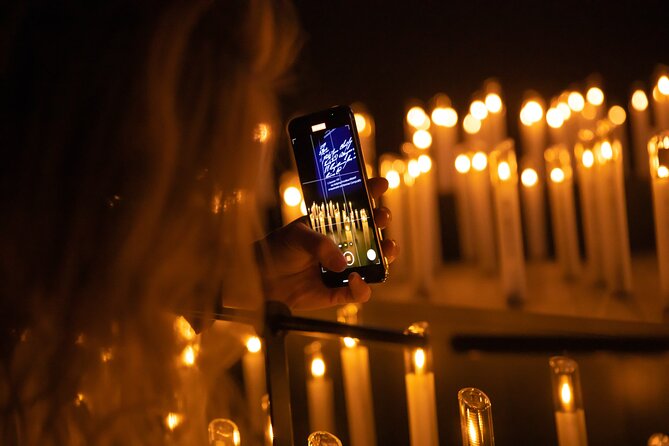
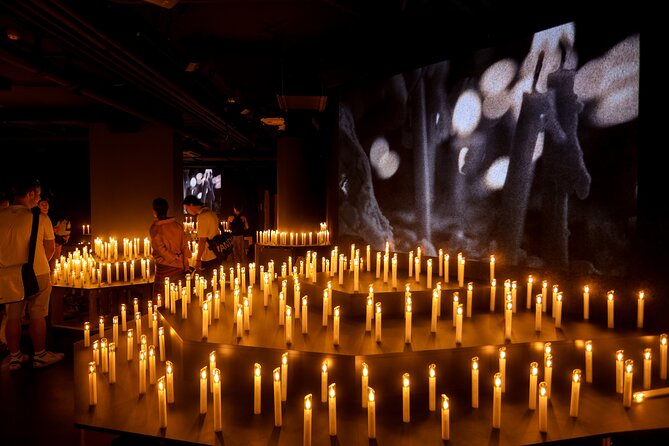
One of the strongest parts is the opening room. The show uses a Requiem-inspired staging with numerous candles, and it’s paired with the music in a way that feels emotional rather than merely educational.
This is the room where you’ll likely notice how the production uses contrast: quiet, solemn sound moments with striking visuals. It’s also the part where some visitors say the impact hits hardest, even if they only know Mozart from a few famous pieces.
If you’re the type who gets restless in “cold start” exhibits, don’t worry. The first room is built to hook you fast. The tradeoff is that if the opening tech doesn’t behave (more on that below), you may miss the room’s magic.
Sound, lights, and photos: why the multimedia format works
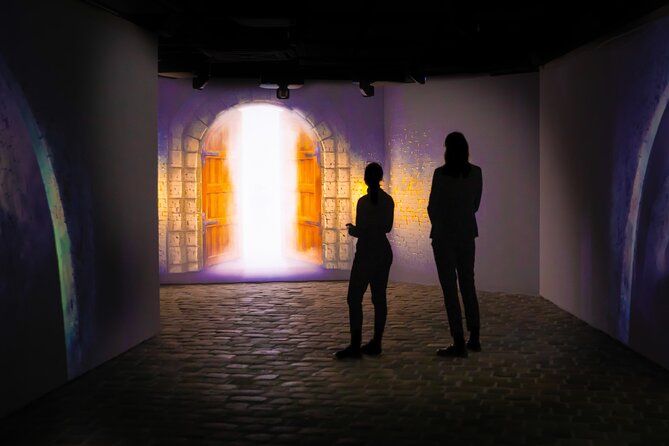
Mythos Mozart is built around multimedia—music in the different rooms, lights synced to scenes, and photos or visual elements that help you place what you’re hearing. When it’s working smoothly, the mix is what makes the experience click.
A repeated theme in feedback is how the production makes you feel like you’re part of what’s happening—less like a spectator and more like you’re walking through Mozart’s ideas. That doesn’t mean it’s a costume drama. It means the presentation uses audio and lighting cues to guide your attention.
There’s also a practical side to this format. You don’t need to decode old handwriting, translate long museum texts, or study a wall of names before you can enjoy the show. You just follow the rooms and let the soundtrack and visuals do their job.
How long it takes (about 55 minutes) and who will love it
Plan on roughly 55 minutes. That’s short enough to fit into a busy Vienna day, but long enough to feel like a real experience rather than a quick stop.
If you’re traveling with kids, this is one of those “yes, that works” options. One review specifically mentioned a 15-month-old enjoying it, which tells you the experience isn’t only for adults who want formal concerts. Another big plus from family-focused comments: it can be a practical Mozart introduction without the expectations of a classical hall.
If you’re an adult who loves Mozart already, you’ll still find value. The show is designed to add story texture and emotional context, so even familiar pieces can land differently when the lights and sound guide your attention.
Where timing can be a downside: some people feel it’s too short. If you like lingering and reading every label, or if you’re craving a deep biography, you may wish it ran longer.






Pair it with Mozart House for faster context
Here’s the best practical tip: do Mozart House first, or at least make sure you’ve met Mozart’s basic life story before Mythos Mozart. One review directly recommended that order, saying it reduced confusion and made the experience easier to follow.
Why this pairing works: Mythos Mozart moves through multiple scenes in under an hour. Without a foundation, you can still enjoy the sensory side, but you might miss some of the emotional and historical connections that make the story feel coherent.
If you can only choose one, Mythos Mozart still works as a first stop. But if you have time for both, the order can turn the show from entertaining to genuinely satisfying.
Price and value: what $27.63 gets you
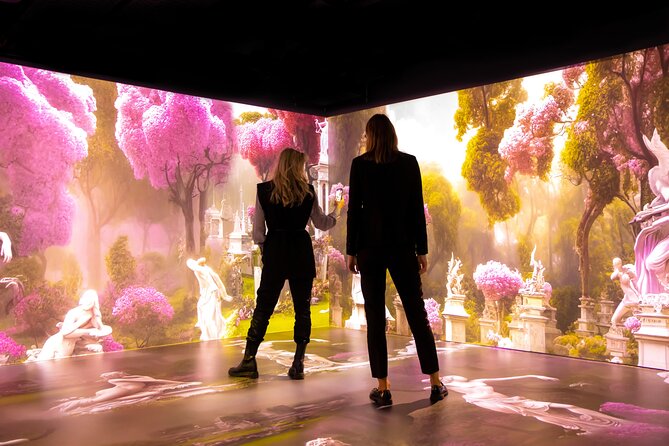
Mythos Mozart costs about $27.63 per person and includes admission to the experience. On value, here’s the honest math: you’re buying a ticket to a designed multimedia walkthrough that takes about an hour.
That price isn’t “cheap,” but it’s not a premium concert ticket either. For many visitors, the best value angle is simple: you’re getting a full show, not just a room with placards. The technology plus production design explains why it costs more than a casual entry exhibit.
You can also justify it when traveling with families. If you’d otherwise pay for a separate entertainment plan for a young child, this can act like a Mozart-flavored alternative to a formal concert setting.
If you’re the kind of traveler who hates timed experiences, then the price might feel steep. You’re paying for a specific length of entertainment and storytelling.
Mobile ticket, getting there, and staying on schedule
You get a mobile ticket, which is ideal in a city where you’ll be walking all day. It also means fewer printed confirmations to lose, which is a real quality-of-life upgrade.
It’s near public transportation, so you can slot it in without turning it into a long transit mission. And because it sits inside the STEFFL department store, you’ll have plenty of nearby indoor and outdoor options before or after.
The biggest “schedule” thing to remember is the show length. Don’t combine it with an appointment that depends on you leaving at a precise minute. Give yourself a buffer so you don’t feel rushed at the end.
Any gotchas? Tech issues, reaction limits, and the epilepsy note
Most travelers can participate, but the listing includes an epilepsy note. If that’s relevant to you or someone in your group, treat it as a heads-up and decide carefully before booking. The show relies on lighting and multimedia cues, which is exactly the kind of element that can matter for people sensitive to visual triggers.
One practical issue also showed up in feedback: an auto system reportedly stopped working in the first room for one visitor, and staff attributed it to an iPhone-related problem. That’s not proof it will happen to you. Still, it’s a reminder to be ready for tech glitches and to ask staff immediately if something seems off.
Finally, consider the “too short” risk. If you’re expecting a museum-level deep read, you may want to pair with another Mozart stop so your visit doesn’t feel like it ended mid-thought.
So who should book Mythos Mozart?
Book it if you want a Mozart experience that uses sound and visuals rather than text-heavy museum time. It’s a great fit for families, first-timers, and travelers who like learning through mood and storytelling.
Skip it—or at least rethink the fit—if you’re only interested in strict historical detail or you dislike timed, multimedia exhibits. Also consider whether the show’s lighting effects are a concern for anyone with epilepsy or similar sensitivities.
If you want the best outcome, plan it as part of a Mozart day: get your bearings with Mozart House, then come to Mythos Mozart for the music-and-story “feels” side.
Should you book Mythos Mozart in Vienna?
Yes, I’d book Mythos Mozart if you’re looking for a one-hour, family-friendly Mozart hit in a modern production format. The strongest reasons are the five-scene structure, the memorable Requiem candle moment in the first room, and the way the audio experience changes as you move through spaces.
If you’re traveling solo, you’ll likely enjoy it for the mood and storytelling even without being a hardcore music scholar. If you’re traveling with kids, it’s one of the more practical ways to bring Mozart to a younger audience.
My only caution is simple: plan for a shorter visit than a typical museum stop, and don’t ignore the epilepsy note if it applies.
FAQ
How long is Mythos Mozart?
It lasts about 55 minutes (approximately).
Is admission included?
Yes. Your admission ticket is included with the experience.
Can I use a mobile ticket?
Yes. The ticket is mobile.
Where does the experience take place?
It’s in the basement of the STEFFL department store in Vienna, covering about 1,500 square meters.
Is it suitable for families or young children?
It’s designed so most travelers can participate, and at least one review mentioned a 15-month-old enjoying it. It can work well as a Mozart introduction without going to a classical concert.
What about epilepsy or visual sensitivities?
The experience notes epilepsy as a consideration. If this is relevant to you or someone in your group, you should take that warning seriously before booking.