REVIEW · VIENNA
The best of Vienna on foot
Book on GetYourGuide →Operated by Mario Vienna Guide · Bookable on GetYourGuide
Vienna tells its secrets on foot. This city-center walk strings together major landmarks and memorable stories in just 150 minutes. I love that the route hits more than 10 highlights without feeling scattered, and I also like that you get practical on-the-ground tips (restaurants, cultural life, public transport) from the official guide. The main catch is simple: the live tour is in Italian, so if you don’t speak it, you’ll miss some of the detail.
You’ll meet at the fountain of Maria Theresia in the square—look for an Italian-colored umbrella (red, white, green). The tour runs rain or shine, ends at St. Stephen’s Cathedral, and is built for questions and photos along the way.
In This Review
- Key highlights to look forward to
- Why this Vienna city-center walk is a smart first move
- Maria Theresia meeting point and finding your guide in seconds
- Starting at the Maria-Theresa Memorial: setting the tone for imperial Vienna
- St. Stephen’s Cathedral as the finish line: why ending here works
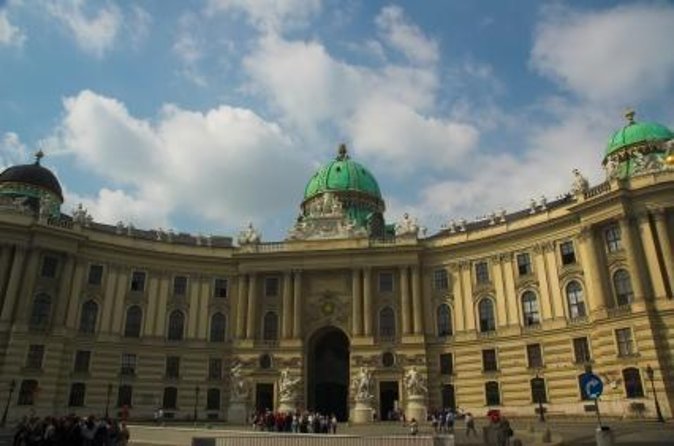
- Hofburg and Heldenplatz: power, monarchy, and public space
- Capuchin Crypt exterior stop: Habsburg burial history in one glance
- Vienna State Opera and Albertina: culture stops that make the city feel alive
- Plague Column and baroque views: quick photo time with real context
- Stories plus practical advice: what you’re really paying for
- Guide quality matters: Italian narration that should stay engaging
- Price and time: is $40 good value for 150 minutes?
- Rain or shine: how to prepare so the walk stays pleasant
- What’s included, what’s not, and what that means for your day
- Who this tour is best for (and who should skip it)
- Should you book the Best of Vienna on foot tour?
- FAQ
- How long is the Best of Vienna on foot tour?
- Where do I meet the guide?
- What language is the tour guide?
- What are some of the main sights covered?
- Does the tour run in bad weather?
- Is food included in the tour price?
- What items are not allowed during the tour?
- Is the tour suitable for people with mobility impairments?
Key highlights to look forward to
- Maria Theresia Memorial start: a strong “Vienna-the-empress-era” introduction right away
- Hofburg and Heldenplatz viewpoints: royal power in a tight walking loop
- Capuchin Crypt area: you see the outside of Habsburg burial history
- Albertina and Vienna State Opera stops: culture landmarks that shape modern Vienna
- Plague Column: a standout monument with a big historical backstory
- Photo breaks + Q&A: you get time to look, ask, and shoot before moving on
Why this Vienna city-center walk is a smart first move
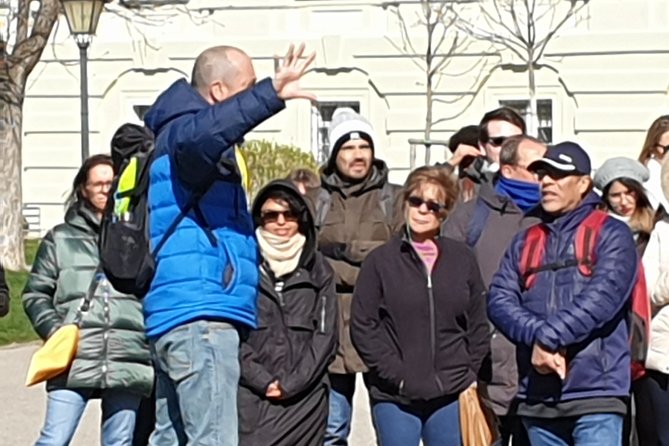
If it’s your first day in Vienna, this kind of walking tour is one of the quickest ways to learn the map. You’re not just clocking famous buildings—you’re getting the reasons they matter, who used them, and how the story connects across the city center.
I also like the format: a focused 150 minutes, many stops, and an official guide who keeps things moving. It’s ideal when you want context fast, before you start wandering on your own.
You can also read our reviews of more tours and experiences in Vienna.
Maria Theresia meeting point and finding your guide in seconds
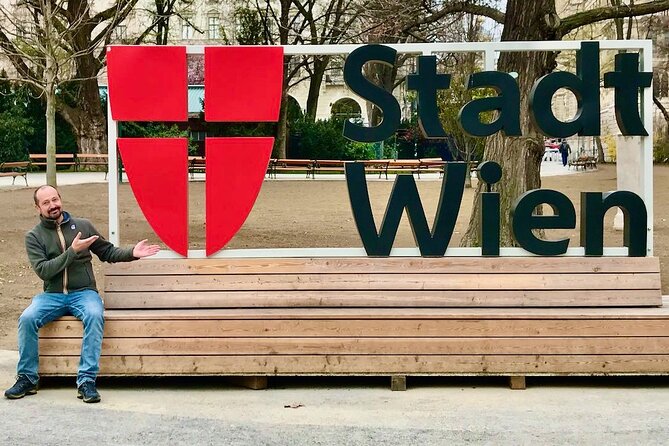
The tour begins at the fountain of Maria Theresia. When you get there, watch for the Italian-colored umbrella—red, white, green—so you can spot the group right away.
This matters more than it sounds. Vienna can feel big, and easy meet-up navigation saves time and stress. Plan to arrive a little early so you can check the group before the walk starts.
Starting at the Maria-Theresa Memorial: setting the tone for imperial Vienna
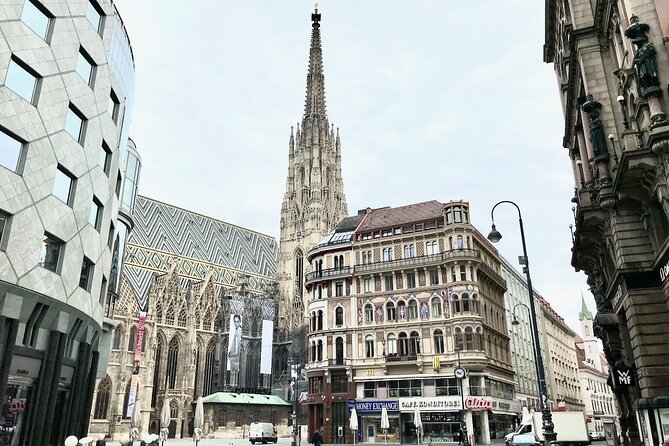
Starting where you do gives you a strong “Vienna by the rulers” lens. Maria Theresia is one of the figures that helps explain why Vienna has such a layered identity—court life, politics, and culture all stacked together.
From the beginning, the guide doesn’t treat monuments like postcards. You’ll hear the kind of stories that help you understand what you’re seeing, even if you’re not a lifelong history fan.
St. Stephen’s Cathedral as the finish line: why ending here works
St. Stephen’s Cathedral is your final landmark. Ending at a major sight like this is a win because it gives your brain a clear finish point: you’ve spent the walk learning the city, and then the tour lands you at one of Vienna’s most recognizable symbols.
Also, if you want photos, finishing here gives you a natural moment to slow down and frame shots. You’ll likely have better energy for that final cathedral area than if it were the first stop in the day.
Hofburg and Heldenplatz: power, monarchy, and public space
One of the strongest chunks of the walk centers on the Hofburg area and Heldenplatz. The Hofburg is Vienna’s imperial palace story in brick and stone, tied to rulers and court life. Heldenplatz adds a different flavor—it’s where monarchy history meets a more public, civic square feeling.
I like this pairing because it shows two sides of the same era:
- the private world of emperors
- the public face of imperial presence
You’ll get to see these sights as you pass them, and the guide’s job is to connect the dots so they don’t feel like random stops along a street.



Capuchin Crypt exterior stop: Habsburg burial history in one glance
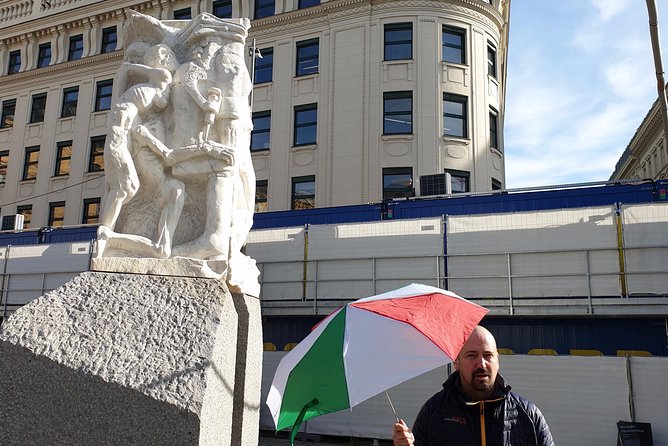
You’ll stop in front of the Capuchin Crypt, the burial place of the Habsburg monarchs. Even if you’re not going to read every detail on-site, the guide’s explanations can make that stop click—this is where dynastic history becomes personal and permanent.
For me, these “in front of the site” moments are actually useful. You get context without turning the entire day into a museum marathon. If the Habsburg story is one of your reasons for coming to Vienna, this is the kind of moment you’ll remember.
Vienna State Opera and Albertina: culture stops that make the city feel alive
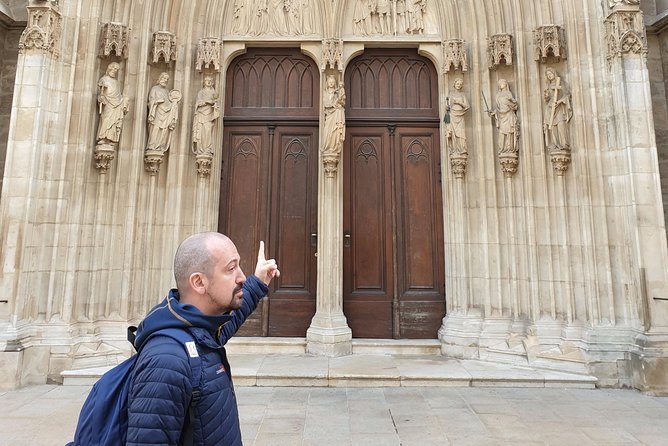
Two big cultural landmarks come up during the walk: Vienna State Opera and the Albertina.
The Opera is the kind of place that instantly signals Vienna’s reputation for music and performance. The Albertina brings the art dimension into focus. The guide uses these stops to talk about Vienna’s popular culture and what the residents value, not just what’s written in textbooks.
If you like a city that mixes art, tradition, and daily life, these are good stops to include early. They help you understand why Vienna doesn’t feel like a theme park—it feels like a working capital with centuries of habits.
Plague Column and baroque views: quick photo time with real context
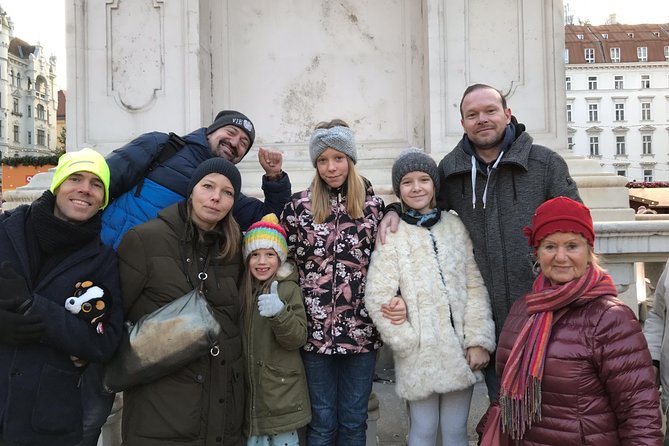
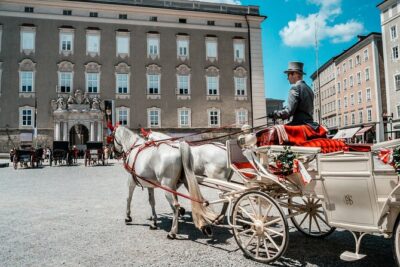
The walk also includes the Plague Column, plus multiple baroque building views. You get time to photograph what you see, which is a big deal on a walking tour—people often forget that photos need actual pauses, not rushed phone snapshots.
Baroque architecture can be hard to “read” if you don’t know what to look for. The guide’s job here is to help you notice meaningful details and understand the stories behind them, so your camera isn’t just capturing shapes—it’s capturing meaning.
Stories plus practical advice: what you’re really paying for
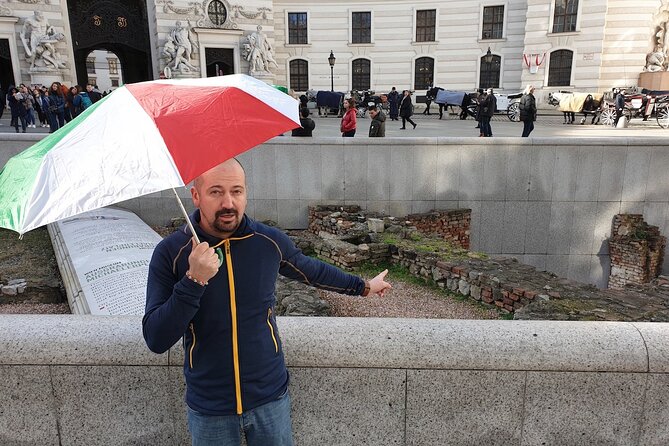
The best part of this tour isn’t just the list of sights. It’s how the guide turns landmarks into understanding, then connects that understanding to your own trip.
Expect conversation that can include:
- what to do next after the walk
- how to plan restaurant visits
- what cultural life looks like while you’re in town
- how to use public transport without wasting time
That practical layer is exactly why a guided walk can be better value than trying to piece it all together yourself. You’re buying shortcut thinking: someone else already organized the story in a logical route.
Guide quality matters: Italian narration that should stay engaging
The tour runs with a live guide in Italian. Some guides are especially praised for being prepared and friendly, with a style that keeps the pace enjoyable rather than dry.
Names that have come up in excellent feedback include Raffaele and Mara. If your group winds up with a guide who uses anecdotes well, the whole walk tends to feel lighter—even when the weather is cold.
Price and time: is $40 good value for 150 minutes?
At about $40 per person for roughly 2.5 hours, this tour sits in the “good start” category. You’re getting an official certified guide, time for questions, and built-in photo moments across multiple city-center highlights.
Is it cheap? Not exactly. But the value is in the structure. For many visitors, the alternative is paying for individual guide services or trying to get the context from apps while you walk. This tour gives you the story up front, which can make the rest of your Vienna time smoother and more confident.
If you’re the type who wants to understand where you’re standing, rather than just walk past famous places, the $40 price tag feels reasonable.
Rain or shine: how to prepare so the walk stays pleasant
The tour takes place rain or shine. That means you should dress for the weather, not for optimism.
In colder months, it helps to bring layers and a warm outer layer. One guide even accommodated a group request for a stop at a punch kiosk (punchstand-style break), which sounds like the kind of morale boost you’ll appreciate if the day gets windy and raw.
Also remember the rules: this is a walking tour where audio recording isn’t allowed. If you’re planning to rely on recording everything, you’ll need to switch your approach to note-taking and paying attention in the moment.
What’s included, what’s not, and what that means for your day
Included is a certified official tour guide, the chance to ask questions, and time to take a great photo. You should plan the tour as a sightseeing activity, not a food event.
Food and drinks are not included. That’s fine, but it means you’ll want to decide ahead of time where you’ll grab lunch or an afternoon snack afterward. The guide’s practical tips about restaurant visits can help you pick a spot that fits your interests and your schedule.
Who this tour is best for (and who should skip it)
This is best for you if:
- you want a first-day orientation to Vienna’s city center
- you like guided stories tied to real monuments
- you want multiple highlights in one compact walking format
- you enjoy photography pauses and a question-friendly guide
It may not be the best fit if you don’t understand Italian. Since the tour is in Italian, the depth of the explanation depends heavily on language comprehension.
Also, there’s a caution around mobility. The activity information includes both a wheelchair-accessible note and a statement that it’s not suitable for people with mobility impairments. If you fall into that category, double-check with the operator before booking.
Should you book the Best of Vienna on foot tour?
I’d book it if you want a well-structured start to Vienna—especially if you’re curious about how the Hofburg era, Habsburg burial history, major culture sites, and baroque streets connect. Ending at St. Stephen’s Cathedral is a satisfying way to wrap up the walk, and the guide-led context helps you explore the rest of the city with less guessing.
Skip it if Italian narration is a deal-breaker for you or if you strongly prefer long indoor visits over street-side landmarks. If your travel style is more “walk and learn fast,” this 150-minute city-center route is built for exactly that.
FAQ
How long is the Best of Vienna on foot tour?
It lasts 150 minutes (about 2.5 hours).
Where do I meet the guide?
Meet at the fountain of Maria Theresia on the square, and look for an Italian-colored umbrella (red, white, green).
What language is the tour guide?
The live tour guide speaks Italian.
What are some of the main sights covered?
You’ll see St. Stephen’s Cathedral (finish), the Hofburg, Heldenplatz, the Capuchin Crypt (from outside), the Albertina, Vienna State Opera, and the Plague Column, along with other central landmarks.
Does the tour run in bad weather?
Yes. It takes place rain or shine. It is only canceled in the event of an environmental disaster.
Is food included in the tour price?
No. Food and drinks are not included.
What items are not allowed during the tour?
Audio recording isn’t allowed, and you can’t bring luggage or large bags. Pets are also not allowed.
Is the tour suitable for people with mobility impairments?
The activity notes say it is not suitable for people with mobility impairments, even though it’s also marked as wheelchair accessible. If mobility is a concern for you, it’s worth checking with the provider before booking.