REVIEW · VIENNA
“The Third Man” Film Location Tour
Book on GetYourGuide →Operated by Vienna Walks & Talks · Bookable on GetYourGuide
Vienna has a second life on this walk. This The Third Man film location tour turns post-war streets into movie scenes, with your guide linking the film’s creation to the city that shaped it. I love that you get a true story arc, from Graham Greene’s screenplay through Carol Reed’s direction and the film’s international drama, and I also love the on-the-ground payoff: you see the real streets and corners that help explain why this movie still hits hard.
One thing to plan for: it’s a walking tour over uneven old-town ground, and the route can run a bit long depending on your group and questions.
In This Review
- Key Things You’ll Notice on This Third Man Walk
- Why Follow The Third Man Locations in Vienna?
- Meeting at Stadtpark and Getting Your Bearings Fast
- How the Two Hours Flow: A Walking Story, Not a Checklist
- 1) The film’s start: conception, screenplay, and Reed’s choices
- 2) The movie-city connection: streets, angles, and what still exists
- 3) The occupation-era backdrop: ruins, Allied power, and the black market mood
- 4) A technical film lesson: angles like the Dutch Tilt
- 5) A surprise ending at the final stop
- Guides and Style: Why the Right Storyteller Matters Here
- The Sewer Lesson: What You Learn, Without Going Underground
- Cold War Vienna: Spies, Power, and Why It’s More Than Movie Trivia
- Price and Value: Is $30 Worth Two Hours of Walking?
- What’s Included vs. What You’ll Do Later
- Should You Book This The Third Man Film Location Tour?
- FAQ
- FAQ
- Where does the tour meet?
- How long is the tour?
- Is the tour affected by weather?
- Does the tour include a visit to the sewer system?
- What languages are offered?
- How much does it cost?
- Can I cancel for a full refund?
- Can I pay later?
- Are the Prater Ferris wheel and cemetery included?
Key Things You’ll Notice on This Third Man Walk
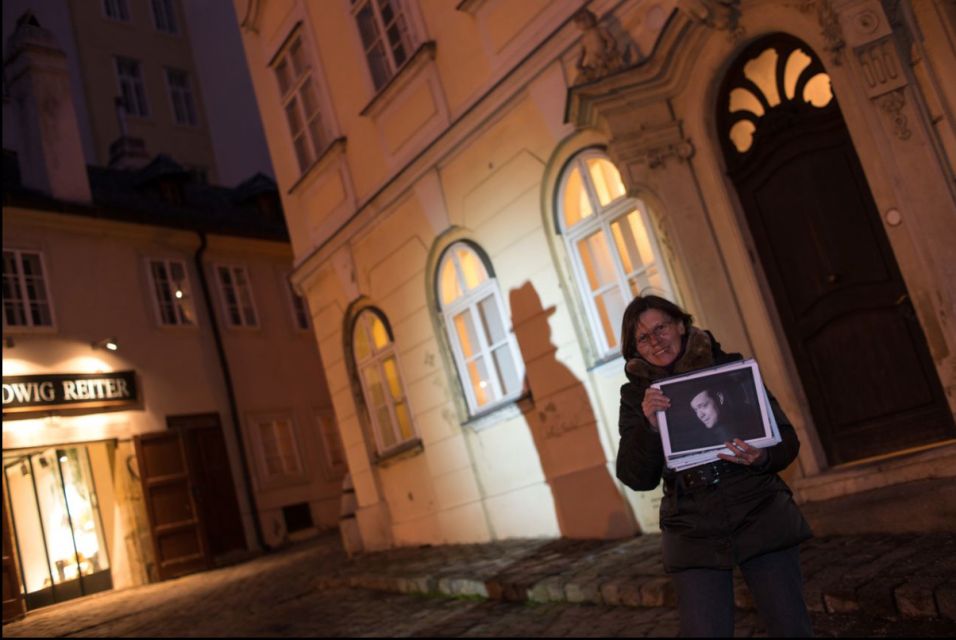
- You follow Harry Lime’s Vienna using central old-town streets and cobbled alleys, not a lecture hall
- Film making meets Cold War reality, including occupation, the black market vibe, and spies from east and west
- Your guide tells the why, not just the where, tying scenes to production choices
- There’s no sewer system visit, even though the film’s sewer idea becomes a key teaching moment
- A bilingual experience in one group, with German and English covered live by the guide
Why Follow The Third Man Locations in Vienna?
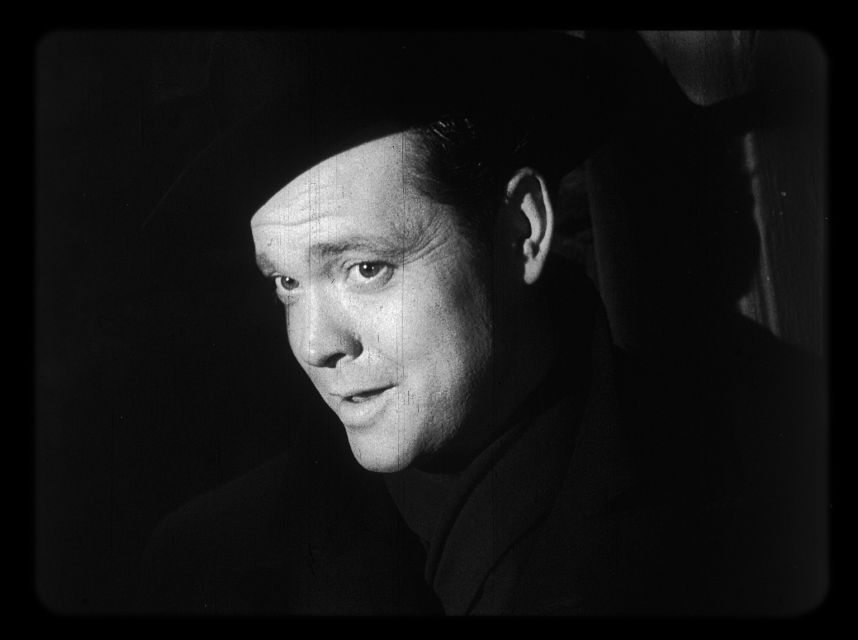
The Third Man works because it refuses to behave like a normal movie. It’s dark, funny in a dry way, and full of angles that make you feel slightly off-balance. This tour helps you see that effect as more than style. You start to recognize the city’s geometry, the war scars in the background, and the tension of an occupied capital where everyone is watching everyone else.
What I like is how the tour treats Vienna as a character. You’re not only hunting for film locations; you’re learning about an “other Vienna.” This is the Vienna of war ruins, Allied forces, black-market life, and international intrigue. That context makes the movie’s mood feel earned, not just invented.
You’ll also get the production story, including the film’s origin from English novelist Graham Greene and how director Carol Reed shaped it into an authentic artistic picture of post-war Vienna. And if you’ve ever wondered how much of the film is real and how much is trickery, this tour pushes you to separate the two—without sucking the fun out of it.
You can also read our reviews of more tours and experiences in Vienna.
Meeting at Stadtpark and Getting Your Bearings Fast
The tour meets at U4 Station Stadtpark, exit Johannesgasse. That’s a practical spot because it’s easy to reach with Vienna’s transit network, and it puts you near the heart of the walk.
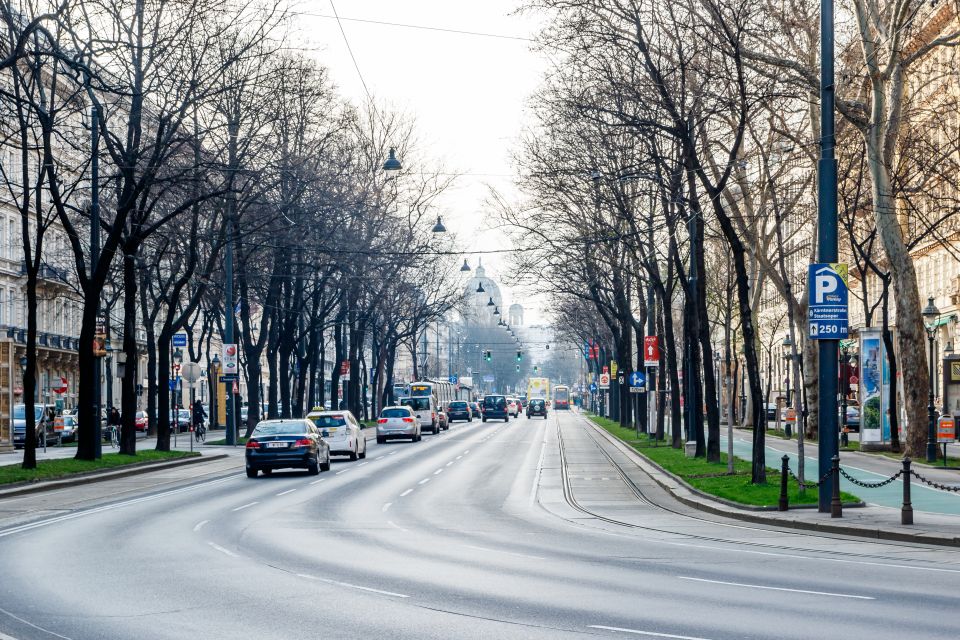
From there, you move through the old town center and the kind of narrow streets that suit this film’s look. Expect walking on cobblestones and turning corners often. The group tempo is usually manageable, but plan for the fact that some people reported it running closer to 3 hours by the end. If you’re very time-tight or your legs get cranky on uneven ground, build in a little buffer.
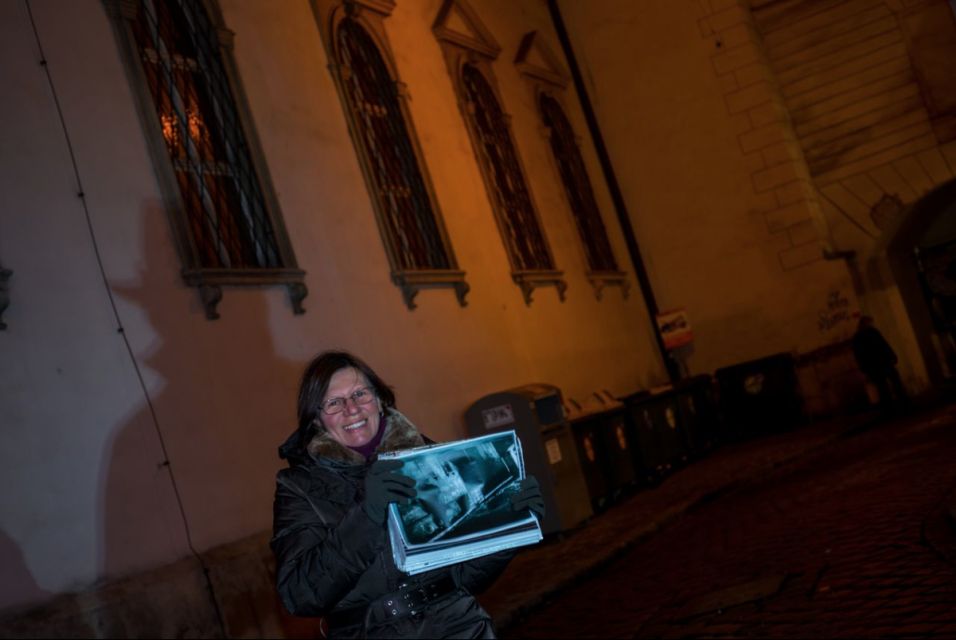
One small but helpful detail: the tour uses illustrative pictures as you walk. That matters more than it sounds. When you see a scene framed beside the modern street, you stop guessing and start understanding. It’s the difference between spotting a location and actually reading it.
How the Two Hours Flow: A Walking Story, Not a Checklist
This tour works like a guided story with location stops. The filming sites are the spine. The explanation is the muscle.
1) The film’s start: conception, screenplay, and Reed’s choices
Early on, your guide sets the stage: where the story came from, why the setting mattered, and what director Carol Reed did with Graham Greene’s screenplay. You also hear about the film’s international genesis—how a production that involved multiple influences became tightly connected to Vienna’s post-war world.
I like this part because it changes how you watch the movie later. You start noticing decisions: what feels deliberate, what feels improvised, and what was shaped by the realities of filming in a city under pressure.
2) The movie-city connection: streets, angles, and what still exists
As you move into the central old-town area (including the south side of the inner core near Stephanplatz), your guide points out what matches the screen and what doesn’t. Many locations still exist, and that’s part of the thrill. You see how the city’s architecture and street layout help the film’s visual language.
This is also where you get the “wait, they did that?” moments. One theme that comes up in guide explanations is that the movie doesn’t always show what you think it shows. You’ll hear examples of where production choices shaped what you see, and why.




3) The occupation-era backdrop: ruins, Allied power, and the black market mood
The tour leans hard into the “other Vienna” idea: war damage, Allied forces, and the social atmosphere that fed black-market life. The goal isn’t to turn Vienna into a history textbook. It’s to make the film’s tension feel grounded.
If you care about the Cold War era, you’ll get plenty to connect. Your guide ties the film to spies from east and west and the general atmosphere of an occupied, watched city. That’s one of the most praised parts of the tour: it doesn’t just explain a film; it explains the political and social machinery underneath the story.
4) A technical film lesson: angles like the Dutch Tilt
One of the reviews mentions learning about the Dutch Tilt in a British film. This kind of detail is exactly why this tour earns its reputation among film fans. It takes you beyond plot trivia and into craft and style.
Even if you’re not a film nerd, you’ll probably appreciate the point: the movie’s disorientation is part of its meaning. When you know where the effect comes from, it lands harder.
5) A surprise ending at the final stop
There’s also a final segment described as a special treat or a surprise ending. The exact detail isn’t listed in the tour basics you provided, but the recurring message is clear: don’t treat this like a routine walk that ends when the map ends.
It’s the kind of finish that makes the last stretch feel like payoff instead of just “and now we’re done.”
Guides and Style: Why the Right Storyteller Matters Here
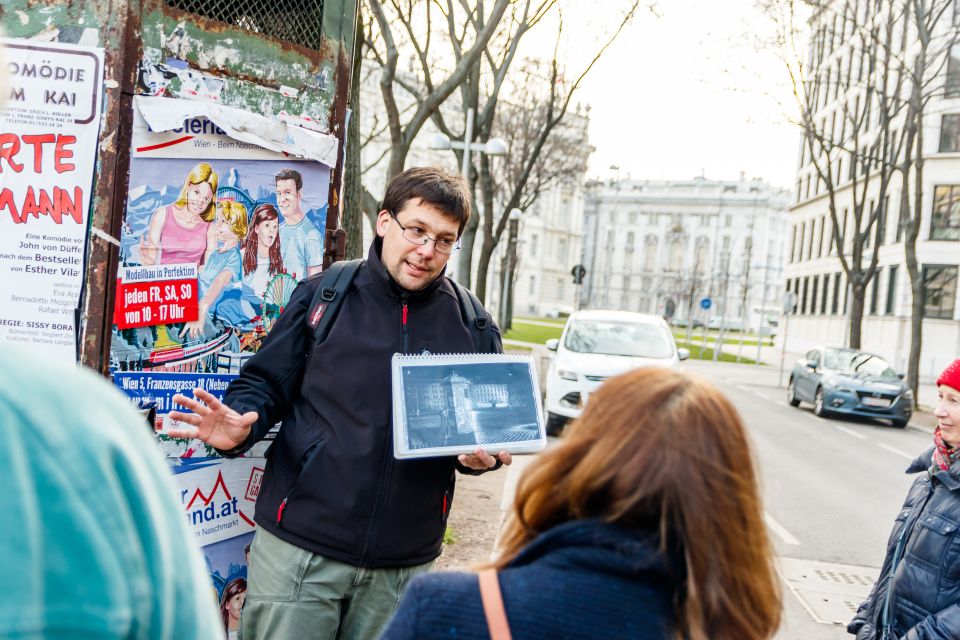
A walking tour lives or dies by the person talking. In this case, the reviews are packed with praise for guides who don’t just recite facts.
You may meet guides like Bridget, Kirstin, Christopher, Sonia, Kersten, and Christian Timmermann (including references to Dr Timmermann, who is described as having written a book on the subject). Multiple people mention that the guide’s passion comes through—without sounding like a script read aloud.
One review even notes a guide had written the definitive book on the topic, which helps explain why the storytelling feels layered. You get film context, Vienna context, and the connecting tissue: how production and history talk to each other.
Also, language support is built in. Your live guide works in German and English. That’s great for mixed groups, but if you speak both languages, you may notice repeated explanations because the group hears the content in both tongues.
The Sewer Lesson: What You Learn, Without Going Underground
Here’s the key practical point: the tour does not include a visit to the sewer system.
Still, the sewer idea matters to the tour because it’s tied to how the film created its atmosphere. Reviews specifically mention that the sewer visit idea was a mock-up, and that the real walk avoids going underground. So you’ll get the story behind the effect, but you won’t need to plan for anything like entering a restricted or enclosed space.
For most people, that’s a win. You get the “how did they do that?” factor while keeping the tour grounded in Vienna’s streets. Just bring the normal walking expectations—don’t plan for an underground adventure.
Cold War Vienna: Spies, Power, and Why It’s More Than Movie Trivia
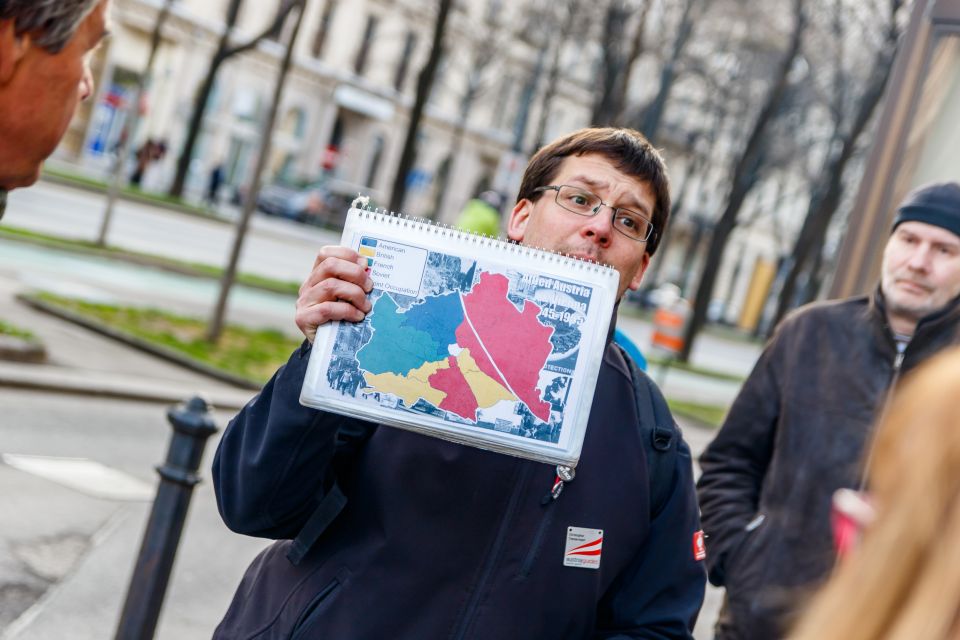
If you want a film tour that stays just inside the film, you might feel slightly frustrated. This one doesn’t. It’s designed to show you how the post-war setting drives the story.
You’ll hear about:
- Allied forces and how occupation shaped daily life
- The black market vibe and the moral gray tone of a city under strain
- Spies from east and west, and the paranoia that comes with international pressure
That’s also why even non–Third Man obsessives get value. The movie becomes a lens. Vienna becomes the subject. You end up with a stronger understanding of the period—especially the partition and the devastation effects that shaped modern Europe.
And yes, you’ll still get plenty of film talk. Multiple reviews call out behind-the-scenes stories and anecdotes about the cast and crew working in Vienna during that charged period. This is where the tour keeps its pace: it’s not just dark, it’s also lively.
Price and Value: Is $30 Worth Two Hours of Walking?
At $30 per person for a 2-hour guided tour, this is priced like a budget-friendly guided walk, not a niche museum ticket. What makes it feel fair is the guide component: you’re getting a state certified guide plus live explanation in German and English, and you’re covering multiple key filming-area stops around central Vienna.
The value also comes from scope. This isn’t only where the film was shot. You also learn how the story was formed, why the post-war setting matters, and how real Vienna connects to what’s on screen. Reviews mention the tour feels like more than a standard filming-sites walk, especially for people who want both film history and 20th-century context.
Two practical cautions on value:
- If you’re allergic to walking on cobblestones, your experience will depend on your comfort.
- If your expectations are strictly film-location hunting with no historical context, you might want to pair it with another activity that’s more purely cinematic.
What’s Included vs. What You’ll Do Later
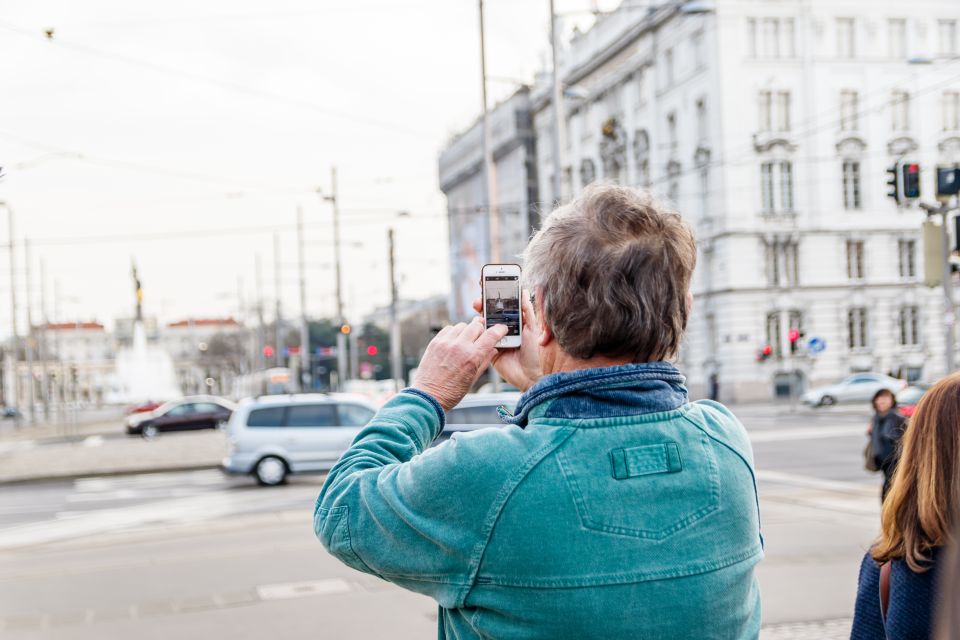
The tour includes a guided walk with a state certified guide, plus the guided story around the key locations in Vienna tied to The Third Man.
It does not include a visit to the sewer system. It also does not include some farther-out ideas people might associate with the film’s Vienna vibe. Reviews clearly note that the cemetery and the Prater Ferris wheel are not included because they’re too far out for the time.
So if those are must-dos for you, plan separate time blocks for them. The tour stays concentrated around central areas that fit into a short, intense walking format.
Should You Book This The Third Man Film Location Tour?
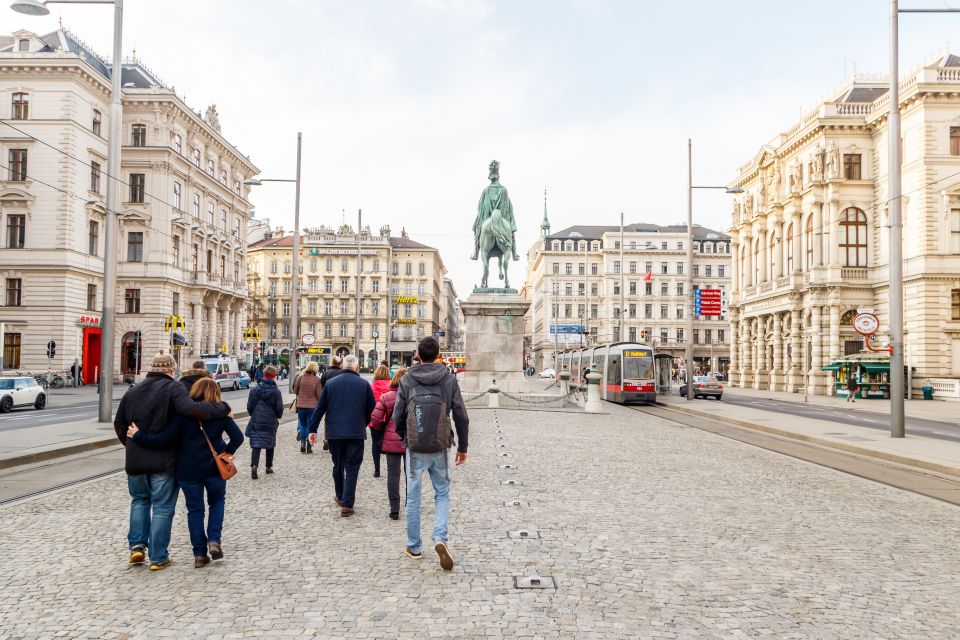
Book it if you fit at least one of these boxes:
- You love film, and you want the story behind the story, from Greene to Reed to the on-location decisions.
- You want to understand post-war Vienna in a way that feels connected to real streets, not just dates.
- You like guided walking tours where you learn while moving, and your guide tells it like a narrative.
Skip it if you:
- Want a low-effort, sit-and-watch experience.
- Can’t handle uneven old-town walking.
- Only want exact film-location spotting and nothing else.
For most people, this tour is a smart use of time. It gives you a strong “Vienna in context” experience while also deepening the movie you came for.
FAQ
FAQ
Where does the tour meet?
The meeting point is U4 Station Stadtpark, exit Johannesgasse, Vienna.
How long is the tour?
The tour duration is 2 hours.
Is the tour affected by weather?
The tour takes place rain or shine.
Does the tour include a visit to the sewer system?
No. The tour explicitly notes that it does not include a visit to the sewer system.
What languages are offered?
The live tour guide operates in German and English.
How much does it cost?
The price is $30 per person.
Can I cancel for a full refund?
Yes. You can cancel up to 24 hours in advance for a full refund.
Can I pay later?
Yes. The option is Reserve now & pay later.
Are the Prater Ferris wheel and cemetery included?
No. Reviews state that the Prater Ferris wheel and the cemetery are not included because they are too far out for the time available.