REVIEW · VIENNA
Vienna: Day Trip to Mauthausen Concentration Camp Memorial
Book on GetYourGuide →Operated by Vienna à la carte · Bookable on GetYourGuide
A sobering day that stays with you. This Vienna-to-Mauthausen trip takes you to one of the Third Reich’s biggest labor camp complexes, then walks you through the preserved grounds with an expert, English-speaking guide and time to explore the museum at your own pace. You’ll also get hassle-free round-trip transportation built in.
I love the mix of context and specifics: you get a guided historical framing on the bus ride out, then an on-site walk that follows the former prisoner path through key places like the roll call area and the infamous Stairs of Death. I also like that you can switch modes halfway through—listen during the guided tour, then use optional audio for a slower, self-paced visit inside the museum.
One consideration: this is heavy history, and the emotional weight can be intense, even when it’s handled with care and clarity. Also, lunch is not included, so you’ll want to plan around the on-site Bistrot options and your own energy level.
In This Review
- Key takeaways before you go
- From Vienna to Mauthausen: the bus ride that puts the camp in context
- The English-guided route inside Mauthausen Memorial
- The emotional reality: pace, tone, and what you’ll actually see
- Room of Names and the quarry: self-paced museum time that matters
- Audio guides and language options: learning without getting left behind
- Transport logistics: comfortable coach, central meetup, and a clean finish
- Value check: is $174 per person worth it?
- Who this tour suits best
- Should you book this day trip to Mauthausen Memorial?
- FAQ
- How long is the Vienna to Mauthausen day trip?
- What is included in the price?
- Where do I meet the tour?
- Where does the tour end in Vienna?
- Is lunch included?
- Are audio guides available, and in which languages?
- Is the tour recommended for children?
- Is the tour wheelchair accessible?
Key takeaways before you go
- English-guided walkthrough of the preserved camp with a clear route through the most important sites
- Room of Names in the museum, designed for reflection and pacing on your terms
- Optional audio in many languages so you’re not stuck with just one way to learn
- Round-trip coach from central Vienna so you don’t spend your day figuring out transit
- A serious, adult-leaning visit not recommended for children 14 and younger
From Vienna to Mauthausen: the bus ride that puts the camp in context
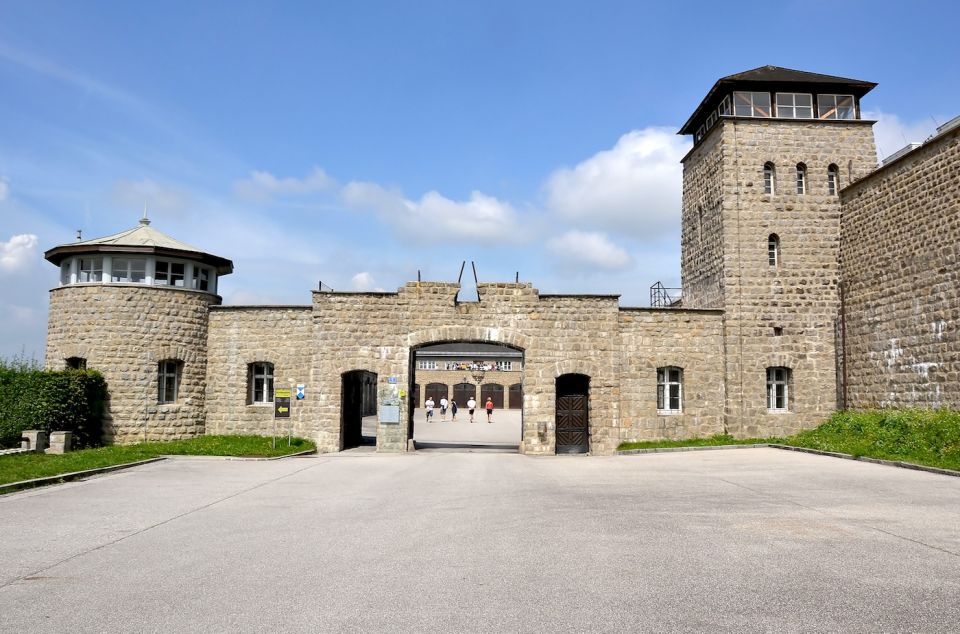
The day runs on a tight but doable rhythm: you’re picked up at Tourist-Info Wien and head out by coach for about two hours. During the ride, the guide sets up what you’re about to see—Austria under Nazi rule and how Mauthausen fit into the broader system.
This matters more than it sounds. If you only arrive and look around, the place can feel like a list of locations. With the pre-frame, you start connecting what you’ll see—labor, control, deprivation, and terror—to the historical machinery behind it.
On some departures, the experience includes extra media on the bus, like a documentary, which helps prime the group for the visit ahead. Either way, the goal stays the same: you leave Vienna knowing what to look for once the camp opens in front of you.
You can also read our reviews of more tours and experiences in Vienna


The English-guided route inside Mauthausen Memorial
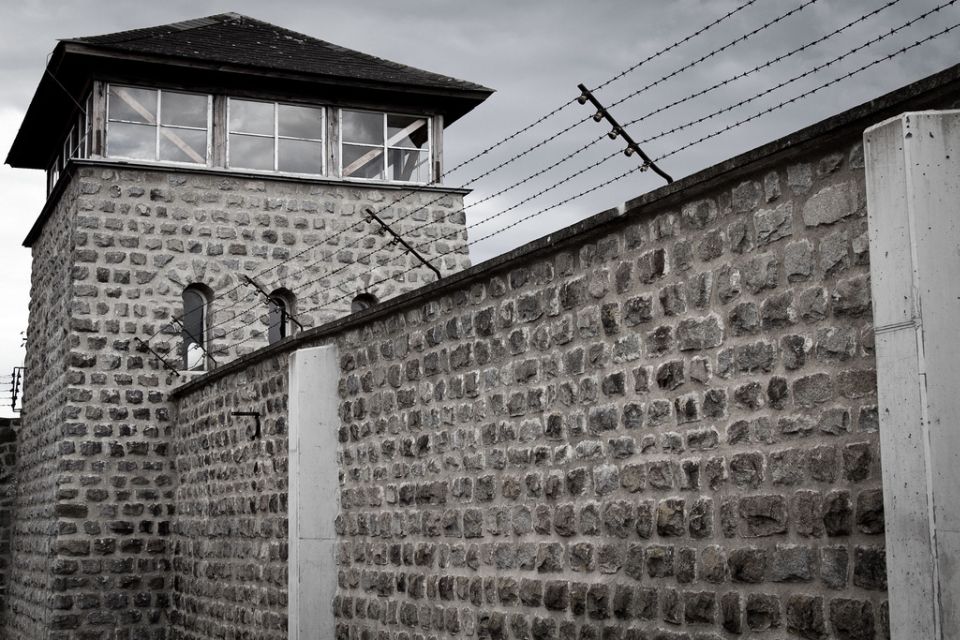
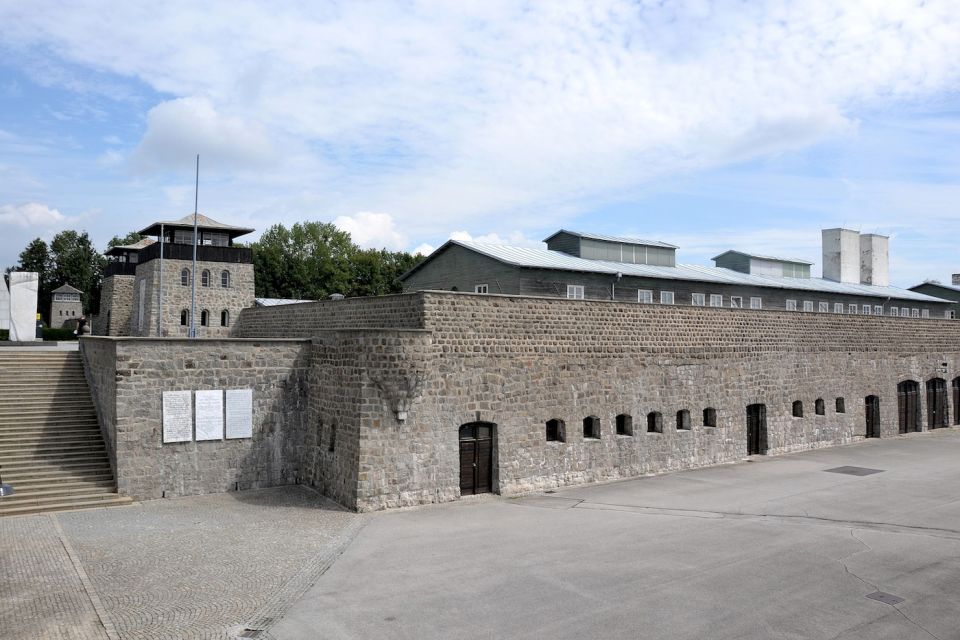
After the drive, you join a live, English-guided tour through the preserved historic site. This portion takes you along the path of former prisoners, stopping at major locations where people were processed, housed, worked, and punished.
Expect to move through the camp’s key stopping points such as:
- the roll call area
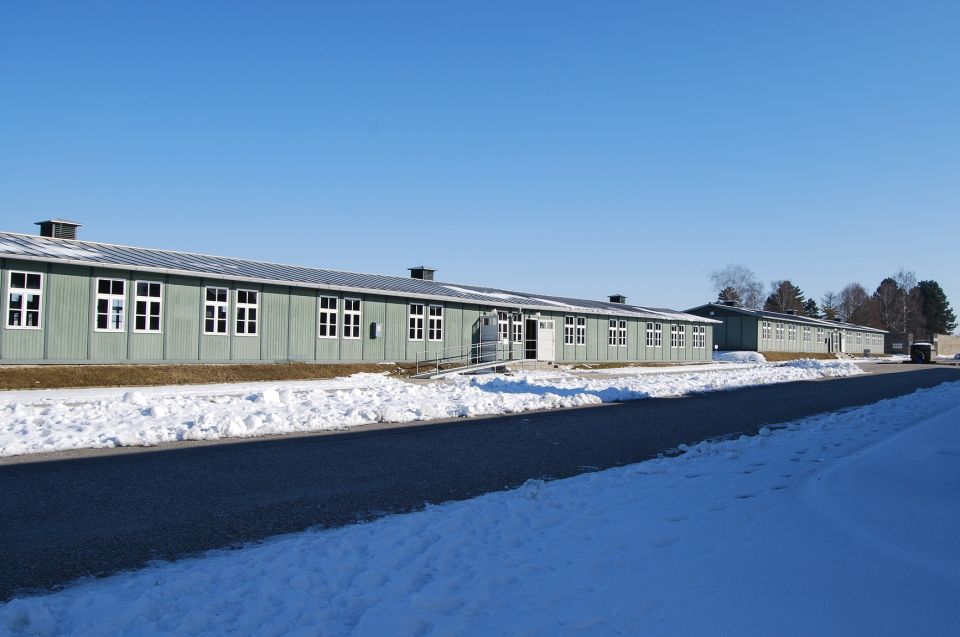
- the prisoners’ barracks
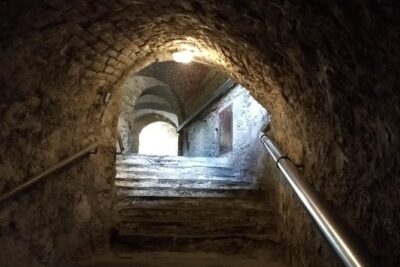
- the Stairs of Death
- the memorial park on the grounds of the former SS camp
What I like about the guided approach is the way it pushes past names and dates. You’re encouraged to think critically about different roles in the Nazi era, not just the people being targeted, but also those carrying out actions and those standing by. That shift makes the visit more than “history facts.” It becomes a lesson in human behavior and responsibility.
Guides can vary by group, but the strongest sessions tend to be interactive. In prior departures, camp and transport guides have been praised for using stop-point materials and keeping explanations clear even when the subject is painful. If you’re the type who likes to ask questions, go in with one in mind—your guide can be a real anchor.
The emotional reality: pace, tone, and what you’ll actually see

Mauthausen is not a casual visit. Even when the presentation is structured and respectful, the subject is brutal. You’ll encounter areas tied to imprisonment, forced labor, and executions, and the site is designed to make you face what happened instead of skating around it.
A few practical notes help you get through the day with your head intact:
- wear shoes you don’t mind for uneven surfaces and lots of standing
- plan to slow down after the guided portion, not just “check it off”
- don’t rely only on audio—read displays when you can, even if you only skim
The best visits are the ones where you give yourself time to process. One common regret is simply not having enough hours on-site afterward, especially if you want to absorb the museum and memorial spaces more carefully.
Also, the tour is listed as not recommended for children aged 14 and younger. If you’re traveling with teenagers, you’ll want to be honest about their readiness for intense content and long, quiet sections.
Room of Names and the quarry: self-paced museum time that matters
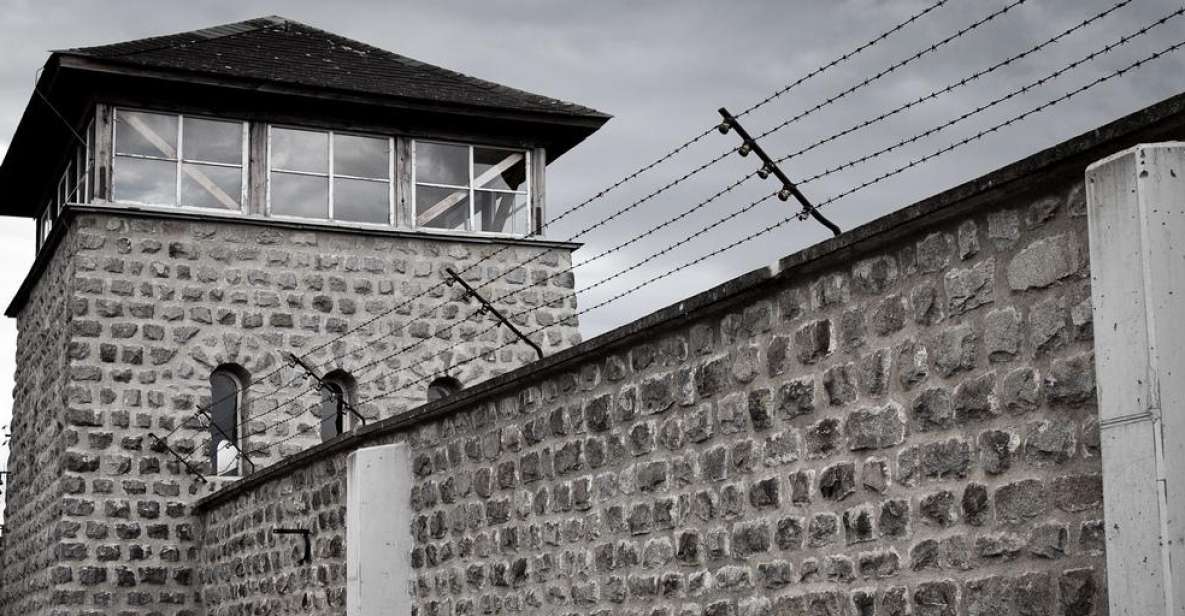
After lunch at the on-site Bistrot (lunch is not included), you shift into a slower pace. The tour gives you time for self-guided exploration of the Mauthausen Museum, with optional audio available in many languages.
Two stops are especially worth planning for:
- the Room of Names, a moving space focused on remembrance
- the quarry, tied to the forced labor that shaped day-to-day life in the camp
This is where optional audio really earns its keep. If English isn’t your first language, you can switch to audio guides. If it is your first language, audio still helps, but I’d treat it as a guide—not a replacement for the text and the physical layout of the grounds.
One practical advantage: self-paced time means you can linger where your attention actually lands. Some parts of the museum benefit from reading a few lines twice, just to let the meaning settle.
Audio guides and language options: learning without getting left behind
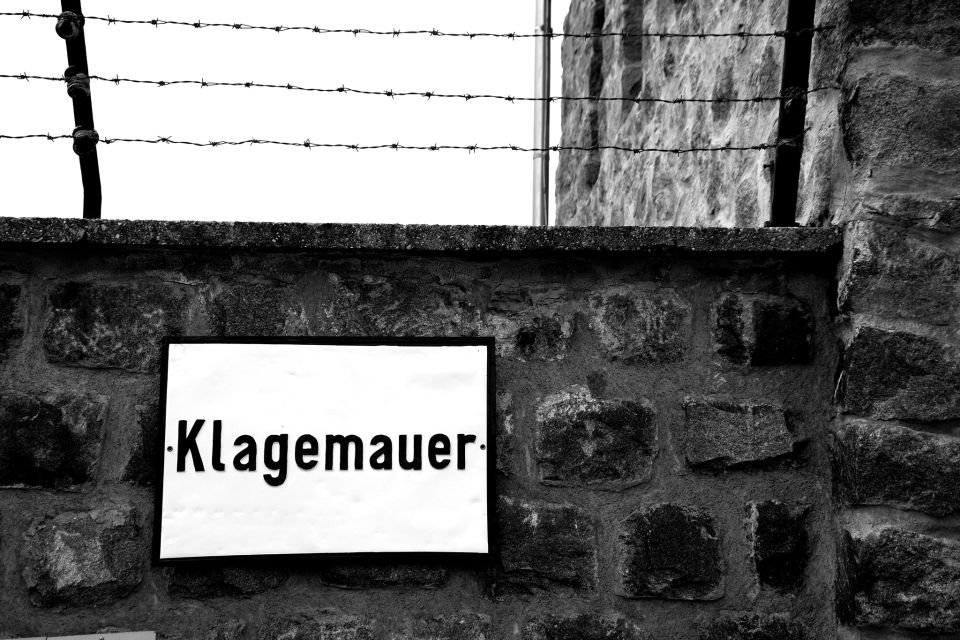
Audio guides are available for the Mauthausen Memorial in a set of languages listed for this tour. Included audio options cover English, Spanish, Czech, Dutch, French, German, Hebrew, Hungarian, Italian, Polish, Russian, and additional language support is also noted (including Turkish).
This matters if you’re traveling with mixed-language companions. You can all take in the same core sites, then use audio to match how you want to learn. It also helps when you prefer your own pace during the museum time.
Tip: if you’re a fast reader, consider using the audio lightly and focusing on key signs and exhibits. If you’re not, use audio more actively and let it carry you through the bigger story, then circle back to any section that hits you.



Transport logistics: comfortable coach, central meetup, and a clean finish
This trip is built around simplicity. You meet at Tourist-Info Wien, then ride a coach to Mauthausen and back. The round-trip transportation is included, and the tour is structured so you don’t need to juggle schedules, tickets, or local transit on a day when your brain is already overloaded.
You’re also told that the tour includes skip-the-ticket-line entry, which can save time for the group. Once the return journey starts, you’ll come back to central Vienna and the tour concludes at the Vienna State Opera House.
That last detail is more useful than it sounds. You end near a major landmark, which makes it easier to find your next stop—dinner, a museum, or just a quiet walk home without the stress of hunting for a connection.
Value check: is $174 per person worth it?
At $174 per person, this is not a budget outing. But you’re paying for three things that usually cost extra when you DIY it: guided instruction in English, round-trip coach transport from central Vienna, and paid access to the memorial and museum.
When you break it down, the value is strongest if:
- you want expert interpretation rather than trying to piece everything together on your own
- you’d rather spend your time learning than coordinating transit
- you care about structured pacing, not wandering and guessing what’s most important
If your schedule is tight, the included coach is also a big deal. A long day with the right support is often cheaper than a patchwork plan when you add up transport, admission, and the time you lose trying to organize.
My take: for many visitors, this ends up being one of the best “one-day history” investments you can make in the Vienna area—not because it’s fun, but because it’s efficient, guided, and thoughtfully structured.
Who this tour suits best
This tour fits best if you want a guided, respectful visit to a major memorial and you’re ready for hard material. It also works well for solo travelers who want structure and for couples or small groups who want to learn together without splitting up into separate logistics.
It may be less ideal if:
- you’re expecting a relaxed sightseeing day
- your group needs lots of kid-friendly distractions
- you want full museum time without any guided pacing
Also, be prepared for possible variation in guide delivery. Some sessions have been described as excellent and interactive, while a few people noted issues such as the transport guide arriving late or the on-site guide moving through content too quickly. If you’re the kind of person who needs every stop carefully explained, plan for patience and give the museum time a priority of its own.
Should you book this day trip to Mauthausen Memorial?
If you’re in Vienna and you want a serious, well-structured visit to one of Europe’s most important sites of remembrance, I’d book it. The included coach, English-guided route, and time in the museum with multi-language audio make it a practical way to do the visit responsibly without burning a day on logistics.
I’d say book it especially if you:
- want expert context before you enter the grounds
- value the guided route through major sites, then reflection time afterward
- prefer not to rush through the museum and Room of Names
If you’re very sensitive to emotionally heavy settings, you might consider adjusting expectations and building extra downtime around it. This day is meant to weigh on you—in the way a memorial visit should.
FAQ
How long is the Vienna to Mauthausen day trip?
The total duration is listed as 510 minutes.
What is included in the price?
The tour includes entrance to Mauthausen Memorial & Museum, round-trip transportation from Vienna, a guided tour of the memorial in English, and optional self-guided audio in multiple languages (plus site maps). An English-speaking tour leader is also included.
Where do I meet the tour?
You meet at Tourist-Info Wien.
Where does the tour end in Vienna?
The tour concludes at the Vienna State Opera House in downtown Vienna.
Is lunch included?
Lunch is not included. Light meals and refreshments are available at the on-site Bistrot.
Are audio guides available, and in which languages?
Audio guides are available in many languages listed for the memorial, including English, Spanish, Czech, Dutch, French, German, Hebrew, Hungarian, Italian, Polish, Russian, and Turkish is also noted in the information provided.
Is the tour recommended for children?
This tour is not recommended for children aged 14 and younger.
Is the tour wheelchair accessible?
Yes, the tour is listed as wheelchair accessible.