REVIEW · VIENNA
Vienna: Hop-on Hop-off, Ferris Wheel, and River Cruise
Book on GetYourGuide →Operated by Big Bus Vienna GmbH · Bookable on GetYourGuide
A giant ferris wheel and a Danube boat ride in one ticket? That’s a smart Vienna shortcut. This combo pairs a 24-hour hop-on hop-off bus with the Riesenrad Giant Ferris Wheel and a relaxing Danube cruise, so you get big-sight views without overplanning every block.
I especially like two things: the bus lets you pick your pace with audio in many languages, and the ferris wheel gives you postcard views over Vienna and the river—great even if you only have a few hours. My one caution is the schedule is tight: the buses stop running at 4:00–4:15 pm, so you’ll need to choose stops rather than trying to see everything.
The day runs on two routes—City and Palace—plus optional time for a self-guided digital walk. The Palace Route is the one that helps you line up Vienna’s major palaces from the bus, while the Danube cruise is the low-stress reset button between sightseeing bursts. The main drawback to plan around is that crowds and bus capacity can be an issue at popular stops, so start early and don’t leave transfers to the last minute.
In This Review
- Bus + Ferris + Danube: Key Things That Matter
- Vienna Hop-On Hop-Off and Riesenrad: How the Whole Day Fits Together
- Starting Points: Opera (City Route) vs Albertina (Palace Route)
- City Route Highlights: St. Stephen’s, Opera Views, and the Hofburg Area
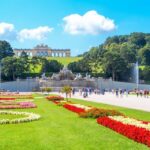
- Palace Route: Schönbrunn, Hofburg, and Belvedere Without the Confusion
- The Riesenrad Giant Ferris Wheel: Skip-Ticket Line, Big Views
- Danube River Cruise: Your Slow, Scenic Reset
- Self-Guided Digital Walking Tour: Small Add-On, Real Payoff
- Timing and Strategy: How to Make 24 Hours Actually Work
- Getting Around Smoothly: Bus Capacity, Lines, and Audio Tips
- Price and Value: Is $88 Worth It?
- Who This Fits Best (And Who Should Skip)
- Quick Practical Notes Before You Go
- Should You Book This Vienna Combo?
- FAQ
- Where do I meet for the City Route?
- Where do I meet for the Palace Route?
- How often do the buses arrive?
- What time do the tours run?
- Is Schönbrunn Palace entry included?
- Does the Riesenrad skip-the-line help with boarding too?
Bus + Ferris + Danube: Key Things That Matter
- Two routes in one day: City Route for central icons; Palace Route for the palace areas beyond the core.
- Skip-the-line is specific: it helps at the ticketing entrance for the Riesenrad, but you may still face a line when boarding gondolas.
- Real-time photo payoff: the ferris wheel is your easiest way to get wide skyline angles, including Danube views.
- Don’t plan to hop at every stop: with 30–45 minute intervals, you’ll lose time if you jump on and off too often.
- Danube cruise is your breathing space: the water views help you see what street-level Vienna hides.
- Voucher-to-ticket matters: you’ll likely need to exchange your online voucher for a paper ticket at the starting point before using hop-on stops and activities.
Vienna Hop-On Hop-Off and Riesenrad: How the Whole Day Fits Together
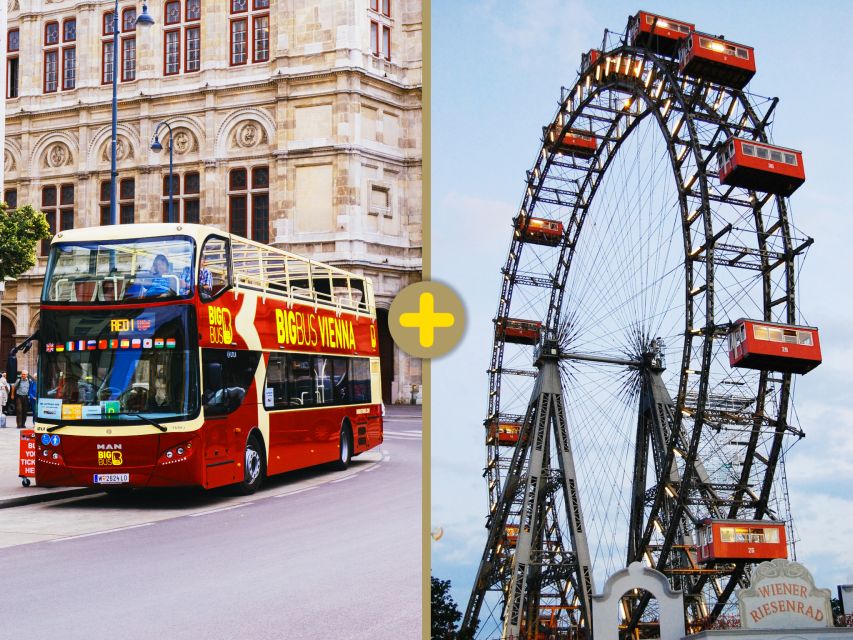
This is the kind of Vienna day I like: you get structure, but you don’t feel trapped. The big idea is simple—see the main sights from the open-top bus, cap it with the Riesenrad giant ferris wheel, then slow down with a Danube cruise. The included self-guided digital walking tour is a nice bonus for when you want to turn a bus stop into a short, focused stroll.
The tour covers multiple “entry points” into Vienna’s story. The bus gives you orientation—where everything sits and how the neighborhoods connect—while the ferris wheel offers height so you can understand the layout visually. Then the river cruise adds a different angle: you’re not just looking at buildings; you’re looking at the city’s relationship to the water.
One more practical point: this is a one-day ticket valid from first activation. That’s convenient, but it also means your time has to be intentional. Hop-on hop-off works best when you treat it like transportation plus highlights, not like a full substitute for long museum days.
You can also read our reviews of more boat tours in Vienna
Starting Points: Opera (City Route) vs Albertina (Palace Route)
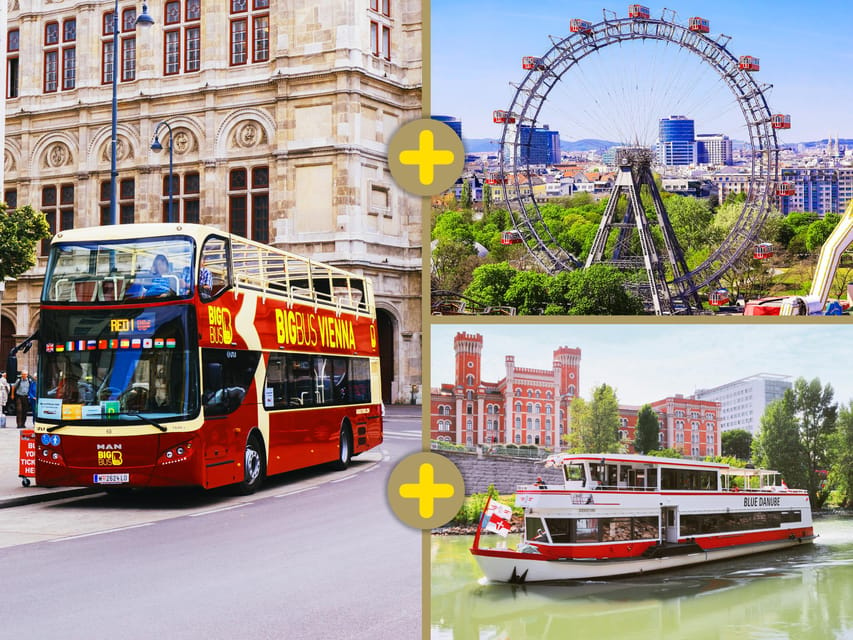
Your day starts at Stop #1 and the location matters. For the City Route, you begin at Stop #1 Opera at Walfischgasse 2, 1010. For the Palace Route, you begin at Stop #1 Albertinapltz, 1010. You can also board at other stops along each route, but starting at Stop #1 is where you’ll want to make sure your ticket is sorted.
Here’s why: you may need to exchange an online voucher for a paper ticket at the beginning of the bus tour before boarding or using the included activities. I’d plan a little extra buffer at Stop #1 so you’re not sprinting between the bus and the ferris wheel plans.
Timing is your other anchor. The first City Route bus departs at 9:30 am, and the last runs at 4:00 pm. The Palace Route begins at 9:45 am with a last bus at 4:15 pm. With those closing times, you’ll want to front-load the palaces or the ferris wheel if you’re hoping for the most comfortable lines and best light.
City Route Highlights: St. Stephen’s, Opera Views, and the Hofburg Area
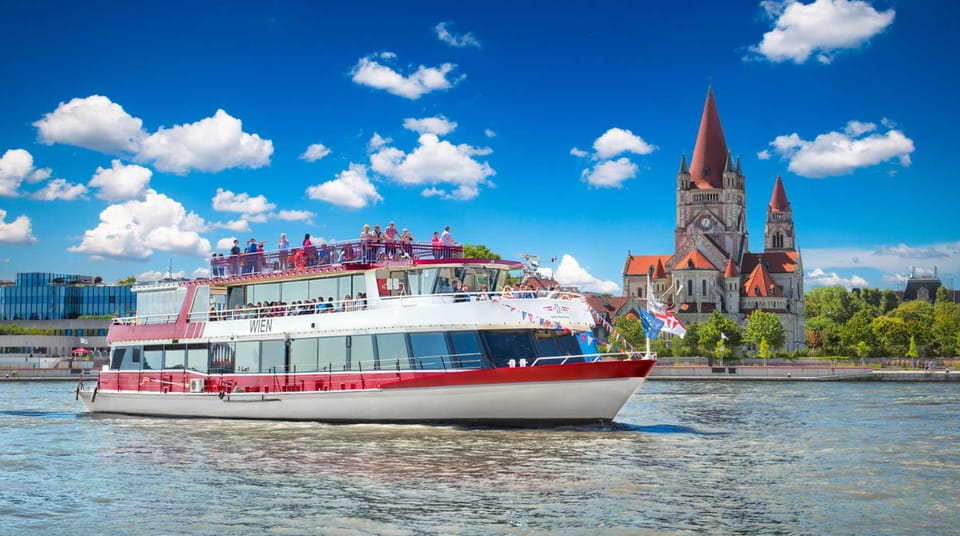
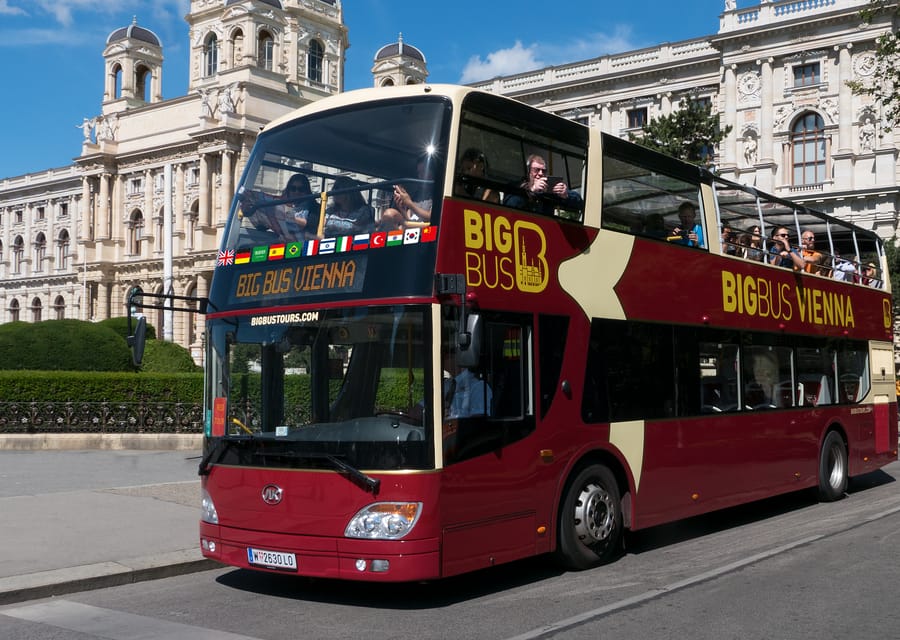
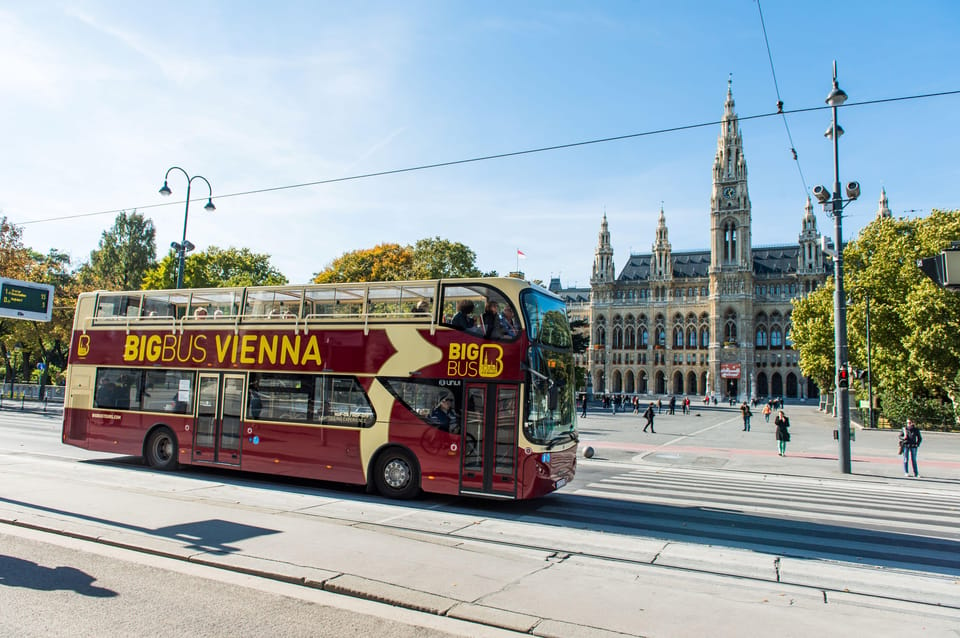
The City Route is built for Vienna’s core. Expect the bus to move through the center and help you spot the big landmarks quickly, with audio commentary available in multiple languages. The audio includes English plus a long list of other languages, so you can travel with confidence even if your group has mixed language needs.
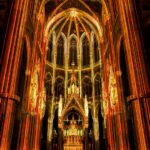
This route is especially useful for St. Stephen’s Cathedral and the Vienna State Opera area. Even if you don’t go inside, you’ll get the street-level context fast—how the cathedral dominates its square, how the opera building shapes the surrounding streets, and how the city’s “center” feels more like a set of distinct scenes than one continuous view.
I also like that the City Route helps you connect the dots to the Hofburg Palace. The Hofburg area is easier to understand after you’ve already seen how Vienna flows around it from street width, angles, and nearby landmarks. From the bus, you don’t need to guess—your seat becomes your map.
Palace Route: Schönbrunn, Hofburg, and Belvedere Without the Confusion
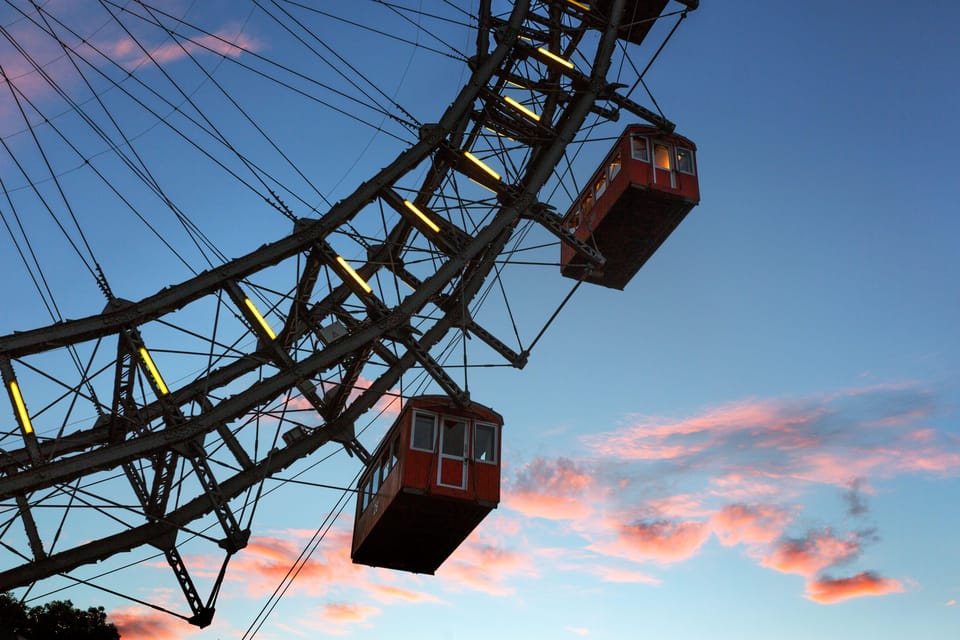
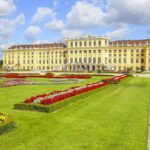
The Palace Route is the one for spacing out your day outside the tight downtown core. It takes you toward Vienna’s palace areas, including Schönbrunn. The big catch is that entry to Schönbrunn Palace isn’t included, so treat the bus as the transport and orientation, not as admission.
Still, the Palace Route can be a huge value move. If you’re trying to limit taxis or transit research, this route does the heavy lifting. You can hop off near the palace grounds, walk (using your own pace), and then hop back on later for the next stop or return to central areas.
The tour highlights mention Schönbrunn, Hofburg & Belvedere as part of what you’ll see from this route. That’s a good sign for you if your goal is “palaces first,” because you won’t have to stitch together multiple routes and timetables.
One more logistics note: buses arrive roughly every 30 to 45 minutes. That’s workable, but not “wait indefinitely” workable. If you want time at Schönbrunn or Belvedere, build in buffer so you don’t get trapped by the clock when you’re ready to return to the city.
The Riesenrad Giant Ferris Wheel: Skip-Ticket Line, Big Views
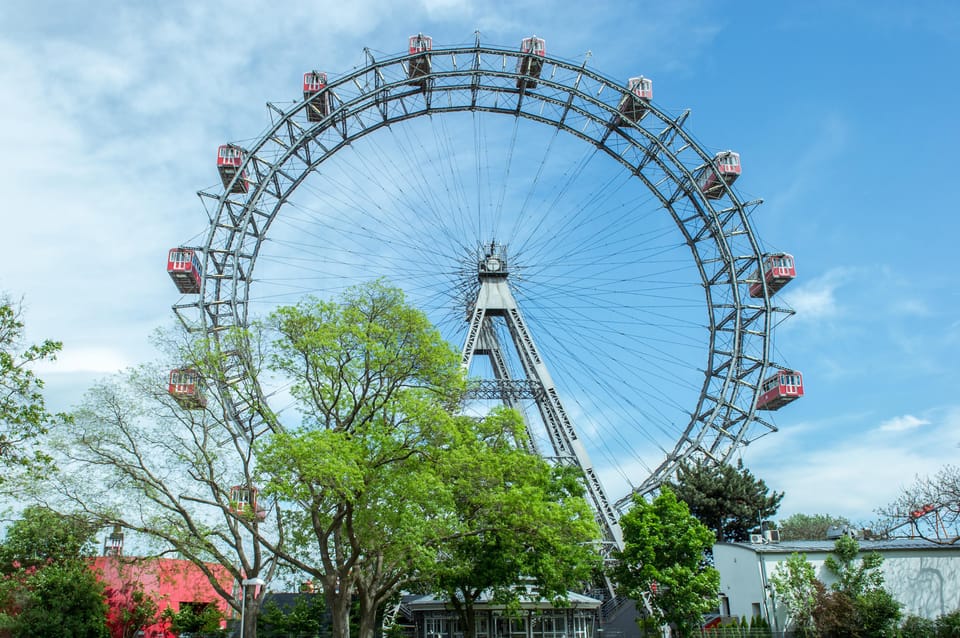
The highlight for many people is the included Vienna Riesenrad Giant Ferris Wheel ticket. This is a rare combo where you get height without needing a complex route plan, and it’s also one of the best ways to get a clean view over the river.
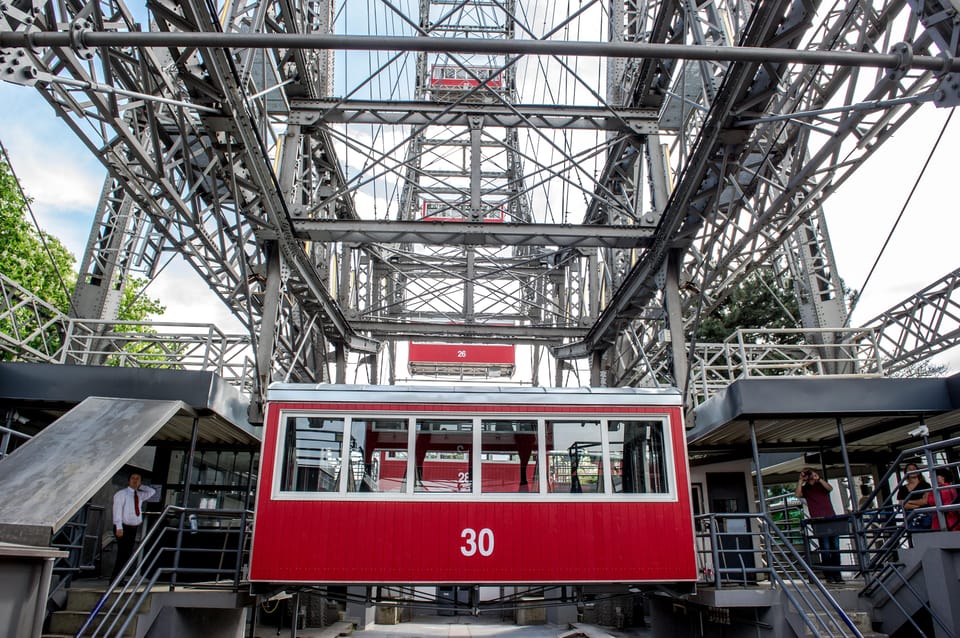
You’ll have skip-the-line access through a separate entrance. Practical advice: skip-the-line often means you bypass the ticketing queue, not necessarily every line on the premises. At the gondola boarding step, you might still encounter a line depending on crowd flow—especially if you arrive near peak times.
Why I think the Riesenrad is worth prioritizing: the cabins offer wide, stable views over the Danube and across Vienna’s skyline. Even on a time-stretched day, a ferris wheel ride is efficient. You get sweeping perspective in a short time window and you end up with photos that make the city look bigger and more connected than street photos usually do.
If you’re planning photos, aim to time the ride so the sky isn’t flat-gray if possible. You don’t have to be a meteorologist—just avoid booking yourself into the exact latest time of day if you can help it.


Danube River Cruise: Your Slow, Scenic Reset
The included Danube River cruise is what turns this from a transport-heavy “checklist day” into something calmer. The best part is that the river view gives you a different sense of orientation. Along the bank, you’ll see how the city presents itself from the water—something you never get from the bus or a quick walk.
One sailing in this format can feel like a there-and-back style segment: roughly 45 minutes one direction, then about 30 minutes back downstream. Even if your exact timing differs, expect a steady cruising rhythm rather than a nonstop “tour of everything.”
The cruise also helps your feet. If you spend your morning hopping buses and your afternoon tackling palace gardens, the Danube leg becomes the payoff where you sit down and let the city pass by.
In tight Vienna schedules, river time is smart because it’s low effort. You don’t need perfect weather to enjoy it, and you don’t need to make decisions every 5 minutes about where to go next.
Self-Guided Digital Walking Tour: Small Add-On, Real Payoff
You also get a self-guided digital walking tour. The value here isn’t that it replaces your main sightseeing; it’s that it lets you use the bus stops you already visited as starting points for short, meaningful walks.
When you do a hop-on hop-off day, you often end up with “I saw it from the bus” photos. The walking tour helps turn those moments into something more grounded: you can slow down, read cues, and focus on a few key streets instead of rushing through the whole city.
I recommend treating it as a flexible insert. Use it when you feel you’ve gotten enough bus views for the moment and want to stretch your legs. Keep it short if you’re pairing this with the ferris wheel and Danube cruise—your day has enough moving parts already.
Timing and Strategy: How to Make 24 Hours Actually Work
This day is packed, and hop-on hop-off can be a trap if you try to do it like a buffet. Buses run every 30 to 45 minutes, and the day has a hard end time at 4:00 pm on the City Route and 4:15 pm on the Palace Route. That means you’ll want a plan that includes “good enough” time at each stop.
Here’s my approach for a smoother day:
- Start early, especially if you want the ferris wheel.
- Pick fewer bus hops. If you’re hopping constantly, you’ll burn time just moving around.
- Lock in your biggest items first: Riesenrad ride and Danube cruise. Everything else becomes supporting cast.
- Give yourself transfer buffer. Even efficient stops can feel slow when crowds build.
The included options also encourage a common mistake: trying to see every major highlight on both City and Palace Routes in one loop. With a one-day window, that usually ends in rushed stops or missed timing.
If you’re traveling with kids or anyone who gets tired of transit quickly, prioritize comfort. Choose one route to anchor the morning and the other for the afternoon—or do City Route first for orientation, then shift to Palace Route once you’ve got your bearings.
Getting Around Smoothly: Bus Capacity, Lines, and Audio Tips
This format is convenient, but it’s not magic. Open-top buses can get crowded, and seat availability can vary by time of day and stop. When a bus fills up, you might end up standing longer than you planned, and that changes how enjoyable the ride feels.
The audio guide helps with attention. You’ll get commentary available in multiple languages, and the onboard audio is often what keeps the bus ride feeling like more than “just riding.” If you want to reduce stress, listen while you ride, then step off only when you’re ready to walk.
Also, keep headphones in mind. The tour provides headphones, and you’re welcome to use your own. If your group has different preferences, bring a backup cable or splitter so nobody gets stuck waiting.
Finally, don’t ignore the “paper ticket” reality. If you start with an online voucher, make sure you know where and when you’ll exchange it for paper at the beginning of the bus. That little step can prevent a domino effect of missed timing.
Price and Value: Is $88 Worth It?
At $88 per person for a 1-day combo, the value depends on whether you’ll actually use all three big components: the bus, the Riesenrad ride, and the Danube cruise. If you do, this is a practical way to build an efficient Vienna day without hunting for separate tickets and coordinating timing yourself.
What makes it feel like good value is that these pieces solve different problems:
- The hop-on hop-off bus reduces navigation work and gives skyline-level orientation.
- The Riesenrad adds height and river-and-city photos without needing a long hike.
- The Danube cruise gives you a break and a fresh perspective that’s hard to replicate on foot in one day.
If you only want one or two components, you might find a la carte options make more sense. But if your plan is “see major icons, then do a signature Vienna view,” this package is aligned with that exact goal.
Also consider how much time you save by bundling. In a city where a lot of sights are spread out, reducing ticket-shopping and planning friction is part of what you’re paying for.
Who This Fits Best (And Who Should Skip)
This tour suits you if you want a structured day that still feels flexible. It’s a good fit for first-timers, families, and anyone who prefers a “transport + highlights” plan over long, single-focus museum marathons.
It also works well if you like the idea of seeing Vienna from multiple angles: street level from the bus, height from the ferris wheel, and water-level views on the Danube.
I’d be cautious if you’re the type who hates waiting. You’ll likely face some lines at boarding points even with a skip-the-line ticket for Riesenrad’s ticketing entrance. And with limited operating hours, you don’t have the luxury of slow, wandering pacing all day.
Quick Practical Notes Before You Go
Plan for a day that runs long but ends early. The last buses don’t run past mid-afternoon on either route, so don’t schedule your day around a late start. If you can, begin at Stop #1 so you’re set up correctly for boarding and included activities.
Bring patience for crowding, especially around popular central stops and major attractions. This is the kind of tour people choose for the same reason you are: it’s efficient.
Should You Book This Vienna Combo?
Book it if you want the smartest “first day in Vienna” feel: City + Palace highlights, plus the signature Riesenrad panorama and the relaxing Danube break. The included audio, digital walking option, and free Wi-Fi on board make it easier to manage a full day without constant back-and-forth planning.
Skip or adjust your plan if you’re aiming for deep time at a single palace complex or if you strongly prefer quieter, off-peak sightseeing. In that case, you might keep the ferris wheel and Danube cruise plans, then build a lighter bus schedule around fewer hops.
If you do book, do it with intention: start near the morning, lock in the big two attractions early, and treat the bus as your map—not your entire itinerary.
FAQ
Where do I meet for the City Route?
For the City Route, you start at Stop #1 Opera at Walfischgasse 2, 1010. You can also join at any of the 16 stops along the City Route.
Where do I meet for the Palace Route?
For the Palace Route, you start at Stop #1 Albertinapltz, 1010. You can also join at any of the 11 stops along the Palace Route.
How often do the buses arrive?
Buses arrive at each stop every 30 to 45 minutes.
What time do the tours run?
The first City Route bus departs at 9:30 am with the last bus at 4:00 pm. The first Palace Route bus departs at 9:45 am with the last bus at 4:15 pm.
Is Schönbrunn Palace entry included?
No. The Palace Route takes you toward Schönbrunn and its gardens, but entry is not included.
Does the Riesenrad skip-the-line help with boarding too?
The ticket provides skip-the-line access through a separate entrance. You may still need to wait in a line when boarding gondolas, depending on crowd flow.