REVIEW · VIENNA
Vienna: Sightseeing Tour in an 8 seats electric classic car
Book on GetYourGuide →Operated by E-Oldtimer-Tours | Kurt Gratt · Bookable on GetYourGuide
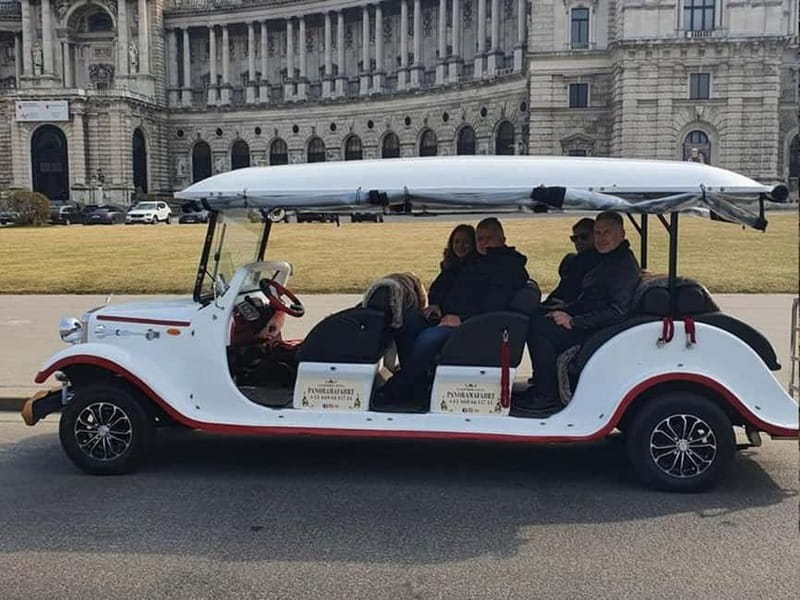
An electric classic car turns Vienna into a slow parade. You sit in a nostalgic, emission-free ride while a driver connects the big landmarks into a story you can actually follow, even if Vienna isn’t your usual speed. I love the old-timer feel without the fumes, and I like that it’s a private group up to 8, so you’re not squeezed in with strangers. One consideration: the explanations rely on audio, and the back seats can be harder to hear if you’re sitting facing the wrong way.
This is built for a relaxed kind of sightseeing. You cover a lot of ground in a short time, and the car keeps things comfortable whether it’s bright or drizzly.
If you’re traveling with family, this format is hard to beat: everyone stays together, and you can adjust the mood on the fly with your driver.
In This Review
- Key things I’d plan around
- Vienna’s highlights, but with the right pace
- From Albertina to the core: how the route “teaches” the city
- The Albertina area as your launchpad
- Ringstraße and the grand “frame” of the city
- Into the Hofburg and the museum belt
- The ride through the “public” side: parliament, theater, and city hall
- The inner city switch: old-world streets and famous squares
- Museums meet markets and bridges
- Music-and-hotel Vienna: what you’ll notice when you slow down
- The driver’s audio: what you’re really paying for
- Comfort details that change the experience
- How long is enough? 40–60 minutes in real terms
- Who this 8-seat electric tour suits best
- Price and value: $182 per group up to 8
- Practical planning: what to bring and how to get the most
- Should you book this Vienna electric classic car tour?
- FAQ
- FAQ
- How long is the Vienna sightseeing tour in the electric classic car?
- What sights will we see during the tour?
- Where does the tour start and end?
- How many people can join?
- What languages does the driver provide?
- How does cancellation and payment work?
Key things I’d plan around
- Electric old-timer comfort: an old-school ride with modern, emission-free operation
- Driver audio commentary: you learn as you roll past major sights, not just from a guidebook
- Private group of up to 8: easier family logistics and more personal pacing
- Stops designed for first-time orientation: from Ringstraße icons to the historic center
- Seat choice affects the audio: if you want the narration clearly, aim for better listening positions
- Weather doesn’t run the show: the car format keeps sightseeing practical year-round
Vienna’s highlights, but with the right pace
Vienna can be a lot. Big boulevards, grand buildings, and enough monuments to keep a museum ticket booth nervous. This tour gives you a smarter way to see first highlights: you get driving time and narration together, then you decide what’s worth a longer stop later.
The electric car matters more than it sounds. You’re not fighting exhaust or rushing between streets. You’re in a comfortable, compact vehicle that lets you watch the city flow by—classy facades, statues, and major squares—at a speed that feels like you’re traveling with a local friend.
And since it’s a private group, it works well when your plans aren’t perfect. Kids tired early? Adults want extra photo time? You can keep the group together and avoid the usual wait-and-reform routine you get on bigger tours.
You can also read our reviews of more tours and experiences in Vienna.
From Albertina to the core: how the route “teaches” the city
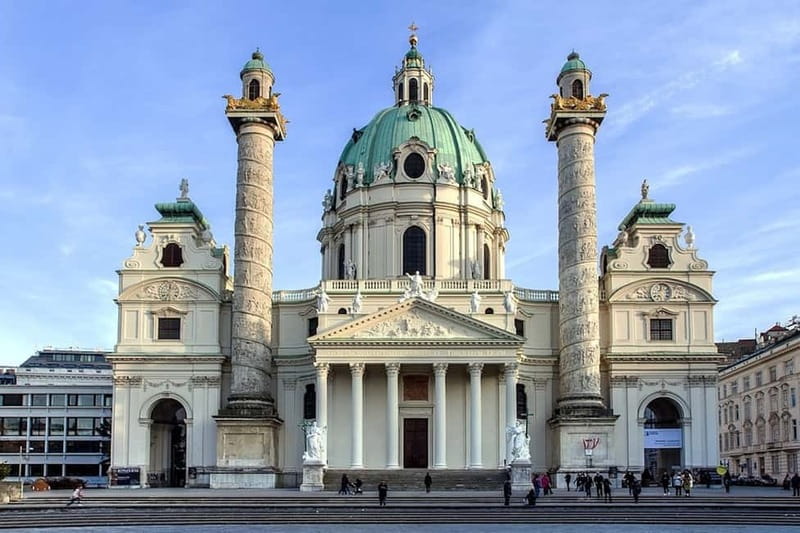
The tour starts and ends back in the central area around Cafe Mozart, Albertinaplatz 2, 1010 Vienna. Practically, you’ll meet near Herrengasse 12 in front of the Radisson Blu Hotel, then settle into the ride from the same central zone.
You’ll spend the drive bouncing between Vienna’s defining zones, and the order is useful: it gives you orientation before you go deeper on foot later.
Here’s how the sights line up in a way you’ll feel during the ride:
The Albertina area as your launchpad
You begin at Albertinaplatz, a great starting point because it sits right on the edge of the inner city. From there, the tour quickly sets the tone: Vienna’s style is all symmetry, elegant lines, and careful planning, and you start seeing that in the way streets open up.
Ringstraße and the grand “frame” of the city
A big chunk of your time rolls along Vienna’s famous Ringstraße corridor. You’ll pass major symbols like the Staatsoper (State Opera), the long boulevard stretches of the city’s grand loop, and the impressive cluster of landmarks that make Vienna look like Vienna on a postcard.
This is where the narration helps most. It’s not just naming buildings; it’s connecting why the city built this kind of monumental ring and how it shaped what you see today. You’ll also encounter a string of names and monuments along the way—think statues and cultural institutions—so the city starts to feel less random.
Key stops you’ll recognize along this grand boulevard include:
- Ringstraße (the long boulevard that defines the skyline view)
- Goethe Denkmal and Schiller Denkmal (literary giants turned into public statues)
- Akademie der bildenden Künste (fine arts academy, part of the grand cultural feel)
- Burggarten, plus the glass-and-garden structures like Palmenhaus and Schmetterlingshaus
If you’re the type who likes names, this segment will satisfy you. If you’re more “show me the view,” it still works because the sights are visually strong even when you’re not memorizing everything.
Into the Hofburg and the museum belt
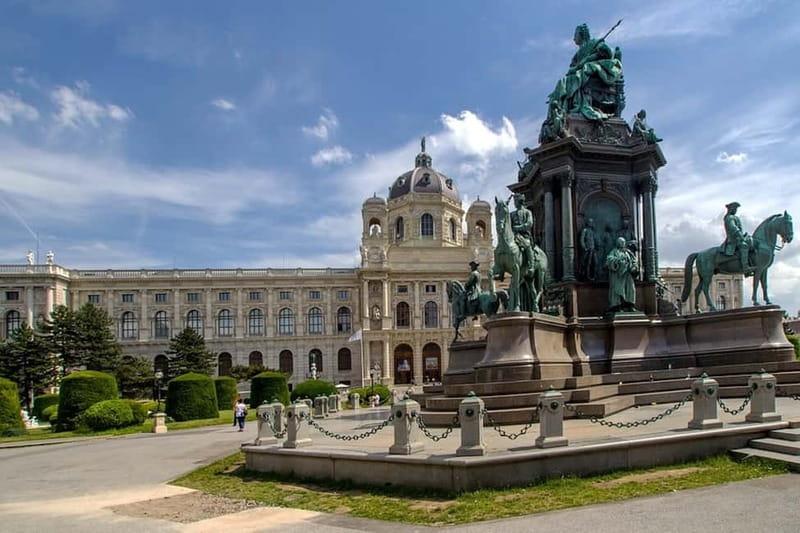
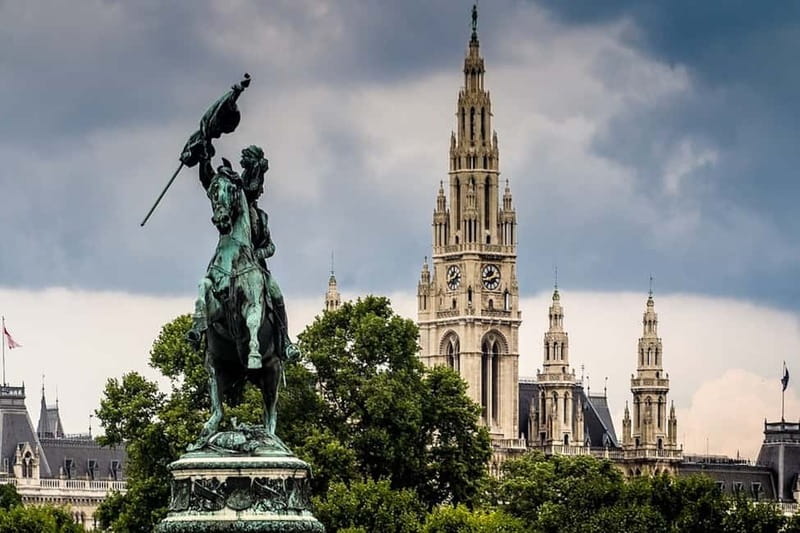
As the drive continues, you’ll move into the palace and civic heart. The route includes neues Burgtor, Heldenplatz, and the Hofburg complex—Vienna’s power-and-history zone in one continuous visual sweep.
You’ll also pass places tied to learning and institutions, like:
- Nationalbibliothek (National Library)
- Welt Museum
- Natur und kunsthistorisches Museum (the natural history and art history museum area)
You’ll see statues tied to historical figures such as Prinz Eugen, Erzherzog Karl, and Maria Theresia. Even if you don’t catch every detail, you’ll still feel the theme: Vienna doesn’t separate culture, politics, and history. They sit in the same streets and squares.



The ride through the “public” side: parliament, theater, and city hall
The route keeps going with major civic architecture: Parlament, Burgtheater, and Rathaus (city hall). Add Universität and the area around Universität-adjacent landmarks, and you get the sense of Vienna as a city of institutions.
Along the way you’ll also encounter statuary like Johann Strauss Denkmal later in the tour, which helps shift the mood from empire-like monuments to human-scale legends of music and performance.
The inner city switch: old-world streets and famous squares
Not all of Vienna feels like an opera house. The best part is the contrast between grand boulevards and tight, historic streets—and this tour brings you back toward that older atmosphere.
As the drive transitions, you’ll pass from the Ringstraße grandness toward the inner city streets. You’ll go by addresses and landmarks that feel more lived-in and closer to daily life, including:
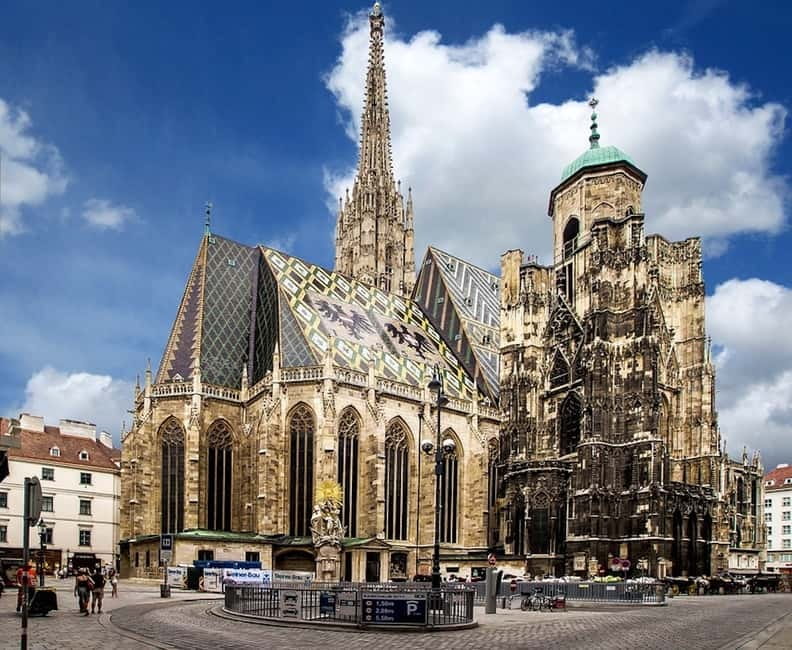
- Stephansdom (St. Stephen’s Cathedral)
- Wollzeile (the shopping street area)
- Stadtpark
This is the moment where Vienna stops looking like a staged skyline and starts looking like a real city. You’ll also pass spots tied to classic Vienna food-and-café culture, including Café Schwarzenberg and viewpoints around the grand hotels.
Museums meet markets and bridges
As you roll through the inner streets, you’ll also encounter historic elements like an older wall line and bridge views. The route includes Hohe Brücke and the Marc Aurel Straße stretch, plus areas like Salz Gries, hoher Markt, and Hochzeitsbrunnen and Ankeruhr (Clock-adjacent landmark area).
This part is useful if you’re thinking ahead: when you later walk on your own, you’ll know which streets connect the big “must sees” with the more local corners.
Music-and-hotel Vienna: what you’ll notice when you slow down
One of the more fun aspects of this tour is the way it threads through Vienna’s cultural and luxury landmarks. You’ll see big names tied to performance and classics, including:
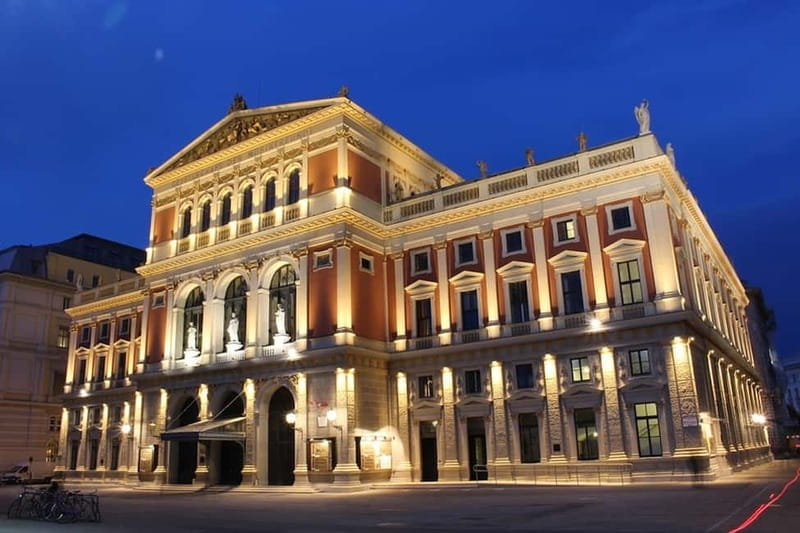
- Musikverein
- Kursalon Hübner
- Johann Strauss Denkmal
- iconic hotel fronts like Hotel Imperial, Grand Hotel, Hotel Bristol, and Hotel Sacher
This isn’t just sightseeing theater. It helps you understand Vienna’s identity: music halls, public ceremonies, and formal hospitality are part of the same city story. Even if you don’t go inside a building during the drive, you’ll get your bearings for a later visit.
Then the route loops back toward the Staatsoper area and returns to Albertina, so you finish where you started—simple, clean, and easy for planning.
The driver’s audio: what you’re really paying for
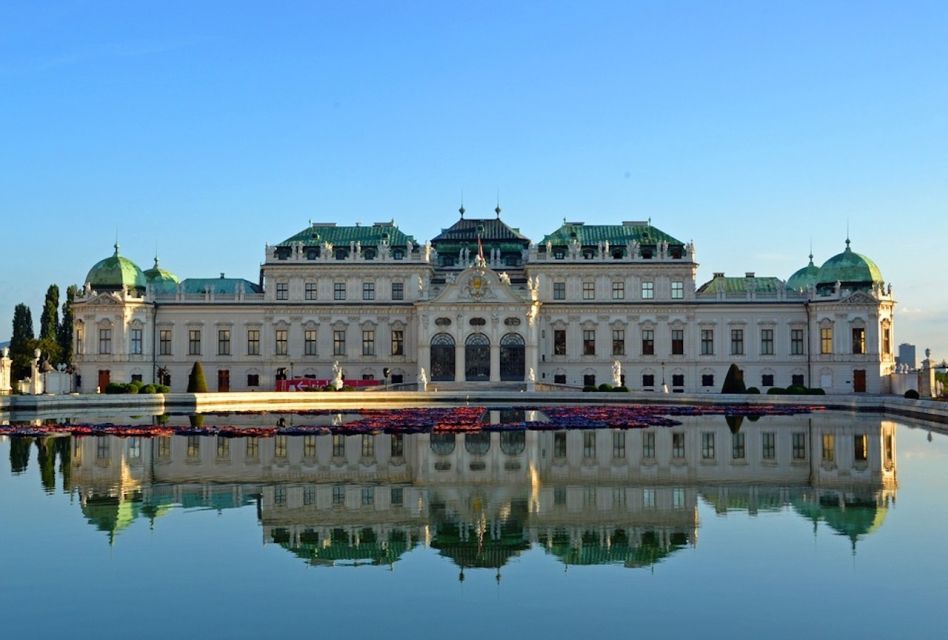
You’re not just buying a ride. You’re buying a guided, paced orientation around major sights—powered by tour and audio commentary by the driver.
The driver provides commentary in English and German, so you’re not stuck with a machine transcript. That flexibility matters in a private group, because the guide can keep the story coherent across ages and interests.
If you’re wondering what to listen for, focus on the “why” behind what you see:
- why the Ringstraße exists as a grand urban loop
- why the Hofburg complex dominates the palace zone
- why the mix of institutions (library, museums, parliament, theater) gives Vienna its distinct feel
And because this is a short ride, the narrative stays tight. You’re getting an overview that helps you pick your next walking stops without feeling like you spent the whole day in transit.
Comfort details that change the experience
This tour is designed to be comfortable, but there’s one practical detail you should treat seriously: seat position affects how well you hear the explanations.
One note from real-world experience: people sitting toward the back and especially against the direction of travel may struggle to hear the audio as well. So if you have the choice when you board, pick seats that give you a clearer listening angle.
Also remember the car is built for a small group. With up to 8 seats, it’s easier to keep personal space and keep everyone engaged. That matters for families because adults can still listen while kids look out the window, and the group isn’t fractured by different tour speeds.
How long is enough? 40–60 minutes in real terms
The activity runs about 40 minutes to 1 hour, with the option of a nostalgic 60-minute tour. For planning, treat it like an orientation window, not a full replacement for walking.
In that time, you’ll see a lot of major landmarks, including the big cultural corridor and the historic core. But you’ll still want to pick a couple spots for follow-up—especially if you love interiors (palaces, churches, museums) or want close-up photos.
If your day is packed, this is a smart “bridge” activity: do it early to learn the layout, then return later under your own steam.
Who this 8-seat electric tour suits best
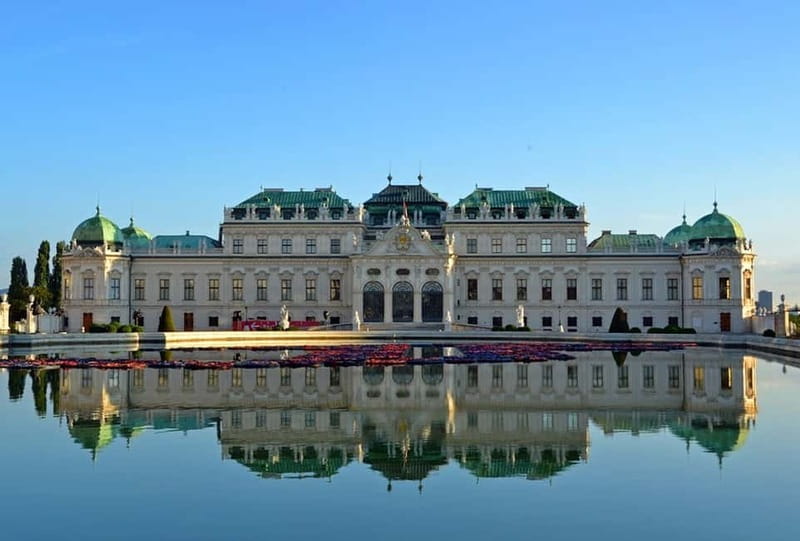
This tour is best when you want a group experience without the group chaos.
It’s a strong fit for:
- Families who want everyone together and hate splitting up
- First-time visitors who need an overview that leads to good walking choices
- People who want to see major sights without long museum hours
- Travelers who prefer learning through narration rather than scanning signage
It’s also a great option when weather is unpredictable. The car ride keeps the experience moving while still letting you look at the city from a different angle.
If you’re a hardcore photographer who needs long stops for every angle, you’ll likely still want to pair this with extra walking time afterward.
Price and value: $182 per group up to 8
The price is $182 per group, up to 8 people. That’s the key value math here: you’re not paying per person, you’re paying per vehicle group.
At full capacity, it can work out to a cost that’s much more reasonable than per-person city sightseeing tours. Even if you don’t fill all seats, it can still be worth it if it replaces taxis between scattered sights or if it keeps a family together without fighting over schedules.
What you’re really buying with your money:
- an electric classic-car ride
- driver audio commentary in English or German
- a tight loop of iconic landmarks within a short time window
For Vienna, where transport to different districts can eat time, this format often feels like a time-saver as much as a sightseeing activity.
Practical planning: what to bring and how to get the most
Bring the basics: comfortable shoes for later walking, and your phone/camera ready. Since you’re riding past many outdoor landmarks, you’ll want to snap photos as you go.
For best results:
- plan to take notes mentally, not physically—this tour is fast
- think about your follow-up list while the drive is happening
- prioritize seat choice if you care about hearing the narration clearly
If you’re traveling with mixed ages, you can use the ride time as a reset. Then, when you get out, everyone is ready to explore with a better sense of where things are.
Should you book this Vienna electric classic car tour?
I’d book it if you want a simple, family-friendly way to get your bearings fast. The combination of an electric old-timer feel, driver audio commentary, and a route packed with major sights makes it a smart first-or-middle-of-trip activity.
I’d skip or reconsider if your priority is long, in-depth time at fewer places. This is an overview tour. It shines at showing you the city’s key landmarks quickly, then helping you decide what deserves more attention on foot.
If you can solve the audio seat issue by choosing a better listening position, you’ll likely end up with exactly what you want from a short Vienna sightseeing day: lots of iconic views, a clearer sense of the city, and a stress-free ride that keeps everyone together.
FAQ
FAQ
How long is the Vienna sightseeing tour in the electric classic car?
The tour runs about 40 minutes to 1 hour. You can book a nostalgic 60-minute option on available departures.
What sights will we see during the tour?
The route includes many major landmarks such as Albertina, Staatsoper, Ringstraße, Hofburg, Heldenplatz, Parlament, Rathaus, Universität, Stephansdom, Stadtpark, Musikverein, and more, with stops returning back toward Albertina.
Where does the tour start and end?
The tour starts and ends back in the central area around Cafe Mozart, Albertinaplatz 2, 1010 Vienna.
How many people can join?
It’s a private group. The car is designed for up to 8 people in the group.
What languages does the driver provide?
The driver provides commentary in English and German.
How does cancellation and payment work?
You can cancel up to 24 hours in advance for a full refund. You may also be able to reserve now and pay later, depending on the option shown at booking.