REVIEW · VIENNA
What do Mozart and Henry Ford have in common? – The freemason in Vienna
Book on Viator →Operated by Sandra Blum - Safu - exklusiv Wien entdecken · Bookable on Viator
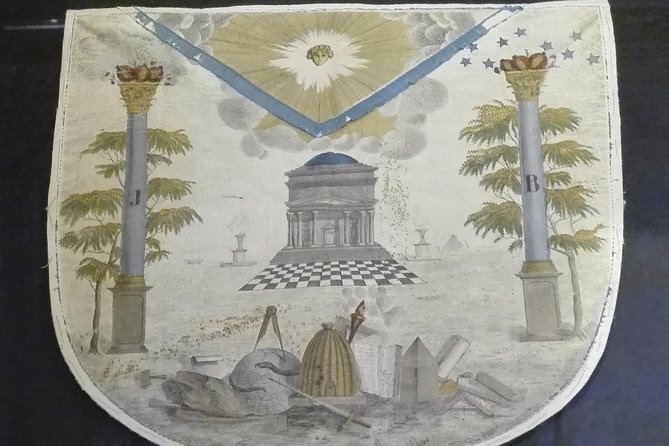
Freemasons in Vienna feel like a myth. This guided walk turns the debate around secretive lodges into something you can read in buildings, addresses, and famous names.
I like the way the story links cultural powerhouses like Mozart and artistic/intellectual figures such as Goethe, George Washington, Henri Dunant, Giacomo Puccini, G.E. Lessing, and Fritz Muliar—then even connects in Henry Ford. I also love the tight 1 hour 45 minutes pace, plus a mobile ticket that makes it easier to start on time.
One possible drawback: the theme circles around conspiratorial and mystic rumors, so if you want straight academic proof, this may feel more interpretive than scholarly.
In This Review
- Key highlights I’d plan around
- Why a Vienna Freemason-themed walk actually clicks
- Meeting at Judenpl. 5 and finishing at Josefsplatz
- St. Stephen’s Cathedral: the emblem-focused stop
- Rauhensteingasse: why an address can carry meaning
- St. Michael’s Church: related traces, second look
- Albertina exterior view: what’s included and what isn’t
- The famous names thread: Mozart, Henry Ford, and the network idea
- Price and value for $49.78 per person
- What the host does well: Sandra Blum (Safu – exklusiv Wien entdecken)
- Practical tips to enjoy it without rushing
- Who this Vienna tour suits best
- Should you book this Freemason walk in Vienna?
- FAQ
- FAQ
- Where does the tour start?
- Where does the tour end?
- How long is the experience?
- What ticket do I get?
- Is it a private tour?
- How many people are in the group?
- Which places are included?
- Is admission included at the stops?
- When will I get confirmation after booking?
Key highlights I’d plan around
- Four focused stops in about 1 hour 45 minutes, mostly with free entry where noted
- St. Stephen’s Cathedral with a specific look for a Freemason emblem tied to the tour theme
- Rauhensteingasse as an important address for the union, with dedicated time to orient yourself
- St. Michael’s Church for additional related traces in a walkable circuit
- Albertina exterior view (admission not included), so you can decide if you want more museum time
Why a Vienna Freemason-themed walk actually clicks
Vienna is famous for music and manners, but it also has a habit of quietly hiding stories in plain sight. This experience is built for that kind of curiosity. Instead of asking you to accept a dramatic rumor, it guides your attention to physical places tied to the Freemason thread of ideas and names.
The tour’s hook is the question about what Mozart and Henry Ford have in common—then it widens the circle. You’ll see the same kind of connection made with Goethe, George Washington, Henri Dunant, Giacomo Puccini, G.E. Lessing, and Fritz Muliar. That mix matters. It frames Freemasonry less as one narrow topic and more as a network of influential people, ideas, and symbolism that Vienna can still point to.
I also like that it acknowledges how often this subject gets described as conspiratorial and filled with mystic activity. The advantage for you is that the guide can address the vibe head-on while still keeping your feet moving from place to place.
You can also read our reviews of more tours and experiences in Vienna.
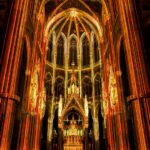
Meeting at Judenpl. 5 and finishing at Josefsplatz
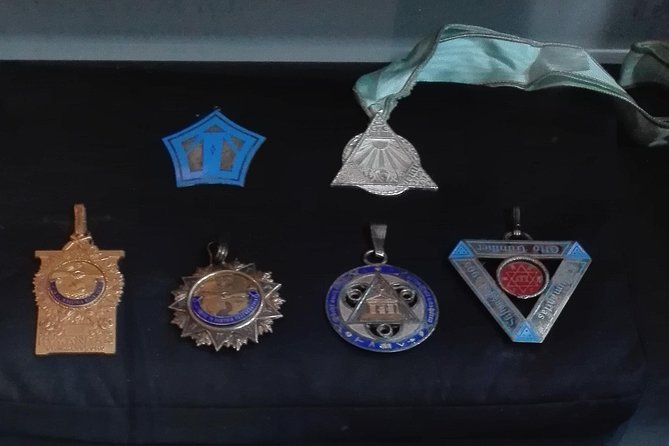
This is a private, small-group format. You’ll meet at Judenpl. 5, 1010 Wien, Austria and finish at Josefsplatz, 1010 Wien, Austria. That “start-to-finish” structure is practical because you’re not retracing every step.
The duration is about 1 hour 45 minutes, which is a sweet spot. Long enough to form a story, short enough to fit into a day packed with churches, cafés, and museum plans. It also means you’re not stuck waiting around for long gaps between viewpoints.
Group size runs minimum 5 and maximum 25 people, and it’s private in the sense that only your group participates. If you like guided walks where you can actually hear the explanation (instead of speaking over a crowd), that size band usually helps.
You’ll also have a mobile ticket, and you should receive confirmation within 48 hours of booking, subject to availability. On the day, that’s a relief—no hunting for paper tickets in a crowded morning.
Finally, the route is described as near public transportation, which matters in Vienna because you can stitch this into the rest of your schedule without stress.
St. Stephen’s Cathedral: the emblem-focused stop
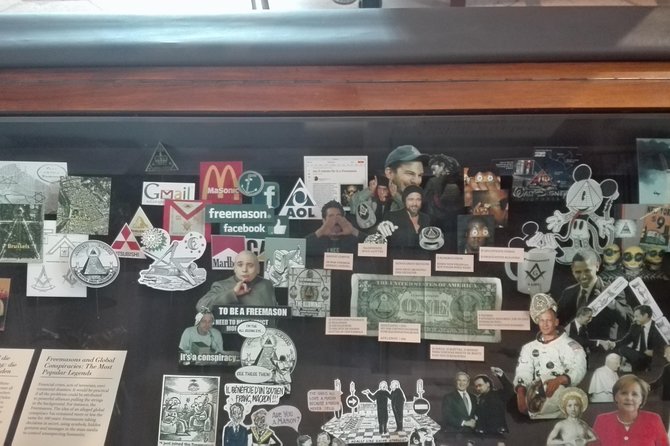
St. Stephen’s Cathedral is a strong opening choice because it’s the kind of landmark that grabs your attention immediately. Here, the emphasis is specific: you’re there to look at a Freemason emblem under the aspect of the Freemason.
You get about 10 minutes at this stop, and entry is listed as free. Ten minutes sounds short, but it’s enough if the guide is steering your eyes. The big win for you is that you’re not left wandering around trying to guess what to look for. You’re given a target and a reason.
The practical consideration: because the time window is tight, this works best when you arrive ready to focus. If you spend your first minute taking photos from every angle, you’ll feel the clock.
Also, cathedral interiors can be busy at peak hours. If you’re sensitive to crowds, you’ll probably enjoy the visit more when you’re not arriving at the exact busiest moment of the day.
Rauhensteingasse: why an address can carry meaning
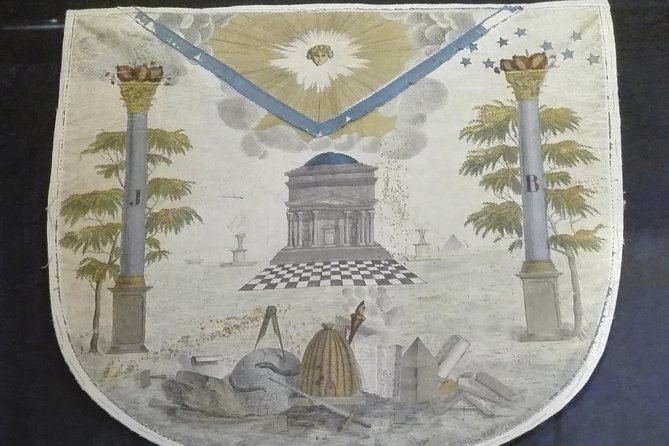
The tour’s second stop is Rauhensteingasse, with 20 minutes dedicated to it, and it’s also listed as free. This is where the experience shifts from big architecture to the kind of street-level detail that can feel almost invisible when you’re sightseeing on your own.
An “important address for the union” is the key phrase here. For you, that signals what to expect: less museum viewing, more orientation. You’ll likely spend the time connecting what you saw at the cathedral to what this specific location represents within the Freemason theme.
Why this part is valuable: Vienna can be a maze of beautiful streets, and addresses are how stories become trackable. Instead of treating the Freemasons as an abstract idea, the tour grounds the topic in a real coordinate on the map.
The drawback to consider is simple: if you’re expecting lots of indoor moments with seating and walls to read, you’ll want to bring comfy shoes and a bit of patience. This stop is about place and direction.
St. Michael’s Church: related traces, second look
Next comes St. Michael’s Church, again with 10 minutes and free entry. This stop is described as also related to the Freemason theme, and it’s the kind of companion visit that makes the earlier cathedral stop feel less random.
A second religious landmark in the same theme can help you compare how symbolism and meaning show up across different buildings. The benefit for you is that you’re not just seeing one example and calling it a day. You’re building a pattern.
Time is short here too, so treat it like a targeted viewing window. If you’re the type who likes to read every plaque, you may need to come back later on your own.
Albertina exterior view: what’s included and what isn’t
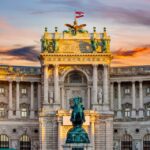
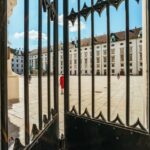
Then you reach Albertina, and this is clearly marked as description of outside, with 10 minutes. The outside-only note is important: admission is not included.
What that means for you in plain terms: you can enjoy the quick stop and move on, or you can decide later whether you want to add a longer Albertina visit on your own. If your priorities are architecture and streetside context, the exterior description gives you something without asking you to pay museum entry as part of the guided program.
The possible drawback is also straightforward. If Albertina is a big draw for you, you may feel a little “cut short” because this stop doesn’t include entry. A quick outside look is not the same as spending time with exhibitions.
Still, for value, it keeps the experience moving and helps fit the whole circuit into the 1 hour 45 minutes total.
The famous names thread: Mozart, Henry Ford, and the network idea
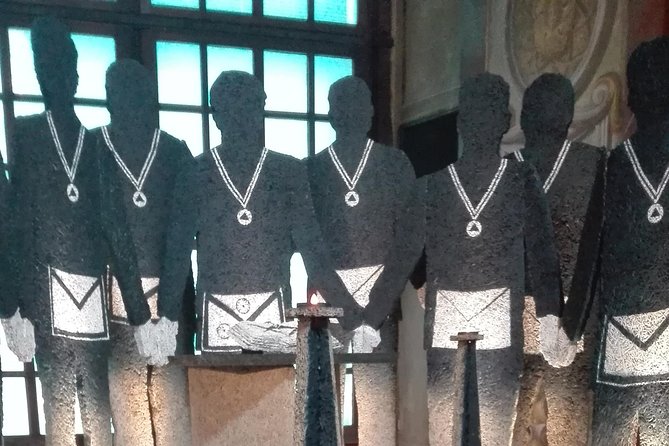
This tour’s premise is that the same thread of ideas connects people who don’t normally share a conversation—composer Mozart, industrial legend Henry Ford, and a range of writers, civic figures, and performers like Goethe, George Washington, Henri Dunant, Giacomo Puccini, G.E. Lessing, and Fritz Muliar.
I like this approach because it makes the story feel less like trivia and more like a way of seeing influence. When a tour ties different eras and disciplines together, you start noticing how institutions and networks can outlast any single person.
Also, Vienna is the perfect setting for a “network” story. The city holds on to traces—addresses, buildings, and visual cues—even when the modern world wants everything simplified.
One caution: the supplied framing mentions conspiratorial and mystic rumor culture around Freemasonry. That doesn’t mean you should ignore every claim, but it does mean you should keep your expectations realistic. Treat this as a guided reading of places and themes, not a courtroom brief.
Price and value for $49.78 per person
At $49.78 per person, you’re paying for a focused guided experience with a defined route and a private-group setup. The time commitment is about 1 hour 45 minutes, and the stops include multiple items listed as free entry (St. Stephen’s Cathedral, Rauhensteingasse, St. Michael’s Church).
So where does the value sit?
- You’re not buying several museum tickets; most stops are free, which helps your budget stay under control.
- You’re getting a guided interpretation, which is the main product here. Without that, you’d be left guessing what to look for—especially with the cathedral emblem angle.
- Albertina is the only clear paid add-on area, and it’s marked as not included. That keeps the tour from inflating the total cost.
If you’re the kind of person who enjoys symbolism, city puzzles, and the feeling of finding connections between well-known figures and unexpected places, this price will likely feel fair.
If you only want classic art-and-museum highlights, you might prefer a traditional museum tour instead.
What the host does well: Sandra Blum (Safu – exklusiv Wien entdecken)
Your experience provider is listed as Sandra Blum under Safu – exklusiv Wien entdecken. With a Freemason-themed walk, the quality of the guidance matters more than usual because the experience depends on attention to details.
What you can do to get the most out of the tour: ask questions during the walk about what you’re being asked to notice at each stop. Even if you’re unsure what the guide means at first, the route structure (cathedral → address → church → Albertina exterior) is designed to build meaning step by step.
Also, since it’s a private group with a maximum of 25, the guide should have more room to keep explanations clear than on a massive public tour.
Practical tips to enjoy it without rushing
This walk works best when you set yourself up for quick, focused viewing.
- Wear comfortable shoes. Vienna streets are perfect for walking, but the stops are time-limited.
- Have your phone charged. You’ll use a mobile ticket, and quick photos are helpful if you want to remember specific spots.
- Arrive a few minutes early at Judenpl. 5 so you’re not starting late.
- If you’re sensitive to crowd energy in big churches, consider timing your tour for a calmer part of the day.
One more real-world note: the booking info says confirmation happens within 48 hours, and it offers free cancellation with a full refund if you cancel at least 24 hours before the start time. That gives you flexibility if your Vienna schedule shifts.
Who this Vienna tour suits best
This experience fits you if:
- You like Vienna through the lens of ideas and institutions, not only famous artwork
- You enjoy walking tours where the guide points out something you’d miss on your own
- You’re curious about how famous names connect to a broader story, even when it’s wrapped in rumor
It may not fit you as well if:
- You want a long, museum-style visit with lots of sitting and reading
- You’re looking for strict, verifiable academic documentation rather than thematic place-based interpretation
- You’re only interested in Albertina itself as a museum (since the stop here is outside and admission isn’t included)
Should you book this Freemason walk in Vienna?
If your idea of a great Vienna day includes puzzles, symbols, and connections between famous people, I’d say yes. The route is tight, mostly free-entry, and designed to keep the story moving in real space from St. Stephen’s Cathedral to Rauhensteingasse, then on to St. Michael’s Church and an exterior look at Albertina.
Book it with a simple mindset: you’re going to a guided walk that treats the Freemason theme as a city-reading exercise. If that sounds fun—structured but not stuffy—you’ll likely enjoy it.
FAQ
FAQ
Where does the tour start?
It starts at Judenpl. 5, 1010 Wien, Austria.
Where does the tour end?
It ends at Josefsplatz, 1010 Wien, Austria.
How long is the experience?
The duration is about 1 hour 45 minutes.
What ticket do I get?
You receive a mobile ticket.
Is it a private tour?
Yes. Only your group participates.
How many people are in the group?
The group size is minimum 5 and maximum 25 people.
Which places are included?
The tour includes St. Stephen’s Cathedral, Rauhensteingasse, St. Michael’s Church, and an Albertina stop for an outside description.
Is admission included at the stops?
St. Stephen’s Cathedral, Rauhensteingasse, and St. Michael’s Church are listed as free. Albertina admission is not included.
When will I get confirmation after booking?
You should receive confirmation within 48 hours of booking, subject to availability.