REVIEW · VIENNA
Bicycle tour – Vienna Complete
Book on Viator →Operated by Mijn Wenen Tours / My Vienna Tours · Bookable on Viator
Vienna looks different from a bicycle seat. You glide past top landmarks on a 3-hour highlights loop, with a private guide at the front and frequent short stops for photos and context. It’s one of those rare city activities that mixes movement with meaning.
I love that the tour is built for momentum: you cover a lot without feeling like you’re rushing, and the ride stays easy thanks to a route designed for city cycling. The included bicycles also remove a big hassle, so you can focus on the sights. Guides like Anita, Oliver, and Fritz don’t just point and go—they help you understand what you’re seeing and often share practical ideas for what to do next.
One consideration: if your guide has a soft voice (it’s happened to some groups), it can be harder to catch details while you’re rolling. If that bothers you, ask for a quick pause when you have questions and use the short stop moments to grab the good stuff.
In This Review
- Key things to know before you pedal Vienna
- Why this Vienna bicycle tour feels like a smart first move
- Where you start, how long it lasts, and how to plan your morning
- Entering imperial Vienna: Hofburg and Ringstraße by bike
- Musikverein, Lugeck, and Judenplatz: culture plus a reality check
- Am Hof and Volksgarten: old squares and a breather
- Naschmarkt and Karlsplatz: food energy and Karlskirche views
- Schwarzenbergplatz and the Johann Strauss Monument finish
- Bikes, pace, and street-smart tips (so you enjoy it, not fear it)
- The guide makes the difference: what you can expect from the human factor
- Price and value: what $56.86 buys you in real terms
- Weather reality and what to bring
- Should you book the Vienna Complete bike tour?
- FAQ
- How long is the Vienna bicycle tour, and what time does it start?
- Where do I meet the tour?
- Is the bicycle included?
- What language is the tour offered in?
- Are there extra admission costs at the stops?
- What if weather is bad or the tour can’t run?
Key things to know before you pedal Vienna
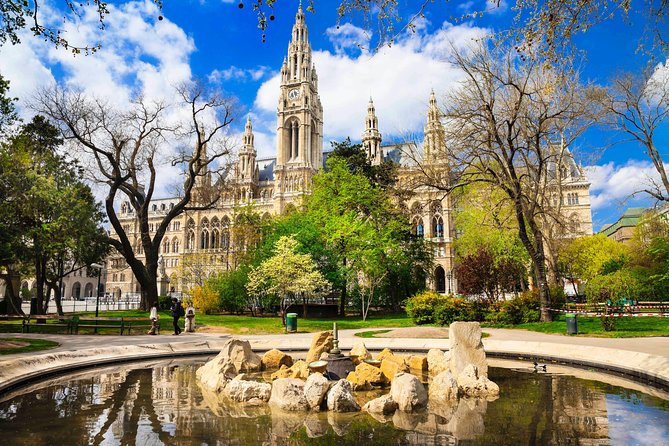
- Small group size (up to 15) keeps the pace friendly and the route more controlled
- Bicycles are included, so you avoid rental and fitting hassles
- Mostly bike-lane riding means less stress than you might expect in a big city
- A tight cluster of sights means you get real orientation fast in one morning ride
- Frequent stops for real context at places like the Hofburg, Judenplatz, and Naschmarkt
- Music and memorial stops give you more than just palace-and-opera photos
Why this Vienna bicycle tour feels like a smart first move
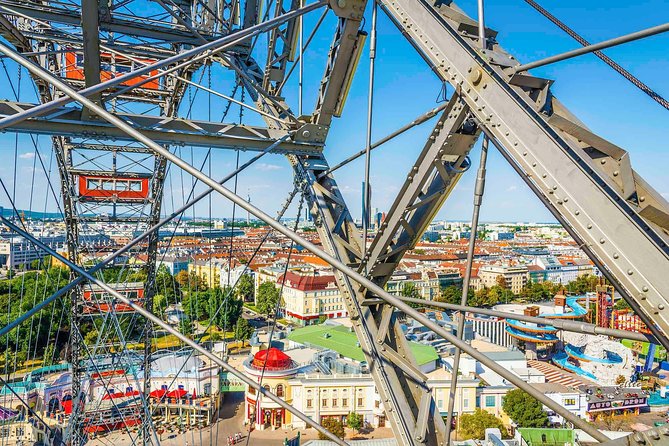
If you’re only in Vienna for a few days, you need a fast orientation that still feels authentic. This bike tour does that job well. In about three hours, you hit major “you’re-in-Vienna” landmarks and you learn how they connect—imperial power, city planning, music culture, and the layers of history that sit side by side.
What makes it especially appealing is the rhythm. You’re not stuck in one long museum mood. Instead, you ride, stop, look, listen, and roll again. It’s a simple formula, but it works because Vienna’s center is compact and extremely bike-friendly.
And since this is guided, you get the kind of details that are hard to find on your own—why Ringstraße looks the way it does, what makes the Musikverein famous, and what Judenplatz is meant to remember. You don’t need to be a bike expert. Most people can handle the ride if they can ride a basic city bicycle.
You can also read our reviews of more tours and experiences in Vienna.
Where you start, how long it lasts, and how to plan your morning
The tour meets at Piaristengasse 56–58, 1080 Wien and starts at 10:00 am. It loops through the historic center and ends back at the meeting point, so there’s no complicated transit back after you’re done.
Timing is the big reason this works. You can fit it early in your trip and still have time after for a longer lunch, a museum ticket you actually want, or an evening concert plan. It’s also one of the easier ways to “see a lot” without spending your whole day standing in lines.
The tour is offered in English and runs with a maximum group size of 15 travelers. That matters because smaller groups tend to stay together better, and the guide can spend a bit more time with individuals when questions pop up.
Entering imperial Vienna: Hofburg and Ringstraße by bike
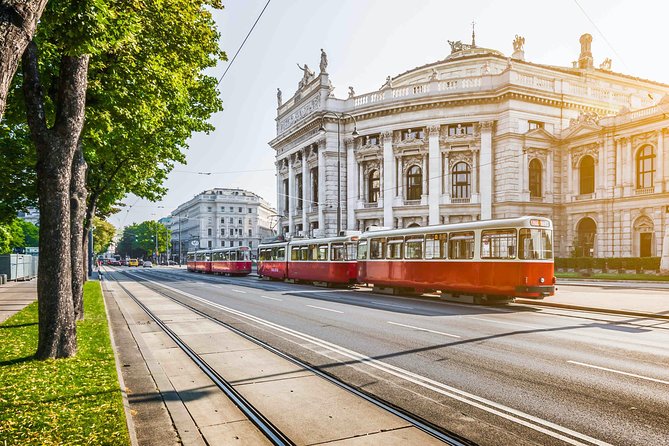
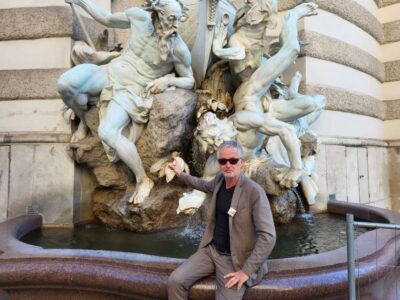
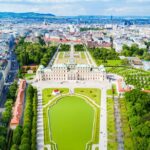
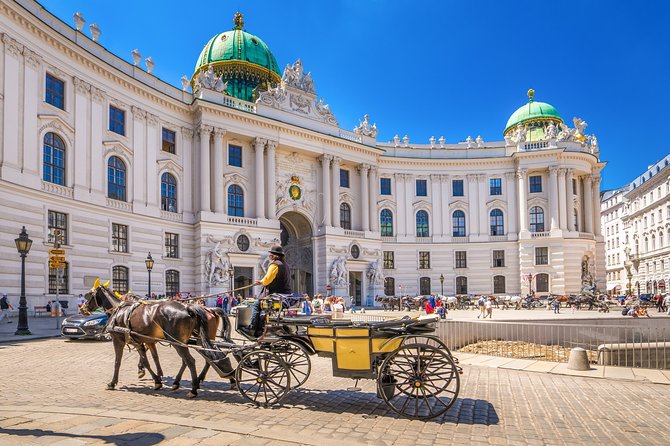
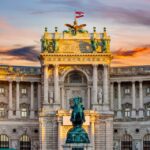
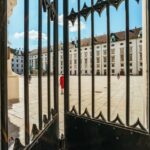
The ride begins with a stop at the Hofburg. This former imperial palace complex is the kind of place you recognize even if you’ve never been to Vienna. You’ll get a clear sense of the Habsburg presence and why so many major institutions grew up around it. Since it’s listed as an admission ticket-free stop, you can treat it like an important “look and understand” moment rather than a major extra ticket.
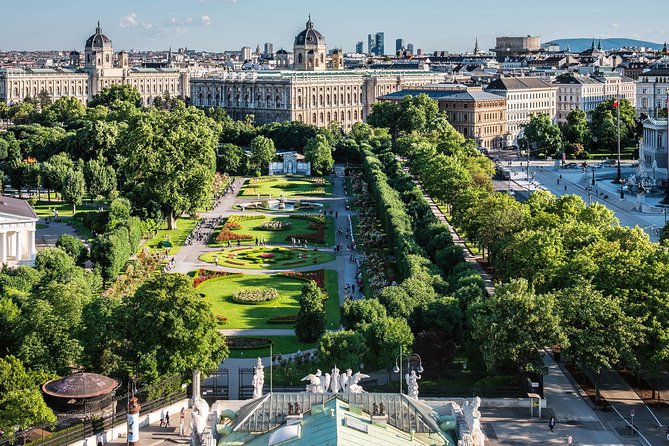
Then comes Ringstraße, the wide boulevard that circles Vienna’s historic center. This is where Vienna’s architecture starts to hit you all at once: the Opera House area, Parliament, and City Hall type landmarks. Riding here on a bicycle is a smart move because it turns a massive street into a readable route. You can actually track the layout instead of just staring from a bus window.
Quick practical tip: Ringstraße can feel busy, so keep your focus on signals and lane markings even if you’re mostly on bike paths. You’ll get the best photos when you stop, not when you’re braking for a turning car.
Musikverein, Lugeck, and Judenplatz: culture plus a reality check
Next up is Musikverein, famous for its excellent acoustics and connected with the Vienna Philharmonic’s New Year’s Concert. Even if you don’t attend a performance, a guided stop here helps you understand why this hall matters in Vienna’s music identity. It’s the sort of landmark where context changes what you see.
You’ll then visit Lugeck, a historic square known for traditional architecture and cozy café energy. This stop is short, but it’s useful. It gives you a sense of everyday Vienna—not just monuments, but the small “pause here” places locals use.
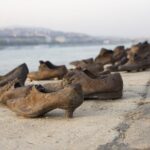
After that comes Judenplatz. This is where the tour does something important: it slows down for memory and meaning. The square includes the Holocaust memorial recalling Vienna’s Jewish community. If your trip includes any kind of serious reflection, this stop is one of the most direct ways to include it without needing a separate day plan.
If history-heavy moments can feel intense, keep it practical: use the stop to read what you can and then give yourself a minute before moving on. The next ride segment helps shift you back into the city’s pace.
Am Hof and Volksgarten: old squares and a breather
Am Hof is one of Vienna’s oldest and most historic squares, with Baroque architecture and the kind of market atmosphere that makes you feel like you’re in the center of things. A short stop here is a good reset. It breaks up the bigger landmark density and adds texture.
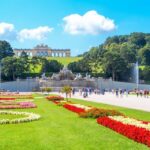
Then you’ll head to Volksgarten, a garden oasis in the middle of the action. This is where you get statues, including the Sisi statues honoring Empress Elisabeth. For me, garden breaks are what keep these city bike tours from turning into a blur. Even a fifteen-minute green pause can make the ride feel lighter and more enjoyable.
One small strategy: if you’re photographing, take a couple of shots quickly and then step back. Vienna’s parks and squares reward slow looking, but it’s hard to do that while your legs are still warming up.
Naschmarkt and Karlsplatz: food energy and Karlskirche views
The tour’s Naschmarkt stop is a must for anyone who likes to snack with their sightseeing. It’s Vienna’s best-known market area for fresh produce, spices, and international treats. Even if you don’t buy anything, the sights and smells make it a great sensory break from the monuments.
Then you’ll roll toward Karlsplatz, known for the impressive Karlskirche area. This stop works because you see a major church landmark without needing a long detour day. It’s also a good reminder that Vienna’s beauty isn’t only about palaces. Religious architecture and public space are part of the same story.
If you’re thinking about where to eat afterward, this section helps you map what you like. If markets and café stops are your thing, you’ll know right away. If you prefer quieter streets, you’ll want to pair this tour with a later stroll away from the main market zones.
Schwarzenbergplatz and the Johann Strauss Monument finish
The tour ends with a pair of strong “big open space” moments. First is Schwarzenbergplatz, known for a monumental fountain and a Soviet war memorial. It’s a historical contrast stop that shows how Vienna’s story has held different influences over time.
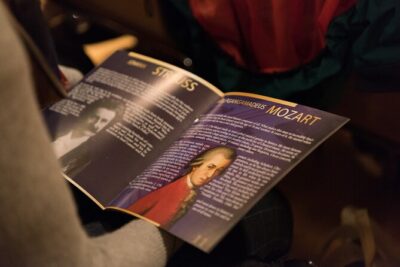
Finally, you’ll reach the Johann Strauss Monument in the park area. This is a classic “Vienna equals music” finish. Strauss makes the point that the city’s identity isn’t only political or architectural. It’s also musical, celebratory, and cultural in a way that’s easy to feel even on a bike.
This ending works well because it’s relaxed. By then, you’ve already gotten your landmarks. Now you can breathe, look around, and decide what you want to do next with your remaining time.
Bikes, pace, and street-smart tips (so you enjoy it, not fear it)
This tour is designed to be not too demanding physically. You’ll be riding a city bicycle for a short urban route with minimal climbing. There are reviews that place the distance around 6 km, and other guidance that frames it as roughly 10 km. Either way, you should expect an easy pace more than a workout.
You also shouldn’t expect endless hill suffering. People report that there aren’t big hills, though you might meet some minor rises. The bigger factor is attention. Vienna is bike-friendly, and many segments use designated paths or lanes, but you still need to watch for traffic signals and cars.
A few practical tips that keep the ride smooth:
- Bring layers. One review flagged cold weather in December, and another mentioned needing a beanie.
- Watch lights. Don’t guess. Use the signals and lane markings.
- Stay where the group is. If you spread out, it’s when delays happen.
- If you’re nervous to start, say so at the beginning. Guides can often set you up better for balance and confidence.
Helmet note: one review mentioned helmets not being offered, but the operator’s response states there is a free helmet cabinet in the shop. If you care about a helmet, plan to grab one before you roll.
The guide makes the difference: what you can expect from the human factor
This is a guided tour, and the quality of the ride often tracks the guide. Names that came up include Anita, Oliver, David, Marcelo, Fritz, Guta, Karin, and Othelia. Most descriptions agree on one thing: the guides give context that turns landmarks into a story you can remember.
Anita, for example, is praised for giving clear history and then offering follow-up recommendations after the tour—cafes, museums, and practical restaurant ideas. That’s exactly what helps you travel smarter the same day.
Oliver and Fritz show up in reviews as informative and friendly, including a good willingness to answer questions. When you ask something during a stop, you get a better payoff than if you try to figure everything out later from a map alone.
One mixed point to watch: if a guide speaks softly, you might miss details while you’re moving. The fix is simple. Ask questions when the group stops, and if you can’t hear, request louder or a slower explanation right then.
Price and value: what $56.86 buys you in real terms
The price is $56.86 per person, and at first glance that can feel steep if you’re comparing it to a self-guided stroll. Here’s the value logic.
You’re paying for three things:
- Transportation solved: bicycles are included, so you don’t waste time renting or negotiating a bike.
- A planned route: you don’t have to stitch together Hofburg, Ringstraße, Musikverein, and Naschmarkt yourself.
- Human context: you get guided explanation and on-the-spot answers.
For many first-timers, this is the “pay once, save time” style of tour. If you’d otherwise spend hours trying to choose which sights matter most, the guide helps you prioritize.
Also, a small group cap of 15 can matter for comfort and pacing. If you prefer less crowding, this fits better than huge bus-like tours.
Weather reality and what to bring
The experience requires good weather. If weather is poor, you’ll be offered a different date or a full refund. That means you should check the day-of forecast and dress for the conditions you’ll actually face, not the sunny version your mind hopes for.
Cold weather came up in feedback, so bring warm layers even if the forecast says mild. For rain risk, keep a lightweight rain layer handy. The good news: because stops are frequent and short, you aren’t stuck in one long wet stretch at a time.
Should you book the Vienna Complete bike tour?
Book it if you want a fast, friendly way to get oriented in Vienna without losing the joy of seeing things up close. It’s ideal for couples, solo travelers who like a group setting, and groups of friends. It also fits older kids, especially if they can ride a bike confidently.
Skip it (or choose a different style) if you strongly dislike bike-lane traffic even at a low-stress pace, or if you need very detailed narration at every second. This tour is about movement plus highlights, not a slow lecture marathon.
FAQ
How long is the Vienna bicycle tour, and what time does it start?
It runs for about 3 hours and starts at 10:00 am. The activity ends back at the meeting point.
Where do I meet the tour?
You’ll meet at Piaristengasse 56–58, 1080 Wien, Austria.
Is the bicycle included?
Yes. Bicycle use is included as part of the tour.
What language is the tour offered in?
The tour is offered in English.
Are there extra admission costs at the stops?
The stops listed are marked as admission ticket free. You should not plan on needing separate entrance tickets just to view these locations.
What if weather is bad or the tour can’t run?
The tour requires good weather. If it’s canceled due to poor weather, you’ll be offered a different date or a full refund. If the minimum number of travelers isn’t met, you’ll also get a different date/experience or a full refund.