REVIEW · VIENNA
Vienna – the making of a Weltstadt – guided Citytour
Book on GetYourGuide →Operated by Christian Grausam · Bookable on GetYourGuide
Vienna stops you in your tracks. One guided walk can make the city feel logical, not random. I like how the route links 2,000 years to what you see outside your shoes, and I especially like the way Christian Grausam connects famous rulers, music, and architecture to specific corners of the center. The only real drawback to consider: it moves on foot, so it is not suited for people with mobility impairments.
This is a focused 2-hour city tour that aims for understanding, not just selfies. You’ll cover major landmarks plus quieter streets, and you’ll get a real sense of why Vienna became a central European power. If you show up with lots of luggage or large bags, plan to travel lighter since they’re not allowed.
In This Review
- Key highlights to look for on this tour
- Why this “Weltstadt” walk feels different in Vienna
- Christian Grausam, the real skill behind the route
- Schottenkirche to Freyung: getting the medieval sense of scale
- Am Hof and Kohlmarkt: the city center as a timeline
- Hofburg and Heldenplatz: why Vienna became a residential power
- Burggarten, Josefsplatz, and Albertina: art and music in the palace world
- Capuchin Crypt and Franziskanerplatz: the human side of ruling
- Domgasse to St. Stephen’s Cathedral: Vienna’s emotional center
- Price and value: is $35 for two hours worth it?
- Practical notes: what to bring for a two-hour walk
- Who should book this Vienna Weltstadt city tour?
- Should you book the Weltstadt guided city tour?
- FAQ
- How long is the Vienna Weltstadt guided city tour?
- How much does the tour cost?
- What language is the live guide?
- Where does the tour start?
- Is the tour rain or shine?
- Are luggage or large bags allowed?
- Is the tour suitable for people with mobility impairments?
Key highlights to look for on this tour
- A “2,000 years” storyline that starts from a small Roman fort and jumps forward through the centuries
- Hofburg as a residential city concept, not just a palace photo spot
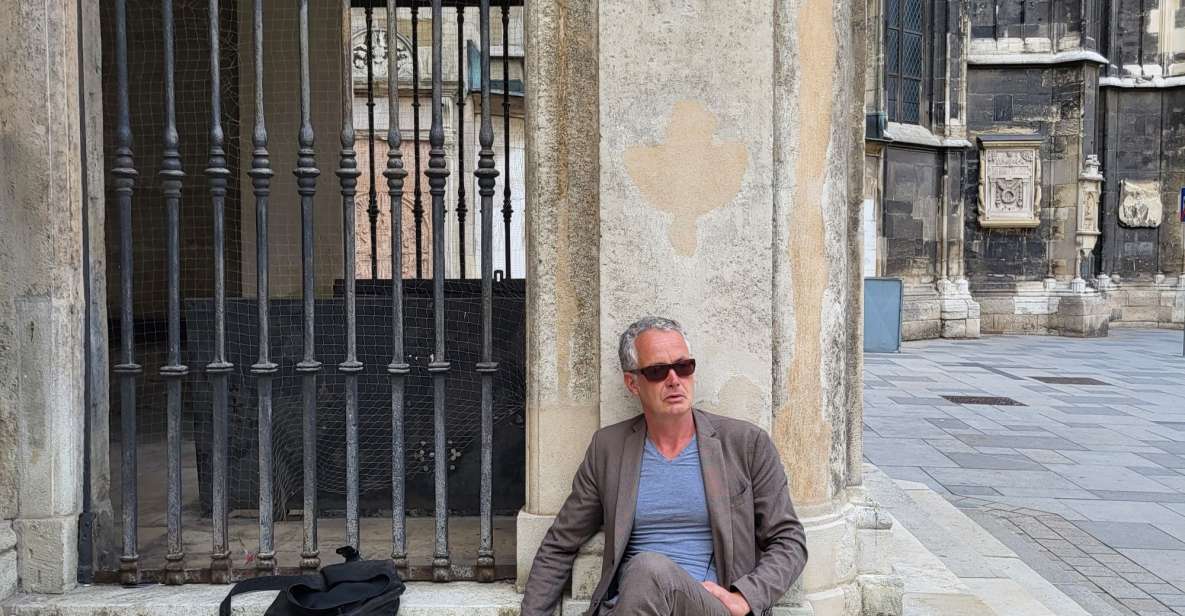
- St. Stephen’s Cathedral as the emotional and geographic center of Vienna
- City-center highlights and side streets so you get both scale and texture
- Art-and-music context with Mozart and Beethoven, plus Josef Haydn’s melody role in Germany
- A guide who ties epochs to buildings so the city makes more sense afterward
Why this “Weltstadt” walk feels different in Vienna
Vienna can look like one long postcard. This tour tries to fix that. You’ll start with the earliest layer, working forward through the centuries, and the guide keeps asking the same useful question: what does this building and street tell us about the people who lived here?
I like the ambition of the premise. The walk is built around architecture and eras, including whether you can still spot memories of the Middle Ages. You’re not asked to memorize dates for fun. You’re encouraged to look at forms, materials, and locations and understand the city’s growth.
The tour also treats Vienna as more than a museum. You’ll get the sense of Vienna as a center of art and music, with Mozart and Beethoven tied to the place, and Josef Haydn connected to a melody that matters in Germany today. That’s a smart approach, because it explains why the city feels the way it does, not just what it contains.
You can also read our reviews of more guided tours in Vienna

Christian Grausam, the real skill behind the route
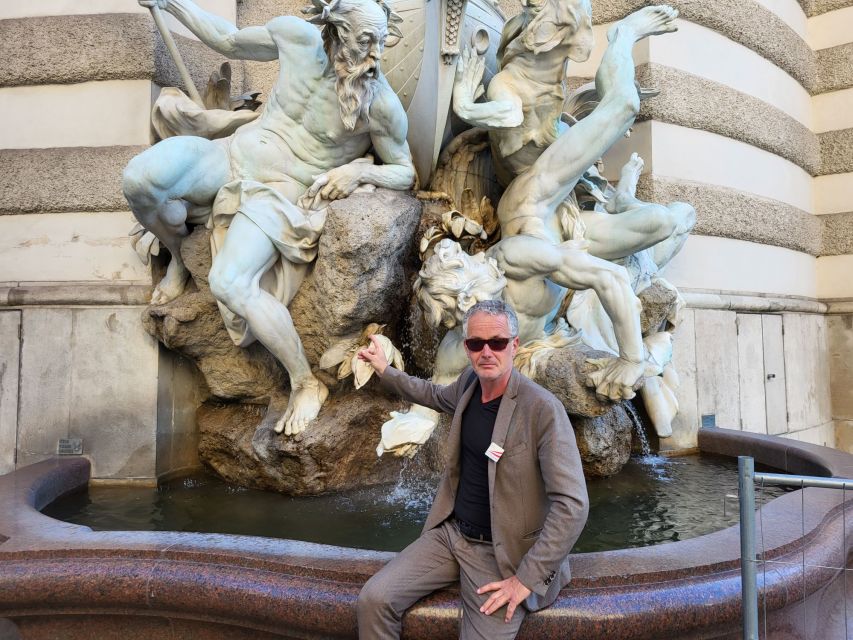
A good guide does two things: they give you a map for your eyes, and they explain why the story matters. Christian Grausam is the reason this tour is rated 5 with a lot of praise for clarity and pacing.
What stands out is the way he connects history and epochs to visible landmarks. Instead of treating Vienna’s sites like disconnected stops, he builds a chain: ruler to building, building to era, era to the feeling of the city center. It’s history you can walk through, not history locked behind a plaque.
You’ll also get practical guidance for what to do next in Vienna. When a guide can point you toward your following moves, that’s usually a sign they understand how real travel works: limited time, real interests, and the need to prioritize.
One more plus: the tour is run in German, so you’ll get the full experience best if you can follow German comfortably. If you only speak English, you might find yourself missing some of the connective tissue.
Schottenkirche to Freyung: getting the medieval sense of scale
The opening stretch sets your bearings fast. The route begins around Schottenkirche, then continues to Freyung, and onward to Am Hof. Even if you’ve never studied Vienna, this is where the city starts to feel walkable and readable.
Here’s what I’d watch for: transitions. These streets sit in the center, but they don’t all feel the same. The guide uses that variety to show you how Vienna’s importance grew over time, and how different eras left different kinds of architectural fingerprints. That includes the question of whether you can still feel Middle Ages traces in today’s center.
Freyung is one of those places where the space matters as much as the buildings. You’ll get the feeling that Vienna isn’t just about one monument. It’s about how squares, streets, and institutions fit together, like a system.
If you’re the kind of traveler who likes to understand why a city layout works, this start is ideal. If you want a lot of free time to wander on your own, note that the tour is a guided walk with a story arc, so you’ll be moving more than you’re stopping to browse.
Am Hof and Kohlmarkt: the city center as a timeline
From Am Hof the route moves toward Kohlmarkt and Michaelerplatz. This is where the tour’s “Weltstadt” theme starts to feel real. Vienna’s center doesn’t just look grand. It looks intentional, built to project power, culture, and confidence.
I love this part because the guide doesn’t treat these stops like checkboxes. He frames them as evidence. You’ll connect the location of institutions and monumental spaces with the idea that Vienna grew into one of Central Europe’s most important metropolises in the 19th century.
Kohlmarkt is a good example of how Vienna can feel both historic and commercial without becoming chaotic. Michaelerplatz helps you see the civic and ceremonial side of the center. Together, these stops give you a sense of rhythm: sacred and civic, older and newer, street-level life and top-level authority.
Practical note: this segment is best when you’re paying attention. Wear shoes you can walk in for the full two hours, because this is where the story starts clicking and you don’t want to miss the landmarks while you’re adjusting your phone camera.
Hofburg and Heldenplatz: why Vienna became a residential power
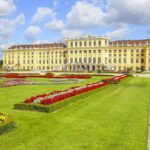
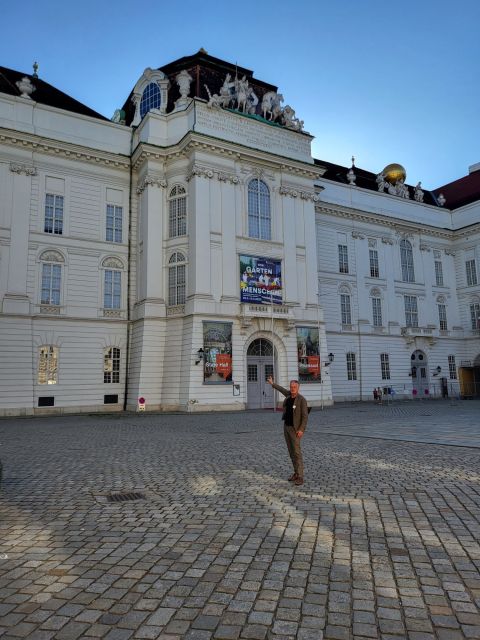
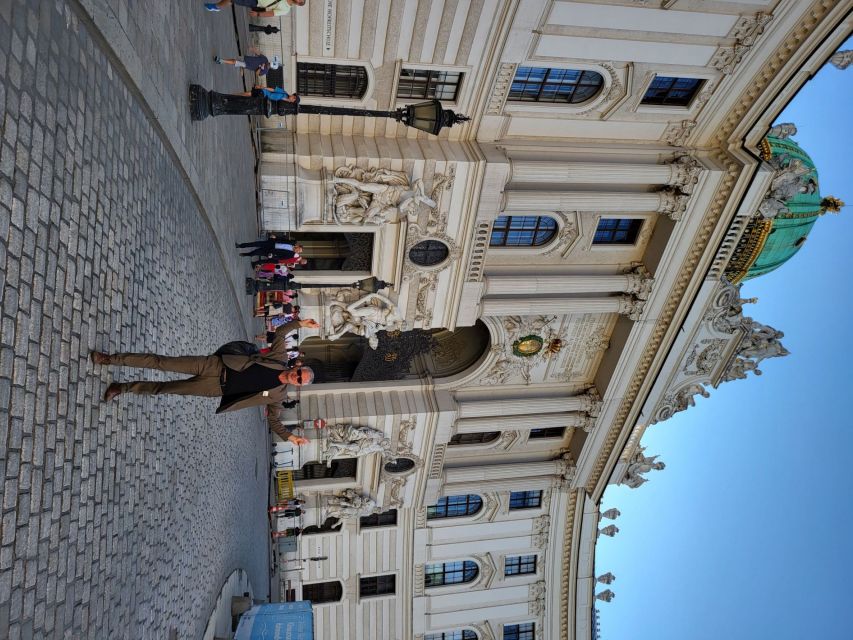
Then comes the big pivot: the Hofburg. The tour is explicit about why this stop matters. It’s not only about the building itself. It’s about understanding Vienna as a residential city, where ruling power wasn’t something far away. It was lived, worked, and staged from this kind of setting.
You’ll also learn how the guide connects different eras of rulers, following the footsteps from Charles V to Franz Josef and his Elisabeth. That sequence is useful because it helps you stop thinking of history as separate kingdoms. It becomes a chain of who influenced the city and what kind of city they needed.
Heldenplatz is the follow-up that helps you grasp scale. Even if you don’t memorize every fact, you’ll understand the logic: public spaces for public authority. That’s a major theme for Vienna, and the tour uses the site positions to show it.
The drawback here is also simple: this is where many people expect to just take photos. If you treat it like only a photo stop, you’ll get less value. Give the guide a chance to explain, and you’ll come away with a better mental model of why Hofburg feels like the city’s backbone.


Burggarten, Josefsplatz, and Albertina: art and music in the palace world
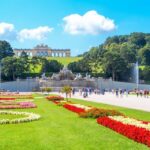
After the palace-and-power core, the tour expands into the cultural side. You’ll pass through Burggarten and Josefsplatz, and then head to the Albertina area. Even with just two hours total, this section matters because it tells you Vienna wasn’t only about rule. It was about creativity and performance.
Here’s how the tour connects this for you: it brings in Vienna as a center of art and music, tying in Mozart and Beethoven as living and working presences. It also references Josef Haydn’s melody significance for Germany. You’re not going to suddenly become a music scholar by the end, but you will understand why Vienna feels so “musical” in its identity.
I like that the guide threads this cultural content into architecture and city space. It prevents the common mistake of treating music history as separate from city history. In Vienna, they’re linked. That’s what you’ll start to feel during this stretch.
Albertina is included as a stop, so expect the guide to connect the name and location to the broader art theme. If you’re an art-minded traveler, this will land well. If you’re more into architecture than culture, you may still appreciate it because it adds an emotional layer to the same streets and buildings you’d otherwise read as political.
Capuchin Crypt and Franziskanerplatz: the human side of ruling
Next you’ll reach the Capuchin Crypt and Franziskanerplatz. This part of the walk shifts the tone from grandeur to legacy. It’s a reminder that rulers weren’t just symbols; they were people whose lives shaped dynasties and eras.
The guide keeps connecting the story of great rulers to the physical footprints they left across the city. Charles V, Franz Josef, Elisabeth—names you can say without context—gain weight when you’re standing in the right neighborhoods and hearing how those power stories played out over time.
Franziskanerplatz helps you read the center differently. Instead of only focusing on the biggest sights, the tour uses this area to show how Vienna’s meaning includes quieter but still important places. That’s one of the strongest points of the whole experience: you get “the most beautiful places in the city center,” but you also get hidden-feeling corners that ordinary sightseeing can miss.
If you’re short on time in Vienna, this segment helps your understanding more than it adds entertainment value. It makes the city’s story feel more grounded.
Domgasse to St. Stephen’s Cathedral: Vienna’s emotional center
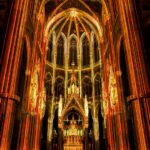
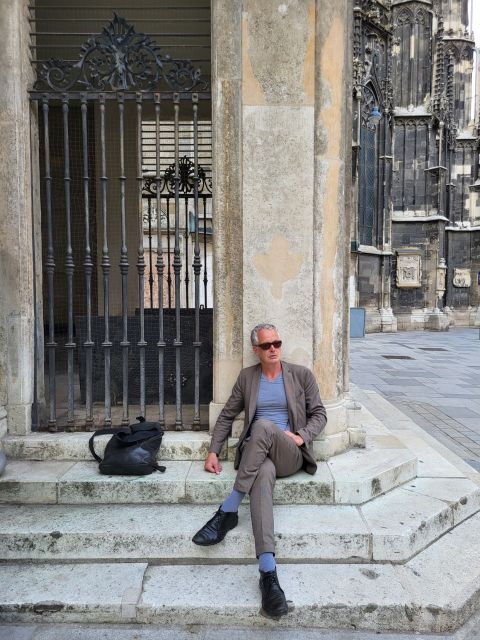
Finally, you’ll move toward Domgasse and end at St. Stephen’s Cathedral, described as both the geographical and emotional center of Vienna. That’s an unusual pairing, but it makes sense once you’re standing near it.
This is where the walk’s full theme pays off. You started from a Roman layer, traced centuries of development, and now you’re at the site that anchors the city’s identity. The cathedral works as a visual compass. Even if you don’t understand every detail of architecture, the location and presence help you feel where Vienna centers itself.
The guide’s framing matters here too. He doesn’t treat the cathedral as a standalone monument. He helps you connect it back to the broader story: how Vienna grew into a major metropolis, why the center feels sacred and civic at the same time, and how historical eras still shape what people today feel in this spot.
I recommend you do one thing at the end: pause for a breath before you rush back into the city. This tour is designed to finish with a sense of place. Let it work for you.
Price and value: is $35 for two hours worth it?
At about $35 per person for a two-hour guided walk with a local certified tourist guide, this is priced for travelers who want strong value per hour. You’re paying for three things: direction, context, and pacing.
Direction: the route takes you through central Vienna highlights, including Hofburg and St. Stephen’s Cathedral.
Context: you’re getting a storyline that spans eras, rulers, and cultural identity.
Pacing: a two-hour format forces focus, so you’re not stuck on one long monument line after another.
If you’re the type of traveler who gets overwhelmed by a self-guided list, you’ll probably appreciate the structure. If you already know Vienna deeply and you want to explore quietly on your own, you might not need a guided story. But for most visitors, the guide’s ability to connect eras to buildings is the main value. That’s what turns the city from a set of photos into something you understand.
Also, the tour runs rain or shine. That’s not always true for walking tours, and it matters in Vienna where weather can be moody.
Practical notes: what to bring for a two-hour walk
This is a walking tour, so bring comfortable shoes and keep your bag situation simple. Luggage or large bags are not allowed, so plan to travel with a small daypack. Arrive around the meeting point about 10 minutes early so you can start on time.
The guide language is German, and you should assume the narration is in German throughout. If you have basic German, you’ll catch more. If you don’t, you can still follow the landmarks, but you’ll miss some of the connections that make the tour strong.
Meeting point can vary depending on the option booked, so double-check it when you reserve. That kind of detail sounds boring, but it prevents that late scramble you don’t want on your first city walk.
Who should book this Vienna Weltstadt city tour?
Book this tour if you want:
- A clear overview of Vienna’s key historical checkpoints in a short window
- A walk that links rulers, architecture, and the city’s identity as a music and arts center
- A guide approach that helps you understand rather than just name-drop sites
It’s also a good fit for first-timers who want the center of Vienna covered in a single, efficient loop. And if you speak German comfortably, you’ll get the best payoff.
Don’t book it if:
- You need accessibility support; the tour is not suitable for people with mobility impairments
- You plan to carry luggage or large bags
- You want lots of time to browse inside churches or museums during the tour window (this is a guided walk, not a long stopover day)
Should you book the Weltstadt guided city tour?
If your goal is to leave Vienna with a map in your head, not just a memory card full of pictures, I’d say yes. This tour gives you a compact story arc from Roman beginnings to a 19th-century metropolis feel, with Hofburg and St. Stephen’s Cathedral placed as the anchors. Christian Grausam’s strength is connecting the dots between epochs and what you can actually see.
It’s also great value for a two-hour format. You’re not paying for a half-day tour that drags. You’re paying for focus.
FAQ
How long is the Vienna Weltstadt guided city tour?
The tour lasts 2 hours.
How much does the tour cost?
The price is $35 per person.
What language is the live guide?
The live tour guide speaks German.
Where does the tour start?
The meeting point may vary depending on the option booked.
Is the tour rain or shine?
Yes. The tour takes place rain or shine.
Are luggage or large bags allowed?
No. Luggage or large bags are not allowed.
Is the tour suitable for people with mobility impairments?
No. It is not suitable for people with mobility impairments.
If you want, tell me what month you’re going and your German level, and I’ll suggest how to pair this with a first-timer Vienna day plan.