REVIEW · VIENNA
Italian VIENNA
Book on Viator →Operated by Mario Casalone - MarioViennaGuide · Bookable on Viator
Vienna can feel Germanic at first glance. Then this tour flips the lens and shows you the Italian threads woven into its Baroque image. You’ll walk through central streets while Mario Casalone, guide with MarioViennaGuide, connects art, architecture, and famous names into a single, easy-to-follow story.
I really like two things about this experience. First, the stops are built around meaning, not just photo ops: you begin at the church tied to the Italian community and end near St. Stephen’s Cathedral. Second, Mario’s storytelling style is relaxed, funny, and packed with specifics, especially when he talks about Italian painters, architects, and builders working in (and influencing) Vienna.
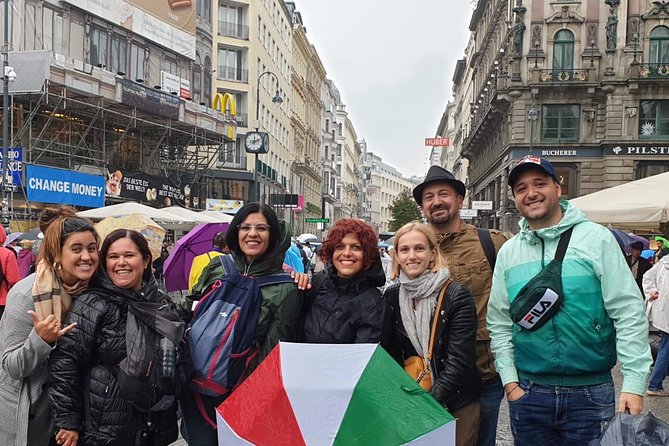
One drawback to plan for: this is a short walking tour that depends on good weather. If it’s cold, wet, or chaotic outside, you’ll want proper layers and rain protection so you can enjoy the full 2 hours 30 minutes without getting miserable.
Key highlights worth your attention
- Italian community history at Minoritenkirche, with a free admission stop
- Hofburg context tied to Francesco Giuseppe and Sissi, also free for this visit
- Mobile ticket for an easy start
- Small group size (maximum 30) for better questions and a calmer pace
- Streets-and-stories format that makes short stops feel like a full city chapter
- Walk to Stephansplatz area, finishing at the cathedral square
In This Review
- Why Italian VIENNA Feels Like a Cheat Code for Understanding the City
- Minoritenkirche: The Italian Church That Gets You Oriented Fast
- The Hofburg: Where Habsburg Power Meets Storytelling About Francesco Giuseppe and Sissi
- The Walk Itself: How 2 Hours 30 Minutes Stays Fun
- Mario Casalone’s Guide Style: Friendly, Patient, and Full of Italian Links
- Price and Value: Is $33.20 Worth It?
- What to Expect at Each Stage (So You Don’t Miss the Good Part)
- Timing, Weather, and What to Bring
- Who This Tour Suits Best
- Should You Book Italian VIENNA?
- FAQ
- How long is Italian VIENNA?
- What does it cost?
- Where does the tour start and end?
- Is admission included for the main stops?
- Do I get a ticket, and is it mobile?
- How big is the group?
- Is the tour near public transportation?
- Do I need good weather?
- Can most people participate?
Why Italian VIENNA Feels Like a Cheat Code for Understanding the City
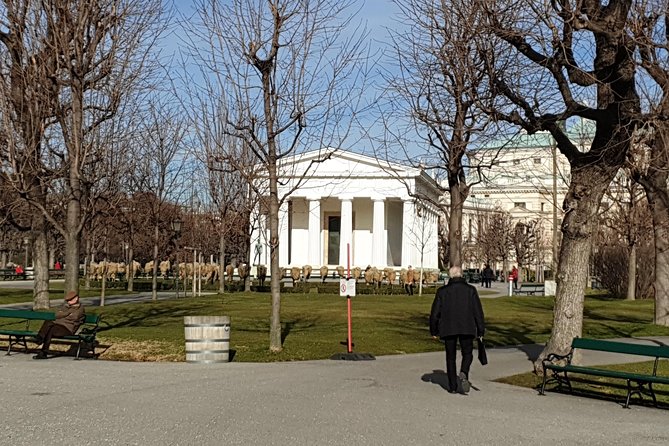
If your first trip to Vienna left you thinking, So where does the Italy part fit?, this tour answers that fast. The idea is simple: Vienna’s big, dramatic Baroque look did not appear in a vacuum. People, artists, and ideas moved across borders, and you can still read those connections in the buildings, churches, and imperial spaces around you.
What makes this tour work is the framing. You’re not just looking at monuments. You’re hearing how the city became “Italian-adjacent” in the ways that matter—style, makers, and cultural links. The tour also touches composers and the stories of key figures tied to Vienna’s evolution, so the experience feels like a timeline you can walk through rather than a list of dates.
You’ll love the way Mario turns architecture and art into human stories. Expect plenty of entertaining details—snappy trivia mixed with clear explanations—so the walk stays lively and you don’t feel stuck in lecture mode.
Minoritenkirche: The Italian Church That Gets You Oriented Fast
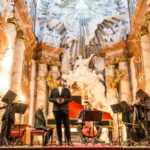
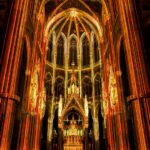
You start at Wiener Minoritenkirche in the Minoritenplatz area. This is the church of the Italian community in Vienna, and that matters more than you might think. Before you even reach the grand imperial sites, you get a baseline: this city has long had an Italian presence with real institutions, not just occasional visitors.
The stop is brief, around 15 minutes, and admission is free for this part. In that short window, focus on two practical things:
- Use the building as a reference point for the tour’s main theme: Italian influence in Vienna.
- Look for visual cues you can connect to Italian Baroque tastes—then let Mario explain how the style and the people relate.
Even if you only catch a few details, the payoff is that your eyes stay “switched on” during the rest of the walk. This is the kind of first stop that helps you get your bearings fast.
A small practical note: since you’re starting near Minoritenplatz, you’re already in a convenient central area. Public transportation is nearby, so you can plan your arrival without stressing.
You can also read our reviews of more tours and experiences in Vienna.
The Hofburg: Where Habsburg Power Meets Storytelling About Francesco Giuseppe and Sissi
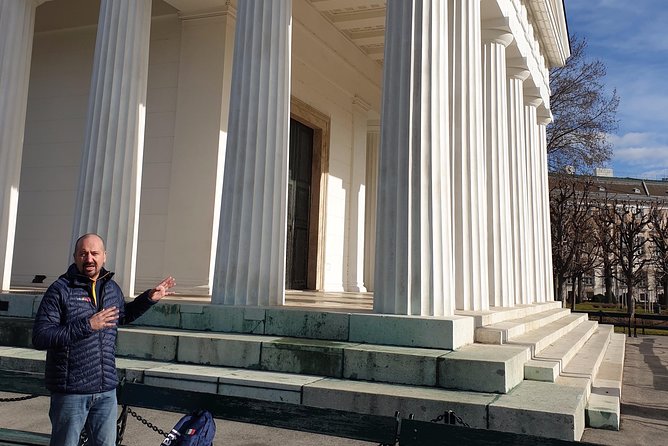
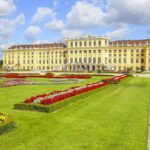
From Minoritenkirche, you move toward the Hofburg, Vienna’s imperial palace complex linked to the Habsburg family. This stop is also around 15 minutes, and it’s free as part of the experience.
Why the Hofburg works on this tour: it’s not treated like a giant wall of grandeur. Instead, Mario ties the palace setting to the personal history of Francesco Giuseppe and Sissi—both central names for understanding how Vienna’s image was shaped and performed.
Here’s what I’d do during this stop if you want to squeeze the most value out of it:
- Take in the scale. The Hofburg is meant to impress, and the tour helps you understand why.
- Listen for connections to art and builders. The strongest moments are when architectural ideas become stories about who made the look and how that look spread.
Because this is a short stop, don’t expect a full museum-style experience. Think of it as an “imperial chapter opener.” You’re getting context so the city’s big spaces make more sense as you walk through them.
And because the end is near Stephansplatz, this Hofburg segment also sets up the final approach to Vienna’s most famous cathedral square.
The Walk Itself: How 2 Hours 30 Minutes Stays Fun
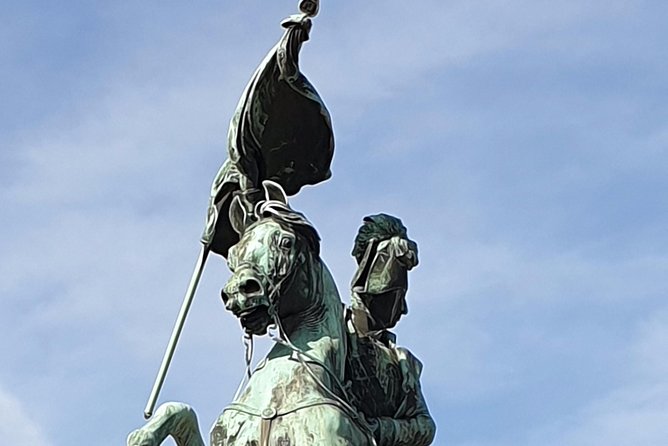
The total time is about 2 hours 30 minutes, which means the tour is designed for a brisk but not exhausting pace. Only two named stops are listed, so the rest of the time is where the format earns its keep: walking, connecting ideas, and hearing the little bits that turn a city into a readable story.
This is also where Mario’s communication style matters. His explanations come out balanced—history plus everyday human context—so you’re not just collecting facts. You’re building mental links. That’s why the tour feels longer (in a good way) than its limited number of formal stops.
A few practical advantages of the “walk between landmarks” structure:
- You see multiple street-level angles of the city rather than rushing from one indoor site to another.
- You get downtime for photos without it becoming a slow sightseeing crawl.
- The group stays small enough that questions can happen naturally.
The maximum group size is 30, which keeps the vibe more personal. If you like to ask why something looks the way it does, this size usually helps.
The experience ends in the cathedral square of St. Stephen at Stephansplatz. Even if you’ve visited the area before, this kind of thematic walk can make you notice details you usually skip.
Mario Casalone’s Guide Style: Friendly, Patient, and Full of Italian Links
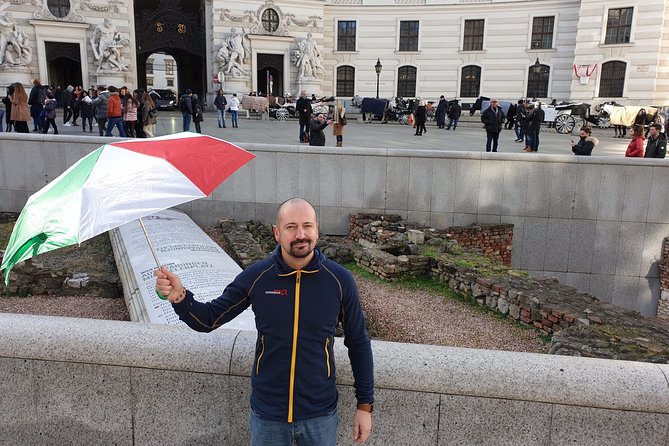
This is a tour where the guide is a big part of the product. Mario Casalone (MarioViennaGuide) comes across as approachable—available and welcoming—so you feel comfortable asking questions instead of just watching and hoping you catch everything.
The strongest praise points you can count on from his style are:
- Explanations that stay engaging, not dry.
- A good balance between facts and entertaining anecdotes.
- Especially strong knowledge around Italian architects and builders, with lots of specific references that make the theme feel real.
What I also appreciate is the way he paces the information. Some tours dump details nonstop. This one spreads the material out so you’re actually able to process it while you’re walking. If you’re the type who enjoys trivia but wants it attached to meaning, this format tends to land well.
And yes, the tour can still work when conditions aren’t ideal. The key is that the storytelling keeps energy up while you’re moving.
Price and Value: Is $33.20 Worth It?
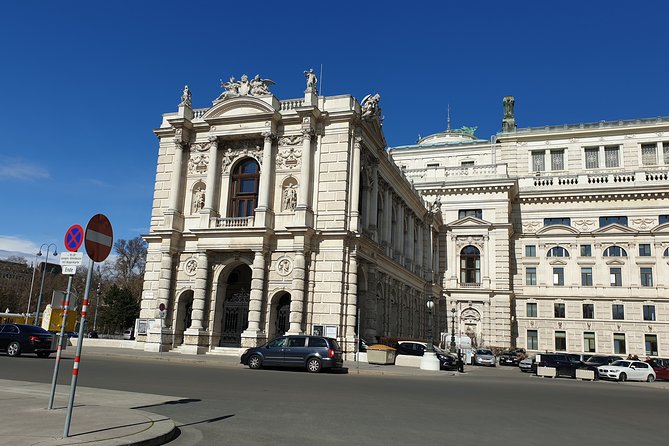
At $33.20 per person, you’re paying for a guided, themed city walk—not a long ticket-heavy museum day. The value improves fast when you consider two things that are explicitly part of the experience:
- The two named church/palace stops have free admission for this activity.
- You get a focused guide narrative linking the Italian theme across multiple central points.
If you self-guided, you could absolutely read up and walk the same general area. But the advantage here is that the tour does the hard part: it connects the why behind the buildings. Instead of collecting disconnected facts, you get a story line that helps you remember what you saw.
Also, the tour uses a mobile ticket, so you’re not dealing with printouts or last-minute desk logistics. That’s a small thing, but small frictions add up on short trips.
Is this a luxury, all-day experience? No. It’s a smart, time-efficient option for people who want a high-impact cultural angle without committing a full afternoon.



What to Expect at Each Stage (So You Don’t Miss the Good Part)
Here’s a simple way to think about the flow:
Start at Wiener Minoritenkirche (Italian community church)
- Quick orientation into the theme
- Free admission stop
- Short visit, then you’re already moving
Move to the Hofburg
- Free admission stop
- Focus on Habsburg power and key figures tied to imperial life
- Mario adds the Italian thread through architecture and makers
Walk toward Stephansplatz
- This is where the tour turns into a coherent “Vienna through Italy” story
- You end at the cathedral square of St. Stephen, one of the city’s best-known meeting points
Because the named stops are short, you’ll get more out of the walk if you keep your attention on what Mario is connecting rather than treating each stop like a standalone attraction.
Timing, Weather, and What to Bring
This experience requires good weather. That doesn’t mean you should panic at the first raindrop, but it does mean you should plan like a real city-walker: comfortable shoes, an outer layer, and rain gear if the forecast looks questionable.
Since you’re outdoors most of the time, even a light chill can shorten your attention span. I recommend packing like you’re walking for 2.5 hours in central Vienna:
- Comfortable walking shoes
- A light rain jacket or umbrella
- A warm layer if it’s cool
If it’s genuinely rough out, check whether the operator offers a different date or a full refund option—this kind of weather-dependent experience often does.
Who This Tour Suits Best
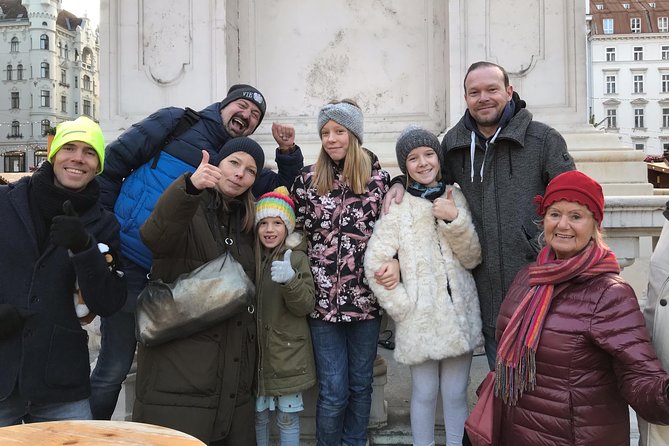
This is a great match if:
- You want Vienna’s Baroque story but with an Italian lens
- You care about architecture and the people who built art and buildings
- You enjoy short tours that still feel meaningful and not rushed
- You’ve visited Vienna before and want a different perspective without starting from scratch
- You like guides who answer questions patiently and explain clearly
If you’re looking for a heavy, ticketed museum day with long interior time, this is probably not your top choice. But if you want an efficient cultural “chapter,” it’s strong.
Should You Book Italian VIENNA?
I’d book it if you want a themed walk that makes Vienna easier to understand. The combination of free admission stops, a short duration, and a guide who links Italian art and architecture to Vienna’s identity is a smart value play.
Skip it only if weather is your biggest risk and you can’t flex with the forecast. Also, if you prefer long sit-down attractions with minimal walking, you might find the pace too active.
If you’re in the mood for stories that connect buildings to real people—painters, architects, and builders across borders—this tour has the right rhythm.
FAQ
How long is Italian VIENNA?
It runs for about 2 hours 30 minutes.
What does it cost?
The price is $33.20 per person.
Where does the tour start and end?
It starts at Wiener Minoritenkirche, Minoritenplatz 2A, 1010 Wien, Austria, and ends at the cathedral square of St. Stephen, Stephansplatz (1010 Wien).
Is admission included for the main stops?
For the listed stops, admission is free at Minoritenkirche and free at the Hofburg for this experience.
Do I get a ticket, and is it mobile?
Yes, it includes a mobile ticket.
How big is the group?
The group maximum is 30 travelers.
Is the tour near public transportation?
Yes, it is near public transportation.
Do I need good weather?
Yes. The experience requires good weather. If it’s canceled due to poor weather, you’ll be offered a different date or a full refund.
Can most people participate?
Most travelers can participate.