REVIEW · VIENNA
STATE OPERA – PRIVATE guided tour (tickets included)
Book on Viator →Operated by Giselle Tours Vienna · Bookable on Viator
Vienna’s opera house has secrets in plain sight. This private guided tour helps you read the Wiener Staatsoper like a storybook, mixing architecture with the human drama of opera. You’ll move through every public area and learn how today’s schedule connects to the people and events that made this place famous.
Two things I really liked: first, the way the tour spotlights both the pompous old sections and the post–World War II rebuild, so the building feels like history you can actually see. Second, I appreciate the mix of big-name artistry and practical, behind-the-curtain explanations that turn famous names into real context—like how the Opera Ball works and how scenery logistics run day to day.
One drawback to plan for: it’s a 1 hour 30 minutes tour, so it won’t satisfy your full curiosity if you’re hoping for a slow, linger-and-read museum marathon. Still, it’s a strong way to get oriented fast and make your time in Vienna’s music scene feel purposeful.
In This Review
- Key highlights worth planning for
- Wiener Staatsoper: the building tells the story first
- What you’ll actually see on your visit (public areas only)
- Old and new Vienna in the same building
- Opera legends get a place in the story, not just a name-drop
- The Opera Ball: the fancy party meets real power
- Daily stage changes and the real work behind the curtain
- Why a private 90 minutes feels worth it
- Meeting point and how to make your timing smooth
- A note on your tour guide: Giselle Tours Vienna
- Who should book this tour?
- Should you book? My honest take
- FAQ
- How long is the State Opera private guided tour?
- Is the tour private?
- Where does the tour meet?
- Are tickets included?
- What ticket format is used?
- What is the cancellation policy?
Key highlights worth planning for
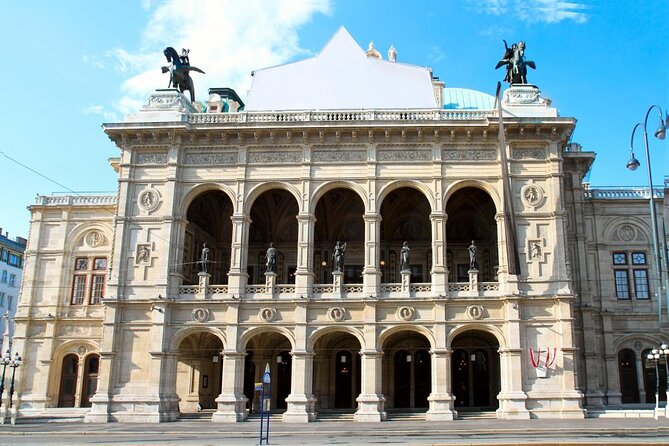
- Old house + postwar “new” house: see both eras, not just one photo spot
- Scandal tied to the building: the architect’s dramatic end is part of the story
- Real opera legends in context: names like Placido Domingo and Gustav Mahler get placed in the bigger picture
- Opera Ball explained plainly: including the mix of millionaires and local politicians
- Stage sets, storage, and staffing: the guide explains how daily changes happen
- Private group pacing with Giselle: she’s described as kind, funny, and flexible with interests
Wiener Staatsoper: the building tells the story first
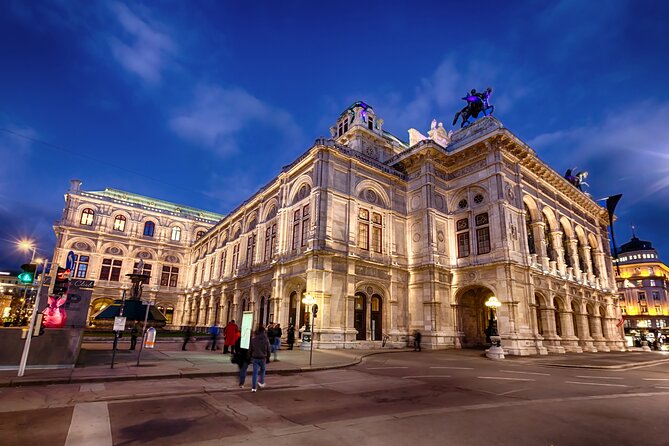
The Vienna State Opera doesn’t feel like a neutral landmark. It feels like a place with opinions. You start to understand that right away, because the building carries two moods: the grand, old-world look and the later, rebuilt shape from after World War II. That contrast matters, because it changes how you read every hallway and viewing space.
This tour is built around that idea: you’re not just looking at pretty rooms. You’re getting the why behind them. And you’ll hear that the opera’s early construction period caused a major scandal, serious enough that it even involved the death of the architect. Whether you’re a detail person or more of a vibes person, that kind of dramatic background makes the building feel alive. You’re inside a power center, not a postcard.
You can also read our reviews of more tours and experiences in Vienna
What you’ll actually see on your visit (public areas only)
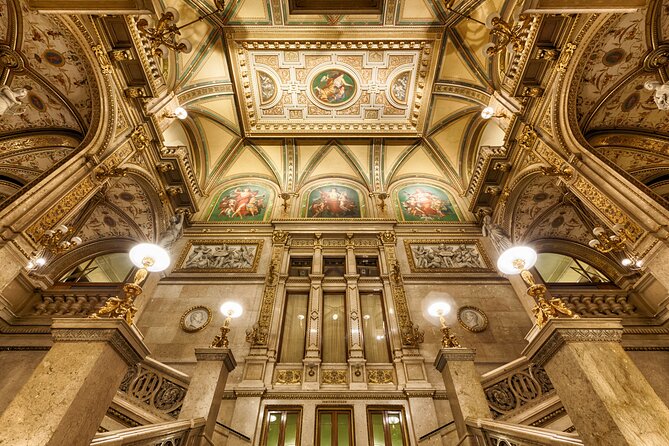
The biggest practical promise here is simple: you visit all areas open to the public. That’s valuable because it means your guide can plan a route that makes sense. Instead of bouncing from one corner to another, you follow an explanation that connects what you’re standing in front of to what makes opera work.
Expect the tour to move you between the older, pompous parts of the Wiener Staatsoper and the modern sections built after WWII. That’s more than an architectural comparison. It’s also a lesson in how institutions evolve. The opera house isn’t a frozen monument; it’s a working organization that changed with its time.
Also, the guide frames what you’re seeing in terms of performance. Vienna has long been the city of music, and the State Opera is described as the country’s musical heart. So as you walk, you’re constantly being pointed toward what opera needs: space, tradition, and constant operational rhythm.
Old and new Vienna in the same building
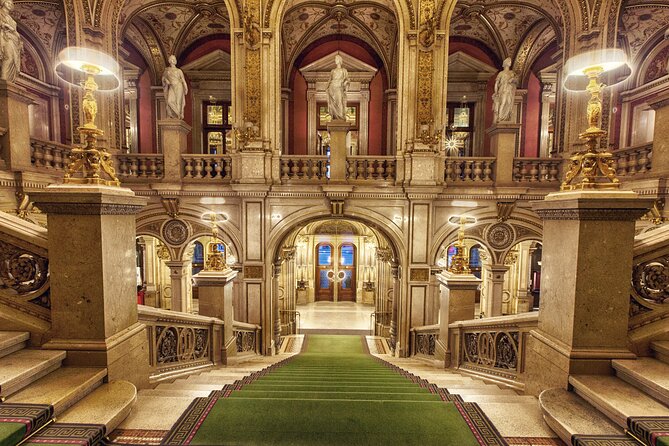
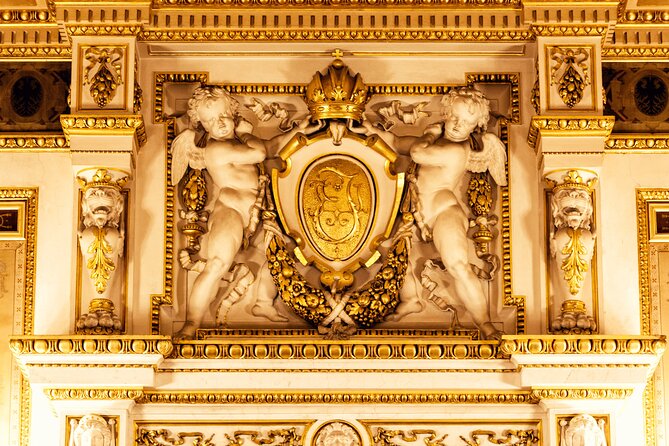
If you’ve only ever seen one “style” of Vienna, this is the reality check—in a good way. The old sections bring the heavy classic feel: formal lines, strong presence, the sense that people came here to be seen as much as to watch. Then you move to the postwar portion, built after the Second World War, and the tone shifts.
I like that the guide doesn’t treat this like two separate attractions. You get it as one continuous story: a place that kept going, rebuilt, and adjusted. That makes it easier for you to connect what you’ll later hear about famous performers and conductors with the physical space they worked within.
And it helps with your photos too. You’ll know why certain angles work and what parts of the building you’re actually photographing—so you don’t leave with 80 pictures of doors.
Opera legends get a place in the story, not just a name-drop
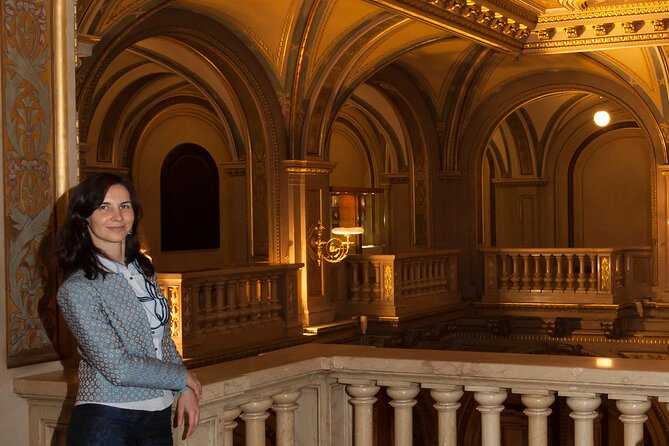
One of the most satisfying parts of the tour is how the guide connects the famous figures associated with the stage to the context of the institution. You’ll hear names such as Placido Domingo, Montserrat Caballé, Jose Carreras, Gustav Mahler, Herbert von Karajan, Rudolf Nureyev, and Margot Fonteyn.
Instead of treating these names like trivia, the tour uses them to show the opera’s reach. These aren’t random celebrities. They represent different eras, styles, and kinds of talent. You start to see how a single house can become a stage for changing tastes while still keeping a recognizable identity.
If you care about music, this is where you’ll feel the most “oh, that’s how it all connects.” Even if you’re new to opera, it helps you move from I’ve heard of these people to I understand why they mattered here.
The Opera Ball: the fancy party meets real power
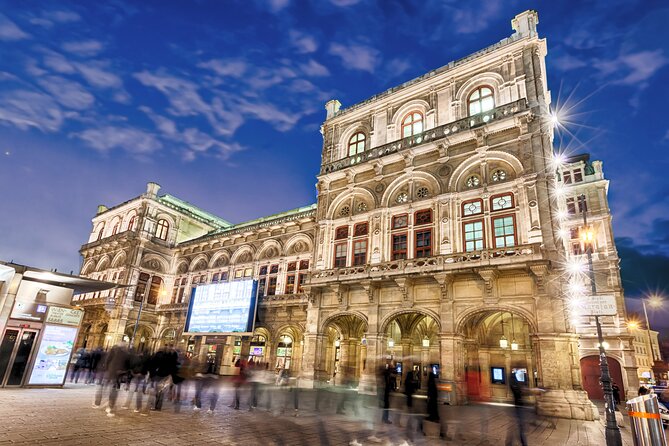
Opera isn’t only for curtain calls and costumes. In Vienna, it also spills into society. The guide explains how the Opera Ball is celebrated, including the participation of millionaires and local politicians.
That’s a fun detail, but it’s also useful. It tells you something about how cultural prestige works in the city: the opera house isn’t just an arts venue; it’s part of the social machinery. When you understand that, you can later watch for it in other Vienna traditions you’ll run into on your trip.
I also appreciated the practical feel of the explanation. It isn’t just high-society glitter. It’s a story about the institution’s influence.
You can also read our reviews of more guided tours in Vienna


Daily stage changes and the real work behind the curtain
Here’s where the tour turns from scenic to smart. The guide talks about how stage sets change daily, where they’re stored, and how many people work for this famous institution. Even if you’ve never worked in a theater, this kind of logistics makes opera feel more believable—and more impressive.
You’ll also learn about the opera’s ever-changing repertoire and how performers fit into that rhythm. That matters because it changes what you look for if you attend an opera later. You start understanding that performances aren’t isolated events. They’re the end result of scheduling, moving, building, and resetting—often in very tight timelines.
The tour’s “public areas only” rule keeps this honest. You’re not being sold a false fantasy of secret backstage access. Instead, you get the facts the guide can explain while you’re standing where the public can stand.
Why a private 90 minutes feels worth it
At $267 for about 1 hour 30 minutes, this isn’t a budget add-on. But you’re paying for three practical things: a private guide, admission included, and a tour pace that’s designed to make the building click for you.
Here’s the value equation I see:
- Private format means you can ask follow-up questions instead of competing with a group schedule.
- Tickets included removes one common pain point: you don’t have to coordinate separate entry plans.
- Guided storytelling helps you understand what you’re looking at immediately, so the time doesn’t feel wasted.
The private part also matters for families and small groups. You can better match the explanation level to who’s in front of you. Reviews also highlight that Giselle is communicative before the meeting and able to pivot based on your interests, which is exactly what you want from a guide. If you care more about the music angle, she can lean that way. If you’re more architecture-focused, she’ll meet you there.
Meeting point and how to make your timing smooth
You meet at the Vienna State Opera at Opernring 2, 1010 Wien. The good news: it’s near public transportation, which makes it easier to slot into a day of museums or a quick Vienna music walk.
Also, the tour uses a mobile ticket. That’s usually simplest for your day-of routine: you show it on your phone rather than hunting for paper tickets.
Since the tour ends back at the meeting point, it’s easy to plan your next stop nearby. You can pair it with a meal in the area or continue strolling through the center with your head full of opera facts instead of just “pretty building” impressions.
A note on your tour guide: Giselle Tours Vienna
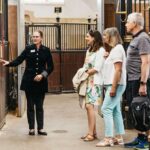
This experience is run by Giselle Tours Vienna, and the guide’s style comes through clearly in the feedback. Giselle is described as kind, funny, and professional, with a strong mix of music and Vienna history.
One detail I found especially promising: a review mentions that Giselle talked with a musician about Beethoven. That kind of conversation signal tells you the guide can go beyond generic script. She’s comfortable engaging at a higher level if you bring specific interests, not just delivering a one-size-fits-all lecture.
Another theme in the feedback: people felt like they were being treated with the charm and confidence that fits the setting—almost like you’re stepping into the 19th-century atmosphere in a respectful, friendly way.
Who should book this tour?
This tour is a great fit if you want:
- A structured way to see the Wiener Staatsoper’s old and postwar sections
- A guide who connects opera stars to the real institution behind them
- Practical theater context, like how sets and staff work day-to-day (explained at a visitor-friendly level)
It may not be ideal if you want a slow, self-paced architecture study or a long, show-focused night. This is 90 minutes of smart orientation. It’s designed to leave you informed, not overloaded.
Should you book? My honest take
Yes—if you’re visiting Vienna and the State Opera is on your “must understand” list, I think this private guided visit is a strong purchase. The architecture context, the stories about famous artists, and the operational explanations (like daily set changes) make it feel more useful than a simple exterior-and-photos stop.
If you’re deciding between this and a generic walking tour, choose this one for the inside perspective and the focused format. If you’re trying to stretch your budget, you can still consider a cheaper self-guided approach—but you’d miss the thread that connects everything into one clear picture.
If opera is even a small part of your interests, you’ll likely come away feeling like the building makes sense now, not later.
FAQ
How long is the State Opera private guided tour?
The tour lasts about 1 hour 30 minutes.
Is the tour private?
Yes. It’s a private tour/activity, and only your group participates.
Where does the tour meet?
The start point is Vienna State Opera, Opernring 2, 1010 Wien, Austria. The tour ends back at the meeting point.
Are tickets included?
Yes. Admission tickets are included in the tour.
What ticket format is used?
You receive a mobile ticket.
What is the cancellation policy?
You can cancel for a full refund up to 24 hours in advance. If you cancel less than 24 hours before the start time, the amount paid is not refunded.