REVIEW · VIENNA
Private tour Vienna: 4 hours by Car
Book on GetYourGuide →Operated by VT-Limousinen Service GmbH · Bookable on GetYourGuide
Vienna in four hours is a smart shortcut. I love the private car flexibility and the certified guide who gives you the big-picture story fast, without making you fight traffic or parking. The one drawback to keep in mind: this is a fast-moving highlight tour, so a few places are more “see and photograph” than “slowly linger and go deep.”
If you like structure but still want room for your own pace, this works well. You’ll start with pickup from your chosen address, ride in an air-conditioned van with WiFi and bottled water, and get guided explanations across Vienna’s main clusters.
In This Review
- Key highlights worth your attention
- Why a private car tour works so well in Vienna
- Comfort and logistics: pickup, WiFi, and a van that keeps you fresh
- Schönbrunn Palace: where Vienna’s imperial mood makes sense
- Karlsplatz, Karlskirche, Schwarzenbergplatz: classic Vienna scenery in motion
- Vienna State Opera, Augustinian Church, Spanish Riding School: the show-and-symbol trio
- Albertinaplatz and the museum-courtyard feeling
- Heldenplatz and Hofburg: where the monarchy story becomes easy to picture
- The Ring-style sweep: Naturhistorisches, Parliament, City Hall, Burgtheater
- St. Rupert’s Church and St. Stephen’s Cathedral: the emotional center of Vienna
- Prater and the Danube zone: seeing Vienna’s other face
- Hundertwasserhaus: playful architecture with a practical chunk of time
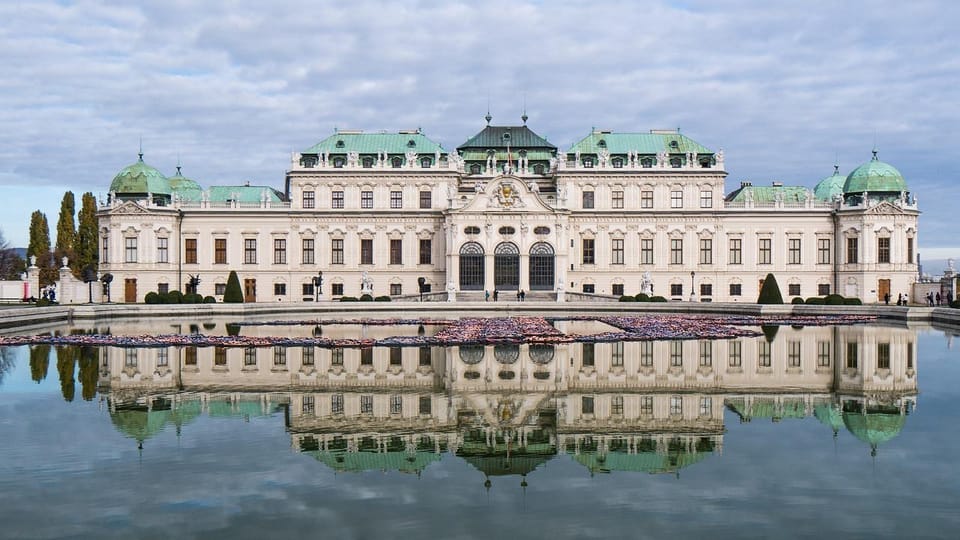
- Belvedere Palace: a final hit of palace beauty
- Price and value: what $883 for up to 6 people really means
- Guide impact and languages: where the reviews line up with the experience
- Who this 4-hour Vienna drive is best for
- Should you book this private Vienna tour by car?
- FAQ
- How long is the private Vienna tour by car?
- What is the price for this private tour?
- How many people are in the group?
- Where does pickup happen?
- Is the tour guided, and what languages are available?
- Is the vehicle comfortable for hot days?
- Are museum entrance fees included?
- Is this tour wheelchair accessible?
Key highlights worth your attention
- Route built around your interests, not a fixed script
- Comfort for city walking fatigue, with an A/C vehicle and quick drives between areas
- A certified guide with live commentary in several languages
- A smart mix of palaces, churches, museums, and viewpoints, not just one theme
- Extra time where it matters, like a longer stop at Schönbrunn and a focused visit at Hundertwasserhaus
Why a private car tour works so well in Vienna
Vienna rewards you for slowing down. But not everyone has the time, legs, or patience for constant backtracking across neighborhoods. A private car tour solves that problem by doing the hard part for you: moving you efficiently between the city’s most important sights.
What makes this one appealing is that it’s not just a windshield tour. You get a certified guide who ties the buildings to the bigger story of how Vienna grew, changed, and showed off its power. Even if you’re only in town for a short stay, you leave with a coherent map in your head instead of a pile of disconnected photos.
The other big plus is that Vienna’s center is spread out in “sight clusters.” You hit them in an order that feels logical, so you spend less time guessing where to go next and more time actually looking.
You can also read our reviews of more private tours in Vienna

Comfort and logistics: pickup, WiFi, and a van that keeps you fresh
Your day starts with pickup from your hotel or another chosen address in Vienna (or near the city border). Plan to wait in the lobby about 15 minutes before your scheduled pickup time, since the timing matters when you’re working with a tight 4-hour window.
Once you’re in, you’ve got an air-conditioned vehicle, onboard WiFi, and bottled water. This isn’t just comfort for comfort’s sake. Vienna’s sightseeing can be tiring—cobblestones, long facades, and plenty of standing for photos. The van lets you rest your feet between stops, which also makes the guided parts more enjoyable rather than rushed.
It’s a private group up to 6 people, so you’re not squeezed into a crowd rhythm. That matters if you want the guide to adjust the pace, or if your group includes people who prefer short guided moments plus free time.
Schönbrunn Palace: where Vienna’s imperial mood makes sense
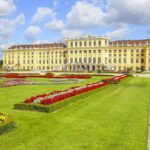
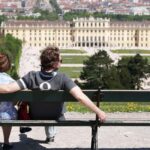
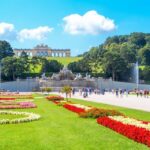
The tour begins with Schönbrunn Palace, and you’ll get about an hour there. That’s enough time for a guided introduction and still have breathing room afterward for your own photos and a wander.
This stop is valuable because it sets the tone for everything else you’ll see. Vienna’s big sights—palaces, churches, stately squares—feel less random once you understand the imperial mindset behind them. Schönbrunn also gives you a visual reference for later architecture you’ll pass in the center.
A practical note: museum and palace-type sites often come with entrance costs. Entrance fees to museums are not included, so you’ll want to plan for any paid entry you choose to make.
Karlsplatz, Karlskirche, Schwarzenbergplatz: classic Vienna scenery in motion
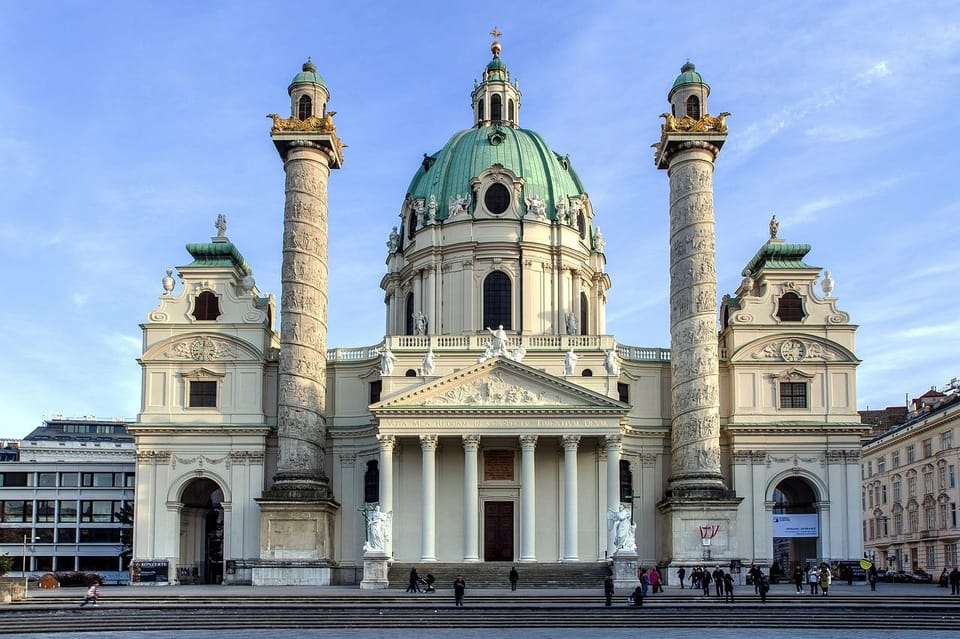
After Schönbrunn, you head back into the city by car. You pass through Karlsplatz and Karlskirche, then continue toward Schwarzenbergplatz. These are ideal “connective tissue” stops: you see how Vienna blends grand religious architecture with formal public space.
Karlskirche (St. Charles Church) is one of those buildings that looks more impressive the closer you get. With guided context, you’ll notice details you might otherwise miss—like the way it sits as a landmark in the surrounding urban layout.
With Schwarzenbergplatz, the value is the view and positioning. You get a sense of how Vienna’s monumental streets and squares were designed to direct your eyes. If you enjoy architecture and city planning, these pass-by and short guided moments can feel like the glue that holds the tour together.
Vienna State Opera, Augustinian Church, Spanish Riding School: the show-and-symbol trio
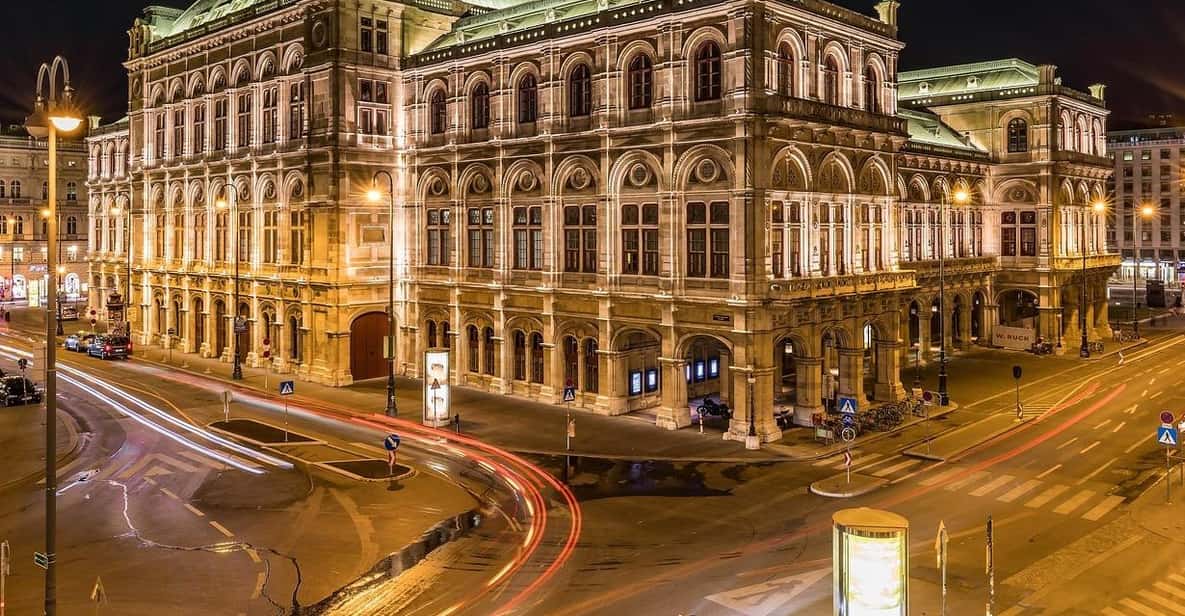
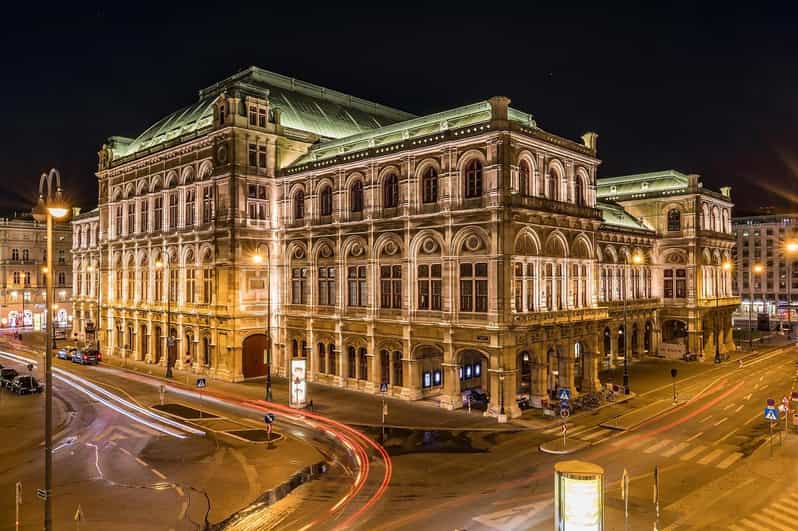
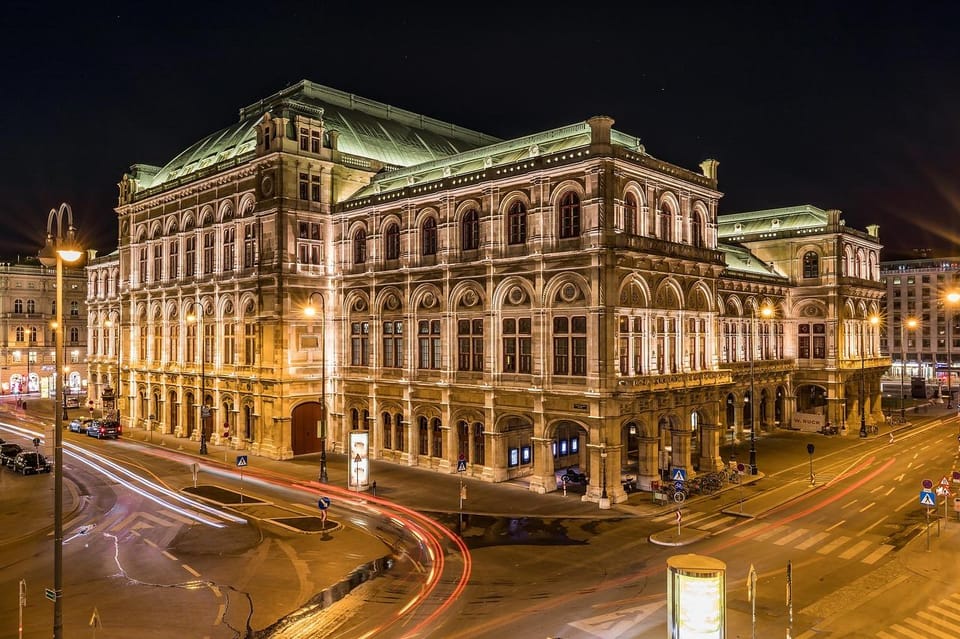
Next comes a stretch of iconic Vienna institutions. You’ll pass by Vienna State Opera, visit Augustinian Church, and also stop near the Spanish Riding School.
These sites are more than famous names. They represent Vienna’s public face across centuries—culture, religion, and prestige in one area. If you don’t have time for separate tours, this part is a good way to sample what makes Vienna feel theatrical even when you’re not seeing a performance.
The Opera area works especially well early in the tour because you’re still fresh. It’s also a great place for quick photos, since the surrounding streets frame the building nicely.
With the Spanish Riding School, you’ll likely appreciate the atmosphere even if you don’t spend long inside. You get the “this is Vienna’s ceremonial world” feeling, which connects neatly to what you’ll see later in the Hofburg area.
Albertinaplatz and the museum-courtyard feeling
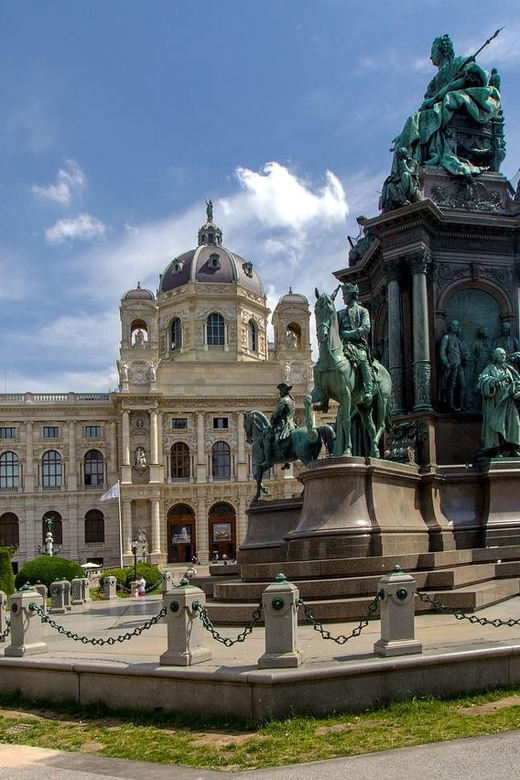
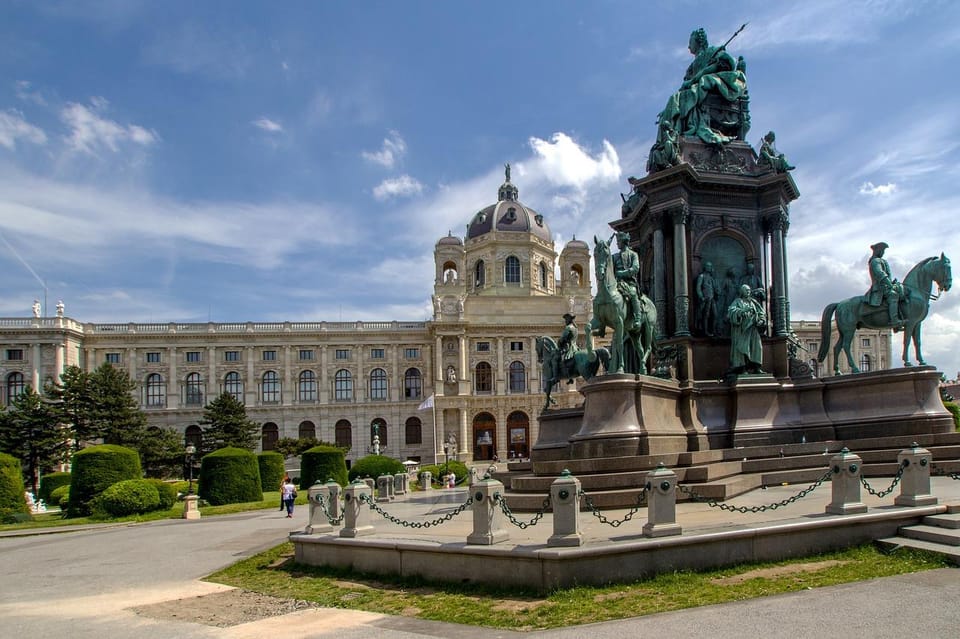
Then you move to Albertinaplatz and continue toward Kunsthistorisches Museum. This part of the route leans into Vienna’s museum identity and its habit of making culture feel like a civic monument.
Kunsthistorisches Museum is paired naturally with the next cluster of museum buildings you’ll see later, so it’s worth paying attention to the setting, scale, and how the buildings relate to the big civic squares around them. Even short guided stops can help you understand why Vienna looks the way it does: it wasn’t only built to house art and learning; it was built to display status.
The caveat: if you’re hoping to enter multiple museums, remember that entrance fees to museum sites aren’t included in the tour price. You can still enjoy the outside architecture and guided orientation, but plan your paid entry choices.
Heldenplatz and Hofburg: where the monarchy story becomes easy to picture
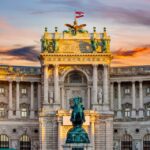
One of the most satisfying parts of the route is the Heldenplatz and Hofburg Palace area. You’ll get photo stops and guided moments, plus a bit of free time, with about 15 minutes allocated for the Heldenplatz/Hofburg segment.
This is the place where Vienna’s power story becomes tangible. Palaces and grand squares aren’t just scenery here; they’re part of how Vienna communicated authority. The guided explanation helps you connect what you’re seeing to how the city wanted to be remembered.
A practical tip: use your short free time strategically. Take a few photos from the best angles, then let the guide point out the details you’ll otherwise overlook. With only a short window, you get the most value by listening first and photographing second.
The Ring-style sweep: Naturhistorisches, Parliament, City Hall, Burgtheater
From there, you continue through a series of major civic and cultural buildings. You’ll encounter Naturhistorisches Museum, the Austrian Parliament Building, Vienna City Hall, Burgtheater, and Votivkirche.
This cluster is where the guided component really pays off. Vienna’s center has a strong visual rhythm, but it’s easy to get lost if you’re just reading plaques. With a certified guide explaining what each building symbolizes, you understand why you’re seeing so many monumental facades close together.
A small drawback of the layout: this section can feel like a string of impressive exteriors back-to-back. If you’re the type who loves one or two places deeply, this part might feel too fast. Still, if you want a broad “Vienna overview,” this is one of the best ways to build it without spending all day walking.
St. Rupert’s Church and St. Stephen’s Cathedral: the emotional center of Vienna
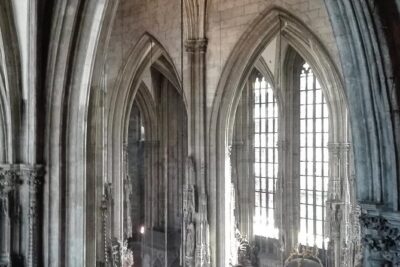
You then head toward St. Rupert’s Church and St. Stephen’s Cathedral. You’ll get guided touring and sightseeing, along with photo stop time at the cathedral area.
St. Stephen’s is the kind of sight that can make you pause. Even with a short stop, it has that effect because it visually anchors the city’s older layers. The guide’s context helps you see the cathedral not only as a big church, but as a key piece in Vienna’s timeline.
If you want a quiet moment, use it here. Step back, look around, and notice how the cathedral area feels different from the ceremonial sweep of the Ring-style buildings. This is where Vienna shifts from official grandeur to lived-in spiritual and historical presence.
Prater and the Danube zone: seeing Vienna’s other face
After the dense center, you travel toward the Prater area and then into the Danube region. You’ll get guided touring and sightseeing while passing or stopping near several points, including Donau City Church, Vienna Donauturm, and Old Danube.
This part is valuable because it breaks the pattern. The earlier half of the tour is heavy on imperial and civic landmarks. The Danube segment adds breathing room and shows you Vienna as more than palaces and churches.
Vienna Donauturm (the tower) is especially interesting as a viewpoint symbol: it represents modern Vienna’s skyline identity. Even if you don’t go up, the area gives you a sense of where the city’s growth headed after the historic core.
Old Danube adds another layer of perspective. It helps you imagine how the river shaped leisure, neighborhoods, and the city’s expansion. If you’ve only been in the center so far, this can be a refreshing reality check.
Hundertwasserhaus: playful architecture with a practical chunk of time
A highlight late in the tour is Hundertwasserhaus. You’ll have a photo stop, guided visit, and about 30 minutes of free time, including some shopping time and a safety briefing.
Hundertwasser’s style is a strong contrast from the baroque and monumental buildings you saw earlier. This stop is worth your attention because it shows Vienna’s later creative energy—color, irregular shapes, and a more human-scale approach to design.
The shortcoming is simple: you don’t get hours here. Thirty minutes can still work well if you focus on what you came for. Take photos, walk the immediate area, and use the guided part to understand the design ideas, not just the visuals.
Belvedere Palace: a final hit of palace beauty
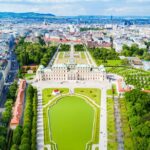
The tour ends with Belvedere Palace, where you’ll get a photo stop, guided tour, and about 20 minutes of free time.
Belvedere is a strong closer because it feels elegant and complete. After touring civic buildings and churches, the palace format gives you a satisfying wrap-up. It also helps you compare Vienna’s different “palace languages”: Schönbrunn opened the day with imperial sprawl; Belvedere ends with refined grandeur.
Again, entrance fees to museum sites aren’t included. If you want to go inside for collections, plan for ticket time and costs, since the tour schedule here is designed for a guided overview plus quick personal time.
Price and value: what $883 for up to 6 people really means
The price is $883 per group for up to 6 people. That sounds high until you convert it into what you get: a private vehicle, private transportation, a certified guide, pickup, and live commentary in multiple languages, all inside a tight 4-hour window.
If your group fills the van capacity, the cost per person is roughly in the $150 range. For that, you’re essentially paying to save time and energy while covering a lot of ground with guided context. For couples or small groups of 2 to 3, the value still works if you care about speed and customization more than you care about minimizing total spend.
This is best viewed as paying for convenience plus guidance, not as a budget sightseeing hack. If you want the cheapest way to see Vienna’s highlights, you can do it on your own. If you want the highest “time-to-value” ratio for a short stay, this pricing starts to make sense.
Guide impact and languages: where the reviews line up with the experience
One of the most praised parts of this tour is the guide experience. In particular, a Portuguese-language booking highlighted a guide named Gerardo as especially warm and helpful, with people appreciating the way he answered questions beyond the formal visit.
That matters because Vienna is dense. The guide’s job isn’t only to point at landmarks; it’s to interpret them so you can understand what you’re seeing. Live commentary in your language also reduces the mental load. You spend less time translating in your head and more time looking around.
The tour offers live guide languages including German, English, Spanish, Portuguese, and Russian. If language is a deciding factor for your group, this setup can be a real advantage.
Who this 4-hour Vienna drive is best for
I’d put this tour in the sweet spot for:
- Small groups (up to 6) who want structure without a rigid schedule
- People with limited time who still want a meaningful overview
- Anyone who dislikes long lines or long walks between far-apart sights
- Families or mixed-age groups who benefit from car transfers
- Groups who want the option to adjust the route and start time
If your dream day is hours inside one or two museums, you may find the pacing too quick. But if your goal is to get the lay of the land and see Vienna’s biggest visual icons, the design fits.
Should you book this private Vienna tour by car?
Book it if you want an efficient, guided, comfortable highlight loop that covers the imperial core and then expands into the Danube area. It’s also a smart choice if your group includes people who would rather ride than walk for hours.
Skip it only if your main goal is slow, deep museum time or you’re already set on building your own custom route with separate guides and tickets. For most first-timers, though, this kind of private overview makes later independent exploring easier.
FAQ
How long is the private Vienna tour by car?
The tour lasts 4 hours.
What is the price for this private tour?
It’s priced at $883 per group, up to 6 people.
How many people are in the group?
This is a private group for up to 6 people.
Where does pickup happen?
Pickup is included from your desired address in Vienna (or from the city border).
Is the tour guided, and what languages are available?
Yes, it includes a live tour guide. The guide can work in German, English, Spanish, Portuguese, and Russian.
Is the vehicle comfortable for hot days?
Yes. The vehicle has air conditioning, and it includes WiFi on board plus bottled water.
Are museum entrance fees included?
No. No entrance fees to the museum are included.
Is this tour wheelchair accessible?
Yes, it is wheelchair accessible.