Vienna rewards slow attention, not just big landmarks. This private 3-hour walk threads stories through the city’s quieter streets and famous facades. You’ll start at an eastern gate, work your way toward St. Stephen’s, and end with perspectives that make the center feel personal.
I especially like how the route mixes big names with small details, from the Jesuit Church to the basilisk mural on Schönlaterngasse. You also get a real sense of daily Vienna culture, including the legend of the basilisk and the long-running schnitzel tradition.
One thing to consider: this is a walking tour with a moderate fitness expectation, and you’ll likely deal with stairs and a brisk pace if your group needs frequent breaks.
In This Review
- Key highlights that make this walk worth it
- Vienna in 3 hours: the real vibe of quiet-corner storytelling
- Price and value: why $344.80 per group can work well
- Meeting, pickup, and the easiest way to start
- The walk starts at Stubentor: why a city gate sets the story
- Jesuit Church: reading architecture like a language
- Schönlaterngasse stories: basilisk mural and the schnitzel legend
- Sala Terrena and the Teutonic Order house
- St. Stephen’s Cathedral: outside details plus a quick inside moment
- Judenplatz Holocaust Memorial: the emotional center of the walk
- Café Central, Ferstel Passage, and the Vienna of ideas
- Palais Daun-Kinsky: power, art, and birthplaces
- Rathausplatz area and Café Landtmann: Freud’s favorite
- How the rooftop stop changes the whole experience
- Who should book this private hidden-corners walk
- The guides and the tone: what you’ll likely appreciate
- Should you book this Private Hidden Vienna Walk?
- FAQ
- How long is the Vienna private walking tour?
- How big is the group for a private tour?
- What does the tour cost?
- Is pickup offered in Vienna?
- What language is the tour in?
- Are there admissions fees for the stops?
- Does this tour have different departure times?
- Is this tour suitable for people with limited mobility?
- Can I cancel for a full refund?
Key highlights that make this walk worth it
- Private, up to 10 people with a guide who can answer your questions in real time
- Start at Stubentor, one of Vienna’s eastern gates, for instant context on how the city used to defend itself
- See the Jesuit Church as architecture you can read, not just buildings you pass
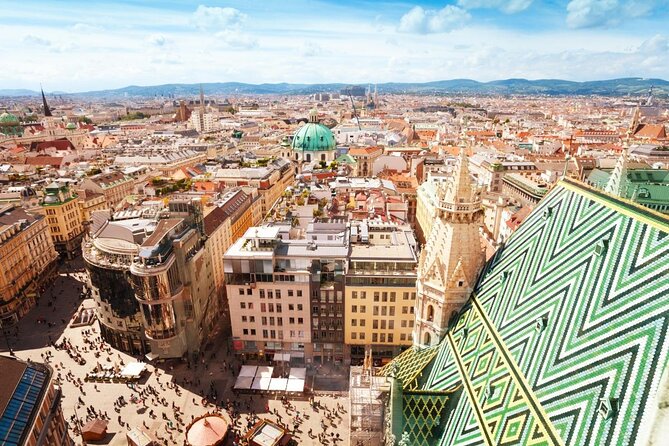
- A rooftop stop for great skyline views from a quieter angle
- Judenplatz Holocaust Memorial in an atmospheric square with centuries of layers
- Vienna culture stops like Café Central and Ferstel Passage, plus Mozart and Beethoven references along the way
Vienna in 3 hours: the real vibe of quiet-corner storytelling
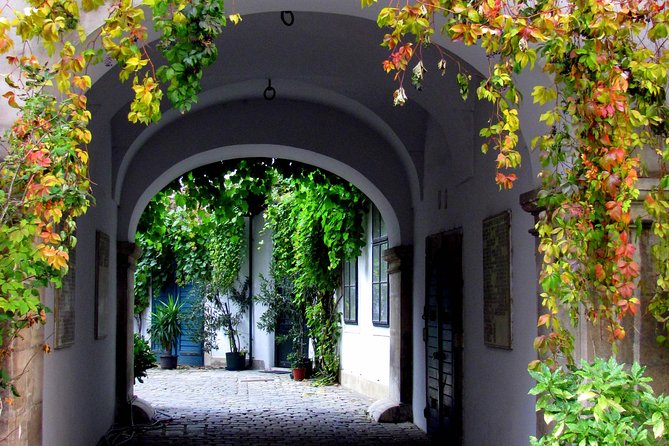
This is the kind of Vienna walk that helps you get your bearings fast and then keep them. The city’s center is compact, but it can feel like you’re sprinting between postcards. Here, you slow down just enough to notice what Vienna actually does well: blend power, faith, art, and everyday life into the same streetscape.
What you’re buying is not a checklist. You’re buying a guided way to connect dots. Expect the guide to point out architectural choices—how buildings communicate authority, belief, and taste—then tie them to the people who lived there. That’s why Mozart and Beethoven come up during the route. Vienna isn’t just the place they worked; it’s the city that shaped how music felt in everyday public life.
Also, the “stories behind quiet corners” idea is practical. You’re not spending the whole walk in crowded parade routes. You’re getting a route that’s built to feel calmer, even while you’re still hitting true highlights.
You can also read our reviews of more walking tours in Vienna

Price and value: why $344.80 per group can work well
The price is $344.80 per group for a tour of about 3 hours, up to 10 people. If you have a larger group, the per-person cost can drop quickly. If you’re a couple, the math is different—but private guiding still often pays off because you’re not paying for two separate half-days or fighting for time to ask questions.
Here’s what makes the pricing feel fair:
- Most stops are structured so you’re not paying attraction fees for basic access to the viewing areas.
- Your guide is there for the full 3 hours, so you’re not just “showing up” and leaving.
- The route is designed to cover major points—St. Stephen’s, Judenplatz—while also adding lesser-known texture.
If you’re visiting Vienna for the first time and want the city to make sense, this tour is a strong way to spend one chunk of time. If you’ve already done the main sights, it can still feel fresh because you’re getting the context behind them, plus a rooftop view and neighborhood corners that don’t always make it onto the fastest itineraries.
Meeting, pickup, and the easiest way to start
This is a private tour, so you’re not sharing the guide with strangers. That matters in Vienna, where a good guide can change the experience simply by timing your stops and adjusting to your questions.
Pickup is offered, and the tour can meet you at your doorstep or at a pier/train station. If you’re staying near or coming in through Handelskai, the tour provider’s noted meeting point is Pier Handelskai 265 (1020 Wien) for the A´Rosa guests. For everyone else, the meeting point can be arranged within Vienna.
You also get a mobile ticket, which is handy because Vienna’s streets are dense and you don’t want to hunt for paper tickets when you’re already trying to follow directions.
One practical tip: confirm the meeting location clearly before you set out. Private tours are flexible, but you don’t want to waste the first 10 minutes wandering in the wrong direction.
The walk starts at Stubentor: why a city gate sets the story

Stop 1 is at Stubentor U, one of Vienna’s eastern gates. This is a smart place to begin because gates are Vienna’s “why we’re here” in stone form. From here, it’s easier to understand the scale and logic of the old city walls—how the city tried to keep control of who entered and how.
If you like history that connects to geography, you’ll enjoy this opener. It’s not just background; it’s the foundation for understanding why so much of the center feels built for people to move through it in specific ways.
The viewing time is short—around 10 minutes—but short stops work on this kind of tour. The goal is not to linger forever. The goal is to give you a mental map you can carry to the next street.
Jesuit Church: reading architecture like a language
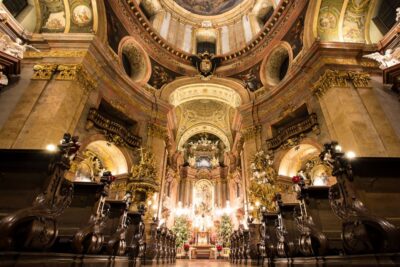
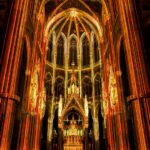
Next comes the Church of the Jesuits. What makes this stop different is the angle: you’re encouraged to decipher the spiritual concept in the church’s architecture and decoration. In other words, you’re not only looking at beauty—you’re learning what the building is trying to do emotionally and spiritually.
That’s a great approach for a first visit. Vienna has a lot of churches, but they can start to look similar if you don’t learn how to notice what’s distinct. This stop teaches you how to see.
Time here is about 10 minutes, and it’s likely you’ll spend most of it on exterior details and quick orientation. If your group wants extra time inside, it’s worth raising that early in the tour so the pacing can adjust.
You can also read our reviews of more private tours in Vienna


Schönlaterngasse stories: basilisk mural and the schnitzel legend
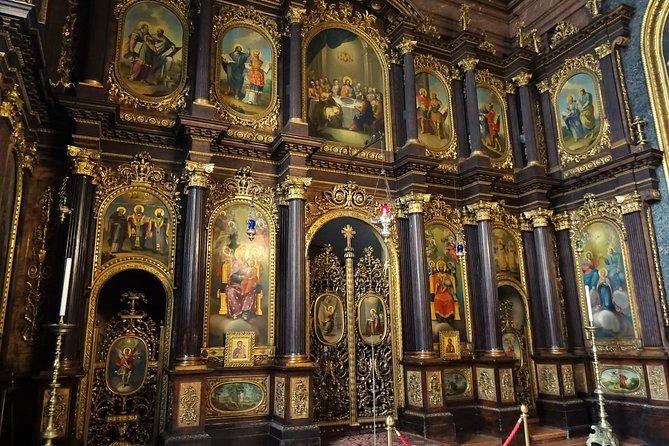
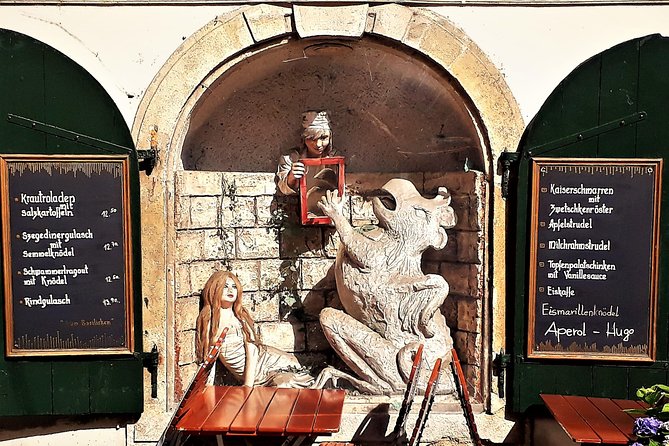
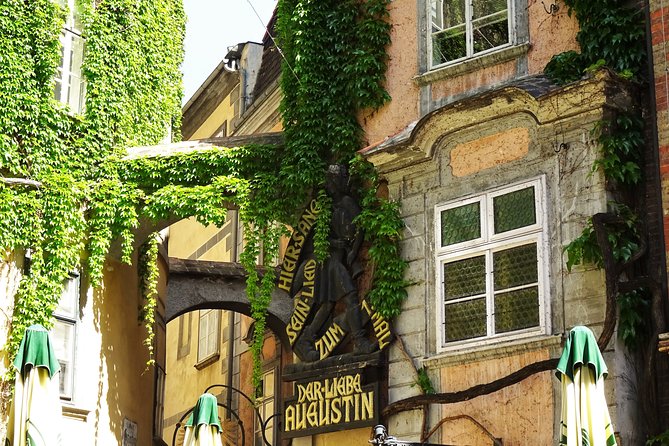
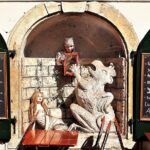
One of the most fun parts is the neighborhood storytelling on and around Schönlaterngasse. You’ll see the basilisk legend illustrated by a mural. Vienna does this well: it turns city lore into street-level art you can’t miss once someone points it out.
Then there’s the schnitzel connection—since 1905, this area is home to the most famous schnitzel. Even if you don’t stop for a meal, the guide’s framing makes the culture feel lived-in, not museum-like.
Why this matters: a city like Vienna is full of famous names, but the best travel moments often come from food, folklore, and the way locals repeat stories over generations. These stops provide that texture without taking over the whole walk.
Sala Terrena and the Teutonic Order house
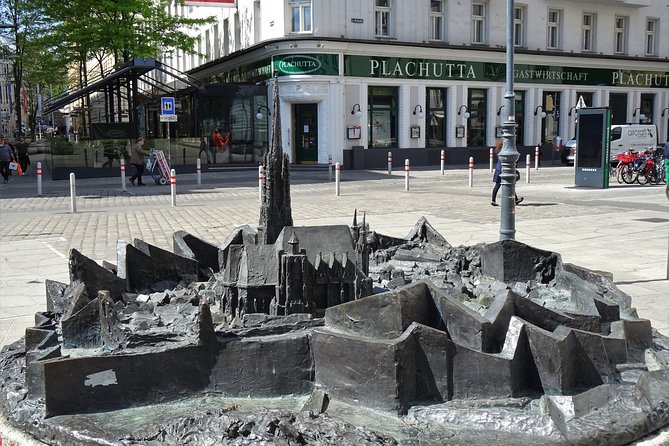
The tour continues to Sala Terrena im Deutschordenshaus—the “terraced hall” area associated with the Teutonic Order. The guide’s explanation centers on music and daily life in the period around 1781, when playing in that setting is linked to the figure connected to the house.
Even if you’re not a deep classical music scholar, you’ll get something out of this: it connects architecture to how people actually used spaces. It’s one thing to admire a building. It’s another to understand how it functioned for performance and society.
Again, time is short here—about 10 minutes—so expect orientation and key points rather than a long indoor visit.
St. Stephen’s Cathedral: outside details plus a quick inside moment
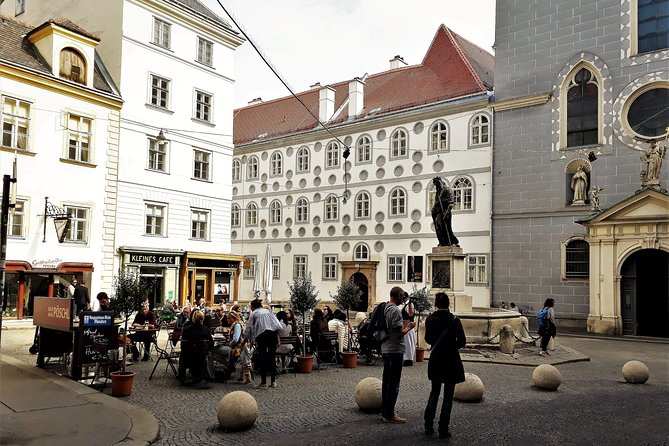
You’ll spend around 15 minutes at St. Stephen’s Cathedral. This stop is built for a balanced experience: outside details you can understand and a chance to look inside if time allows.
St. Stephen’s can be visually overwhelming. The trick is learning what to look at first. With a guide, you can focus on meaningful specifics rather than just wandering and hoping you catch the most impressive angles.
One caution: if your group wants extra time to sit, read, or take things slowly, you’ll want to communicate that early. Some churches move you along quickly even when the building is stunning. This tour runs as a 3-hour themed walk, so the pace can feel brisk if you need long pauses.
Judenplatz Holocaust Memorial: the emotional center of the walk
At Judenplatz, you’ll visit the Holocaust Memorial. This square is described as atmospheric and layered with story stretching back seven hundred years. That kind of setting matters because it changes how you experience the memorial. It’s not floating in isolation—it’s part of a place that has held community life through many eras.
Time here is about 10 minutes, which is short but purposeful. You’re meant to understand the significance and then keep moving through the city’s layers while the weight stays with you.
If you’re the type who likes to ask questions, this is a great moment to do it. A good guide can help you connect what you see to what it represents, without turning it into a rushed lecture.
Café Central, Ferstel Passage, and the Vienna of ideas
After Judenplatz, the route points you toward Café Central and the Ferstel Passage. These are the kind of stops that turn Vienna into a story of thinkers and conversation.
There’s also a memorable “not that story” detail: a place where Trotsky and Stalin did not become friends. It’s the sort of line that makes history feel approachable—because you’re not just absorbing dates, you’re imagining how people used public spaces for politics, debate, and daily life.
You’ll likely have time for short looks, not a long café stay. Still, if you’re curious about Vienna beyond monuments, this portion is one of the best for making the city feel modern and human.
Palais Daun-Kinsky: power, art, and birthplaces
Next up is Palais Daun-Kinsky. The focus is on commissioning and construction: it was commissioned by Count Wirich Philipp von Daun, construction began in 1713, and architect Johann Lucas von Hildebrandt directed the work. You’ll also hear that Prince Józef Poniatowski, a Polish general and Marshal of France, was born there on 7 May 1763.
Stops like this are worth it because palaces can feel like blank walls if nobody explains what you’re looking at. Here you get a clear chain: who funded the building, who designed it, and what meaningful person history connects to it. That makes Vienna’s grand architecture more than scenery.
Time is around 10 minutes, so don’t expect a deep museum-level experience. Expect a sharp overview that helps you recognize what’s important when you see it later from the street.
Rathausplatz area and Café Landtmann: Freud’s favorite
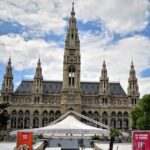
Finally, you’ll reach the Rathausplatz area and have a point near Café Landtmann, noted as Freud’s favorite. This is a nice way to end because it ties the political and architectural stories back into everyday life: famous thinkers still mattered in ordinary public places.
If you’re standing there and you like connecting dots, this is the point where Vienna starts to feel like one coherent place rather than scattered attractions.
The walk is roughly 3 hours total, with short stops. That format is a feature. It gives you variety without turning the day into a slow slog.
How the rooftop stop changes the whole experience
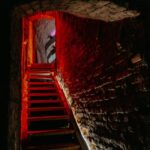
You’ll also head up to a secret rooftop for views. Even if the skyline is familiar from postcards, rooftops change your sense of scale. You see how streets bend, where the center feels dense, and how Vienna’s architecture forms a continuous city texture rather than isolated monuments.
This is often the “I remember that” part of the tour. It’s visual, not just intellectual, and it gives your feet a reason to pause for a few minutes.
If you’re photographing, bring your phone ready. If it’s windy or cool, bring a light layer too—roof access often means you’re more exposed than you expect.
Who should book this private hidden-corners walk
This tour fits best if you:
- Want a first-time or second-visit orientation that connects architecture to lived history
- Prefer quieter side streets over only the busiest routes
- Enjoy practical stories, including food folklore and references to famous cultural figures like Mozart and Beethoven
- Like asking questions and getting answers in a private format
It may be less ideal if you:
- Know you have significant mobility limits or need very slow pacing with frequent seated breaks
- Are sensitive to stairs or longer continuous walking segments
- Have a day plan where you can’t absorb a few timing surprises from city crowds (even with a private route, Vienna can be unpredictable)
A small note based on the tour’s focus: this experience is built as a 3-hour walking theme. You can often adjust details, but you won’t be turning it into a long, slow museum day.
The guides and the tone: what you’ll likely appreciate
The guide team includes locals such as Walter, Hannes, Sabine, Brigitte, and Danielle. What stands out across the guide experiences is a mix of clear storytelling and real responsiveness—helpful before the tour, friendly during the walk, and willing to tailor the route to interests when possible.
That’s important because Vienna is full of history. Without the right guide style, it can turn into a blur of dates. Here, the emphasis is on making the details usable—so you can look at a building and understand what it’s communicating.
Should you book this Private Hidden Vienna Walk?
I’d book it if you want one guided chunk of Vienna that gives you context, not just photos. It’s especially valuable for travelers who like architecture plus story: gates, churches, memorials, palaces, and café-life all in one smooth narrative arc. The rooftop view and the route’s quieter corners make it feel like more than a standard highlights loop.
I’d think twice if your ideal day is mostly seated sightseeing or if stairs and a more active walking pace are a problem for you. In that case, you’ll want to be very clear about your needs before you commit, because the tour is designed as a walking experience with a moderate fitness requirement.
If you’re planning soon: it’s often booked ahead (around 40 days on average), so locking in a slot earlier is a smart move.
FAQ
How long is the Vienna private walking tour?
The tour is about 3 hours.
How big is the group for a private tour?
It’s a private tour for up to 10 people.
What does the tour cost?
The price is $344.80 per group.
Is pickup offered in Vienna?
Yes, pickup is offered. The tour can meet you at your doorstep/pier/train station or arrange another meeting point within Vienna.
What language is the tour in?
The tour is offered in English.
Are there admissions fees for the stops?
The itinerary indicates admission ticket: free for the listed stops.
Does this tour have different departure times?
Yes, you can choose a tour that departs in the morning or afternoon.
Is this tour suitable for people with limited mobility?
The tour notes moderate physical fitness and mentions stairs in practice. It may be difficult if you need very slow pacing or frequent breaks.
Can I cancel for a full refund?
Yes. You can cancel up to 24 hours in advance for a full refund. If you cancel less than 24 hours before the start time, the amount paid is not refunded.