REVIEW · VIENNA
Private Vienna Music Tour
Book on Viator →Operated by Austria Tours and Travel · Bookable on Viator
Music lives in the details. This private Vienna tour strings together Vienna’s music landmarks into one walkable story, starting with behind-the-scenes access at the Vienna State Opera and ending with big-name sites tied to Mozart and Beethoven. I especially like the pacing: you get real opera-house time, then a relaxed old-town stroll that explains what you’re looking at. The second big win for me is the guide’s mix of big composer moments with practical street-level context, which makes even non-music stops feel worth it. One consideration: the tour’s skip-the-line entry helps you get in, but the Opera House admission ticket is not included, so budget a little extra.
In practice, many groups are led by Lisa, and her energy really matters. From the way she talks about architecture to how she handles different ages in a group, the tour feels friendly and flexible, not stiff. It’s also private (you and your group only), with room for up to 15 people, so families and multigenerational groups should feel comfortable.
You’ll start at Vienna State Opera (Opernring 2) and finish near Stephansplatz, and pickup may be possible if your hotel is in the inner city. Most travelers can join, service animals are allowed, and you’ll use a mobile ticket. It runs about 2 hours 30 minutes (roughly), which is a good fit if you want an anchor experience early in your trip.
In This Review
- Key things that make this tour worth your time
- Entering the Vienna State Opera with purpose (not just photos)
- The fine print you should plan for: Opera House admission fee
- A 2.5-hour private rhythm that works for families and first-timers
- From Palais Lobkowitz: Beethoven’s Eroica origin point
- Hofburg Imperial Chapel and the Vienna Boys Choir connection
- Mozart’s memorial: a quick stop with big emotional payoff
- Johann Strauss’s former dance salon: where waltzes made sense
- Beethoven’s former residence: standing where creativity lived
- A gothic cathedral with Mozart’s wedding and Haydn’s chorister years
- Practical route details: where it starts and where it ends
- When the schedule matters: operating hours and timing
- Price and value: $450.09 per group up to 15 people
- Who this tour is best for (and who might skip it)
- The takeaway: a music route that makes Vienna feel connected
- Should you book this private Vienna Music Tour?
- FAQ
- How long is the Private Vienna Music Tour?
- What is the group size for this private tour?
- What language is the tour offered in?
- Is pickup available?
- Where do we meet, and where does the tour end?
- What’s included in the tour price?
- Do I need to pay an extra ticket for the Vienna State Opera?
- Is there a mobile ticket?
- Are service animals allowed?
- Cancellation and changes
- What is the cancellation window?
Key things that make this tour worth your time
- Skip-the-line access to the Vienna State Opera area, with a behind-the-scenes guide narrative
- A music-themed walk that links major stops across Vienna’s center in a logical route
- Composer “home base” storytelling, including Beethoven and Mozart sites you can actually stand on
- Hofburg Imperial Chapel timing, where the Vienna Boys Choir performs every Sunday
- Stays engaging for mixed ages, with commentary that works even if not everyone loves classical music
Entering the Vienna State Opera with purpose (not just photos)
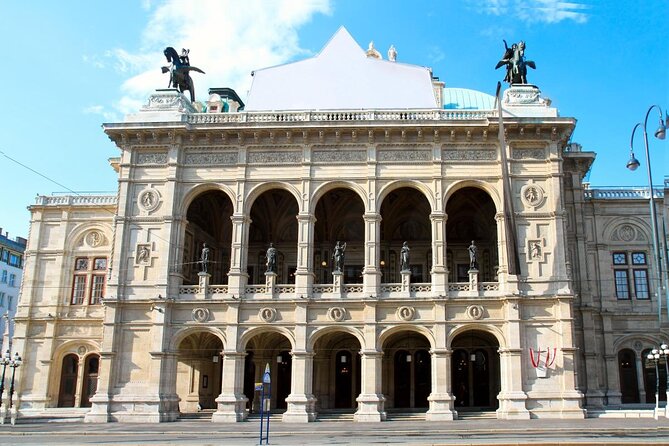
The tour begins at Vienna State Opera, a building that instantly tells you why Vienna became a magnet for composers. You’re not just standing outside admiring the facade; you go inside with a state-certified guide and get a behind-the-scenes look at why this place matters to conductors, performers, and the city itself.
Expect the first part to focus on the opera house as a working institution. You’ll hear history and context that connects to major names, including Gustav Mahler, plus the bigger “temple of music” idea—how performance, politics, and public taste all shaped what Vienna staged and why. This kind of framing makes the building click faster than reading plaques at your own pace.
You can also read our reviews of more private tours in Vienna

The fine print you should plan for: Opera House admission fee
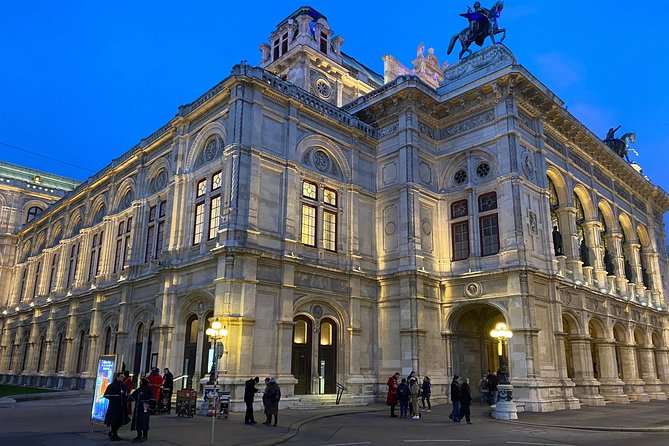
Here’s the one practical snag: the tour includes skip-the-line access, but the entrance fee (admission ticket) into the State Opera House is not covered by the tour price. That means your total cost depends on what ticket you need at the door.
I suggest you do this math before you book. If you’re splitting the group cost across multiple people, the per-person tour portion can be very reasonable. But the extra opera-house admission becomes the “real” variable you don’t want to discover late.
A 2.5-hour private rhythm that works for families and first-timers
This is built as a walk-and-talk experience with a clear structure. You get about 45 minutes at the opera house segment, then you shift into a guided stroll through the old-town music map. That mix helps if your group includes kids, teens, adults, and older folks who might otherwise lose patience on long museum routes.
The private format is the other reason it works. With your own group only, the guide can adjust the pace and explain in a way that fits who you brought along. In real life, Lisa’s approach seems to matter here: she brings energy, keeps conversation moving, and makes sure people don’t feel left out even when their interests vary.
From Palais Lobkowitz: Beethoven’s Eroica origin point
Next, the walk starts at Palais Lobkowitz. This is a smart start, because it brings you to a “composer moment” that’s not hypothetical. You’ll learn about how Beethoven premiered Symphony No. 3, known as Eroica, here—and how the palace ties into Beethoven’s main patron relationship.
What I like about this stop is that it gives you a mental hook before you move on to churches, residences, and monuments. You’re not just consuming facts. You’re building a story arc: patrons mattered, venues mattered, and Vienna’s elite spaces weren’t separate from the music—they powered it.
Hofburg Imperial Chapel and the Vienna Boys Choir connection
Then you’ll see the Hofburg Imperial Chapel, tied to the Vienna Boys Choir. The key detail here is straightforward: the choir performs every Sunday. Even if you’re not attending that day, the stop adds meaning because it shows how sacred spaces and music performance have been linked in Vienna for a long time.
This is the kind of location where a guide’s commentary changes what you notice. Without context, you might see a pretty historic chapel. With context, you understand how sound, tradition, and public visibility work together in the city’s musical identity.



Mozart’s memorial: a quick stop with big emotional payoff
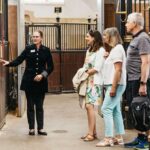
After the chapel, the route includes a memorial dedicated to Wolfgang Amadeus Mozart. Memorial stops can feel short and skippable on paper, but in practice they work well when you’ve already heard enough story context to “place” the composer in your mind.
The route keeps moving, so don’t expect a long sit-down. Instead, it’s a moment to connect what you learned earlier to the person you’re seeing referenced again and again across Vienna.
Johann Strauss’s former dance salon: where waltzes made sense
Next comes a former dance salon associated with Johann Strauss—the so-called Waltz King. This stop helps balance the tone of the tour. You move from courtly, sacred, and monumental Vienna into a more social side, where music was tied to everyday spectacle: dancing, events, and the kind of status that came from being seen at the right gatherings.
Even if you think you only know Strauss as a waltz composer, this kind of stop makes the social function of music feel more real. It’s not just notes on paper; it’s what people did with each other.
Beethoven’s former residence: standing where creativity lived
Then you’ll see Ludwig van Beethoven’s former residence. This is one of those places where the value is in the guide’s translation from brick-and-street into human story. You’re not expected to picture Beethoven at a desk from your own imagination; you get the connective tissue so the location turns into a feeling.
I also think this is a good checkpoint for mixed groups. Even if someone isn’t deep into classical music, Beethoven’s name is widely known. Once the stop has context, it becomes a “universal” moment that most people recognize without needing a music degree.
A gothic cathedral with Mozart’s wedding and Haydn’s chorister years
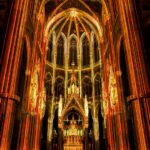
The final major stop on the walk is a famous gothic cathedral tied to Mozart’s marriage. You’ll also hear that Haydn performed as a chorister for eight years. That combination matters because it ties together multiple generations and careers in one place.
This is also where you’ll see how Vienna layers its musical story. The tour doesn’t keep you in the “famous people only” lane; it shows how roles were earned and developed in places of worship and ceremony. When the guide connects Mozart and Haydn to the same sacred structure, it makes the city’s musical training pipeline feel tangible.
Practical route details: where it starts and where it ends
You’ll meet at Vienna State Opera, Opernring 2, 1010 Wien, and end at Stephansplatz (also in central Vienna). If you’re staying in the inner city, pickup may be available directly from your hotel. If not, the provider contacts you prior to the tour with an exact meeting location.
The tour is near public transportation, which helps if you’re trying to layer it with other plans. The end point at Stephansplatz is a convenient “drop-off” zone for continuing your day through the city center.
When the schedule matters: operating hours and timing
Tours like this run within the operable window for the site access. The listed opening hours run from 9:00 AM to 4:00 PM, Monday through Sunday, for the dates shown. Plan your day with that in mind, especially if you’re trying to connect this tour to evening dinner reservations or a church concert afterward.
Also, because the Vienna State Opera segment includes skip-the-line access but still requires a separate admission ticket, you don’t want your schedule to feel rushed. I’d aim for a calm start and build in extra minutes for lining up with ticket holders.
Price and value: $450.09 per group up to 15 people
The headline price is $450.09 per group for up to 15 people, for about 2 hours 30 minutes. That means the cost can be very different depending on your group size.
Here’s the simple way to think about value:
- If you have a small group (say 2 to 4), you’re paying for privacy and direct access, plus the guide’s full attention.
- If you have a larger group near the cap, the per-person cost drops fast, and this starts to look like a strong deal compared to booking multiple separate sightseeing items.
- The biggest add-on risk isn’t the tour fee; it’s the Opera House admission fee, which isn’t included.
So I’d treat the tour price as the “guide and access” portion, then estimate the admission ticket separately. Once you do that, it becomes easier to judge whether you want one focused, high-quality experience or several smaller, independent stops.
Who this tour is best for (and who might skip it)
This fits best if you fall into one of these categories:
- You want a guided composer walk rather than wandering around with vague maps
- You care about seeing the Vienna State Opera area without guessing how to make it work
- Your group has mixed interests or ages, and you want someone to keep everyone engaged
I’d think twice if you’re traveling with very limited time and only want to snap a few photos. Also, if you strongly dislike any extra costs at the door (like the Opera admission), build that into your planning so it doesn’t sour the experience.
The takeaway: a music route that makes Vienna feel connected
What I like most is how the tour ties together places that are often seen in pieces. You start at the opera house, then you move through palaces, chapels, residences, and a cathedral where major musical lives intersect. By the time you hit the gothic cathedral with Mozart and Haydn connections, the city stops feeling like a random collection of sights and starts feeling like a single story.
And yes, the guide matters. When Lisa is leading, the vibe is energetic and practical: she’s focused on helping the group follow along, not just reciting dates. That makes this kind of experience worth booking early in your trip, so the rest of Vienna has context.
Should you book this private Vienna Music Tour?
Yes, if you want a guided route that connects the dots between opera, court life, and composer milestones—and you’re okay paying the separate Vienna State Opera admission fee at the entrance. It’s especially smart for first-timers, families, and groups that want privacy with a guide who can keep different interests on track.
If you’re trying to keep costs ultra-tight or you’re only interested in one or two famous stops, you might prefer a shorter, cheaper walk. But if you want one solid afternoon anchor in the center of Vienna, this is a good bet.
FAQ
How long is the Private Vienna Music Tour?
It lasts about 2 hours 30 minutes.
What is the group size for this private tour?
It’s private, and your group only participates. The group can be up to 15 people.
What language is the tour offered in?
The tour is offered in English.
Is pickup available?
Pickup is offered if your hotel is located in the inner city. Otherwise, the provider will contact you prior to the tour for the exact meeting location.
Where do we meet, and where does the tour end?
You start at Vienna State Opera, Opernring 2, 1010 Wien. The tour ends at Stephansplatz, 1010 Wien.
What’s included in the tour price?
A state-certified accredited Austria guide is included.
Do I need to pay an extra ticket for the Vienna State Opera?
Yes. The tour includes skip-the-line access, but the admission ticket for the State Opera House is not included and must be paid at the entrance.
Is there a mobile ticket?
Yes, the tour includes a mobile ticket.
Are service animals allowed?
Yes, service animals are allowed.
Cancellation and changes
What is the cancellation window?
You can cancel for free up to 24 hours in advance for a full refund. If you cancel less than 24 hours before the start time, the amount paid will not be refunded.