REVIEW · VIENNA
Small Group Tour; Europe &The Balkans – Vienna to Dubrovnik/Split
Book on Viator →Operated by Choose Balkans · Bookable on Viator
Some trips feel like a checklist; this one feels like moving. You start with classic Central Europe in Vienna and Budapest, then roll into the Balkans with small-group pacing and real time on the streets.
What I like most is the mix of guided sights (think castles and UNESCO bridges) and the free moments that let you wander without rushing. I also like the way the included adventure in Albania focuses on hands-on nature time—Lake Koman boat scenery plus Shala River kayaking with provided gear, capped by an overnight in a local bed and breakfast. One drawback to plan for: there’s a fair amount of driving and walking, including uneven terrain in Sarajevo and an uphill hike option on the Albania side—so you’ll want comfortable shoes and a steady pace.
This is a maximum 10 travelers kind of tour, which matters. Smaller groups typically mean fewer logistics headaches and more “ask the guide” time, especially on days with multiple stops and short photo windows. It’s also a “show up, get picked up, get dropped off” style itinerary, with hotel pickup in Vienna and end transfers to either Dubrovnik or Split.
In This Review
- Key Points Worth Planning For
- Vienna Hotel Pickup and the Wine-View Start You Can Feel
- Rust Old Town Walk: Pretty Streets, Then Real-Time Wine Country Choices
- Bratislava: Michael’s Gate, a Castle Hill Stroll, and Coffee Breaks
- Győr and Budapest: Danube Icons Without the Big-Tour Crowd Pressure
- Subotica and Novi Sad: Where Cultures Feel Close Enough to Touch
- Sremski Karlovci and Belgrade: Wine Stops and River-Confluence Views
- Zvornik to Sarajevo: Uneven Streets, Big Stories, and Walking With Context
- Mostar and Stari Most: UNESCO Stonework Plus Old Bazaar Wandering
- Albania Block: Lake Koman Boat Ride, Shala River Kayaking, and Merturi i Gurit Views
- Comfort, Pace, and Packing for Long Days Across Borders
- Price and Value: What You’re Really Paying For
- Who Should Book This, and Who Might Feel It’s Too Much
- Should You Book This Small-Group Route?
- FAQ
- How big is the group?
- Are meals included besides breakfast?
- What accommodation is provided?
- Is pickup provided in Vienna?
- What activities are included in the Albania part?
- What if the weather is bad for the Albania experience?
Key Points Worth Planning For
- Small group size (max 10) keeps the rhythm human, not frantic
- Professional tour leader helps you connect the dots across multiple countries
- Lake Koman + Shala River adds real adventure: boat crossing, kayaking kit provided, and a local overnight
- UNESCO highlights sprinkled in: Lake Neusiedl, Buda Castle, and Mostar’s Stari Most
- Comfortable vehicle matters when roads get tricky near border regions
- Meals are on your own most days, which gives freedom but requires a bit of budgeting
Vienna Hotel Pickup and the Wine-View Start You Can Feel
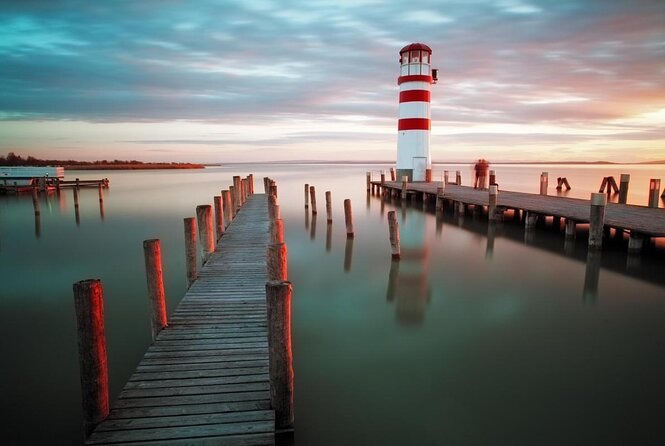
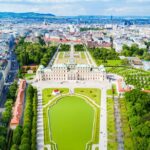
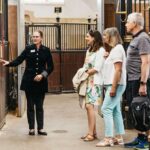
Vienna is your launchpad, and the tour starts with a practical perk: hotel pickup. You’re looking at a 11:00 am start time, so it works well if you can sleep in a bit after your arrival day. Then you’re off, leaving the formality of Vienna behind and heading straight into travel mode.
The first “destination” moment is Lake Neusiedl near Rust in the Burgenland wine region. Lake Neusiedl is tied to UNESCO, and the big win here isn’t some complicated schedule—it’s the fact that you’re driving through hilly vineyards with wide, open views. It’s a good reset after city time, and it makes the rest of the trip feel more like a journey and less like a train of dates.
From a value standpoint, this early day also sets expectations. You’ll see a few places with admission ticket free time blocks, which helps keep the day enjoyable instead of feeling like you’re constantly paying small extras. And because the group is small, you’re not stuck waiting in a crowd for the bus—your leader keeps things moving without turning your day into a sprint.
You can also read our reviews of more tours and experiences in Vienna.
Rust Old Town Walk: Pretty Streets, Then Real-Time Wine Country Choices
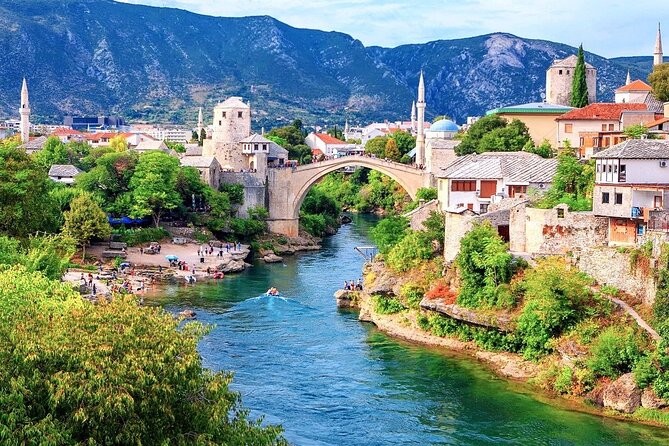
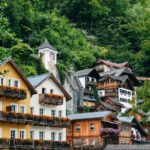
Rust is where the tour gives you something you can actually use: free time with options. You get a guided walk through the well-preserved historic center, with those bright houses and flower-box charm that makes Rust feel like a postcard you can touch. The tour also flags small-shop shopping for natural-material souvenirs (wood and wine-barrel-related items), which is exactly the kind of “I’ll actually use this later” souvenir I prefer.
Then comes the best part: the choice to look toward the vineyards overlooking the lake and decide how you want to handle your meal and tasting time. The tour notes you can grab lunch and sample local wines here, but you’re not forced into a single place. That’s the sweet spot for many travelers—one planned anchor, then freedom.
A small consideration: wine country time can run long if you’re chatting or lingering. That’s not a “problem,” it’s a vibe. Just remember that you’re still on a multi-day driving route—go easy if you want energy for the next steps.
Bratislava: Michael’s Gate, a Castle Hill Stroll, and Coffee Breaks
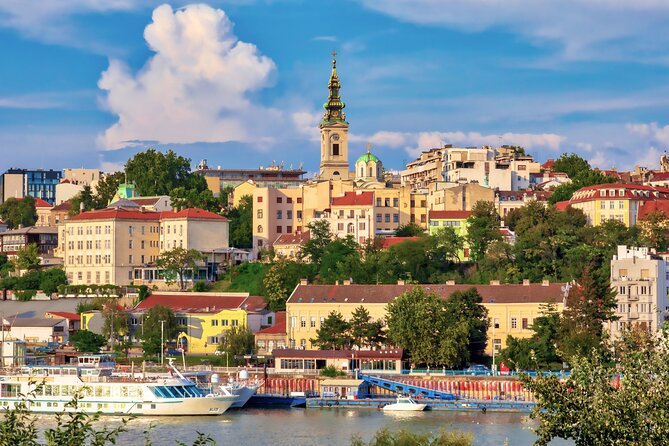
Bratislava is your Danube-side transition point into bigger, more layered cities. The Old Town segment focuses on landmarks and your bearings: medieval-adjacent streets, churches, and institutions clustered in the center.
You’ll visit Michael’s Gate, the only medieval fortification gate preserved from the older walls. It’s short and very visual—great for photos, but also easy to absorb without needing a full museum day. Then you climb (on foot) toward Bratislava Castle. Even if you’re not a “castle person,” the view over the Danube and the city makes the climb feel worth it.
What I’d call the smart design here is the mix of structured walking and downtime. After the castle viewpoint, the tour returns you toward the city center, and later you get time framed as Bratislava café culture—the kind of local ritual where you can try the coffee without feeling like you’re doing it wrong. That matters more than people think. It turns a transit day into an experience.
Győr and Budapest: Danube Icons Without the Big-Tour Crowd Pressure
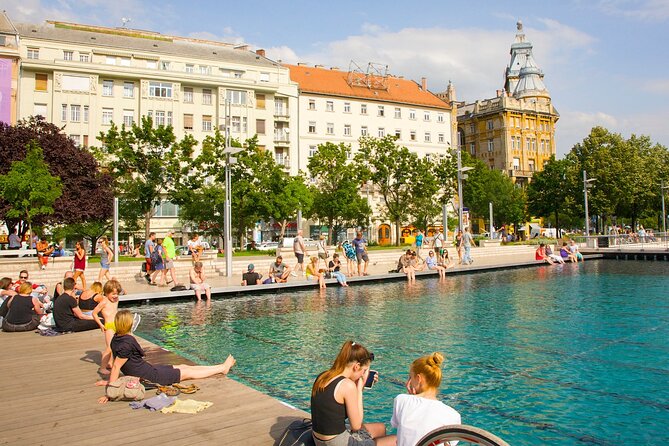
After Bratislava, the route flows into Hungary with Győr, described as the City of Rivers. Győr’s appeal is that it’s not trying to outshine Budapest—it’s smaller, and it lets you focus on the feel: baroque architecture, multicolor buildings, and a center that’s easy to walk.
The highlight in Győr is the stop around Town Hall and its 59-meter tower, plus a chance to see Roman-style and older layers like the Cathedral of the Virgin Mary and the Győr Synagogue area. You also get time along the pedestrian-friendly Baross Gábor Way, where you can eat and snack like a local—there’s even a nod to blueberry beer, which is one of those regional oddities worth trying once.
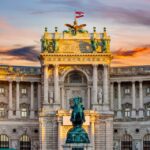
Then you hit Budapest, and it hits back—in a good way. This is where the itinerary leans into the big icons: the route passes by St. Stephen’s Basilica, the Parliament area, Heroes’ Square, and Fisherman’s Bastion for those classic views. Budapest is split by the Danube into Buda and Pest, and the tour gives you an overview of that “two cities” feeling.
The guided part includes Buda Castle (UNESCO) with entry included, and then the day keeps breathing with a nighttime free exploring window. You’re not locked into every minute, which helps because Budapest is one of those cities where you’ll stumble onto something good just by walking.
One consideration: Budapest’s famous spots can create photo lines in peak periods. This tour’s structure helps, but it’s still a major European capital—be ready to move with the group and accept that you won’t be the only person chasing a view.
Subotica and Novi Sad: Where Cultures Feel Close Enough to Touch
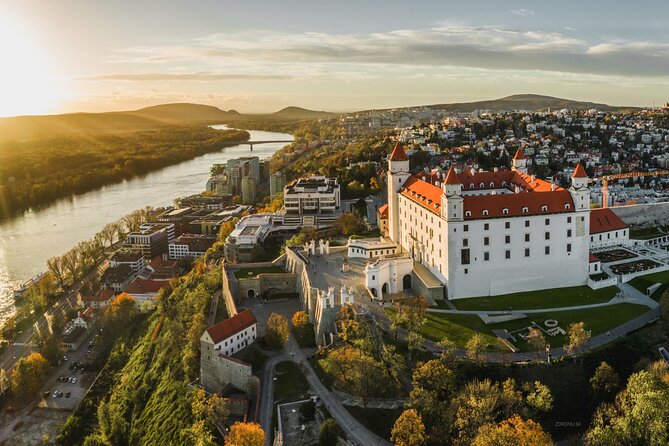
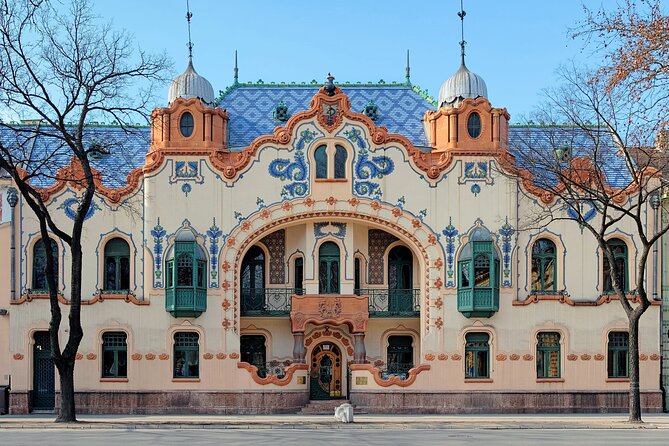
Subotica is a sharp change of pace. Instead of “only big-name sights,” you’re given a feel for a multicultural city with Austro-Hungarian influence visible in the architecture. The itinerary notes the City Hall area as the center point—no single cathedral dominates the square. That’s a nice change because it makes the urban vibe feel more human-scale.
You’ll also stop at the Subotica Synagogue, and the tour flags that some admission is not included there—so it’s worth expecting small extra ticket costs for specific interiors. That’s normal on multi-country tours, but it helps to keep a few euros/dollars aside for the moments you decide you want to go inside.
Then the route continues into Novi Sad, described as the cultural capital of northern Serbia. The focus is on the town’s blending of Austro-Hungarian and Ottoman influences, plus the walk through pedestrian streets around areas like Zmaj Jovina and Dunavska. The big anchor is Petrovaradin Fortress, often called the Gibraltar on the Danube. You get time to explore and then there’s an overnight in Novi Sad, which is helpful. You’re not just passing through—you get a chance to experience the city after the tour group day is over.

Sremski Karlovci and Belgrade: Wine Stops and River-Confluence Views
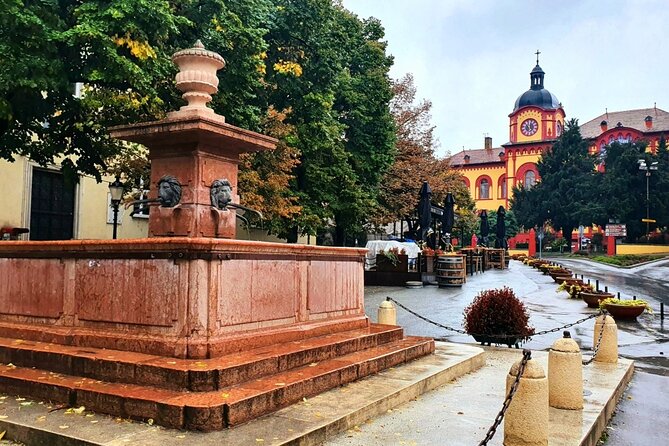
Sremski Karlovci is a day that feels designed for people who like their travel with a side of drinking and stories. It’s framed as a center of Serbian culture from the 18th century and famous for wine cellars. The city is described like a “museum town,” which matches the idea that you’ll want to wander slowly rather than power-walk.
The practical part: you get time for wine specialties and views of vineyards. That works well here because it’s a calmer day compared with some of the larger-city schedules. It also gives you a mental breather before Belgrade.
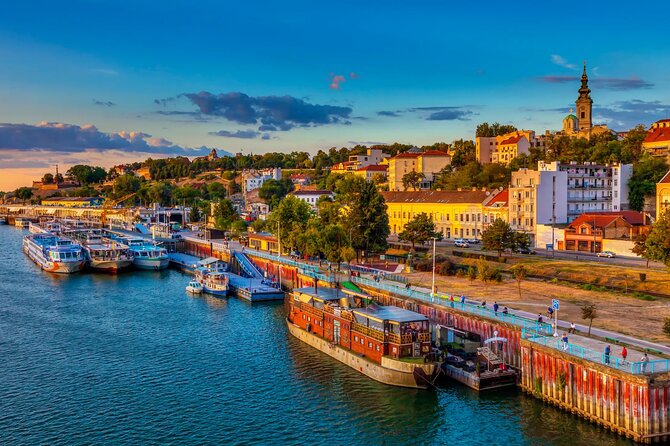
Belgrade is a “big energy” stop without trying to fill your whole day with paid attractions. You visit Belgrade Fortress and Kalemegdan Park, which sit at the confluence of the Sava and Danube rivers. The fortress viewpoint is the payoff—again, not just for photos, but because it gives you a spatial understanding of the city.
You’ll also pass through Knez Mihailova to reach Republic Square. It’s an easy walk route that connects major pedestrian areas, so even if you come with limited knowledge of Belgrade, you’ll start getting your bearings fast.
Zvornik to Sarajevo: Uneven Streets, Big Stories, and Walking With Context
After Belgrade, you cross toward Bosnia and Herzegovina and head to Zvornik along the Drina River. This stop is intentionally lighter: lunch options, local dishes, and free time to walk through town. It acts like a palate cleanser before Sarajevo.
Then you land in Sarajevo, and the tone shifts. The itinerary calls out uneven terrain and highlights remnants from the Yugoslav War like bullet holes and cannon marks. The tour also connects Sarajevo to medieval Bosnian kingdoms and covers Ottoman and Austria-Hungarian parts of the city. In other words, you’re not only seeing buildings—you’re getting the story layers.
You’ll cover Latin Bridge, the place tied to how World War I was triggered. It’s a quick but meaningful stop, because it links street-level geography to global history in a very direct way.
Then the route moves onward to Mostar, which means your Sarajevo time has a compressed feel. That can be emotionally intense, so if you’re the type who needs a quiet moment to process, build that into your free time whenever you can.
Mostar and Stari Most: UNESCO Stonework Plus Old Bazaar Wandering
Mostar is where the itinerary turns scenic. You visit the iconic Old Bridge (Stari Most), which is UNESCO-listed and built in a typical Islamic architectural style in the 16th century. Even if you’ve seen photos, being near the structure gives you better scale than an image ever will.
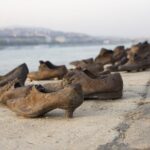
From there, you move into the Old Bazaar area with colorful lanes, cobbled alleys, and lively market energy. The tour also notes “Don’t Forget” stones around town—memorial details that keep the city’s history visible as you wander. It’s a reminder that Mostar is both old-world and living, with daily life happening around historic points.
One practical note: the terrain is older and uneven. If your feet get tired on cobblestones, bring shoes you trust. This is one of those places where comfort helps you enjoy the view longer.
Albania Block: Lake Koman Boat Ride, Shala River Kayaking, and Merturi i Gurit Views
Here’s the part that pulls people in from far away: a dedicated 2-day adventure in the Albanian Alps north of Tirana. The tour language is clear on the style—boat crossing and nature time over remote access routes.
You start with pickup and drop-off from your Tirana hotel, so you’re not negotiating buses or figuring out timetables. Then you head toward Lake Koman, where you cross by boat and get those wide, dramatic views that you simply can’t see from roads. The whole point is that this area is easier to experience by water than by shortcut thinking.
On the river side, you visit the Shala River and go kayaking as a small group, with equipment provided. For many people, this is the first time kayaking on a scenic river feels practical because you’re not sourcing gear, testing equipment, or hiring a guide separately. The tour handles that, and the result is more time enjoying the water and less time troubleshooting your own plan.
Then there’s the overnight: you stay in a local bed and breakfast. That’s one of the biggest “value” moves of the whole program because you’re sleeping closer to the places you visited, not commuting back to a city base.
Finally, the experience can include a hike component tied to reaching the remote village Merturi i Gurit. In past groups, the boat landing served as the starting point, followed by a walk uphill for a couple of hours with views that make the effort feel worth it. If you’re choosing your shoes and socks with care, do it for this part. It’s the day that rewards steady effort.
Comfort, Pace, and Packing for Long Days Across Borders
This is a small-group tour, not a “slow travel” retreat. You’ll be in a vehicle quite a bit, and the itinerary moves city-to-city with varying walking distances. The tour specifically mentions travel in a comfortable vehicle over difficult roads, which is a relief on days when you want to arrive before your shoulders seize up.
Physical demands are real but not crazy. The guidance says moderate physical fitness. Sarajevo includes uneven terrain, and the Albania block can include an uphill walk as part of getting to remote places. The kayaking itself sounds approachable because equipment is provided, but your body still needs to handle paddling time.
What I’d pack around these facts:
- Comfortable walking shoes for cobbles and uneven ground
- A day layer for boat/rivers and a rain layer since weather matters here
- Water and simple snacks for the moments when lunch timing doesn’t match your hunger (meals are not included)
- Motion-sickness basics if you’re sensitive on boats (the schedule includes boat crossing on Lake Koman)
Also, meals aren’t handled for you beyond breakfast. That means you’ll be deciding where to eat in Vienna days, Bratislava days, and beyond. The upside: you can follow your cravings. The tradeoff: you’ll want a small daily budget buffer.
Price and Value: What You’re Really Paying For
At $3,450.94 per person, it’s not a cheap tour. The value comes from what’s bundled and what’s small-group specific.
Included items that help justify the price:
- Hotel pickup in Vienna and drop-off in Dubrovnik or Split
- Professional tour leader throughout
- Breakfast included (BB) for all overnights in 3-star hotels
- Entry tickets for sites that are part of the planned visits
- Tourist taxes and road taxes, plus international car insurance and petrol
- Mobile ticket
That’s a lot of “inconvenient planning” handled for you: tickets, taxes, and transport logistics across multiple countries. You’re also not doing a DIY version of this route with transfers and separate guides.
The parts that cost extra are predictable: lunches, dinners, drinks, and snacks. Souvenirs and personal spending are also on you. For some travelers, that’s the sweet spot. You don’t feel railroaded into set menus. For others, it means you’ll want to plan where you’ll splurge (coffee culture in Bratislava? a wine stop?).
Bottom line: if you want a one-book solution that covers transport, guiding, and key entries, the price starts to look more reasonable than it first appears.
Who Should Book This, and Who Might Feel It’s Too Much
This tour is best for you if you:
- Want a guided arc through Vienna, Budapest, and the Balkans with real stops (not just bus windows)
- Like the balance of group time and free time
- Enjoy nature add-ons that include hands-on activity like kayaking and remote-access scenery
- Don’t mind long days and walking uneven ground now and then
You might want to rethink if you:
- Prefer highly structured dining and don’t want to choose meals on your own
- Need very low walking days all the way through
- Get uncomfortable on boats or in weather-dependent nature activities
Should You Book This Small-Group Route?
Yes, if you want a tour that blends city icons with a nature adventure that feels genuinely different from sightseeing. The small-group size helps, the included breakfast + guided entries reduce friction, and the Albania block brings in a hands-on day that’s not just more photos.
Before you book, do one quick reality check: look at your comfort with uneven walking and at least a moderate amount of hiking potential on the Albania side. If you’re good with that, you’ll likely love how the itinerary keeps moving while still giving you space to breathe.
Also, remember that the Albania experience is weather-dependent. If you’re booking for a period where you’re okay with shifting plans, you’ll stay stress-free.
If you want a memorable mix of castles, bridges, river views, and kayak time without micromanaging details, this is the kind of trip that pays you back for choosing it.
FAQ
How big is the group?
The tour has a maximum of 10 travelers, which helps keep the experience manageable and easier to coordinate.
Are meals included besides breakfast?
No. Breakfast is included, but lunches, dinners, drinks, and snacks are not included.
What accommodation is provided?
You get accommodation on a bed and breakfast basis in 3-star hotels for overnights. The Albania portion includes an overnight in a local bed and breakfast.
Is pickup provided in Vienna?
Yes. The tour includes hotel pickup in Vienna, with a 11:00 am start time.
What activities are included in the Albania part?
You’ll cross by boat around Lake Koman, visit Shala River, and go kayaking with provided equipment. There can also be walking as part of reaching a remote village.
What if the weather is bad for the Albania experience?
The experience requires good weather. If it’s canceled due to poor weather, you’ll be offered a different date or a full refund. Confirmation is received at the time of booking, and the tour expects you to have a moderate fitness level.