REVIEW · VIENNA
Taste and Tour Small Organic Wineries with a Winemaker
Book on Viator →Operated by Kapitel Zwei Wine · Bookable on Viator
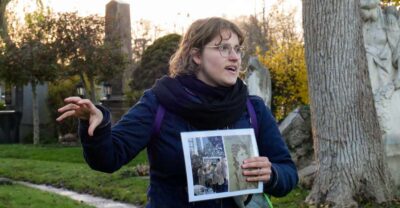
A wine tour shouldn’t feel like a shopping list. This one is about small, organic producers in the Danube/Kamptal region, with time to talk to the people making the wine.
I especially love the tight focus on craft: amphora-and-steel aging at Kapitel Zwei, a long-running family organic winery at Mantlerhof, and then the more experimental sparkler push at WeinSchach. You also get real vineyard context along the way, plus a short walk to a viewpoint at the Welterbesteig.
One consideration: the tour includes some walking and cellar time, so it’s not a great fit if you can’t comfortably go down into cellar spaces or you don’t like compact rooms.
In This Review
- Key Highlights You’ll Remember
- Why This Vienna Wine Day Feels Less Like a Tour Bus
- Price and Value: How $114.02 Makes Sense Here
- Kapitel Zwei Wine in Kremsleithen: Where Amphora Aging Meets a Replanted Slope
- Mantlerhof in Gedersdorf: The Manor, the Pond, and Long Organic Habits
- Weingut Feldtheorie at Schoenberg am Kamp: Natural Science Meets Kamptal Character
- WeinSchach Sparkling in Langenlois: The Pet Nat Experiment You’ll Understand
- The Welterbesteig Viewpoint Walk: Why the Finish Matters
- What the Tour Feels Like Day-to-Day: Pace, Rooms, and Cellar Time
- Who Should Book This Organic Winemaker Tour (and Who Might Skip It)
- Should You Book It? My Take on Making the Call
- FAQ
- How long is the tour?
- What’s the meeting point in Krems?
- Is pickup available?
- What language is the tour offered in?
- What should I expect at the wineries?
- Is the tour suitable for people with limited mobility?
- Does it include walking in vineyards?
- Is this a private tour?
- What is the cancellation policy?
Key Highlights You’ll Remember
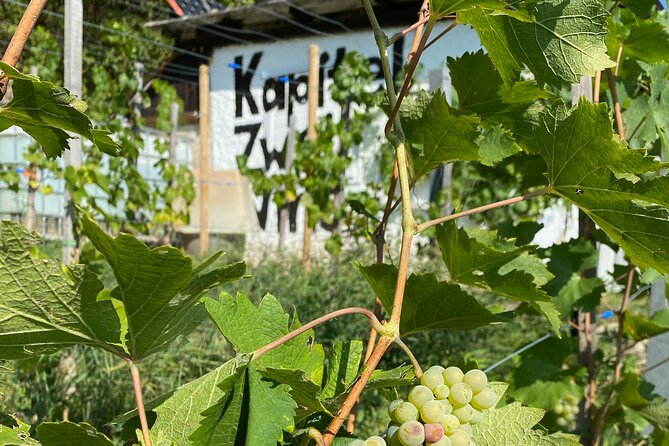
- Amphora-aged French varietals at Kapitel Zwei from a replanted vineyard site in Kremsleithen
- Organic Grüner Veltliner focus at Mantlerhof, a family winery traced back to 1365
- Kamptal’s Feldtheorie story, shaped by natural science studies and vineyard work in multiple countries
- Pet Nat experimentation at WeinSchach, made biologically with hand harvest and careful bottle work
- A vineyard viewpoint finish at the Welterbesteig with a quick scenic walk
Why This Vienna Wine Day Feels Less Like a Tour Bus
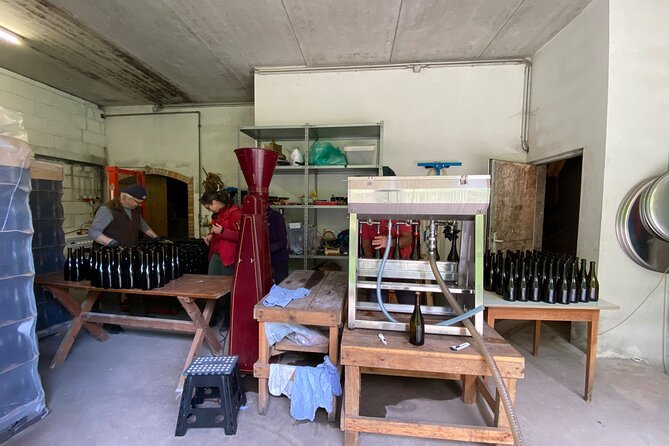
Vienna is great for grand sights. But for a different kind of day, you go a short distance into wine country and trade big-city pace for hands-on winemaking stories. This experience is built around a simple idea: visit small organic wineries, meet the people behind the bottles, and taste what they actually do.
The route follows the Danube corridor and then reaches into the Kamptal side of the wine map. You’re not stuck in the car for hours either. The plan is roughly 2.5 hours on the experience and about 30 minutes driving between stops, so most of your time is tasting, looking, and learning on site.
Also, this isn’t a giant group event. It’s listed as a private tour/activity, so it stays more conversational. That matters in wine country, because the best parts tend to be the follow-up questions you’d never get time for on a faster, louder tour.
You can also read our reviews of more tours and experiences in Vienna.
Price and Value: How $114.02 Makes Sense Here
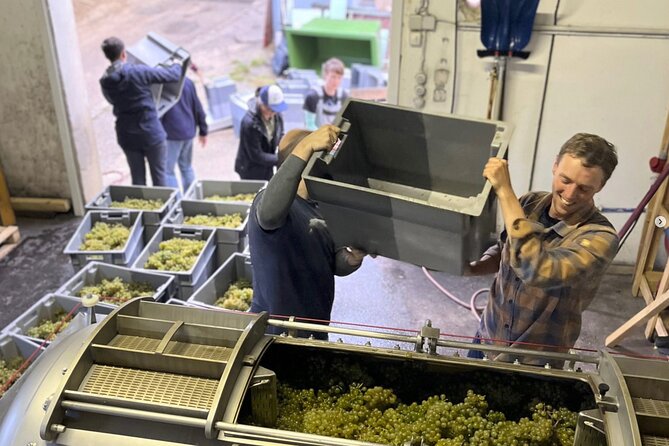
At $114.02 per person for about 3 hours, this isn’t the cheapest option. But it’s also not priced like a single winery visit with one quick pour. You’re paying for a day that strings together multiple producers, including a micro-winery and a sparkling-wine lab mindset.
Here’s why it can be good value:
- You’re seeing different approaches to organic production, from French varietals to classic Austrian whites to Pet Nat sparkle.
- Several stops are admission-ticket free on the itinerary, which helps keep your day from turning into a stack of add-on fees.
- You get a true “region” flow: vineyard story first, then cellar/craft, then a finish with a vineyard view.
If you’re traveling as a pair or small group, a private format usually improves the math. Even if the per-person price looks mid-range, you’re getting that time back in better pacing and more conversation per stop.
Kapitel Zwei Wine in Kremsleithen: Where Amphora Aging Meets a Replanted Slope
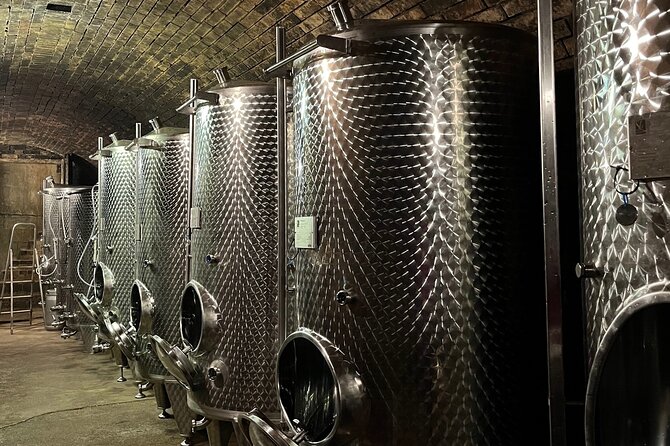
Your first stop climbs from sea level up about 400 meters through wine roads to Kremsleithen, a site with a real sense of place. The name itself points to the terrain: “Leiten” refers to the steep slope running down toward the river Krems.
The winery here, Kapitel Zwei, is described as an experiment in organically and sustainably growing French grape varietals—specifically Chenin Blanc, Roussanne, and Sémillon. What I like about this stop is how it ties three things together:
- the vineyard origin (a single vineyard or “ried” called Kremsleithen),
- the winemaking method (aging in amphora and steel tanks),
- and the time gap story (the slope was abandoned for decades, then replanted in May 2022).
That replanted detail matters. It gives you a chance to think about wine not just as a product, but as a long project. Even if you’re drinking something now, the vineyard decisions are years in the making.
So what might you taste or notice from this style? Amphora aging tends to bring a different texture and aroma expression than purely tank aging. Steel tanks often keep things tighter and fresher. With this stop pairing both, you get an easy way to compare how the same grapes can express themselves differently through vessel choices.
A practical note: since this is a micro-winery setting, expect a quieter, smaller scale. If you like talking shop with the winemaking approach in mind, this is a great entry point to Austrian organic wine.
Mantlerhof in Gedersdorf: The Manor, the Pond, and Long Organic Habits
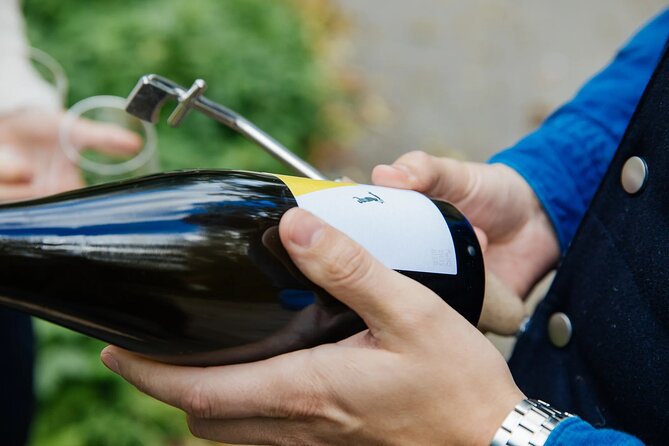
Next you head to Weingut Mantlerhof in Gedersdorf, near the river Kamp just before it merges with the Danube. This area feels classic Wachau-adjacent from the way the landscape is described: you can see lights of Krems to the west and spot the towers of Grafenegg to the east.
The setting is charming in a very specific way. There’s a pond in the village center, and on one side sits an old manor with an early classicist facade—Mantlerhof itself. This is the kind of place where you can see how wine sits inside everyday village space, not just inside a fenced-off visitor center.
Mantlerhof is family-owned and long-running. The family worked it for over 200 years, and winemaking roots are traced back to 1365. On top of that, they work 15 hectares of vineyards and produce long-lasting organic wines.
Their focus is on Grüner Veltliner and Roter Veltliner. That’s a smart pairing for you if you want something distinctly Austrian, but not locked into only one grape story. Gr üner Veltliner alone can be an education. With Roter Veltliner in the mix, you get a little more range in how local grapes can show different personality in the glass.
What you’ll likely enjoy here: the combination of “old place” and “organic ongoing work.” It’s less about gimmicks and more about habits—vineyard choices, fermentation and aging decisions, and consistency over time.
Weingut Feldtheorie at Schoenberg am Kamp: Natural Science Meets Kamptal Character
Then you move to Schoenberg am Kamp, tied to the Kamptal region. Here the winemaking story centers on Ulrike Filp and Robert Bormuth, along with their friends and family, behind Weingut Feldtheorie.
What I find compelling is the background. During studies in natural sciences, they discovered wine during a trip to New Zealand. After finishing studies, they pursued internships in Germany, Australia, and Austria before settling in Wachau. Later, when they had the chance to buy vineyard parcels in neighboring Kamptal, they did not wait.
Why this matters for you as a wine drinker: it gives you a winemaking mindset. Instead of only “tradition says so,” you get people who look at the vineyard and cellar as systems. They work cellar and vineyards with the goal of passing the uniqueness of Kamptal through their wines.
Even if you don’t know the technical vocabulary, you can still taste the outcome of that kind of approach. You’re essentially asking: do these wines feel like they belong to this place, or could they come from somewhere else? Feldtheorie is built to answer that question.
Small tip: ask how their scientific instincts show up in practical choices—like when they harvest, how they handle fermentation, or what they pay attention to in the vineyard. The story you get here tends to be more personal than generic winery descriptions.

WeinSchach Sparkling in Langenlois: The Pet Nat Experiment You’ll Understand
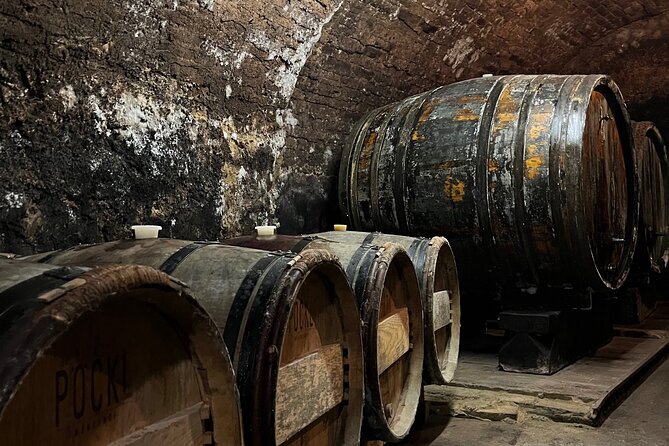
In Langenlois, the tour turns sparkling. You’ll visit WeinSchach, where the philosophy is simple: nature has what an extraordinary wine needs, and wine should unfold freely in the bottle.
The goal is a Pet Nat that sits on equal footing with the world’s great sparkling wines. That’s an ambitious statement, but it’s paired with an experimental plan. They describe experimenting to get to the bottom of possibilities, even when it means going back toward the start.
From a production standpoint, they work biologically and do hand harvest. They also mention they are hand harvested and de gorged, which points to specific sparkling-wine handling.
This stop is valuable because it breaks the “sparkling as a separate category” idea. You see how Austrian growers and makers approach sparkling as part science experiment and part craft discipline. You’re not just tasting bubbles. You’re tasting choices.
If you’ve only had mainstream sparkling before, this is where Pet Nat and the biological approach can make you rethink what you expect from bubbles. And if you already like Pet Nat, you’ll probably appreciate how this winery frames experimentation as part of quality—not as a lack of control.
The Welterbesteig Viewpoint Walk: Why the Finish Matters
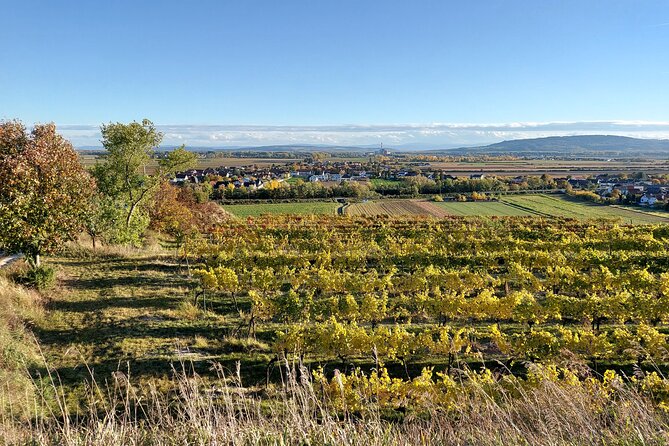
The tour ends with a short 7 to 10 minute walk through vineyards to a viewing point on Ausblick am Welterbesteig.
This is more than a photo break. It gives you a way to connect what you tasted with what you see. You can look at the vineyard slopes, the river corridor influence in the broader area, and how scattered these working landscapes can feel. In wine country, a view can be a kind of memory tool, helping you place aromas and textures back into the landscape they came from.
You don’t need to be a hardcore hiker. It’s short, but it is still a walk. If you’re okay with uneven ground and a little time on your feet, it’s a pleasant close to the day.
What the Tour Feels Like Day-to-Day: Pace, Rooms, and Cellar Time
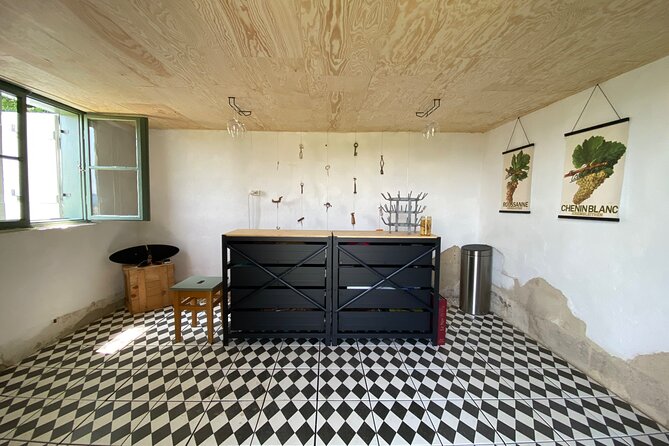
The structure is straightforward: a morning/early afternoon start window exists within the provider’s operating hours (listed Monday to Saturday, 12:00 PM to 7:00 PM), then a chain of stops with tastings and conversations, ending with that short viewpoint walk.
The itinerary also sets expectations for how intimate it is:
- Some venues are in small winery rooms/cellar spaces, so it’s not a huge open-plan tasting hall.
- The experience is not recommended if you can’t walk down into a cellar.
- There’s moderate fitness involved because of that walking and the vineyard walk at the end.
If you’re comfortable with compact spaces and you want wine that’s explained by the people making it, you’re in the right lane. If you prefer big, airy facilities and zero cellar time, you may find this format a bit intense.
Who Should Book This Organic Winemaker Tour (and Who Might Skip It)
This tour is a great match if you:
- love organic wines and want more than one interpretation of what organic can mean,
- enjoy tasting across styles, from Grüner Veltliner to sparkling Pet Nat,
- like meeting winemakers and vineyard owners in small settings where questions get answered.
It may be a miss if you:
- need fully step-free access or you know cellar steps are a problem for you,
- hate tight spaces and prefer large open tastings,
- don’t enjoy any walking at all (the tour includes some hiking and a short vineyard walk).
Also, if you’re a planner, this one is easy to fit into a trip. You can even handle it from Vienna with public transport: take the direct train to Krems (the ride along the Danube is part of the appeal), and meet at Krems train station. If you arrive by boat, you can meet at the boat station too.
Should You Book It? My Take on Making the Call
If you want a Vienna-area day that feels like wine country work, not wine country performance, I think you should book this. The big reason is the balance of craft variety and regional anchoring. You’re tasting multiple approaches to organic winemaking in a compact time window, and the stops are the kind where the story behind the bottle actually matters.
The best part for me is how the day moves from vineyard origin to cellar method to sparkling experiment to a viewpoint finish. That arc helps you understand Austrian wine in a more physical, place-based way.
If you’re on the fence, use this quick checklist:
- You’re okay with a short walk and at least some cellar access.
- You want organic producers, not just famous names.
- You’re interested in how techniques like amphora aging and Pet Nat methods show up in the glass.
If that’s you, this is the kind of trip you’ll remember when you’re back in Vienna, staring at a wine list and suddenly noticing how choices show up in taste.
FAQ
How long is the tour?
It’s listed as about 3 hours.
What’s the meeting point in Krems?
The tour starts at Bahnhofpl. 2, 3500 Krems an der Donau, Austria, and it ends back at the same meeting point.
Is pickup available?
Pickup is offered, and the meeting time and place can be flexible.
What language is the tour offered in?
It’s offered in English.
What should I expect at the wineries?
You’ll visit multiple small wineries and taste their wines as part of the experience.
Is the tour suitable for people with limited mobility?
It requires moderate physical fitness, includes some walking, and it is not recommended if you can’t walk down into a cellar.
Does it include walking in vineyards?
Yes. You’ll do some hiking during the day, and the final part includes a short 7–10 minute walk to a viewpoint.
Is this a private tour?
Yes, it’s a private tour/activity, meaning only your group participates.
What is the cancellation policy?
Free cancellation is available up to 24 hours before the experience’s start time for a full refund. If you cancel within 24 hours, the amount paid is not refunded.