REVIEW · VIENNA
Vienna: ‘Armenia In The Heart Of Austria’ Tour
Book on GetYourGuide →Operated by Ayrarat Tour · Bookable on GetYourGuide
Armenian Vienna is real, and it’s here. This Small Armenia tour takes you into the Mekhitarist Monastery, where art, faith, and scholarship sit side by side under one roof, guided by Father Vahan. The Mekhitharis Library portion alone makes the visit feel like a time machine, but in the most human, readable way.
I love how the Maria Schutz Church turns Armenian identity into visible details: the altar painting about St Mary’s protection of Armenia by Camillo Sitte, and the altar work dedicated to St Gregory the Illuminator designed by Theophil von Hansen. I also love the library-and-museum sweep, especially the scale of the collections: more than 2,800 Armenian manuscripts plus huge holdings of Armenian publications.
A possible drawback: it’s only 2 hours, and the focus is tightly on Armenian religious and cultural life in Vienna, not general sightseeing. If you’re after broad Vienna views or outdoor stops, you may want to pair this with something else.
In This Review
- Key highlights at a glance
- Where the tour begins: Mekhitarist Monastery in the heart of Vienna
- Maria Schutz Church: the interior is the point, not the postcards
- Loretto-Chapel and Mary with the Rose: baroque drama with a survival story
- The refectory’s Feeding of the Five Thousand: art that feels like a lesson
- Mekhitharis Library: 2,800 manuscripts and the thrill of documented memory
- Museum treasures: coins, Armenian-made crafts, and Aivazovsky paintings
- Mechitharine liqueur tasting: a tasting room with history baked in
- Price and time: does $84 make sense for two hours?
- Who should book this tour, and who might skip it
- Should you book “Armenia in the Heart of Austria”?
- FAQ
- FAQ
- Where is the meeting point?
- How long is the tour?
- What does the tour cost and what’s included?
- How big is the group?
- What languages are the tours offered in?
- What are the main places you visit during the tour?
- Is the tour suitable if you are not Armenian?
- Do I have to pay right away, and can I cancel?
Key highlights at a glance
- Maria Schutz Church (1874): art and architecture that explain Armenian presence in Vienna in plain, memorable scenes
- Altars by named artists: St Mary’s protection of Armenia (Camillo Sitte) and St Gregory the Illuminator (Theophil von Hansen)
- Loretto-Chapel’s Mary with the Rose: a baroque miraculous picture linked to the 1683 siege story
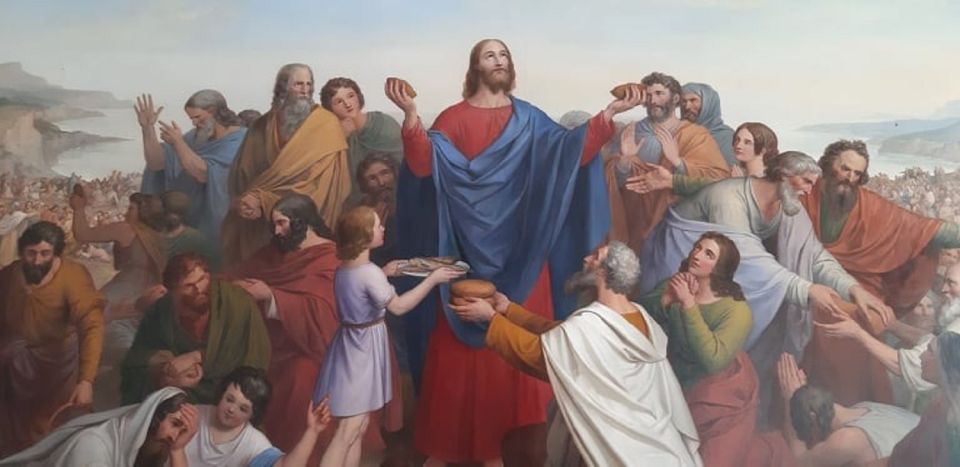
- Refectory painting: Ludwig Ferdinand Schnorr von Carolsfeld’s The Feeding of the Five Thousand
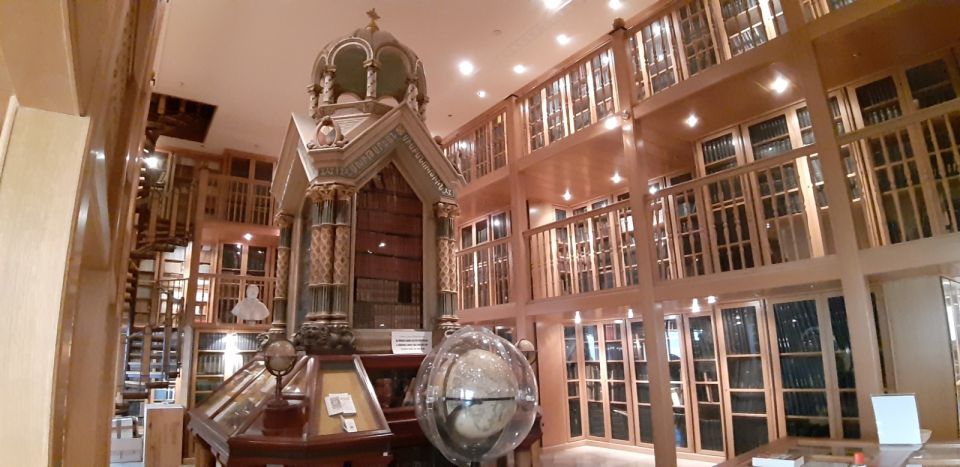
- Mekhitharis Library collections: over 2,800 Armenian manuscripts and major Armenian newspaper holdings in the Western world
- Mechitharine liqueur tasting: a final, flavorful way to connect culture to living tradition
Where the tour begins: Mekhitarist Monastery in the heart of Vienna
You meet in front of the main entrance of the Mekhitarist Monastery. Even before you step inside, the setting makes one thing clear: you’re not visiting a generic museum. You’re entering a working cultural and religious center of the Mekhitarist Congregation.
A small group (limited to 10) matters here. With fewer people, you’re more likely to get real answers instead of one-way talking. The guide works in Armenian, English, and German, and that flexibility is useful if your group includes different language comfort levels. Father Vahan’s presence comes through as warm and welcoming, with explanations that connect history to what you’re actually seeing.
This tour runs about two hours. That’s long enough to reach the church, refectory, and the library-and-museum highlights, plus a liqueur tasting. It’s also short enough that you’ll finish without feeling dragged through endless rooms—if you like structured pacing.
You can also read our reviews of more tours and experiences in Vienna.

Maria Schutz Church: the interior is the point, not the postcards
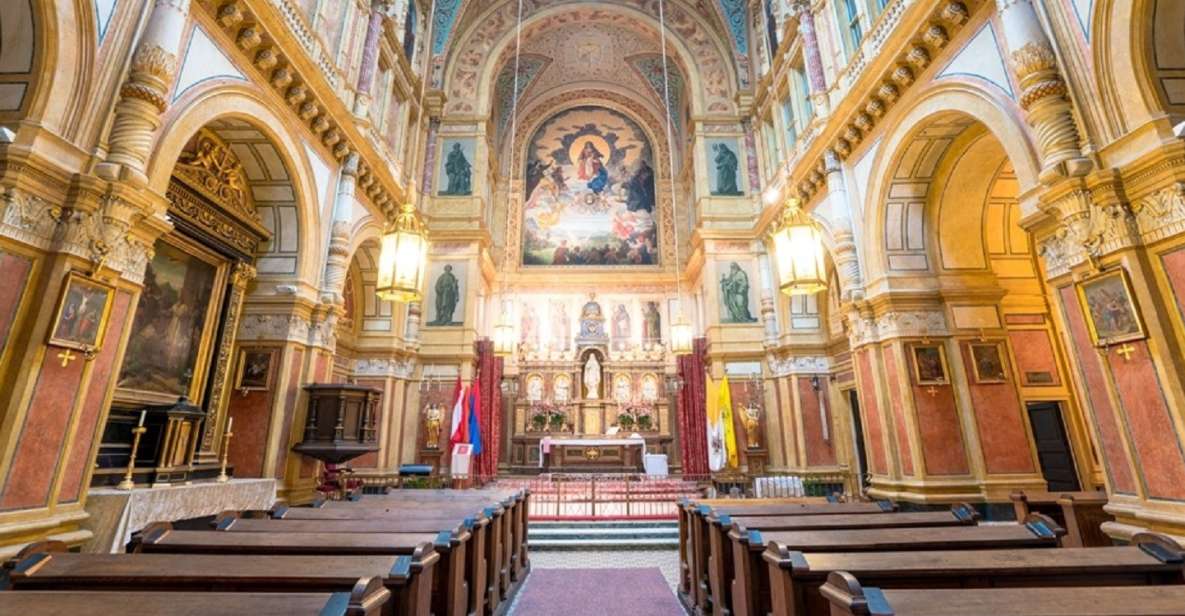
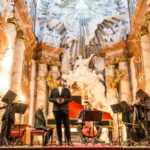
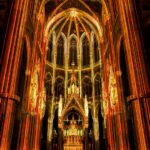
Maria Schutz Church was built in 1874, replacing an older Cappuccine church. That “replacement” detail is more than trivia. It frames the monastery’s evolution: Vienna changes, buildings change, but the Armenian community’s presence has kept shaping the spaces they occupy.
Inside, the guide walks you through the church with a storyteller’s rhythm—what you’re looking at, why it matters, and how the pieces relate to Armenian religious life. Two altar focuses are especially memorable.
First is the altar painting showing St Mary’s protection of Armenia, painted by Camillo Sitte. It’s a strong example of how devotional art can work like communication. You’re not just looking at a religious scene; you’re seeing a message about protection, identity, and belonging carried in visual form.
Second is the altar dedicated to St Gregory the Illuminator. The design work is attributed to Theophil von Hansen, the architect tied to major civic architecture in Vienna, including the Austrian Houses of Parliament. That connection helps you see the monastery as part of Vienna’s broader architectural story, even while it remains distinct in language, liturgy, and culture.
Practical note: the church interior is where the tour earns its keep. If you only glance at the highlights and move on, you’ll miss the way the guide ties the art to the monastery’s mission.
Loretto-Chapel and Mary with the Rose: baroque drama with a survival story
After the main church spaces, you continue into the Loretto-Chapel. Here, the standout is the baroque miraculous picture known as Mary with the Rose.
The key reason this chapel picture resonates is not just artistic style. It’s also the survival story linked to the Turkish siege of Vienna in 1683. You’re told it was fortunately rescued intact from the perils of that siege, and the guide uses that backdrop to give the image emotional weight beyond decoration.
What I like about this stop is how it turns a single artwork into a narrative anchor. You don’t need to be Armenian to follow the logic. The guide frames it like this: when a community preserves something meaningful through conflict, that preservation becomes part of the item’s meaning forever.
Also, this is the kind of scene where you might slow down naturally. If you enjoy chapel atmospheres and religious art details, this is a great moment to let the story land before moving on.
The refectory’s Feeding of the Five Thousand: art that feels like a lesson
Next you pass the refectory, where you’ll see a monumental painting by Ludwig Ferdinand Schnorr von Carolsfeld: The Feeding of the Five Thousand.
This painting does two things at once. It’s visually impressive, yes, but it also explains why monastery art often isn’t just about beauty. It’s about teaching, reflection, and the moral logic of faith—using scenes and symbols people can remember.
In a short tour, refectories can feel like filler. Not here. The painting’s scale and the way it’s presented make it feel like a “classroom” of the monastery, where the lesson is embedded in composition rather than spoken out loud. Even if your attention span is short, you’ll still notice the painting’s impact.
If you’re an art-history fan, pay attention to how the guide points out what to notice. If you’re not, that’s fine too. The guide’s goal is to help you understand the image without homework.
Mekhitharis Library: 2,800 manuscripts and the thrill of documented memory
Now you get to the reason book lovers perk up. The tour moves into the Mekhitharists Museum and Library, and you’ll walk through exhibitions designed for visitors, not just scholars.
The centerpiece is the Mekhitharis Library’s collection of Armenian works. You’re looking at more than 2,800 Armenian manuscripts, plus over 170,000 volumes of ancient and modern Armenian publications. On top of that, the monastery holds the largest collection of Armenian newspapers and magazines found in the Western world.
That last detail changes how you think about the library. It’s not only preserving ancient texts. It’s preserving modern voices and the ongoing record of Armenian life—news, commentary, culture, and community through time. For many visitors, that’s the moment the tour shifts from “beautiful places” to “why this matters.”
The guide also helps you connect the materials to real people. When you hear about coin holdings, ceramic work, carpets, and everyday objects tied to Armenian production, it stops being abstract. The manuscripts and printed volumes become part of a bigger cultural ecosystem.
If you love libraries, you’ll likely want more time than two hours allows. Still, this stop is a strong sampling platter: enough depth to understand the library’s importance without turning your legs to soup.




Museum treasures: coins, Armenian-made crafts, and Aivazovsky paintings
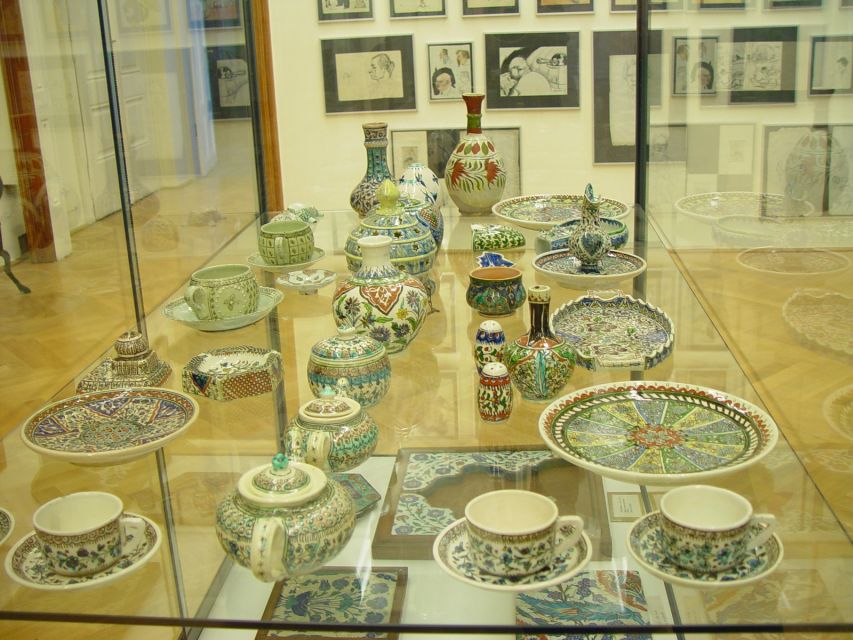
In the museum portion, the focus broadens from books into objects. You’ll see special features of the Mekhitharis collections, including a numismatic highlight.
The numismatic collection includes about 10,000 Armenian coins and around 20,000 coins from other countries. That’s a lot of counting, but the point isn’t math. It’s how money reveals trade, contact, power, and everyday exchange patterns across regions. Even if you don’t study numismatics, you can still appreciate how the monastery gathered and preserved these items.
You’ll also encounter ceramics, carpets, and other items mainly of Armenian production. Again, this is about texture and material culture—how Armenian life expressed itself not only in church art and manuscripts, but in practical craftsmanship.
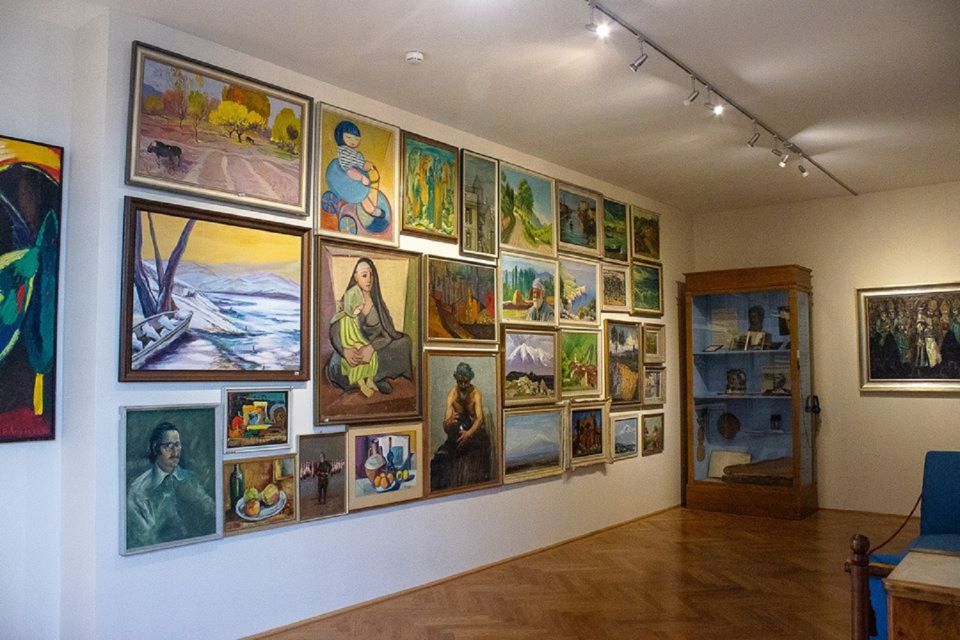
The gallery also includes valuable paintings by Armenian artists. One highlight is that you’ll see three paintings by Aivazovsky. This is a useful detail for visitors who want recognizable names but don’t want a generic art museum. The monastery doesn’t feel like it’s borrowing fame. It’s showing what the community has created and collected.
A good way to think about this section: it gives you context for the library. Books explain ideas. Objects show how people lived with those ideas—faith, identity, work, and art.
Mechitharine liqueur tasting: a tasting room with history baked in
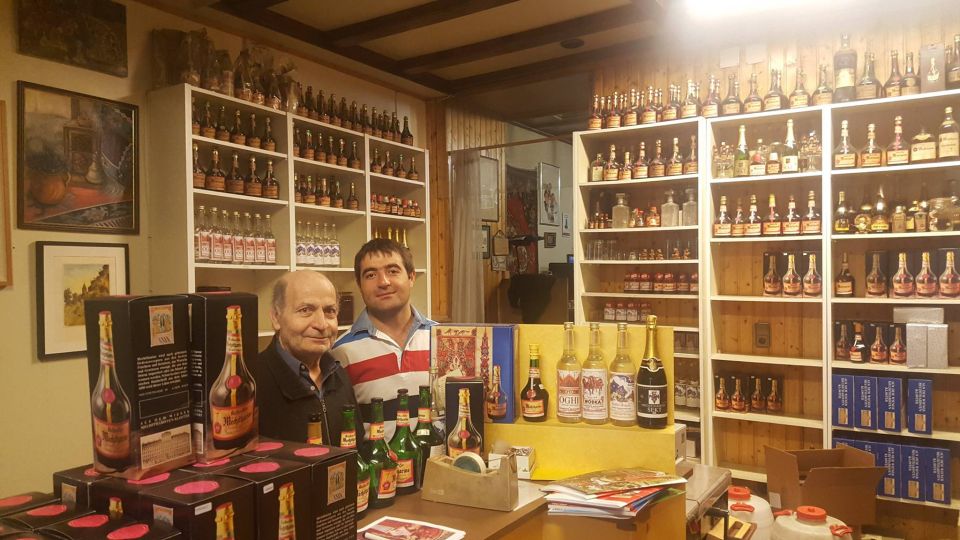
At the end, you taste high-quality Mechitharine liqueur. This finish is more than a sweet distraction. It’s a cultural translation method.
As you taste, you’ll learn about the unique taste and the history behind the liqueur—its families and the business side of how it became what it is today. That business-history angle matters because it grounds the monastery’s culture in real economic life, not just spiritual reputation.
The best part is that the tasting ties back to the monastery’s broader theme: preservation. Just like the library protects texts, the liqueur preserves a tradition of production and flavor linked to the community.
If you like food-and-drink moments that teach something, you’ll probably appreciate this more than you expect. If you don’t drink spirits, you can still enjoy the story; the tour is structured so you’re not left out of the cultural lesson.
Price and time: does $84 make sense for two hours?
At $84 per person for a two-hour small-group visit, you’re paying for access, guided interpretation, and included entrance fees plus the liqueur tasting. In other words, you’re not just paying for the building—you’re paying for the human layer that turns a church and collection into something you can actually understand.
The small group limit (up to 10) helps justify the price. It’s not a huge herd tour where you hear a few facts and then move on. You’re more likely to get questions answered, and that’s a major part of the value in places that require context like monasteries and libraries.
Is it worth it if you only care about one item, like the church? Maybe not. But if you want the full package—church art, the refectory painting, major Armenian library collections, museum objects, and a taste at the end—then the time and price align well.
My practical advice: plan this as a “culture anchor” during your Vienna stay. Think of it as one of your focused stops, not something you rush between bigger attractions.
Who should book this tour, and who might skip it
This tour is a great match if you like:
- Art and symbolism inside religious spaces, especially with named works and artists
- Libraries and cultural collections that preserve languages and newspapers, not only old manuscripts
- Focused group tours where you can ask questions without shouting
- A food-and-drink finish that connects tradition to everyday life
You might want to skip or pair differently if you:
- Want a long, general sightseeing loop around Vienna
- Prefer outdoor views and neighborhoods as your main travel memory
- Only want exterior church photos and nothing beyond the doorway
One more note: the tone of the experience feels welcoming even if you’re not Armenian. The guide explains the why behind everything, so you’re not left translating on your own.
Should you book “Armenia in the Heart of Austria”?
If your Vienna plans include at least one museum day and one “human history” stop, I’d book this. It offers a rare combo: a church interior tied to specific artworks, a refectory painting that carries a message, and a library-and-museum experience centered on Armenian documentation and objects. Then you end with Mechitharine liqueur, which makes the whole thing feel like a complete cultural loop.
Choose it with confidence if you want something authentic and specific rather than broadly “Vienna-famous.” Two hours may sound short, but the itinerary is built to hit the monastery’s most meaningful rooms without draining you.
FAQ
FAQ
Where is the meeting point?
Meet in front of the main entrance of the Mekhitarist Monastery.
How long is the tour?
The tour lasts about 2 hours.
What does the tour cost and what’s included?
The price is $84 per person. Entrance fees, guide service, and a liqueur tasting are included.
How big is the group?
It’s a small group limited to 10 participants.
What languages are the tours offered in?
The live tour guide is available in Armenian, English, and German.
What are the main places you visit during the tour?
You visit the Maria Schutz Church interior, the Loretto-Chapel (Mary with the Rose), the refectory (The Feeding of the Five Thousand), and the Mekhitharists Museum and Library.
Is the tour suitable if you are not Armenian?
Yes. The experience is described as welcoming and educational even if you are not Armenian, with a guide who shares the history and culture clearly.
Do I have to pay right away, and can I cancel?
You can reserve now and pay later. Free cancellation is available up to 24 hours in advance for a full refund.