REVIEW · VIENNA
Austrian Wine Tasting
Book on GetYourGuide →Operated by Wine Tasting Vienna · Bookable on GetYourGuide
Austrian wine can feel a bit intimidating until someone puts it into plain words. This 2-hour tasting in Vienna’s 2nd district turns that guesswork into a guided, friendly evening with six Austrian wines.
I especially like the fact that you get a serious education without a stiff vibe, plus you’re eating along the way with a charcuterie board that makes the wines easier to judge.
Another win: the experience is run in English by Stylianos, and the tone stays relaxed and discussion-friendly rather than lecture-only.
The only real drawback to note is the price: at $141 per person, it’s best viewed as a guided tasting meal, not just a quick sip-and-wander.
In This Review
- Key things that make this Austrian wine tasting worth your time
- Why Vienna’s 2nd District matters for Austrian wine
- The 2-hour format: six Austrian wines plus charcuterie pairing
- Stylianos in English: how this tasting stays personal
- What you’ll learn: regions, grapes, and how Austrian wine is made
- The charcuterie board: why the pairing works in real life
- Finding the meeting point in Vienna (and not stress about it)
- Who this Austrian wine tasting is best for
- Price and value: what $141 is buying you
- A realistic “what your evening will feel like” picture
- Should you book this Austrian Wine Tasting?
- FAQ
- What is included in the tasting?
- How long is the Austrian wine tasting?
- Is the tasting conducted in English?
- How many people are in the group?
- Where do I meet the group in Vienna?
- Is this activity suitable for children?
Key things that make this Austrian wine tasting worth your time
- Six wines in two hours, so you leave with real comparisons, not just one “favorite.”
- Stylianos in English, pairing wine stories with plenty of questions and conversation.
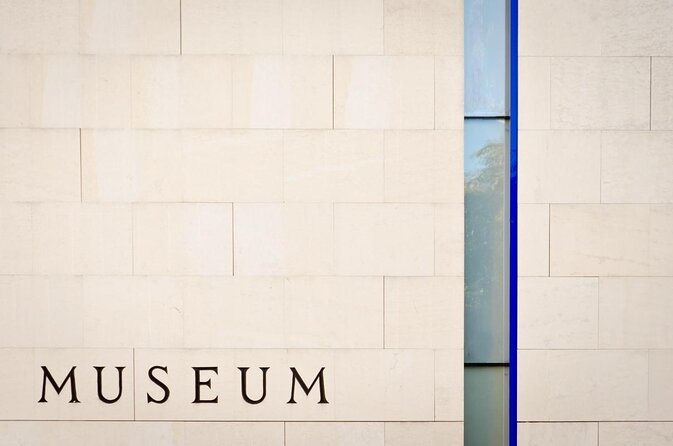
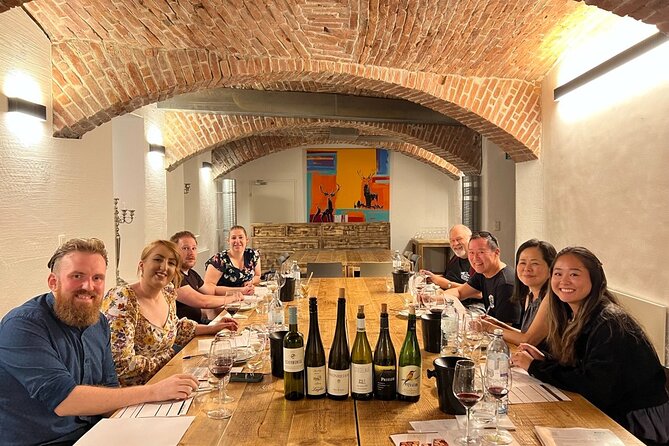
- A restored Wilhelminian-era setting in Vienna’s historic 2nd district, not a generic tasting room.
- Locally sourced cheeses, cured meat, and bread, built for wine pairing on the spot.
- Small group size (up to 8), which usually means you get more personal attention.
Why Vienna’s 2nd District matters for Austrian wine
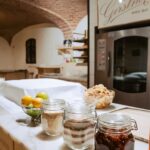
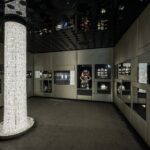
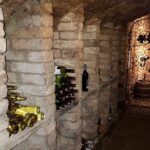
Vienna’s 2nd district has that feel of an older city that still moves at human speed. This tasting takes place in a restored traditional Viennese building dating to the Wilhelminian era, which instantly helps you slow down and focus on what’s in front of you.
I like that the setting doesn’t try to cosplay as a wine fantasy. It’s simply a historic part of Vienna where it makes sense to talk about Austrian traditions, including wine culture. If you’re planning to spend your days museum-hopping and café-crawling, this is a nice “evening with structure” option that still feels local.
And because the group is small, you’re not stuck performing for a crowd. You get to listen, ask, and compare, which matters a lot when you’re tasting multiple wines back-to-back.
You can also read our reviews of more food & drink experiences in Vienna

The 2-hour format: six Austrian wines plus charcuterie pairing
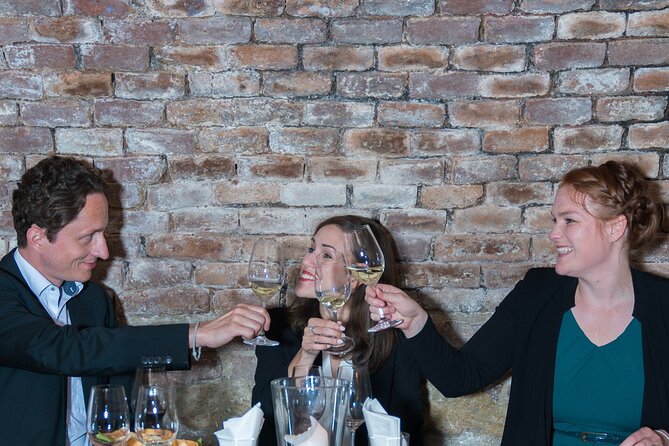
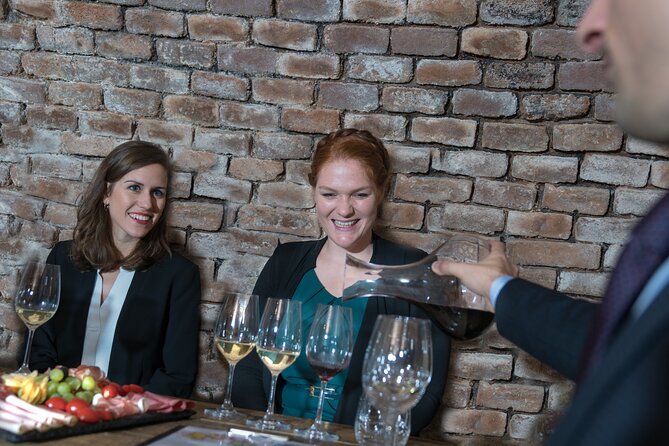
This is a tight, well-paced 2-hour session designed around 6 top-quality Austrian wines. You won’t be sitting around waiting for the “main event.” Instead, you work through a sequence where each pour is explained and then tasted in context.
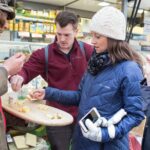
You also get still water and a charcuterie board with locally sourced cheese, cured meat, and bread. That pairing piece is more useful than it sounds. With wine, your first impressions can be messy if your palate is dry or numb from travel. Food helps you read the wine more clearly—salty, fatty, and savory flavors give you something concrete to compare against each style.
Practical takeaway: since you’re tasting multiple wines, you’ll want to treat it like a meal. Eat a light lunch beforehand, then go in hungry enough to enjoy the pairing without being stuffed.
Stylianos in English: how this tasting stays personal
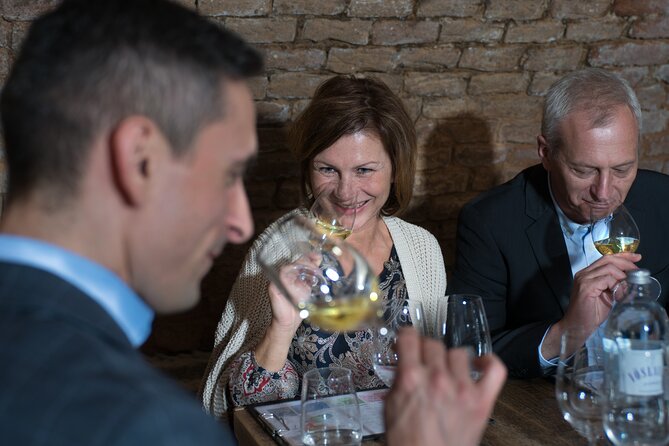
The experience is led in English, and the guide is more than a pour-and-point person. Stylianos runs the tasting in a way that invites conversation, not just attentive listening. Several people highlight how friendly he is, how easy it is to talk with him, and how the tone stays comfortable even when you’re in a small room.
One of the best signals is that the tasting can flex. If you want to learn about how Austrian grapes behave, how winemaking decisions show up in the glass, or how to order with confidence later, he can steer the discussion toward what you care about.
Even in cases where only one person booked, the experience didn’t fall flat. That tells me the structure is built to work whether there are a lot of questions or just a few. You’re not pushed aside waiting for the group to “arrive.”
What you’ll learn: regions, grapes, and how Austrian wine is made
You’re not just tasting Austrian wine as a novelty. The whole point is to understand what you’re tasting.
During the session, you can expect explanation about:
- Austria’s wine history
- Prominent Austrian wine regions
- Different production methods
- Local grape varieties
- How to interpret what you’re tasting, using the guide’s storytelling to connect style to place and process
This is where the value really shows. Vienna has plenty of wine on restaurant lists, but Austrian wines can be hard to decode if you only know a few labels. After six wines and guided comparisons, you’re more likely to recognize patterns—how sweetness levels, acidity, tannin feel, or aromatic styles might show up, and what to ask for when you’re browsing menus later.
If you’ve ever tasted something and thought, I liked it, but I can’t describe why, this is exactly the kind of lesson that helps you turn taste into usable knowledge.
The charcuterie board: why the pairing works in real life
The included locally sourced cheese, cured meat, and bread aren’t filler. They act like a tasting tool.
Cheese brings fat and salt. Cured meat adds smoky and savory notes. Bread gives you a neutral base. Together, they help you notice how each wine reacts to food rather than tasting it in isolation.
If you’re the type who orders wine based on vibes, this food-and-wine pairing will probably make you smarter faster than you expect. You’ll start to understand why certain wines seem to “fit” with Austrian flavors and meals, instead of tasting like separate worlds.
Also, because you’re in a small setting, the guide can help you connect what you’re eating to what you’re drinking. That’s the difference between a random glass-and-snack stop and a tasting that leaves you with a mental map.
You can also read our reviews of more wine tours in Vienna

Finding the meeting point in Vienna (and not stress about it)
The meeting point is:
Hollanstraße 10/1-3, 1020 Vienna
The entrance is to the left of the main door, next to the Italian restaurant SoFare.
This is the kind of detail that saves time. Vienna buildings can be tall, similar, and confusing when you’re standing on the street with a late-afternoon crowd. If you arrive a few minutes early and use that left-of-the-door clue, you’ll get settled quickly and avoid the “Did we go to the wrong place?” scramble.
Who this Austrian wine tasting is best for
This experience is a great match if you:
- Want a structured wine lesson without needing to visit a vineyard that takes more time to plan
- Like asking questions and getting real answers in plain language
- Enjoy tastings where the pace stays relaxed, not rushed
- Prefer small groups (limited to 8 participants)
It’s also a solid choice for wine beginners. You don’t need background knowledge to enjoy it, because the guide’s job is to translate Austrian wine into something you can actually use.
It’s not suitable for children under 16, so plan for an adults-only evening.
Price and value: what $141 is buying you
At $141 per person, this isn’t a bargain bucket tasting. But you are paying for several things at once:
- 6 Austrian wines (not one or two samples)
- Still water
- A charcuterie board with locally sourced food
- An English-led tasting with a guide who explains regions, grapes, and production
- A small-group format that supports conversation
If you price it mentally as wine plus food plus a guided lesson, it starts to look more reasonable. This is also the kind of activity you’ll feel later when you’re ordering wine in restaurants. Understanding what you’re looking at can save you from wasting evenings on bottles you don’t really enjoy.
If you’re visiting Vienna on a strict schedule and you want a high-return experience without traveling outside the city, this is one of those “spend a bit, save a lot of time” moves.
A realistic “what your evening will feel like” picture
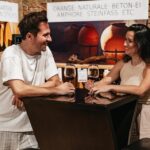
This tasting is described as relaxed and personal, and that matches what the best experiences usually do: they make you comfortable enough to taste honestly. People also note the room feels cozy and well lit, which matters more than you’d think when you’re trying to detect color, clarity, and subtle aroma differences.
You’ll likely come away with more than just preferences. You’ll have new vocabulary for ordering and discussing wine, and you’ll feel more confident talking about Austrian wine styles instead of guessing.
Should you book this Austrian Wine Tasting?
Book it if you want an English, small-group tasting that teaches you how Austrian wine works, not just what it tastes like. The combination of six wines, pairing food, and a guide who’s ready to talk through questions makes it a strong value for a 2-hour slot.
Skip it (or consider another option) if you mainly want a casual drink without instruction. This isn’t a quick pour at a bar. It’s a guided session built for learning and comparison.
FAQ
What is included in the tasting?
You get 6 top-quality Austrian wines, still water, and a charcuterie board that includes locally sourced cheese, cured meat, and bread.
How long is the Austrian wine tasting?
The experience lasts 2 hours.
Is the tasting conducted in English?
Yes. The instructor speaks English.
How many people are in the group?
It’s a small group limited to 8 participants.
Where do I meet the group in Vienna?
Meet at Hollanstraße 10/1-3, 1020 Vienna. The entrance is to the left of the main door, next to the Italian restaurant SoFare.
Is this activity suitable for children?
No. It’s not suitable for children under 16.