REVIEW · VIENNA
Vienna: Festive Season and New Year’s Eve Waltz Workshop
Book on GetYourGuide →Operated by Waltz in Vienna · Bookable on GetYourGuide
Waltzing in Vienna feels oddly calming. This Viennese waltz workshop uses the New Year ballroom tradition as the lens, so you’re learning more than steps—you’re learning how locals celebrate with their whole body. I like how it’s relaxed and easy to follow, even if you’ve never held a ballroom frame before. One heads-up: it’s only one hour, so it won’t turn you into a competition-level dancer.
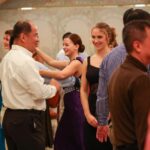
I also love the mood of the class: a small group, mostly beginners, with an international crowd that makes it feel safe to try, wobble, laugh, and try again. The setting matters too—this is taught in a private Waltz Hall, described as elegant and spacious, which helps you practice without that crowded, shoulder-to-shoulder stress.
Finally, the workshop takes etiquette seriously. You’ll learn the social rules and the basic “how you move together” stuff that makes the waltz work in real life, not just in your head. If you want drinks, snacks, or fancy outfit support, plan to bring your own—those aren’t included.
In This Review
- Key highlights you’ll actually care about
- Why the New Year Blue Danube waltz matters in Vienna
- Inside the 1-hour class: what you’ll do from check-in to final steps
- Viennese ballroom etiquette: the rules that make the waltz work socially
- Learning the original Viennese Waltz movements without getting lost
- Your practice space and music: why the room matters
- Is it worth $45 in Vienna for a 1-hour waltz workshop?
- Who should book this waltz workshop (and who shouldn’t)
- Practical tips so your hour goes smoothly
- Should you book this Vienna New Year waltz workshop?
- FAQ
- How long is the workshop?
- What does the $45 per person price include?
- What languages are offered?
- Where do I check in, and when should I arrive?
- What should I wear or bring?
- Is this suitable for children?
- Is the class wheelchair accessible?
- Are drinks, snacks, or shoe rentals included?
Key highlights you’ll actually care about
- Festive context for your steps: how the Blue Danube New Year tradition fits ballroom culture
- Clear coaching on original waltz movements: trained on the most important movements of the original Viennese Waltz
- Etiquette first, dancing second: learn what to do before the music starts
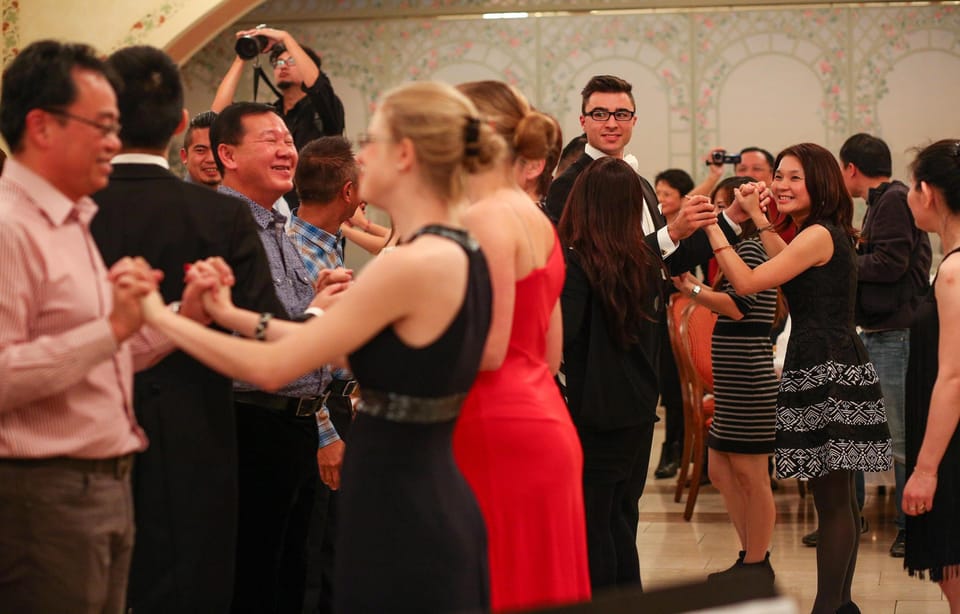
- Small-group, mostly-beginner friendly format: a safe space with community energy
- Private Waltz Hall + tailored music: music adjusted to the group’s needs
Why the New Year Blue Danube waltz matters in Vienna
In Vienna, New Year isn’t only a date on the calendar. It’s a social tradition where the right music and the right dance signal “we’re doing this together.” This workshop leans into that idea: you’re not studying ballroom history like a textbook. You’re learning how people welcome the new year through movement and manners.
The Blue Danube Viennese Waltz is the star here. You’ll hear about the custom—people, young and old, welcoming the year with the waltz while dancing with a loved one and wishing each other a great year ahead. Even if you’re not in Vienna on actual New Year’s Eve, that tradition gives your practice meaning. Your body starts to understand why the waltz is built the way it is: smooth, gliding, and designed for partnered flow.
That context is what turns a “dance lesson” into something more memorable. You’ll walk out with a small ritual you can recognize when you hear that music again in town—on a street corner, in a concert hall, or at a party.
You can also read our reviews of more tours and experiences in Vienna



Inside the 1-hour class: what you’ll do from check-in to final steps
The whole experience is designed to be short, focused, and friendly—60 minutes total. When you arrive, you’ll enter the Waltz School and check in at reception. The doors open 15 minutes before start time and close on time, so you’ll want to be there early enough to settle in and not feel rushed.
Once the session begins, the flow is practical:
- You start with an easy explanation of the seasonal traditions and how Viennese ballroom life works during the festive season and ball season.
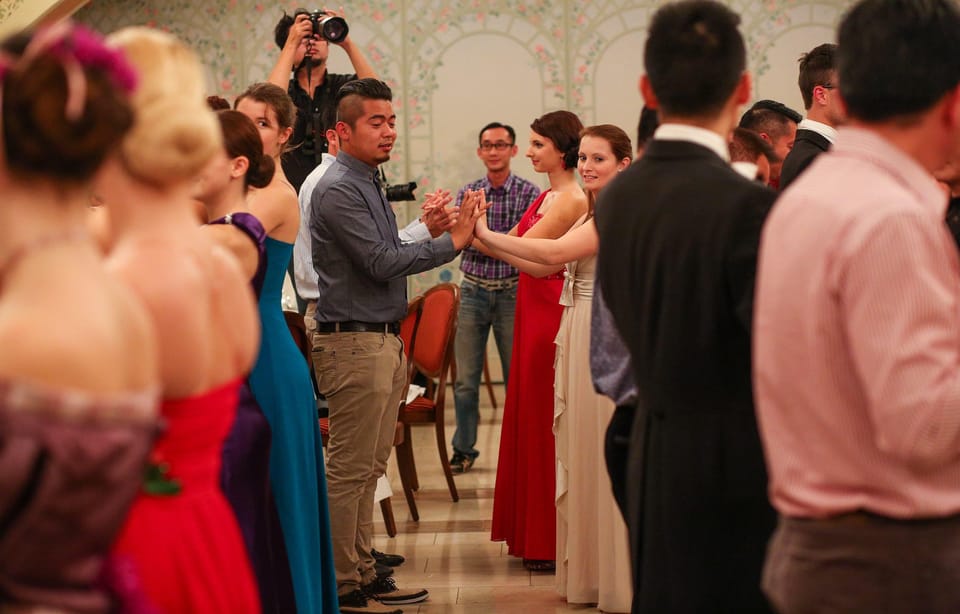
- Then you move into the teaching portion: Viennese ballroom etiquette plus the core movements of the original Viennese Waltz.
- Finally, you practice together with tailored waltz music that’s matched to the group’s needs.
There’s no long waiting around. It’s built for momentum—enough instruction for beginners, without stretching into a marathon. If you’re visiting Vienna for a few days and want one fun, “this is so local” activity that won’t swallow your afternoon, the one-hour format is a real advantage.
And when it ends, it finishes right back at the meeting point.
Viennese ballroom etiquette: the rules that make the waltz work socially
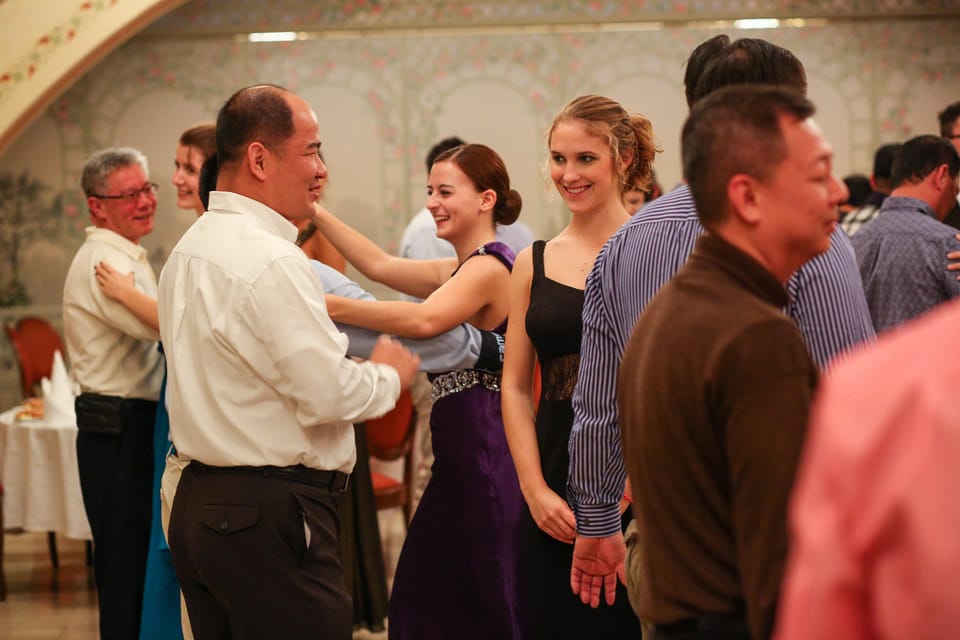
A lot of dance lessons focus only on footwork. This one adds something just as important: etiquette. In real ballroom life, etiquette is the difference between a chaotic dance floor and a smooth one.
You’ll get guidance on how to behave and how to move with the kind of confidence Viennese ballroom tradition expects. That includes understanding the partnered nature of the dance—how you approach a partner, how you hold a frame, and how your timing should feel so you’re leading and following without forcing.
The lesson’s tone is relaxed and easy-to-understand. That matters because etiquette can sound stiff on paper. Here, it’s translated into simple, doable behaviors you can apply right away.
Also, learning etiquette alongside movement helps your brain. When you know what you’re supposed to communicate with your posture and connection, your steps make more sense. You stop thinking only about where your feet go and start thinking about how the couple flows.
Learning the original Viennese Waltz movements without getting lost
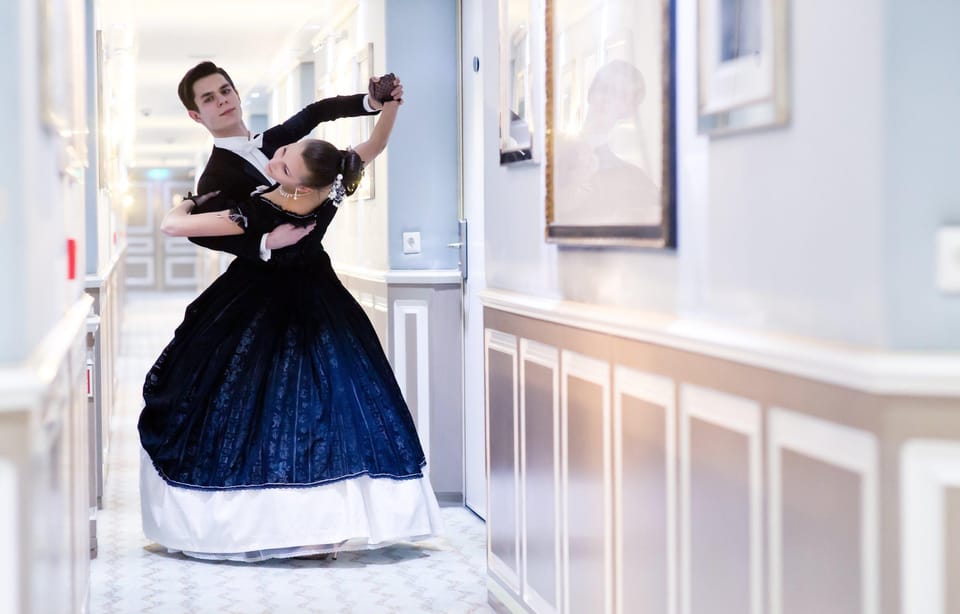
This workshop trains you on the most important movements of the original Viennese Waltz. Translation: you’ll focus on the essentials that actually create that classic waltz look—smooth turning, controlled direction changes, and a partnered movement style that feels calm rather than frantic.
Because it’s a beginner-friendly class, you won’t be asked to master a full “show routine.” Instead, you’ll learn the core mechanics and then practice them with the group. The goal is progress you can feel within the hour, not perfection you’ll never reach.
One detail I think is a big deal: you’ll have a safe practice setup with a great community feel. That’s not a marketing line you can ignore. In a waltz, small timing errors show up fast. A supportive environment makes it much easier to correct those errors instead of freezing up.
In at least one recent class, the instructor—Aga—was praised for being poised and clear with directions. The coaching style included patient answers and precise demonstrations. That kind of teaching is exactly what helps when you’re trying to wrap your mind around the movement for the first time.
Your practice space and music: why the room matters
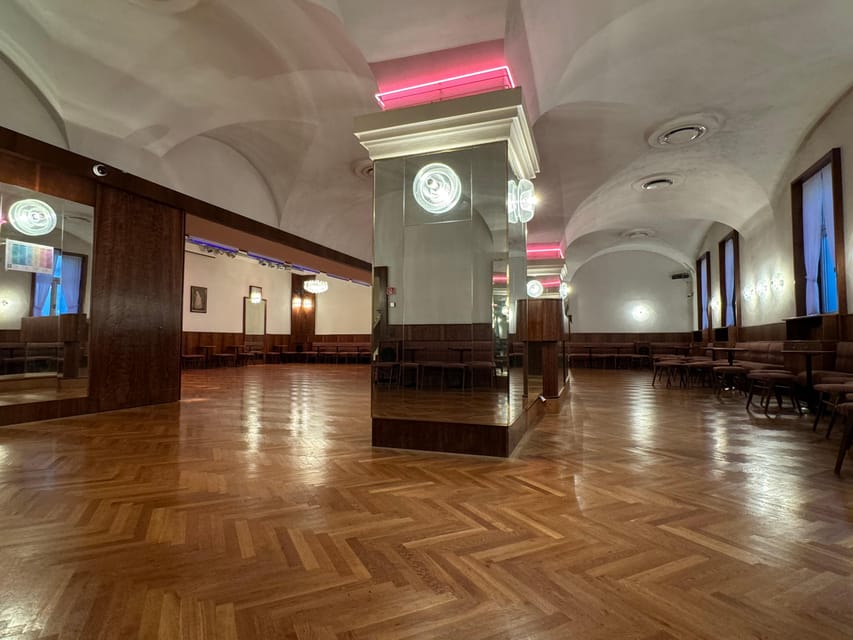
The class takes place in a private Waltz Hall. You’ll want to pay attention to that, because ballroom dancing is physical and relational—you need room to move and enough space around you to turn without bumping into people.
The hall is described as elegant and spacious, which helps in two ways:
- You can practice turns and basic couple motion without feeling trapped.
- You can focus on your own connection rather than constantly correcting around other pairs.
Then there’s the music. You’ll use tailored waltz music designed to match what the group needs. That’s huge for beginners. If the tempo is too fast or the phrasing too complicated, learning falls apart. Tailored music keeps the class moving forward at the right speed so you can actually absorb the movements.
The result is a workshop that feels like practice, not just instruction. You’ll leave with that “I can do this” feeling that makes Vienna’s ballroom tradition more than just a story.





Is it worth $45 in Vienna for a 1-hour waltz workshop?
Let’s talk value. $45 for one hour sounds like a simple number, but it’s really about what you get for that hour.
Here’s what’s included:
- A 1-hour workshop focused on Viennese waltz and ball tradition
- Explanation of Viennese ballroom etiquette
- Training on original Viennese waltz movements
- Small group setting in a private Waltz Hall
- Tailored waltz music for the group
- Certified English and German speaking instructor
For a city like Vienna, dance instruction isn’t cheap. But the structure here is efficient: you’re not paying for time-wasting transitions. You’re paying for instruction plus a practice environment plus music that supports beginners.
You’re also paying for authenticity of focus. The lesson isn’t generic ballroom dancing. It’s specifically Viennese ballroom tradition with the festive season and New Year connection.
The only cost is what’s not included: no drinks or snacks, and no shoe or outfit rental. If you show up in comfortable shoes and clothes, you avoid extra spending and keep it simple.
So, if you want a meaningful Vienna experience in a short window, this price feels reasonable. If you want a long, multi-session transformation, you might feel like it’s a taste, not a full course. That’s the trade.
Who should book this waltz workshop (and who shouldn’t)
This is a great fit if:
- You’re a beginner or returning dancer who wants clear guidance
- You want a social, community-style class with international people
- You like learning a cultural tradition through an activity you can do with your body
- You have limited time and still want something distinctly Vienna
It’s not suitable if:
- You’re traveling with children under 10
- You use a wheelchair
- You have pre-existing medical conditions
Also note: you’ll need to wear comfortable shoes and comfortable clothes. If you’re expecting a full “night out” outfit upgrade, you’ll be disappointed—rental of shoes or outfits isn’t included.
Practical tips so your hour goes smoothly
A one-hour class can feel intense only if you’re unprepared. Here are the small things that make a real difference:
- Wear comfortable shoes meant for movement. Don’t wear anything that pinches or slides.
- Choose comfortable clothes you can move in easily while turning and stepping in a frame.
- Arrive early enough to check in without stress. Doors open 15 minutes before start and close on time, and late arrivals can be treated as a no-show.
- If you’re shy, that’s normal. The group is small and mostly beginners, and the whole format is set up to keep it friendly.
If you do those basics, you’ll get the best version of the experience: learning with less mental friction.
Should you book this Vienna New Year waltz workshop?
If your goal is a short, meaningful Vienna activity—something local, social, and hands-on—yes, I’d book it. The combination of festive tradition, etiquette, and original Viennese waltz movements makes the lesson feel more grounded than a generic “dance trial.”
Book it especially if you’ll enjoy learning in a relaxed way with a group that isn’t judging. You’re practicing in a private hall with tailored music, so beginners get a fair shot.
Skip it if you need long instruction, you’re looking for a full performance-style routine, or you can’t participate due to the stated suitability limits.
In short: if you want to connect Vienna’s New Year vibe to something you can actually do, this workshop is a smart use of time.
FAQ
How long is the workshop?
The workshop lasts 1 hour.
What does the $45 per person price include?
It includes the 1-hour Viennese waltz & ball tradition workshop, an explanation of Viennese ballroom etiquette, training on the original Viennese waltz movements, use of a private Waltz Hall, tailored waltz music for the group, and a certified instructor who speaks English and German.
What languages are offered?
The instructor speaks English and German.
Where do I check in, and when should I arrive?
You enter the Waltz School and check in at reception. Plan to arrive on time since doors open 15 minutes prior and close on time.
What should I wear or bring?
Bring comfortable shoes and comfortable clothes.
Is this suitable for children?
It is not suitable for children under 10 years old.
Is the class wheelchair accessible?
No. It is not suitable for wheelchair users.
Are drinks, snacks, or shoe rentals included?
No. Drinks and snacks are not included, and rental of shoes or outfits is not included.