REVIEW · VIENNA
Vienna for Food Lovers: Cafés, Markets & Austrian Cuisine
Book on Viator →Operated by Intrepid Urban Adventures - Austria · Bookable on Viator
Vienna tastes better with a local guide. I love the mix of markets and coffee stops, and I love that you get help deciphering menus when everything’s in German. The only real drawback is that you’ll be eating pastry-heavy favorites, so if gluten is an issue, plan carefully.
This is a smart half-day for getting bearings fast: you pass big sights like St. Stephen’s Cathedral, then move through neighborhoods using public transport. Expect generous samples, a classic café moment, and a real Austrian meal—done at a pace that keeps you full (not fried).
In This Review
- Key Things That Make This Tour Worth Your Appetite
- Why This Vienna Food Route Feels Effortless (Even for First-Timers)
- Starting at Graben and Kohlmarkt: Elegance in Your First 15 Minutes
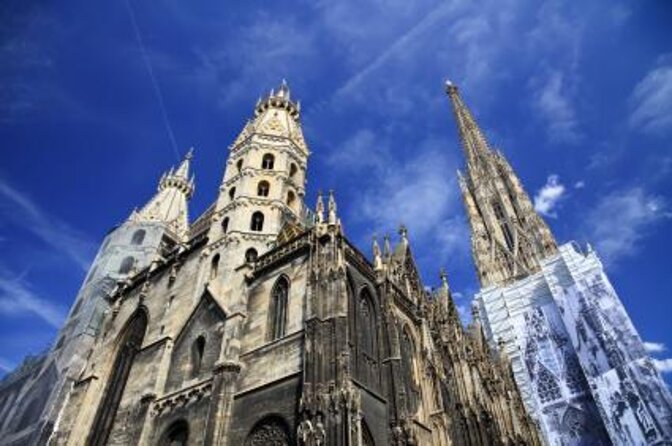
- Stephansplatz and St. Stephen’s Cathedral: The Landmark Anchor
- Reumannplatz and Groissböck: A Proper Sweet-and-Coffee Reset
- Brunnenmarkt and Market Culture: What to Do at Vienna’s Long Street Markets
- Café Korb: The Strudel and Coffee Stop That Changes the Pace
- Würstelstand: Vienna’s Street Food You Can’t Skip
- The Hearty Lunch Moment: Schnitzel, Goulash, or Vegetarian Choices
- How Public Transport Fits Into the Food Day (and Why It’s a Smart Choice)
- What You’ll Taste: The Real Flavor Map of Austrian Eating
- Dietary Reality Check: Vegetarian and Vegan Are Welcome, Gluten Is Harder
- Price and Value: What $159.08 Really Buys You
- Small-Group Energy: Why the Guide Matters (and Who to Watch For)
- Who Should Book This (and Who Might Want a Different Day)
- Should You Book This Vienna Food Lovers Tour?
- FAQ
- How long is the Vienna food tour, and what time does it start?
- Where do we meet, and where does the tour end?
- Is the tour mostly walking or using public transport?
- What food is included?
- Are vegetarian or vegan travelers welcome?
- Can the tour accommodate gluten allergies?
- What’s the street food stop like?
- Is the group small?
- Is the tour environmentally responsible?
Key Things That Make This Tour Worth Your Appetite
- Menu help so you can order with confidence instead of guessing
- Coffeehouse + pastry focus with real Vienna tradition, not tourist shorthand
- Two market streets (Naschmarkt and Brunnenmarkt) for produce, sweets, and everyday life
- Hearty Austrian lunch with choices like schnitzel or goulash, plus wine or beer
- Street food culture at a traditional würstelstand with mustards and pickles
- Small group size (max 16) for personal attention
Why This Vienna Food Route Feels Effortless (Even for First-Timers)

This tour is built around a simple idea: eating is the easiest way to understand a city. Vienna’s food culture isn’t just about dishes—it’s about timing, places, and the rhythm of coffeehouses and markets. When your guide explains what you’re looking at, you stop treating lunch like a schedule task and start treating it like a story.
You also get a practical walking-plus-transport flow. You do stroll through historic streets like Graben and Kohlmarkt, but you’re not stuck doing the entire day on foot. That matters in Vienna, where neighborhoods feel close on a map but different on the ground.
One more thing: you’re not just sampling sweets in a vacuum. The day ties pastry and coffee to the rest of Austrian eating—savory bites, hearty lunch options, and street-food staples that locals grab when they’re on the move.
You can also read our reviews of more food & drink experiences in Vienna

Starting at Graben and Kohlmarkt: Elegance in Your First 15 Minutes
You’ll begin on one of Vienna’s most elegant shopping corridors, where the architecture does part of the job for you. Graben and Kohlmarkt sit right in the historic center, so you immediately get a feel for how central Vienna’s streets are to everyday life—not just sightseeing.
This is also a good setup for the food part of the day. In the first stretch, you’re seeing old landmarks while your stomach is still empty enough to appreciate what comes next. It’s a clever order: walk the beautiful bits first, then earn the snacks.
Stephansplatz and St. Stephen’s Cathedral: The Landmark Anchor
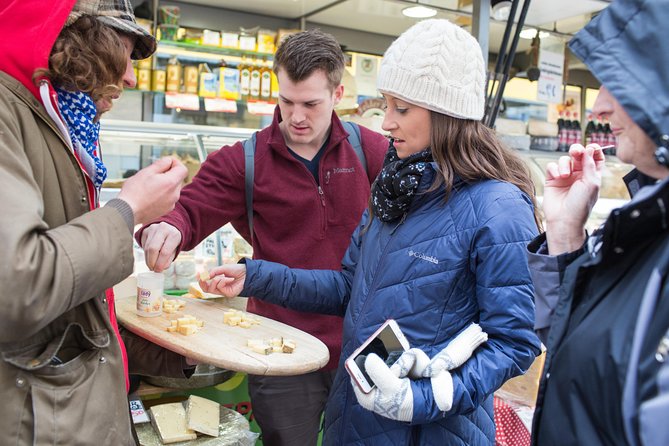
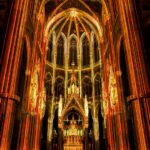
Next up is Stephansplatz, with St. Stephen’s Cathedral nearby. You’ll spend time in the square because it’s not only iconic—it’s a natural meeting point for understanding central Vienna’s layout.
What I like about including this stop early is that it gives you a mental anchor. Once you’ve placed the cathedral and the square in your mind, everything that follows—markets, districts, and café neighborhoods—starts feeling connected instead of random.
Even if you’ve seen cathedral photos before, being there in person changes the scale. It’s the kind of stop that makes the rest of the day feel more “Vienna” and less like a string of restaurants.
Reumannplatz and Groissböck: A Proper Sweet-and-Coffee Reset
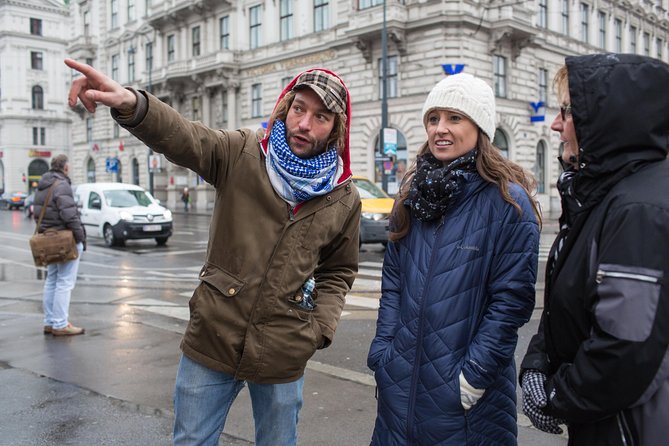
Then you head toward Reumannplatz, a citizen square created in 1872 as Vienna grew outward. It’s a nice contrast to the imperial center: you’re seeing Vienna as a lived-in city, not only a postcard.
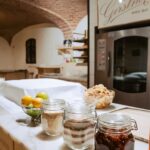
From there, the day turns into dessert mode at Groissböck. Expect Viennese sweet confectionery creations and freshly roasted coffee. This is where the tour really helps you in a practical way: Viennese pastry culture can look intimidating if you don’t know what’s what. With menu support, you can focus on choosing based on taste instead of translating every word.
The time here is built in (around 35 minutes), so it’s not a fast “grab and go.” You’re meant to sit, taste, and learn how Viennians pace their café breaks.
Tip: If you’re someone who usually thinks coffee and cake is a small treat, prepare for the fact that Austrian cafés can turn into full-on experiences here.
Brunnenmarkt and Market Culture: What to Do at Vienna’s Long Street Markets
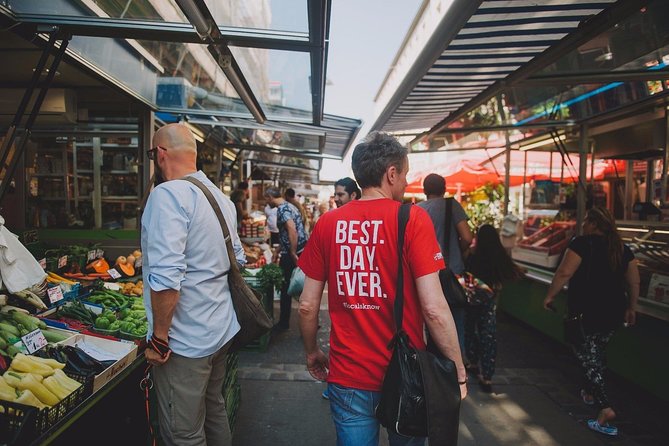
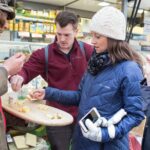
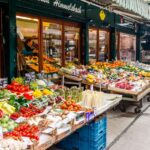
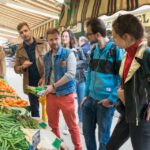
Now the tour shifts into market life at Brunnenmarkt, described as Vienna’s longest street market and known for multicultural character in the 16th district. This is one of my favorite types of stops on food tours because markets show you two things at once: ingredients and local habits.
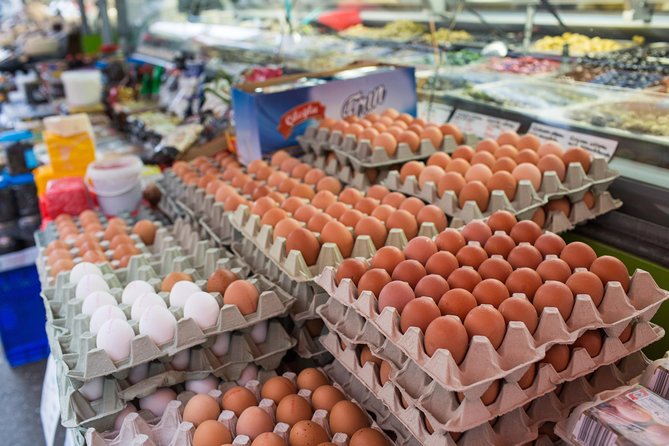
You’ll have time to browse stalls of colorful produce, sweet treats, and homewares. That variety matters. Even if you only plan to eat, scanning what people buy tells you what Vienna values right now—fresh basics, treats for later, and practical shopping done outdoors.
This market stop also sets you up for what’s next: the flavors you taste will make more sense once you’ve seen the range of what’s sold.
You can also read our reviews of more tours and experiences in Vienna

Café Korb: The Strudel and Coffee Stop That Changes the Pace
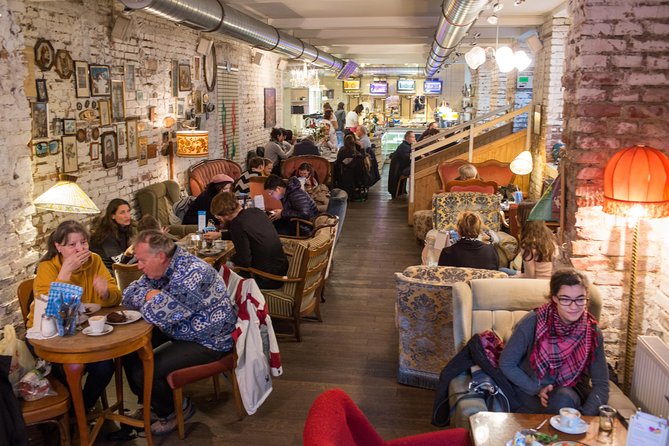
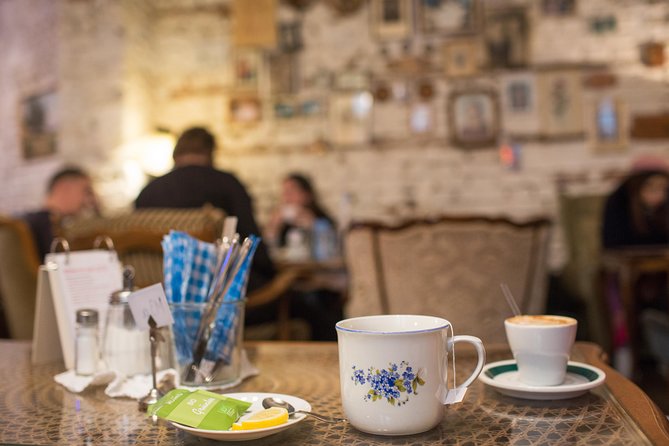
After the market energy, you’ll visit Café Korb for a traditional Viennese coffee and strudel in a café that locals still like. This is a smart pacing decision: street markets can be loud and fast, so you need a calmer pause.
The strudel choice matters because it’s one of the most Vienna-specific pastries you can eat. And since the tour aims for authentic taste—not just convenience—you’re getting the café ritual: coffee, pastry, and conversation.
In reviews from different guide names over time, one consistent point shows up: the guide tends to explain context, not just serve food. If you’re lucky and your guide is someone like Christoph, Maria, Patrick, Verena, or Wolfgang, you’ll likely get the history woven into why these café places matter in daily life.
If you want a memorable “Vienna moment,” this stop is one of the best chances.
Würstelstand: Vienna’s Street Food You Can’t Skip
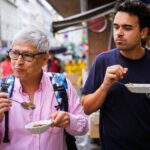
Next comes a traditional würstelstand, where you sample Austria’s beloved sausage street food culture. This isn’t fancy food—it’s fast, focused, and deeply local.
What makes it worth a stop in a tour is the learning curve. Vienna sausage stands can feel simple until you’re ordering, and then you realize it’s all about the details: mustard styles, pickles, horseradish flavors, and the way they balance savory meat with sharp, tangy sides.
You’ll spend about 15 minutes here, which works well because it’s a “small stop with big payoff.” You get enough time to eat and learn without it swallowing your whole afternoon.
Tip: If you’re the kind of person who hates experimenting, you’ll still have a good time here because the stand format is built for easy ordering.
The Hearty Lunch Moment: Schnitzel, Goulash, or Vegetarian Choices
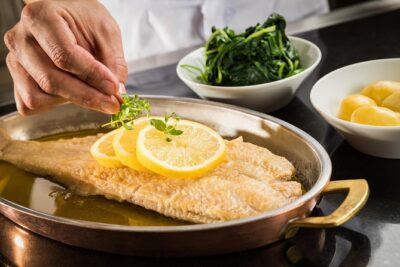
Food tours earn their keep when the lunch is actually worth ordering. This one includes a hearty Austrian lunch, with options like schnitzel, goulash, or vegetarian dishes, plus a glass of locally produced wine or beer.
That choice list matters because it covers the Vienna spectrum: crispy comfort food (schnitzel), slow-simmer comfort (goulash), and a vegetarian path that doesn’t feel like an afterthought.
You’ll also taste additional items and samples across the day—so lunch isn’t just one big plate. It’s part of a broader tasting flow that includes street-food bites, pastries with coffee or tea, and warm dessert.
Practical advice: Don’t treat the day like “snack all afternoon.” It’s more like a controlled feast, and the lunch is the central course.
How Public Transport Fits Into the Food Day (and Why It’s a Smart Choice)
One reason this tour works so well for most people: you’re practicing Vienna the way locals do. You’ll explore multiple neighborhoods using public transport, which helps you later when you’re on your own.
And yes, weather can mess with plans anywhere in Europe. Here, the structure still keeps things moving, since parts of the route are designed to connect you to different eating areas without turning it into an all-day grind of walking.
In guides’ words as shared over time, the recurring theme is that they help you understand transit basics—what to watch for, where to get on, and how to stay together. That’s huge if you’re new to Vienna and don’t want to waste a day figuring out metro logic while your hunger clock is ticking.
What You’ll Taste: The Real Flavor Map of Austrian Eating
This isn’t only about one kind of food. It’s a spread of Austrian eating habits you can actually remember.
Here’s the general flavor map you can expect:
- Coffeehouse pastry pairing: a seasonal strudel with tea or Viennese coffee
- Sweets and roasted coffee: at Groissböck and a strudel café stop later
- A true lunch course: schnitzel, goulash, or a vegetarian main
- Street-food staples: würstelstand items with classic sides like mustard and horseradish
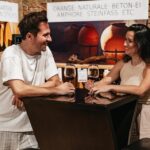
- Wine or beer at the meal: a locally made pairing to keep it feeling Austrian, not generic
Even if you’re not a “foodie” person, this lineup gives you a complete taste of Vienna: café culture, hearty cooking, and street snacking.
Dietary Reality Check: Vegetarian and Vegan Are Welcome, Gluten Is Harder
Good news first: vegetarian and vegan guests are welcome. That’s not always true on pastry-heavy tours, so it’s worth appreciating.
Gluten is the harder part. Since Austrian cuisine (and the pastry culture) leans strongly on flour-based sweets, gluten allergies can be difficult to accommodate. If you fall into that category, I’d plan to speak with your guide early and be ready with expectations.
Also note that the tour includes lots of pastry and sweet tasting. Even if you’re not strictly gluten-free, you’ll likely want to go in knowing this is not a light tasting day.
Price and Value: What $159.08 Really Buys You
At $159.08 per person for about 6 hours, you’re paying for more than a walking route. You’re paying for a guided “eating plan” across multiple districts, including:
- coffee and pastry stops
- a hearty Austrian lunch (main course)
- wine or beer with the meal
- street-food tastings
- market time with browsing and sample-style eating
So the value math is simple: if you were going to eat a full lunch plus multiple cafés plus one or two markets on your own, you’d likely spend close to the same range—then add time, effort, and decision stress. This tour removes the decision fatigue by making the “what to eat next” part the guide’s job.
Small-group size also helps with value. With up to 16 people, you get more attention than you would on big group tours where food lines move slower.
Small-Group Energy: Why the Guide Matters (and Who to Watch For)
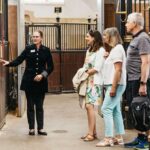
This tour is maximum 16, and that changes the whole feel. You’re not fighting for space around tables. You can ask questions about menus and food choices, and you actually learn as you eat.
Over time, certain guide names come up again and again in strong terms—Chris (Kristof), Christoph, Maria, Patrick, Wolfgang, Verena, and MaryAnn. The consistent praise isn’t just about friendliness. It’s about pacing, keeping the group engaged, and making sure you’re fed without rushing.
If you care about getting context—why a café matters, why a market looks the way it does, why certain pairings show up—this is where the guide becomes the difference between a meal and an experience.
Who Should Book This (and Who Might Want a Different Day)
This is a great fit if you:
- want a first-day orientation to Vienna’s layout through food and neighborhoods
- love coffeehouses, pastries, and market browsing
- want a balanced day with both sweets and savory bites
- appreciate a small-group pace with public transport support
You might think twice if you:
- have a serious gluten allergy (accommodations are harder given the pastry-heavy nature)
- want a strictly “light” tasting day
- prefer food that’s mostly non-pastry based
It’s also described as best suited for adults and older children, with a note that it’s not recommended for children under 12.
Should You Book This Vienna Food Lovers Tour?
I’d book it if you want a fast, tasty way to understand Vienna beyond the main sights. The mix of classic café culture, two market stops, street food, and a hearty lunch makes it feel like a full slice of the city’s food identity—not a single restaurant with a few extras.
If you’re going, go hungry, wear comfortable shoes, and expect pastry-heavy moments in the middle of the day. If that works for you, this tour is one of the simplest ways to turn a half day into a lot of Vienna flavor you can actually recall later.
FAQ
How long is the Vienna food tour, and what time does it start?
It runs for about 6 hours and starts at 9:30 am.
Where do we meet, and where does the tour end?
You meet at Jasomirgottstraße 3/5, 1010 Wien, Austria. The tour ends back at the original meeting point.
Is the tour mostly walking or using public transport?
It uses public transport to move between neighborhoods and includes some walking through central areas and landmarks.
What food is included?
You’ll get Viennese coffee and pastry, a seasonal strudel with tea or coffee, a hearty Austrian lunch (such as schnitzel, goulash, or a vegetarian option), warm dessert, and a glass of Austrian wine or local beer. You’ll also have street food tastings.
Are vegetarian or vegan travelers welcome?
Yes. Vegetarian and vegan guests are welcome.
Can the tour accommodate gluten allergies?
The tour notes that gluten allergies are harder to accommodate because Austrian cuisine is pastry-heavy.
What’s the street food stop like?
You’ll sample Austrian sausage street food culture at a traditional würstelstand, with the typical condiments and sides.
Is the group small?
Yes. The maximum group size is 16 travelers, and it’s described as a small-group tour.
Is the tour environmentally responsible?
The tour is carbon neutral and operated by a certified B Corp committed to using travel as a force for good.