Vienna’s back doors are where it gets good. This 2-hour private walk strings together courtyards, lanes, and passages most visitors miss, then lands you in the Old University area with its Baroque church and famous names.
I especially like the way the guide turns “I’ve heard this before” into something clearer—Mozart’s life in Vienna, plus common false stories you can finally drop. I also like the focus on places with real atmosphere, including Prince Eugene’s palace and the local food and drink advice that helps you eat well after the walk.
One thing to consider: if you want a nonstop checklist of the biggest sights, this is more about sidestreets and context than a classic highlights tour. You’ll cover ground, but it won’t feel like the city’s top ten landmarks only.
In This Review
- Key things to look forward to
- From Albertina Square into Vienna’s in-between spaces
- Old University Quarter: the Baroque church and the WWII scars
- Mozart’s Vienna: learning the real story (and dropping the myths)
- Prince Eugene of Savoy and the palace factor
- Greek Quarter secrets and the Viennese Bermuda Triangle
- How the tour balances myths, scars, and street-level reality
- Food and drink inside scoop: where to eat after the walk
- Price and logistics: is $353 per group good value?
- Who this tour suits best (and who might want something else)
- Should you book this Vienna walk?
- FAQ
- Where does the walking tour start?
- Where does the tour end?
- How long is the tour?
- Is this tour private?
- Which languages is the live guide available in?
- Are entrance fees included?
- Are food and drinks included?
- Do I need to bring anything?
- Is hotel pickup included?
- What’s the cancellation policy?
Key things to look forward to
- Albertina Square start, Schwedenplatz finish so the route feels like a smooth inner-city stroll
- Old University Quarter + a Baroque church that gives you a strong sense of place
- Mozart stories that separate fact from popular myths
- Prince Eugene of Savoy’s palace views with a “wow, that’s close” feeling
- Greek Quarter secrets and the Viennese Bermuda Triangle for a more local map in your head
- Food and drink inside scoops for coffeehouses, bars, sausage stalls, and ice cream
From Albertina Square into Vienna’s in-between spaces
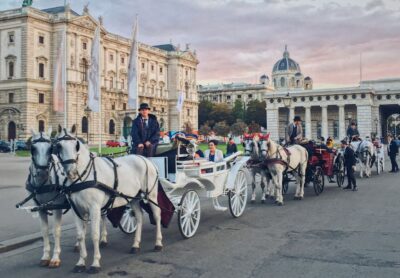
You start at Albertina Square, meeting the guide in front of the Tourist Information. That’s a smart place to begin because the area acts like a hub: you’re close to major streets, but you can quickly peel off into calmer side spaces where Vienna feels less staged.
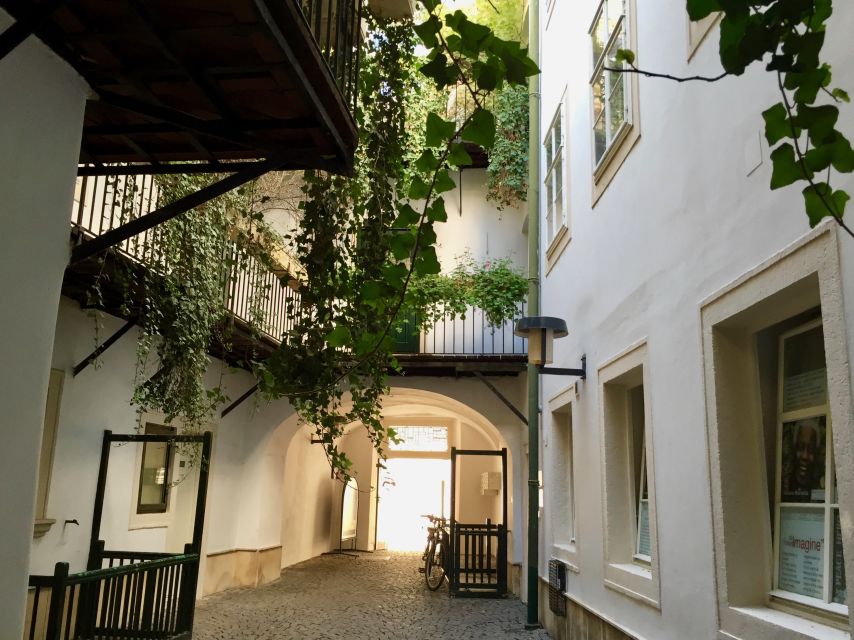
The pace is set for walking, not lingering in museum lines. The real payoff here is the slow shift from wide boulevards to courtyards, lanes, and passages—the tiny connectors that make a city feel lived-in. Think of it like learning how Vienna moves when nobody is watching. You’ll get a sense of where locals cut through and where buildings open up in ways you’d never notice at street speed.
Since the tour is private (up to 8 people), the guide can keep you moving while still answering questions. That matters if you like details—architecture, names, and why certain areas survived (or didn’t) the way they did.
Comfort note: bring comfortable shoes. Two hours sounds short, but you’ll walk enough to feel it if your footwear is questionable.
You can also read our reviews of more tours and experiences in Vienna.
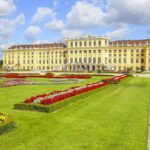
Old University Quarter: the Baroque church and the WWII scars
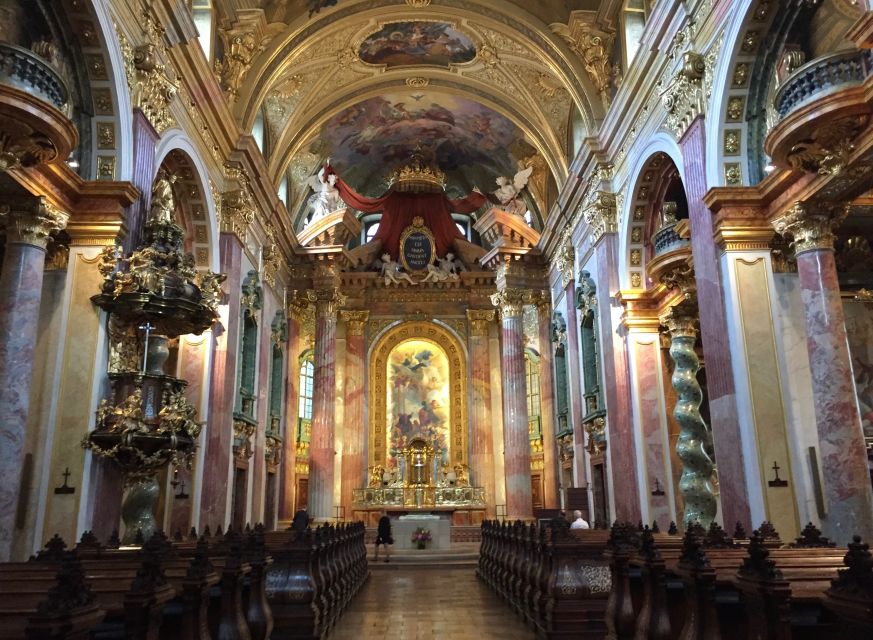
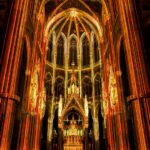
The heart of the route swings toward the Old University Quarter, where you’ll see an impressive Baroque church. Baroque Vienna isn’t just about big facades; it’s also about the feeling of scale you get when you step into a more theatrical space. Even if you don’t memorize every detail, the guide helps you read what you’re seeing instead of just snapping a photo.
This area also brings in the darker layer: you’ll learn about the destruction during World War II and the post-war reconstruction efforts that followed. What I like about this part is that it doesn’t feel like a history lecture. It’s presented as a way to understand the city’s current look—why certain corners feel restored, reshaped, or rebuilt with intention.
A practical takeaway for you: after this walk, you’ll be better at spotting signs of reconstruction and recognizing when a street feels “newer” than you expected. That makes your next day of wandering more satisfying, because you’re not just looking—you’re interpreting.
Mozart’s Vienna: learning the real story (and dropping the myths)
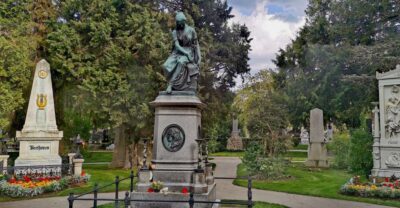
Vienna and Mozart go together like coffee and mornings. But the tour’s angle is the useful one: you’ll connect Mozart’s life in Vienna to the places you’re walking through, rather than treating him like a distant museum subject.
Even better, the guide addresses common false stories about Mozart. That’s worth real attention. There are a lot of popular claims floating around, and they stick because they sound right. Hearing what’s actually plausible helps you stop repeating the myths and start appreciating the real timeline.
I like how this kind of storytelling works on a walking tour: you remember it because you can picture the street around the story. If Mozart in Vienna usually feels like dates on a page, this helps turn those pages into street scenes.
Prince Eugene of Savoy and the palace factor
You’ll also admire Prince Eugene of Savoy’s palace, and this is one of those moments where the guide makes you look up. You’re not just passing by something famous—you’re getting the context that makes the building make sense.
This part pairs well with the earlier Old University stops. Baroque church nearby, then a palace connected to power and status nearby: it’s an instant lesson in how Vienna concentrated influence, not randomly, but in recognizable clusters.
If you enjoy architecture but don’t want a slow museum pace, this is a good middle ground. You see something impressive, you get the “why,” and you’re moving again before boredom can kick in.
Greek Quarter secrets and the Viennese Bermuda Triangle
Two names get used here that sound like fun—and they point to the same thing: Vienna has neighborhoods where street logic feels different. The tour shares secrets of the Greek Quarter and also introduces the idea of the Viennese Bermuda Triangle.
You don’t need to know the nickname to benefit from it. What you’ll gain is a better mental map. The guide helps explain how certain blocks connect, how people move through them, and where the most rewarding corners tend to show up. That means when you return on your own later, you’ll feel confident instead of wandering in a loop.
This is also where the tour gets more “local.” It’s not just geography—it’s vibe. You’ll get a sense of where conversations happen, where people linger, and where you can aim for the kind of Vienna that’s less about posing and more about living.



How the tour balances myths, scars, and street-level reality
A big reason people rate this walk highly is the way it combines three threads:
1) famous names and stories (Mozart),
2) big visual landmarks (Baroque church and palace),
3) real-life city change (WWII destruction and rebuilding).
That balance is practical. You come away with more than a route—you come away with a picture of how Vienna became what it is today. And since you’re walking, the “what changed” part lands differently than reading a plaque.
There’s also a human element. In one standout experience, the guide Evelin was praised for answering questions and showing places that felt almost magical because they’re hard to find on your own. I like that kind of guiding because it respects your curiosity instead of rushing you through “just the facts.”
Food and drink inside scoop: where to eat after the walk
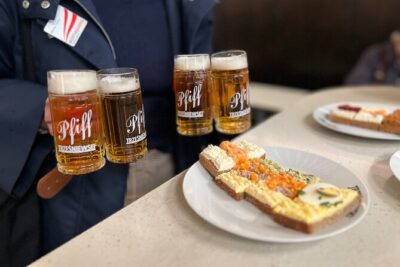
You’ll get the inside scoop on where to get the best food and drinks, plus suggestions for:
- famous coffeehouses and bars
- sausage stalls
- ice cream shops
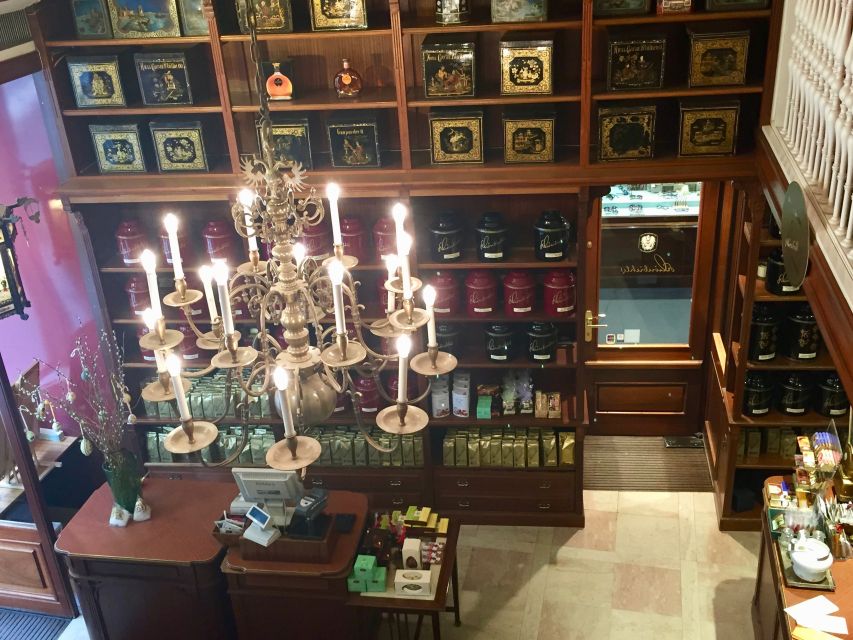
What makes this valuable is that it’s not only about where to go—it’s about what kind of stop fits your mood. One coffeehouse might be ideal for a slow sit-down. A sausage stall might work better if you want something quick while you keep wandering. The guide helps you choose based on timing and energy.
If you’re planning a tight itinerary, these tips can actually save you money and time. Instead of guessing or chasing the most obvious option, you’ll know which places are likely to satisfy you right now.
Price and logistics: is $353 per group good value?
This tour costs $353 per group up to 8 and lasts 2 hours. That sounds simple, but the value depends on how you travel.
Here’s how I think about it:
- If you’re traveling solo or as a couple, the private-group price can feel high compared to group tours. Still, you’re buying a guide who can tailor pacing and answer questions.
- If you’re a small group (up to 8), the cost becomes easier to justify because you’re not paying per person like a classic ticketed attraction.
- You’re also getting hotel pickup if the private option is selected. That one detail can reduce friction on a day when you’d rather spend your time walking than figuring out transport.
You don’t get entrance fees or food included, so plan on paying as you go. But the guide’s restaurant and drink guidance can offset that by helping you pick better stops instead of trial-and-error.
Who this tour suits best (and who might want something else)
This walk fits you if you want:
- storytelling tied directly to street-level places
- a mix of Mozart lore and “stop, that myth isn’t right”
- architectural moments without heavy museum time
- practical food and drink direction you can use immediately
It may not be your best match if you’re chasing only the biggest, most obvious attractions. Some people want a straightforward sightseeing checklist. This is different: you’ll spend more time in the in-between spaces that make Vienna feel like Vienna.
Also note: while the walk aims for great guiding, one reported issue involved a guide not arriving at the meeting point. That’s rare, but it’s a reminder to double-check your meeting details and have a backup plan if anything goes sideways.
Should you book this Vienna walk?
Yes, if you like your city tours with context—names, architecture, and small local route knowledge that makes independent exploring easier. The best part is the blend: Old University Baroque church + Mozart myths + Prince Eugene plus the navigation-friendly extras like the Greek Quarter and the Bermuda Triangle.
I’d skip it if you want a big-attraction-only day or if private-group pricing would strain your budget with just one or two people.
If you’re on the fence, this is the kind of experience that tends to pay off most for first-timers who want to orient fast and come back later for a second look on their own.
FAQ
Where does the walking tour start?
It starts at Albertina Square, and the meeting point is in front of the Tourist Information.
Where does the tour end?
The tour ends at Schwedenplatz.
How long is the tour?
The duration is 2 hours.
Is this tour private?
Yes. It’s listed as a private group, with a group size up to 8 people.
Which languages is the live guide available in?
The live tour guide is available in Polish, English, and German.
Are entrance fees included?
No. Entrance fees are not included.
Are food and drinks included?
No. Food and drinks are not included.
Do I need to bring anything?
Bring comfortable shoes.
Is hotel pickup included?
Hotel pickup is included if the private option is selected.
What’s the cancellation policy?
There’s free cancellation up to 24 hours in advance for a full refund.