REVIEW · VIENNA
Vienna: Private Walking Tour of the Central Cemetery
Book on GetYourGuide →Operated by Christian Pacic · Bookable on GetYourGuide
Death has a schedule in Vienna.
This private walking tour makes it feel personal and readable, not scary for the sake of it, and I really like the way the guide blends serious facts with Wiener Schmäh at the Central Cemetery. You get a state-certified guide, a focused route, and the kind of storytelling that turns names and dates into real people.
My second favorite part is the Viennese Art Nouveau church, where you’ll learn the architectural story while the space does the emotional work. The one drawback: the live tour is German, so if you don’t follow German well, you may miss some of the punch unless you’re comfortable with it.
In This Review
- Key things I’d circle before you go
- A Morbid Walk Through Vienna’s Most Important Cemetery
- Meet at the 2nd Gate and Get Oriented Fast
- Entering a Cemetery Where People Really Aren’t Treated the Same
- The Stories Behind the Graves: Ringtheater Fire and 1945 Battle of Vienna
- The Art Nouveau Cemetery Church: The Dominant Structure You’ll Keep Noticing
- Ending at the Forest Cemetery and Seeing Modern Burial Change
- Private Group Value: What You’re Really Paying For
- Who This Tour Suits Best (and When to Rethink It)
- Practical Tips for a Comfortable 2-Hour Walk
- Should You Book the Vienna Central Cemetery Private Walking Tour?
- FAQ
- How long is the Vienna Central Cemetery private walking tour?
- How much does the tour cost?
- Where do we meet?
- Is the cemetery church included in the tour?
- What language is the live guide?
- Is this tour private?
- Is the tour wheelchair accessible?
- Are headsets provided?
- Is there any additional fee charged on site?
- What’s the cancellation policy?
Key things I’d circle before you go

- Second largest cemetery in Europe on a tight, meaningful 2-hour private route
- Private guided pacing so you’re not stuck with a slow group or rushing through alone
- Monumental tombs and memorials that show prosperity and status in death
- Concrete, memorable stories tied to events like the Ringtheater fire (1881) and 1945 Soviet soldiers
- Art Nouveau cemetery church with included access and guided architectural context
- Forest cemetery finish that points toward how modern burial changed expectations
A Morbid Walk Through Vienna’s Most Important Cemetery

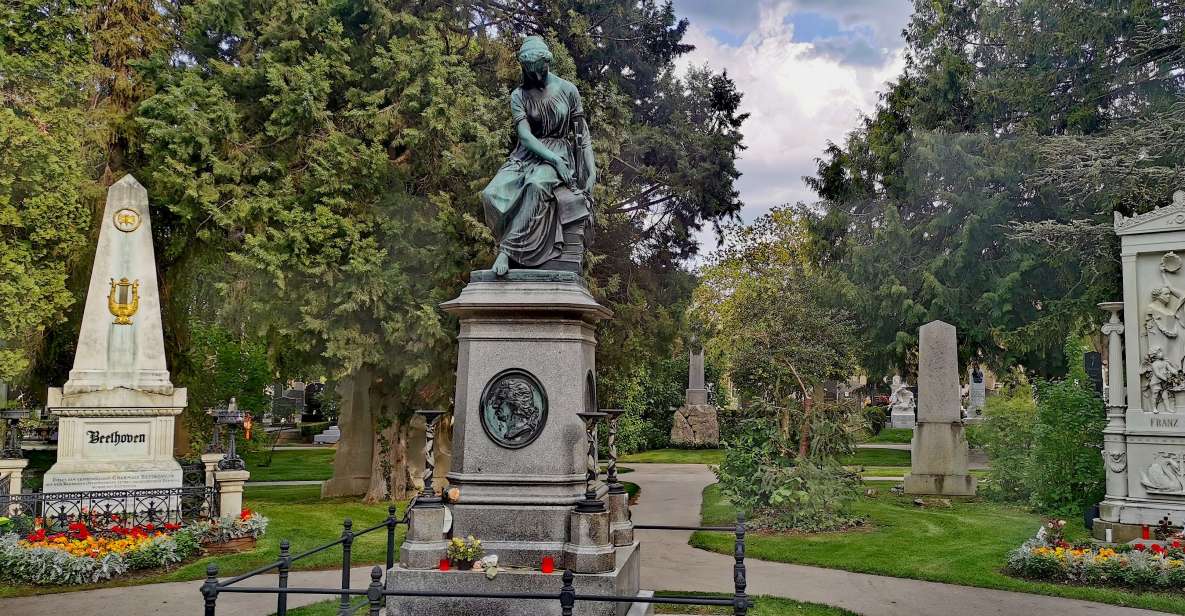
Vienna’s Central Cemetery isn’t just where people are buried. It’s where Viennese history learned to speak in stone. You’ll move through an enormous grounds of graves and memorials that documents reputation, prosperity, and tragedy after lifetime, without pretending death is equal in the details above ground.
What makes this tour work is the tone. You’re not just staring at dates. The guide frames what you’re seeing—what the cemetery was criticized for at the beginning, how it became one of Vienna’s most beautiful and splendid burial places, and why that transformation matters. Even if you’re not into cemeteries, you’ll likely appreciate the way architecture, art, and memory all sit next to each other.
Also, this is private. That means you can lean into the parts you care about—names tied to major events, the look of monuments, or the church and its role. You’re not stuck scanning the ground while a group tries to follow a guide who can’t slow down.
You can also read our reviews of more walking tours in Vienna


Meet at the 2nd Gate and Get Oriented Fast
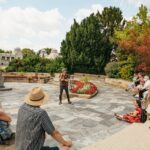
The whole experience starts with a simple meetup plan: head to the 2nd gate. After you enter, the guide stands on the right at the water hydrant.
That matters because this is a cemetery, and “right place, right time” is half the battle. If you arrive late or drift inside, you’ll lose the start of the story—when the guide sets the context of why this cemetery became so important in Vienna. Give yourself a few extra minutes, even if you know the area.
If you’re bringing a small group, the private format helps too. You can stay together, check in quickly, and keep the pace comfortable from the first minute.
Entering a Cemetery Where People Really Aren’t Treated the Same
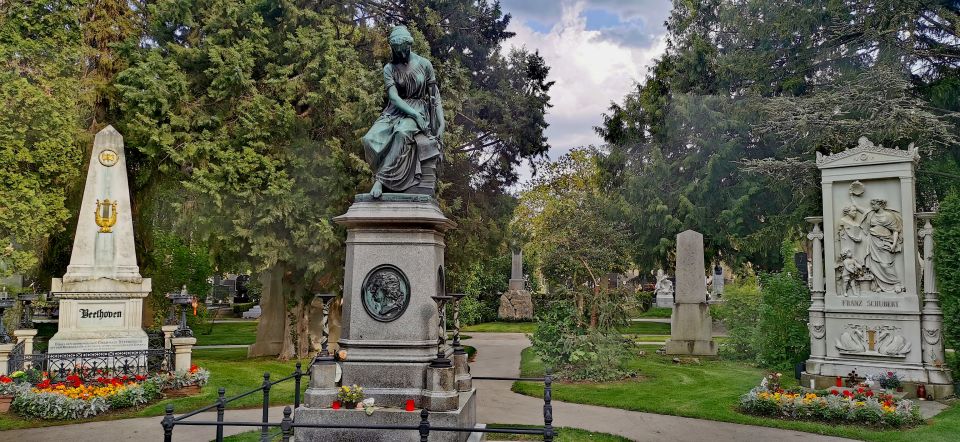
A big theme here is equality in death versus inequality in memory. The old saying goes that everyone is equal in death. In Vienna’s Central Cemetery, you’ll quickly see that the saying only holds below the earth.
You’ll spend time looking at monumental tombs and memorials that mark grief, honor, and—yes—standing. The guide points out how splendor and glory, reputation and prosperity are documented beyond lifetime. That can feel strange at first, but it’s exactly why the cemetery is so fascinating to walk through with a guide: you understand what you’re seeing, instead of trying to interpret it alone.
As you walk, you’ll also learn how memorials were built as both eternal remembrance and warning. That helps you read the cemetery as a public record, not only a resting place.
The Stories Behind the Graves: Ringtheater Fire and 1945 Battle of Vienna
This tour gives you emotionally specific targets, not vague “it’s sad here” vibes. You’ll see graves connected to the Ringtheater fire in 1881, and you’ll also visit the graves for Soviet soldiers who died in the Battle of Vienna in 1945.
What I like about this approach is that it turns the cemetery into a map of major turning points. You’re not just learning that tragedies happened. You’re seeing how the cemetery holds those events in physical space—where memory is kept, and how it’s presented to the living.
The Ringtheater fire example is especially useful because it’s a reminder that city life can end in seconds, then echo for decades. And the 1945 Soviet soldier graves anchor the cemetery in the reality of wartime Vienna, where death was not a distant concept but a dramatic, immediate event. The guide’s job is to connect those dots without turning the visit into a lecture you can’t feel.
The Art Nouveau Cemetery Church: The Dominant Structure You’ll Keep Noticing
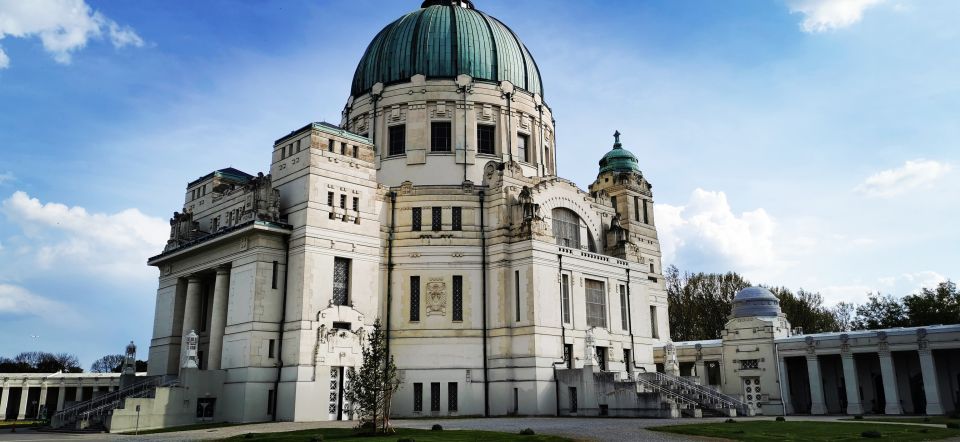
At an almost central, dominant position is the cemetery church in Viennese Art Nouveau. It’s the kind of structure you can’t ignore once you start noticing it from different angles.
The tour includes guided time inside the church, with an explanation of its architectural history. That included access is a practical win: it’s easier to appreciate the art when someone gives you the context and points out what to look for.
Even if you’re not normally an architecture person, this stop gives the tour a spine. The guide helps you connect the church’s presence to the cemetery’s purpose: a place of remembrance, yes, but also a designed space for how a city wants to interpret loss. Think of it as the cemetery’s main visual argument, made in stone and style.
And if you’re wondering about value: the cemetery church admission is included, so you’re not juggling tickets while you’re already in a walking rhythm.
You can also read our reviews of more private tours in Vienna





Ending at the Forest Cemetery and Seeing Modern Burial Change
At the end of the private tour, you’ll see the forest cemetery. The point of this finish is simple: it shows how modern burial arrived in society.
The way the cemetery shifts in this final area is useful because it prevents the visit from freezing in the past. You get a sense of how people’s ideas about death, space, and commemoration changed over time, and the guided framing helps you notice what’s different without turning it into a debate.
I also like the structure of the tour ending here. After you’ve taken in monumental tombs and major historical tragedies, the forest cemetery feels like a quiet reset. It doesn’t erase the earlier material. It just shows that remembrance continues to evolve.
Private Group Value: What You’re Really Paying For
The price is $217 per group up to 10, for about 2 hours. That’s the kind of pricing that can be a bargain or a splurge depending on how many people you bring.
Here’s the practical way to think about it:
- If you fill the group (up to 10), the cost per person drops sharply, and the guide becomes great value for a short, efficient walk.
- If you’re a smaller group, you’re paying more per person, but you still get the main benefits: private pacing, focused storytelling, and included church admission.
What you’re also paying for is time management. In a cemetery this large, a self-guided stroll can turn into a long wandering day. A private route helps you see the cemetery’s key emotional and architectural moments within a manageable window.
A final cost note: there’s a required solidarity contribution of 3 euros per person, charged on site and before the tour. It’s not optional in the information you have, so plan for it in your budget.
Who This Tour Suits Best (and When to Rethink It)
This is a good fit if you want a guided, story-driven walk in a place that’s too big to explore thoughtfully on your own. It’s also ideal if your group includes mixed interests—some people love monuments and architecture, others connect more with the real-world events tied to specific graves.
It’s less ideal if you rely on English narration only, because the live guide is German. The tour does include headsets, but the language is still the guide’s German. If you can follow German, you’ll likely enjoy the humor and the way the guide explains things.
If you’re traveling with mobility needs, this is wheelchair accessible, which is a major practical advantage for a cemetery setting.
Practical Tips for a Comfortable 2-Hour Walk
Plan for weather. Cemeteries don’t give you many indoor pauses, even though the church is included. Dress for the walk and bring layers, because a two-hour route can feel cooler once you’re outside.
Wear shoes you trust. You’ll be walking among paths, memorial spaces, and up-close stops. Even if you’re not doing long-distance hiking, good grip matters.
If your group is 15 or more, you’ll have headsets to hear the guide clearly. Even in smaller groups, I treat audio as the real “comfort upgrade” here: the guide’s pacing and storytelling are the main reason to do a guided version of this cemetery.
And when you arrive, stay flexible at the start. Getting everyone to the exact meetup point (2nd gate, guide on the right at the water hydrant) will help you start with momentum instead of confusion.
Should You Book the Vienna Central Cemetery Private Walking Tour?
I’d book this if you want your Vienna cemetery time to feel intentional. The combination of monumental tombs, historically specific graves (Ringtheater fire in 1881, Soviet soldiers from 1945), and guided access to the Art Nouveau cemetery church turns the Central Cemetery into more than a scenic stop.
The decision comes down to language comfort. If German is fine for you, you’ll likely love the guide’s style—serious knowledge mixed with humor, the kind that makes people remember what they learned. If German isn’t your thing, you may prefer an alternative that matches your language needs.
If you’re the type who appreciates authenticity over quick photo stops, this one is a strong choice. A cemetery is best when it’s explained, and this private format keeps the experience focused and readable.
FAQ
How long is the Vienna Central Cemetery private walking tour?
The tour lasts 2 hours.
How much does the tour cost?
It’s $217 per group, up to 10 people.
Where do we meet?
Meet at the 2nd gate. After entering, the guide is on the right at the water hydrant.
Is the cemetery church included in the tour?
Yes. Admission to the cemetery church is included, and the guide takes you through it.
What language is the live guide?
The live tour guide is in German.
Is this tour private?
Yes, it’s a private group.
Is the tour wheelchair accessible?
Yes, it is wheelchair accessible.
Are headsets provided?
Headsets are provided to hear the guide clearly for groups from 15.
Is there any additional fee charged on site?
Yes. From January 1, 2024, a solidarity contribution of 3 euros per person is charged on site and before the tour.
What’s the cancellation policy?
You can cancel up to 24 hours in advance for a full refund.