REVIEW · VIENNA
Vienna: Romantic Classics Piano, Violin, and Cello Concert
Book on GetYourGuide →Operated by Konzerte im Mozarthaus KG · Bookable on GetYourGuide
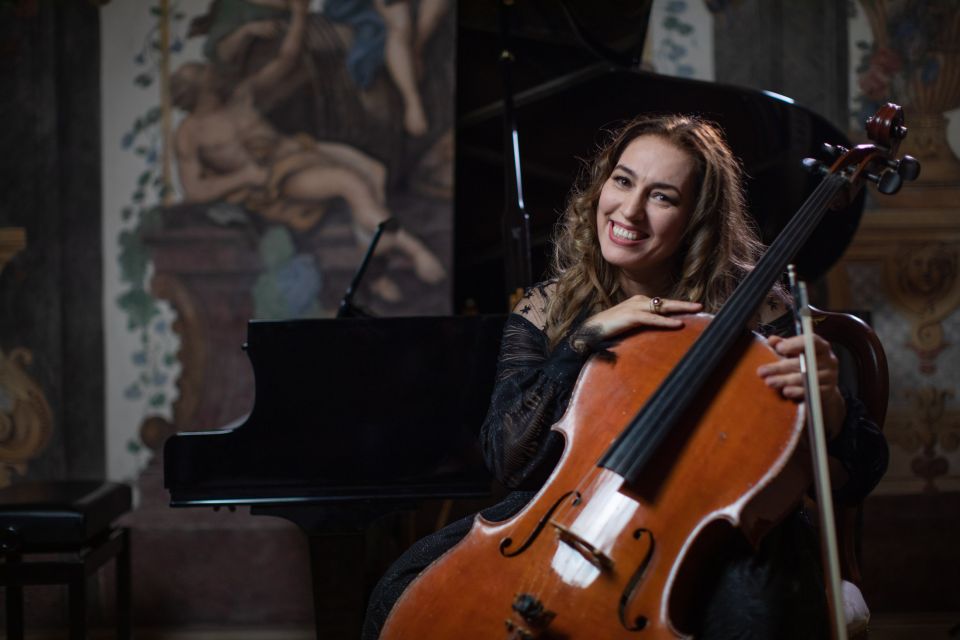
Small room, big music feelings. This Vienna Romantic Classics program at Concerts in the Mozarthaus is a 90-minute mix of famous composers and close-up musicianship, set against the expressive frescoes in the Sala Terrena. I especially like the way the intimate setting keeps you near the performers, so the music lands more personally.
Second, I like the lineup’s balance: you get famous lyric moments like Beethoven’s Moonlight Sonata and Chopin’s nocturne, plus serious virtuoso fireworks like Chopin’s etude and Paganini’s Caprice 13. The one drawback to keep in mind is simple: the venue is on the smaller side, so if you sit farther back, you may feel a bit less connected than with seats closer to the performers.
In This Review
- Key things to know before you go
- Mozarthaus Magic: Where Romantic Classics Fits Vienna Perfectly
- Finding the Entrance by Deutschordenskirche (and Why 15 Minutes Helps)
- The 90-Minute Program: A Tour of Romantic Feeling and Virtuoso Fire
- Haydn to Warm Up the Room
- Beethoven: Moonlight Without the Noise
- A Mozart Stop That Feels Playful
- Beethoven Again: Energy and Precision
- Liszt’s Soft Spark
- Chopin: Night Mood Plus Technical Edge
- Bach and Paganini: Structure Meets Showmanship
- Saint-Saëns Swan and Massenet’s Meditation: Beauty in Full Focus
- Schubert Closes the Loop
- The Performers: What Each Name Adds to the Sound
- Sala Terrena Frescoes and the Kind of Acoustics You Notice
- Choosing Your Seats: Student, Back Row, or Close to the Performers
- Is $69 Good Value for 90 Minutes in Vienna?
- Who This Concert Suits Best (and Who Might Want Something Different)
- Should You Book This Romantic Classics Piano, Violin, and Cello Concert?
- FAQ
- Where is the concert venue in Vienna?
- How early should I arrive?
- How long is the concert?
- What is included in the ticket?
- Who hosts or greets guests, and what languages are used?
- Can I choose different seating options?
- Is the venue wheelchair accessible?
- How flexible is cancellation?
- Can I reserve and pay later?
Key things to know before you go
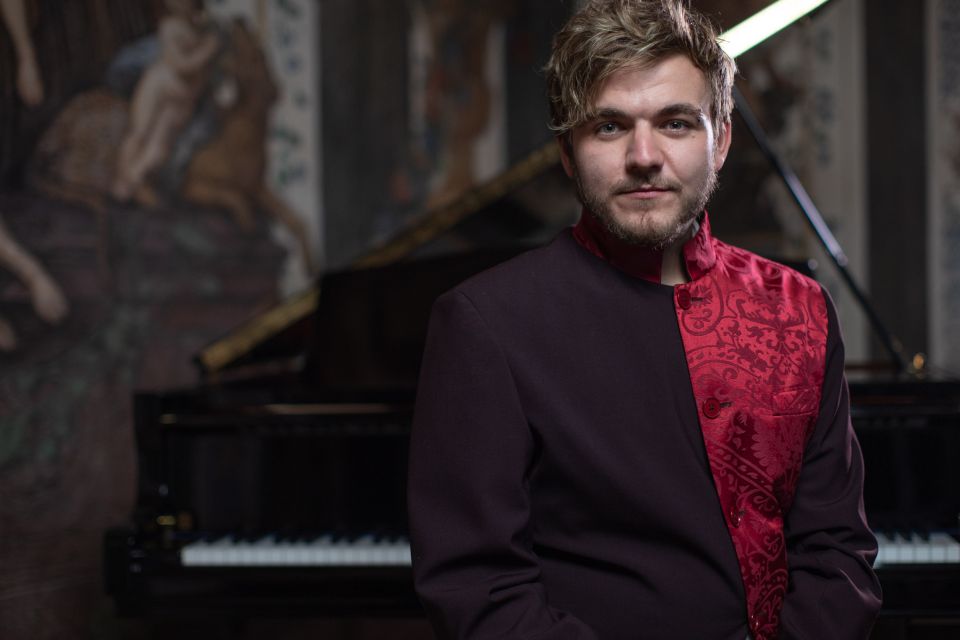
- Sala Terrena frescoes add a visual layer that matches the Romantic mood of the music
- Excellent acoustics help every note come through clearly, even in a smaller room
- A tightly programmed 90-minute set moves quickly between tenderness and technical brilliance
- Claudio Bentes, Dushan Sretovic, and Teodora Miteva bring standout personalities to the repertoire
- Choose your seat style (student, back row, or closer) based on how close you want to feel
- Cloakroom included, which is handy when you arrive in cool Vienna weather
Mozarthaus Magic: Where Romantic Classics Fits Vienna Perfectly
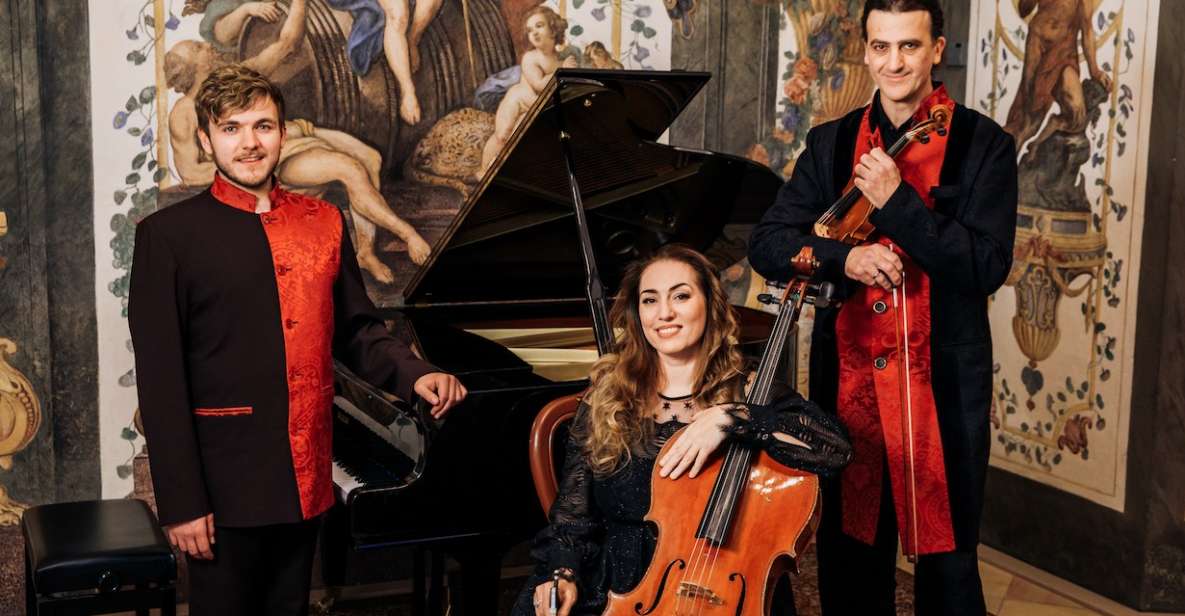
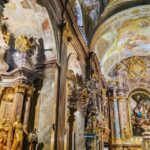
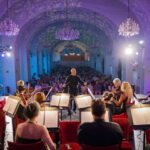
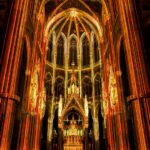
Vienna is full of classical concerts, but not all of them feel the same. This one lives in the Concerts in the Mozarthaus setting, and the vibe is closer to a carefully lit music salon than a giant showpiece hall. The Sala Terrena frescoes bring color and drama, so you’re not just listening—you’re also looking at something that fits the emotional tone of the program.
What makes the evening work is the pacing and variety. The concert doesn’t only stick to one composer or one mood. Instead, it moves through moonlit introspection, lyrical song-like phrasing, and moments designed to prove technique. That matters, because if you love classical music, you want an experience that feels alive, not repetitive.
And this is the kind of concert where small details matter. In a room built for listening, you tend to notice how players shape dynamics, how strings blend, and how the piano’s touch changes from soft, floating lines to sharper articulation. That’s the difference between hearing music and experiencing it.
You can also read our reviews of more tours and experiences in Vienna
Finding the Entrance by Deutschordenskirche (and Why 15 Minutes Helps)
You’ll want to arrive 15 minutes early. The meeting point is about 150 meters from St. Stephen’s Cathedral, and the instructions are straightforward: enter through the gate at Deutschordenskirche, where you’ll also see a poster stand for concerts at Mozarthaus.
This is a small-but-important tip. In central Vienna, streets can look similar fast, and gates can be easy to miss. Showing up early means you can find the right entrance without turning your evening into a mini scavenger hunt.
Practical note: the concert includes a cloakroom, which is useful if you’re carrying a coat, scarf, or day bag. The host or greeter speaks English and German, so you’ll have an easy time getting oriented.
The 90-Minute Program: A Tour of Romantic Feeling and Virtuoso Fire
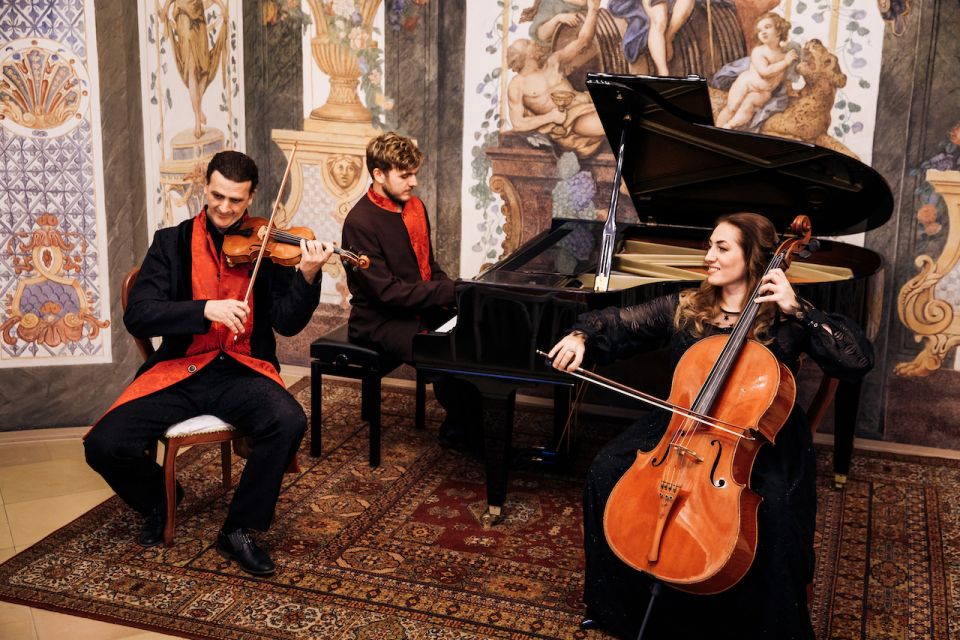
The concert runs about 90 minutes, and it’s programmed like a curated playlist for classical music lovers. Rather than waiting out long stretches, the set keeps turning the emotional dial. You’ll hear chamber-style works and showpieces that highlight each instrument’s strengths.
Here’s the journey the program takes you on, and what to listen for as it unfolds:
Haydn to Warm Up the Room
The evening begins with J. Haydn’s Trio all’ungarese, Hob XV:25 (Andante – Poco Adagio – Finale, Rondo). Even though Haydn isn’t always the first name people think of for Romantic mood, this opener sets a confident, musical foundation. It also helps your ears adjust to the room’s acoustics before the more dramatic Romantic pieces.
Beethoven: Moonlight Without the Noise
Next is L. van Beethoven’s Moonlight Sonata (Adagio). This movement is built for quiet attention—slow, controlled, and emotionally weighted. In an intimate venue, you’ll likely feel how the phrasing breathes, especially how the music can sound both delicate and inevitable.


A Mozart Stop That Feels Playful
Then you’ll hear W. A. Mozart’s La tartine de beurre – Das Butterbrot. This is the sort of quirky, charming inclusion that keeps the evening from turning into one long solemn mood. It also gives musicians a chance to show clarity and character, not just volume.
Beethoven Again: Energy and Precision
Back to Beethoven with Sonate op.2 (Allegro con brio). This is where you hear propulsion. The rhythmic drive and sharp turns are great for understanding what these performers can do quickly and cleanly.
Liszt’s Soft Spark
F. Liszt’s Un sospiro is brief, but it’s the kind of piece that tests control. You want to listen for how gently the lines can be shaped without losing intensity.
Chopin: Night Mood Plus Technical Edge
F. Chopin appears twice: Nocturne in c minor, op. 48/1 and Étude op. 10/1 in C Major. The nocturne gives you the darker, private emotional color—ideal after Beethoven’s reflective pages. Then the etude swings the focus toward speed, coordination, and tone clarity. If you like it when a pianist shows both feeling and technique, this is one of the evening’s key payoff moments.
Bach and Paganini: Structure Meets Showmanship
J. S. Bach’s Cello Suite in G Major, BWV 1007 begins the cello-focused portion with a strong sense of architecture. Suites have a built-in logic—your listening brain catches patterns more easily than in music that’s just flashy.
Then comes N. Paganini’s Caprice 13. This is the moment where virtuosity stops being theory and becomes pure sound: fast runs, bright articulation, and control under pressure. It’s the part of the concert that makes you sit a little straighter because you know the players are doing something difficult on purpose.
Saint-Saëns Swan and Massenet’s Meditation: Beauty in Full Focus
C. Saint-Saëns, The Swan is smooth, lyrical, and instantly recognizable in spirit—even if you don’t know every detail. Then J. Massenet Thais – Meditation shifts the mood again, leaning into elegant, singing phrasing.
These pieces are useful because they give you a breather from technical intensity. They also showcase why Romantic Classics works as a theme: love, longing, calm beauty, then momentum again.
Schubert Closes the Loop
The concert ends with Franz Schubert’s Trio in Es Major, op. 100 (Andante con moto). Schubert often feels like a bridge between worlds—still melodic and human, but with a deeper emotional gravity. Ending here makes sense because the program has moved through tenderness and fire, and Schubert ties those feelings together.
The Performers: What Each Name Adds to the Sound
You’ll be hearing multiple high-level soloists, each with a distinct musical personality.
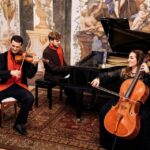
- Claudio Bentes (violin) is the violin voice for the evening. When a violinist is strong on phrasing, pieces like Mozart and the expressive suite lines tend to sound more like stories than exercises.
- Dushan Sretovic (piano) is described as a multiple award-winning piano virtuoso with a regular focus on Chopin interpretations. That’s a big deal here because Chopin takes center stage in the program. You can expect nuance, tone control, and careful pacing—not just speed.
- Teodora Miteva (soloist) brings competition-level polish and presence. With the program’s mix of lyrical and technical pieces, her strengths likely show up in how cleanly lines connect and how well the music stays shaped in the space.
The best part of a multi-performer program is the chemistry. You’re not just listening to three separate instruments—you’re listening to how they respond to each other’s timing and dynamics. In a smaller room, that “togetherness” becomes part of the experience.
Sala Terrena Frescoes and the Kind of Acoustics You Notice
The Sala Terrena frescoes aren’t just decoration. They change the way the room feels. You get that sense of being in a real venue with character, not a neutral box. That matters for a concert like this, because Romantic music has a strong visual side—soft light, dramatic contrast, and emotional storytelling.
On the sound side, the feedback I see repeatedly points to excellent acoustics, with listeners able to catch each note clearly. In practical terms, that means you’re more likely to hear fine details like bow changes, articulation at the ends of phrases, and how the piano pedal interacts with string resonance.
For you, that translates into less guesswork. If you’ve ever sat in a concert hall where the music feels like it blends into one blur, you’ll probably appreciate a room where clarity is built in. The tradeoff is the same tradeoff small venues always have: it can feel crowded compared to larger halls.
Choosing Your Seats: Student, Back Row, or Close to the Performers
This concert gives you real choice in seating: student tickets, back row tickets, and tickets closer to the performers.
Here’s my simple advice:
- If you want the closest feeling of connection and the best chance to catch expression, choose the seats nearer the performers.
- If you’re budget-focused and your main goal is hearing the whole program clearly, a back-row ticket can still be a good call since acoustics are known for clarity.
Because the venue is small, distance changes the experience more than it would in a big auditorium. Even if you can hear everything fine, you’ll feel more of the musicians’ physical cues—bow movements, hand shapes, breathing before entrances—when you’re closer.
Also keep in mind practical comfort. One note from experience: facilities during the break could use clearer signage, so give yourself a moment to orient.
Is $69 Good Value for 90 Minutes in Vienna?
At $69 per person for about 90 minutes, the value here depends on what you want from Vienna evenings.
If you want:
- a central-location concert experience near St. Stephen’s,
- a program packed with big composer names,
- and a small, listening-focused room where sound clarity is part of the deal,
then this price starts to look very reasonable.
Also, the ticket includes a cloakroom and the concert itself, which helps keep the evening simple. The program is not just one long work; it’s a sequence of memorable pieces—Beethoven, Chopin, Mozart, Schubert, Bach, and others—so you don’t walk out thinking you only got half the story.
Could you find cheaper concerts in Vienna? Sure. But if you care about acoustics and the feeling of being close to the music-making, you’re paying for an experience that feels more personal than a typical big-stage event.
Who This Concert Suits Best (and Who Might Want Something Different)
This is a great fit if you:
- love Romantic-era composers and want the program to move across many moods,
- prefer clarity and close listening over large-scale spectacle,
- enjoy variety in one sitting, from reflective pieces to virtuoso moments,
- want a cultural evening that pairs well with a walk around central Vienna.
It may be less ideal if you:
- strongly prefer large halls with lots of breathing space,
- dislike being in smaller rooms where sightlines and closeness can be part of the experience either way.
One more practical reality: during the break, refreshments are available for cash outside, and the “in-between” details may be less polished than the concert itself. That shouldn’t ruin the evening, but it’s smart to go in with the right expectations.
Should You Book This Romantic Classics Piano, Violin, and Cello Concert?
I’d book it if you want a concentrated Vienna music night—90 minutes, excellent acoustics, and a set that covers Beethoven’s Moonlight vibe, Chopin’s nocturne moods, and the bright technical sparkle of Paganini and Chopin etudes. The combination of Sala Terrena frescoes and close listening makes it feel special without turning it into a touristy production.
I wouldn’t book it only if you dislike small venues or you’re looking for a long, slow, full-scale concert marathon. This is music with momentum. It does its emotional work efficiently, and then it’s over—leaving you with a strong final aftertaste rather than a tired one.
FAQ
Where is the concert venue in Vienna?
The venue is about 150 meters from St. Stephen’s Cathedral. You enter through the gate at Deutschordenskirche.
How early should I arrive?
Plan to arrive 15 minutes before the concert starts.
How long is the concert?
The concert duration is 90 minutes.
What is included in the ticket?
The ticket includes a cloakroom and the concert.
Who hosts or greets guests, and what languages are used?
There is an English and German host or greeter.
Can I choose different seating options?
Yes. You can choose from student tickets, back row tickets, or tickets closer to the performers.
Is the venue wheelchair accessible?
Yes, the venue is wheelchair accessible.
How flexible is cancellation?
You can cancel up to 24 hours in advance for a full refund.
Can I reserve and pay later?
Yes. The offer includes reserve now & pay later, where you can reserve your spot and pay nothing today.