REVIEW · VIENNA
Vienna: Johann Strauss – Immersive Audiovisual Experience Ticket
Book on GetYourGuide →Operated by Johann Strauss - New Dimensions · Bookable on GetYourGuide
Waltzes plus high-tech sound in Vienna. This 75-minute Johann Strauss Museum ticket turns the Waltz King into a hands-on, audiovisual story, with interactive stations and a location-based 3D audio guide that makes your headphones feel tied to where you’re standing.
I particularly like the way the experience mixes explanation with participation, so you’re not just watching screens. One watch-out: a lot of the show runs through headphones, and the museum notes it’s not suitable for motion sickness if immersive effects make you feel off.
In This Review
- Key Points to Know Before You Go
- First Stop: Entering Johann Strauss Museum and Starting Your 75 Minutes
- The Headphones-and-Sound Setup: Why the 3D Audio Guide Changes Everything
- The Strauss Story in Interactive, Audiovisual Scenes
- Hands-On Participation: Interactive Exhibitions and the Composing Machine
- Becoming Johann Strauss: The Photo Booth With On-the-Spot Printing
- Languages, Staff Help, and How Smooth It Feels
- Price and Value: Is $28 Worth It for a 75-Minute Museum Ticket?
- Who Should Book This Ticket (and Who Should Skip It)
- Practical Planning Tips for Getting the Best Experience
- Should You Book the Johann Strauss – New Dimensions Ticket?
- FAQ
- How long is the Johann Strauss – Immersive Audiovisual Experience?
- Where does the experience start and end?
- What is included with the ticket?
- Can I compose a waltz and take it home?
- How does the audio guide work?
- What languages are available for the audio guide?
- Is the museum wheelchair accessible?
- Is this activity suitable if I get motion sickness?
- What are the opening hours?
Key Points to Know Before You Go
- Location-based 3D sound helps your headphones match the space as you move.
- Interactive exhibitions track Strauss’s life and music using media stations and hands-on elements.
- Compose your own waltz on the composing machine and take home a personalized sheet of music.
- Photo booth experience lets you take a photo as Johann Strauss with printing on the spot.
- Audio guide in multiple languages (Chinese, English, French, German, Italian, Japanese, Korean, Spanish).
First Stop: Entering Johann Strauss Museum and Starting Your 75 Minutes
Your ticket is for the Johann Strauss Museum – New Dimensions, and the experience loops right back to the start point when you’re done. The timing is straightforward: you’re looking at about 75 minutes, and you’ll move through the spaces in sequence at your own pace within that window.
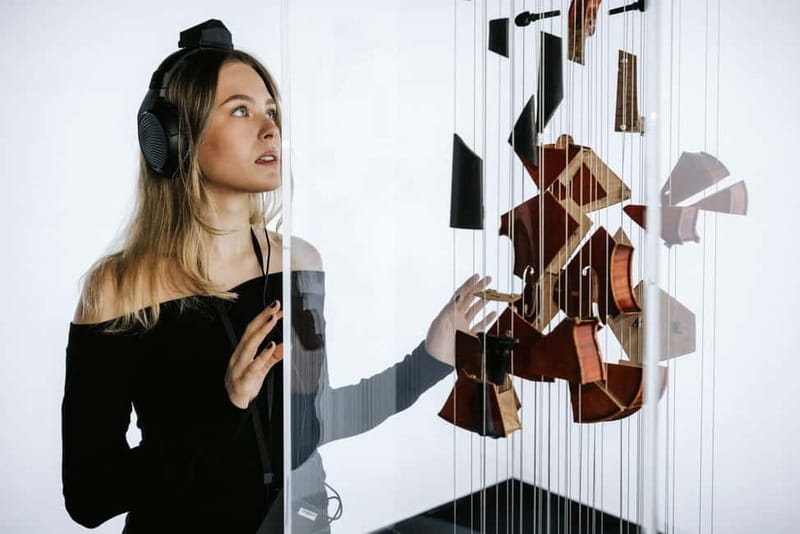
From the start, the setup is designed to keep you from feeling stuck in “museum mode.” You’ll get your headphones as an audio guide, and from there, the audio and visuals work together. That matters because the concept isn’t just to tell you about Strauss—it’s to make his world feel physical: sound and images share the same moment, not separate ones.
I also like that the museum is built for different kinds of curiosity. If you’re coming for classical music, you’ll get context for Strauss and the waltz tradition. If you’re just in Vienna for culture, you’re still handed a fun, modern way to connect the dots—music, story, and interaction all in one place.
You can also read our reviews of more tours and experiences in Vienna

The Headphones-and-Sound Setup: Why the 3D Audio Guide Changes Everything
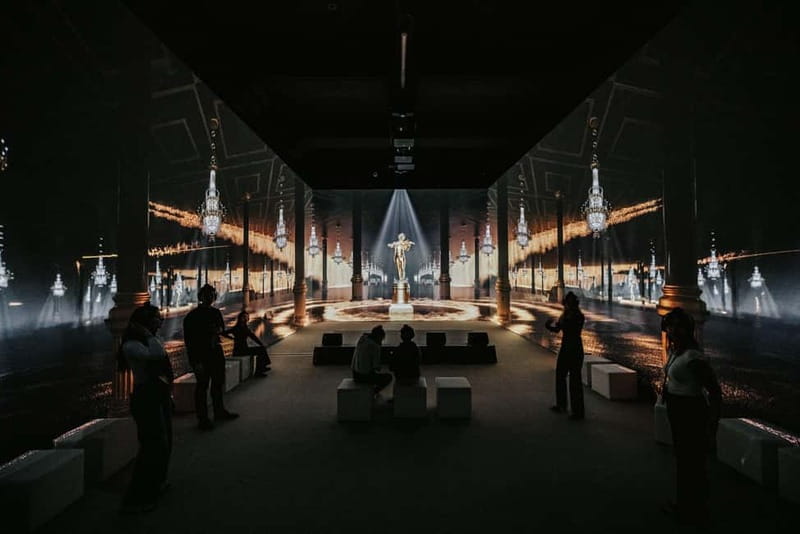
Here’s the main tech idea: the museum uses a latest location-based 3D sound system with high-precision, real-time localization for your headphones. In plain terms, your sound experience is meant to respond as you move through the virtual spaces.
That’s not a small detail. Most audio guides give you information on a timeline. This one tries to make the sound feel placed in the room, so you’re not constantly “listening to the guide” while you stand still. Instead, you can move effortlessly and precisely as the soundscape shifts to match where you are.
You should also plan for the fact that this is headphone-led. One practical caution: the experience is played through headphones throughout. That’s great for focus, but it also means you’ll want to be comfortable wearing a big set of headphones for the full session.
If you’re sensitive to motion-like audio effects or immersive stimulation, take the museum’s note seriously. It’s not suitable for people with motion sickness, likely because your sensory experience is part of the design.
The Strauss Story in Interactive, Audiovisual Scenes
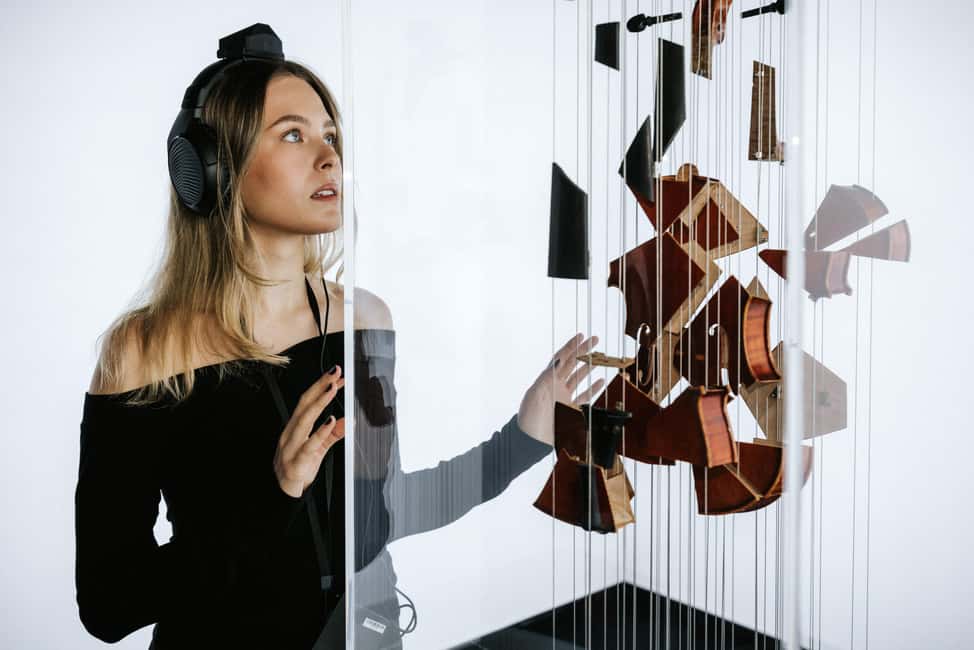
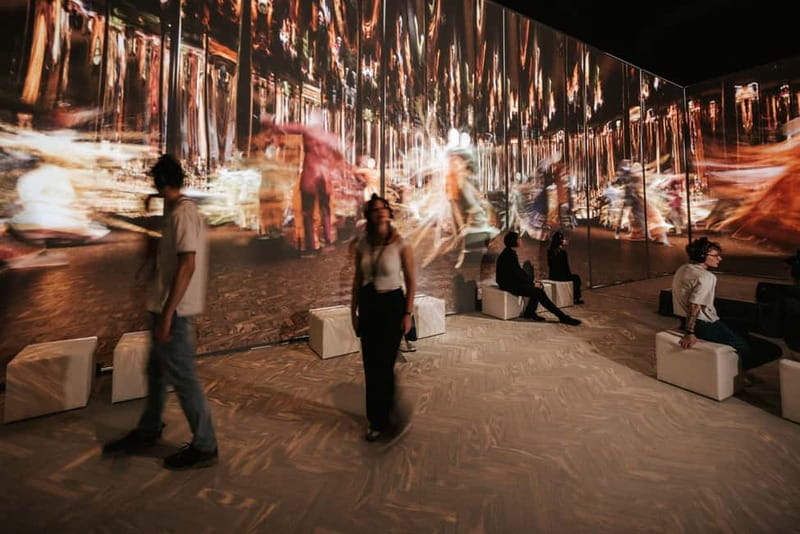
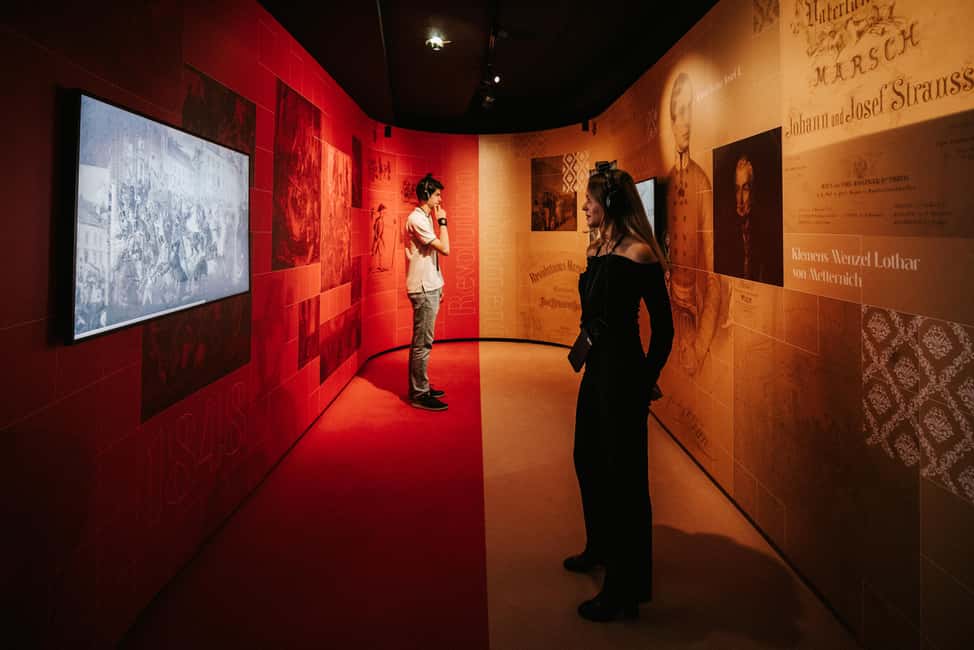
The core of the museum is an interactive walkthrough of Strauss’s life and music—presented as a mix of explanations, animations, and audiovisual stations. The museum positions him as the first pop star in history, which is a bold framing. The payoff is that it pushes the story beyond “composer trivia” into how Strauss’s music became part of popular culture and daily life.
As you move through, expect to see Strauss’s world broken into key phases—your attention is guided by media stations that bring melodies to life and connect them to moments in his biography. This is the kind of exhibit design that helps you “feel” music history rather than only read it.
I like this format because it works even if you don’t want to spend an hour staring at text. The museum gives you quick learning moments tied to audio and visuals, so it’s easier to stay with the story. And if you’ve ever found traditional museums hard to stick with, the mix of interactive elements is built to keep your brain engaged.
Hands-On Participation: Interactive Exhibitions and the Composing Machine
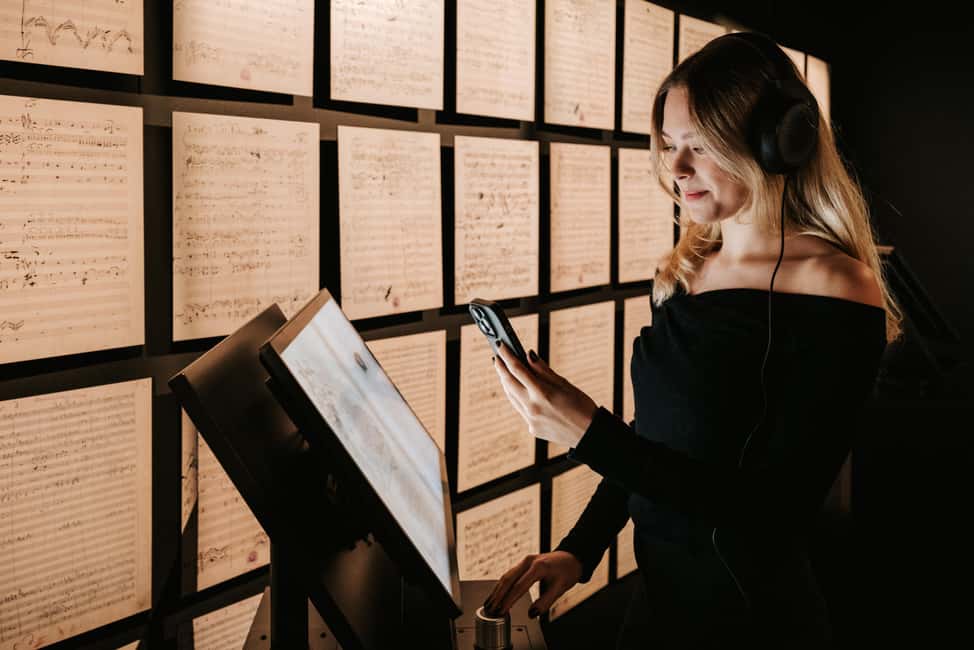
The big “I’m doing something” moment is the composing machine. The museum lets you compose your own waltz, and then you can take home your results as a personalized sheet of music. That’s a clever way to translate what you hear (waltz rhythm and style) into something you can physically keep.
This part is valuable for two reasons. First, it turns Strauss’s legacy into an activity, not just a story you watch. Second, it gives you a take-home souvenir that isn’t only a photo or a postcard. You leave with a piece of music you helped generate—small, but meaningful.
I’d also keep your expectations practical: you’re not composing like a professional, and the museum doesn’t frame it that way. You’re creating within the museum’s composing system. Still, that hands-on constraint is exactly what makes it accessible for non-musicians.
Becoming Johann Strauss: The Photo Booth With On-the-Spot Printing
One of the most fun included elements is the photo experience in the souvenir shop area. You take a photo of yourself as Johann Strauss, and then it’s printed on the spot. That’s a quick win at the end of the journey, because you get a visual memory while the experience is still fresh.
This works especially well if you want something more personal than a standard museum ticket. It turns the music theme into a “you were there” moment, and the printing means you don’t have to wait for an emailed file or a later pickup.
It’s also a good way to wrap up the session, since it connects the story you learned with a playful ending. If you like souvenirs that feel tied to the theme, this is one of the best uses of time in the ticket.




Languages, Staff Help, and How Smooth It Feels
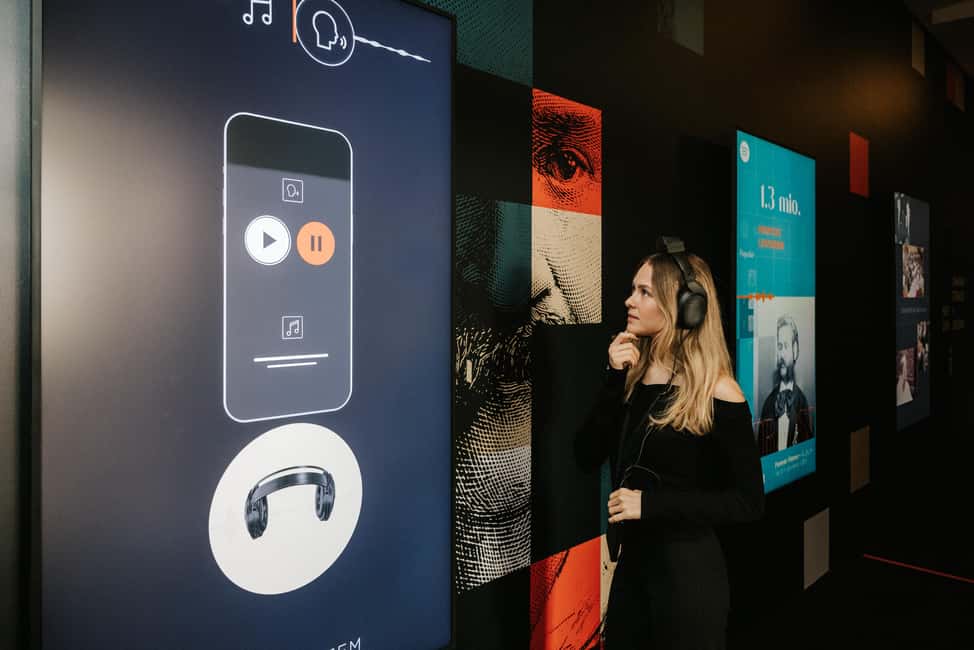
The museum experience includes an audio guide, with languages listed as Chinese, English, French, German, Italian, Japanese, Korean, Spanish. The host or greeter is listed as German and English, which matters if you need a quick question answered at the start.
I like setups like this because they remove friction. You don’t want to spend your first five minutes hunting for the right language or struggling with setup. The fact that the audio guide is multilingual makes the museum more flexible for international visitors, and the staff at the entrance are part of the smooth start.
Also worth noting: the museum says the experience is wheelchair accessible, which is helpful if mobility is a planning factor for your Vienna itinerary.
Price and Value: Is $28 Worth It for a 75-Minute Museum Ticket?
At about $28 per person for a ~75-minute experience, the value depends on what you like. If your museum style is mostly quiet reading and looking at objects, you might feel the museum is leaning more entertainment than scholarship. But if you want active listening, audiovisual storytelling, and participation, the ticket price starts to make sense fast.
Here’s what you’re getting in the package:
- Admission to the Johann Strauss Museum – New Dimensions
- Headphones as an audio guide
- Use of the unique composing machine
- Admission to the souvenir shop with a photo booth experience
Two things justify the cost for most people. First, you’re paying for an experience that’s built around technology and interaction, not just “entry to a room.” Second, you get tangible take-home items: your composed waltz sheet and the printed photo.
My rule of thumb: if you enjoy hands-on museum moments and you like learning through sound and visuals, you’ll likely feel the time flies—and you’ll leave with more than memories.
Who Should Book This Ticket (and Who Should Skip It)
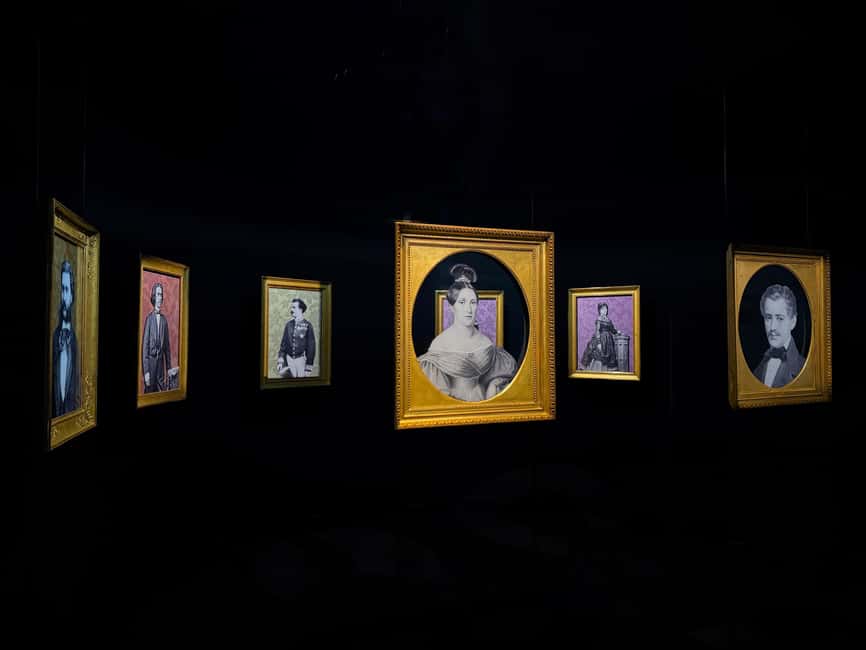
This is a great fit for people who want Vienna culture without the usual museum fatigue. The museum format is built to keep you moving between stations, and the headphone audio guide is part of the design, so you get a guided feel without needing a tour group.
It also works well if you’re curious about Strauss beyond the basics. The museum frames him as more than a composer—part storyteller, part cultural icon—so you’ll get something even if your classical music knowledge is light.
Skip it if you have motion sickness triggers. The museum explicitly says it’s not suitable for people who feel unwell with immersive effects. And if you’re very sensitive to wearing headphones for extended periods, think carefully, because the audio drives much of the experience.
Practical Planning Tips for Getting the Best Experience
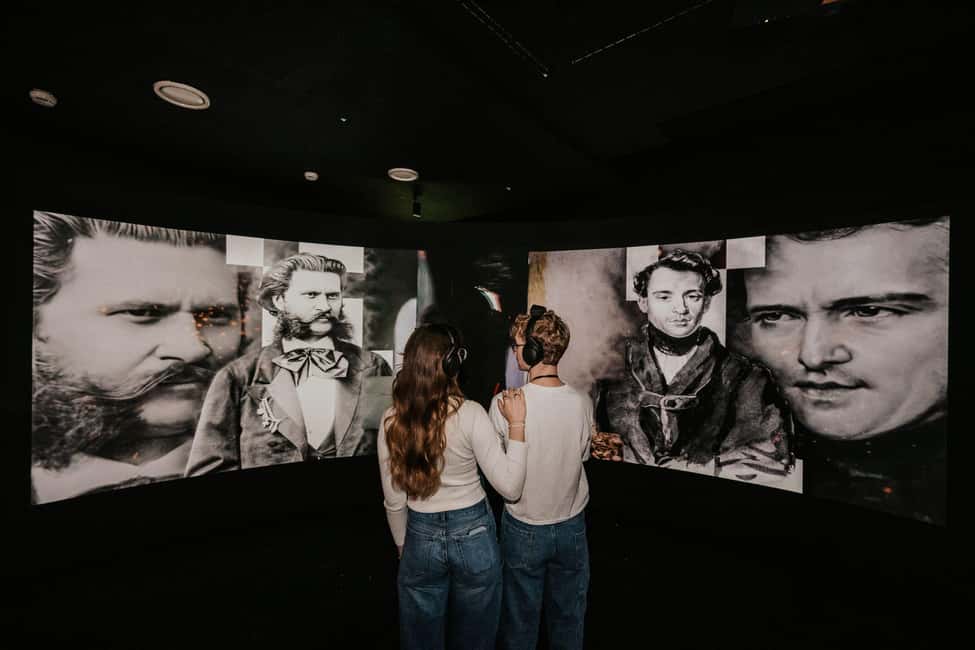
Keep your visit tied to your chosen time. The ticket info states that timeslot tickets require you to adhere to the selected day and time.
Because the experience is headphone-led and technology-driven, it’s smart to arrive ready to focus for the full session. Also, plan your expectations around the 75-minute length: it’s designed to be a complete experience within that window, with participation moments that should land before you exit back at the meeting point.
Finally, choose the right language ahead of time. With audio guide options across many languages, you’ll get much more from the experience if you match your audio to your comfort level.
Should You Book the Johann Strauss – New Dimensions Ticket?
I’d book this ticket if you want a modern take on Vienna music that still feels connected to real history and real craft. The location-based 3D sound and the hands-on composing machine are the two standout reasons. You’ll learn and then participate, and you’ll leave with something you can hold.
I’d skip it if you’re prone to motion sickness or if you hate headphone-heavy experiences. For everyone else, it’s a smart way to spend an hour-plus in Vienna that doesn’t turn into a long, silent gallery walk.
FAQ
How long is the Johann Strauss – Immersive Audiovisual Experience?
The experience lasts about 75 minutes.
Where does the experience start and end?
It starts at the Johann Strauss Museum – New Dimensions and ends back at the same meeting point.
What is included with the ticket?
Your ticket includes admission to the Johann Strauss Museum – New Dimensions, headphones as an audio guide, use of the composing machine, and admission to the souvenir shop with the photo booth.
Can I compose a waltz and take it home?
Yes. You can compose your own waltz on the composing machine, and you receive a personalized sheet of music.
How does the audio guide work?
It uses a location-based 3D sound system with high-precision real-time localization for your headphones, supporting freedom of movement through virtual spaces.
What languages are available for the audio guide?
The audio guide is available in Chinese, English, French, German, Italian, Japanese, Korean, and Spanish.
Is the museum wheelchair accessible?
Yes, the experience is wheelchair accessible.
Is this activity suitable if I get motion sickness?
No. It is not suitable for people with motion sickness.
What are the opening hours?
Sunday to Thursday: 10:00 a.m. to 6:00 p.m.
Friday to Saturday: 10:00 a.m. to 7:00 p.m.