REVIEW · VIENNA
Vienna: Romantic Old Town 2-Hour Discovery Tour
Book on GetYourGuide →Operated by Reisegourmet · Bookable on GetYourGuide
Vienna looks different with a good story. This 2-hour Romantic Old Town discovery tour is a smart way to see multiple sides of Vienna fast, with a guide who connects the dots between streets, buildings, and local lore. I especially love the way the route bounces from Hoher Markt to the Greek Quarter, so the city feels layered instead of linear.
The second thing I like: the tour teaches you how to read the old town—architecture shifts from Gothic residential towers to Rococo rows, then to Gründerzeit and Art Nouveau, all within walking distance. The only real drawback to consider is that the experience depends heavily on your guide’s style; if you want strictly academic history, you may find some commentary a bit more chatty or legend-leaning.
In This Review
- Key highlights to expect
- Starting at Hoher Markt and the Anchor Clock: why this spot works
- Romans, Jews, and Traders: what Hoher Markt is really about
- The Greek Quarter on the Danube’s inner arm: trade and conflict in one walk
- Vienna’s architectural diversity: how to spot Gothic to Art Nouveau fast
- Myths and legends: animal ornaments you can actually find
- The old university quarter and the Jesuit Church: Baroque power in plain sight
- Narrow streets and back courtyards: imagining older Vienna’s everyday life
- Price and value: what $352 for up to 7 people really buys you
- What the best guide moments look like (and one fair warning)
- Who this tour is best for
- Should you book this Romantic Old Town discovery tour?
- FAQ
- Where is the meeting point for the tour?
- How long is the Vienna Romantic Old Town discovery tour?
- What is the price for this experience?
- What’s included in the tour price?
- Is food or refreshments included?
- What languages are available for the live guide?
- Is the tour private?
- Can I cancel for a full refund?
- Can I skip the ticket line?
Key highlights to expect
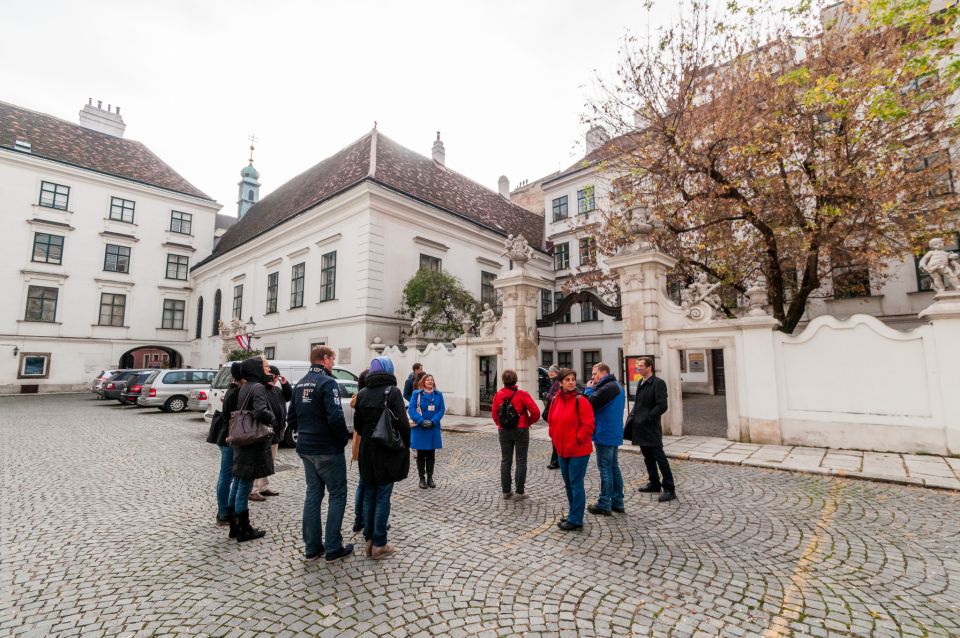
- Six topic stops that move you through Romans, Jews, traders, Greek Quarter history, legends, and more
- Hoher Markt + Anchor Clock as a fun starting point with built-in surprises
- Architecture spotting practice across Gothic, Renaissance, Baroque, Rococo, Gründerzeit, and Art Nouveau
- Myths with animal ornaments you can actually spot on facades and fountains
- Jesuit Church viewing from the university quarter with Baroque exuberance and artistic rivalry
- Narrow streets and back courtyards that help you picture daily life in older Vienna
Starting at Hoher Markt and the Anchor Clock: why this spot works
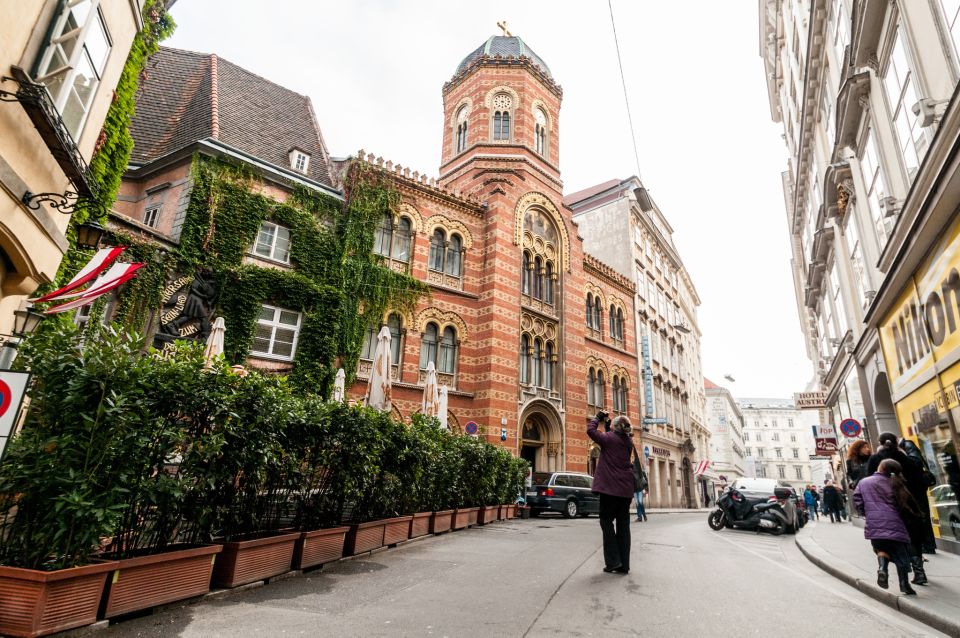
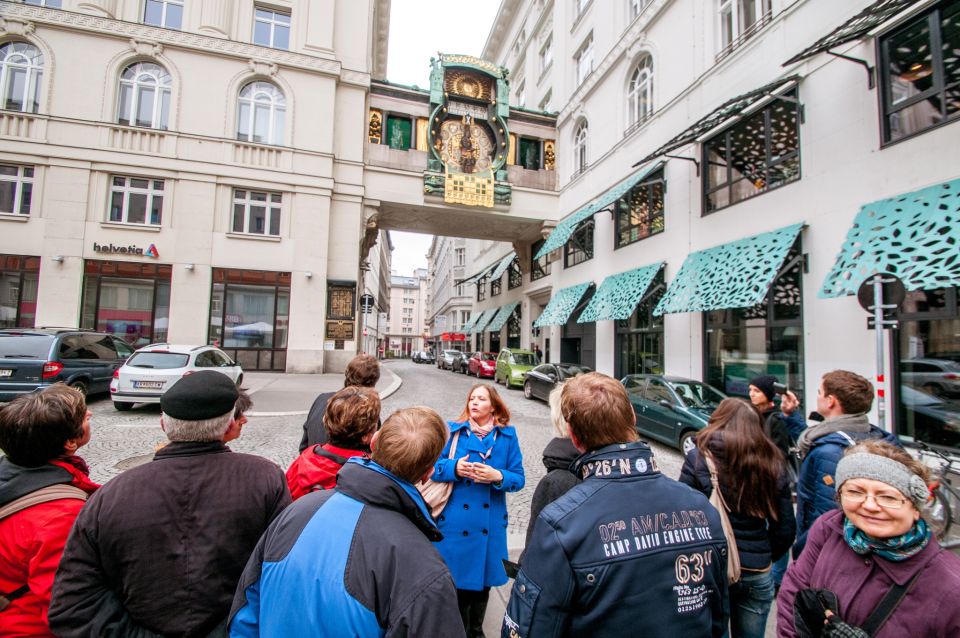
You meet at the Anchor Clock on Hoher Markt, and that’s a great choice for a short tour. It’s central, easy to orient from, and it gives your guide a perfect opening scene: Vienna as a place where commerce, power, and public life have always intersected.
From the start, the tour’s tone is practical. You’re not just collecting photo stops. You’re learning what to notice—dates, symbols, building forms, and the way different eras literally share the same streets. If you arrive 10 minutes early, you’ll have a little buffer to settle in before you start walking.
You can also read our reviews of more tours and experiences in Vienna


Romans, Jews, and Traders: what Hoher Markt is really about
Hoher Markt isn’t famous because it’s flashy. It’s famous because it’s old and because it kept pulling important people through its orbit. One of the tour’s themes is how this area drew power-conscious politicians, architects, and traders for centuries.
Expect to hear about a few anchored-in-place classics, including:
- Vienna’s oldest building
- the first public waterworks in the city
- the Anchor Clock, with surprises you’ll only catch if someone points them out
What I like here is that your guide treats history as infrastructure. Waterworks, civic spaces, building dates—this makes the old town feel usable, not just ceremonial. And when the guide connects those dots, you start seeing Hoher Markt as a crossroads rather than a square you walk through.
Practical tip: give yourself permission to look up. The best details around Hoher Markt tend to live on facades and in small architectural tells that you’d miss at sidewalk speed.
The Greek Quarter on the Danube’s inner arm: trade and conflict in one walk
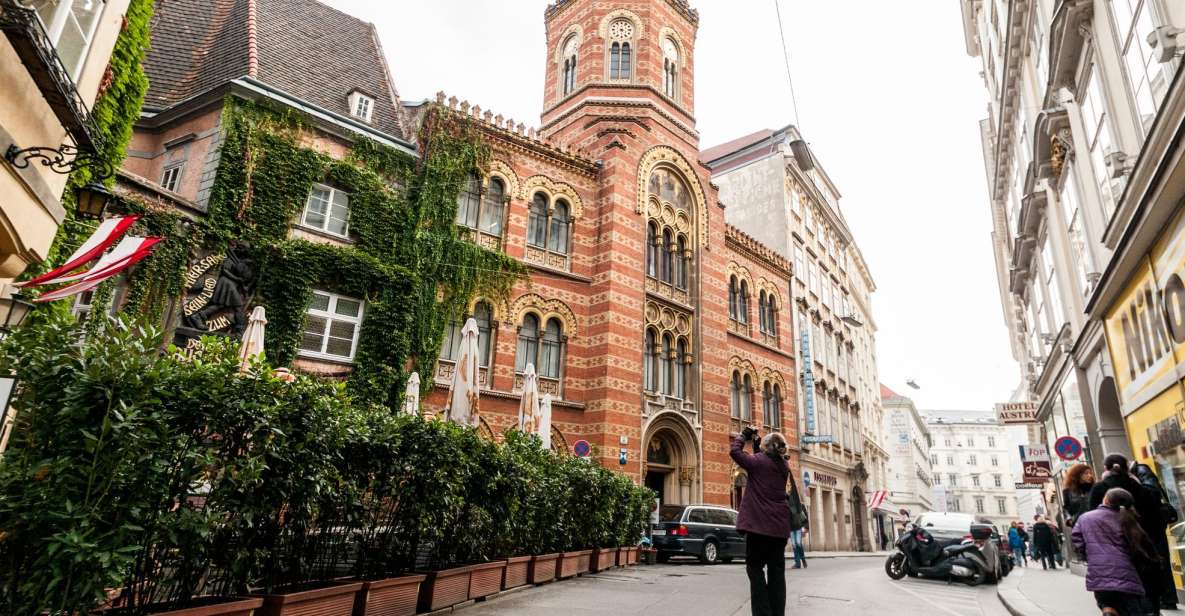
Next comes the Greek Quarter, described as hectic in feel and shaped by centuries of trading along the Danube’s inner arm. That’s the key: you’re not only hearing dates. You’re getting a sense of why people were here—movement, goods, migration, and the kind of daily contact that creates mixed neighborhoods.
The tour also ties the area to big turning points:
- Turks fought here
- Greeks prepared their fight for independence here
- traces of that history appear around corners
If you’re the kind of traveler who likes context, this part helps you understand how Vienna’s “Romantic Old Town” identity has multiple, competing chapters. The romance is real—but so is the friction that shaped streets and communities.
What to expect on the ground: narrower pathways, older street bones, and a neighborhood rhythm that feels lived-in rather than staged.
Vienna’s architectural diversity: how to spot Gothic to Art Nouveau fast
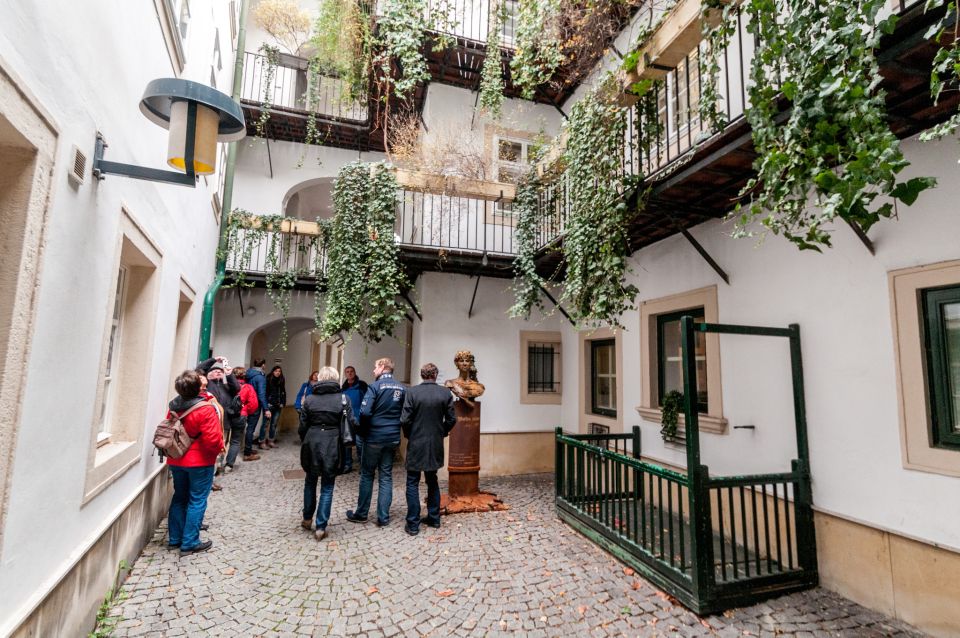
This tour is built for people who love buildings but don’t always know what they’re looking at. Vienna’s old town is basically an architectural timeline you can walk through, and your guide calls out transitions you’d otherwise miss.
You’ll hear about a full range of styles, including:
- Gothic residential towers
- medieval paving
- Renaissance back courtyards
- Baroque city palaces
- Rococo rows of houses
- Gründerzeit houses
- Art Nouveau houses
Here’s why this works for you: when a guide points out how one style hands off to another, you stop thinking of architecture as random decoration. It becomes a story about money, religion, taste, engineering, and city planning.
If you want a small game to play during this section, do this: pick one feature to track as you walk—window shapes, door proportions, rooflines, or the way ornament is used. Your guide will likely give you enough cues to keep your eyes focused.
Myths and legends: animal ornaments you can actually find
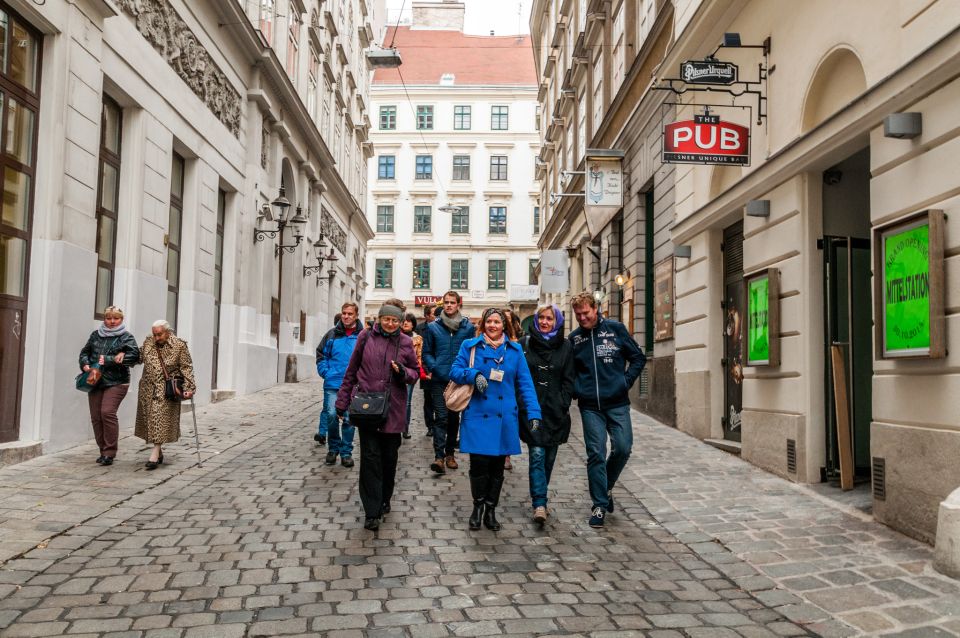
Vienna doesn’t just preserve documents. It preserves storytelling. This tour includes myths and legends tied to the city’s colorful history, with a particular focus on animals.
In this part, your guide explains that people kept trying to explain the city and its existence with legends. The fun twist: legends and reality don’t always match, and animals become recurring characters—showing up as ornaments on facades and fountains.
This is great for two kinds of travelers:
- If you like history, it adds a cultural layer beyond facts.
- If you travel with kids or friends who get bored by dates, it’s an easy way to stay engaged.
Practical approach: slow down when you see decorative features. If you ignore ornaments, you miss what this tour is trying to teach you.




The old university quarter and the Jesuit Church: Baroque power in plain sight
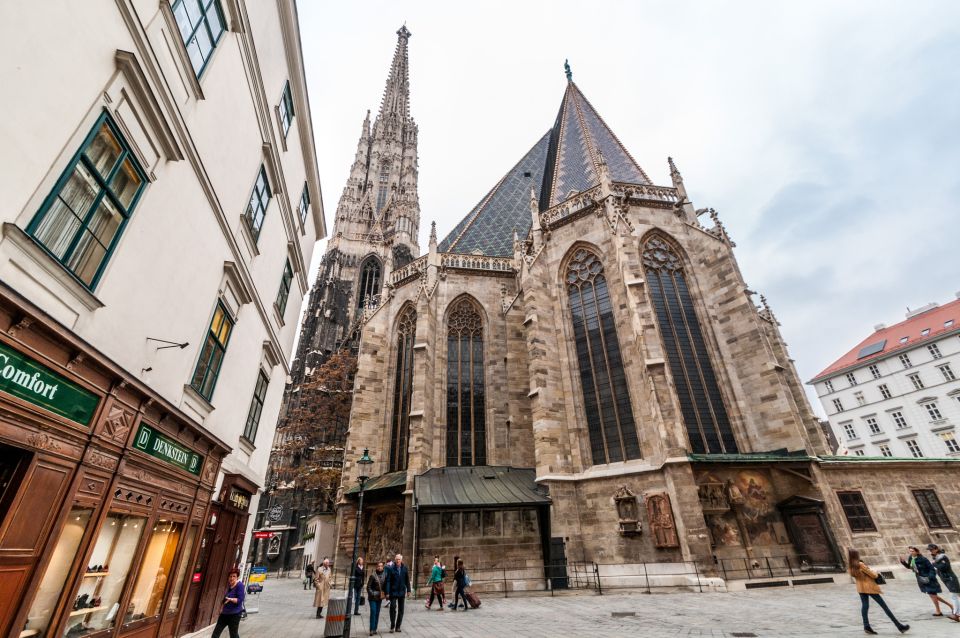
Then you move into the old university quarter, specifically the traffic-sealed Jesuit quarter. That detail matters. When streets are closed off to cars, the area feels more intimate, and Baroque church architecture has a chance to dominate the view.
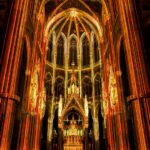
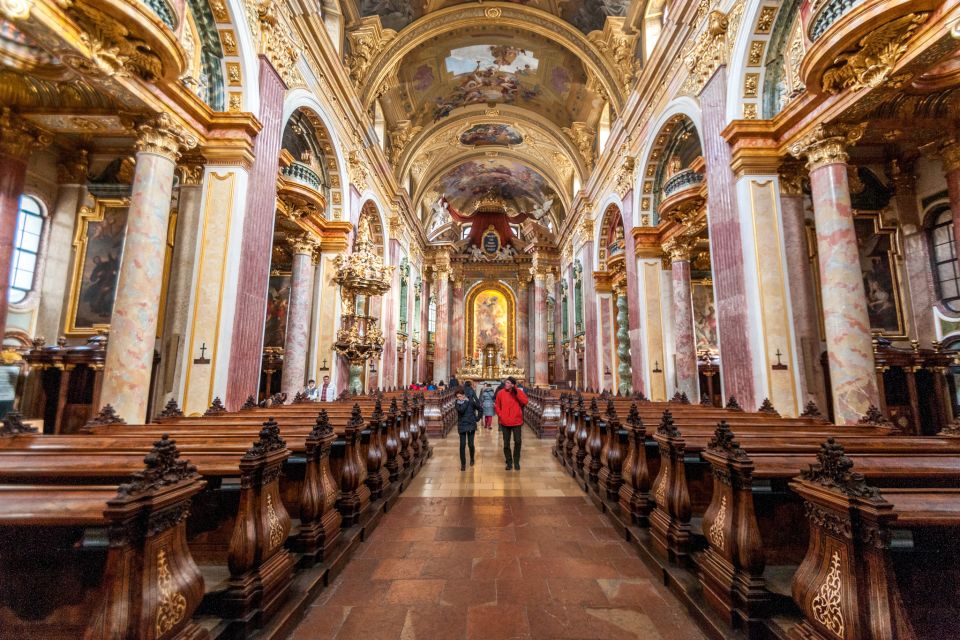
Your guide focuses on the fountain in the square—you can take a look into the interior of the Jesuit Church, described as a treasure trove of Baroque exuberance and a demonstration of church power.
Expect discussion of:
- Baroque visual drama
- rivalry between painters and architects in Vienna
This is one of the best segments for value in a short tour. You get to connect art and power without needing a full museum day. If your idea of learning is seeing how style communicates authority, you’ll appreciate this stop.
Narrow streets and back courtyards: imagining older Vienna’s everyday life
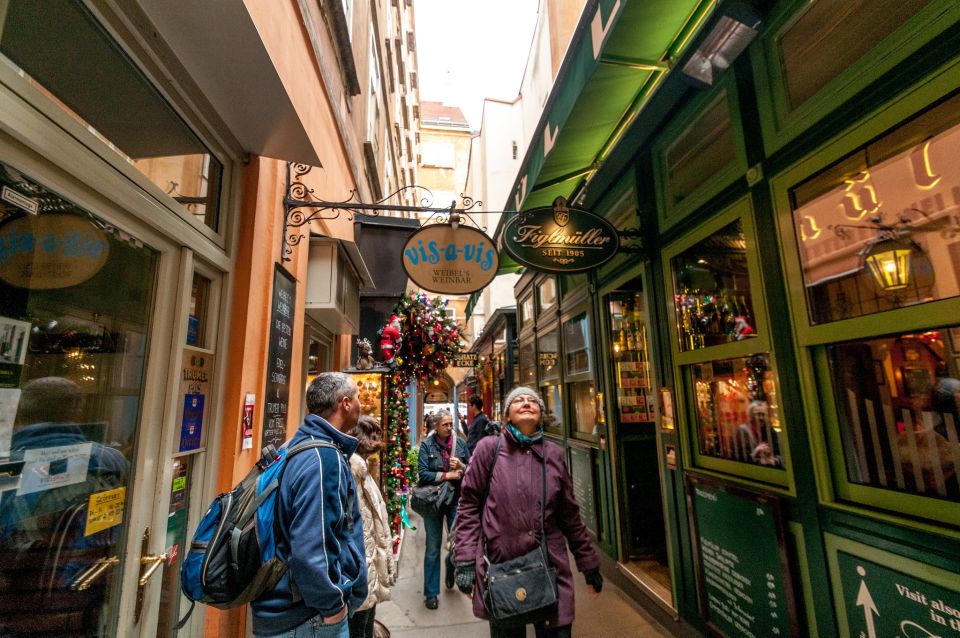
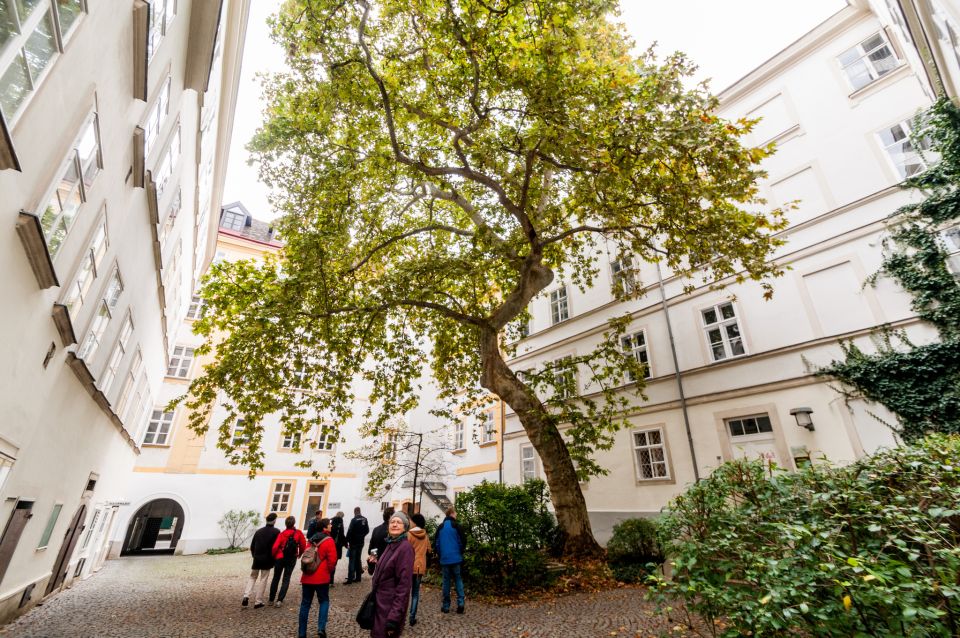
Old town Vienna has a physical vibe that you feel quickly: winding, narrow streets and back courtyards. The tour uses that geography to get you thinking about everyday life in older centuries—how everyday routines must have looked, smelled, and worked in times with different assumptions about hygiene.
The guide even frames it with a simple idea: opening a window in the Middle Ages might have taken your breath away. It’s a vivid line, and it helps you connect architecture to living conditions rather than just sightseeing.
If you’ve ever found walking tours too surface-level, this is where it can change. Back courtyards and tight streets aren’t just picturesque. They were built for real city constraints—space, privacy, and light.
Price and value: what $352 for up to 7 people really buys you
The price is $352 per group up to 7, and it’s 2 hours with a private guide. That sounds like a lot until you do the math.
- With a full group of 7, you’re looking at roughly $50 per person for a private guide.
- With just 2 or 3 people, the price per person climbs fast.
So the value equation depends on your travel style:
- If you’re traveling with friends or family and can fill the group size, this can be a great way to get targeted guidance.
- If you’re traveling solo or as a couple, you may be paying a premium for private attention. You’re still getting value if you want a guided route that covers multiple historical themes quickly.
Also note what’s included vs not included. You get a private guide, but food and refreshments aren’t included. And while the experience notes skipping the ticket line, the details of what you skip aren’t spelled out—so think of it as help with timed entries if your route includes places where that matters.
What the best guide moments look like (and one fair warning)
From the guide-name examples that show up in past experiences, two qualities rise to the top: detail and delivery. People describe guides like Wolfgang Auinger as charming and engaging, and Max as competent, motivated, and rhetorically strong—sharing lots of details and showing parts of the old town that you might not find on your own.
That’s exactly what you want on a short tour: not just names and dates, but the ability to point you toward the small things—ornaments, architectural transitions, the meaning behind a square or a church interior.
One fair warning, based on a less-than-perfect note: a guide can lean more into local wit or conversation than strict historical depth. If you’re the type who wants very structured, fact-heavy explanations, you should be ready to steer the conversation with direct questions like what source a claim is based on or which architectural feature proves a point.
Who this tour is best for
This Vienna Romantic Old Town discovery tour is ideal if you:
- are short on time but want more than the usual main-attraction checklist
- like architecture and want a guided way to recognize styles
- enjoy legends and symbolic details (especially animals on buildings and fountains)
- want a route that covers multiple themes without feeling scattered
It may be less ideal if you:
- want a long, museum-heavy day
- expect a deep academic lecture rather than a city-walk interpretation
Should you book this Romantic Old Town discovery tour?
Yes, if you want a guided walk that teaches you how to see Vienna—not just where to stand for a photo. The strongest reasons to book are the mix of topics (Hoher Markt, Greek Quarter, Jesuit/university quarter, legends) and the practical teaching style that helps you read architectural styles on the street.
If you’re traveling solo with limited budget, you might compare it to group tours. But if you can share the cost across multiple people, the private-guide format makes a lot of sense. For a 2-hour overview with real texture, this is a solid bet.
FAQ
Where is the meeting point for the tour?
You meet at the Anchor Clock, Hoher Markt, 1010 Vienna. Plan to arrive 10 minutes early.
How long is the Vienna Romantic Old Town discovery tour?
The tour lasts 2 hours.
What is the price for this experience?
It’s $352 per group up to 7 people.
What’s included in the tour price?
A private guide is included.
Is food or refreshments included?
No. Food and refreshments are not included.
What languages are available for the live guide?
The tour offers German, Spanish, Chinese, Dutch, English, French, Italian, Japanese, Portuguese, Russian, and several other group-tour language options.
Is the tour private?
A private group is available.
Can I cancel for a full refund?
Yes, you can cancel up to 24 hours in advance for a full refund.
Can I skip the ticket line?
The tour information indicates you can skip the ticket line.