REVIEW · VIENNA
Vienna: Imperial Crypt Entrance Ticket
Book on GetYourGuide →Operated by Kaisergruft · Bookable on GetYourGuide
Vienna’s Habsburgs are resting underground. This visit takes you into the Imperial Crypt under the Capuchin Church, where emperors and family members were laid to rest as the dynasty’s power changed over centuries. I like that it is both solemn and surprisingly readable, with signage and booklets that help you connect the names to the objects.
I also really like the scale of what you’re seeing: a vault system shaped by modifications across 400 years, with ten vaults holding sarcophagi, urns, and funerary monuments. One drawback to plan for is that the experience depends a lot on how much context you want. There’s solid information on site, but if you need more English explanation, a guided tour (available for an extra fee) can make the visit feel much more complete.
In This Review
- Key highlights you should not skip
- Imperial Crypt under the Capuchin Church: what makes it special
- What you’ll see: ten vaults, sarcophagi, urns, and monuments
- The big names: Franz Joseph, Sisi, Maria Theresia, and Rudolph
- Ornaments with purpose: how craftsmanship supports the story
- Self-paced timing: how long to spend and how to pace it
- Guided tour vs. entrance ticket: when the extra context is worth it
- Combo ticket with A Little Night Music: plan your evening flow
- Price and value: is $17 a fair deal?
- Practical rules that affect your comfort: bags, photos, dress
- Who this is for, and who might want a different plan
- Should you book the Imperial Crypt ticket?
- FAQ
- How much does the Vienna Imperial Crypt Entrance Ticket cost?
- How long is the ticket valid for?
- What can I see inside the Imperial Crypt?
- Is a guided tour included with the ticket?
- Are photos or video allowed?
- Are lockers and toilets available?
- Is it wheelchair accessible, and what clothing rules apply?
Key highlights you should not skip
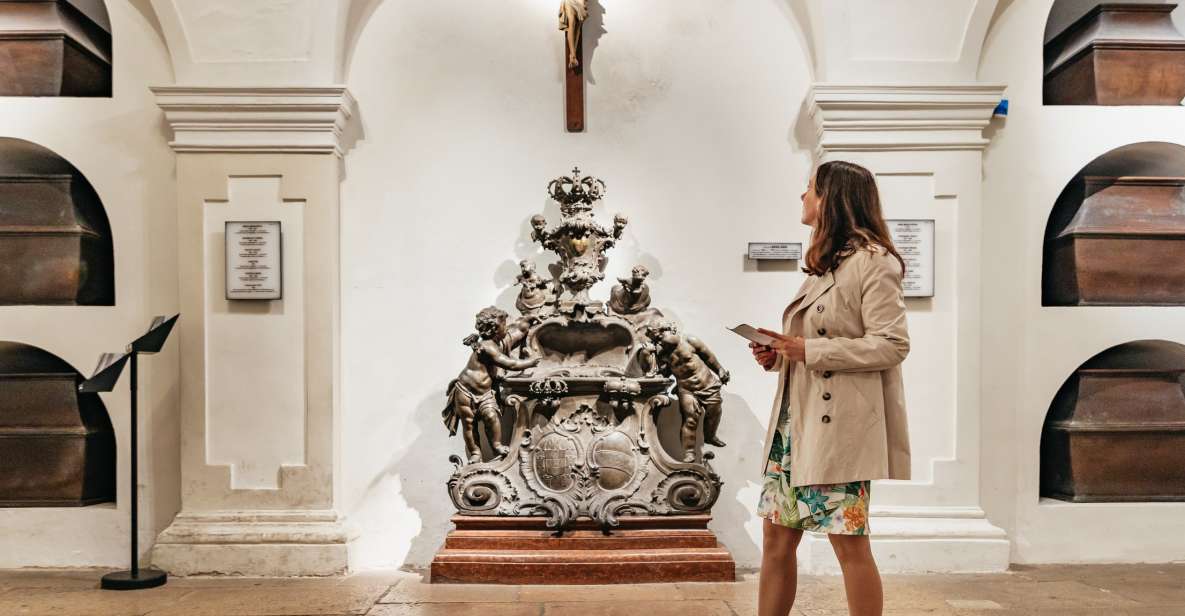
- Ten vaults and a long-building story: the crypt was extended through multiple phases over centuries
- The Habsburg power story in objects: sarcophagi, urns, and monuments in metalwork that feels like imperial branding
- Major names in one place: Franz Joseph, Elisabeth (Sisi), Maria Theresia, and Rudolph are all here
- A peaceful visit, not a horror show: the space is calm and not overcrowded when you go at a sensible time
- Optional guided context: an extra-hour style tour can help if you want more explanation
- Combo ticket option: add A Little Night Music after your crypt visit
Imperial Crypt under the Capuchin Church: what makes it special
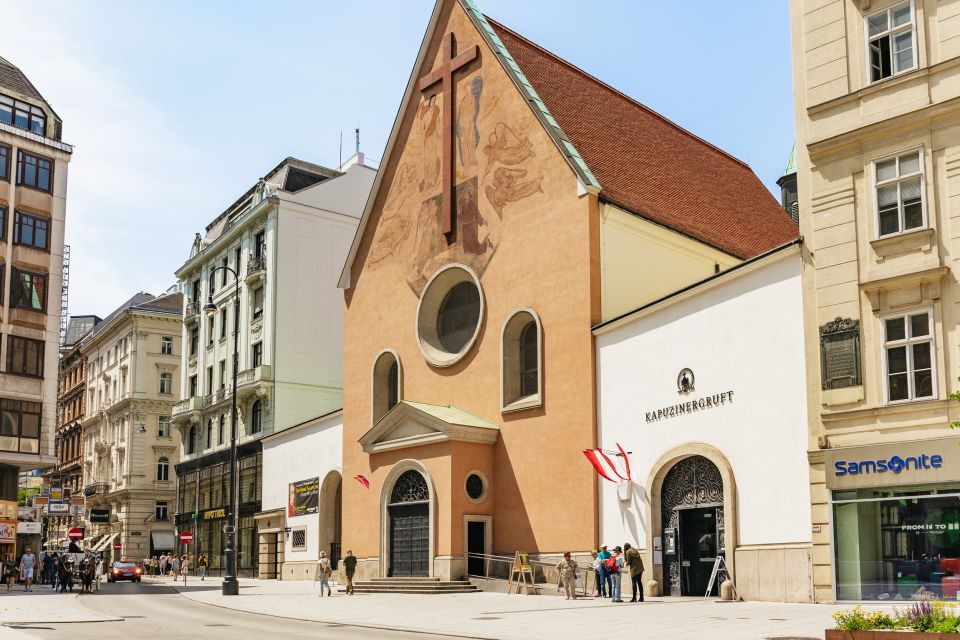
The Imperial Crypt sits right in Vienna’s city center, beneath the humble church and monastery of the Capuchin Friars. That contrast matters. On the surface, the setting feels modest; below, the burial space shows how seriously the Habsburgs treated legacy. You’re not just looking at old graves. You’re walking through a carefully arranged system built to present dynasty, authority, and memory.
A lot of this appeal comes from how the crypt was formed. Instead of being a single construction project, it grew through extensions and modifications over more than four centuries. Today, the layout you’ll experience is a unified complex made of ten vaults—each connected to the next. That means your visit feels like a timeline you can physically follow, even if you don’t read every line.
You’ll also notice the crypt is still under the custody of the Capuchin Order. That’s why the place feels handled with care. The rules are straightforward too: no video recording, no pets, no large bags, and even sleeveless shirts are not allowed. You’re meant to slow down.
You can also read our reviews of more tours and experiences in Vienna
What you’ll see: ten vaults, sarcophagi, urns, and monuments
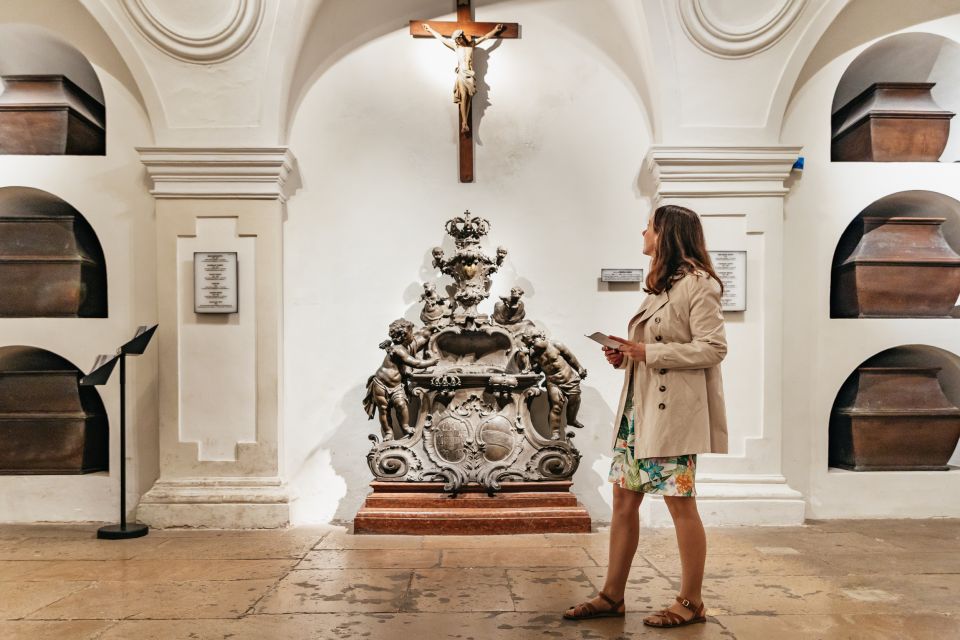
Inside, the Imperial Crypt is organized around a vault system that ultimately totals ten vaults. These aren’t empty rooms. They hold sarcophagi, urns, and funerary monuments connected to the Habsburg family. The number people often remember is the count of individuals: the mortal remains of around 150 Habsburg personalities are laid to rest here.
As you move through the spaces, you’ll start to see patterns in how the dynasty chose to be remembered. The metalwork and the sculptural style are not random decoration. They communicate rank and continuity—an imperial language made from craftsmanship. Some coffins and containers are especially ornate, and it’s the kind of artistry you can keep returning to, even if you already know the broad outline of Habsburg history.
You’ll also learn that the crypt includes more than just emperors. Family members and dynasty figures are present throughout. That turns the visit from a “who ruled when” exercise into something closer to a family archive, where politics and personal lives overlap.
The big names: Franz Joseph, Sisi, Maria Theresia, and Rudolph
It’s hard to miss the major figures because the crypt’s identity is built around them. Franz Joseph is here, along with his wife Elisabeth—often called Sisi—and their son Rudolph. Maria Theresia is also among the key names whose remains are in the Imperial Crypt.
Why seeing these names in one location is valuable: it compresses the scale of the empire into a single walk. Vienna’s Habsburg story can feel huge and abstract when you read it in a book. In the crypt, those names become physical objects you can stand next to. Even if you don’t memorize dates, you get a clear sense of continuity: different generations, linked by the same burial complex.
One small but fascinating detail to keep in mind while you’re here: while the Imperial Crypt houses the mortal remains, the hearts of the Habsburgs are not placed in the crypt itself. They are kept inside the monastery. That detail adds a layer of meaning to the visit. You realize this was never just about storing bodies. It was about separating what represented the person, what represented lineage, and what represented spiritual memory.
Ornaments with purpose: how craftsmanship supports the story
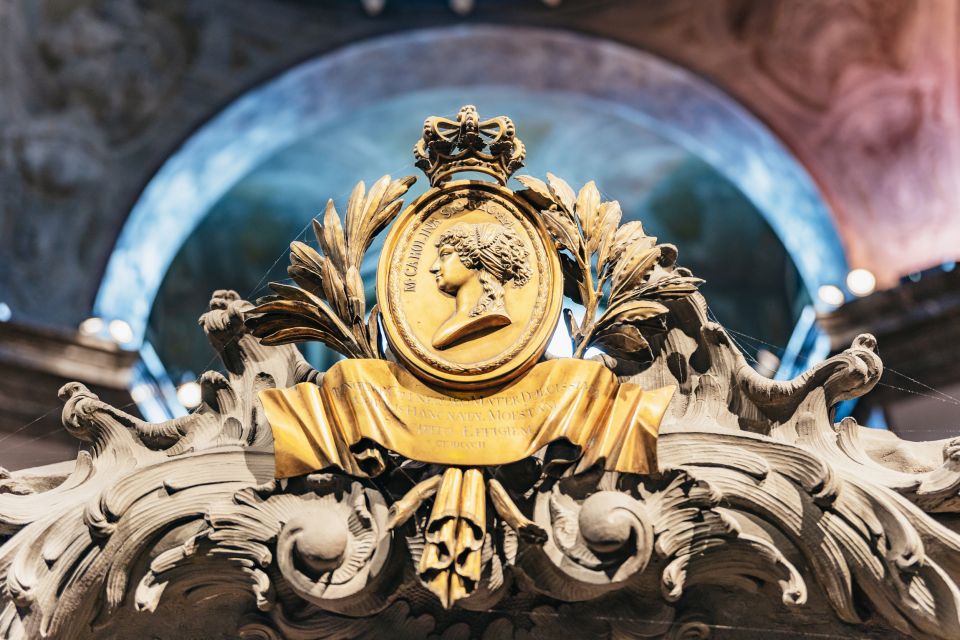
The crypt rooms are designed to evoke imperial grandeur. The spaces were created with an emphasis on power, not just ceremony. You’ll encounter burial monuments and containers built from metals—often with dramatic color and shine. The artistry can be intense, and that’s part of the experience.
I like how this craftsmanship changes your reading of the Habsburgs. Instead of thinking only about emperors and wars, you start to see how the dynasty used art and materials to communicate permanence. It’s almost like museum storytelling, except the objects are funerary and the tone is more solemn.
Also, the crypt isn’t trying to shock you. More than one visitor describes it as peaceful and not macabre. That matters if you usually avoid darker attractions. Here, the atmosphere is more reflective than theatrical.
Self-paced timing: how long to spend and how to pace it
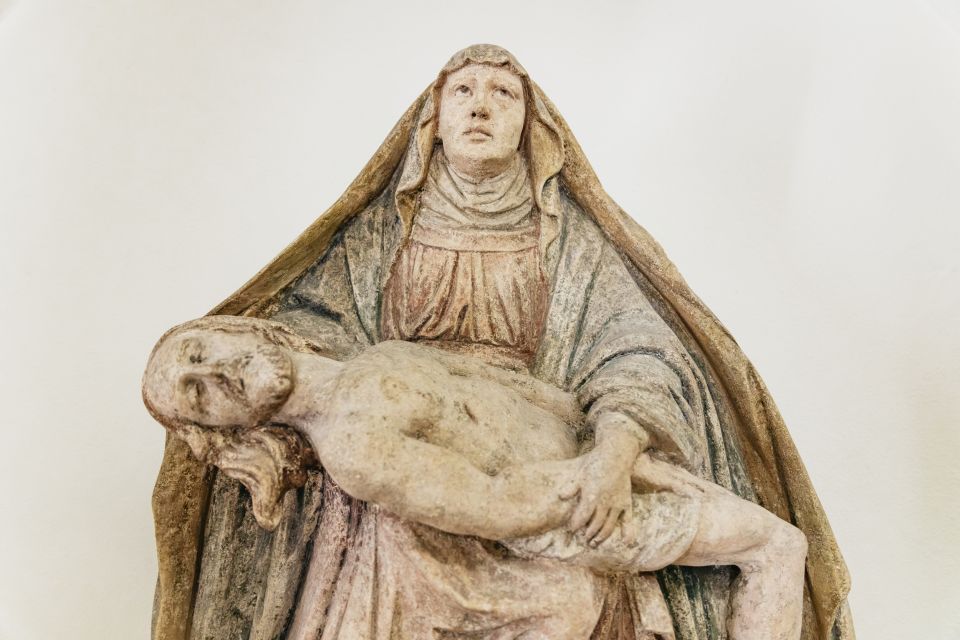
The ticket is valid for 1 day, and you can plan your visit around the rest of your Vienna day. The crypt itself feels designed for a focused visit rather than a full-day mission. Depending on how much you read, you might finish quickly or take your time.
If you’re the type who flips through booklets fast and keeps moving, you may spend around 30 minutes. If you stop to read details and linger over the more ornate coffins and monuments, it’s easy to stretch to about an hour and a half. Either way, I recommend pacing yourself so you’re not just scanning. Look at one vault area, read what’s there, then move on. The information isn’t just history trivia; it helps explain why certain objects look the way they do.
A useful tip: if you want more explanation without relying only on signage, consider adding a guided tour. There are tours available through the ticket office for an extra fee, and the guided version is often around one hour. If your German isn’t strong, the guide can be the difference between seeing beautiful objects and fully understanding the people attached to them.






Guided tour vs. entrance ticket: when the extra context is worth it
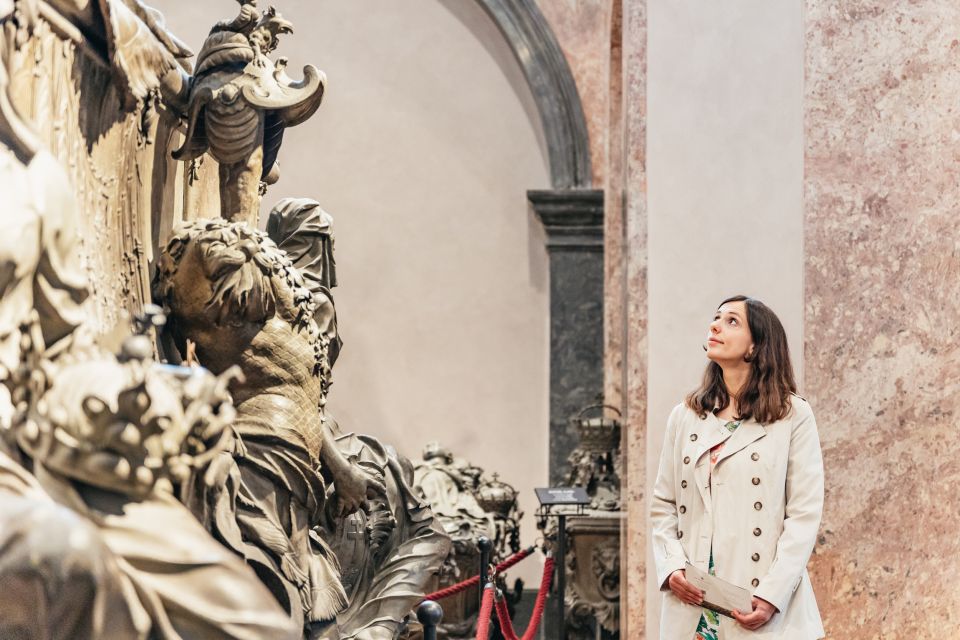
Your ticket includes entrance, but the on-site experience has an optional layer. If you’re curious and you want more than the basics, a guided tour can give you a clean narrative thread.
Here’s how to decide:
- If you already know the Habsburg timeline and just want to experience the craft and scale, entrance-only can be enough. Booklets and on-site information help you move through at your own speed.
- If you want the stories connected together—who is who, why they matter, how they relate to each other—then add the guided portion. Even short tours can make the crypt feel less like a series of impressive rooms and more like a coherent family story.
Also, language can shape what you get from the signage. The crypt has English-friendly materials in some form, but not every detail may land as well for English speakers as it does for German speakers. If you’re going with someone who reads slowly and you want deeper explanations, a guide is a smart investment.
Combo ticket with A Little Night Music: plan your evening flow
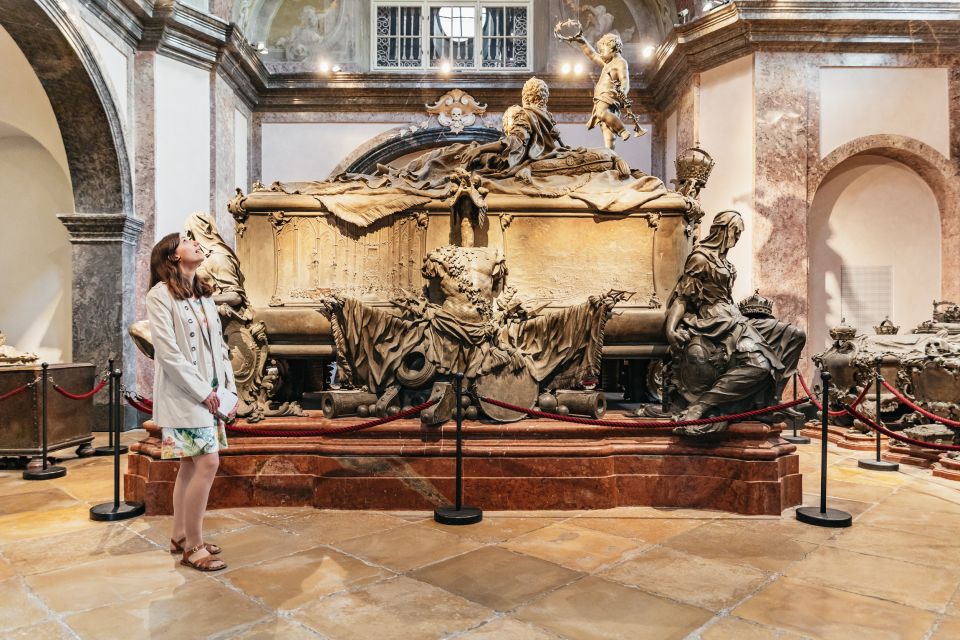
One of the best value angles here is the combo ticket that pairs the crypt visit with the concert A Little Night Music after you’re done. That’s a great way to balance atmosphere: the crypt gives you solemn visual history; the concert brings you back to Vienna’s living culture.
Practically, this combo helps if you’re trying to avoid a long gap in your day. It also gives your Vienna story a stronger arc. One moment you’re surrounded by the remains of a ruling dynasty, and the next you’re in a music setting that reflects the city’s artistic identity.
If you’re a first-time visitor, this kind of pairing works well because it doesn’t feel like two unrelated activities. They complement each other: power and memory underground, then performance and emotion in the open air of Vienna’s cultural life.
Price and value: is $17 a fair deal?
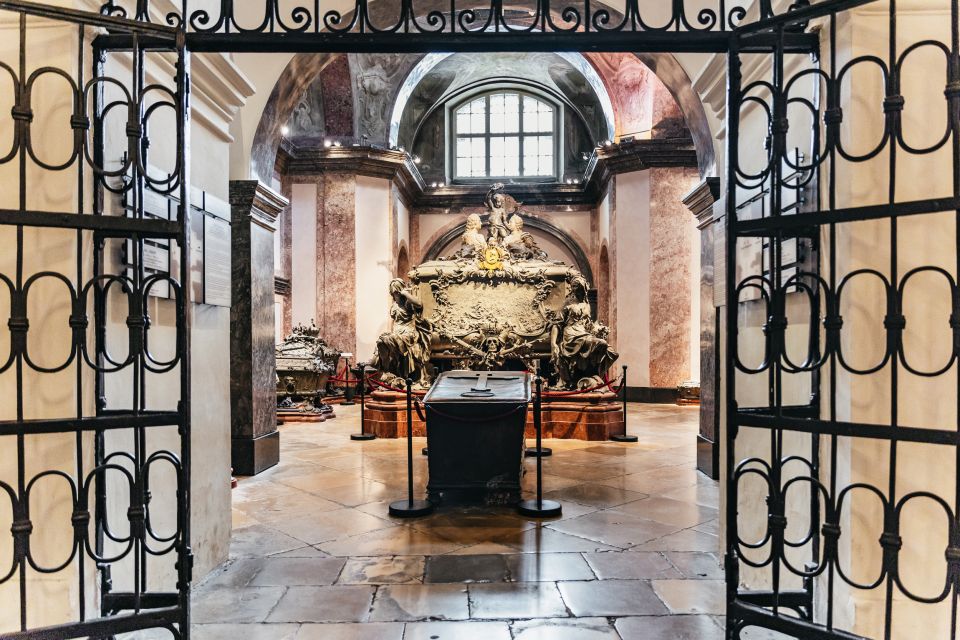
At about $17 per person, the Imperial Crypt entrance ticket is priced for what you’re getting: a major historical site in the center of Vienna with a long, well-defined experience route. You’re not paying for a generic attraction. You’re paying for a specific, rare burial complex that most other European destinations simply don’t offer.
The value gets better because of the combo option with A Little Night Music. If you were going to see at least one cultural event anyway, bundling the crypt visit with the concert can feel like you’re tightening your itinerary without wasting time.
The only reason it might not feel like value is if you want heavy narration but you plan to rely only on entrance materials. Entrance-only can still be moving, but it’s best if you’re willing to read what’s there and spend time looking closely.
Practical rules that affect your comfort: bags, photos, dress
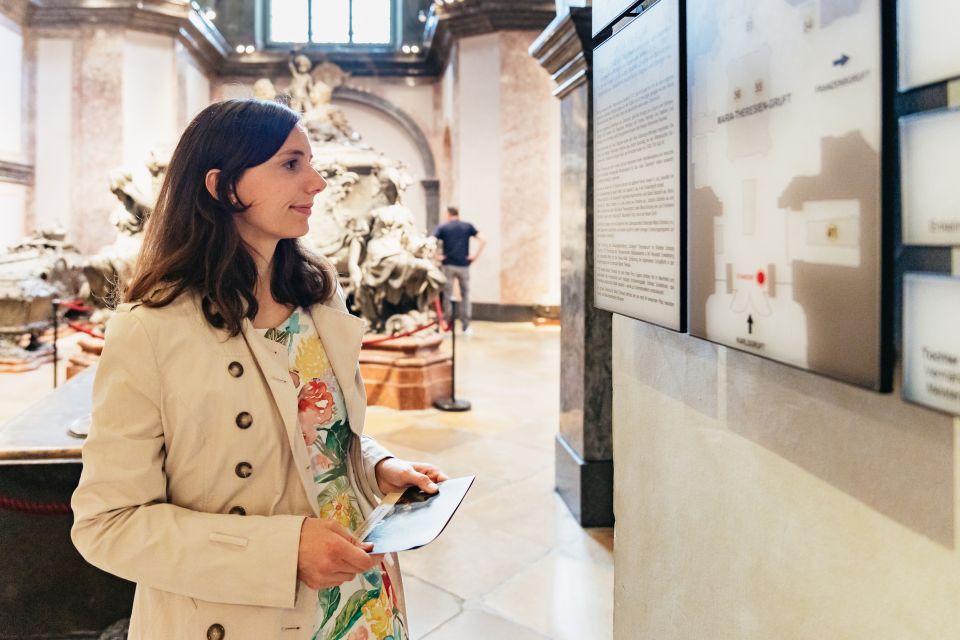
Before you go, adjust your expectations to match the rules. They are clear and strict in a few areas:
- No large bags or luggage
- No pets
- No sleeveless shirts
- No video recording
Photography is also treated as disrespectful to the dead. Even if some people ignore the rules, I’d still follow them. It keeps the mood respectful and it avoids arguments or interruptions with staff.
Bag policy matters more than people think. If you’re carrying a daypack, plan to keep it manageable so you can get through quickly. If you do need storage, there are lockers available and toilets on site. One useful note from visitors: lockers are handled with coins (people mention using small coin amounts and getting them back).
Who this is for, and who might want a different plan
This ticket is a strong fit if you:
- Like history that you can stand in front of
- Enjoy art and craftsmanship, especially metalwork and funerary monuments
- Want to connect a famous dynasty to real objects
- Prefer a calm, reflective space over a scary or theatrical attraction
It may be less ideal if you:
- Want a full, guided narrative included with your price
- Dislike reading on your own and need lots of live explanation
- Are sensitive to tomb imagery and funerary symbolism (though the tone is described as peaceful, it is still a burial site)
If you’re traveling with teens, you’ll likely get a better reaction if you frame it as design and storytelling, not just graves. The visuals can do the work once they understand what they’re looking at.
Should you book the Imperial Crypt ticket?
Yes, I think you should book it if Vienna’s Habsburg story matters to you in any way and you’re curious about how power gets remembered. For the price, you’re getting a rare, central attraction with a clear route, major names all in one place, and artwork you can genuinely linger over.
Book it especially if you like two-part plans. The combo ticket with A Little Night Music can turn your day into a clean arc: history first, music after. If you want the stories more than the objects, consider adding a guided tour for extra explanation so the visit lands fully.
FAQ
How much does the Vienna Imperial Crypt Entrance Ticket cost?
It costs about $17 per person.
How long is the ticket valid for?
The ticket is valid for 1 day. You’ll check available starting times.
What can I see inside the Imperial Crypt?
You’ll see the burial vaults of the Habsburg rulers and family members, including sarcophagi, urns, and funerary monuments. The remains of about 150 Habsburg personalities are in the crypt.
Is a guided tour included with the ticket?
Your ticket includes entrance only. A guided tour option exists for an extra fee through the ticket office.
Are photos or video allowed?
Video recording is not allowed. Photography is treated as disrespectful to the dead, and it’s best to follow the no-photo expectation.
Are lockers and toilets available?
There are lockers and toilets on site. Visitors note that lockers work with coins.
Is it wheelchair accessible, and what clothing rules apply?
Wheelchair access is available. Sleeveless shirts are not allowed.