REVIEW · VIENNA
Vienna: Vienna Central Cemetery Guided Walking Tour
Book on GetYourGuide →Operated by Verein Wiener Spaziergänge · Bookable on GetYourGuide
A cemetery can be scary only on the first walk. Once you’re inside Vienna Central Cemetery, it turns into a history lesson with a pulse, set in park-like grounds dating to 1874. I love how the tour makes the scale real—think about the staggering numbers of the cemetery’s “city” of the dead—while also spotlighting Luegerkirche and the architecture you’d miss wandering alone. I also love the way the walk becomes story time: guides like Johann bring big knowledge with humor, so the place feels alive instead of just stone and dates.
The one drawback to flag is simple: 2 hours in a cemetery this large means you’ll cover the highlights, not every corner. If you’re not comfortable moving at a walking pace for a couple hours (and in real weather), plan accordingly.
In This Review
- Key things I’d clock before you go
- Vienna Central Cemetery as a “city” you can actually walk
- Meeting your guide: why the route matters in a place this big
- Grasping the cemetery’s layout: religion, culture, and personal life stories
- Luegerkirche: the architectural pause that makes the walk feel real
- Famous Vienna names: Udo Jürgens and Falco along the way
- Soldiers’ graves and memorials: where public history becomes personal
- The walking pace and practical reality of weather
- Price and value: $335 per group (up to 8) for a focused route
- Who this tour suits best (and who might want to choose differently)
- Book it or skip it: my practical recommendation
- FAQ
- How long is the Vienna Central Cemetery guided walking tour?
- What languages are offered?
- Is the tour wheelchair accessible?
- Can I book a private group?
- Are pets allowed?
- Is there a cancellation option if my plans change?
Key things I’d clock before you go
- Park-like grounds from 1874 make a cemetery feel walkable, not claustrophobic
- Johann-style storytelling turns names and symbols into real people and real moments
- Graves of honor connect art, culture, and politics to Vienna’s history
- Luegerkirche stands out as an architectural stop, not just another monument
- Famous names like Udo Jürgens and Falco help you anchor the tour in modern memory
- Different religious sections and soldiers’ memorials show how Vienna’s communities shaped the landscape
Vienna Central Cemetery as a “city” you can actually walk
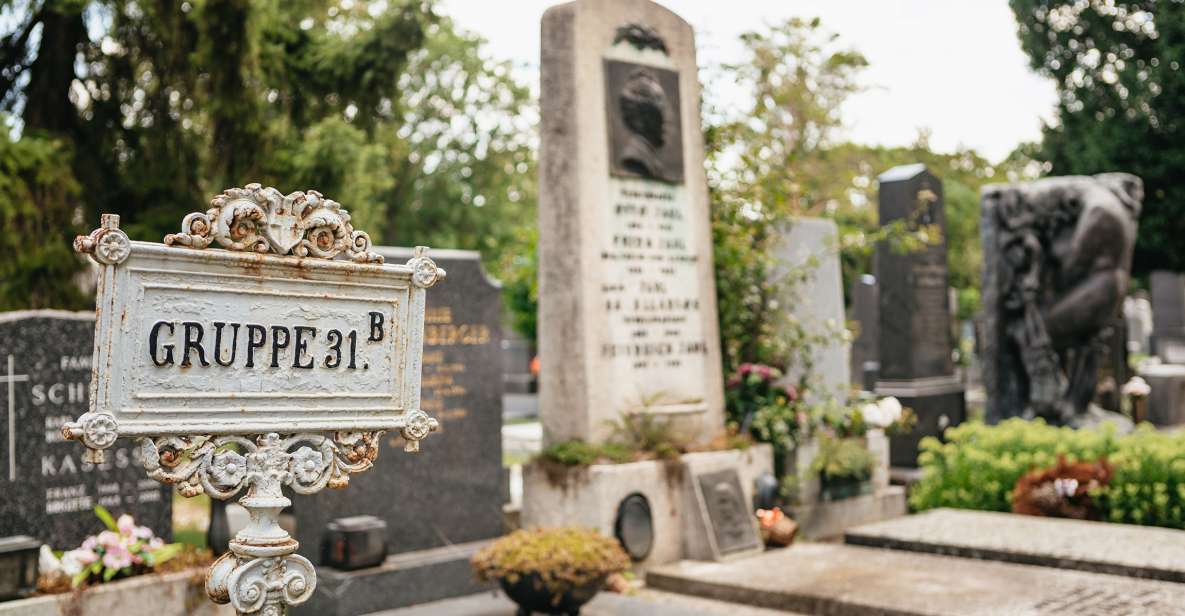
Vienna Central Cemetery sits in the south of the city and opened in 1874. The grounds are laid out with breathing room—spacious and park-like—so the mood isn’t only solemn. It’s also architectural and civic. You’re walking through a designed space, with paths that hint at how people organized belief, remembrance, and status over time.
Here’s what makes this tour different from a basic cemetery stroll: it doesn’t just point at tombstones. It frames what you’re seeing as part of Vienna’s social map. You’ll get explanations of how honor graves work, how soldiers and memorials fit into the wider story, and how different religious traditions appear across the grounds.
And yes, the numbers can feel almost unbelievable. The tour info leans on the idea of the cemetery as a city-scale place—described in terms like “three million inhabitants” and also around 330,000 graves. Even if you take those figures as big-picture scale, they still land: this is the kind of place where you stop thinking in “visits” and start thinking in “walking a neighborhood.”
You can also read our reviews of more walking tours in Vienna


Meeting your guide: why the route matters in a place this big
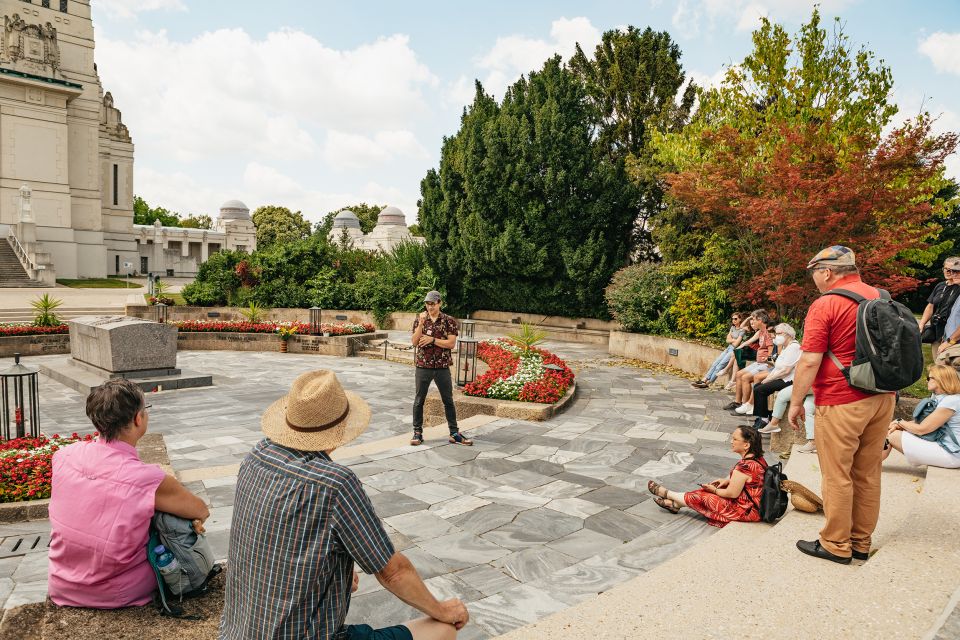
Your experience is built around a guided walking route, led by a live instructor in English or German. The exact meeting point can vary by the option you book, but the key is that you’re not figuring it out alone once you arrive. That matters here.
Without a guide, it’s easy to get lost in good intentions. You can wander, spot a name or two, and still leave with the feeling that you barely scratched the surface. With a guide, you get a focused line through the cemetery’s meaning. The guide doesn’t just “show” you spots; they help you read the place—symbols, honor sections, religious area differences, and the quiet logic of the paths.
A big part of what people love is the tone. Multiple guides get praised for being funny while staying respectful. Johann in particular shows up again and again in feedback: super guide, huge knowledge, and a sense of humor that makes time pass fast. That’s a real quality in a setting where people often expect it to drag.
Grasping the cemetery’s layout: religion, culture, and personal life stories
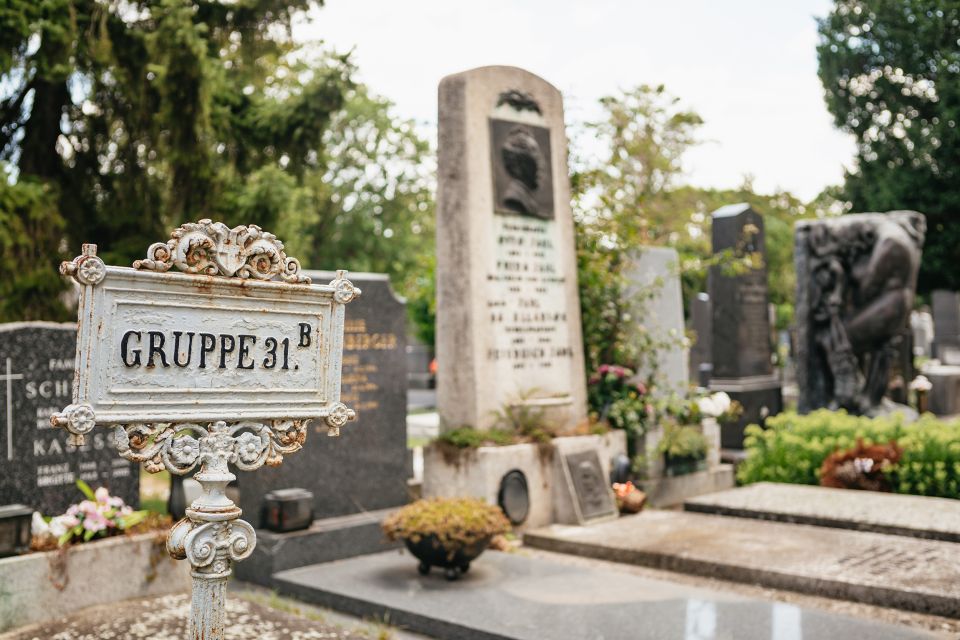
One of the tour’s smartest choices is the way it treats the cemetery as a collection of sections. During the walk, you’ll move through areas that represent different religions, cultures, and personal life stories. This isn’t an academic exercise. It helps you understand why the cemetery looks the way it does.
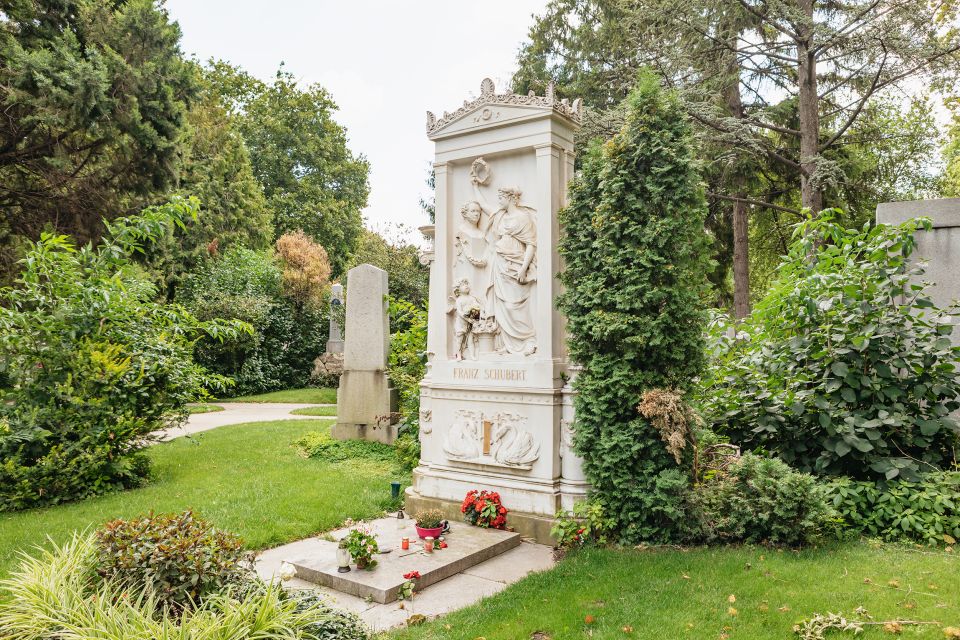
You’ll also see graves of honor for prominent figures connected to art, culture, and politics. That matters because it shows how Vienna remembered its important people in physical form. Honor graves aren’t just big monuments—they’re a statement about who a society chose to elevate and how it wanted those choices to remain visible.
You’ll also encounter:
- soldiers’ graves and memorials
- graves belonging to different religious beliefs
- graves of ordinary Viennese people (so the story isn’t only for celebrities)
This mix is a big part of the value. If you only chase famous names, you lose the point of the cemetery. If you only chase “history,” you miss the human scale. The guided route tries to keep both in view.
Luegerkirche: the architectural pause that makes the walk feel real
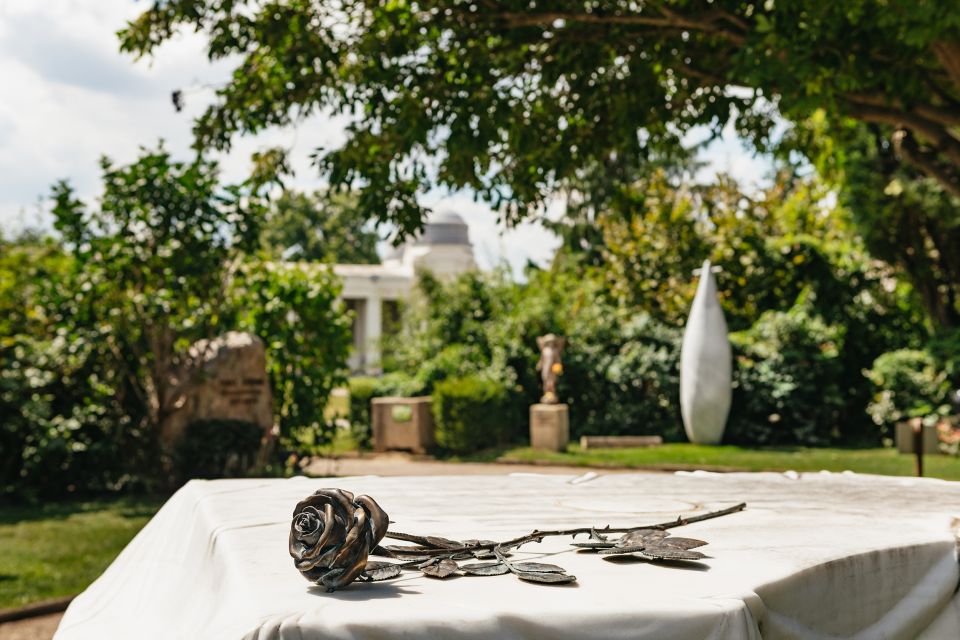
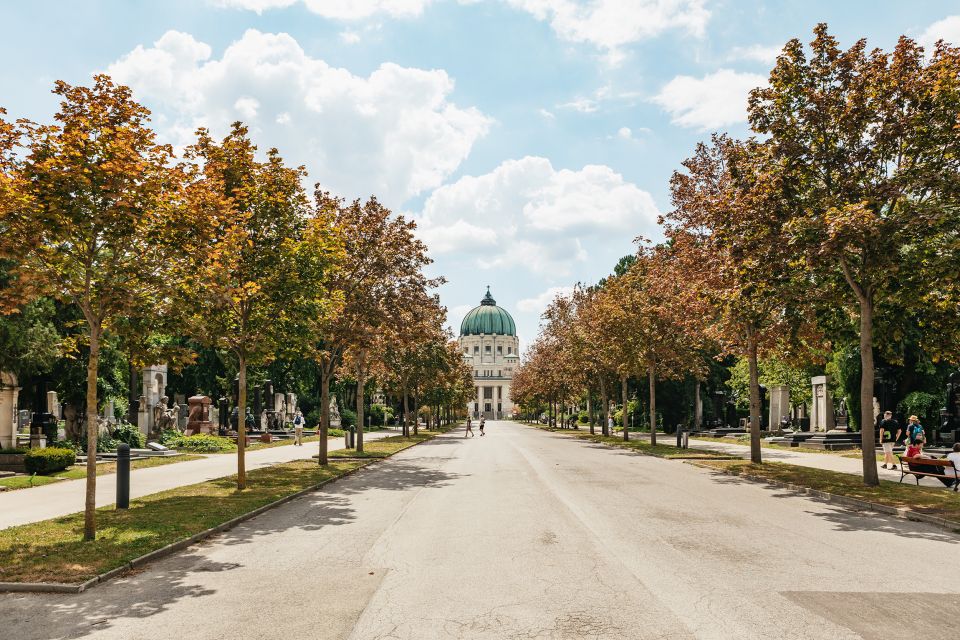
One highlight you should put on your radar immediately is the Luegerkirche. It’s called out as impressive, and I get why. Even when you’re used to Vienna’s churches and grand facades, a church inside a cemetery setting hits differently. It’s not just architecture; it’s architecture placed where people come to remember.
This stop helps you understand the cemetery’s atmosphere. A cemetery can feel like a museum of stone, but Luegerkirche brings structure and “public space” feeling back into the scene. It gives you an anchor point, so the tour doesn’t only feel like walking between individual gravestones.
And because the guide is explaining what you’re looking at, you’re more likely to notice the details that casual visitors usually skip. The architecture becomes part of the story, not background.
Famous Vienna names: Udo Jürgens and Falco along the way
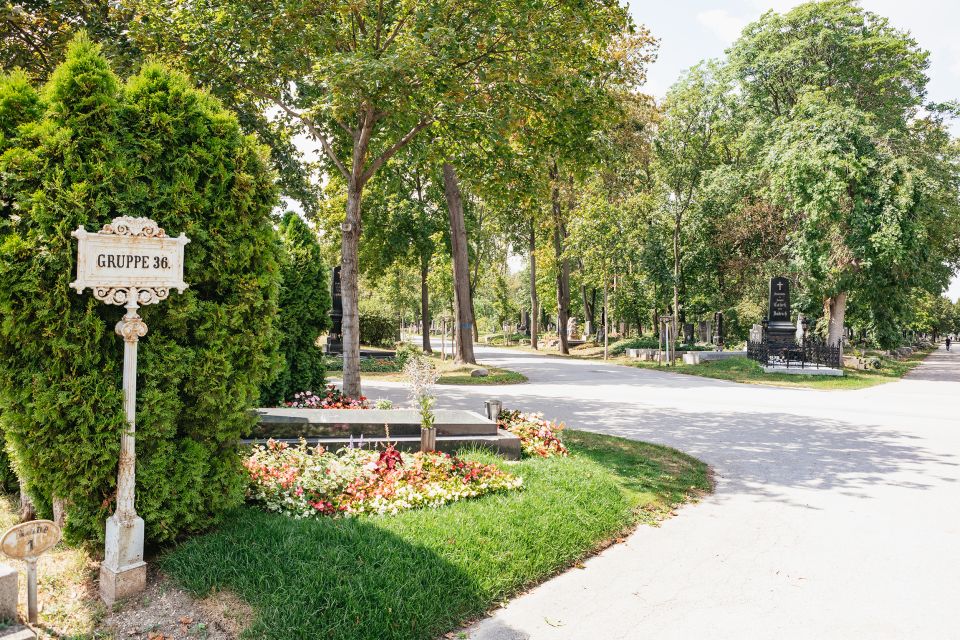
Part of what makes this tour click for modern travelers is that it includes well-known names. In feedback, people point out the graves of Udo Jürgens and Falco as especially worth seeing.
That’s not just star-spotting. It gives you a bridge between eras. You’re standing in a cemetery rooted in 19th-century design while your brain instantly connects with popular culture from more recent decades. It’s one of those moments where the cemetery stops feeling like a distant history stop and starts feeling like a living part of Vienna’s memory.
If you’re traveling with someone who’s less interested in monuments, this part of the route can help. It turns the experience into something you can talk about while still taking in the deeper meaning.
You can also read our reviews of more guided tours in Vienna


Soldiers’ graves and memorials: where public history becomes personal
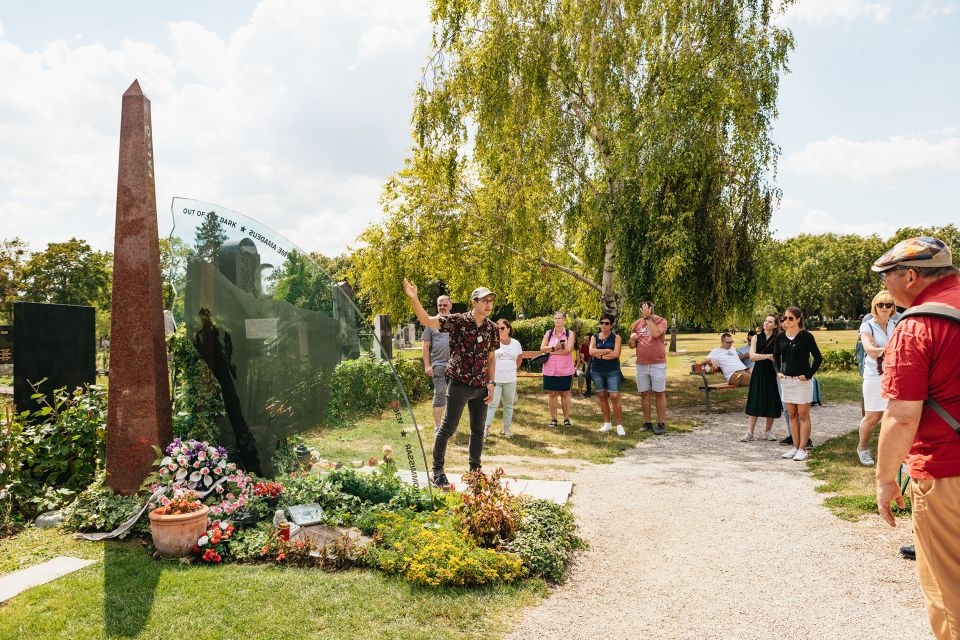
You’ll also see soldiers’ graves and memorials during the walk. This portion is important because it shows a different kind of remembrance: not just honoring “a person,” but honoring service, sacrifice, and collective loss.
When a cemetery includes soldiers’ sections alongside religious and honor graves, it creates a fuller picture of how communities processed major events. You can see how Vienna’s identity—its politics, its culture, its wars—stayed present in the ways it built and maintained these spaces.
The guide’s role matters here. Without context, a memorial can look like a carved message you can’t fully translate. With a guide, you’re better able to understand what the design choices and placement might be saying.
The walking pace and practical reality of weather
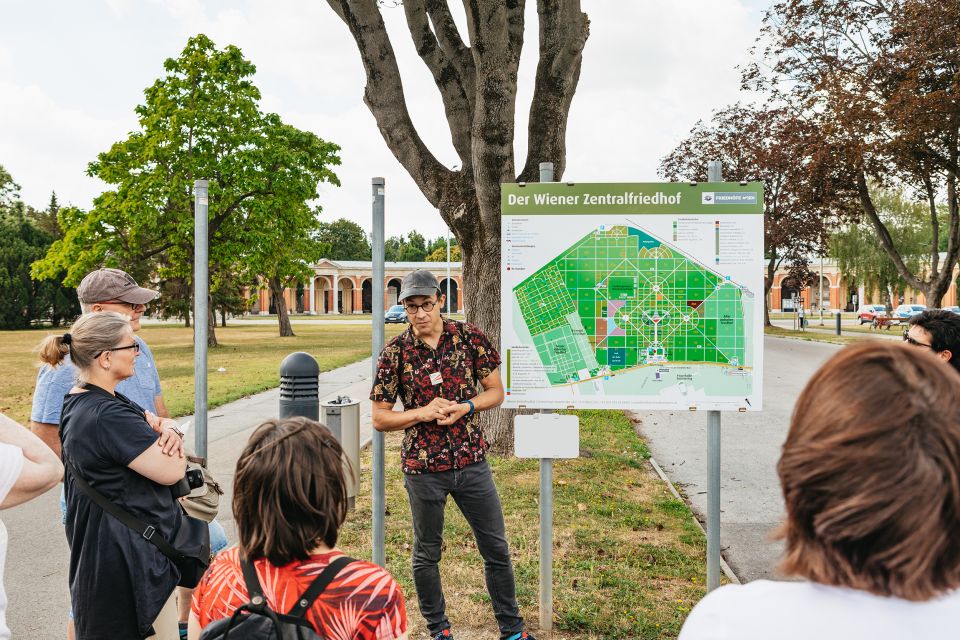
This tour is listed as a 2-hour guided walking experience, so plan your body accordingly. You’ll be on your feet, moving from section to section across spacious grounds. The operator specifically advises wearing clothing suitable to the weather, which is practical advice for Vienna in any season.
Cold weather is real here. In feedback, people mention tours going on even in very cold conditions, with good experiences anyway. That doesn’t mean you should tough it out in flimsy layers. If you tend to get cold easily, bring warm outerwear, comfortable walking shoes, and something to protect from wind.
If you’re imagining a gentle stroll where you only stop and admire, keep expectations realistic. This is a guided walk with explanation, not a free-roam hour.
Price and value: $335 per group (up to 8) for a focused route
The price is $335 per group up to 8 for a 2-hour guided walking tour. That might sound steep until you do the math and think about what you’re buying.
If you fill the group to 8 people, the cost lands at about $42 per person for the full guided experience. That’s not crazy when you consider:
- you’re paying for a live guide
- the guide helps you interpret a large, complex site
- you get the benefits of a route that’s hard to replicate on your own quickly
If you’re a solo traveler or a couple, the value depends on how much you’d pay to avoid getting lost or missing the key sections. If you’re the type who likes “see the right things, learn what they mean,” then the pricing often feels fair. If you want total freedom to wander at your own pace without structure, you might prefer something self-guided.
Also, the tour notes wheelchair accessibility and private group availability, which can be a real factor for families or small groups deciding how they want to experience it.
Who this tour suits best (and who might want to choose differently)
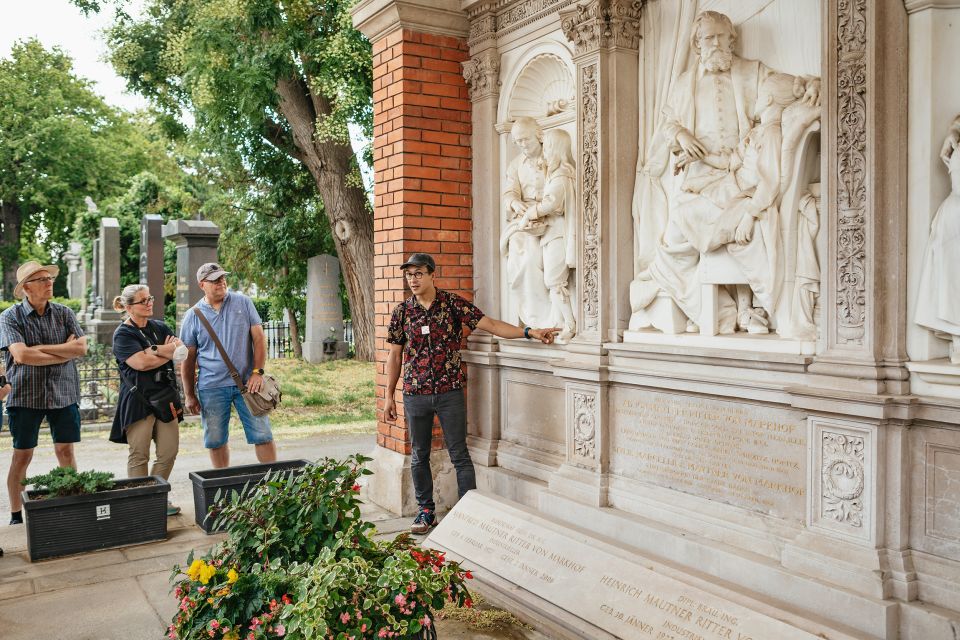
This is a great fit if you:
- like architecture and design details
- enjoy guided interpretation more than hunting for answers yourself
- want famous names like Udo Jürgens and Falco without turning it into a “quick photos only” stop
- appreciate learning about religion and remembrance in a tangible way
It can be a less perfect fit if you:
- want to cover every single section or every major grave (2 hours won’t do that)
- are extremely sensitive to weather or long time outdoors on your feet
It’s also ideal if you want a respectful, educational walk that doesn’t feel heavy or boring thanks to a guide who can use humor well. The Johann praise is strong, and that tone shows up as a reason people felt the time flew by.
Book it or skip it: my practical recommendation
I’d book this tour if you want your Vienna Central Cemetery visit to feel guided, readable, and worth your time. The combination of graves of honor, Luegerkirche, religious sections, soldiers’ memorials, and recognizable names gives you a route that connects past to present.
Skip it if your main goal is free-roam exploration with no structure. At 2 hours, you’ll be choosing highlights, not exhausting the cemetery. But if you want the cemetery to make sense fast—and leave with stories you can repeat—this is the kind of guided experience that earns its price.
FAQ
How long is the Vienna Central Cemetery guided walking tour?
The tour duration is 2 hours.
What languages are offered?
The live tour guide is available in English and German.
Is the tour wheelchair accessible?
Yes, the tour is wheelchair accessible.
Can I book a private group?
Yes, a private group is available.
Are pets allowed?
No, pets are not allowed.
Is there a cancellation option if my plans change?
Yes. You can cancel up to 24 hours in advance for a full refund.