REVIEW · VIENNA
‘Armenia In The Heart Of Vienna
Book on Viator →Operated by MAGELLINE · Bookable on Viator
Vienna can feel all marble and music. This tour adds a very different flavor: Armenian culture shown through the Mekhitarist Order, plus Chatherine liquor and its stories. I really like the mix of objects—coins, manuscripts, rugs, folk costumes—so history feels tangible, not abstract. I also like that it stays tight at about 1 hour 30 minutes, so you get a concentrated experience without burning a whole day.
One thing to consider: this isn’t a casual “wander and snack” stop. It’s a structured visit with a cultural focus, so if you want lots of free time to roam or a modern museum-style walkthrough, you may prefer a different outing.
In This Review
- Key things you’ll notice on this tour
- Getting Oriented at Mechitaristengasse 4
- Why the Mekhitarist Order Matters in Vienna (and Beyond)
- Step Inside the Mekhitarist Congregation: Manuscripts, Coins, and Everyday Culture
- The Militarist Museum Exhibitions: What’s Worth Your Attention
- Chatherine Liquor: Taste, History, and the Family Story
- Reading the Collection Like a Pro (Without Overthinking It)
- Group Size, Timing, and How Much You’ll Actually See
- Price and Value: Is $89.36 Reasonable Here?
- Who Should Book This (and Who Might Skip It)
- Should You Book Armenia in the Heart of Vienna?
- FAQ
- Where does the tour start?
- How long is the experience?
- Is the tour offered in English?
- Is an admission ticket included?
- How many people are in the group?
- Will I receive a mobile ticket?
- What is the cancellation policy?
Key things you’ll notice on this tour
- Mekhitarist Congregation context: you’ll connect the Order to Armenian and Austrian cultural legacy over centuries.
- Original-era materials: ancient and medieval coins, manuscripts, folk costumes, rugs, books, and periodicals.
- A museum stop tied to art exhibitions: you’ll see exhibits shown in the Militarist Museum.
- Chatherine liquor is part of the experience: tasting plus history and family background.
- Small group size: up to 15 people, keeping the pace conversational.
- Admission is included: the outing lists an admission ticket as part of the tour.
Getting Oriented at Mechitaristengasse 4
You’ll start at Mechitaristengasse 4, 1070 Wien, and the tour ends back at the same meeting point. That is a small detail, but it matters in Vienna: it means you can plan dinner right away without guessing how to get home.
This experience uses a mobile ticket, and it’s offered in English. It also notes that it’s near public transportation, so you shouldn’t have to build a long transit puzzle before the start.
The tour length is listed as about 1 hour 30 minutes, and it runs with a maximum of 15 travelers. That small ceiling helps, because you’re not stuck in a crowd that turns everything into a rush.
You can also read our reviews of more tours and experiences in Vienna.



Why the Mekhitarist Order Matters in Vienna (and Beyond)
The heart of this experience is the Mekhitarist presence in Vienna—and the way their work linked Armenian culture to European scholarship. You’ll spend time thinking through how the Order has been recognized for intellectual and scholarly achievements, and how it contributed to a 19th-century Renaissance of Armenian culture.
What I like about this angle is that it gives you a reason to look carefully. Instead of treating the monastery and museum as just pretty rooms, the tour frames them as a long-running cultural project. You’ll hear how they became known as the first pioneers of Austrian culture in the East, which is the kind of phrasing that makes you pay attention to the “why,” not just the “what.”
This also helps you interpret the variety of objects you’ll see. When a tour connects artifacts to a mission—preserving, collecting, studying—it becomes easier to understand why there are manuscripts alongside coins and folk textiles.
Step Inside the Mekhitarist Congregation: Manuscripts, Coins, and Everyday Culture
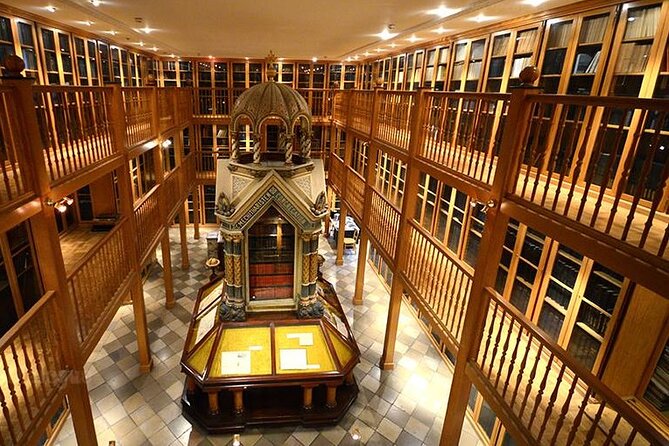
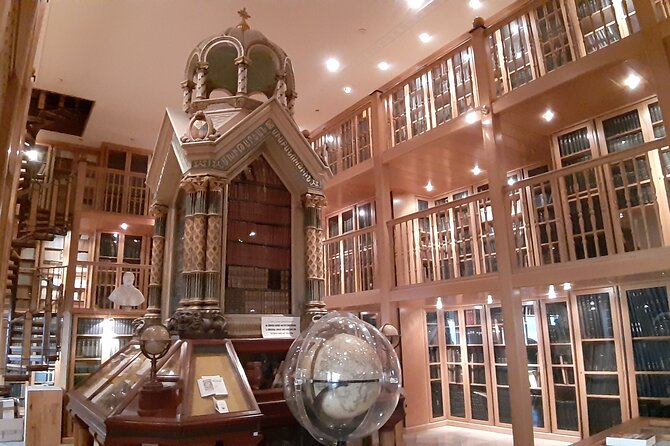
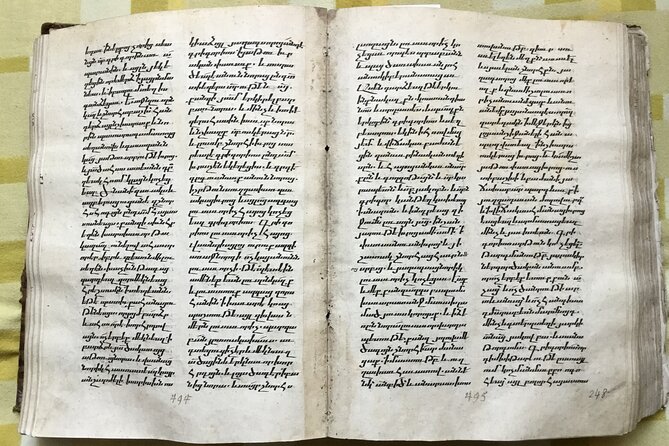
The itinerary’s main stop is the Mekhitarist Congregation in Vienna. The tour description highlights that this is where “past and present” come together through items like ancient and medieval manuscripts, coins, and everyday cultural materials like folk costumes and rugs.
Here’s the practical part: plan to look slowly. With collections like books, periodicals, and manuscripts, the temptation is to skim. But the value is in comparing categories—what’s written vs. what’s worn, what’s official vs. what’s household. You’ll likely get a guided way of seeing, but you can still choose to linger in the places that grab your curiosity.
One detail from the reviews really anchors this stop: there is a lot of history inside the monastery, and it was founded in the 17th century. That fact changes the atmosphere. You’re not just viewing culture—you’re stepping into a place that has been part of Vienna’s story for centuries.
And yes, this tour is built to help you connect the collection to the people behind it. The description talks about “intriguing individuals,” and the overall goal is to challenge you to think about the meaning and glory of the Order.
The Militarist Museum Exhibitions: What’s Worth Your Attention
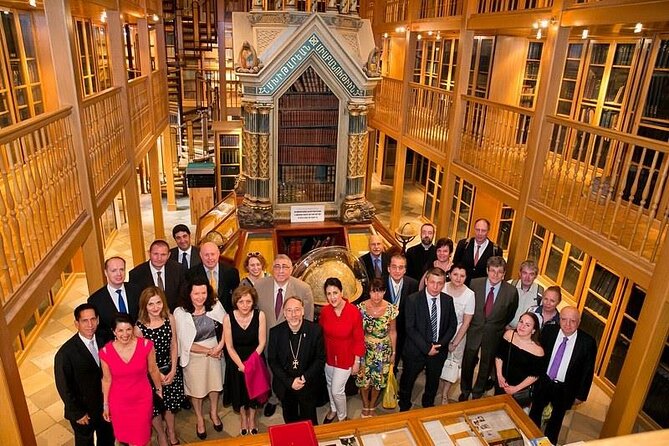
Your highlights mention art exhibitions displayed in the Militarist Museum. Even if you’re not a museum superfan, this matters because it widens the story from texts and religious scholarship to visual display.
When you reach this part, focus on how the exhibits reinforce the larger theme: Armenian culture in a European setting. Look for how artifacts are grouped—by era, by type, or by cultural function. That structure can help you spot patterns faster than trying to read every label.
If you’re the kind of traveler who likes to understand how museums “talk,” this stop will give you plenty to work with. And if you’re short on attention span, keep it simple: pick one category to watch for—coins, costumes, rugs, or books—and let the rest support it.
Chatherine Liquor: Taste, History, and the Family Story
This is one of the reasons people smile while they’re booking the tour. The experience includes the Chatherine liquor world, with the taste, history, and family angle called out in the highlights.
In the reviews, the best-known praise is the pairing of stories with the actual tasting: Free Liquor and Stories. One review specifically says the liquor is among the best in the world, and that line is backed by the tone of the whole experience—people feel they’re getting more than a sip. You’re getting context for what you’re drinking.
So what should you do as a practical matter? Pace yourself. This is still a 90-minute tour, and you’ll want to keep your brain online for the manuscript-and-coin side. If you’re sensitive to alcohol, you can treat the tasting as a small sample and just lean into the story.
Also, use the tasting as a memory hook. When a tour connects a flavor to a family and a history, your brain stores it differently than facts from a label. Later, when you see a rug or a book displayed nearby, you may find the connection sticks.






Reading the Collection Like a Pro (Without Overthinking It)

The tour description lists an impressive range of objects: ancient and medieval coins, manuscripts, folk costumes, rugs, and books, plus periodicals. That’s a lot of material to process in 90 minutes, so you’ll get the most value if you use a simple strategy.
I suggest you pick two “tracks” during the visit:
- Track 1: written culture (manuscripts, books, periodicals)
- Track 2: visible culture (coins, folk costumes, rugs)
As you move between them, ask yourself one question: what does this item say about identity—faith, daily life, trade, or scholarship? You don’t need a museum degree. The tour’s goal is to help you ponder the Order’s role, so your own questions are welcome.
And because the group is capped at 15, you can usually get better attention than you would in a large group. If something doesn’t make sense, it’s usually easier to ask in a smaller setting.
Group Size, Timing, and How Much You’ll Actually See
The tour is listed at about 1 hour 30 minutes, which is a smart length for a focused cultural stop. You’re not stuck until late, and it fits well between sightseeing blocks.
With a maximum of 15 travelers, the pace is more likely to feel human. You still should expect structured movement, but you’re less likely to feel like you’re on rails.
One more practical note: confirmation is received at booking, and the tour is offered in English. That matters if you’re planning around train times or other tickets—knowing you’ll have a confirmed slot helps you keep the rest of your day calm.
Price and Value: Is $89.36 Reasonable Here?
The price is listed as $89.36 per person for about 1.5 hours. That sounds steep until you look at what’s included and what kind of experience it is.
First, the tour includes an admission ticket. Second, the highlights point directly to Chatherine liquor with history and family context—meaning you’re not just paying for entry. You’re paying for a guided explanation of why the collection matters, plus a sensory piece that turns a lecture into a lived moment.
I also like that it’s a small group tour. In tours at this price point, group size often determines quality. If you’re one of those people who hates crowds at the start of a tour, the 15-person max is part of the value.
Where you may feel the cost most is if you’re only mildly interested in Armenian history. If you came for a quick photo stop, this may feel like more of a “listen carefully” experience than you expected. But if you enjoy cultural connections—how communities preserve identity in another country—then the price can make sense.
Who Should Book This (and Who Might Skip It)

This tour fits best if you:
- like cultural history tied to real objects (manuscripts, coins, costumes, rugs)
- enjoy food or drink stories with context
- want a high-impact outing that lasts about 90 minutes
- prefer small groups and English guidance
You might skip it if you:
- want lots of free time to roam without interpretation
- aren’t interested in Armenian culture or the Mekhitarist Order’s scholarly role
- expect a modern art-only museum format
Also, if you’re planning a day with other Vienna classics, this is a nice change of pace. Vienna is full of grand public architecture; this gives you a different kind of structure—one built on scholarship, collections, and continuity.
Should You Book Armenia in the Heart of Vienna?
Yes, if your ideal Vienna day includes a mix of objects, stories, and that memorable twist of Chatherine liquor. The strongest reason to book is that the tour doesn’t treat the monastery and collections like distant history. It links the Mekhitarist Order’s work to Armenian and Austrian cultural legacy, then backs it up with tangible items and a tasting that makes the story stick.
If you’re on the fence, decide based on one question: do you enjoy learning through physical artifacts and a guided narrative? If the answer is yes, this is the kind of short tour that gives you a lot more than a checklist.
If the answer is no, look for something more visual and less story-driven. But if you like cultural nuance, this one is worth your time.
FAQ
Where does the tour start?
The tour starts at Mechitaristengasse 4, 1070 Wien, Austria.
How long is the experience?
The duration is approximately 1 hour 30 minutes.
Is the tour offered in English?
Yes, it’s offered in English.
Is an admission ticket included?
Yes, admission is included as part of the experience.
How many people are in the group?
The tour has a maximum of 15 travelers.
Will I receive a mobile ticket?
Yes, the tour uses a mobile ticket.
What is the cancellation policy?
You can cancel for a full refund up to 24 hours before the experience’s start time. If you cancel less than 24 hours before, the amount paid is not refunded.