REVIEW · VIENNA
Semi-Private Tour: Central Europe &Balkans from Vienna to Athens
Book on Viator →Operated by Choose Balkans · Bookable on Viator
Vienna to Athens is a long ride, but it never feels random. This semi-private, max-10 traveler tour strings together Central Europe and the Balkans with guided walking, included entry tickets, and the kind of logistics that usually turn a dream trip into a spreadsheet. The highlight for me is how much you taste and see in the second half, especially around Albania.
I really like the comfort layer: hotel pickup and drop-off, private transport, and a dedicated professional guide means you spend less time figuring things out and more time enjoying the stops. I also like that you get real variety, from wine areas in Austria and Serbia to Ottoman/Byzantine architecture in places like Sarajevo, Mostar, and Ohrid. And yes, the Albania food theme becomes a thread through the journey, including raki, olive oil, and a cooking lesson in Kruje.
One possible drawback is the sheer pace. You’re moving across multiple countries with walking days (including uneven terrain in Sarajevo) and plenty of time on the road, so bring stamina, not just good intentions.
In This Review
- Key Points You’ll Care About
- Semi-Private Rhythm: Small Group, Private Transport, and Realistic Pacing
- Vienna to Rust: When Wine Country Starts the Story
- Bratislava by Foot and by View: Castle Views and Danube Coffee
- Budapest: The Danube Hits Hard in the Best Way
- Hungary to Serbia: Győr, Subotica, and Novi Sad in a Chain
- Sremski Karlovci to Belgrade: Wine Tradition and Danube Views
- Sarajevo and Mostar: Ottoman and Austro-Hungarian Details With Real Weight
- Kotor and Budva: Montenegro’s Old Town Maze and a Coastal Photo Stop
- Shkodra and Prizren: Albania North Starts With Castles and Mosques
- Gjakova, Decan, and Rahovec: Bazaar Crafts, UNESCO Frescoes, and Wine Valley
- Kruje and Tirana: Cooking Lessons, Byrek Breakfasts, and Raki Stops
- Ohrid, St Naum, and Drilon: Lake UNESCO and Monastery Calm
- Berat and Gjirokastër: 1001 Windows, Stone City Streets, and Historic Houses
- Ioannina to Meteora: Byzantine Layers, Castle Streets, and Sunset Monasteries
- Ending in Athens or Corfu: How the Finale Fits Your Plans
- Should You Book This Tour From Vienna to Athens?
- FAQ
- How long is the tour?
- Where does the tour start and end?
- Is hotel pickup included?
- How many people are in the group?
- Are admissions and tourist taxes included?
- What meals are included?
- Is there a cooking lesson?
- Is there a ferry included?
- What’s the tour’s fitness level like?
- Is private transport included?
Key Points You’ll Care About
- Small-group touring (up to 10) keeps the experience personal without feeling like a solo trip.
- Hotel pickup/drop-off reduces the daily stress that drains energy on long routes.
- Guided admissions and tourist taxes included for many key sights, so you’re not constantly paying at the counter.
- Food and drink stays central in Albania: Byrek breakfasts, raki, olive oil, and a Kruje castle cooking lesson.
- UNESCO-heavy itinerary with major stops like Ohrid, Kotor, Meteora, and multiple historic towns.
- Flexible ending: you finish in Athens or continue by ferry to Corfu from Igoumenitsa.
Semi-Private Rhythm: Small Group, Private Transport, and Realistic Pacing
This tour runs like it’s designed for people who want guided direction but still enjoy a little breathing room. With up to 10 travelers, you’ll usually get more than the “walk-by and wave” version of sightseeing, especially in places where the streets are narrow and the details matter.
The other big factor is the included private transport. You’re crossing borders and changing countries often, and the private vehicle handles the heavy lifting: getting you from Vienna to the Danube cities, then down through Serbia, Bosnia, Montenegro, and into Albania and beyond. That means fewer queues, fewer missed connections, and less time dragging luggage through stations.
Still, be honest with yourself about the schedule. It’s 21 days, and you’ll have days with walking plus drives that eat hours. If your idea of vacation is mostly hanging out in one neighborhood, this might feel like too much motion.
You can also read our reviews of more private tours in Vienna

Vienna to Rust: When Wine Country Starts the Story
Day 1 is a simple setup: you meet your tour leader in Vienna and get picked up from your hotel. After that, the plan heads straight for Austria’s wine country region around Rust in Burgenland.
Rust is the kind of old town you can actually enjoy without rushing. Colorful houses, a preserved historic center, and the chance to wander at an easy pace makes it a good “first gears” day. You also get the scenic bonus of being near Lake Neusiedl, part of a UNESCO World Heritage area—so the drive itself comes with strong views.
The practical upside here is that Rust gives you something to do besides just looking at buildings. You’re encouraged to walk the old town, then have time around the vineyards and sample local wines. If wine tasting is your thing, this early start helps.
Bratislava by Foot and by View: Castle Views and Danube Coffee
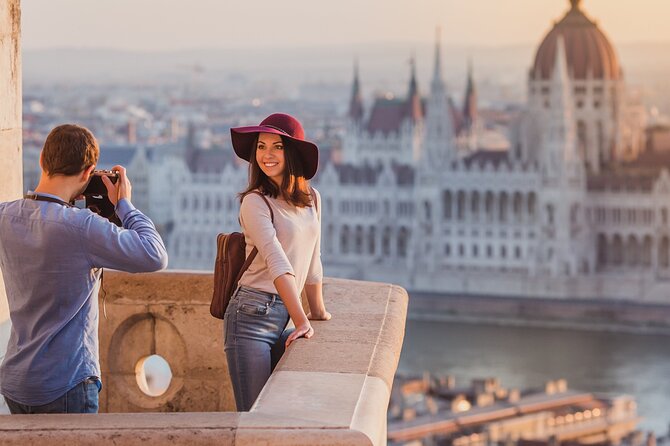
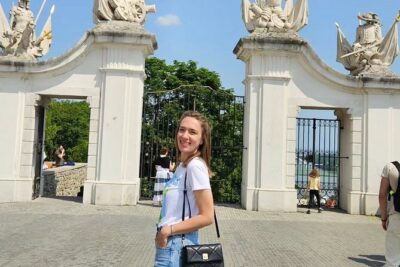
From Rust, the tour rolls onward to Bratislava. You get a full Old Town day split into focused blocks: medieval city hall area, Michael’s Gate, and then a walk up to Bratislava Castle.
Michael’s Gate is the only medieval gate preserved from fortifications, so it’s a small stop with real payoff. Then comes the castle, with views over the Danube and the city below—exactly the kind of “photo moment” that makes the uphill walk feel worth it.
One of my favorite things about this portion is the built-in time for café culture. Bratislava is known for coffee shops, and you’re given free time to try it rather than being herded through a single set activity. That makes the day feel more like a trip and less like a checklist.
Budapest: The Danube Hits Hard in the Best Way
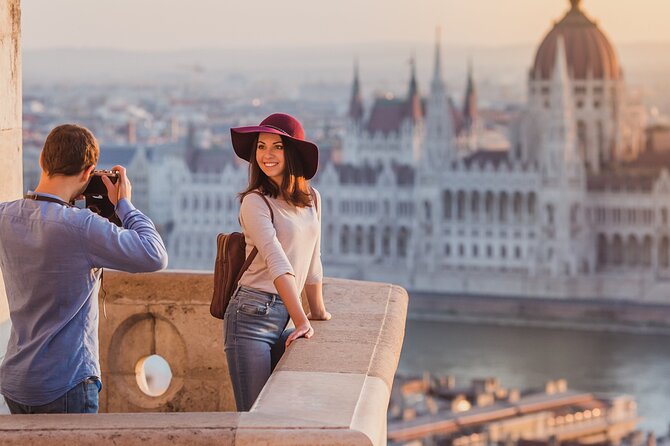
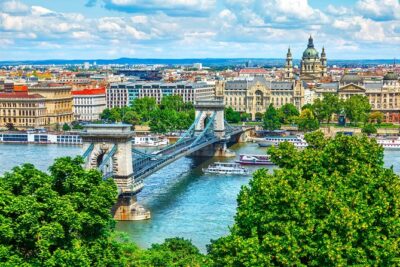
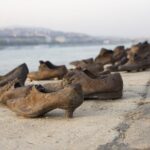
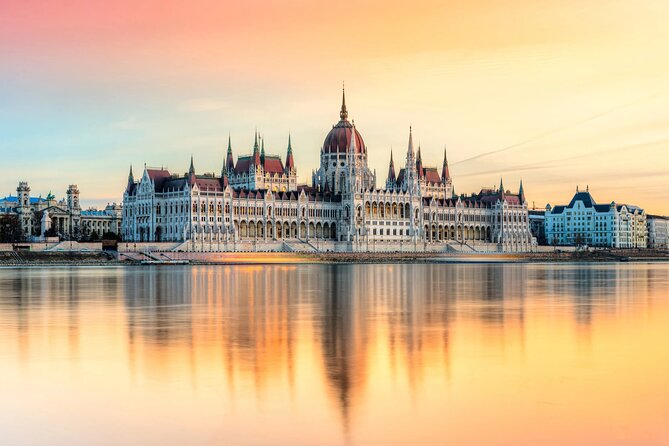
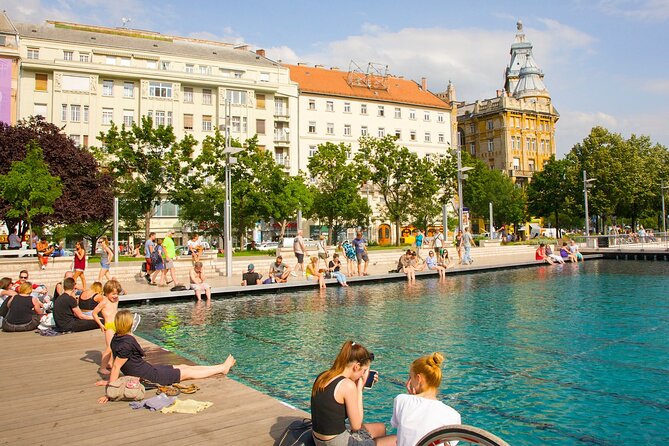
Budapest is where the trip starts feeling like the classic Central Europe route—but with enough structure to keep it smooth. You pass key sights along major routes, then you get time to explore major landmarks like St. Stephen’s Basilica, Buda Castle (UNESCO), Fisherman’s Bastion, and viewpoints over the river.
What I like is that the plan acknowledges Budapest as two halves: Buda and Pest. You’re not just “doing monuments,” you’re moving through the city’s different personalities—church-and-palace grandeur on one side, grand boulevards and lively urban energy on the other.
Night also gets a nod. You get free evening time to explore on your own. That matters, because Budapest looks best when it’s awake, not when you’re sprinting between daytime stops.
Hungary to Serbia: Győr, Subotica, and Novi Sad in a Chain
After Budapest, the route keeps the rhythm going with stops in Hungary before jumping into Serbia.
In Győr, you get baroque architecture and historic streets, plus a great-looking set of landmarks: the Town Hall with its tall tower and the Cathedral of the Virgin Mary. You also visit the synagogue area and walk the pedestrian street lined with cafés and bars. There’s time to try Hungarian food and even the local blueberry beer—small, fun details like that are what make a long trip feel human.
Then comes Serbia with Subotica. Subotica is known for its architecture during the Austro-Hungarian period, and the tour leans into that. You visit the City Hall area, plus other key religious buildings like the Cathedral of St. Teresa of Avila and the synagogue. It’s a quieter city compared to some stops later on, so it works well as a breather day.
Novi Sad adds energy again with a look at the “cultural capital” feel of northern Serbia. The Petrovaradin Fortress stop is the kind of place that gives you a bigger context for the whole region, and you get time in the old town and pedestrian streets.

Sremski Karlovci to Belgrade: Wine Tradition and Danube Views
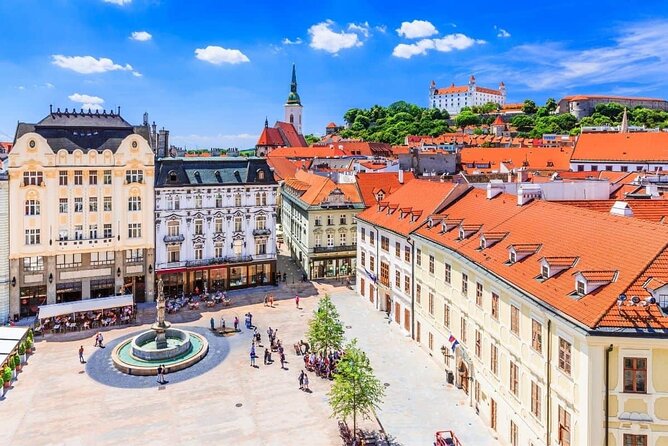
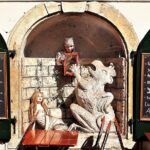
This part of Serbia is where you see how wine isn’t a side quest. Sremski Karlovci is presented as a center for wine production and cellars, and the tour gives you time to taste regional specialties while looking out over vineyards. There’s also a local legend tied to the Four Lions fountain, which adds a “stories in the streets” layer beyond just the buildings.
Then you roll into Belgrade with fortress views at Kalemegdan. The Pobednik monument and the walk through Knez Mihailova to Republic Square give you a mix of green space and city energy. It’s a strong city day because you get both a “big view” moment and a street-level feel.
One small practical point: Belgrade can feel large, so you’ll appreciate that the walking route has clear anchors. It keeps the day moving without leaving you to guess what to see next.
Sarajevo and Mostar: Ottoman and Austro-Hungarian Details With Real Weight
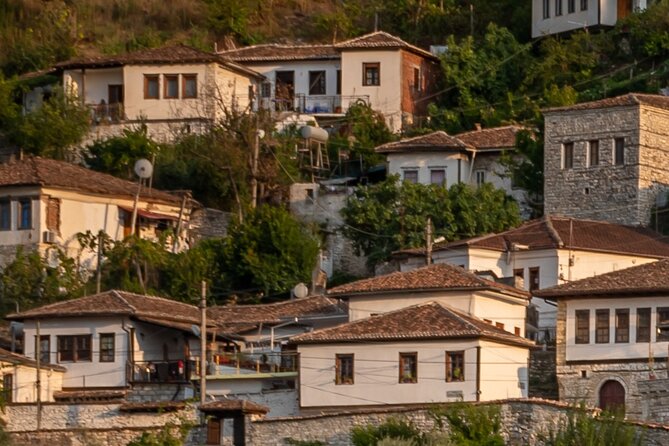
Sarajevo is one of the most emotionally intense stops on the trip. You’ll walk uneven terrain, and the tour includes ruins and reminders of the Yugoslav War, including bullet holes and cannon marks. That’s not scenery-for-scenery’s-sake; it’s a reminder that history is not just museum text.
The upside is that the tour balances that weight with rich architecture and distinct Ottoman and Austro-Hungarian quarters. Markets, bazaars, mosques, churches, and synagogues show how multiple identities have shaped the city. Then comes Latin Bridge, tied to the story of how WWI was triggered.
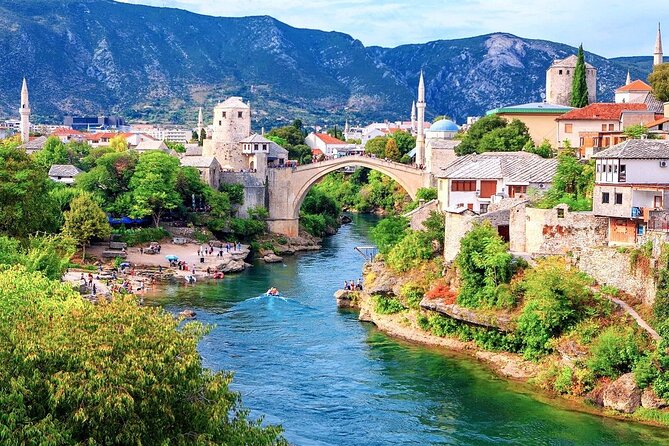
Next is Mostar, with the Old Bridge (Stari Most), UNESCO-listed and iconic. You’ll also wander the Old Bazaar area and see commemorations around the city in stone. Mostar gives you a very different feel than Sarajevo—more open street energy, still with the sense that places here have layered meanings.
Kotor and Budva: Montenegro’s Old Town Maze and a Coastal Photo Stop
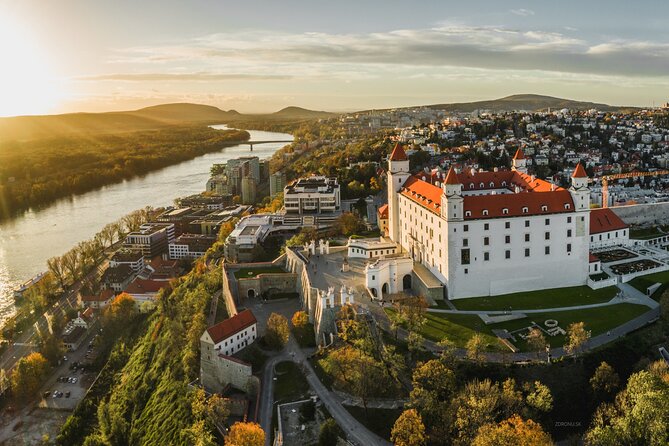
Montenegro brings you into the “UNESCO old town” category right away with Kotor. You walk the maze of narrow cobblestone streets, which are intentionally confusing in the way they were laid out for defense. You’ll visit St. Luke’s church, tied to local unity.
Then you head toward the coast with Budva and a viewpoint stop near Sveti Stefan. Sveti Stefan is now an exclusive residential resort, so you can’t visit the island itself, but you still get the shoreline sight for photos. Budva splits into old and new areas, with time to explore old town churches like St. Ivan and St. Mary.
This segment is a good contrast after the inland cities and forts. It adds sea air to the pacing and helps you switch modes from “history walk” to “stroll and soak in atmosphere.”
Shkodra and Prizren: Albania North Starts With Castles and Mosques
Crossing into Albania begins with Shkodra (Shkodër). The tour brings you to Rozafa Castle, with views over the lake and the three rivers meeting near the Adriatic. You also get a sense of Venetian influence in the architecture, which helps you understand why the north feels different from other parts of Albania.
Then you move into Prizren, often described as a cultural capital of Kosovo, and the tour leans into that idea: religious tolerance, rivers through the old town, and bridges crisscrossing streets. You visit Sinan Pasha Mosque, known for its patterned arabesque colors, then head to Kalaja Fortress for panoramic views from above.
This is also where you start seeing the itinerary’s “small group advantage.” In places like old Prizren streets, it helps to have a guide who can keep you from wandering in circles. You’re given free time too, so you can still chase your own interests without getting lost.
Gjakova, Decan, and Rahovec: Bazaar Crafts, UNESCO Frescoes, and Wine Valley
In Gjakova, the bazaar is a key stop, framed as the oldest and largest in Kosovo. The tour notes that it was rebuilt after wars, so it carries a sense of resilience, not just shopping. You also have time to browse handmade craft stores and grab a meal.
Next is the Monastery of Decan. It’s UNESCO-listed for frescoes, and the tour highlights that Orthodox monks still live there and produce fresh organic food like cheeses. That’s one of those stops that feels real in the best way: you’re not just looking at art, you’re seeing how it connects to daily life.
Then comes Rahovec Valley, the viticulture focus. Grapes cultivated since Illyrian times are mentioned, and you also learn about vineyard elevations that help with quality. A wine festival is held every September, though your timing depends on when you travel.
Kruje and Tirana: Cooking Lessons, Byrek Breakfasts, and Raki Stops
Albania is the culinary center of gravity on this trip, and the tour uses it in smart, practical ways. You start in Kruje, where the Ottoman resistance story sits behind the town’s layout and castle placement. You walk through the Medieval Old Bazaar for souvenirs like carpets and handmade crafts.
The star here is Kruje Castle, where your guided time includes a cooking lesson (as promised in the tour’s highlights). I love that this is not just a lecture about food. A cooking lesson gives you skills you can bring home, and it makes the ingredients you try later feel more understandable.
In Tirana, the tour shifts into a local-food mode with a companion and neighborhood stops. You’ll try Byrek for breakfast at a place locals know, then explore Çam bazaar for goods tied to the Çam community. You’ll also get coffee culture time and try traditional Albanian coffee.
Then the itinerary moves to Pazari i Ri and the New Bazaar for lunch-style food like grilled qofte with bread, vegetarian-friendly choices like Albanian gjize, and a raki tasting. The museum stop, Bunk’Art 2, adds context to Albania’s modern history by turning a former nuclear bunker into a video museum.
This section works well because it gives you both sides: the flavors and the background for why those flavors developed.
Ohrid, St Naum, and Drilon: Lake UNESCO and Monastery Calm
Leaving Albania, you stop in Struga, then head to Ohrid, another UNESCO World Heritage site. The tour includes key viewpoints and church stops like St. John and St. Nicolas, plus the Halveti Hayati Tekke mosque. Ohrid’s reputation for many churches (often described as one for each day) is part of the framing here.
You then visit St Naum, located at the source of River Crni Drim, with water that feeds the lake. If you’ve been on lots of fast city days, this portion is your slow-down. The setting is more about stillness and scenery than “another landmark, another photo.”
After that, you have stops like Tushemisht and Drilon National Park, described as a quiet nature break with a lake and weeping willow trees. It’s a good reset before you head back toward medieval towns and fortified structures.
Berat and Gjirokastër: 1001 Windows, Stone City Streets, and Historic Houses
Berat is famous for the town’s many windows, and the tour frames it as “1001 windows” UNESCO. You’ll walk the narrowed stone streets and see medieval old houses with windows stacked across hillsides. The city’s story stretches back to Illyrian settlement and later castle-city life, and there’s a mix of churches, mosques, museums, and even reminders of the communist era.
Then you go to Gjirokastër, also UNESCO-listed as the Stone City. The tour emphasizes the fortified feel, where houses look like small fortresses. You also visit the medieval bazaar area and get into Skenduli House, a preserved home where the interior remains original and authentic.
This segment is strong for anyone who likes architecture you can touch with your eyes: stone streets, steep hills, and buildings that look like they were built to last.
Ioannina to Meteora: Byzantine Layers, Castle Streets, and Sunset Monasteries
The route continues into Greece with Ioannina, where the architecture shows Byzantine and Ottoman remnants. You’ll walk cobbled streets and see the Ioannina Castle, then have café time to taste Greek dishes and local delicacies.
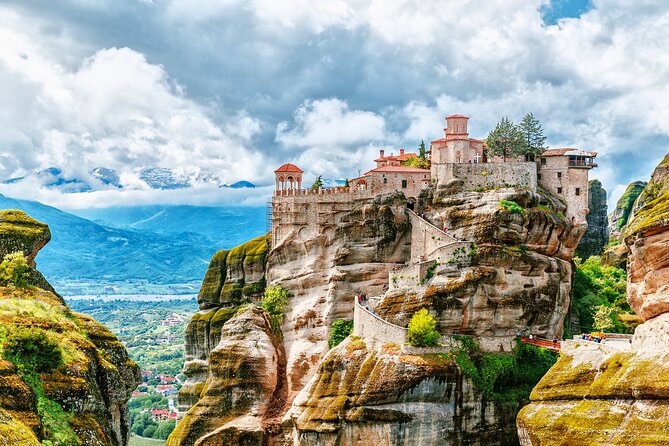
From there comes Meteora, one of the biggest “wow” moments. The monasteries sit on top of spectacular rock formations, and the tour puts emphasis on timing it for sunset. That matters because Meteora looks different at different times of day, and sunset is when the colors and shadows make the structures look almost unreal.
This is the part of the trip where you’ll want your camera ready, but also your attention. Meteor-level views are nice, but the real value is seeing how people built faith and living spaces into a landscape of sheer stone.
Ending in Athens or Corfu: How the Finale Fits Your Plans
The last day centers on Athens, with your tour leader dropping you at your hotel. You get a final guided wrap-up window so you’re not left with confusion about where to go next.
The tour also describes an alternate finale: a transfer to Igoumenitsa Port with ferry tickets included to Corfu. If you choose that ending, you’ll finish the trip on the island rather than staying in mainland Athens.
So the key decision is whether you want the Greek mainland city vibe or a sea-and-islands finale.
Should You Book This Tour From Vienna to Athens?
I’d book this if you want a guided route that stitches together a lot of countries without making you manage the day-to-day headaches. It’s especially worth it if you care about food experiences in Albania and you like seeing historical layers in real places, not just staged “tour stops.”
I wouldn’t book it if you need long stretches of free time in one place, or if you dislike walking on uneven ground or traveling for hours between stops. Also, it’s priced high, so you’ll want to feel comfortable with the idea that the value comes from private transport, included admissions, and the guided flow.
If you’re looking for “see a ton, taste a lot, stay organized,” this tour matches that goal well.
FAQ
How long is the tour?
The tour runs for about 21 days.
Where does the tour start and end?
It starts in Vienna and ends in a different location. The final day is described as either Athens or Corfu after a ferry from Igoumenitsa Port.
Is hotel pickup included?
Yes. Hotel pickup and drop-off are offered.
How many people are in the group?
The maximum group size is 10 travelers.
Are admissions and tourist taxes included?
Entry tickets for the sites that are visited and tourist taxes are included.
What meals are included?
Breakfast is included (listed as 20 breakfasts). Lunches, dinners, drinks, and snacks are not listed as included.
Is there a cooking lesson?
Yes. A cooking lesson is included at Kruje Castle.
Is there a ferry included?
Yes. Ferry tickets are included if your ending includes Corfu.
What’s the tour’s fitness level like?
Travelers should have a moderate physical fitness level.
Is private transport included?
Yes. Private transport is provided by the company.