REVIEW · VIENNA
Kunsthistorisches Museum Vienna and Imperial Treasury of Vienna
Book on Viator →Operated by Kunsthistorisches Museum Wien · Bookable on Viator
Vienna’s royal art and jewels share one ticket. This combo is interesting because it pairs world-famous painting rooms with a star lineup of crown regalia in the Imperial Treasury. I really love seeing masterpieces by Rubens, Rembrandt, Raphael, Velázquez, Titian, and Dürer, plus the major Bruegel collection. I also love the Imperial Treasury’s House of Habsburg displays, from the Austrian and German imperial crowns to Holy Roman Empire insignia and even the largest cut emerald in the world. One drawback to plan for: the ticket process can involve the wrong queue if you don’t notice the voucher vs ticket desk.
For about $38.62 per person, you’re paying for entrance to both places, not a long guided narration. You’ll want comfortable shoes and time—these museums reward slow looking. The ticket is a paper admission option, and it’s designed for you to use on-site at both venues, but the redemption steps can be a little confusing if you rush.
In This Review
- Quick wins before you go
- One Ticket, Two Venues: How the Kunsthistorisches Museum and Imperial Treasury Pair Works
- Kunsthistorisches Museum Vienna: Master Paintings, Kunstkammer, and the Neue Burg
- Imperial Treasury Vienna (Kaiserliche Schatzkammer Wien): Crown Jewels of the Habsburgs
- Queues, Vouchers, and the Right Entry Line (Don’t Lose Time)
- How Long to Spend (And What to Do If You’re Short on Time)
- Practical Vienna Details: Opening Hours, Getting There, and Ticket Format
- Price and Value at $38.62: What You’re Really Buying
- Who This Experience Fits Best (and Who Might Want Another Plan)
- Should You Book This Kunsthistorisches Museum + Imperial Treasury Ticket?
- FAQ
- What is included in this ticket?
- What does this ticket let me see at the Kunsthistorisches Museum?
- What is the Imperial Treasury of Vienna like?
- How long does the experience take?
- Are there age discounts?
- What are the opening hours?
- Is the ticket paper or mobile?
- Do I need to exchange a voucher on site?
- What is the cancellation policy?
- Where is it located for getting there?
Quick wins before you go
- Two major sights under one admission ticket: Kunsthistorisches Museum plus the Imperial Treasury of Vienna
- A painting collection with heavyweight names: Bruegel the Elder and artists like Rubens, Rembrandt, and Raphael
- Habsburg “power jewelry”: imperial crowns, Holy Roman Empire insignia, and the standout emerald
- Plan more than the “1–3 minutes” listing: the actual museum time is measured in hours
- Watch the queue labels: voucher desks are not always the same as regular ticket lines
- Use the day like a local: café breaks and seating help you keep going
One Ticket, Two Venues: How the Kunsthistorisches Museum and Imperial Treasury Pair Works
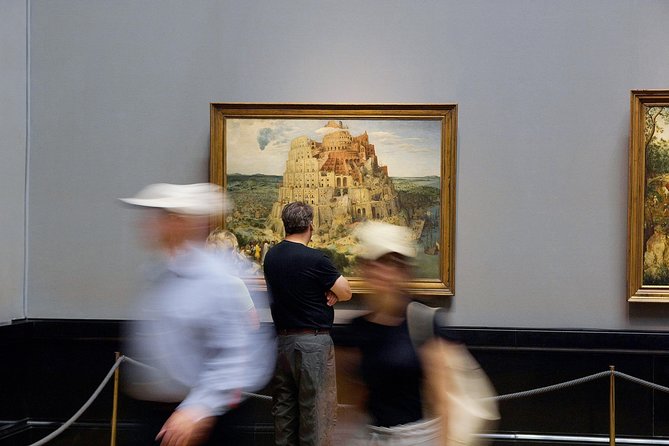
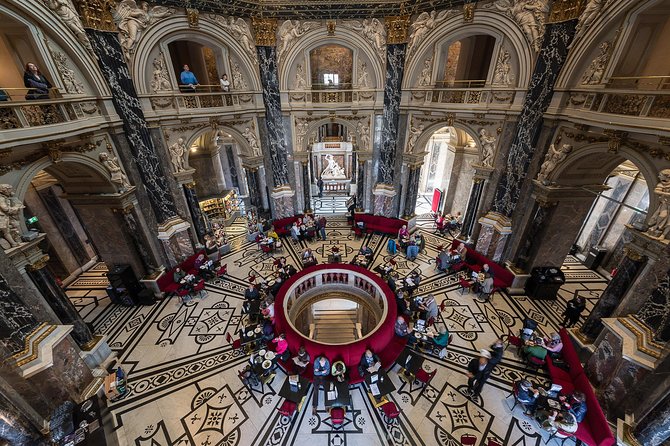
This ticket works because Vienna basically gives you two different kinds of “wow,” side by side in the historic center. First, you step into the Kunsthistorisches Museum Vienna, where the building and the collections feel made for serious looking—paintings, sculptures, and decorative arts that tie into the wider story of the Habsburg courts. Then you pivot to the Imperial Treasury, where history shows up as objects: crowns, regalia, jewels, and ceremonial power.
The value here is simple: you’re not choosing between art and imperial treasures. You get both, and you can pace it your way. If you start at the museum, you can usually carry the same ticket over to the Treasury; if you start the other way, the point is the same—one admission link to two venues. That flexibility matters in Vienna, where lines and energy levels can change hour by hour.
You can also read our reviews of more museum experiences in Vienna


Kunsthistorisches Museum Vienna: Master Paintings, Kunstkammer, and the Neue Burg
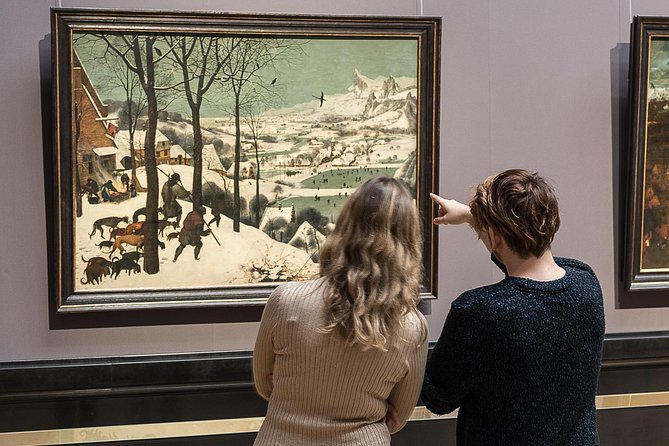
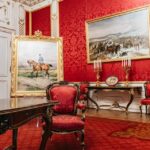
At the Kunsthistorisches Museum, the big draw is the painting collection, with major European stars. You can expect to see works tied to names like Rubens, Rembrandt, Raphael, Velázquez, Titian, and Dürer, along with the museum’s world-important collection of paintings by Pieter Bruegel the Elder. Even if you’re not the type to memorize art history dates, these are the painters that trained whole eras of taste. Looking at them in the original setting feels different than seeing a postcard first.
Two areas inside the museum are worth knowing about before you walk in:
- The Kunstkammer (Vienna’s cabinet-of-curiosities world): You’re looking at collected objects, not just framed paintings. It’s the “how did they think about knowledge and wealth?” side of Habsburg culture.
- Neue Burg: This is part of what you can explore within the museum’s complex, and it gives the visit a sense of “palace energy” rather than a typical flat gallery route.
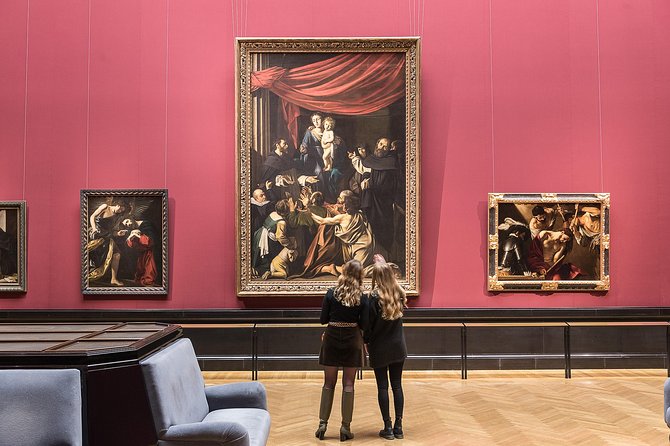
A practical tip from how people experience this place: it can feel grand and overwhelming at first. That doesn’t mean you need to sprint. I’d pick a couple of anchors (one painting highlight you care about, plus the Kunstkammer vibe) and then let your route branch out naturally from there. You can spend time without feeling like you’re missing everything.
Also, don’t ignore the comfort side. Reviews mention the café and seating, and that matters because the museum can take a while. If you need breaks, you’ll find them easier to enjoy here than in many smaller galleries.
Imperial Treasury Vienna (Kaiserliche Schatzkammer Wien): Crown Jewels of the Habsburgs
Then you switch from paintings to regalia, and the mood changes fast—in a good way. The Imperial Treasury of Vienna is all about the House of Habsburg and the ceremonial symbols they used to claim authority. This is where you’ll see the Austrian imperial crown, the German imperial crown, and insignia tied to the Holy Roman Empire. If you like the visual language of power—materials, craftsmanship, symbolism—this stop delivers.
There are also the standout “wow objects,” including sparking jewels and the largest cut emerald in the world. Even if you’re skeptical of “royal jewelry hype,” it’s hard to look at these objects without feeling the intention behind them. They weren’t made just to be pretty. They were made to communicate legitimacy.
What I like about the Treasury is that it doesn’t require art expertise. You can enjoy it like a museum version of stagecraft: crowns and ceremonial items are designed to be seen at specific angles, under specific lighting, with an audience in mind. You’re not just reading history. You’re looking at how history wanted to be viewed.
One navigation tip that can help: people describe the Treasury as a bit tricky to spot. If you’re coming from the Kunsthistorisches Museum area, watch for a red and gold archway on the right-hand side before you reach the Spanish Riding School direction. It’s the kind of landmark that gets you unstuck quickly.
Queues, Vouchers, and the Right Entry Line (Don’t Lose Time)
This is the part that can make or break your day.
The biggest practical issue is understanding the ticket type you’re holding. Some information indicates this is handled through a voucher exchange process on-site, and the voucher desk is not always the same line as the regular ticket office. If you join the wrong queue, you can end up re-queuing after waiting.
Here’s the simple rule I’d follow: when you arrive, look for the queue label that matches your voucher process, not just the general ticket counter. People specifically warn that a voucher is not the same thing as an entrance ticket that gets scanned instantly. So treat your document as something you may need to exchange at a dedicated desk.
Also keep expectations grounded. This is not a magical skip-the-line pass. It’s an admission package that can shorten one step, but you still need patience at the checkpoints. If you’re trying to catch a train later that day, give yourself extra buffer. A museum day that runs long in Vienna is totally normal.
Finally, make sure your ticket details work at the museum entrance. One real caution from experience: some printed or mobile tickets can fail to scan smoothly at the first attempt. Since the data here highlights paper ticket usage, I’d arrive with your paperwork ready and not rely on last-minute phone changes if you can help it.
How Long to Spend (And What to Do If You’re Short on Time)
The listed duration of the experience is very short, but that’s not the time you need inside the buildings. For a day that feels good, plan for more than quick entry.
A common pattern from real-world pacing:
- Kunsthistorisches Museum can take around half a day or more for serious looking.
- The Imperial Treasury takes less time than the art museum for many people, but you still need enough time to actually see the regalia displays.
If you’re short on time, I’d do it like this:
- At the Kunsthistorisches Museum, go straight to your must-see painting highlights and then add one “wandering lane” (Kunstkammer is a great choice if you want something different from paintings).
- At the Imperial Treasury, focus on the crown and regalia core rooms first. Let the jewels and the emerald moment happen, then you’ll feel satisfied even if you don’t linger forever.
If you’re lucky enough to have a full day, take your time. This is one of those pairings where the second museum makes the first one feel richer. After you see how Habsburgs used art to project status in paintings and objects, the Treasury shows you the physical side of that same strategy.



Practical Vienna Details: Opening Hours, Getting There, and Ticket Format
Your experience window shown for 2026 is Wednesday–Sunday, 10:00 AM–5:00 PM. The museums have their own hours too, so check the calendar on the day you go.
Kunsthistorisches Museum opening hours vary by season:
- June–August: daily 10:00 AM–6:00 PM
- Sept–May: Tuesday–Sunday 10:00 AM–6:00 PM, and Thursdays 10:00 AM–9:00 PM
Imperial Treasury hours:
- Daily except Tuesdays, from 9:00 AM–5:30 PM
Getting there is manageable: the tour info says it’s near public transportation, which is exactly what you want in Vienna. You don’t need a car. You need a route you can walk between without stress.
Ticket format: it’s described as a paper ticket. If you’re the type to keep things organized, bring everything in one place so you can quickly handle any on-site exchange step.
Price and Value at $38.62: What You’re Really Buying
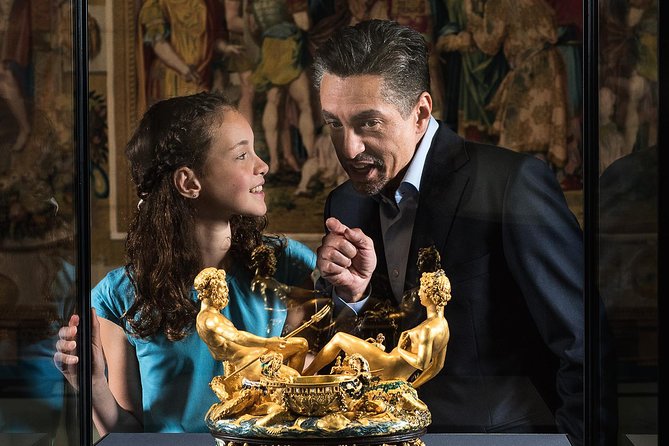
$38.62 isn’t just “a ticket.” It’s entrance access to two of Vienna’s biggest category hits: high-level painting culture and imperial regalia.
Here’s how I judge value for this kind of combo:
- If you only wanted one museum, you’d probably spend less—but you’d also miss the contrast that makes this pairing satisfying.
- If you’re art-minded, you’ll get big-name painters plus major Bruegel works.
- If you’re more into political symbolism and craftsmanship, the Treasury is basically a highlight reel: crowns, Holy Roman Empire insignia, and exceptional jewels.
The real cost isn’t the money; it’s time. If you treat it as a “quick stop,” you’ll feel rushed. If you treat it as a structured art-and-objects day, you’ll feel like your ticket actually did something useful.
Who This Experience Fits Best (and Who Might Want Another Plan)
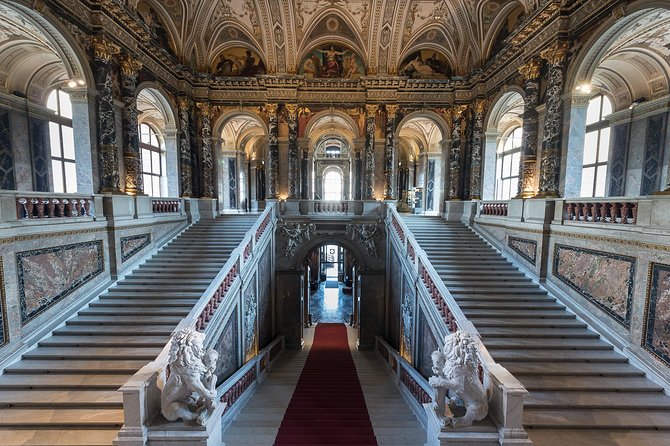
This one-ticket combo is best for:
- Art lovers who want to see major painters and Bruegel’s importance in the same day.
- History and objects fans who like regalia, symbolism, and the craftsmanship behind ceremonial pieces.
- People with a short Vienna window, because stacking two major sights in one logical plan saves effort.
It may feel less ideal if:
- You hate queue friction and need everything to be ultra-predictable.
- You only want one museum and you’re the type who gets tired by “big buildings with lots of rooms.”
For families: some reviews suggest it can be doable with younger children because there’s a café, seating, and you can break the visit into manageable chunks. Still, it’s a lot of museum time, so go in with a plan to stop and reset.
Should You Book This Kunsthistorisches Museum + Imperial Treasury Ticket?
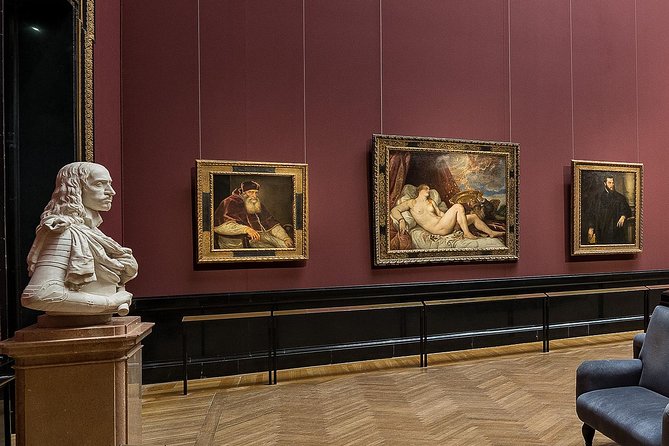
Yes, I’d book it if you want a two-museum hit that covers both sides of Vienna’s Habsburg personality—art on one hand and crown jewels on the other.
Book it especially if:
- you have limited time and want maximum value from your hours in the city,
- you care about both paintings and imperial objects,
- you’re comfortable doing the on-site voucher/ticket process carefully and joining the correct line.
Skip it or rethink your timing if:
- you only have a tiny window and you can’t spare time for possible queue confusion,
- you’re worried about navigation between desks and checkpoints.
If you do book, give yourself a realistic day. Wear shoes you don’t regret. Then you can actually enjoy what you came for: master paintings and the crown-jewel spectacle in one Vienna-style sweep.
FAQ
What is included in this ticket?
This ticket includes entrance fees to both Kunsthistorisches Museum Vienna and the Imperial Treasury of Vienna. It’s an access pass to both venues.
What does this ticket let me see at the Kunsthistorisches Museum?
You can visit Kunsthistorisches Museum Vienna and see major painting highlights, including works by Rubens, Rembrandt, Raphael, Velázquez, Titian, Dürer, and the world’s most important collection of paintings by Pieter Bruegel the Elder. You can also enjoy parts of the museum like the Kunstkammer Vienna and Neue Burg.
What is the Imperial Treasury of Vienna like?
The Imperial Treasury of Vienna focuses on the House of Habsburg. It houses the Austrian imperial crown, the German imperial crown, insignia of the Holy Roman Empire, and notable jewels such as the largest cut emerald in the world.
How long does the experience take?
The experience duration is listed as approximately 1 to 3 minutes, which reflects ticket admission. In practice, you should plan more time inside the museums.
Are there age discounts?
Adult pricing applies to all travelers. Children under 19 are free of charge.
What are the opening hours?
For 2026, the listed experience hours are Wednesday to Sunday from 10:00 AM to 5:00 PM. Kunsthistorisches Museum hours vary by season (June–August daily 10:00 AM–6:00 PM; September–May Tuesday–Sunday 10:00 AM–6:00 PM with Thursdays until 9:00 PM). The Imperial Treasury is open daily except Tuesdays, from 9:00 AM–5:30 PM.
Is the ticket paper or mobile?
The ticket is described as a paper ticket.
Do I need to exchange a voucher on site?
The provided information indicates you should watch for the correct voucher/ticket process on arrival, since a voucher may not work the same way as an entrance ticket at the entry point.
What is the cancellation policy?
Free cancellation is available up to 24 hours in advance for a full refund. If you cancel less than 24 hours before the start time, the amount paid is not refunded.
Where is it located for getting there?
The meeting location is described as near public transportation.