REVIEW · VIENNA
Tickets for the Albertina Exhibitions
Book on GetYourGuide →Operated by Albertina · Bookable on GetYourGuide
Art and palace rooms share one ticket. This visit is interesting because you get Classical Modernist Art (Monet-Picasso) alongside the Albertina’s Habsburg State Rooms inside the Hofburg complex. I like the way the museum builds a clear story from major Impressionist figures to Picasso-style experimentation, and I also like how the rooms themselves make you slow down and notice details (stoves, chandeliers, woodwork, the Louis-seize look). One drawback to plan for: the museum’s flow can feel a little confusing once you start moving room to room, so you’ll want a loose game plan before you wander too far.
A second thing I really enjoy here is the sheer range of what you can see in one ticket—famous names, plus Austrian art context and rotating temporary exhibitions that change themes. If you’re hoping for a single long, uninterrupted focus on only Monet and Picasso, you might feel like the spotlight shifts across artists and eras. The good news: you can still manage your visit around what you care about, and the building makes it easy to take breaks without feeling like you’re stuck.
In This Review
- Key takeaways before you go
- Albertina Tickets: Why the Monet-Picasso pairing works
- Walk through the Hofburg: Habsburg State Rooms without the extra ticket
- What you’ll actually see: permanent art plus a rotating exhibition
- A smart 2–3 hour plan that keeps you from getting lost
- Temporary exhibitions in 2026: use dates to match your taste
- Price and value: what $23 buys in central Vienna
- Getting there at Albertinaplatz 1: easy transit, easy meeting point
- Rules and practical tips: backpacks, umbrellas, and audio expectations
- Should you book Albertina exhibitions tickets?
- FAQ
- How long are Albertina Exhibition tickets valid?
- What’s included in the ticket price?
- Is an audio guide included?
- What languages are audio guides available in?
- Can I bring a backpack or umbrella?
- Where is the meeting point?
- How can I get there using public transport?
- Are there any restrictions on opening hours?
- Is free cancellation available?
Key takeaways before you go
- Monet-Picasso: a signature display of Classical Modernist art that ties eras together
- Habsburg State Rooms: carefully restored rooms with Louis-seize style furnishings and decor
- Art for different tastes: French Impressionism, German Expressionism, Russian avant-garde, plus Austrian focus
- Temporary exhibitions on your dates: included ticket covers a temporary exhibition, with more shows also running
- Big “rainy day” win: you can cover a lot inside, without dealing with Vienna weather
Albertina Tickets: Why the Monet-Picasso pairing works
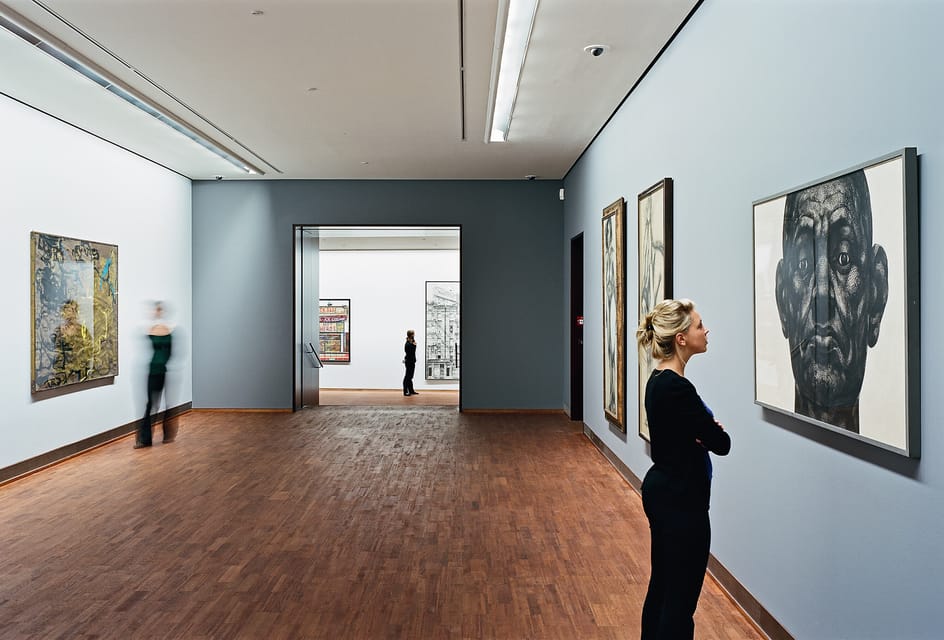
When people talk about the Albertina, they usually mention the big paintings. But what I like about the experience is how the museum packages the modern art story. The Monet-Picasso presentation gives you one focused way to see how styles evolve—starting with Impressionism and moving into the more radical, experimental language you associate with Picasso.
On top of that, the museum permanent collection isn’t just “great works you’ve heard of.” It’s organized so you can notice shifts in technique and attitude across time. You’ll encounter artists including Monet and Degas, plus names from the wider modern scene such as Goncharova and Chagall, and Austrian artists like Kokoschka. And yes, Picasso shows up in a substantial way—from early Cubist works through later periods.
This pairing matters because it helps you stop thinking of “modern art” as one blob. Instead, you start seeing it as a chain reaction of different ideas. If you’re an art fan, it feels satisfying. If you’re not, the placards and exhibition structure give you something to hold on to while you enjoy the visuals.
You can also read our reviews of more tours and experiences in Vienna
Walk through the Hofburg: Habsburg State Rooms without the extra ticket
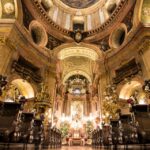
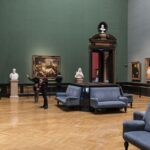
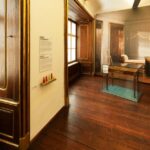
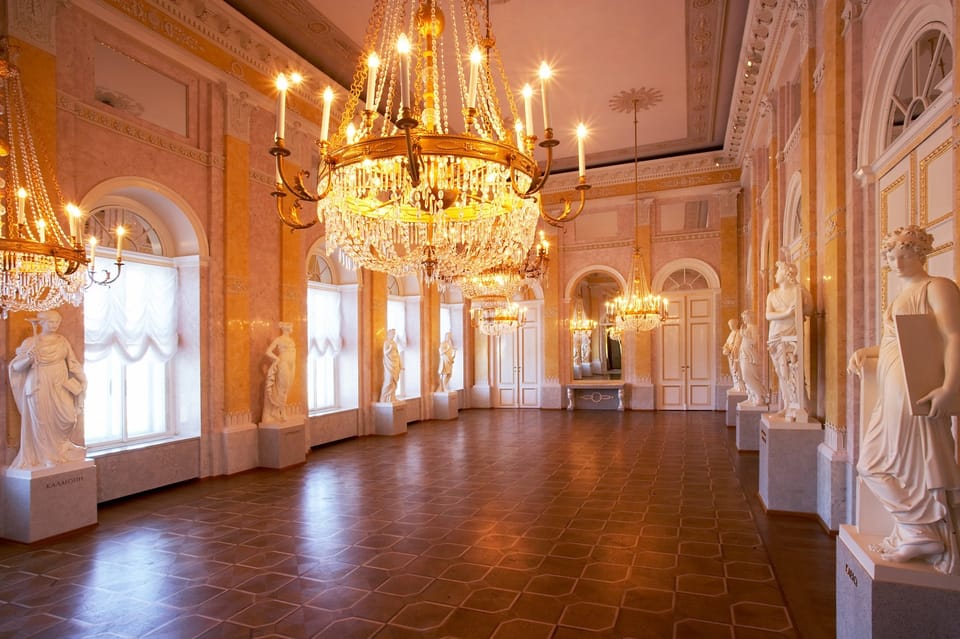
One reason I find the Albertina unusually satisfying is that art doesn’t just hang on white walls—it lives inside a palace. For about a century, this building served as a residence for Habsburg archdukes and archduchesses, and the museum preserves 20 restored Habsburg State Rooms.
These rooms are where you should slow down. Look at the material details: precious wall coverings, chandeliers, fireplaces and stoves, plus marquetry and elegant furniture in Louis-seize style—linked to royal French court workshops out of Paris and Versailles. If you’ve ever toured Schönbrunn or another imperial site, this is a different vibe: less about grand parks, more about intimate decorative craftsmanship.
This also changes how the museum “feels” on a practical level. If your feet get tired from art galleries, you still have a reason to keep moving because the rooms themselves are part of the experience. You can pause, look up, and regroup without losing the plot.
What you’ll actually see: permanent art plus a rotating exhibition
Your ticket is built around the Albertina experience, including admission to the Albertina and a temporary exhibition. In practice, that means you’re not limited to one room or one theme. You can pair the signature Monet-Picasso display with other exhibitions running at the same time.
The permanent collection spans major modern directions: French Impressionism, German Expressionism, Russian avant-garde, and a deep focus on Austrian art. This is why I think the Albertina works for mixed groups—someone can chase Monet-Picasso, while another person follows the Austrian threads or expressionist works.
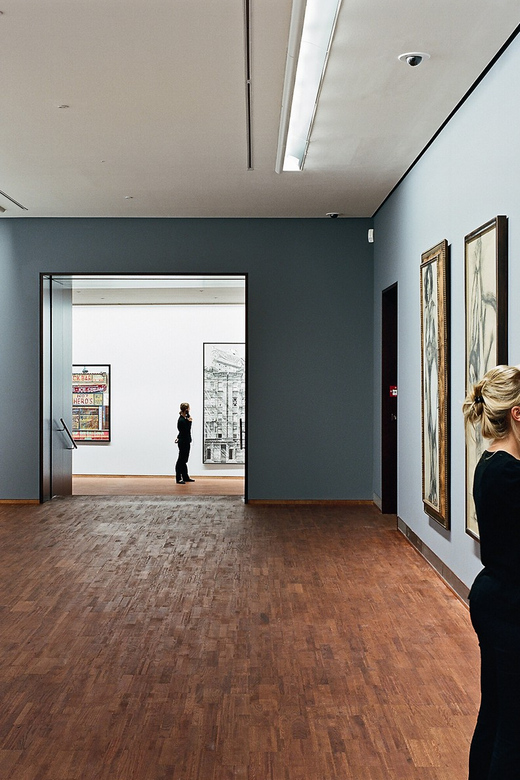
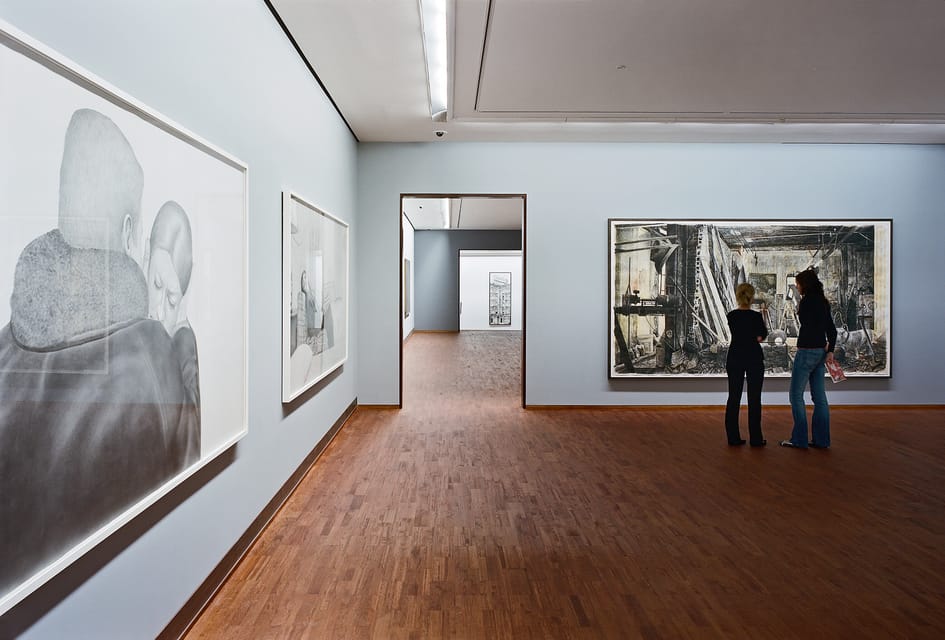
Also, don’t underestimate the drawing side. Some visitors specifically call out the museum’s large charcoal drawings and the closeness you can get to works. That’s not the usual “stand back behind glass” museum feeling. You can spend time reading labels and still keep your day moving.
A smart 2–3 hour plan that keeps you from getting lost
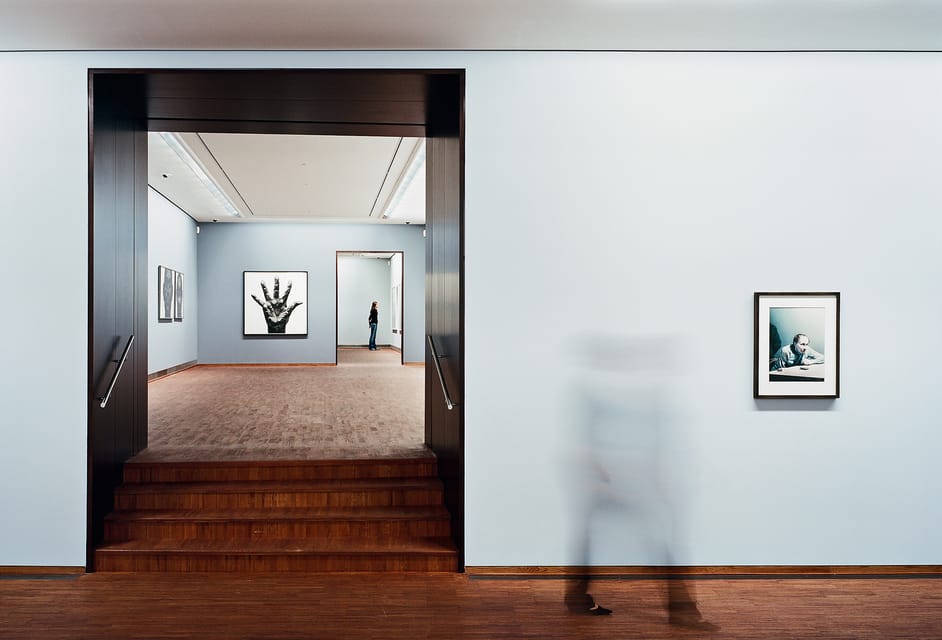
You don’t need a full day to get value here, but you do need enough time to avoid rushing. A good target is at least two hours at a relaxed museum pace. If you’re the kind of person who reads placards, give yourself more—three hours is a comfortable sweet spot.
Here’s a practical way to shape your route:
- Start with Monet-Picasso so you get the core of your visit while you’re fresh.
- Then spend time in the Habsburg State Rooms before crowds build up. The change of setting makes the art feel different.
- After that, loop through the temporary exhibition on your ticket and any additional temporary shows that are open during your visit date.
Navigation is the one part that can trip people up. The building has a lot going on, and signage may not feel heavy-handed once you start moving. One helpful detail: there are numbered areas that can guide your direction. If you want the least-stress visit, skim a museum map at the start and follow the numbers for your first pass.
For breaks, consider the on-site Demel Café. People love the torte there, and it’s convenient because you’re staying inside the museum. One note from real-world experience: café pricing can be steep, so I treat it as a treat and plan for cheaper water/snacks elsewhere if I’m on a tight budget.
Temporary exhibitions in 2026: use dates to match your taste
A big part of the Albertina’s value is that you’re not repeating the same museum day every time. The museum rotates temporary exhibitions, and in 2026 there are several named shows worth planning around.
Here are some of the highlighted exhibitions listed for 2026:
- Lisette Model: Retrospective (until February 22, 2026)
- Fascination Paper: Rembrandt to Kiefer (until March 22, 2026)
- Leiko Ikemura: Motherscape (until April 6, 2026)
- Honoré Daumier: Mirror of Society (from February 6 until May 25, 2026)
- Care Matters: An Exhibition of the VERBUND COLLECTION (from March 12 until June 28, 2026)
- Richard Prince: Retrospective (from April 17 until August 16, 2026)
- Helga Philipp: Spaces of Motion (from May 1 until September 20, 2026)
- Collecting for the Future: 250 Years of the ALBERTINA Museum (from June 16 until October 11, 2026)
- Travel Photography (from July 15 until October 26, 2026)
- Picasso – Bacon: What it means to be human (from September 18, 2026 until January 31, 2027)
- Women Artists of the Albertina (from October 30, 2026 until January 17, 2027)
- Shara Hughes (from October 9, 2026 until February 28, 2027)
Why this matters for you: if your calendar is fixed, choosing your museum day based on the temporary show can turn an already-good ticket into a “this is exactly why I came” visit. If your schedule is flexible, the Monet-Picasso + state rooms combo is still the reliable anchor.
You can also read our reviews of more museum experiences in Vienna



Price and value: what $23 buys in central Vienna
At about $23 per person, this ticket is strong value for what’s included: admission to the Albertina and a temporary exhibition. You’re also getting the permanent collection experience—plus the chance to move through restored imperial rooms—without needing to buy separate add-ons just to enjoy the building.
What makes it feel like a value isn’t only the price. It’s the variety packed into the same visit. You get a modern-art story, a palace setting, and the option to focus on temporary exhibitions that match your interests.
A practical note: the audio guide is not included. If you want one, plan on booking it separately. And since audio guide language isn’t guaranteed, if you’re traveling with someone who needs a specific language, it’s smart to confirm availability when you plan your day. (You can still go without the audio; the museum provides written support and the art does most of the work.)
Finally, Vienna isn’t cheap. If you’re price-sensitive, I’d treat the café as optional. A museum day with a paid audio guide and a café stop can add up fast, but the core ticket still gives you a lot for the money.
Getting there at Albertinaplatz 1: easy transit, easy meeting point
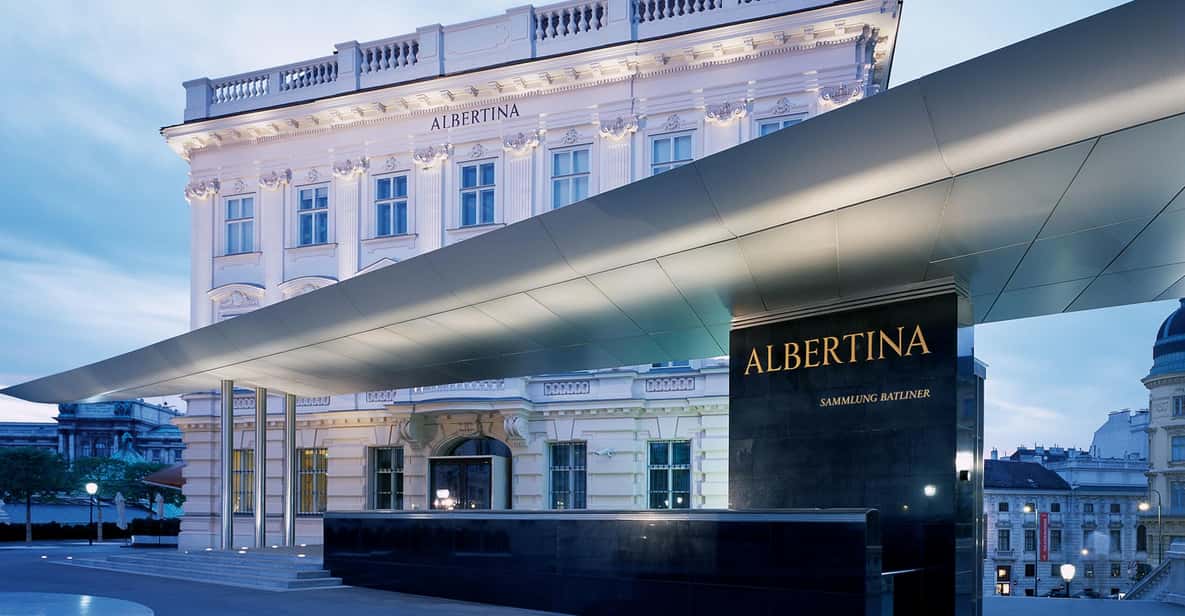
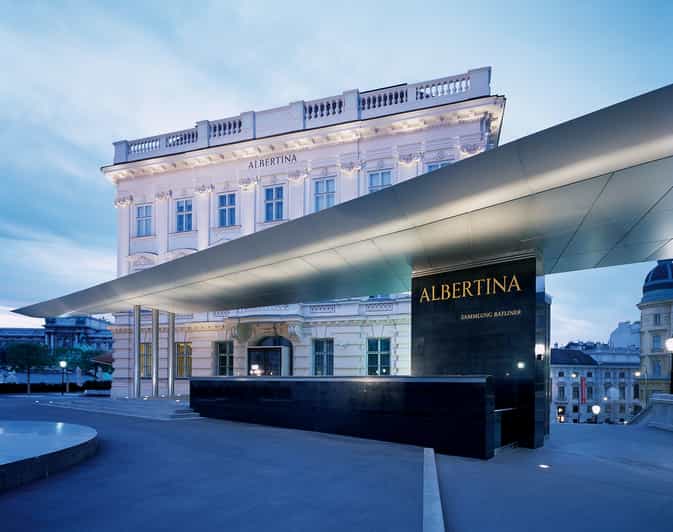
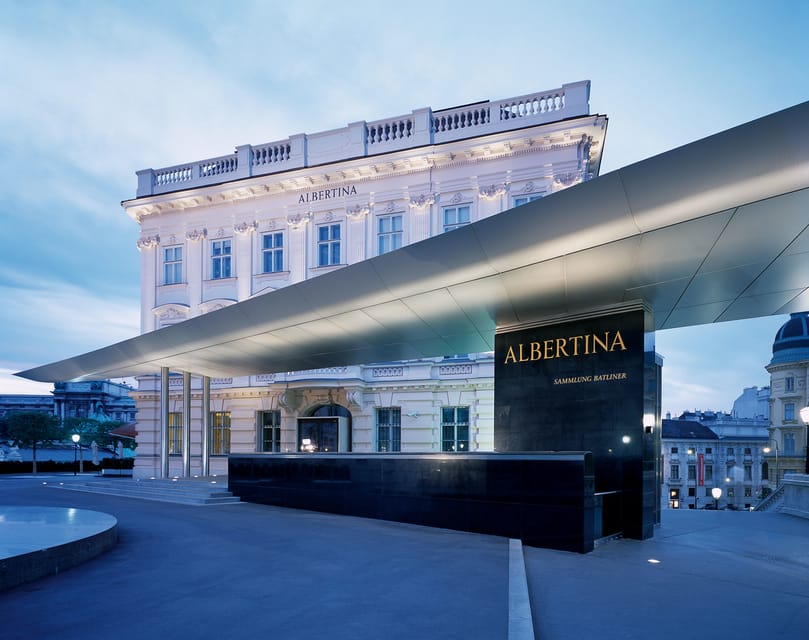
The meeting point is the Albertina at Albertinaplatz 1, A-1010 Vienna. Location is one of the real conveniences here—you’re in Vienna’s historic center, so it fits well between palace visits, city walks, and evening plans.
You can reach it by:
- Subway: U1, U2, U4 (Karlsplatz/Oper), and U3 (Stephansplatz)
- Tram: 1, 2, D, 62, 65 and Badner Bahn (Staatsoper/Kärntner Ring)
- City bus: Line 3A (Albertina)
From a planning standpoint, this is useful because you can pick a time that matches your day. If you want fewer crowds, aim earlier rather than late. If you only have evening hours, know that the museum is still a great indoor option.
Rules and practical tips: backpacks, umbrellas, and audio expectations
There are a few restrictions to know up front. Backpacks and umbrellas aren’t allowed. If you’re traveling with one of those, plan to store it appropriately before you start.
You can also expect that the museum’s indoor experience has support tools, but you may need to adapt:
- Audio guides can be booked separately and are available in multiple languages (including English), but specific language availability isn’t guaranteed.
- The museum can feel large in the sense that there’s a lot to see. If you prefer clear guidance, pick up a map and follow the numbered areas.
- If you plan to use lockers/cloak rooms, have some cash on hand. One visitor noted the lockers/cloak rooms take cash only.
On the art side, a small heads-up: if you rely only on an audio guide, it may not cover every single artwork you’ll see. I’d treat audio as a helpful layer, not your only plan.
Should you book Albertina exhibitions tickets?
Yes, I’d book these tickets if you want a Vienna museum day that mixes major modern art with a real imperial interior. It’s especially worth it if you like Picasso and Monet, but it also works when your group includes different art comfort levels because the collection covers Impressionism, Expressionism, Russian avant-garde, and Austrian art context.
Skip it only if you’re chasing one narrow theme for a short time and you’d be disappointed by a museum that shifts across artists and periods. If you’re flexible, this is one of those rare tickets that feels like you get your money’s worth in both art and atmosphere.
FAQ
How long are Albertina Exhibition tickets valid?
They’re valid for 1 to 365 days, depending on starting time availability.
What’s included in the ticket price?
Your ticket includes admission to the Albertina and a temporary exhibition.
Is an audio guide included?
No. The audio guide is not included and can be booked separately.
What languages are audio guides available in?
Audio guides are available in German, English, French, Italian, Czech, Russian, Japanese, and Spanish, but the exact language isn’t guaranteed.
Can I bring a backpack or umbrella?
No. Backpacks and umbrellas aren’t allowed.
Where is the meeting point?
Albertina, Albertinaplatz 1, A-1010 Vienna.
How can I get there using public transport?
You can use the subway (U1, U2, U4 to Karlsplatz/Oper; U3 to Stephansplatz), tram (1, 2, D, 62, 65, Badner Bahn to Staatsoper/Kärntner Ring), or city bus line 3A to Albertina.
Are there any restrictions on opening hours?
Opening hours may change on public holidays, so it’s best to check the Albertina website before you go.
Is free cancellation available?
Yes. You can cancel up to 24 hours in advance for a full refund.