REVIEW · VIENNA
Sigmund Freud Museum Ticket
Book on GetYourGuide →Operated by Sigmund Freud Museum · Bookable on GetYourGuide
Freud at Berggasse 19 is a house with answers and hard questions. This museum lets you walk through the rooms where Freud worked and lived, with audio recordings of Sigmund and Anna Freud and hands-on tech via the AR installation Freud’s Couch. I also love the balance here: you get the science that became psychoanalysis, plus the personal story of a family pulled apart by Nazi violence. One thing to consider is that lighting and crowd flow can feel tight in spots, and the museum can get hot, so plan for comfort.
What you’re really paying for is not just a biography. It is a guided-feeling visit through private spaces, original objects, and a modern layer of interpretation (including conceptual art in Freud’s former office). And yes, it’s priced like a real ticketed attraction for Vienna—at $18 per person—so it’s worth going in with clear expectations and a bit of curiosity.
If you like history you can touch—plus psychoanalysis as a living idea—this is one of Vienna’s most distinctive stops.
In This Review
- Key points you should know before you go
- Finding Berggasse 19 and walking in the same way
- The private rooms: where work met daily life
- Audio recordings of Sigmund and Anna Freud
- “Freud’s Couch” AR: using your phone in the exact spot
- Film material and family history from the 1930s
- The Nazi violence section and the exile story
- Hidden Thoughts of a Visual Nature: conceptual art in Freud’s office
- Museum shop and café: where you can slow down
- How long to plan for (and how to pace yourself)
- Value for $18: is it worth it?
- Who should book this ticket
- Should you book the Sigmund Freud Museum ticket?
- FAQ
- Where is the meeting point for the ticket?
- How much does admission cost?
- How long is the ticket valid?
- Does the admission help you avoid waiting in line?
- Are photos allowed?
- Is the museum wheelchair accessible?
- Is there free cancellation?
Key points you should know before you go
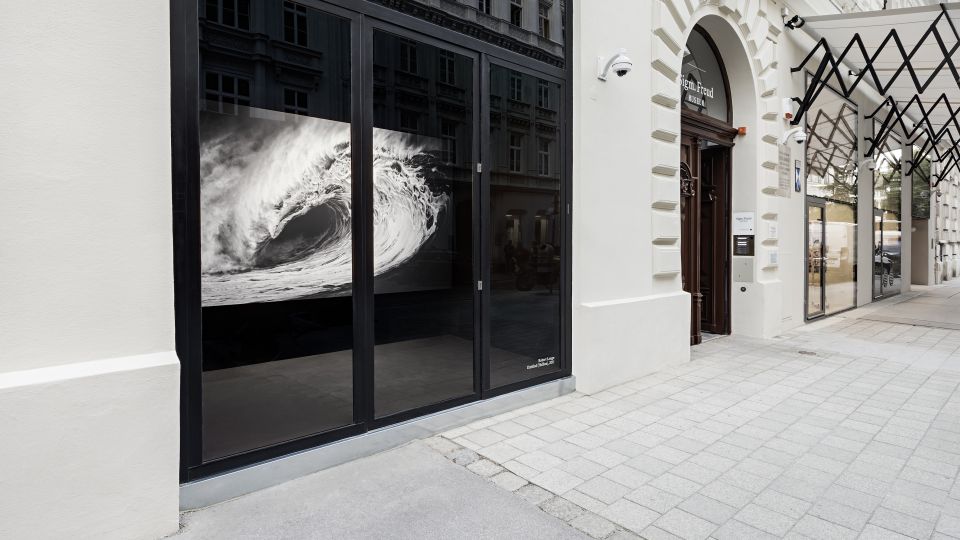
- The visit is built around Berggasse 19: you enter the house using the same entrance Freud and his patients used.
- You’ll hear Freud’s world directly with recordings of Sigmund and Anna Freud.
- AR “Freud’s Couch” turns a famous object into a guided moment you can trigger on your phone.
- There’s strong context for the exile story after Freud’s expulsion and the fate of his sisters.
- Freud’s former office includes conceptual art from the museum’s collection.
- You finish with café time and a shop that takes your interests seriously, including books and a board game.
Finding Berggasse 19 and walking in the same way
The address is the whole vibe: Berggasse 19, Vienna’s famous psychoanalysis address. Your ticket voucher is presented at the main entrance, and the experience is set up so you can skip the ticket line. That matters here because you’ll want your first minutes to be calm and focused, not spent waiting outside in Vienna traffic.
Once inside, the layout nudges you into the right mindset. You take historic steps up to the mezzanine level where the Freud family lived, and you start seeing how the home and practice overlapped. It is one thing to read about a thinker. It’s another to stand in the space where work, family life, and visitors all used the same architecture.
This museum is wheelchair accessible, and it uses a newly built staircase that connects all floors, so you can move through the story without feeling like you’re constantly backtracking.
You can also read our reviews of more tours and experiences in Vienna

The private rooms: where work met daily life
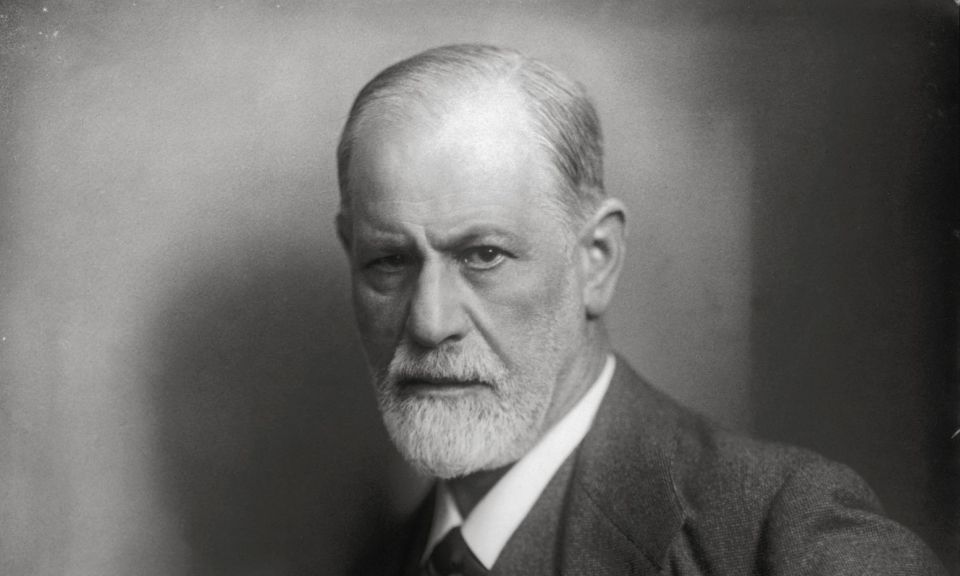
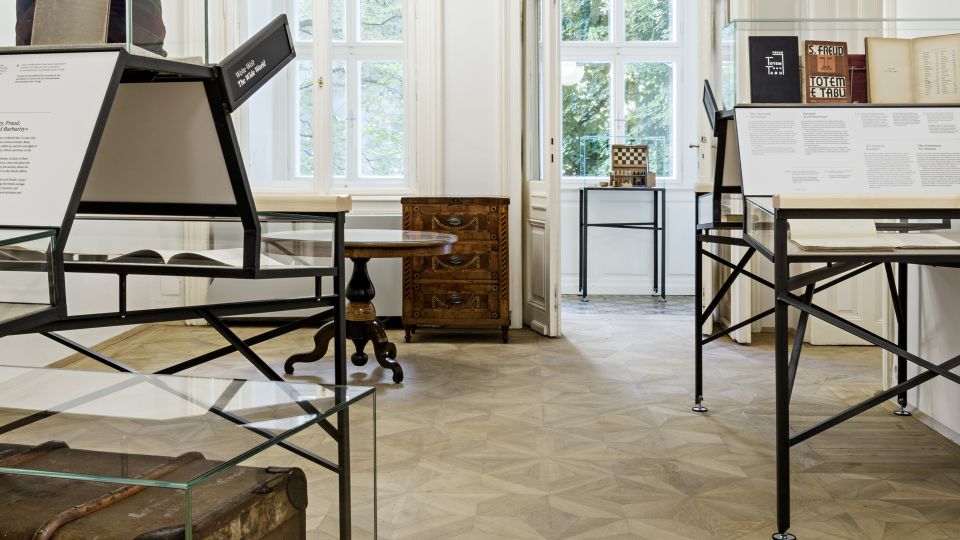
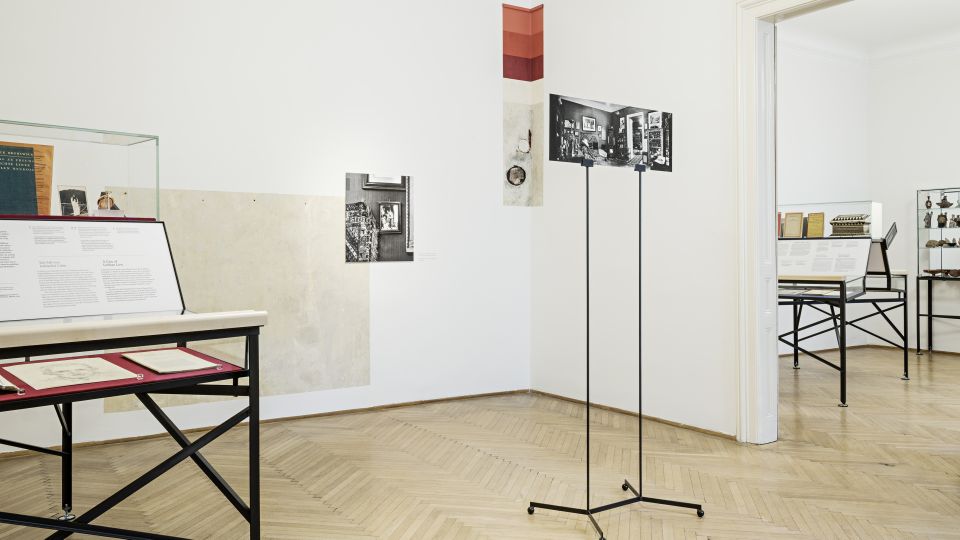
The heart of the museum is the chance to see the private rooms where Freud worked and lived for about half a decade and helped shape psychoanalysis. You are not just looking at captions. You’re moving through a designed sequence that makes the place feel lived-in—even while the museum clearly acknowledges what was lost when the family fled.
Expect to spend time with the details: professional stations, biographical facets, and materials tied to Freud’s writing process. The museum highlights rare first editions, offprints, and presentation copies, which helps you understand that psychoanalysis wasn’t only a set of ideas—it was also a body of work built carefully over time.
Two things I especially like about this section:
- It treats Freud as both a scientist and a person. The museum constantly returns to the link between theory and the everyday reality around him.
- The rooms make the narrative feel physical. You can sense the flow of the home and how a practice could unfold from domestic spaces.
A possible drawback is that the experience is information-heavy. If you are the type who likes long, slow museum wandering, you’ll be happy. If you prefer quick highlights, you’ll need to pace yourself or you might feel caught reading too much in too little time.
Audio recordings of Sigmund and Anna Freud
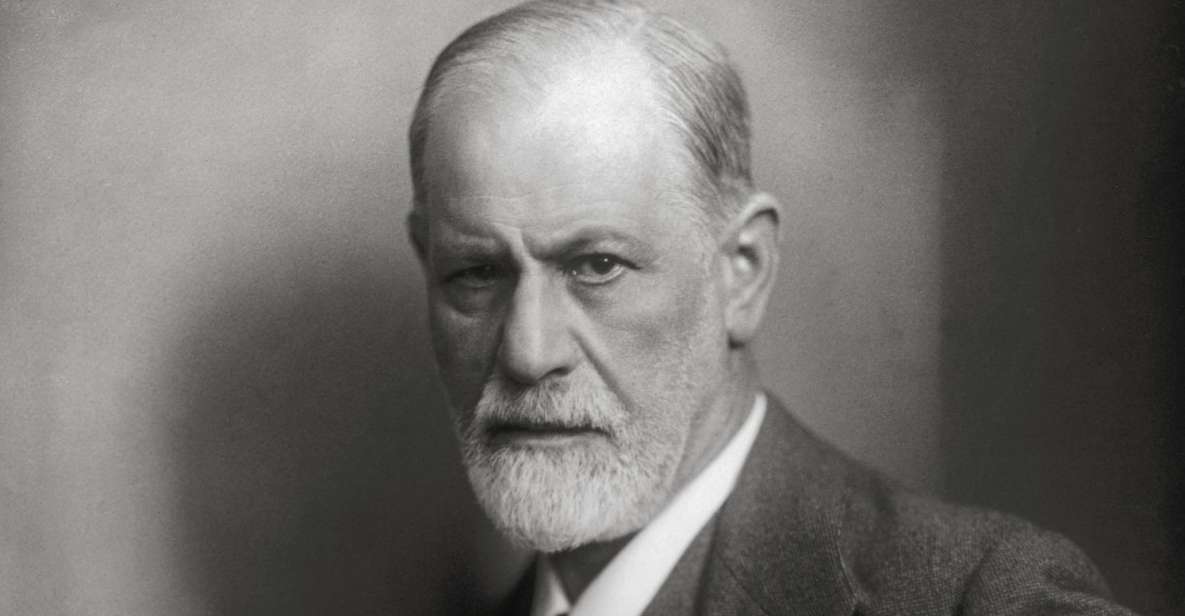
One of the best touches is sound. You’ll hear recordings with voices of Sigmund Freud and Anna Freud, which turns the visit from museum mode into something more human.
Hearing their voices matters because psychoanalysis can sometimes feel like an academic topic. Audio makes it feel like lived history—less like a concept, more like a person talking from a real moment.
If you come with someone who usually skips audio guides, this part is a good argument for staying put. Even if you don’t care about psychoanalysis, the voices can make you slow down.
“Freud’s Couch” AR: using your phone in the exact spot
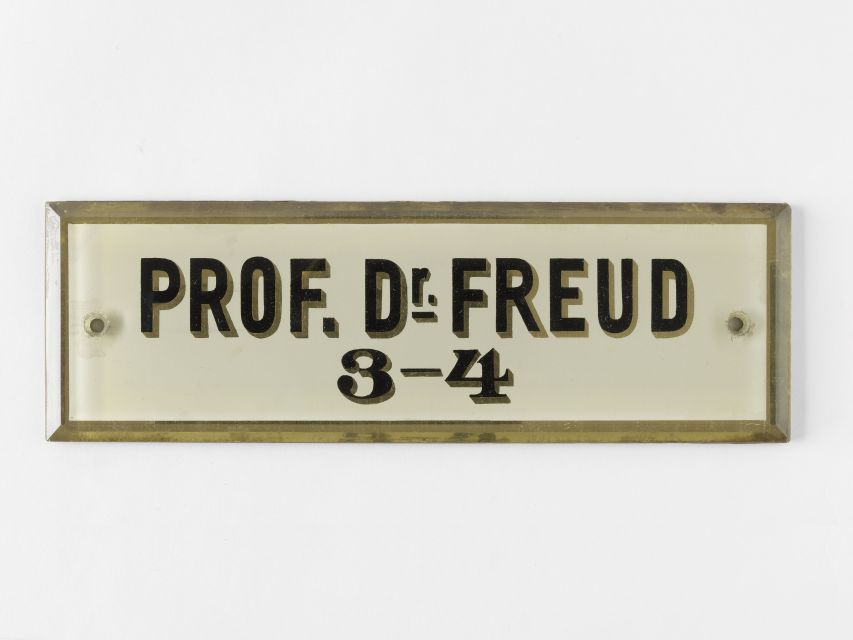
The museum also includes an AR experience called Freud’s Couch. You use your phone to start it right where the famous piece of furniture used to sit, and the effect is simple but effective: it helps you understand what you’re looking at and why that couch became symbolic.
This is the kind of tech that works best when you’re physically standing in context. Here, the AR isn’t just a separate game. It is tied to the location of a historical object, which makes it feel more grounded than a random add-on.
Bring your phone fully charged. That’s a practical move in any museum with AR, and it helps you avoid the classic battery panic in the middle of the best part.
Film material and family history from the 1930s
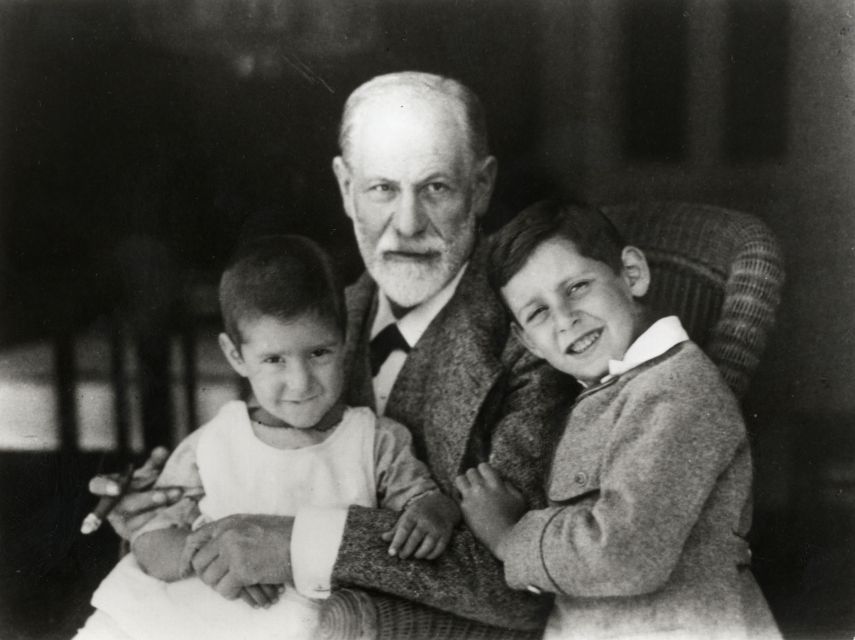
Freud’s world is not only books and furniture. The museum includes unique Freud family videos from the 1930s, and those clips bring the family into sharper focus.
I like this for two reasons:
- It shows Freud’s life as something happening inside a real household.
- It gives the museum a rhythm beyond professional achievements—children, daily behavior, and ordinary human moments.
If you want a Vienna experience that feels different from churches and palaces, this is one of the strongest options. It turns the city’s intellectual legend into people you can picture.
You can also read our reviews of more museum experiences in Vienna





The Nazi violence section and the exile story
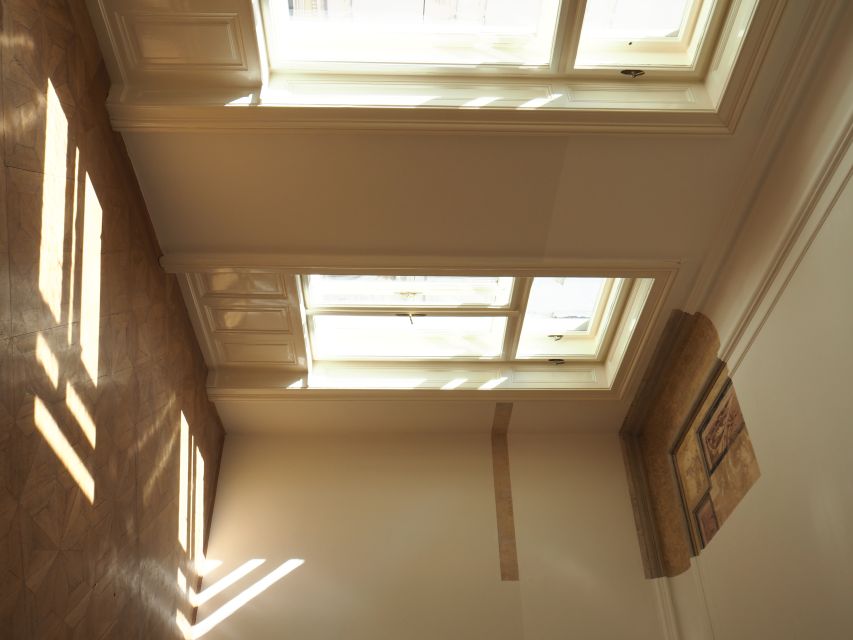
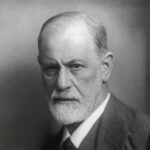
This museum does not avoid the darkest chapter. A newly built staircase recounts the history of the house and its occupants, including the period after Freud’s expulsion—when Jews were collected at Berggasse 19. The museum also includes a separate section in the foyer gallery dedicated to Freud’s flight into exile in London with his closest family.
That part includes the fates of his close relatives: his brother Alexander, and the tragic outcomes for his sisters Rosa, Marie, Pauline, and Adolfine, murdered in Nazi extermination camps.
This is heavy material. It also helps explain why the museum’s approach matters. Some institutions keep history tidy by focusing only on achievements. Here, the museum ties achievement to survival, loss, and what happens when a society turns violent.
If you’re sensitive to difficult history, plan your day so you’re not immediately rushing to something cheerful afterward. Let this land first.
Hidden Thoughts of a Visual Nature: conceptual art in Freud’s office
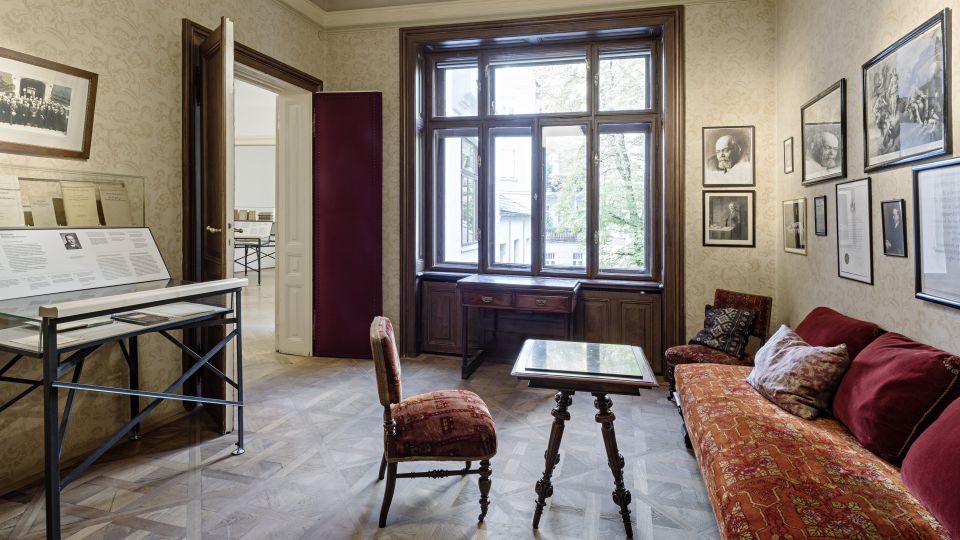
In Freud’s former office, you’ll find a permanent exhibition called Hidden Thoughts of a Visual Nature. It presents selected works from the museum’s collection of conceptual art.
The museum includes works by artists such as:
- John Baldessari
- Joseph Kosuth
- Susan Hiller
- Franz West
- Haim Steinbach
…and others.
I like this pairing because it connects Freud’s ideas to the way thinking continues to evolve. Psychoanalysis may have started as a scientific-and-clinical practice, but the way it changed how people interpret minds also influenced later art and theory. Seeing contemporary conceptual art in an actual office space gives you a sense of continuity, not just museum nostalgia.
If conceptual art isn’t your thing, you might want to treat this as a short stop—still worth it, but you don’t have to study every piece like a critic.
Museum shop and café: where you can slow down
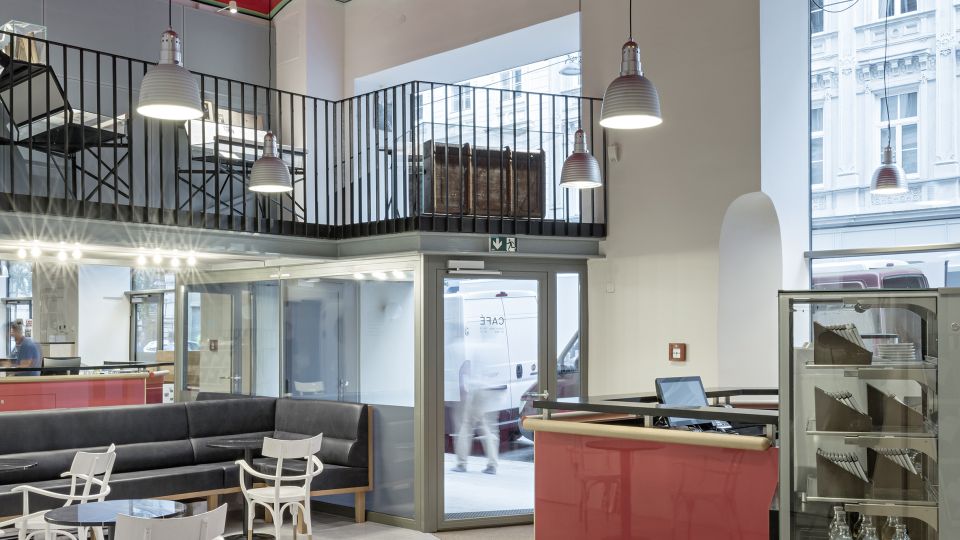
After the exhibits, you end at the museum’s shop and café. This is practical travel design: you finish your visit with the chance to regroup, cool down, and decide what you want to take home.
You can browse books and gift selections, then have an original Viennese coffee with cake—or have Viennese wine instead. If you’ve walked fast through museums all week, this is a good moment to reset.
One practical note from real comfort needs: the museum can run hot, especially in summer or during heatwaves. Dress in layers and bring a water bottle if you’re allowed to. At minimum, wear breathable clothes so the indoor reading doesn’t exhaust you.
How long to plan for (and how to pace yourself)
The ticket is valid for 1 day, and the museum experience is designed to be flexible. Some visitors treat it like a one-hour sprint; others spend longer. Based on how the exhibits are layered—rooms, audio, AR, film clips, and the heavier historical sections—you’ll get the best value by planning for about 1.5 to 3 hours, depending on how much you read.
My pacing advice:
- Start with the rooms and office areas first while you’re fresh.
- Then do the heavier exile and Nazi history sections with a slower pace.
- Finish with AR and the conceptual art once you’re ready for reflection and ideas.
If you go at a busier time, you might feel pressure while reading. If possible, choose a starting time that keeps the first minutes calm so you can get your bearings fast.
Value for $18: is it worth it?
At $18 per person, this isn’t a bargain ticket. But it is also not just a single display case. You’re paying for:
- Access to Freud’s actual home and practice spaces at Berggasse 19
- Audio recordings of Sigmund and Anna Freud
- AR tied to the couch’s original location
- Film material from the 1930s
- A history section that includes the Nazi-era violence connected to the address
- An art exhibition in Freud’s former office
- Plus a shop and café to round out the visit
For me, the value comes from the mix: it’s equal parts place-based history and interpretive exhibits. If you only want a light, fun museum, you might feel the price is high. If you want a memorable Vienna experience that blends science, family, art, and tragic history, it often feels like a bargain.
Who should book this ticket
You’ll likely love this if you:
- Are curious about psychoanalysis and how ideas formed in a specific time and place
- Want an authentic Vienna location tied to famous intellectual history
- Prefer museums where technology (like AR Freud’s Couch) is used with context
- Don’t mind emotional historical material if it is handled seriously
It’s also a solid choice for mixed interests. One person can focus on Freud’s professional materials; another can enjoy the audio, film clips, and the conceptual art section.
If you’re traveling with kids, the museum includes puzzle stickers that connect to Freud’s dog, and the shop has a board game that sounds like it would keep younger visitors engaged. Still, the museum’s reading load can be a lot—so plan breaks.
Should you book the Sigmund Freud Museum ticket?
Yes, if you want one of Vienna’s most distinctive, high-context cultural stops. The ticket price makes sense because you’re not paying for a single exhibit—you’re paying to walk through a historically charged home with audio, AR, film, and thoughtful interpretation.
Skip it only if:
- You hate museums with a lot of reading and emotional history
- You want a quick 30-minute hit
- You are easily thrown off by indoor heat and limited space for slow viewing
If you do book, start with energy. Wear comfortable clothes, charge your phone, and give yourself enough time to absorb the story in order—especially the parts that carry the most weight.
FAQ
Where is the meeting point for the ticket?
Present your ticket voucher at the main entrance of the Sigmund Freud Museum in Vienna.
How much does admission cost?
The ticket price is $18 per person.
How long is the ticket valid?
The ticket is valid for 1 day.
Does the admission help you avoid waiting in line?
Yes. It includes skip-the-ticket-line entry.
Are photos allowed?
Flash photography is not allowed.
Is the museum wheelchair accessible?
Yes, the museum is wheelchair accessible.
Is there free cancellation?
Free cancellation is available up to 24 hours in advance for a full refund.