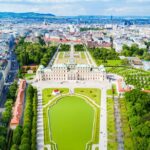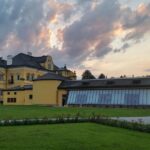
REVIEW · VIENNA
Leopold Museum Vienna Entrance Ticket
Book on Viator →Operated by Leopold Museum Vienna · Bookable on Viator
Vienna can feel like a blur of palaces and baroque gold. This ticket slows things down with modern Austrian art in a light-filled museum where you choose your own rhythm. I love that it’s prebooked entry, so you’re not stuck hoping the museum can fit you in when you arrive, and I love the freedom to roam through everything from Viennese Jugendstil to Expressionism without a clock or a group.
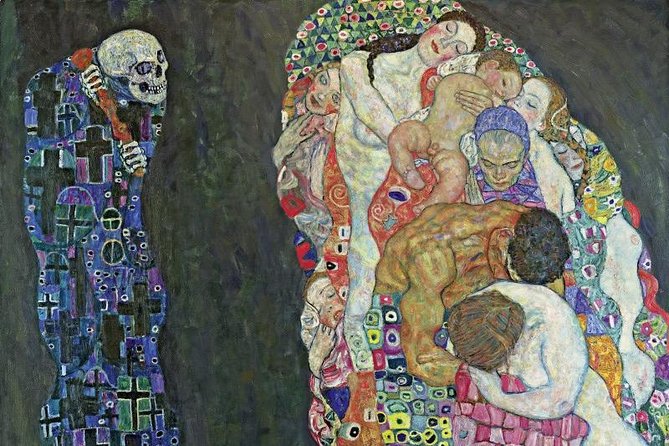
One thing to consider: this is a very satisfying visit, but it can feel closer to a focused 2-hour outing than a half-day slog. If you’re hoping for a huge wall of Klimt beyond the key masterpiece Death and Life, you may want to set expectations around what the museum is best known for: Egon Schiele.
In This Review
- Quick hits before you go
- Why this Leopold Museum ticket fits how you actually travel
- Getting to the museum and getting in (MuseumQuartier logistics)
- The art story you’ll walk through: from Fin de Siècle to Wiener Moderne
- The Egon Schiele collection: plan your route around it
- Gustav Klimt’s Death and Life and the Vienna Secession connection
- The museum’s interwar focus and why it matters
- Everyday design meets art: Otto Wagner, Adolf Loos, and the in-between stuff
- Window views over Maria Theresa Square and the Hofburg
- Café Leopold breaks: plan a real rest, not a rushed stop
- Timing, pace, and what 2–3 hours really means
- Audio guide and language options (and when it’s worth paying extra)
- Who should book this Leopold Museum entrance ticket
- Should you book the Leopold Museum Vienna entrance ticket?
- FAQ
- How long should I plan for the Leopold Museum?
- What does the Leopold Museum entrance ticket include?
- Is there an audio guide?
- Do I need to exchange anything at the museum?
- Are children allowed in?
- What are the opening hours, and can I cancel?
Quick hits before you go
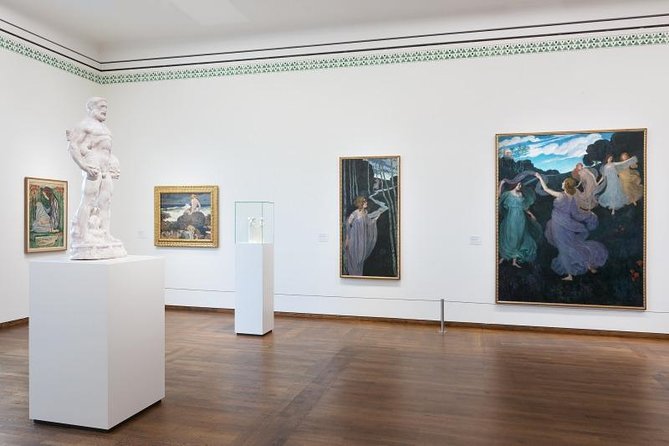
- Prebooked entry helps you avoid arrival-day disappointment
- Unlimited access to the permanent collection and exhibitions lets you move at your pace
- Egon Schiele collection is described as the largest of its kind in the world
- Major Vienna Modern names show up across the collection: Klimt, Kokoschka, Gerstl, Moser, and more
- Plan time for the window views over Maria Theresa Square and the Hofburg Palace
- Café Leopold is there for a breather, but food and drinks cost extra
Why this Leopold Museum ticket fits how you actually travel
This is the kind of museum ticket that matches real travel. You’re not locked into a fixed route or forced to keep up with strangers who move at a different speed. The payoff is simple: you can linger when a painting grabs you, and you can skip past what doesn’t. That matters at the Leopold Museum, because it’s not just a pile of famous names. It’s a timeline of artistic shifts in the Habsburg era and beyond.
Price-wise, $22.98 is a fair entry ticket for what you get: you’re buying in to a major collection rather than a short, single-gallery stop. And because access is unlimited during your visit, you aren’t paying for a “pass through.” You’re paying for time—exactly what art museums need.
The other practical win is avoiding the stress of turnstiles and sold-out entry moments. That alone can turn a good plan into a calm one.
You can also read our reviews of more tours and experiences in Vienna
Getting to the museum and getting in (MuseumQuartier logistics)
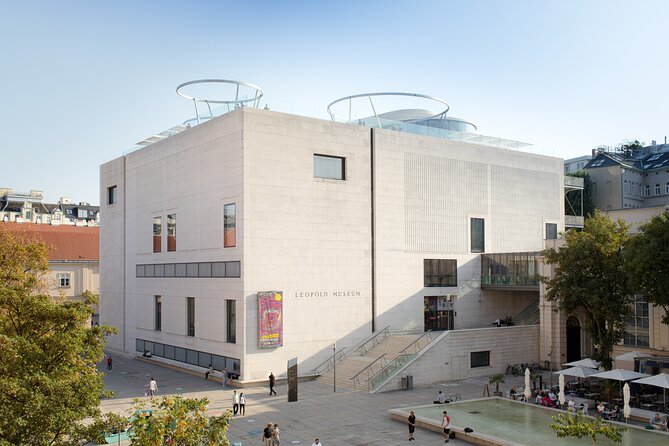
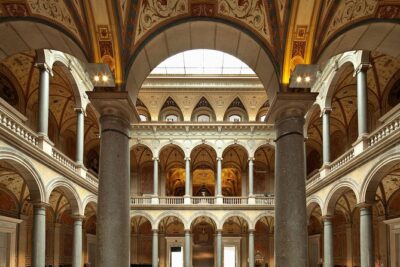
The Leopold Museum sits in Vienna’s Museum Quarter, an area that’s easy to combine with other stops. When you arrive, take a moment to clock the building. The museum is known for striking modern architecture and lots of light—so even before you reach the galleries, you’re already in a different Vienna mood than the palace-and-church route.
For this ticket, you’re given a mobile ticket, but you should still be ready to exchange your voucher at the cashier desk. The instruction is to present your Viator Voucher at the cashier desk and to print it. That’s one of those small details that can save time if you do it the day before and don’t gamble with screens, Wi‑Fi, or last-minute printer panic.
Once you’re inside, the visit runs on your schedule. You’re not asked to join a group tour, and there’s no included guide. That makes it a strong option if you like to read labels, look closely, and build your own understanding as you go.
The art story you’ll walk through: from Fin de Siècle to Wiener Moderne
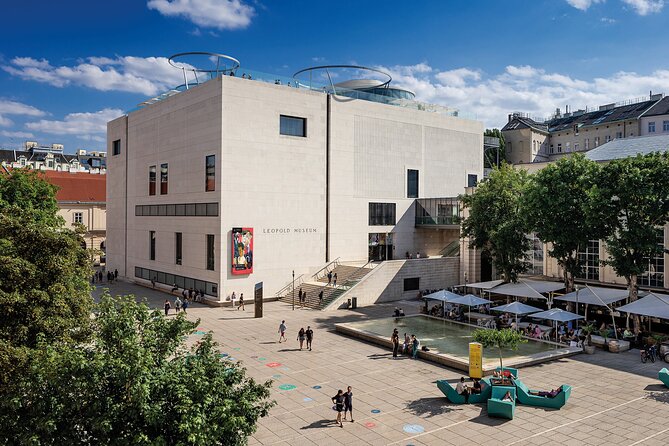
This museum is built around modern Austrian art, and it tells a story that’s easy to feel even if you don’t come with a textbook. You’ll move through rooms that reflect how styles changed from late-19th-century Historicism and mood-driven impressionism toward the distinct look of Wiener Moderne—the Vienna modern era tied to the artists you see here.
As you walk, keep an eye out for how the collection clusters artistic movements. The museum connects styles and ideas rather than treating everything as random masterpieces. That’s one reason a paced, unguided visit works well. You can stop where the style shift interests you, then continue when your brain is ready.
Some of the names you’ll see across the collection include:
- Oskar Kokoschka
- Richard Gerstl
- Koloman Moser
- Herbert Boeckl
- Otto Wagner
- And, of course, the star attractions: Egon Schiele and Gustav Klimt
If you like the feeling of discovering patterns—how a city’s creativity changes over a few years—this museum is made for you.
The Egon Schiele collection: plan your route around it
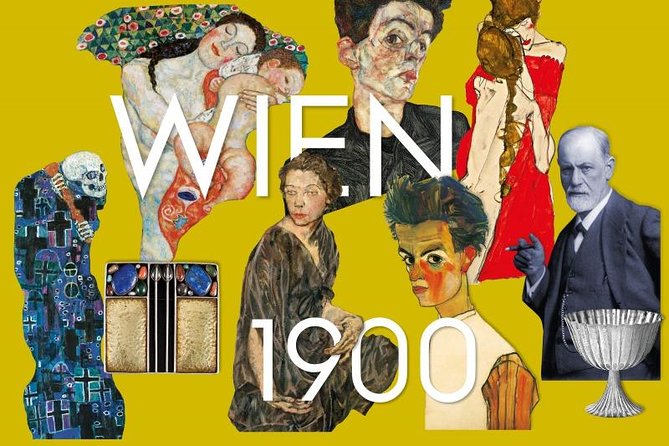
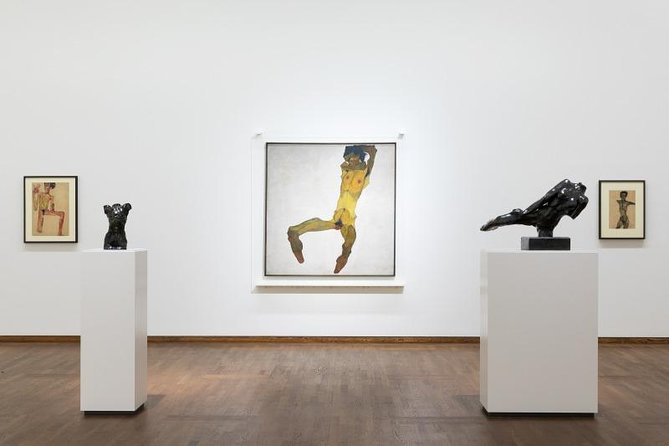
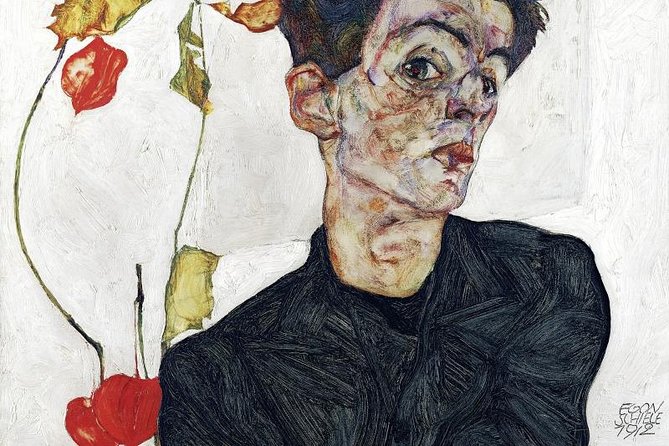
If you care about Egon Schiele, treat this as a priority stop, not a casual browse. The museum highlights its Schiele holdings as the largest of their kind in the world. That’s a big claim, but it aligns with what the museum presents: you’ll see a wide range of Schiele paintings and drawings, enough to make his themes and line style feel less like an art-world rumor and more like a real body of work.
Here’s a practical way to use your time: don’t try to look at everything at once. Instead, choose a handful of works to study longer. In an art museum like this, your best moments usually come from 10 minutes of careful looking, not from sprinting through rooms.
Schiele isn’t the only reason the museum hits so hard, though. The collection is designed so that other key names can change your understanding of what Schiele was doing. If you notice the connections between Wiener Moderne artists, the museum starts to feel like a living conversation rather than separate departments.
Gustav Klimt’s Death and Life and the Vienna Secession connection
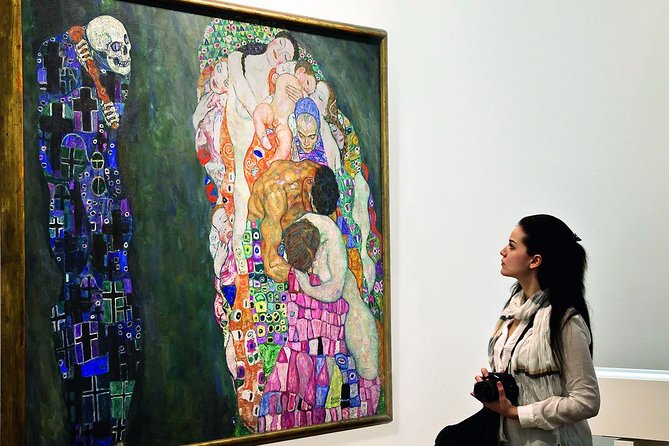
Klimt fans usually come for his work. Here, one of the anchor pieces is Death and Life, created by a founder of the Vienna Secession movement. It’s a focal work and a great one to view with your full attention—especially if you want to feel how Secession-era thinking differed from earlier styles.
Now for the realistic note: this is not a Klimt warehouse. The museum is especially known for Schiele, and the broader collection spreads attention across many Austrian modern artists. If Klimt is your one-track priority and you’re expecting a huge wall of his paintings, you might find yourself wishing there were more. The fix is simple: read the museum’s focus before you go, then treat Death and Life as the Klimt payoff rather than the whole vacation.
You can also read our reviews of more museum experiences in Vienna


The museum’s interwar focus and why it matters
One of the more interesting aspects is the emphasis on the Austrian interwar period. That section brings forward artists like:
- Albin Egger-Lienz
- Anton Kolig
- Herbert Boeckl
It also gently points toward what comes later in the 20th century. So even if you came for Fin de Siècle Vienna, you leave with a better sense of how Austrian art didn’t stop when one aesthetic style faded. It evolved, then re-formed again.
This is the kind of curatorial structure that helps your travel brain. Instead of just collecting famous names, you start to understand how a place keeps producing work through change—social, political, and artistic.
Everyday design meets art: Otto Wagner, Adolf Loos, and the in-between stuff
The Leopold Museum doesn’t limit itself to paintings and drawings. It also showcases everyday objects from the Fin de Siècle era—design you’d normally walk past without noticing.
You’ll see design-related figures called out in the collection focus, including:
- Otto Wagner
- Adolf Loos
- Dagobert Peche
- founders of the Wiener Werkstätte, such as Josef Hoffmann and Koloman Moser
This matters because it changes how you read the paintings. You start to notice how style doesn’t live only in galleries. It lives in objects, typography, architecture, furniture—things a city builds around daily life.
If you enjoy design and architecture (or you just like when museums make connections), this part of the visit can be a real highlight. It also breaks up the visual intensity if you’re spending a lot of time with figurative art.
Window views over Maria Theresa Square and the Hofburg
Don’t rush the exit. One of the best low-effort rewards is stepping toward the museum windows for panoramic views over Maria Theresa Square and the Hofburg Palace.
It’s a nice reset after hours of looking closely at art. Plus, it ties this modern museum back to the grand Vienna you’ve been seeing outside. You get both moods in one visit: modern interior quiet, then a broad view of the city’s classic heart.
If the weather is decent, take a moment just to watch the square life shift. You don’t need a long break—just enough to get your eyes off canvas and back onto the city.
Café Leopold breaks: plan a real rest, not a rushed stop
Café Leopold is in the museum, and it’s the kind of place that helps you end your visit on a better note. The museum visit can be intense—especially when you’re seeing emotional works across decades—and a café pause is a smart move if you don’t want to burn out.
Food and drinks are own expense, but the café experience is often treated as part of the overall visit. I’d use it like this: take 20 to 30 minutes, recap what you liked, and decide what you still want to re-see before you leave.
Also, since the visit is often 2 to 3 hours, that café break can help you hit the full range without feeling like you spent 90 minutes there and then drifted out.
Timing, pace, and what 2–3 hours really means
Most people should plan around 2 to 3 hours. That’s long enough for a meaningful circuit and a serious Schiele focus, but it’s also short enough that you don’t need to clear your entire day.
If you’re a fast walker and you’re only lightly reading labels, you might finish nearer the low end. If you’re the type who stops often, reads carefully, and does comparison looking (style A vs style B), you’ll feel the 3-hour mark.
The key is to decide how you’ll spend your “big time.” For example:
- If Schiele is your main reason to be here, give that section the most attention.
- If Klimt is your must-see, make sure you have enough time for Death and Life without rushing.
- If design objects interest you, leave room for them. They’re easy to skip accidentally.
This museum rewards planning your attention, not just your route.
Audio guide and language options (and when it’s worth paying extra)
There’s no included guide with the ticket. If you want extra context, there is an audio guide available in German, English, French, and Italian for an additional cost of EUR 4.
I think an audio guide is most worth it when:
- you want a quick explanation without reading every label, or
- you want help connecting the movements across rooms.
If you’re the kind of museum-goer who enjoys reading, you may decide you don’t need the audio guide at all. Either way, the base ticket already gives you the freedom to go at your pace.
Who should book this Leopold Museum entrance ticket
This is a strong fit if you:
- care about modern Austrian art and want a clear path through the evolution of styles
- love Egon Schiele and want a serious viewing experience
- like seeing art alongside design and Vienna Modern objects
- prefer self-guided exploring rather than a scripted group pace
It’s also a good choice if you’re mixing museum stops in the Museum Quarter and want a manageable duration. You can pair it with nearby sights without committing your whole day.
It may be less ideal if you only want a big, Klimt-heavy collection. Here, Klimt is present in a big way, but the museum’s center of gravity is clearly Schiele and the broader Wiener Moderne network.
Should you book the Leopold Museum Vienna entrance ticket?
Yes—book it if you want a calm, high-quality art visit in Vienna’s Museum Quarter and you like the idea of exploring without a tour leash. The prebooked entry is the smart part: it protects your day, and it gives you time to see what you actually want to see.
I’d book with a couple expectations set:
- Expect Schiele to be the main show.
- Expect a visit that can comfortably land in about 2 hours if you move briskly.
- Expect modern architecture and a light-filled interior experience, plus a classic-city payoff at the window views.
If that sounds like your kind of day, this ticket is good value for your time in Vienna.
FAQ
How long should I plan for the Leopold Museum?
Plan about 2 to 3 hours. That’s enough time to see the main collection and still take breaks.
What does the Leopold Museum entrance ticket include?
The ticket includes admission. It provides unlimited access to the permanent collection and exhibitions during your visit.
Is there an audio guide?
An audio guide is available for an additional cost of EUR 4. It’s offered in German, English, French, and Italian.
Do I need to exchange anything at the museum?
Yes. You should present your Viator Voucher at the cashier desk to exchange for the current ticket, and you’re asked to print the voucher.
Are children allowed in?
Children must be accompanied by an adult. A reduced child price is available with relevant ID-card.
What are the opening hours, and can I cancel?
Opening hours listed include Monday from 10:00 AM to 6:00 PM. Free cancellation is available up to 24 hours in advance for a full refund.