REVIEW · VIENNA
Vienna: Auschwitz Birkenau Full-Day Tour w/ Hotel Transfers
Book on GetYourGuide →Operated by EuropaAdventure · Bookable on GetYourGuide
One long drive, then reality hits hard. I like how this full-day trip builds you up for the visit with hotel transfers and skip-the-line entry, so you spend less time stuck and more time learning. It’s a heavy day, but it’s also one that’s organized enough to let you absorb it.
What I also really appreciate is the guided walkthrough inside both main areas, Auschwitz I and Auschwitz II-Birkenau, led in English. You get up to 3.5 hours inside the camps, plus about an hour afterward for lunch or quiet reflection, which helps when you need a moment to process.
One possible drawback is timing confusion: I’d double-check the departure time in writing before you go. In at least one case, messages and confirmations didn’t line up, and it can mean arriving way earlier than you expect, waiting around until the ride actually starts.
In This Review
- Key points to know before you go
- Leaving Vienna Early: the 15-Hour Day That Actually Makes Sense
- The Ride Matters: air-conditioned comfort and driver help
- Skip-the-line entry: why it’s worth paying for
- Auschwitz I: political prisoners, barracks remnants, and gas chamber ruins
- Auschwitz II-Birkenau: the scale you can’t unsee
- The guided portion vs. your hour of free time
- What you learn along the way: why the guide changes the visit
- Price and value: is $666 per person justified?
- Who this private Auschwitz-Birkenau day trip is best for
- Final decision: should you book this Auschwitz-Birkenau tour?
- FAQ
- How long is the Vienna to Auschwitz-Birkenau tour?
- Where does the tour start and end?
- How long is the drive to Auschwitz?
- How much time do I spend inside the camps?
- Which areas are included in the visit?
- Is there time for lunch or personal reflection?
- Is the tour in English?
- What’s included in the price?
- Is food included?
- What’s the cancellation policy?
Key points to know before you go
- Hotel pickup and drop-off in Vienna means you don’t have to plan trains or transfers when the day is already long.
- Air-conditioned vehicle for the 5-hour ride each way makes the journey less taxing, especially in warmer months.
- Skip-the-line entrance to Auschwitz and Birkenau cuts down delays before you even reach the gates.
- Guided time inside up to 3.5 hours across both Auschwitz I and Auschwitz II-Birkenau gives structure to what you see.
- About 1 hour of free time after the tour is helpful for lunch or personal reflection.
Leaving Vienna Early: the 15-Hour Day That Actually Makes Sense
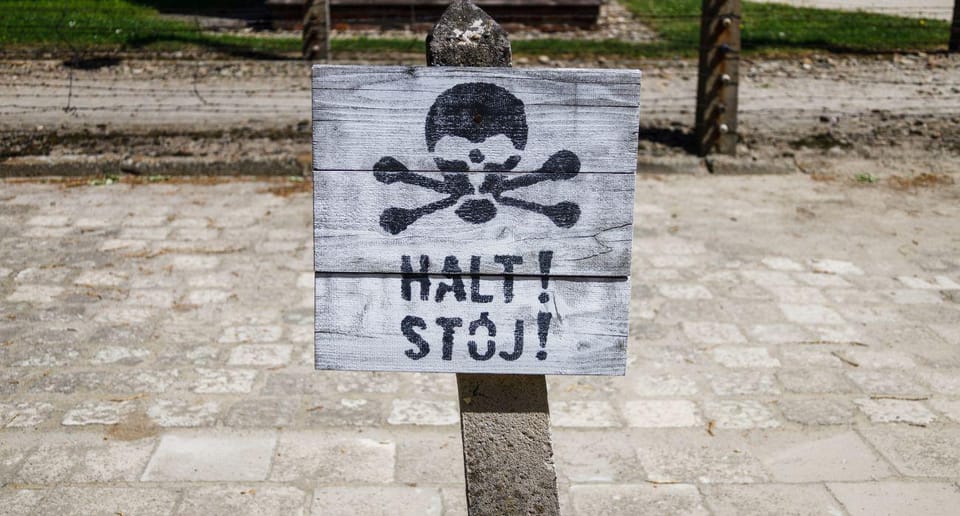
This is a long day by design. You’re picked up from your Vienna hotel early, then you head out for a long drive toward Lesser Poland, where Auschwitz-Birkenau is located. The total time on the schedule is about 15 hours, so plan your day around it, not around other sightseeing.
The biggest value in the early start is that it protects your time on-site. When you’re walking where history happened, you want enough hours to do it justice and enough breaks to stay steady. This tour aims to do both: a long but comfortable travel window, then focused time inside the camps.
Because the visit is so somber, the itinerary’s pacing matters. There’s a guided portion inside, then a separate stretch where you can handle lunch or reflection at your own speed. That structure helps, rather than forcing you to bounce from one moment to the next without a pause.
You can also read our reviews of more tours and experiences in Vienna


The Ride Matters: air-conditioned comfort and driver help
The round-trip logistics are one of the quiet wins here. You travel in an air-conditioned vehicle, and the schedule includes occasional stops along the way to break up the drive. That matters more than it sounds, since you’re dealing with a long day and a high-emotion destination.
You also have an English-speaking driver, and having a real human handling the road reduces stress. In one experience I’m taking cues from, the driver named Jan was described as kind and attentive when help was needed. You don’t need a personality contest in the driver’s seat, but you do want reliability, clear communication, and someone who can smooth out minor problems quickly.
One practical note: since this is a full-day tour, confirmation details matter. I strongly suggest you re-check the pickup time close to departure, and make sure you understand the time you’ll be leaving Vienna versus the time of the camp visit. In one case, there were conflicting time references, and it created unnecessary waiting—nothing dramatic, but it’s the kind of avoidable annoyance that makes a day feel longer.
Skip-the-line entry: why it’s worth paying for
Getting to the camps is one thing. Getting inside efficiently is another. This tour includes skip-the-line entrance to Auschwitz and Birkenau, plus the entrance tickets, so you’re not scrambling last minute to purchase and queue.
For a trip like this, that efficiency is not about convenience for convenience’s sake. It protects time. If you’re paying a premium for a day trip, you want your hours focused where it counts: in the camp areas, under a guide who can put what you’re seeing into context.
That said, skip-the-line doesn’t mean instant entry like a theme park. You’ll still be entering a highly regulated, solemn place where queues can happen. Still, skipping the ticket line can reduce friction and help the day run closer to the planned schedule.
Auschwitz I: political prisoners, barracks remnants, and gas chamber ruins
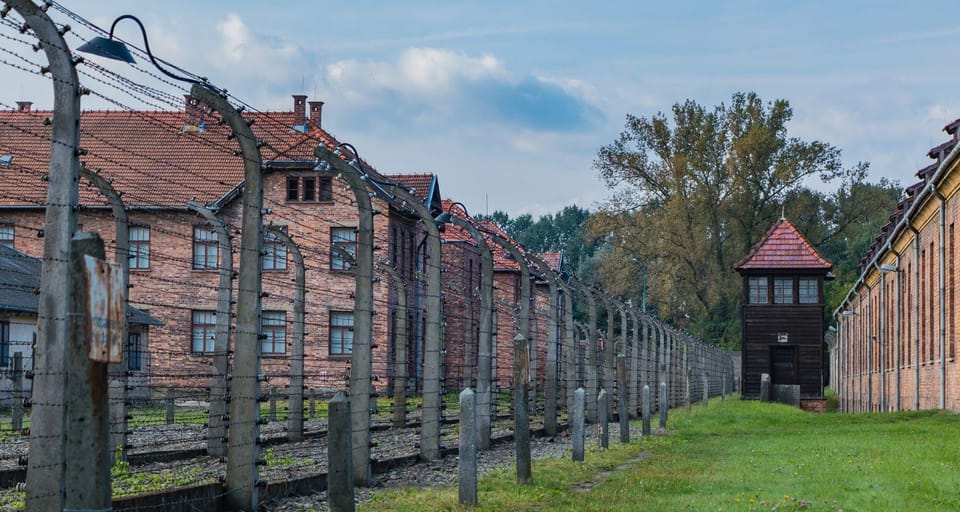
Once you arrive, the day pivots from travel into learning. A local guide fluent in your chosen language (English on this tour) leads you through the exploration of the camps. This part is where the tour becomes more than a sightseeing stop—it turns into a guided historical visit.
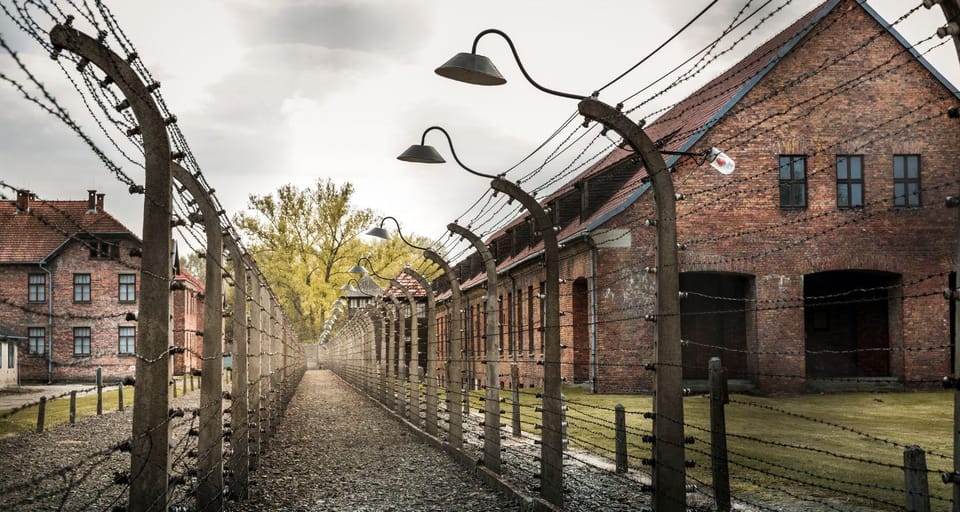
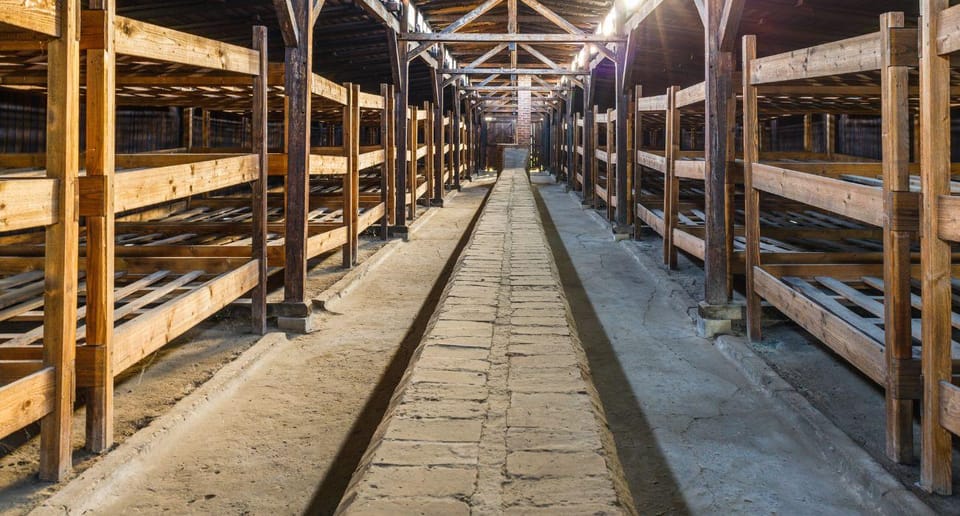
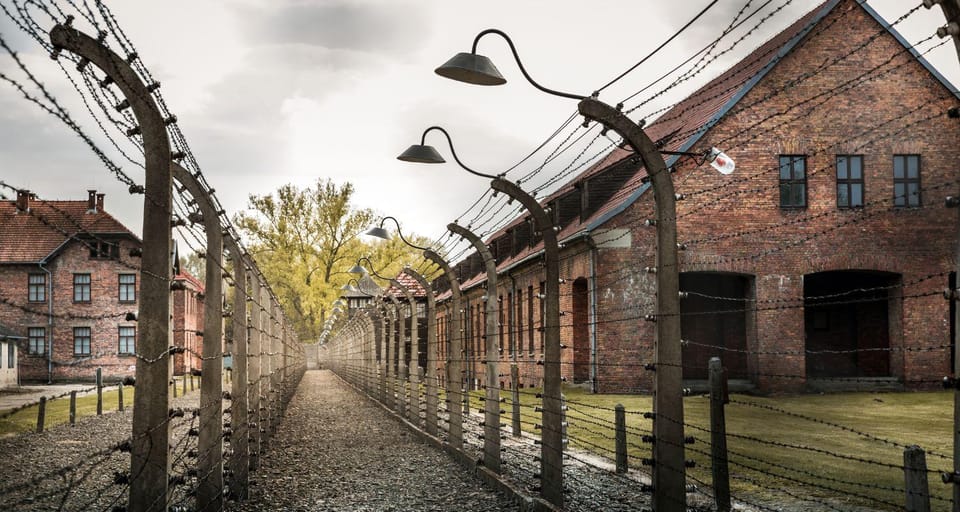
Auschwitz I is described as the area primarily used for political prisoners. In practical terms, that means your guide will help you connect what you’re seeing—such as original barracks ruins and other camp remains—to the system being used and how the place functioned. It’s not just about recognizing buildings. It’s about understanding roles, control, and how the machinery of persecution worked.
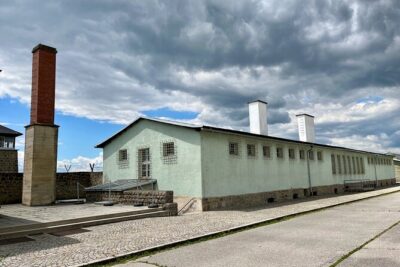
You’ll also see some of the most chilling remnants associated with the camp’s operations. The highlights include the ruins of the gas chambers and sites tied to the process of imprisonment and extermination. Seeing ruins is different from reading about them. They can feel oddly physical in the worst way—like your brain keeps trying to make them normal structures before it realizes they weren’t built for anything normal.
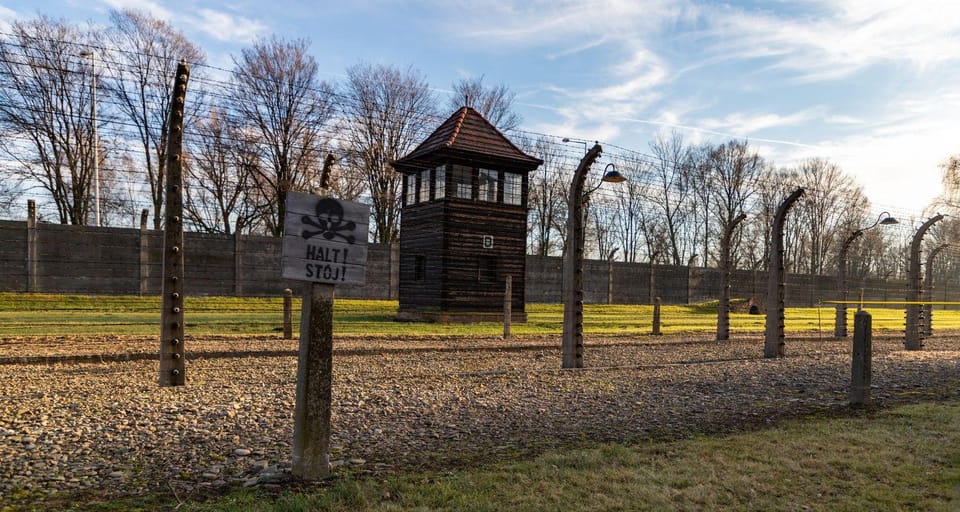
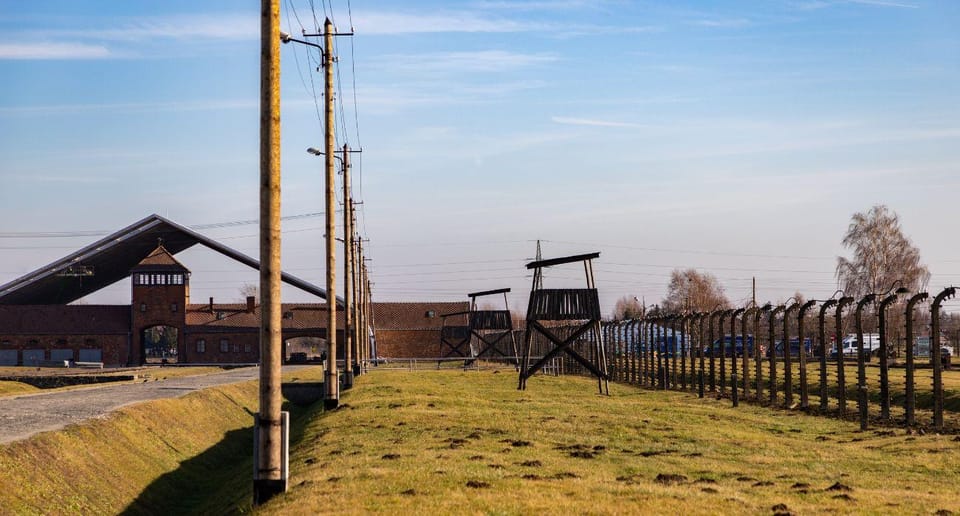
The tour also references watchtowers and crematoriums among what you’ll encounter during the guided portion. Those details matter because they show how the camp wasn’t just brutal. It was engineered for control and visibility.
Auschwitz II-Birkenau: the scale you can’t unsee
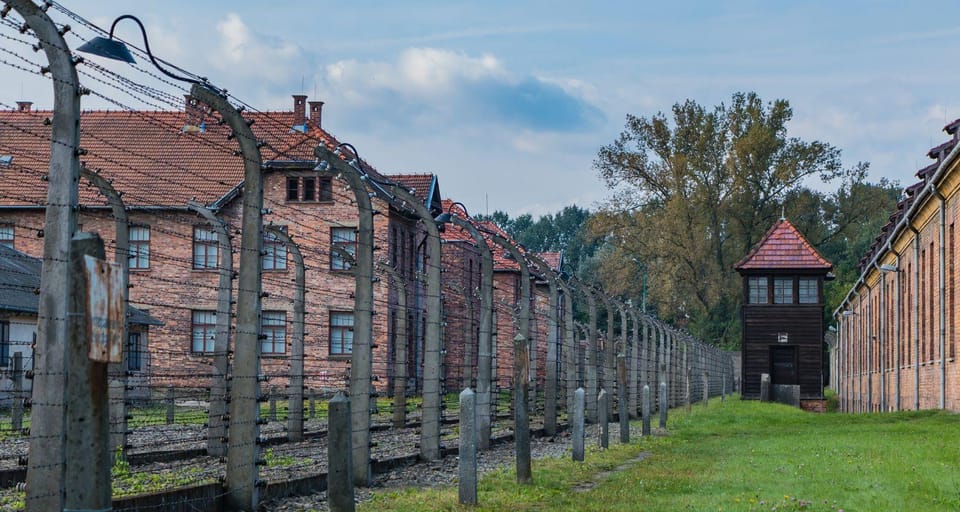
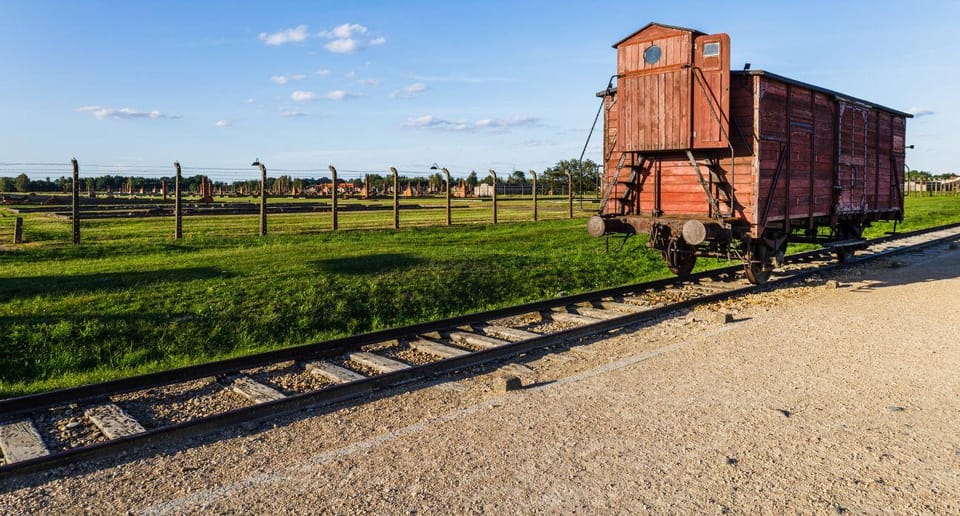
After Auschwitz I, you move into Auschwitz II-Birkenau, the vast camp area where Jewish and Romani inmates endured unimaginable hardships. If Auschwitz I can feel like it’s teaching you the system’s starting point, Birkenau shows you the system’s scale.
This is where a guided approach really pays off. The remains are spread out, and without a guide you might focus only on what looks striking. With a guide, you’re more likely to connect what you’re seeing—layout, buildings, remnants, and the larger camp geography—to what happened there.
You also gain something important from having up to 3.5 hours total inside the camps with the guide. That time window helps you avoid the most common issue with big, heavy sites: rushing. You’re not meant to rush. You need time to understand, then time to absorb.
One drawback to consider: this is a long amount of walking and standing in a place that isn’t designed for comfort. The emotional weight is huge, and your body still has to keep up. Wear shoes you can trust and plan to move slowly.



The guided portion vs. your hour of free time
After the guided tour, you get about 1 hour of free time. The stated options are lunch or personal reflection. I like this split because it respects how people process. Some visitors want food and a reset. Others need quiet.
Use that hour strategically. If you’re planning to eat, do it early enough that you’re not stressed about the group reassembling. If you’d rather reflect, take it seriously as part of the experience, not as a gap filler. In a place like this, that hour can help your brain catch up with what your eyes just learned.
You won’t be stuck there all day without a breather. Still, the day is long overall. You’re leaving Vienna, driving out, then spending meaningful time on-site, then driving back. The free time helps, but it doesn’t shorten the day—so treat it as a chance to manage yourself.
What you learn along the way: why the guide changes the visit
This isn’t a tour where you just see buildings and call it history. It’s specifically built around learning: Holocaust and WWII context, living conditions for prisoners, and the meaning of major remnants like barracks and gas chamber ruins.
The biggest benefit of a local guide is translation of meaning. They can point out what’s important and what you should avoid oversimplifying. The difference between reading a few paragraphs and listening to a structured explanation while standing near the remains can be huge.
Also, the guide helps you stay oriented. In a place with overwhelming visual details, orientation is a form of respect. It keeps the visit from turning into frantic snapping of memories. Even if you’re taking photos, you’ll likely find you want to watch and listen first.
And since this is a private group, you’re not fighting for space or getting lost in a crowd. Private can mean a more direct pace, more room for questions, and less feeling like you’re following a moving conveyor belt.
Price and value: is $666 per person justified?
At $666 per person, this isn’t a budget trip. You’re paying for four core things: the long private transportation day from Vienna, hotel pickup and drop-off, skip-the-line entrance plus tickets, and a guided walkthrough inside the camps.
If you were to DIY this, the price would shift into multiple moving parts: buses or trains, ticket lines, local guides, and the hassle of coordinating timing so you still get enough time inside. DIY can work, but it rarely reduces stress for a day as heavy as Auschwitz-Birkenau.
The value question comes down to what you care about most. If you want a guided explanation and the time on-site to feel structured, this price starts making sense. If you only want the basics and you’re comfortable doing history independently, you might find cheaper options—but you’d be trading away the organized structure that helps people process.
In one experience I’m using as a reference point, the person said it was a bit pricey but went anyway and felt grateful for the chance to reflect and mourn. That reaction aligns with a key value fact: for many people, this is a once-in-a-lifetime day. Paying for structure is part of what makes it possible to give it the respect it deserves.
Who this private Auschwitz-Birkenau day trip is best for
This tour fits best if you want a guided visit with clear structure and you’d rather not juggle logistics. The private group setup and Vienna hotel transfers are especially useful if you’re traveling in a group that wants to stay together and move at a sensible pace.
It’s also a good match if you care about time on-site. You’ll get up to 3.5 hours inside the camps, plus the separate reflection/lunch hour. That balance helps you avoid a too-short visit or an overwhelming one with no pauses.
I’d think twice if you strongly dislike long drives or you need frequent, unscheduled breaks. The overall day is 15 hours, and while there are occasional stops, the schedule is still a schedule. You’ll be sitting and walking, then sitting and walking again.
If you’re visiting alone, private can still be worthwhile because it reduces the feeling of being lost in a bigger group. If you prefer lots of social energy, a private group might feel a bit quieter than you expect, but it’s still guided.
Final decision: should you book this Auschwitz-Birkenau tour?
If you’re coming from Vienna and you want a guided, structured Auschwitz-Birkenau visit with hotel transfers and skip-the-line entry, I think it’s a strong option. The combination of time inside the camps, guided context, and a built-in hour for lunch or reflection is exactly what helps people make the most of a day like this.
I’d book it with one condition: confirm your pickup time and the intended departure time clearly before the day begins. It’s worth a quick double-check so you don’t end up waiting around due to conflicting schedule messages.
If you can handle a long day, you’ll come away with more understanding than you can get from a rushed, unstructured visit. And if you take the reflection hour seriously, you’ll have space to process what you learned, not just what you saw.
FAQ
How long is the Vienna to Auschwitz-Birkenau tour?
The tour lasts about 15 hours total.
Where does the tour start and end?
It starts with hotel pickup in Vienna and ends with hotel drop-off back in Vienna.
How long is the drive to Auschwitz?
The drive to Auschwitz is listed as about 5 hours, with occasional stops along the way.
How much time do I spend inside the camps?
You’ll spend up to 3.5 hours inside the Auschwitz-Birkenau camp areas.
Which areas are included in the visit?
You visit Auschwitz I and Auschwitz II-Birkenau.
Is there time for lunch or personal reflection?
Yes. After the guided tour, you’ll have about 1 hour of free time for lunch or personal reflection.
Is the tour in English?
Yes, the provided language details specify English.
What’s included in the price?
Hotel pickup and drop-off, air-conditioned transport, an English-speaking driver, skip-the-line entrance, entrance tickets, and a guided sightseeing tour inside the camps.
Is food included?
No. Food and drinks are not included.
What’s the cancellation policy?
You can cancel up to 24 hours in advance for a full refund.