REVIEW · VIENNA
Vienna: Classical Concerts in the Minorite Church Ticket
Book on GetYourGuide →Operated by ViennaTicketing.com · Bookable on GetYourGuide
Vienna’s church concerts hit different. This one puts world-class classical music inside the beautiful Minoritenkirche, where the sound carries in a way that makes familiar pieces feel new. I love the mix of big-name composers on the program and the live, high-caliber performances that bring them to life in a real historic setting. One thing to keep in mind: seating can be a little uncomfortable for some people, so choosing your section matters.
The show runs about 70 minutes and you’ll hear changing programs throughout the season, from Vivaldi and Mozart to major works like Bach’s Mass in B Minor. If you’re choosing a Vienna evening, this is a straightforward option: one venue, one ticket, and a focused night of music in the heart of the city. Just check your exact concert time when you book.
In This Review
- Key Things I’d Watch For
- Minoritenkirche: A Gothic Room Built for Sound
- The Music Lineup: Mozart, Bach, Vivaldi, Plus Big Seasonal Moments
- Vienna Philharmonic members in string chamber concerts (May 30–31)
- Flute quartet special with Mozart, French color, and baroque variations (June 7–8)
- Bach’s Mass in B Minor (June 14)
- You’ll also see seasonal favorites
- What 70 Minutes Feels Like (and How to Make It Better)
- Entrance, Tickets, and How the Evening Runs
- Photography and Rules: Know Them Before You Sit Down
- Pricing Value: Why About $22 Can Be a Great Deal in Vienna
- Who This Concert Best Fits
- Should You Book This Concert in Vienna?
- FAQ
- Where does the concert take place?
- How long is the concert?
- How much does the ticket cost?
- What kind of music will I hear?
- Are there specific concerts scheduled on certain dates?
- Can I take photos or record video inside the church?
- Is the venue wheelchair accessible?
- Is it okay for children?
- What language support is available?
Key Things I’d Watch For
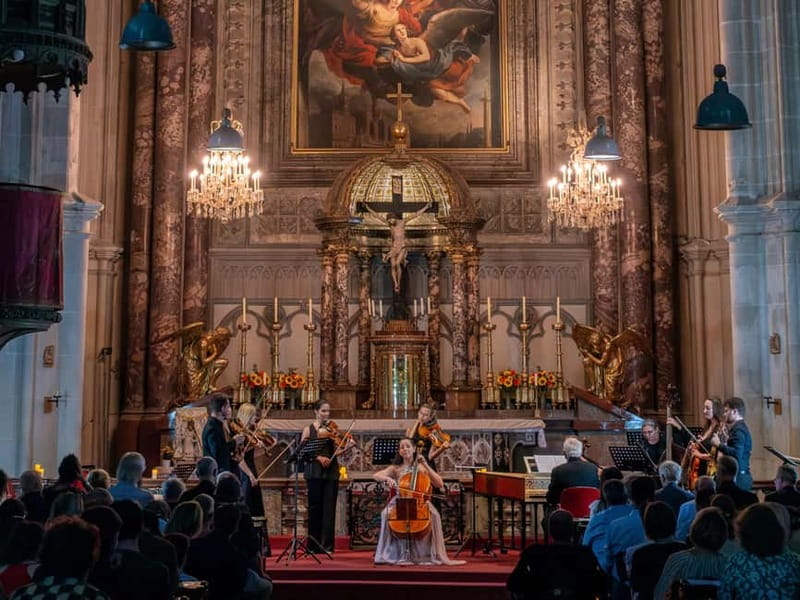
- Minoritenkirche acoustic magic for clarity and resonance, not a muffled sound
- Program variety by season, from Vivaldi and Mozart to Christmas and New Year’s concerts
- High-level performers, including ensembles connected with the Vienna Philharmonic
- Better front-section views, especially when you want to see technique up close
- Chair comfort varies, so aim for the best seat you can get within your budget
Minoritenkirche: A Gothic Room Built for Sound
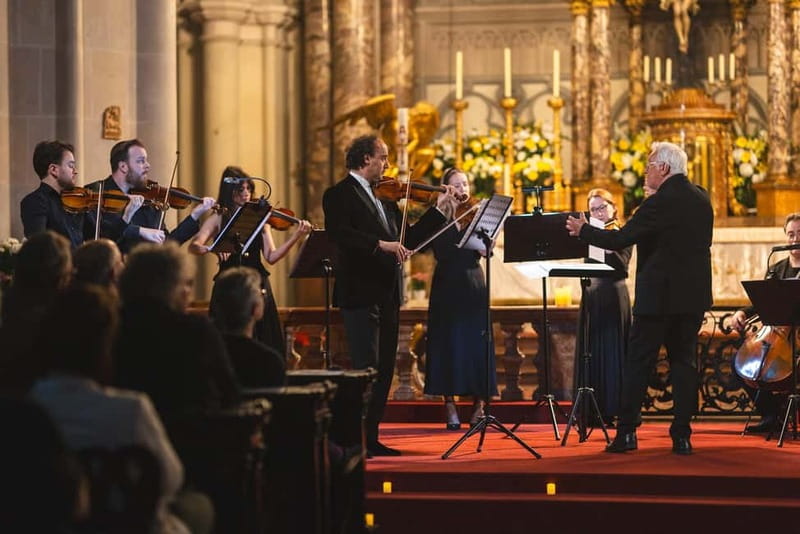
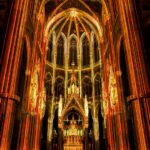
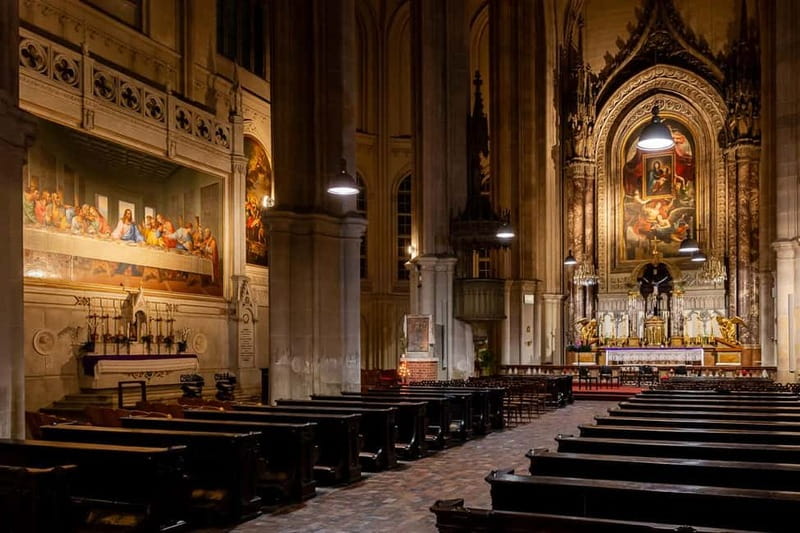
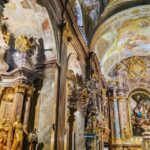
Vienna’s Minoritenkirche is the kind of place where you immediately understand why classical concerts belong in churches. The building is historic and visually striking, but the real payoff is what happens once music starts. The sound doesn’t just get louder—it gets shaped. Notes feel distinct, and harmonies settle in a way that makes even fast passages feel controlled.
I like that this concert doesn’t feel like a tourist show. You’re sitting inside a functioning sacred space, and that changes the tone of the evening. Even if you’re not a hardcore classical fan, you’ll probably appreciate how the room lends gravity to the music. Several performances also go beyond the usual greatest-hits approach, including more specialized chamber-music programs.
One practical point: don’t assume that every seat is equally comfy. Some people find the chairs a bit stiff, even though the music and atmosphere more than make up for it. If comfort is important for you, pick your seat category thoughtfully.
You can also read our reviews of more tours and experiences in Vienna
The Music Lineup: Mozart, Bach, Vivaldi, Plus Big Seasonal Moments
The program is the heart of why you’d choose this concert. The baseline is classic Vienna composers—Mozart, Beethoven, Vivaldi—and the church setting makes that repertoire feel extra “of the city.” But the calendar-style programming is what keeps it from getting repetitive.
Here are concrete examples of programs you might catch:
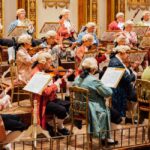
Vienna Philharmonic members in string chamber concerts (May 30–31)
On May 30 and 31, a Philharmonic Ensemble performs string quartet masterpieces:
- Mozart: String Quartet in B-flat major, KV 458 The Hunt
- Haydn: String Quartet in D major, Op. 64 No. 5 The Lark
If you love clarity and interplay—who answers whom—string quartet nights are often the best kind of chamber music for first-timers. It’s not just “beautiful sound.” You can follow musical conversations.
Flute quartet special with Mozart, French color, and baroque variations (June 7–8)
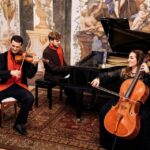
On June 7 and 8, the Philharmonic Ensemble focuses on flute quartet music:
- Mozart: Quartet in D Major, KV 285
- Selections from The Magic Flute (arranged by Johann Wendt, 1792)
- Mozart: Quartet in C Major, KV 285b
- Marais: Les Folies d’Espagne for solo flute (theme with variations)
- Debussy: Syrinx for solo flute
This is a smart choice if you want variety in tone—from sparkling Mozart to flute writing that shows off texture and color. Debussy’s Syrinx is especially good in a church setting because the line can sound both floating and precise.
Bach’s Mass in B Minor (June 14)
If you want a “this is why people travel” concert, June 14 is the one:
- Bach: Mass in B Minor, BWV 232
Led by Martin Sieghart, with Les Orpheistes Orchestra and Concert Choir Interpunkt
Soloists include Cornelia Horak (soprano), Hermine Haselböck (mezzo-soprano), Jan Petryka (tenor), and Rafael Fingerlos (baritone)
Mass in B Minor is monumental music. You’ll likely feel the scale more in person than on recordings. Even if you only know a few Bach pieces, this kind of performance tends to convert skeptics because the writing is so human—solemn choruses, dramatic solo lines, and long musical arcs that feel earned.
You can also read our reviews of more tours and experiences in Vienna
You’ll also see seasonal favorites
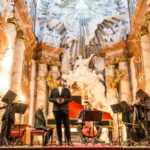
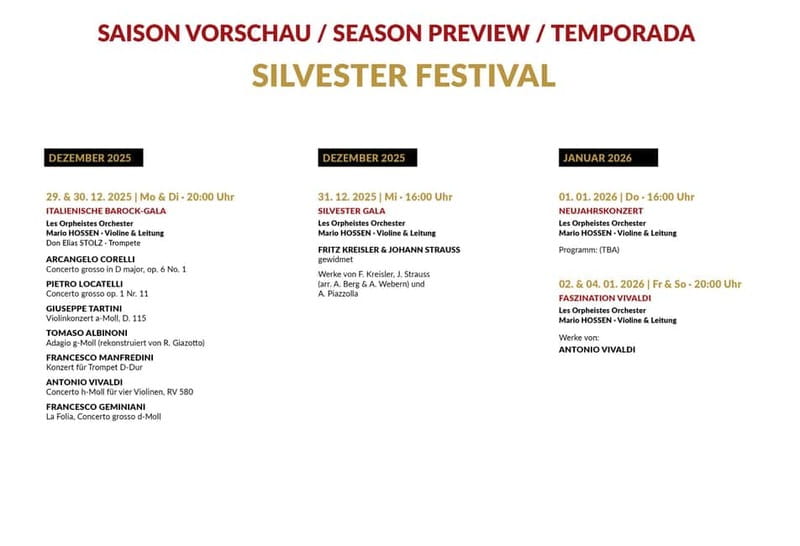
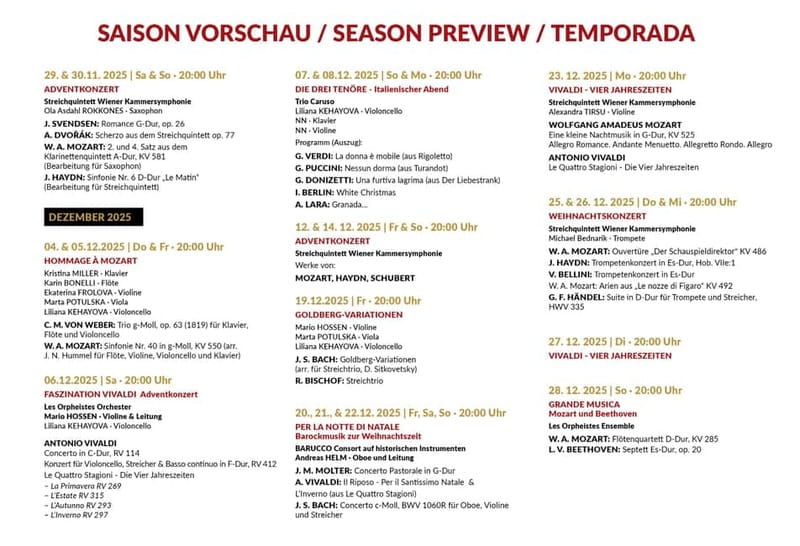
The concert calendar covers major seasonal themes too, including Easter, Advent, Christmas, and New Year’s performances. If you’re visiting around holidays, this can be a more meaningful alternative to big-ticket tourist attractions.
What 70 Minutes Feels Like (and How to Make It Better)
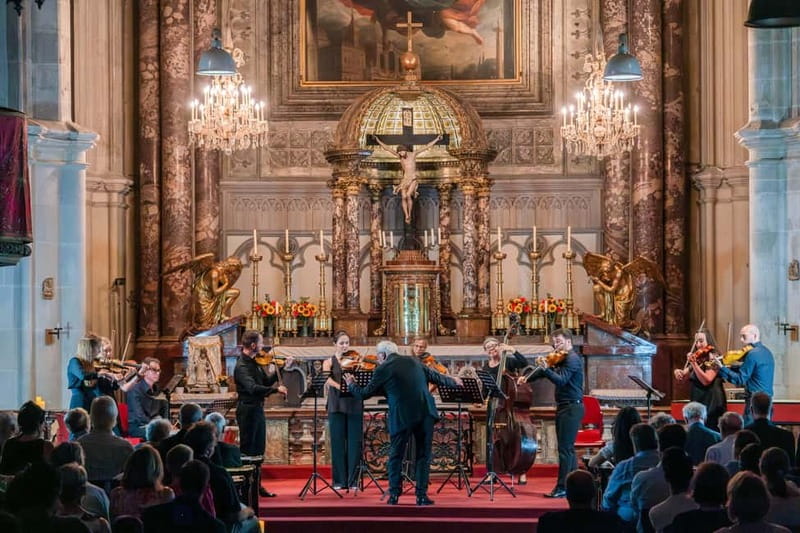
This is a single-concert experience: you get in, you find your seat, and you settle in. The runtime is about 70 minutes, which is a sweet spot. It’s long enough to really take you somewhere, but short enough that it won’t steamroll your whole evening plan.
A few audience notes that matter for your comfort and enjoyment:
- The music is typically delivered with strong focus and clear phrasing, so you’re not fighting to stay engaged.
- Some pieces can sound “long” on paper, but well-paced performances help keep attention steady.
- You may want to consider seat proximity. People who pick seats closer to the stage often enjoy not only the sound but also the view of performers’ technique—hand movements and bowing details become part of the show.
Also, a quick reality check: church seating is what it is. One common complaint is chair comfort. If you’re sensitive to that, plan accordingly (stand and stretch a bit before the show if you arrive early enough, and choose the best section you can).
Entrance, Tickets, and How the Evening Runs
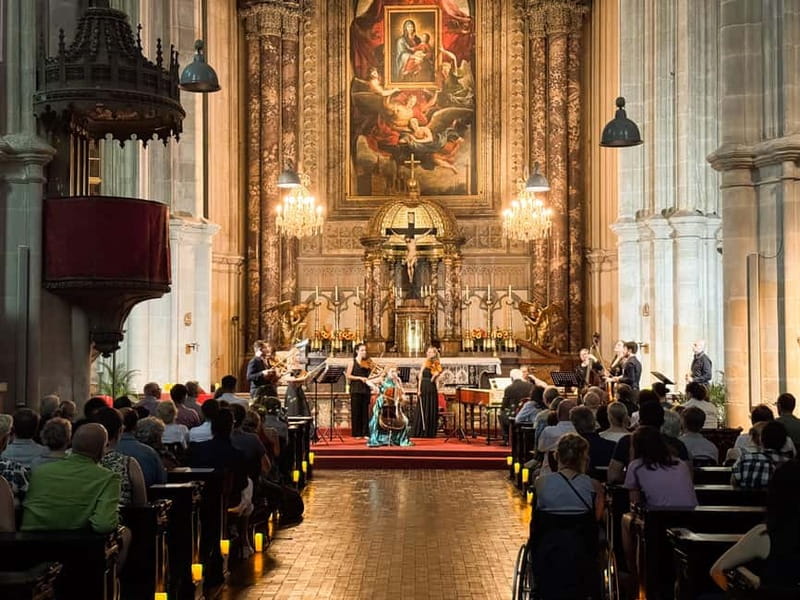
Logistics here are refreshingly simple. Your ticket includes entry, and the experience is designed to help you skip the ticket line. That’s useful in Vienna, where you often lose time to slow queues outside major venues.
You’ll also get a program sheet or booklet. I think that matters because it gives you something concrete to follow—especially helpful when the concert isn’t only the most famous pieces. For chamber music, program notes can help you catch the structure as themes shift across movements.
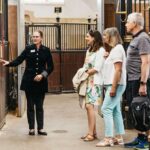
You’ll be welcomed by an English-, German-, Spanish-, or Italian-speaking host/greeter. Even if your German is limited, you should be able to find your way without stress. The meeting point can vary based on the option you book, so don’t rely on assumptions. Use your confirmation details to get there correctly.
One thing I’d do: arrive with enough buffer to locate your section and settle in before the music starts. This avoids the rushed feeling that kills good evenings.
Photography and Rules: Know Them Before You Sit Down
This is a place where the vibe matters, so there are clear boundaries:
- No flash photography
- No video recording
- Photography inside isn’t allowed
- No smoking
- No food and drinks
If you’re the type who likes to document everything, treat this as a digital-off evening. You’ll enjoy it more, and you’ll avoid any last-minute awkwardness when staff ask people to put phones away.
Pricing Value: Why About $22 Can Be a Great Deal in Vienna
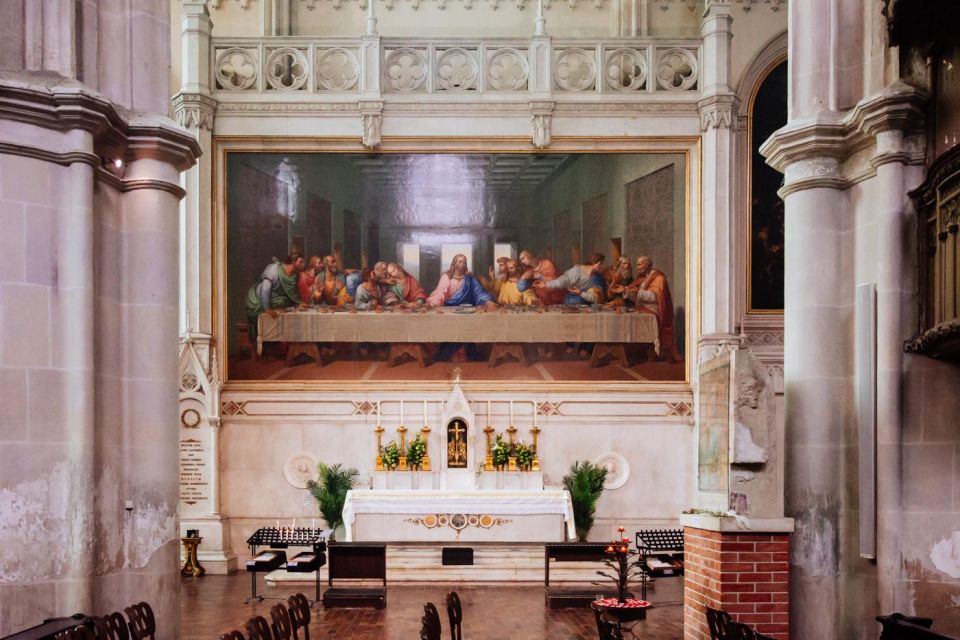
At about $22 per person for a 70-minute concert, this is strong value. Vienna can be expensive, especially for performances in well-known venues. Here you’re paying for:
- a historic central-church setting
- live classical music
- professional performers and a real program
- a fixed, easy evening commitment (one venue, one show)
The key question isn’t only the price. It’s what you’re getting for the money: world-class music in a venue that genuinely supports listening. A concert ticket that cheap would be hard to beat if your main goal is to hear high-level musicians in a space designed for acoustics.
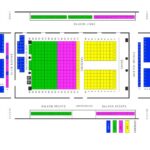
Where value can shift is seat category. If the option exists in your booking, consider that front sections can make a noticeable difference—not because the sound gets totally “better everywhere,” but because you also gain proximity and a clearer view of performers.
Who This Concert Best Fits
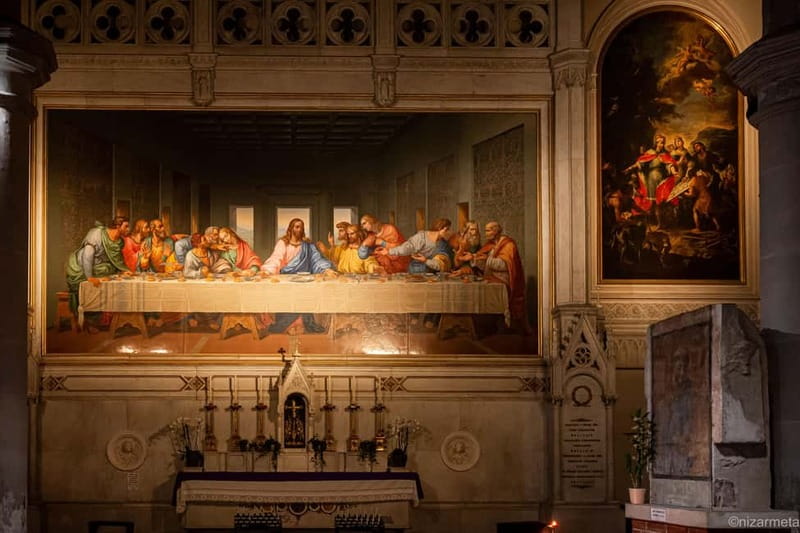
This is a great match if:
- you want a classic Vienna evening that doesn’t require deep musical homework
- you like Mozart and Vivaldi but also want a chance to hear heavier works like Bach
- you care about atmosphere and acoustics, not just the composer names
- you’d rather do one focused activity than plan a complicated night
You might reconsider if:
- you’re very sensitive to stiff seating and don’t want to spend time thinking about where to sit
- you’re traveling with kids under 6 (this isn’t suitable for that age group)
For everyone else, it’s a solid pick—especially when you want something unmistakably Viennese but easy to fit into the rest of your day.
Should You Book This Concert in Vienna?
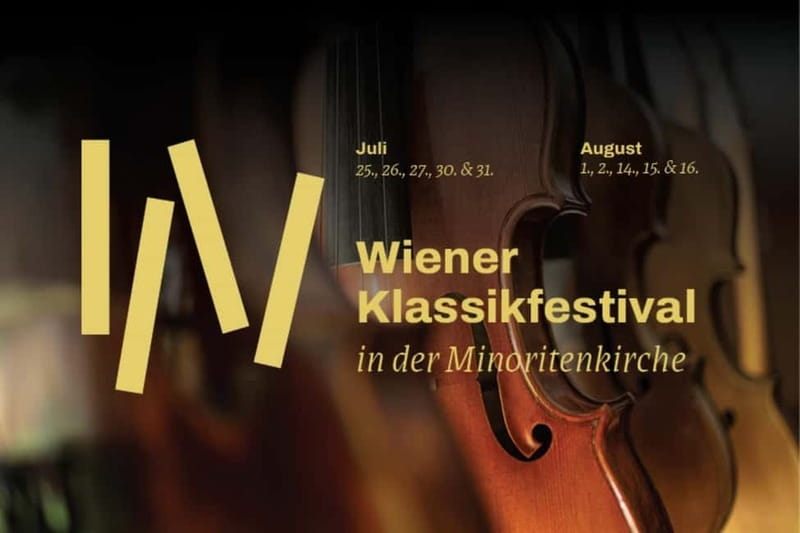
I’d book it if you want a straightforward, high-quality classical night in a beautiful church setting at a price that doesn’t wreck your budget. The combination of Minoritenkirche acoustics, a consistently strong program, and the chance to catch standout ensembles (including performers connected to the Vienna Philharmonic) makes it one of the more sensible “do this once in Vienna” choices.
Before you hit confirm, do two small checks: make sure you’re choosing the correct concert date/time, and select your seat category with comfort in mind. If you do those things, you’ll be set up for a memorable evening of music that feels genuinely part of Vienna—not something pasted on for tourists.
FAQ
Where does the concert take place?
The concert takes place in Vienna’s historic Minoritenkirche in the city center.
How long is the concert?
The concert lasts about 70 minutes.
How much does the ticket cost?
The price is listed at $22 per person.
What kind of music will I hear?
Programs include classical works by composers such as Mozart, Beethoven, Bach, and Vivaldi. The exact program changes by date.
Are there specific concerts scheduled on certain dates?
Yes. Examples include a Mozart and Haydn string quartet concert on May 30–31, a flute quartet special on June 7–8, and Bach’s Mass in B Minor on June 14.
Can I take photos or record video inside the church?
No. Flash photography is not allowed, video recording is not allowed, and photography inside is not allowed.
Is the venue wheelchair accessible?
Yes, the concert is wheelchair accessible.
Is it okay for children?
It is not suitable for children under 6 years.
What language support is available?
A host or greeter is available in English, German, Spanish, and Italian.