REVIEW · VIENNA
Vienna: Tickets to Haus der Musik
Book on GetYourGuide →Operated by Haus der Musik Museum GmbH · Bookable on GetYourGuide
If Vienna has a secret shortcut to understanding classical music, this is it. Haus der Musik turns composers and sound science into hands-on stuff you can actually try. I love how the museum mixes Vienna Philharmonic history with interactive games, not just display cases.
Two standout things: the virtual conducting challenge that lets you face a world-famous orchestra, and the way the exhibits connect composers like Haydn, Mozart, Beethoven, Schubert, Strauss, Mahler, and Schönberg to real-life listening. One possible drawback: you’ll need to bring headphones, and since food and drinks aren’t included, plan to pair it with a nearby meal.
In This Review
- Key things to know before you go
- A museum built on a Vienna music origin story
- Getting your bearings fast (and avoiding common annoyances)
- What you’ll see on the composer and history floors
- Why this approach works
- The Vienna Philharmonic moment you can actually try
- A small consideration
- Sound science: where the museum turns curiosity into experiments
- The payoff for non-musicians
- Namadeus: hearing your name as a Mozart-style composition
- Make your own waltz with a throw of the dice
- Temporary exhibitions in the inner courtyard
- Who this fits best (and who might want to think twice)
- Is $22 good value for Haus der Musik?
- Tips to make your visit smoother
- Should you book Haus der Musik tickets?
- FAQ
- What is the duration of the ticket for Haus der Musik?
- What’s included with admission?
- Do I need headphones?
- Are food and drinks included?
- Is Haus der Musik wheelchair accessible?
- Are children admitted for free?
Key things to know before you go
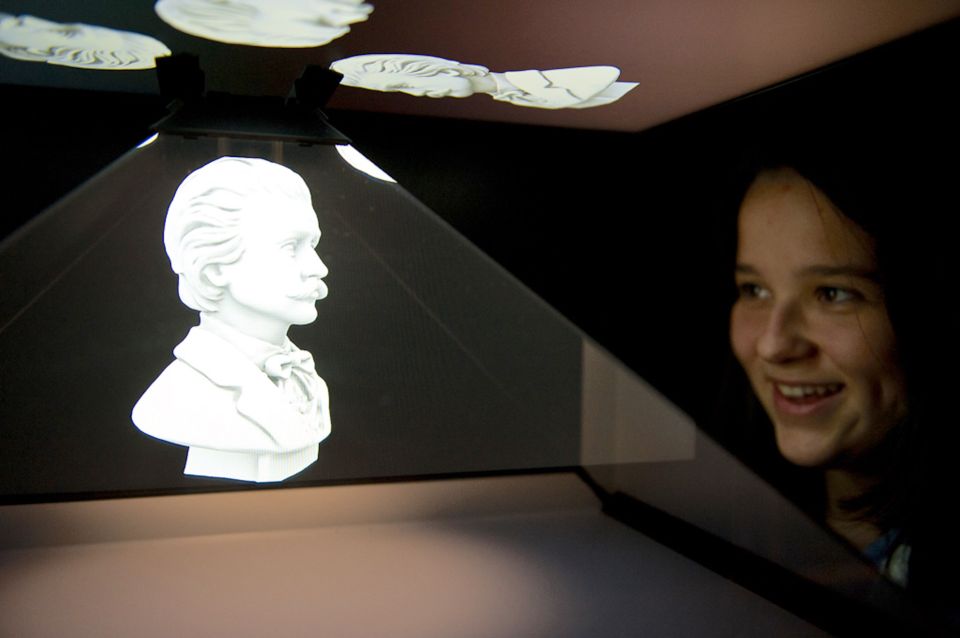
- Interactive over passive: lots of hands-on sound and music experiences, not just reading labels
- Conducting the Vienna Philharmonic: a take-charge moment where you direct a virtual orchestra
- HD New Year’s Concert: a modern way to sample the tradition
- Namadeus game: hear your name as an original Mozart-style composition
- Make-your-own waltz: compose music using a throw of the dice
- Four floors, different focuses: composers, performance history, and the science of sound
A museum built on a Vienna music origin story
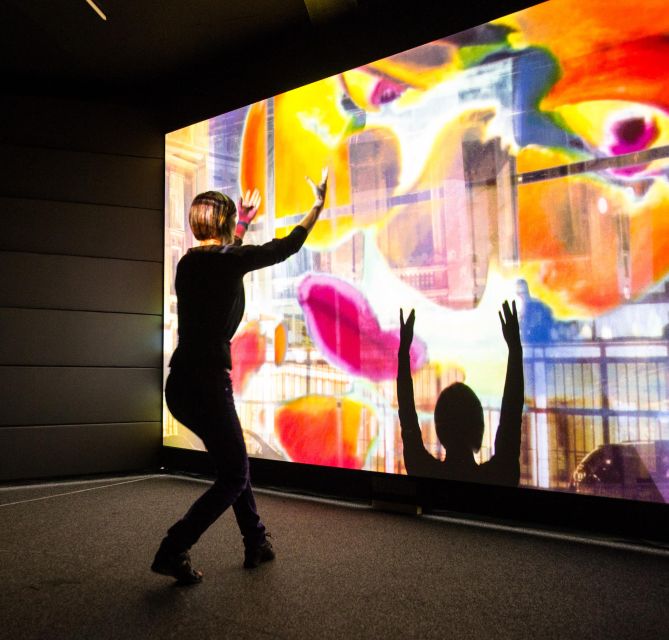
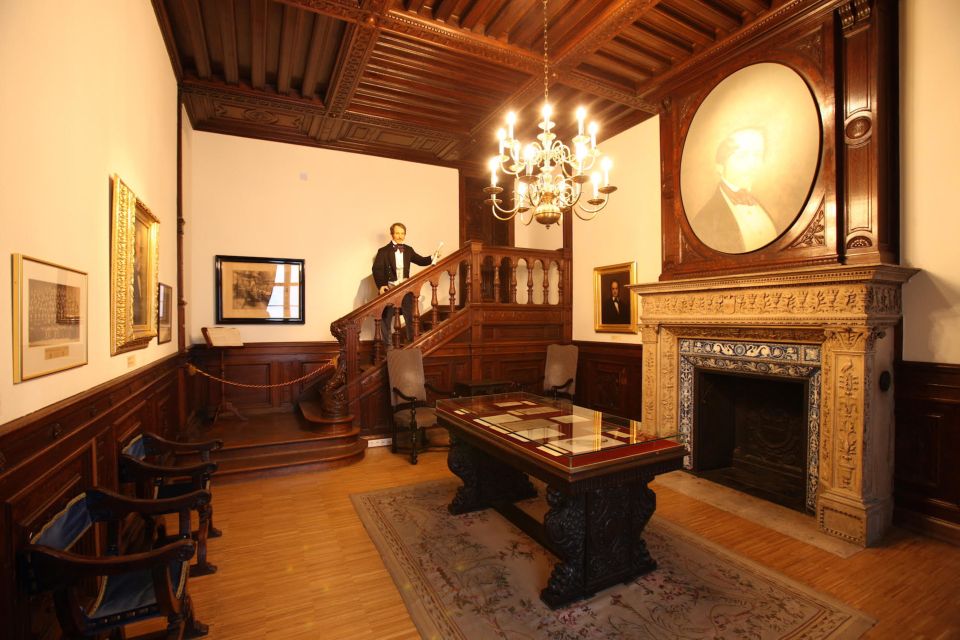
Haus der Musik sits at Seilerstätte 30, 1010 Vienna, in the heart of the city. The setting matters. It’s in the former Palais of Archduke Charles, where Otto Nicolai—founder of the Vienna Philharmonic Orchestra—lived when he established the orchestra in 1842. That historical anchor gives the museum a sense of place beyond a typical “let’s press buttons” attraction.
What I like most is the museum’s mindset. It treats music as something you can test with your senses. Not just a topic. Not just a timeline. When you walk in, you’re already moving—through sound demos, performance history, and composer stories that feel current, not dusty.
You can also read our reviews of more tours and experiences in Vienna

Getting your bearings fast (and avoiding common annoyances)
You’re looking at a modern, experimental museum with four floors of programming. You’ll get an app guide you can download to your smartphone in 8 languages, plus a children’s app in 2 languages. There’s also a map of the museum included with admission, and you can use the coat check (worth using if you’re traveling with a jacket or day bag).
One practical note: the museum asks you to bring headphones. Many of the interactive parts rely on personal audio, so don’t count on finding something in a bin at the door. If you arrive without them, you’ll end up pausing while you figure out alternatives.
Also, food and drinks aren’t included. That doesn’t make it a bad visit—it just means you should plan to eat before or after, especially if you’re going with kids. The museum experience is the main event.
What you’ll see on the composer and history floors
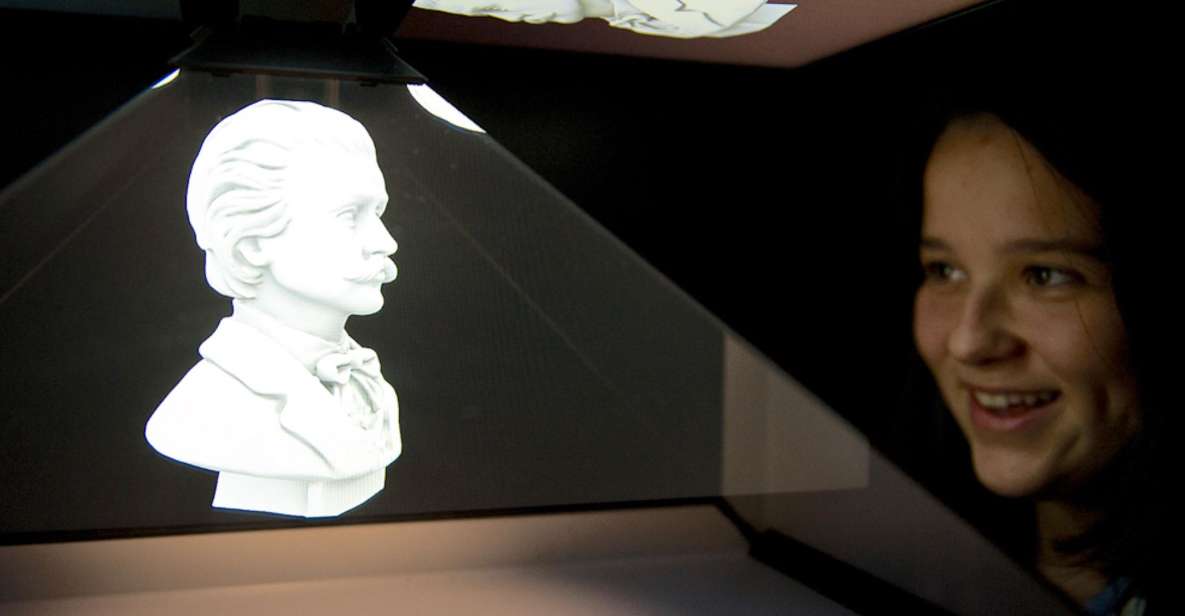
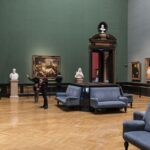
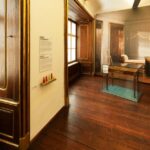
Haus der Musik takes a smart approach to the classics. It gives you composer coverage for the big names you’d expect from Vienna: Haydn, Mozart, Beethoven, Schubert, Strauss, Mahler, and Schönberg. But instead of presenting them only as biography paragraphs, the museum builds their presence using historical documents, models, costumes, and personal items—plus modern installations that keep the story from feeling frozen in time.
As you move through these areas, you’re not just learning who wrote what. You’re learning how Vienna shaped the sound of Western classical music—through the people, the instruments, the performances, and the cultural momentum that made the city famous.
Why this approach works
If you’re a classical music fan, you get structure: a clear path through “who’s who” and how they connect. If you’re not a classical person, you still get something useful—because the museum keeps translating composer names into listening cues and interactive activities. It’s not trying to turn you into a scholar by 2 p.m. It’s trying to help you hear what matters.
The Vienna Philharmonic moment you can actually try
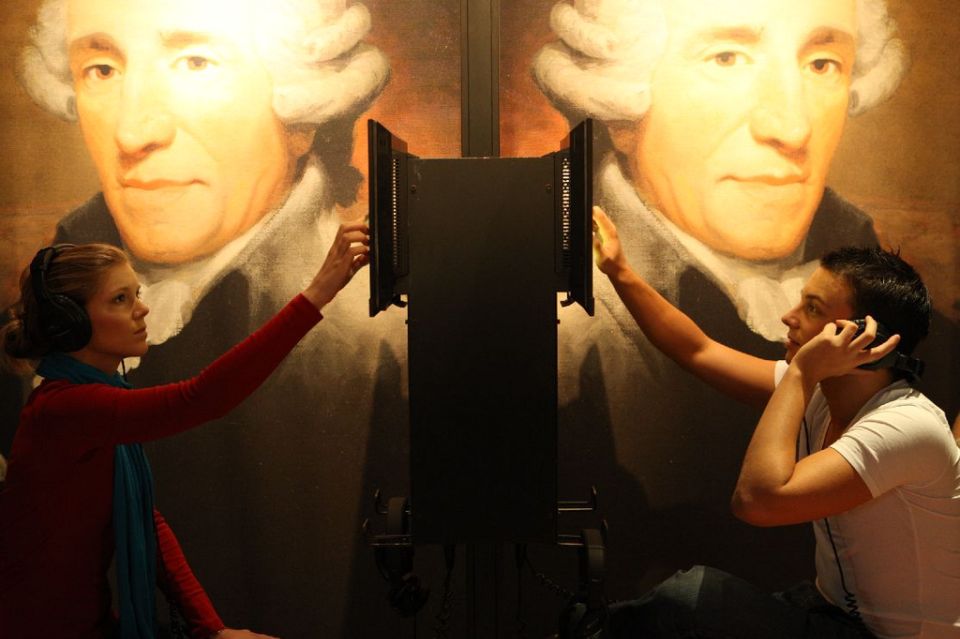
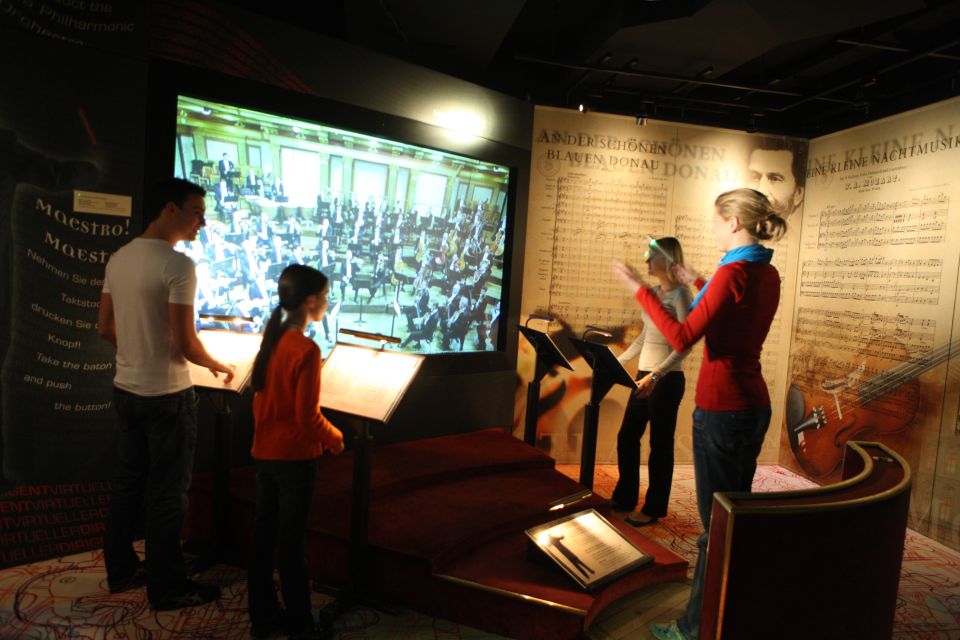
One of the most memorable parts is how Haus der Musik handles performance. The museum includes an experience where you can test your talent as a conductor and face the Vienna Philharmonic Orchestra in a challenge format. This is one of those rare museum setups that works for people who know music theory and people who can’t tell a violin from a cello at a glance.
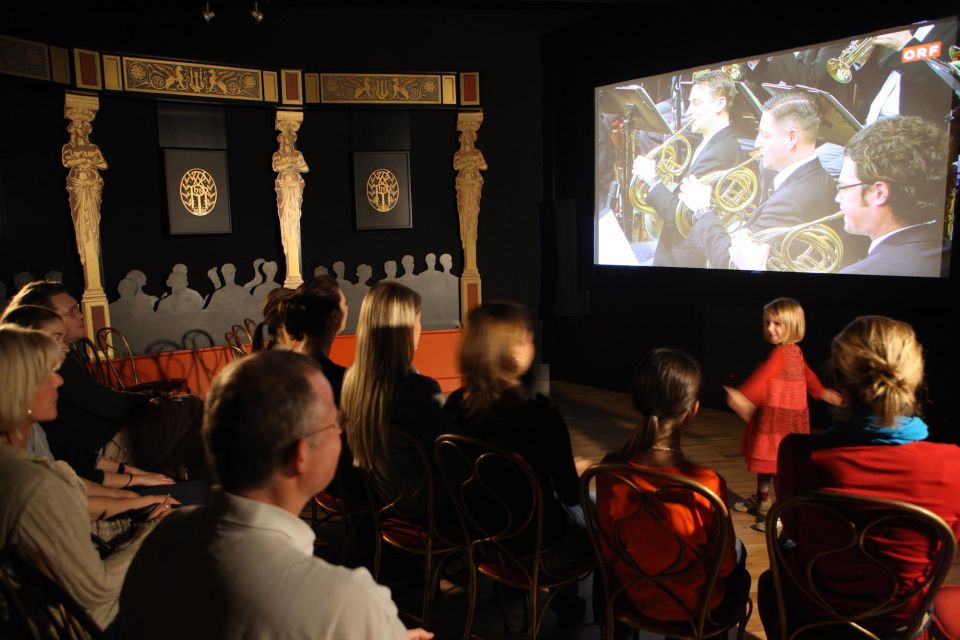
You also get a chance to hear the Vienna Philharmonics’ New Year’s Concert in HD quality. That matters because it gives you a high-quality reference point. You’re not only “playing.” You’re also listening to the real tradition in a modern viewing format, which makes the interactive pieces land better.




A small consideration
These experiences are built around active participation and multimedia. If you prefer quiet museum walking where you never have to react to a screen, some parts may feel a little too “participatory.” But if you’re okay with that tradeoff, it’s a big part of the fun.
Sound science: where the museum turns curiosity into experiments
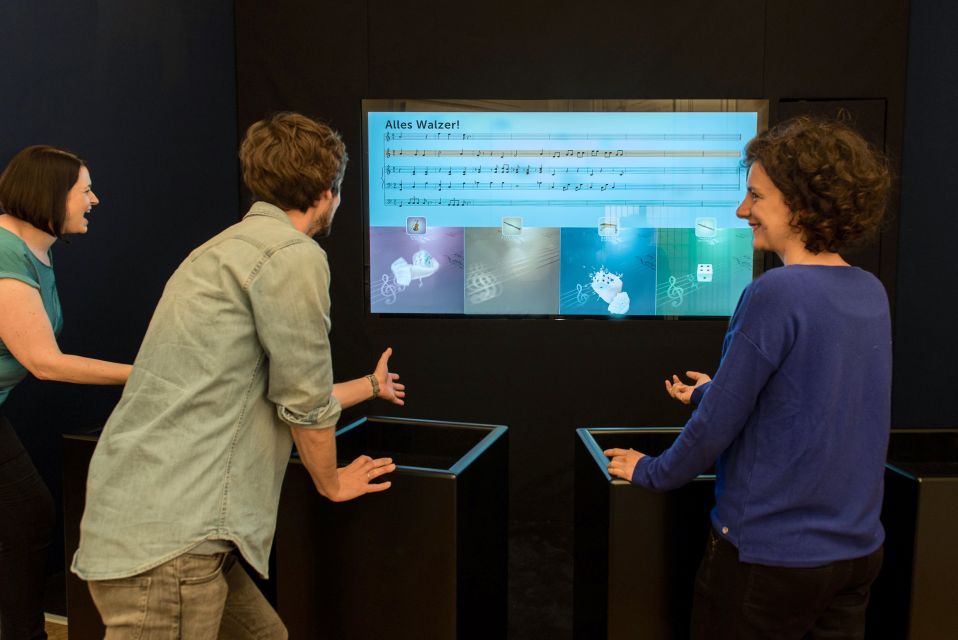
Another floor (and a big reason people love the museum) is the science of sound. Expect interactive displays that connect music to physics—sound, noises, and instruments you can experiment with. This section is where the museum earns its “music plus meaning” reputation.
You’ll find activities designed to help you understand how changing something—pitch, vibration behavior, or how sound travels—changes what you hear. Even if you don’t remember any formulas, you’ll come away with a more practical ear. You start to realize why certain instruments feel bright, why some sounds blend, and why timing matters.
The payoff for non-musicians
This is also where you learn fastest if you’re not coming in as a music expert. The museum doesn’t require you to know musical terminology first. You can test the idea, listen, and connect the dots as you go.
Namadeus: hearing your name as a Mozart-style composition
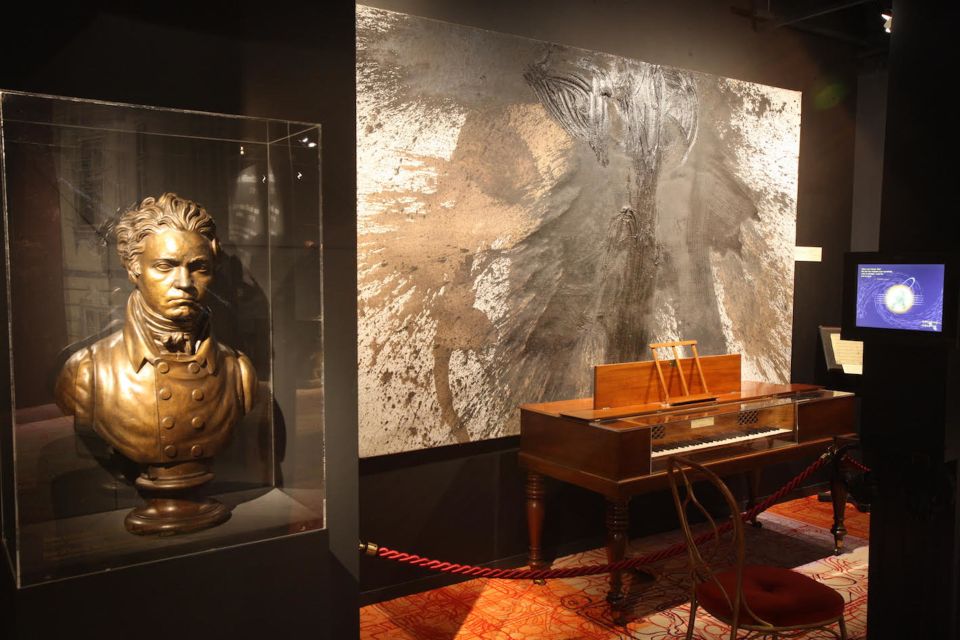
One of the most distinctive interactive highlights is the Namadeus Game. With this, you can hear your name as an original Mozart composition—an experience that feels playful but also surprisingly clever. It’s based on the idea of turning language and sounds into musical output, which makes “Mozart” feel less like a distant statue and more like a process.
There’s one detail to note: the Namadeus certificate isn’t included. So if you’re hoping for a keepsake from the game, you’ll want to plan for the cost or confirm what you receive during the activity.
Make your own waltz with a throw of the dice
If you want a hands-on moment that’s equal parts music and game, this is it. The museum invites you to compose your own waltz using a throw of the dice. It’s playful, but it also teaches a real concept: structure. Waltzes follow patterns. Once you feel the pattern, you start hearing it even in music you didn’t compose.
It also gives you an “instant creation” payoff. You don’t need training to leave with something that feels like music-making.
Temporary exhibitions in the inner courtyard
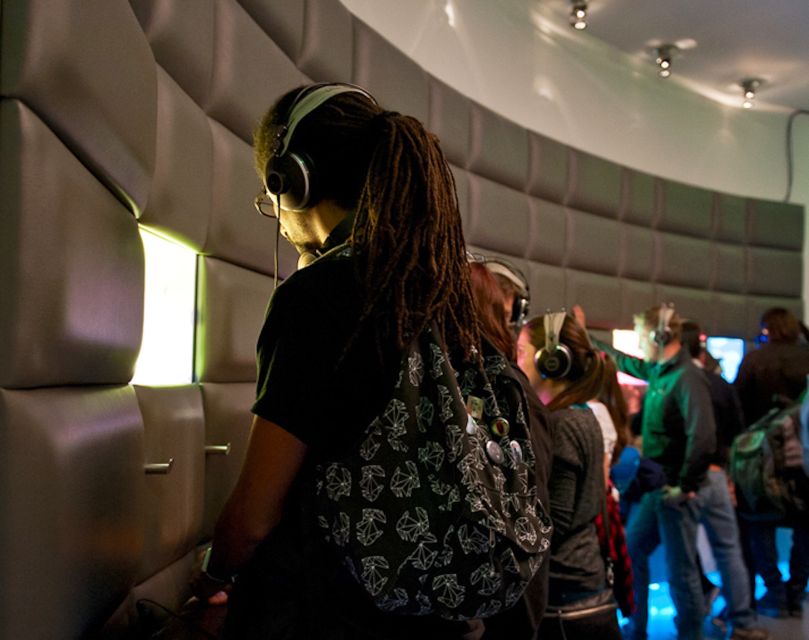
Besides the permanent exhibition, Haus der Musik also runs temporary exhibitions in the inner courtyard. These focus on famous musicians or music-historical themes, including special looks at periods like Viennese Modernism.
This is a nice bonus because it means your visit can include more than the fixed “top composers.” If your timing lines up with an interesting theme, it can make your museum day feel more personal.
Who this fits best (and who might want to think twice)
This is a great match for:
- Families: the place is clearly designed for kids and grown-ups to do things together without one side feeling bored
- Music lovers: you’ll recognize the composers and appreciate the connection to Vienna performance history
- Sound-and-science fans: the interactive sound experiments are a real draw
- People who learn by doing: if you like to press, listen, test, and react, you’ll be in your element
It may feel less ideal for people who:
- want a totally quiet, artifact-only museum experience
- expect a traditional concert hall setup (this is museum-style, not ticketed performance)
Is $22 good value for Haus der Musik?
At $22 per person, the value depends on what you want out of the ticket. If you’re looking for a quick “see a few things” stop, museums like this can feel pricey. But if you want an active day with multiple distinct experiences, it’s easier to justify.
Here’s what you’re paying for in practical terms:
- A full admission to a four-floor museum experience
- An app guide in multiple languages
- Included conveniences like a map and coat check
- Multiple major interactive highlights: conducting, sound experiments, Namadeus, and the waltz game
- A strong mix of music history and sound science, so you’re not stuck with only one theme
That blend is the key. You’re not choosing between “music” and “science.” You get both, and the interactive format helps the learning stick.
Tips to make your visit smoother
- Bring headphones before you arrive. It saves time and avoids stress when you hit audio-based exhibits.
- Download or get set up with the smartphone app guide in advance if you can. It’s one less thing to figure out mid-queue.
- Use the included map early so you don’t end up backtracking between floors.
- If you’re going with kids, plan around the interactive “big moments” first. Those are the pieces that keep attention.
- Pair it with nearby food since food and drinks aren’t included. You’ll enjoy the museum more when you’re not thinking about meals every 20 minutes.
Should you book Haus der Musik tickets?
I’d book this if you want a Vienna stop that feels modern, playful, and actually hands-on. It’s especially worth it when you like the idea of learning music history through listening and experiments, not just reading.
Skip it or reconsider if you strongly prefer quiet museums with no participation. Haus der Musik runs on interaction, screens, and audio experiences. If that’s your style, you’ll likely have a great time.
If you’re unsure, here’s a simple check: if you’d enjoy conducting an orchestra on a screen, composing a waltz with dice, and experimenting with sound, then the ticket is likely a good fit.
FAQ
What is the duration of the ticket for Haus der Musik?
The ticket is valid for 1 day, from first activation.
What’s included with admission?
Admission includes an app guide to download on your smartphone (8 languages), a children’s app (2 languages), a museum map, and coat check.
Do I need headphones?
Yes. The experience lists headphones as something to bring.
Are food and drinks included?
No. Food and drinks aren’t included.
Is Haus der Musik wheelchair accessible?
Yes. There is step-free access at the main and side entrances, automatic sliding doors, and wheelchair-accessible elevators. Wheelchair-accessible toilet facilities are located in the inner courtyard and on the top floor, and guide dogs are permitted.
Are children admitted for free?
Yes. Children under age 3 get free admission. Free admission is also offered for persons accompanying visitors with a visual impairment or in a wheelchair.