REVIEW · VIENNA
Vienna: World War II Historical Walking Tour
Book on GetYourGuide →Operated by Good Vienna Tours · Bookable on GetYourGuide
Vienna changes when you walk with this story. You start outside the Albertina Museum by the Opera, and the tour turns big, hard WWII history into something you can actually see on the streets. I like that it links Hitler’s early years to the political mood of Vienna without losing sight of the human cost, and it keeps the walk moving from landmark to landmark.
Two things I really like: first, the focus on the surviving synagogue and the Holocaust memorial gives the tour a clear emotional anchor, not just dates and names. Second, the way the guides connect the city’s physical scars to what happened during the war helps you read Vienna like a document, especially when you’re learning how the Jewish community was targeted.
One consideration: this is heavy material and it’s a full 150-minute walking tour, so you’ll want comfy shoes and a layer for winter or rain. Also, the route doesn’t bring you straight back to the starting point, though a nearby metro stop makes it easy to continue your day.
In This Review
- Key things to know before you go
- Where the Tour Starts: Albertina Museum to Vienna’s Power Center
- Hitler’s Vienna Explained Through Youth, Ideas, and Pressure
- Bomb Scars and the City’s WWII Reality You Can Still Read
- The Surviving Synagogue: When a City’s Memory Isn’t Wiped Out
- The Holocaust Memorial: A Necessary Pause in a Heavy Walk
- Postwar Vienna’s Division: Allied Zones and an Uneasy Aftermath
- Logistics That Actually Matter: 150 Minutes, Hearing the Guide, and Weather
- Price and Value: What $31 Buys You in Real Time
- Should You Book This WWII Walking Tour in Vienna?
- FAQ
- How long is the Vienna WWII Historical Walking Tour?
- Where do I meet the guide?
- Is the tour guided and in English?
- What is included in the price?
- Are attraction entrances included?
- Can I get a full refund if plans change?
Key things to know before you go
- Albertina Museum and Vienna State Opera set the context right at the start
- A synagogue that survived Nazi persecution is a major stop, not a quick pass
- Holocaust memorial time gives your brain a moment to process
- 100,000+ bombs are part of how the tour explains what the city endured
- Ear pieces and microphones help you hear the guide even on busy streets
- Postwar division is explained through how Allied zones were managed in Vienna
Where the Tour Starts: Albertina Museum to Vienna’s Power Center
The walk begins in front of the Albertina Museum, near Vienna’s world-famous Opera House area, with the meeting point marked by a green umbrella by the Albrechtsbrunnen fountain (downstairs at the museum). If you’re using public transit, the closest subway stop is Karlsplatz/Oper, which is a handy shortcut for finding your way.
I like how this starting point works because it frames the whole experience. Vienna isn’t presented as a generic backdrop; it’s treated like an active political stage where young ideas, social tensions, and ambition could grow teeth. From the start, you’re guided to pay attention to what you’re seeing around you, not just what you’re hearing.
Also, the tour is designed for an uninterrupted 2.5 hours. That matters because WWII history works best when it’s not constantly broken up by transit gaps and route changes. You’ll make stops, but the pacing stays “walk, stop, understand, walk again.”
And since entrances to attractions aren’t included, you might encounter moments where you’re viewing from the outside or deciding whether to pay to go in on your own. It’s still a strong tour even if you keep it strictly to the walk, but it helps to have that mindset going in.
You can also read our reviews of more walking tours in Vienna

Hitler’s Vienna Explained Through Youth, Ideas, and Pressure
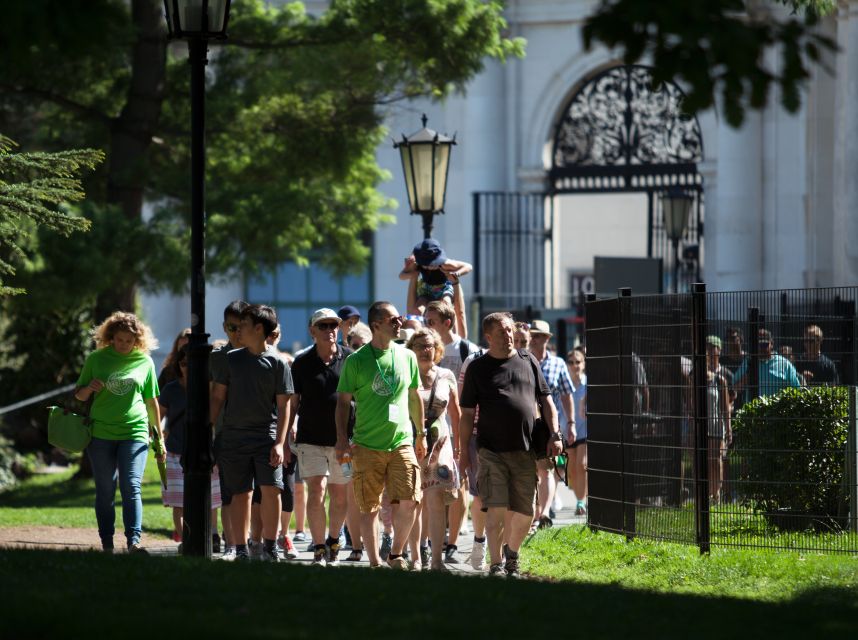
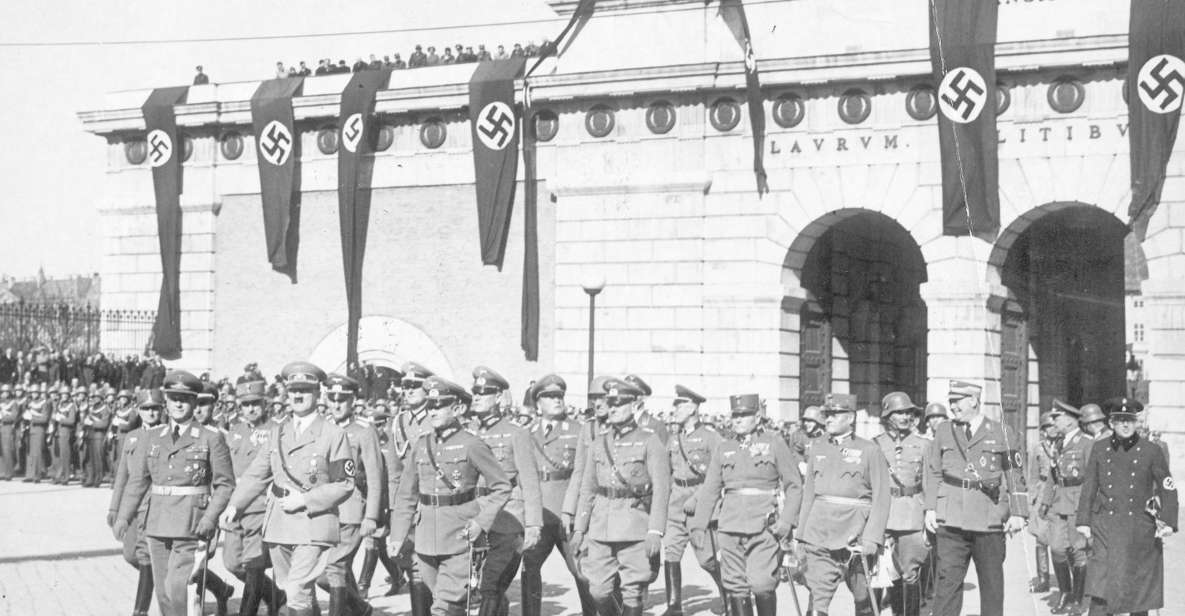
A core promise of this tour is that you don’t just learn about WWII. You learn how a young Adolf Hitler’s thinking took shape through Vienna’s social and political climate.
On this walk, your guide connects the dots between the city’s atmosphere and the kind of ideology that could take hold. You’ll hear how the story moves from Hitler’s early years to the transformation of an art student into a feared dictator. The value here is the cause-and-effect approach: instead of treating history like a fixed script, you see how fear, rivalry, and propaganda could fit together.
I also appreciate that the better guides on this route keep it interactive. In the feedback, multiple guides stand out for encouraging questions and for answering them with clear context. Names that come up often include Dieter (sometimes spelled Dietr in bookings), Stefan, Wolfgang, and Michael, and the pattern is consistent: strong storytelling plus room for discussion.
One more practical note: the headset setup can make a big difference here. Reviews mention headsets for larger groups and that the guide uses a microphone so you don’t have to stand within arm’s reach. If you want to hear every word while keeping your position in the group, this format helps a lot.
This tour handles a topic that many people approach carefully, and the guides who are praised most for delivery also tend to keep the tone respectful while still making the historical mechanics clear.
Bomb Scars and the City’s WWII Reality You Can Still Read
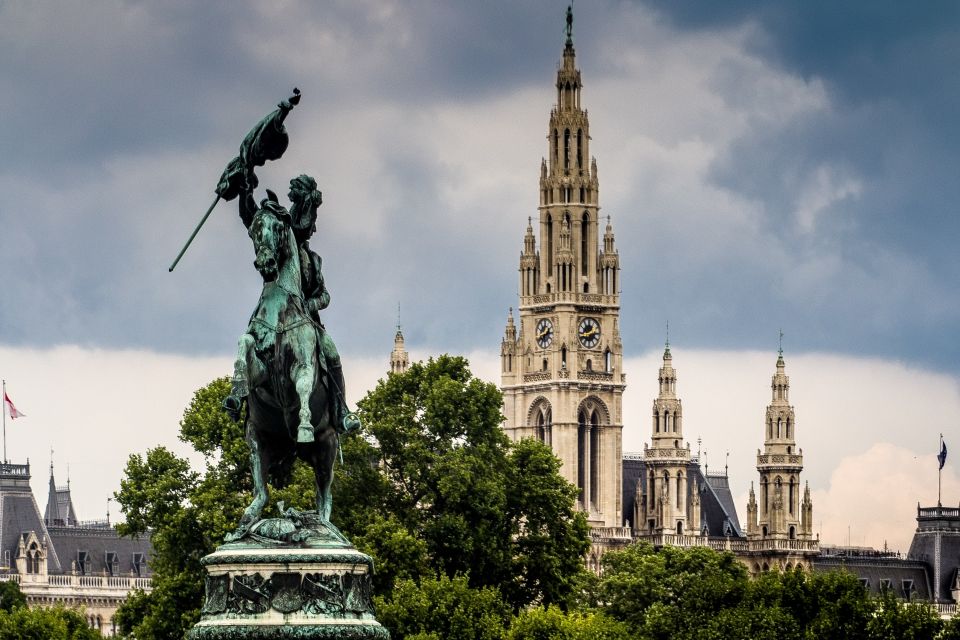
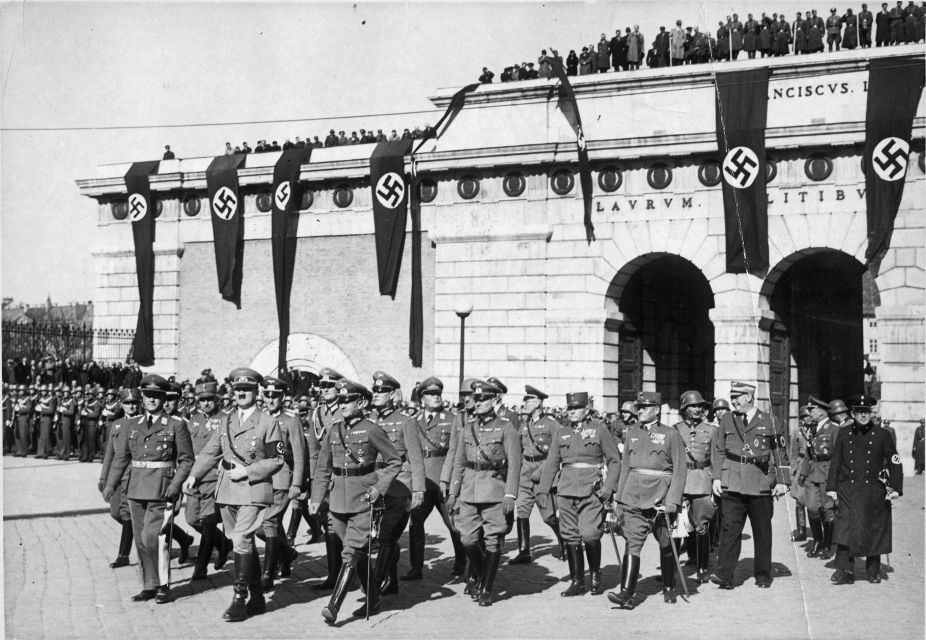
You’ll spend time on the wartime side of Vienna, including the impact of over 100,000 bombs on the city. That number isn’t thrown in as trivia. It’s used to explain what changed in everyday life and why the physical damage matters when you’re standing where it happened.
Walking is the key. Vienna’s streets are still full of built-in “afterlives” from the WWII period—areas shaped by destruction, recovery, and political reshaping. The tour helps you spot those scars as evidence, not as gloomy sightseeing. You’re basically being taught how to interpret the city’s layers.
This is also where the tour can feel emotionally blunt in a good way. It’s hard history, and the point isn’t to shock you with dramatic language. It’s to show how a city’s tolerance for violence and its vulnerability to fear were shaped by the war.
As you listen, it helps to keep two thoughts active:
1) WWII wasn’t a single event; it was a slow tightening that ended in mass destruction.
2) Vienna is a place where the aftermath is visible in how parts of the city were rebuilt and organized.
You also get frequent chances to pause. In reviews, people mention breaks and shelter when the weather turns, plus stops where the guide can talk without rushing. In winter or rain, that human pace is more important than you might think.
The Surviving Synagogue: When a City’s Memory Isn’t Wiped Out
One stop is the headline for many people: the only synagogue that survived the Nazi regime. That phrase matters because it’s not just about architecture or old stones. It’s about survival—what endured when so much else was erased.
What to expect here is a careful, guided look at why this synagogue’s survival is historically significant. The tour frames it in the wider story of what happened to Vienna’s large Jewish community, especially when ethnic rivalry and fear took over. The goal is to understand how persecution escalated and why cultural life and community institutions became targets.
I like that this stop doesn’t feel like a box-check. You’re led to notice the meaning behind the location. In a tour like this, one powerful site can do more than ten general paragraphs.
Also, because entrances to attractions aren’t included, you may be mostly viewing and learning from the outside unless the guide directs you to an option that aligns with what you paid for. Either way, the historical weight of the synagogue’s survival comes through.
If you’re the type who wants context before facts, you’ll appreciate that the tour builds toward this stop. You’ve already heard about political pressure and wartime destruction, so the synagogue doesn’t arrive as an isolated story. It lands as part of a long pattern—and part of a rare break in that pattern.
The Holocaust Memorial: A Necessary Pause in a Heavy Walk
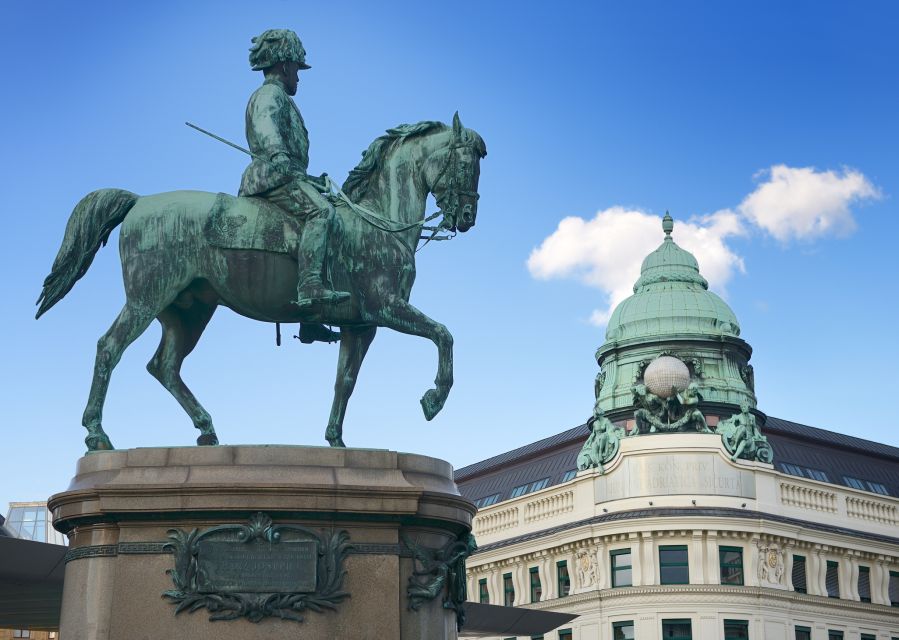
The tour includes Vienna’s somber Holocaust memorial, and this is one of the most important segments for me, even on paper. You need a moment where the story isn’t about explanation. It’s about recognition.
Memorial stops work best when you treat them like a reset button. The guide’s job here is to connect the earlier context—Vienna’s atmosphere, persecution, wartime collapse—to what the memorial represents. It’s the point where the walk stops being purely historical analysis and becomes moral reality.
In feedback, people repeatedly praise guides for handling difficult material with sensitivity and for using thoughtful storytelling. That shows up in how the tour is described as balanced and reflective rather than sensational.
You’ll likely feel a shift in your attention during this portion. The pace may slow. You may stand and listen longer than at other points. That’s not filler. It’s the brain doing what it needs to do after learning about mechanisms of hate.
If you’re visiting Vienna for the first time, this stop is also where the tour becomes more than a WWII highlight. It helps you understand why the city’s identity includes grief, not just grand buildings.
Bring a quiet kind of attention here. You don’t need to be “emotion-ready,” but you do want to give the memorial the respect it asks for.
You can also read our reviews of more historical tours in Vienna



Postwar Vienna’s Division: Allied Zones and an Uneasy Aftermath
After WWII, Vienna didn’t just rebuild buildings; it rebuilt systems. This tour explains that Vienna was divided after the war, and it includes a detail that’s easy to remember: it was the only city in the world where the Allied powers managed a zone together.
That’s the kind of fact that can sound abstract until you’re walking and hearing how power arrangements shape a city’s layout, administration, and daily life. The tour points out the remains of the divided city, so you’re not only learning that division existed. You’re learning why division lasted and how it affected the city’s trajectory.
This section connects beautifully to earlier parts of the walk. You see how political climates grow, how wartime violence reshapes cities, and how the end of the war didn’t immediately mean stability. Instead, it often meant new boundaries, new tensions, and new negotiations.
For practical planning, this is also one reason the tour can be a strong “early trip” activity. It helps you make sense of what you see later in Vienna. Even if you don’t become a WWII expert overnight, you’ll understand the logic behind why certain places feel unfinished, altered, or strangely layered.
And if you’re pairing this tour with other sightseeing, plan your next stop with mental stamina in mind. This is not a quick, light stroll. It’s a walk that changes how you read the city.
Logistics That Actually Matter: 150 Minutes, Hearing the Guide, and Weather
At 150 minutes, this is a serious walking experience. It’s not “see three spots and call it history.” You’ll cover enough ground that comfy shoes is not optional.
One review notes about 4 km total for the route, which feels like a realistic sense of scale. If you have mobility limits, you’ll want to consider how you handle steady walking plus stops.
The headset setup is a standout practical detail. Reviews mention headsets for bigger groups and a microphone that makes the guide easier to follow even when you’re not close. That’s a big deal in Vienna where you can end up blocked by pedestrians or street corners. If you dislike being stuck in a clump, this helps.
Weather is the other practical piece. People mention that guides stay aware and build in warmer pauses, and in rain they made adjustments like taking breaks indoors when possible. So it’s worth dressing like a local: layers, a rain layer if needed, and something warm enough for standing around while the guide speaks.
Finally, don’t assume the tour returns you to the starting spot. One reviewer notes it ends elsewhere with a nearby metro option. Build your schedule so you’re not rushing to catch a timed event right at the finish.
Price and Value: What $31 Buys You in Real Time
At $31 per person for a 2.5-hour guided walking tour, the value is in the live interpretation. You’re paying for a guide to connect political context, personal stories, and specific locations into one coherent route.
The tour includes the live guide and the walking experience, but it doesn’t include entrances to attractions, and that can affect your total spend if you decide you want to go inside places mentioned during the walk. Still, even without any paid entry, the main sights and the guided reading of the city carry a lot of weight.
In practical terms, this is worth considering if:
- you want an organized route instead of piecing together WWII sites on your own
- you want narrative context, not just signage
- you plan to spend the rest of your trip exploring Vienna with better background
If your goal is only quick photo stops, a guided walk like this might feel like too much thinking. But if you want to understand how Vienna’s WWII story fits together—especially the Jewish persecution, the surviving synagogue, and the postwar division—this price-to-time ratio is strong.
Should You Book This WWII Walking Tour in Vienna?
Book it if you want a structured, emotional, and place-based way to understand WWII’s impact on Vienna. The stops matter: the surviving synagogue, the Holocaust memorial, and the way the walk treats postwar division as part of the real aftermath. You’ll also get guides who are repeatedly praised for clear communication, good pacing, and handling a difficult subject with sensitivity, with names like Dieter, Stefan, Wolfgang, and Michael showing up often.
Skip it only if heavy history and steady walking are not your thing right now. This is thoughtful work on foot, not casual sightseeing.
If you’re unsure, do this early in your Vienna trip. It gives you a framework that makes later monuments, buildings, and even street corners start to tell their story.
FAQ
How long is the Vienna WWII Historical Walking Tour?
The tour lasts 150 minutes (about 2.5 hours).
Where do I meet the guide?
Meet in front of the Albertina Museum at the Albrechtsbrunnen fountain area, looking for a green umbrella next to the Opera House. The nearby subway stop is Karlsplatz/Oper.
Is the tour guided and in English?
Yes, it’s a live guided walking tour in English.
What is included in the price?
You get a live guide and the walking tour experience.
Are attraction entrances included?
No. Entrances to attractions are not included.
Can I get a full refund if plans change?
Yes. You can cancel up to 24 hours in advance for a full refund.