REVIEW · VIENNA
An Introduction to Vienna Walking Tour
Book on Viator →Operated by Insight Cities · Bookable on Viator
Vienna’s stories are easier on foot. This 2.5-hour small-group walk strings together Vienna’s big landmarks and the human drama behind them, led by an historian guide in English.
I like how the route gives you fast orientation without feeling like a checklist. You start at the Hofburg area, then glide along the Ringstraße, spot architecture like Adolf Loos’s Loos House, and end up in the middle of the city’s food-and-fashion streets, with memorable details that go past postcard Vienna.
One thing to weigh is price. At about $181 per person, it’s not the cheapest way to do Vienna on foot, and the walk is focused on set highlights rather than covering extra major sights like city hall or parliament.
In This Review
- Key highlights at a glance
- Vienna walking tour that teaches the city, not just the sights
- Starting at Café Hawelka and settling into the Hofburg orbit
- Secession building: Klimt and Mahler’s Vienna, plus the avant-garde punch
- Stephansdom: the cathedral as an identity symbol
- Hofburg power center: how one complex shaped centuries
- Ringstraße and luxury hotels: an empire-style boulevard for modern eyes
- Loos House: green and gray modern thinking in a classic city
- Naschmarkt: where locals meet, eat, and shop
- Kohlmarkt and the Graben: fashion streets with a plague column story
- Maria-Theresien-Platz: museum concentration and a planning shortcut
- How the small group changes the whole feel
- Guide moments that make it feel like more than a script
- Price and value: what $181 buys you (and what it doesn’t)
- Practical tips for a comfortable, smart walk
- Who should book this Vienna walk?
- Should you book this Vienna walking tour?
- FAQ
- How long is the Vienna walking tour?
- Where does the tour start, and where does it end?
- Is the tour offered in English?
- What is the group size limit?
- What is included in the price?
- Are food and drinks included?
- Is hotel pickup or drop-off included?
Key highlights at a glance
- Small group size (up to 8) means more questions and more back-and-forth with your guide
- A historian guide in English turns famous places into understandable stories
- Secession to Stephansdom covers both avant-garde Vienna and its national cathedral
- Hofburg, Ringstraße, Loos House gives you the empire-to-modern-ideas contrast in one loop
- Naschmarkt plus Kohlmarkt/Graben blends everyday life, shopping, and a plague-column reminder
- Museum quarter at Maria-Theresien-Platz helps you plan what to hit next
Vienna walking tour that teaches the city, not just the sights
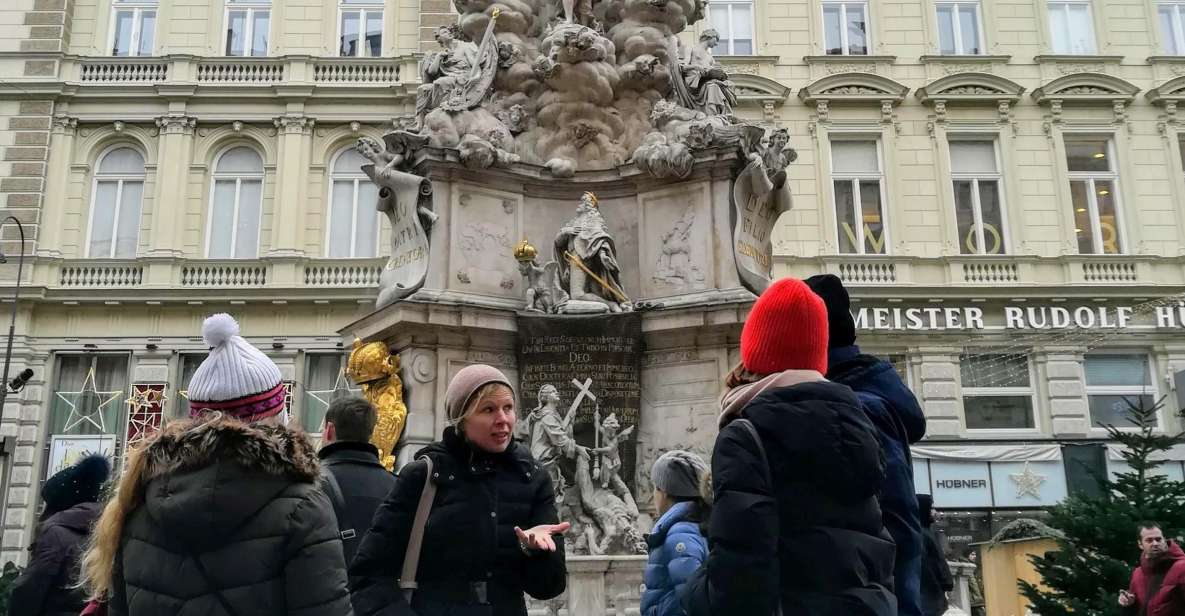
If you’re trying to get your bearings in Vienna, this is a smart format. You cover central Vienna with a set sequence of stops, but the real payoff is how your guide frames what you see: who had power here, what people believed in, and how everyday life kept changing even when empires fell or wars tore things apart.
The tour is designed as a walk-with-stories experience. You’ll be outside most of the time, moving at a comfortable pace, and you’ll get enough context to read the city later on your own. That’s a big deal in Vienna, where a lot of the beauty is wrapped in layers of politics, art movements, and family dynasties.
You can also read our reviews of more walking tours in Vienna

Starting at Café Hawelka and settling into the Hofburg orbit
Your meeting point is Café Hawelka on Dorotheergasse (1010 Wien). From there, the walk quickly connects you to the Hofburg zone, where imperial Vienna feels real instead of distant. This area has been a seat of power since the 13th century, so even when you’re only seeing buildings from the outside, it helps you understand why Vienna’s center kept pulling people back here for centuries.
A practical plus: the start location is in the core, and you’re near public transport, so you’re not scrambling across town just to begin.
Secession building: Klimt and Mahler’s Vienna, plus the avant-garde punch
One of the most interesting stops is the Secession building, tied to Vienna’s turn-of-the-century avant-gardism. This is where the city’s art scene starts to look like a force with opinions. It’s not just pretty architecture; it’s about new ideas pushing against old structures.
Your guide connects the dots with names you’ll recognize, including Klimt and Mahler. Even if you’re not an art-history person, this stop is a good reminder that Vienna’s creativity wasn’t only for salons. It fed into music, theater, design, and public debate.
What I like here for first-timers: you get to see a Vienna that isn’t only imperial and cathedral-sized. You see the city as it argued with itself.
Stephansdom: the cathedral as an identity symbol

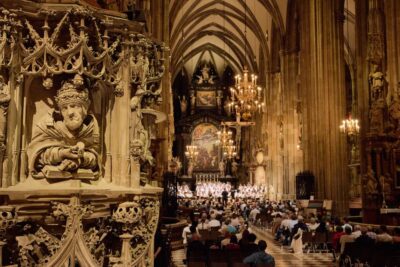
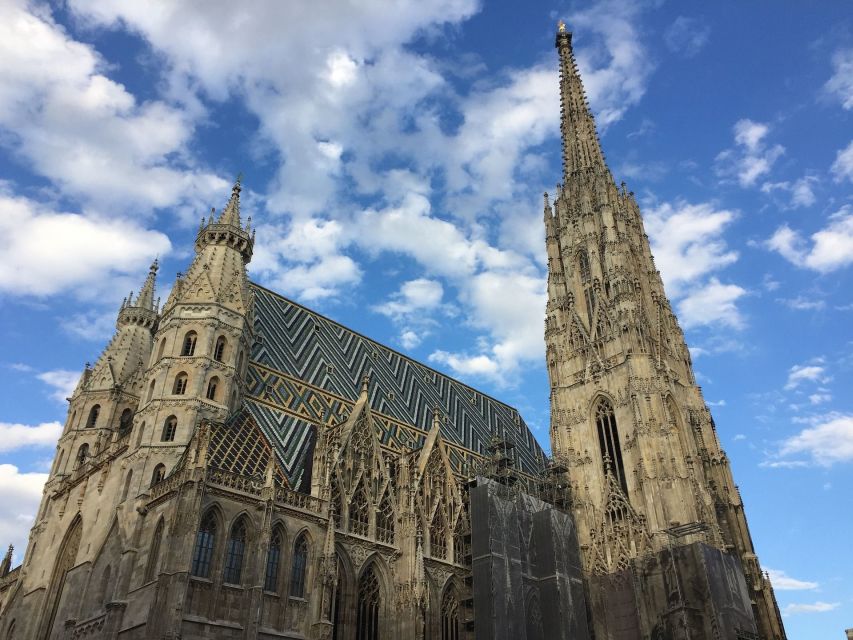
Next comes Stephansdom, Austria’s standout national architectural icon. This is one of those places where the scale and details can overwhelm you if you don’t have any context. On this tour, you get that context. You’re not just looking up at stonework; you’re learning how the cathedral functions as a symbol of civic and religious life.
It’s also a good reminder that Vienna’s “important buildings” often served practical roles too. Cathedrals weren’t only spiritual. They were political, cultural, and social landmarks in their own right.
Hofburg power center: how one complex shaped centuries
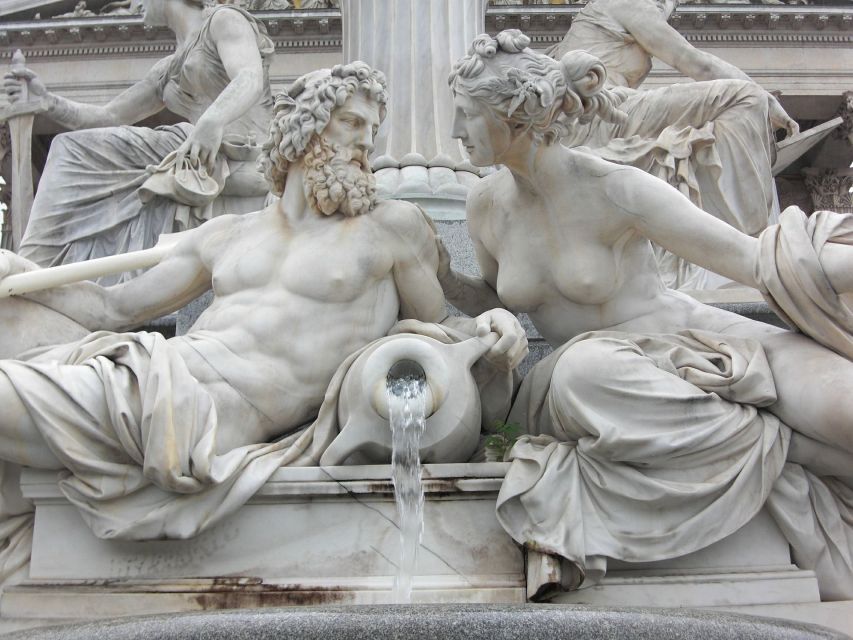
Even when you’ve seen photos of the Hofburg, seeing it as part of a walk changes the feel. The Hofburg isn’t a single building moment—it’s a whole power complex, and your guide explains why it mattered for so long.
This stop works best if you like stories that connect architecture to real lives. You’ll hear how the Habsburg court sat at the center of decisions and how that power shaped what Vienna became over time.
There’s also an emotional side to the tour. Some guides bring in the harder chapters of the 20th century, including the tragedy connected with Allied bombing that affected major cultural sites and underground shelters. If you want a tour that treats history seriously, this one often goes there, not just to keep things “interesting,” but to help you understand what the city survived.


Ringstraße and luxury hotels: an empire-style boulevard for modern eyes
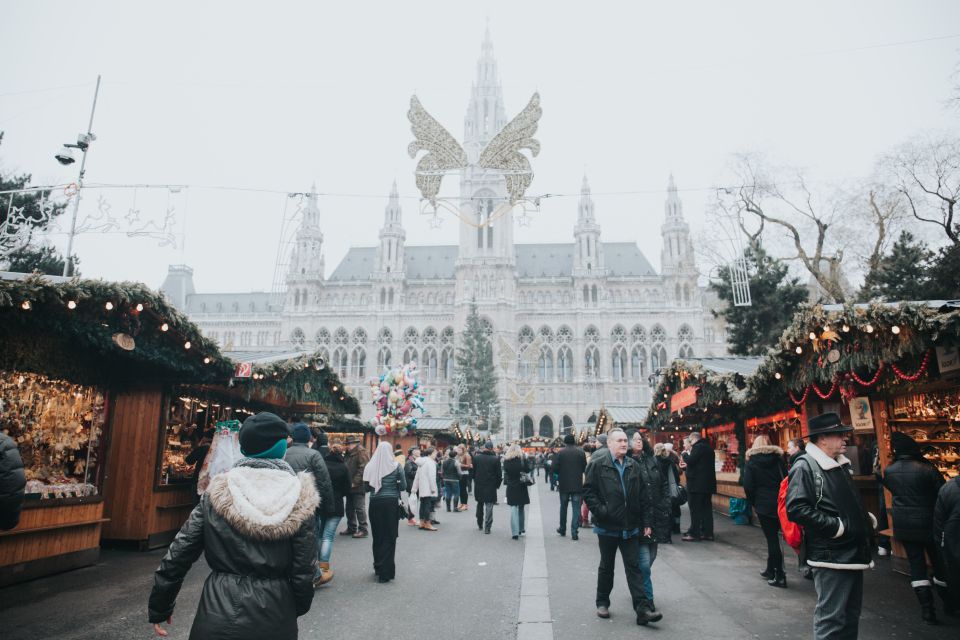
After the Hofburg zone, you’ll stroll along the Ringstraße, the grand boulevard built in the mid-1800s. This stretch is one of the best places to get an overall city picture because it’s like Vienna’s “great wall of history” laid out in sequence.
Your guide helps you read the buildings along the Ringstraße—especially the fact that many luxury hotels now sit inside or within old palace walls. That’s a useful mindset for Vienna: today’s comfort is often sitting on older foundations, and the city keeps repurposing space instead of starting from scratch.
If you’re the type who enjoys structure—who wants a map in your head after the tour—this boulevard portion is a win.
Loos House: green and gray modern thinking in a classic city
You’ll also see the Loos House, designed by Austrian architect Adolf Loos (1870–1933). This is a striking contrast point on the route, because it pushes back against the idea that Vienna only does ornate, historic, decorative styles.
Your guide frames Loos House as part of the shift toward modern design and modern attitudes. It’s the kind of stop that makes you look at Vienna differently, even if you’ve already visited other European capitals with “old meets new” themes. Here, the contrast feels personal because Vienna’s modernism is tied to people’s fights with tradition.
Naschmarkt: where locals meet, eat, and shop
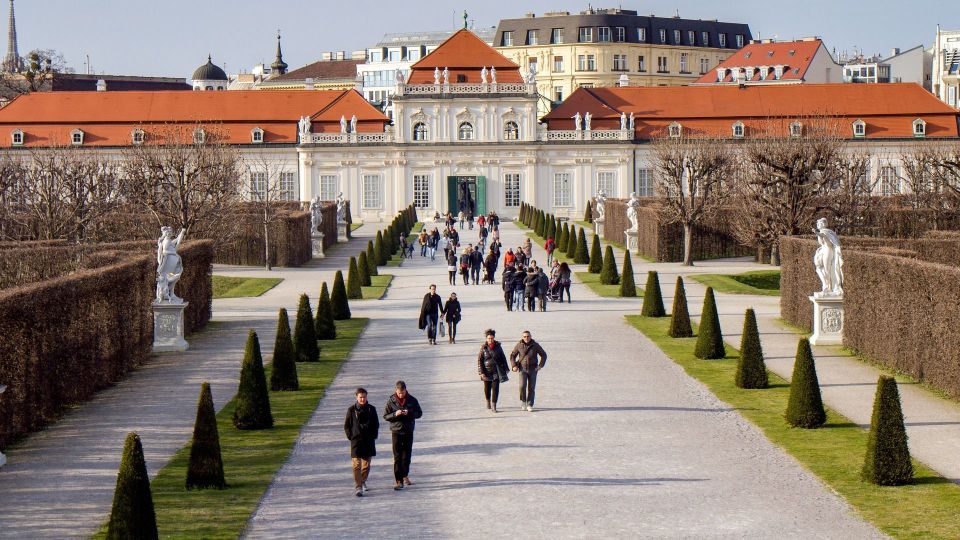
Then it’s back to lived-in Vienna at the Naschmarkt. This is where the city turns from monuments to daily life. Your guide describes it as the colorful traditional food market where people mingle and shop, and that’s exactly what you’ll see.
Even if you don’t snack during the walk, this stop changes the tone. It reminds you that Vienna’s culture isn’t only in museums and cathedrals. It’s also in markets, habits, and what people choose to buy on an ordinary day.
Also worth knowing: food and drinks aren’t included unless something is specified. So if you’re hoping to turn the market stop into a meal, plan for it separately.
Kohlmarkt and the Graben: fashion streets with a plague column story
The tour continues through Kohlmarkt and the Graben, two streets that now feel tied to shopping and style. But the guide layers in the past so the streets don’t become shallow “brands only” scenery.
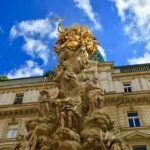
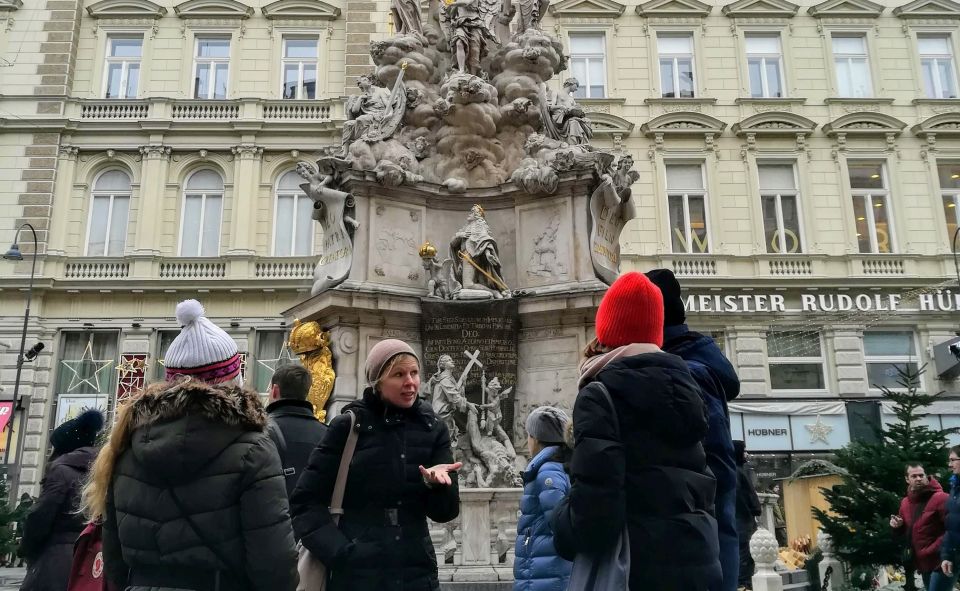
One highlight here is a plague column commemorating the 17th-century bubonic plague outbreak. It’s a stark reminder that Vienna’s grand streets were once the setting for fear, illness, and loss. If you tend to forget that between sightseeing stops, this moment fixes that.
This is also where the tour feels very Vienna: fashion and commerce today, memory and survival underneath.
Maria-Theresien-Platz: museum concentration and a planning shortcut
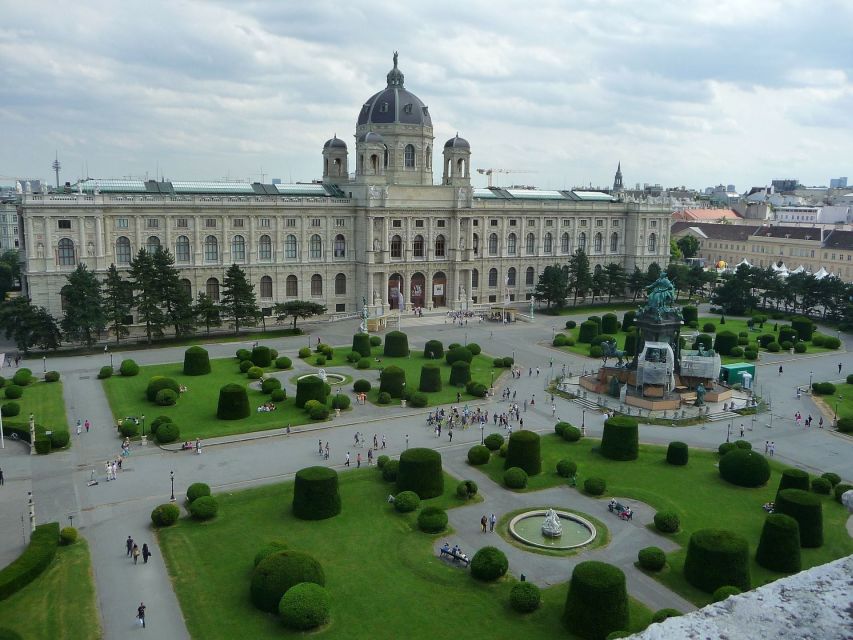
Finally, you’ll reach Maria-Theresien-Platz, known for having the city’s largest concentration of museums. This is a smart ending point because it helps you decide what to do after your walk.
Even if you don’t go into any museums that day, you’ll have a clearer idea of what cluster you’re close to and what direction to head next. If you’re mapping out a first or second day, that matters more than you’d think.
How the small group changes the whole feel
This tour runs with a small group: the cap is up to 8 travelers, and the booking info also notes a maximum of 6 people per booking. Either way, the point is the same: you’re not stuck listening to a guide talk at you.
That size supports something most “quick highlights” tours skip: questions. You can ask about what you’re seeing, why something looks the way it does, or how the stories connect. Several guides are also described as encouraging questions, which makes the walk feel more like a conversation than a lecture.
If you want a tour you can actually talk through, this is the right format.
Guide moments that make it feel like more than a script
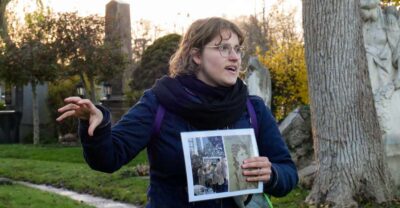
The guides are a big part of why people rate this highly. You’ll hear Vienna through different personalities, but the common theme is that the tour includes more than just facts.
Here are a few examples of the kinds of extras that can show up:
- Music cues like Mozart and Haydn during the walk
- Little cultural touches such as Sisi’s favorite candies
- Extra restaurant guidance, including where to find solid Austrian classics without wasting time
Names that come up in the guide roster include Elisabeth, Christina, Annelie, Ilse, Wolfgang, Katarina, Walter, and Angelika. What matters for you isn’t the celebrity of the name—it’s that the tour is run by people who can bring Vienna’s past into present-day context.
One detail that I really appreciate for value: the guides often help you avoid time traps. For example, you might get practical advice on where to get a Sacher-torte-style treat without lining up at the most famous spot, plus suggestions for local comfort food like schnitzel and sausages.
Price and value: what $181 buys you (and what it doesn’t)
Let’s talk money. At $181.02 per person for about 2 hours 30 minutes, you’re paying for:
- a guide who can explain the city, not just point at it
- a small group size
- a focused route through central, high-impact sights
- extra story flavor, like music and small tastes
If you’re comparing to cheaper big-group options, the tradeoff is clear: you’re less likely to cover every major civic site in Vienna. Some people want stops like city hall, parliament, or other specific landmarks that aren’t in this walk’s set list.
So here’s how I’d judge the value for you:
- If you want a strong first-day orientation and enjoy history-with-people stories, this price starts to look fair.
- If your priority is checking off as many headline buildings as possible, you may feel the cost doesn’t match your “wish list.”
Also keep in mind the tour doesn’t include food and drinks by default. That’s not a problem, but it means you should budget for a snack or lunch separately if your day needs fuel.
Practical tips for a comfortable, smart walk
This is a walking tour, so comfort wins. Wear shoes you trust for uneven sidewalks and plan for weather. Some guides do the job even when it’s cold or nasty, but your comfort depends on you.
Because it’s in central Vienna and near public transportation, you can keep your day flexible. Start with this walk, then build the rest of your schedule around museum areas and shopping streets you already understand.
Language is English, and you’ll get confirmation at booking. You’ll also use a mobile ticket.
And yes, the tour offers free cancellation up to 24 hours in advance for a full refund, so if your schedule might shift, you have some breathing room.
Who should book this Vienna walk?
Book it if:
- Vienna feels confusing and you want a clear orientation
- you like architecture with human stories attached
- you want a small group where it’s easy to ask questions
- you plan to spend the rest of your trip exploring on your own and want a map in your head
Skip it if:
- you only want the biggest “must-see” buildings with zero interpretation
- you’re mainly searching for a long museum day
- you’re hunting for a full list of every major civic landmark in one go
Should you book this Vienna walking tour?
Yes, if you want a first-day backbone for Vienna. The route hits big identity sites like Stephansdom and the Hofburg, then balances them with the Ringstraße, a modernism moment at Loos House, and everyday life at Naschmarkt. The small group size and historian-guided storytelling are what make it feel worth the time and cost.
If you come in with a flexible mindset—less checklist, more “help me understand this city”—you’ll likely leave with ideas for what to do next and a better sense of why Vienna looks the way it does.
FAQ
How long is the Vienna walking tour?
It lasts about 2 hours 30 minutes.
Where does the tour start, and where does it end?
The meeting point is Café Hawelka, Dorotheergasse 6, 1010 Wien, Austria. The tour ends in Vienna (exact ending point is listed as Vienna).
Is the tour offered in English?
Yes, it is offered in English.
What is the group size limit?
The tour is capped at a maximum of 8 travelers, and it also notes a maximum of 6 people per booking.
What is included in the price?
You get a 2.5-hour guided walk with an historian guide.
Are food and drinks included?
No. Food and drinks are not included unless specified.
Is hotel pickup or drop-off included?
No. Hotel pickup and drop-off are not included.