REVIEW · VIENNA
Kunsthistorisches Museum Wien Guided Tour including admission
Book on Viator →Operated by Vienna a la carte Reisebuero GmbH · Bookable on Viator
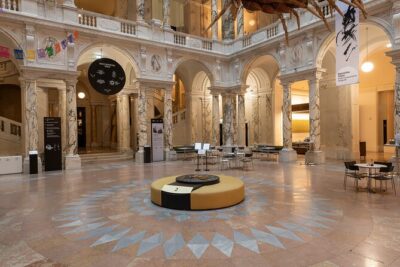
One good plan beats two hours of wandering. This Kunsthistorisches Museum guided tour is a fast, art-first way to see major works in a famously grand building. I especially like that you get priority entry (so you lose less time to lines) and a focused route through the Picture Gallery’s key highlights. One thing to consider: you’ll need to leave umbrellas, backpacks, and rain coats in the cloakroom, and this tour isn’t set up for wheelchair users.
The best part is how the guide turns the museum’s size into something manageable. You don’t just get names and dates. You get the why behind the works, plus quick wayfinding so you can keep exploring after the tour. The only real drawback is that the tour sticks to the main, included sights—so you won’t see temporary exhibitions.
Small group. Clear pacing. Good stories. If your goal is to see the highlights and still have time to wander on your own, this is a strong match.
In This Review
- Key Things I’d Book This For
- Priority Entry at Maria-Theresien-Platz: Starting Without the Museum Grind
- Your Route Through the Picture Gallery: How a Giant Museum Becomes “Doable”
- Peter Bruegel the Elder’s Tower of Babel: More Than a Familiar Title
- Vermeer and the Art of Painting: Why Technique Matters Here
- Kunstkammer Highlights: The Golden Saliera and Other Odd Masterpieces
- After the Tour: How to Spend Your Extra Museum Time Wisely
- Price and Value for $119.09: When It Feels Worth It
- Should You Book This Kunsthistorisches Museum Tour?
- FAQ
- How long is the Kunsthistorisches Museum guided tour?
- Is admission included in the tour price?
- What language is the tour offered in?
- How big is the group?
- Where does the tour start and end?
- Do I need hotel pickup or drop-off?
- Are temporary exhibitions included?
- Can I take photos inside the museum?
- Are there cloakroom rules?
- Is it accessible for wheelchair users or people with walking disabilities?
- Can I cancel for a full refund?
- What if the tour doesn’t meet the minimum number of travelers?
Key Things I’d Book This For
- Priority entry helps you start faster and keep your museum day from stretching.
- A max of 15 people means more time for questions and a calmer pace.
- Peter Bruegel’s Tower of Babel plus Picture Gallery basics, without the usual aimless wandering.
- Kunstkammer oddities like Cellini’s golden Saliera and the Madonna of Krumau.
- Admission included, so you’re not juggling extra ticket steps once you arrive.
- Photo-friendly rule: you can take pictures without flash inside.
Priority Entry at Maria-Theresien-Platz: Starting Without the Museum Grind
Your day starts at Maria-Theresien-Platz 1 (1010 Wien). It’s a central meetup and near public transportation, which matters because Vienna museums can turn into time traps if you’re far from tram and metro options. The tour runs about 2 to 2.5 hours, and it ends back at the meeting point.
The biggest practical advantage here is the priority entry. The Kunsthistorisches is popular, and it’s easy to lose momentum waiting in line. With priority entry, you spend your energy looking up—at ceilings, at fresco-like details, at the paintings—rather than watching other people shuffle forward.
One more logistics detail that affects your comfort: umbrellas, backpacks, and rain coats must be left in the cloakroom and can’t go into the museum galleries with you. That’s normal in many European museums, but it’s worth planning for. Bring what you can, wear layers you can manage, and keep your daypack light.
Photos are allowed without flash. So you can capture the moments you care about without feeling like you’re breaking rules.
You can also read our reviews of more guided tours in Vienna
Your Route Through the Picture Gallery: How a Giant Museum Becomes “Doable”
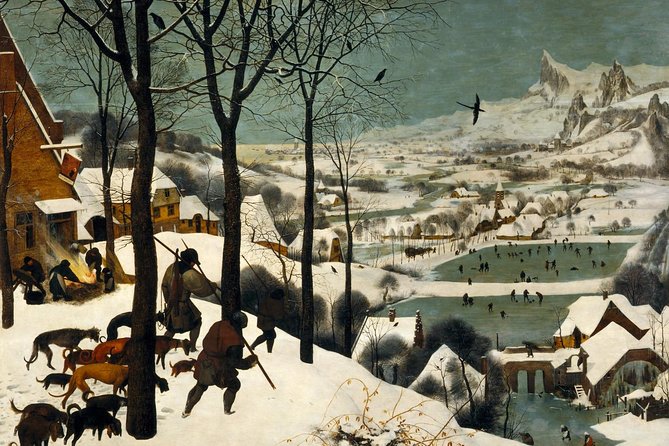
The tour is built around two main parts of the museum experience—Picture Gallery highlights and the Kunstkammer—plus time afterward to explore on your own. Instead of trying to see everything (which is how people end up exhausted and disappointed), you’ll get a smart “greatest hits” path through the older masters.
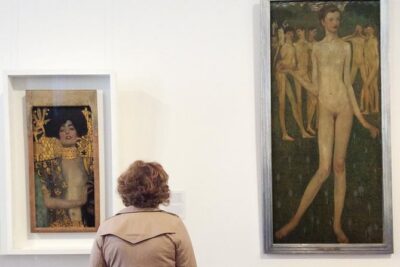
In the Picture Gallery, you’ll learn your way around the works that make the museum famous. You’ll see major names spanning major eras—think Raphael, Rembrandt, Vermeer, Rubens—and you’ll get a guided look at how styles change over time. That guidance matters because these galleries can feel overwhelming at first. A good route helps you spot what to look for: brushwork, composition, and the “visual logic” painters used to tell stories.
You’ll also get your bearings quickly. A theme in the experience is orientation: after the tour, you’re free to stay and explore. That’s a big deal at the Kunsthistorisches because the museum is huge, and wandering without context can lead to “I saw a lot, but what did I actually remember?”
The tour group stays small—no more than 15 people—so the pace tends to be human. And yes, there are seats in some galleries. If you’re someone who needs to rest while listening, that can be a relief.
Peter Bruegel the Elder’s Tower of Babel: More Than a Familiar Title
One standout highlight is Peter Bruegel the Elder’s Tower of Babel. It’s the kind of artwork you’ve heard of, but it’s also the kind you need help to read. The painting is packed with detail, and the guide’s job is to point your eyes where the story lives.
You’ll likely focus on the way Bruegel builds a scene full of human activity. Even if you don’t know Flemish art history, you can still enjoy how the composition organizes chaos into something you can actually follow. That’s what makes this stop more than a photo moment.
What makes it work in a guided format is that you’re not just staring at one view. You’re learning what to notice first: how scale is handled, how the scene moves from foreground to the distant structure, and how smaller elements contribute to the bigger meaning. It’s a way to turn “busy picture” into “readable picture.”
And since the tour covers multiple key stops inside the Picture Gallery, the Bruegel segment also gives you a reference point for what comes next. You start to sense how the museum connects works by theme, technique, and era—even though you’re physically moving from room to room.
Vermeer and the Art of Painting: Why Technique Matters Here
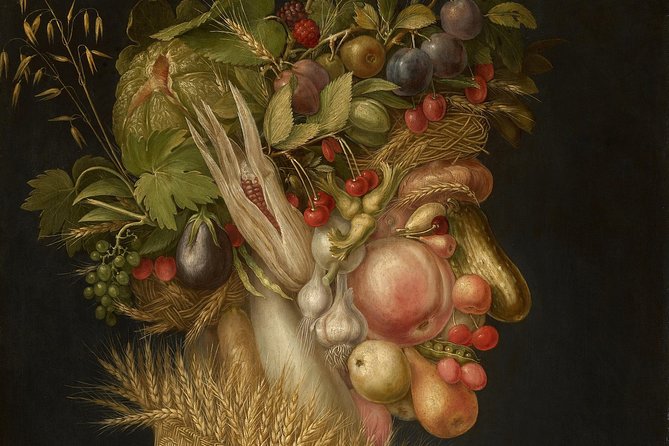
Another anchor in the tour is Vermeer’s The Art of Painting. This is where the museum experience gets more “how things are made” rather than purely “what someone painted.”
Vermeer rewards close looking. A guide helps you notice the quiet details that are easy to miss when you’re rushing. You’ll spend time on why his style feels controlled and deliberate—light, texture, and the overall calm logic of the composition. If you’ve ever felt that museum descriptions are too vague, you’ll probably appreciate how this kind of tour makes the explanation specific to the artwork.
Just as important, the tour connects technique to bigger changes in art. By the time you move between major artists and works, you can start seeing patterns: what different periods emphasized, what audiences expected, and how visual storytelling evolved. It’s not about memorizing a timeline. It’s about understanding the choices painters made to produce meaning.
And if you’re traveling with kids, this kind of guided pacing often lands well because a good explanation helps younger viewers look for something concrete. One of the guides on these tours is known for being patient and for including kids in the discussion.
Kunstkammer Highlights: The Golden Saliera and Other Odd Masterpieces
If the Picture Gallery is about masterpieces you already recognize, the Kunstkammer is where the museum surprises you.
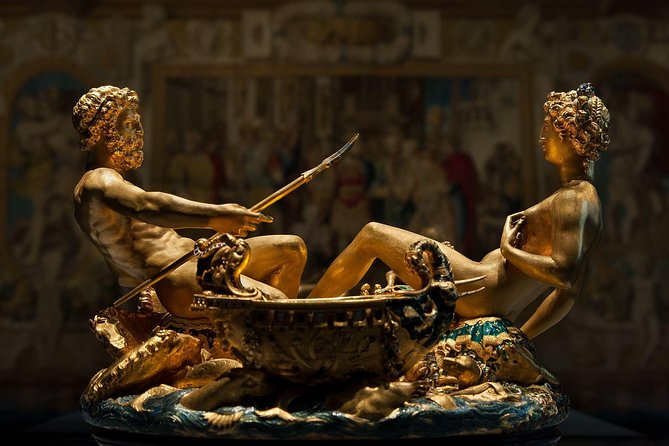
This part of the tour is built to show some of the rarest and oddest objects. You’ll get a closer look at things you don’t normally expect to see in a “fine art” museum. Among the famous pieces you’ll hear about are Celini’s golden Saliera (often referenced as the famous golden salt cellar) and the Madonna of Krumau.
Why this section is worth your time: it changes the definition of art. Instead of thinking only about paintings and sculpture, you see craftsmanship, design, and the collector’s world that shaped how objects were valued. A guide’s context is key here because Kunstkammer items can look like strange treasures at first. With the right framing, they become a window into how people studied beauty, science-like precision, and status.
Also, the tour keeps moving, so you don’t get stuck in a long room with no story. The goal is that you leave understanding why these objects are in the museum—not just that they’re there.
You can also read our reviews of more museum experiences in Vienna


After the Tour: How to Spend Your Extra Museum Time Wisely
Once your guided portion ends, you can stay inside and explore the rest at your own pace. This is where the tour becomes more than a highlight reel. You’re getting a launchpad.
The museum includes collections covering ancient Greek, Roman, and Egyptian art, plus more areas connected to the museum’s broad scope. If you’re the kind of visitor who likes to mix old master painting with a surprise detour into antiquity, this is your moment.
Here’s the practical strategy: pick one “big” target for after the tour, not ten. Because the Kunsthistorisches is extensive, your attention will scatter if you try to chase everything. Since you already have orientation from the guide, you can choose something that interests you most—then let the rest happen naturally as you pass through.
If you’re tired or visiting with older legs (this museum can be demanding), use the fact that some galleries have seats. One guide even made a habit of letting older guests sit while discussing the artworks. That’s the kind of pacing difference that turns “long museum day” into “actually enjoyable museum day.”
Remember: temporary exhibitions aren’t included in this tour. So if you’re traveling specifically for an exhibition that’s currently running, you’ll want to plan that separately.
Price and Value for $119.09: When It Feels Worth It
At $119.09 per person, you’re paying for several things at once: a small-group guided experience, a professional guide, admission included, and a priority-entry setup that saves you time.
Is it expensive? Vienna can feel pricey. But the value here is practical. You’re not just buying access to the building. You’re buying guidance that helps you see the museum’s biggest strengths in a limited time window. If your schedule is tight—two hours to two and a half is a realistic museum block—this format is a smart use of time.
It’s also better value if you know you’ll otherwise wander without a plan. When the museum is enormous, “I’ll figure it out” often turns into missed highlights and fatigue. A good guide course-corrects your day early.
The main trade-offs are also clear:
- No hotel pickup or drop-off, so you need to get to the meetup point yourself.
- You’ll have to deal with cloakroom storage for umbrellas/backpacks/rain coats.
- The tour isn’t available for walking disabilities or wheelchair users, based on the provided information.
If those fit your situation, the price is easier to justify.
Should You Book This Kunsthistorisches Museum Tour?
Book it if you want a high-impact overview that gets you to major artworks quickly, teaches you how to look, and still leaves time to roam after. It’s especially fitting when you like your museum days structured—without turning them into a rushed checklist.
Skip or reconsider if you need full wheelchair accessibility or you’re expecting temporary exhibitions to be included. Also, if cloakroom logistics are a deal-breaker for you, plan around it.
My rule: if you only have a couple hours and you want your money to go toward seeing the museum’s strongest “greatest hits” with context, this tour is a solid pick. With priority entry, a max-15 group, and guided stops focused on major Picture Gallery and Kunstkammer highlights, it’s one of those experiences that helps Vienna feel less overwhelming and more personal.
FAQ
How long is the Kunsthistorisches Museum guided tour?
The tour runs about 2 hours to 2.5 hours.
Is admission included in the tour price?
Yes. Entrance fees are included with the tour.
What language is the tour offered in?
The tour is offered in English.
How big is the group?
The group size is limited to a maximum of 15 guests.
Where does the tour start and end?
It starts at Maria-Theresien-Platz 1, 1010 Wien, Austria and ends back at the meeting point.
Do I need hotel pickup or drop-off?
No. Hotel pickup or drop-off is not included.
Are temporary exhibitions included?
No. Temporary exhibitions are not included in this tour.
Can I take photos inside the museum?
Yes, you can take photos without flash.
Are there cloakroom rules?
Yes. Umbrellas, backpacks, and rain coats must be left in the cloakroom and can’t be taken into the museum.
Is it accessible for wheelchair users or people with walking disabilities?
This tour is not available for those with walking disabilities or using a wheelchair.
Can I cancel for a full refund?
You can cancel up to 24 hours in advance for a full refund.
What if the tour doesn’t meet the minimum number of travelers?
If it’s canceled because the minimum isn’t met, you’ll be offered a different date/experience or a full refund.