REVIEW · VIENNA
Private Tour of the Kunsthistorisches Museum: Secrets of Masterpieces | Tickets included
Book on Viator →Operated by Art with me! — Art experience for the intellectually curious · Bookable on Viator
Vienna has a way of turning art-viewing into a real mission. This private tour at the Kunsthistorisches Museum is built for focused looking, guided by an art historian who steers you toward the masterpieces that actually make the museum tick. You also get a smart “short list” approach, so you’re not wandering lost in marble halls.
Two things I especially like: admission is included, and the guide keeps the pace human for a 3-hour visit. In the hands of guides like Julia, you also get context that makes the paintings and objects feel connected to the centuries that produced them. One possible drawback: you’ll be doing a moderate amount of walking and standing inside a big museum, so you’ll want comfortable shoes and a plan to move efficiently.
In This Review
- Key Highlights You’ll Care About
- Vienna’s Temple of Art: starting at Maria-Theresien-Platz
- Private 3-hour pacing: seeing the right masterpieces without overload
- Western painting highlights: the art Olympus in one route
- Beyond the classics: Egypt, Greece, Rome, and the numismatic cabinet
- Cabinets of curiosities: church plate, science tools, and small wonders
- What the art historian does differently for you (and why it matters)
- Price and value at $283.12 per person
- Who should book this Kunsthistorisches Museum private tour
- Should you book this tour or go on your own?
- FAQ
- How long is the private tour at the Kunsthistorisches Museum?
- Is museum admission included in the ticket price?
- Where do we meet the guide?
- Is this tour private or shared with other groups?
- What language is the tour offered in?
- Do I need a specific type of ticket or voucher?
- What is the cancellation policy?
Key Highlights You’ll Care About
- Admission ticket included so you can start seeing right away, not hunting for entry
- Professional art historian storytelling that connects art to politics, society, and patronage
- A shortlist method based on the museum’s own selection idea (locals, repeat visitors, first-timers)
- Main masterpieces plus “universal museum” surprises, from Egyptian and Greek/Roman art to coins
- Private format where your questions steer the discussion
- Meet at Maria-Theresien-Platz, with clear door instructions so you don’t waste time
Vienna’s Temple of Art: starting at Maria-Theresien-Platz
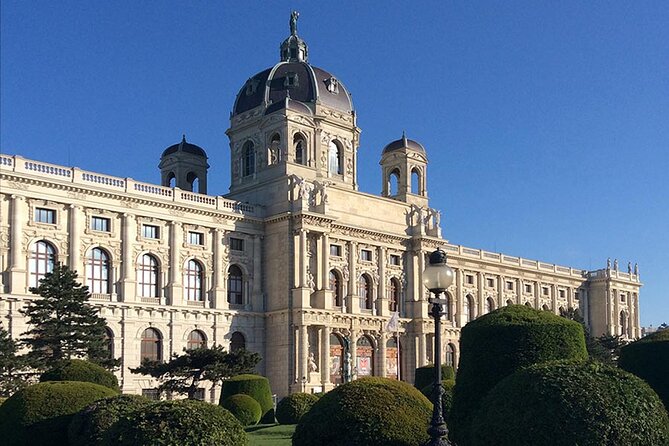
This experience starts at Maria-Theresien-Platz (1010 Wien), just outside the main museum area. The meeting point is by public transit, which matters in Vienna because you’ll likely be hopping between sites all day. The museum itself is one of the first reasons to care: the building was designed in historicist style, with a temple-like feel that frames the art as something important and earned.
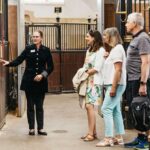
When you arrive, don’t guess. Come punctually and aim for the main entrance. There are three doors, and the central one is closed, while your guide is waiting in front of it. That detail sounds small, but it saves you from the typical “where is my group” stress that can eat into museum time.
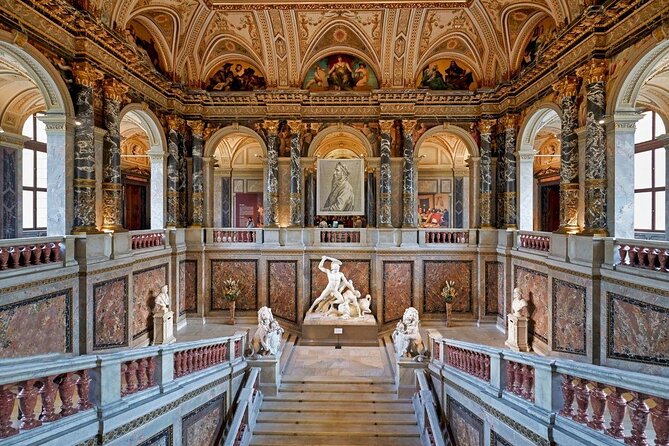
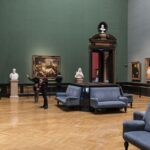
Once you’re inside, you’ll be in the Kunsthistorisches Museum’s big, elegant world where the collection feels intentionally wide. It’s not just paintings stacked for display. This museum is built like an argument: Western masterworks on one side, and older civilizations on the other. That balance is part of why a guided route helps. Left alone, it’s easy to either over-plan or get overwhelmed by options.
You can also read our reviews of more tours and experiences in Vienna
Private 3-hour pacing: seeing the right masterpieces without overload
The tour runs about 3 hours, which is long enough to learn how to look, but short enough to keep you from turning the visit into a blur. That timing is a big deal at the Kunsthistorisches Museum. The building holds a lot, and if you try to “do everything,” you end up seeing less.
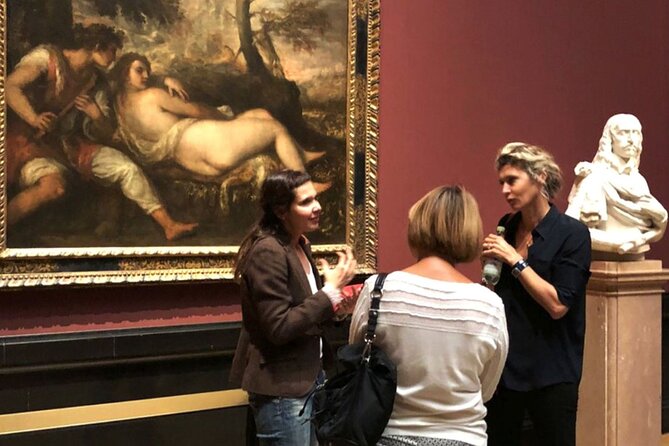
With a private setup, the guide can slow down when you’re stuck on something. You can ask questions and get answers that actually match what you’re noticing. In practice, this means you’re not stuck in a lecture mode where you only get information that fits the script. The best version of this tour feels like a focused conversation between you and the artworks.
You also get a “target route” built around the museum’s own idea of visitor selections: the museum suggests hundreds of masterpieces for locals, a smaller set for repeat visitors, and a tight “must-see” list for first-timers. A guide uses that structure to help you land on the most significant works without sprinting through galleries just to say you were there.
The result: you spend time on fewer pieces, but you understand them better. And that’s how you leave with actual “I get it now” memories, not just photos.
Western painting highlights: the art Olympus in one route
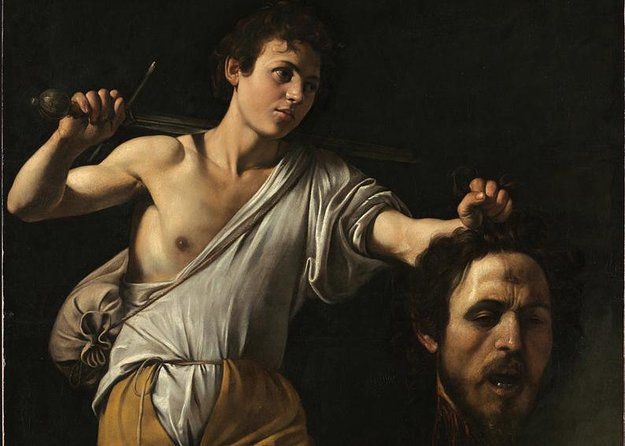
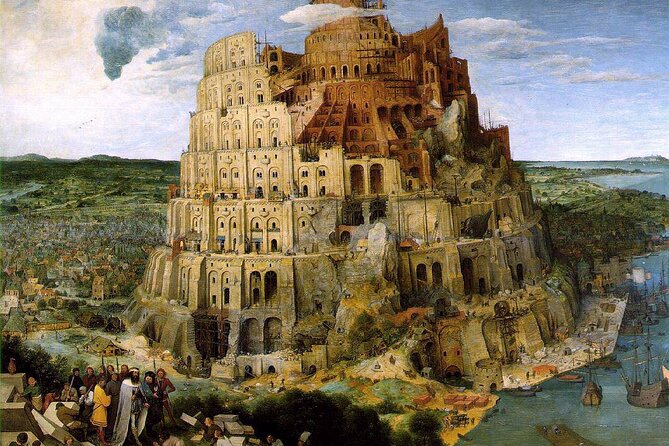
The heart of the museum is the famous Western art collection, and the tour is designed to introduce you to it in a way that’s easier to hold in your head. The museum has a long list of heavyweight names tied to European art history. Expect time with major figures such as Arcimboldo, Brueghel, Velasquez, Holbein, Dürer, Giorgione, Cranach, Raphael, Rembrandt, Rubens, and Titian.
Here’s the useful part: it’s not just a name-check. A good guide helps you read what you’re seeing. That might mean pointing out how style changes across time, or how portraiture and religious scenes worked as messages, not just decoration.
One common strength of guides on this experience, including Julia, is the ability to place works inside their broader world: who commissioned art, what social forces shaped taste, and why certain subjects mattered. That context matters because it makes the art feel less like a museum object and more like a historical product with a purpose.
You’ll likely move gallery to gallery in a logical flow, with the guide choosing the pieces that best explain the museum’s bigger story. If you’ve ever felt lost in a giant museum, this is the fix: you’re not building your own route from scratch. You’re following a route built to teach.
Beyond the classics: Egypt, Greece, Rome, and the numismatic cabinet
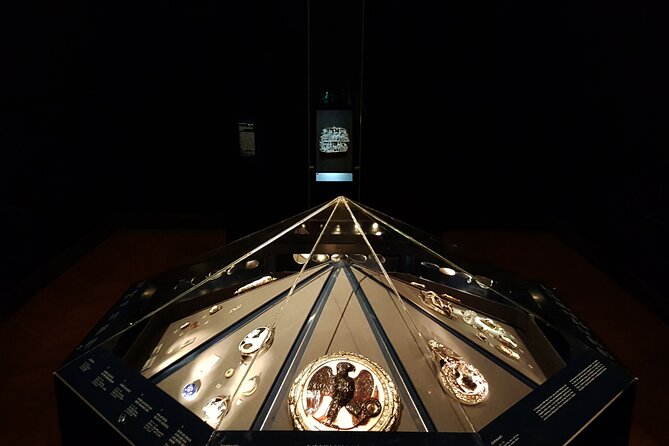
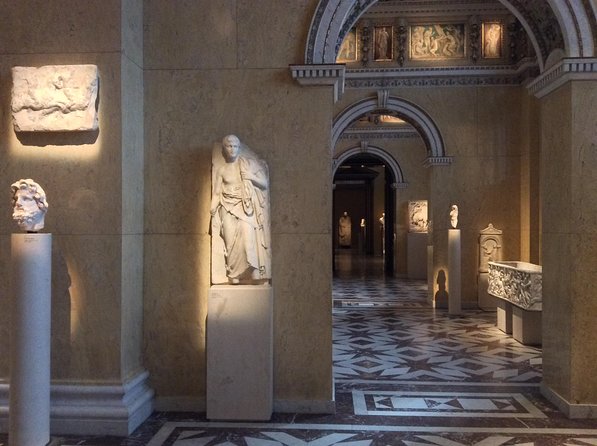
The Kunsthistorisches Museum does not treat itself as only a Western painting gallery. It includes collections of Egyptian, Greek, and Roman art, plus a numismatic cabinet (coins and related objects). On a private tour, these parts are a gift because you can look at them with the same “why is this here” mindset you bring to the paintings.
Coins can sound niche, but they’re often one of the fastest ways to understand power and trade in the ancient world. They’re also packed with details that reward slow looking. Even when you’re not a specialist, a good guide can help you notice what’s important, like symbolic imagery and dates tied to rulers.
Egyptian and Greek/Roman art add another layer to your understanding of the museum’s collection logic. You start to see the museum as a place that tries to show how cultures influenced one another. That helps you connect the “universal museum” idea to real objects, not just a slogan.
If you like variety, this is where the tour avoids monotony. You’re not stuck in one century the whole time. You move from Western masterpieces toward older traditions and then back again, so the museum feels like a conversation across time.
Cabinets of curiosities: church plate, science tools, and small wonders
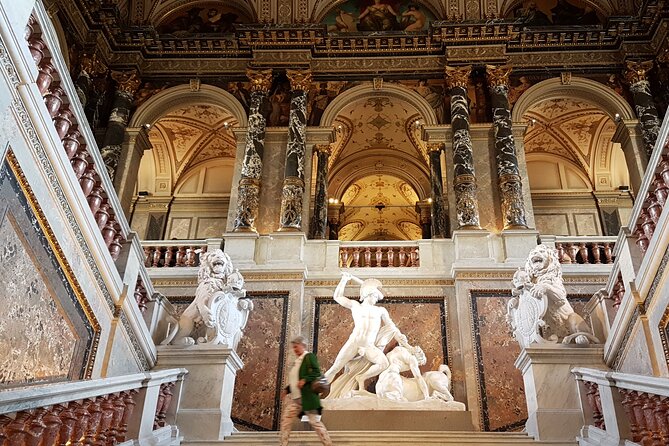
One quarter of the exhibition space belongs to the cabinets of curiosities—a mixed setup that brings together indoor sculpture, decorative pieces, church plate, and scientific instruments. This is one of the most interesting parts of the museum to see with guidance, because these rooms can feel like “stuff” if you don’t know how to interpret them.
The guide’s job is to explain what makes these objects special. It’s not only about beauty; it’s also about collecting. Cabinets of curiosities were a way to display knowledge and status at the same time. You’re basically seeing how people gathered meaning from objects—through craftsmanship, rarity, and the story of where things came from.
This portion of the tour is also where interactive moments can happen. Guides often bring up clever connections between objects, like how design choices link to era, technology, or worldview. In at least some tours, guides use small tech tools (like a tablet) or teaching props to cross-reference artworks and broaden the story beyond one single piece.
A practical tip: if you tend to rush in museums, slow down here. The curiosities rooms reward attention. Spend extra time with the details and you’ll feel like you’re “collecting” understanding, not just viewing artifacts.
You can also read our reviews of more private tours in Vienna




What the art historian does differently for you (and why it matters)
The biggest value in this tour is not that you see famous works. Lots of people see famous works. The value is that you’re taught how to interpret what you’re seeing, without needing a degree.
Guides associated with the experience, including Julia, are praised for deep art-historical command and strong communication. That matters because art history can be intimidating if it’s delivered like a textbook. Instead, the best moments tend to be story-driven and interactive: the guide may start with a question to get your brain working, then use that to shape the route and explanations.
Another plus is how the guide uses context from the 16th to 19th centuries when relevant—how economics and society shaped what artists made and what patrons demanded. That kind of background turns a painting from a static image into a snapshot of culture at work.
You’ll also notice the tour structure itself is designed to prevent overwhelm. The route is built to follow the museum’s highlight list so you don’t feel like you’re missing everything important, or that you’re forcing yourself to sprint from one gallery to the next.
And because it’s private, you can steer. If you care more about technique, you can ask about that. If you’re more curious about symbolism or history, you can go there. The tour is designed so your interests aren’t just allowed—they’re used.
Price and value at $283.12 per person
At $283.12 per person for about 3 hours, this is not a budget play. It’s midrange to premium, and that’s fair because it’s private and includes admission.
So what makes it feel like value instead of a splurge?
- Admission is included. In a museum like this, skipping that line-item cost matters. You’re paying for time with a guide and entry together.
- You’re buying focus. The guide’s job is to reduce decision fatigue inside a huge collection. That can be worth a lot if you don’t want to spend your precious museum hours choosing what to skip.
- Learning time is real time. A 3-hour private format means you’re not just listening—you’re asking questions and adjusting the route to match your curiosity.
If you’re the type of traveler who reads wall labels, takes your time, and wants your art experience to mean something, this cost can feel reasonable. If you just want photos and don’t care about context, you might be better off with a self-guided visit.
One planning note: it’s commonly booked around 60 days in advance, so if you have fixed dates, lock it in earlier. Vienna museum time can be competitive in peak season.
Who should book this Kunsthistorisches Museum private tour
This tour is a great match for you if:
- You want a guided route through the museum’s top masterworks and big collection highlights.
- You like asking questions and getting answers in a way that connects to real objects.
- You’d rather spend time understanding fewer works than trying to see everything.
It’s also a smart choice for first-time visitors to the museum because it uses a structured shortlist concept. You get a guided sense of what’s most significant and why, and you don’t have to build the whole plan yourself.
The tour also states a moderate physical fitness level is best. That translates to practical reality: expect some walking between galleries and time on your feet. If you’re sensitive to long museum hours, consider taking breaks when the guide suggests them and wear comfortable shoes.
Should you book this tour or go on your own?
Book it if you want the museum to feel like a guided conversation, not a self-made scavenger hunt. The private format, the professional art historian approach, and the fact that admission tickets are included make it a strong value for people who care about understanding what they’re seeing.
Skip it and go self-guided if you’re mainly photo-focused, you hate walking with a schedule, or you don’t want to spend money on interpretation. In that case, you can still enjoy the museum—just without the focused shortcut the guide provides.
FAQ
How long is the private tour at the Kunsthistorisches Museum?
It lasts about 3 hours.
Is museum admission included in the ticket price?
Yes. Admission to the Kunsthistorisches Museum is included.
Where do we meet the guide?
You meet at Maria-Theresien-Platz, 1010 Wien, Austria, in front of the museum main entrance.
Is this tour private or shared with other groups?
This is a private tour/activity, so only your group participates.
What language is the tour offered in?
It is offered in English.
Do I need a specific type of ticket or voucher?
You can present either a paper or an electronic voucher. A mobile ticket is also part of the experience.
What is the cancellation policy?
Free cancellation is available up to 24 hours in advance for a full refund.