REVIEW · VIENNA
The unknown Vienna City- a guided walking tour in 3 hours
Book on GetYourGuide →Operated by Guide from Vienna - RAXI Tours · Bookable on GetYourGuide
Vienna has secret streets, and this tour finds them. In three hours you’ll walk through the First District’s lesser-known corners, moving from the Greek Quarter area toward the Hofburg while pairing standout buildings with stories you won’t get from a standard sights list. I like how it stays focused on what you can see—old stone, stairways, courtyards—while still connecting it to big historical shifts.
Two things I especially liked: the monster-lore storytelling (think the Legend of Lugeck, the Legend of Augustine, and the Legend of Basilisks) and the way the route threads music and patrons into the city’s architecture. You also get a specific highlight linked to Mozart’s world, including a look at the Deutscher Orden Haus and its concert-hall connection.
One drawback to plan around: it’s a walking tour and it is not suitable for wheelchair users, so you’ll want comfortable shoes and enough stamina for a solid three-hour stroll through historic streets.
In This Review
- Key points to know before you go
- Starting at Stubentor: a smart way to work the First District
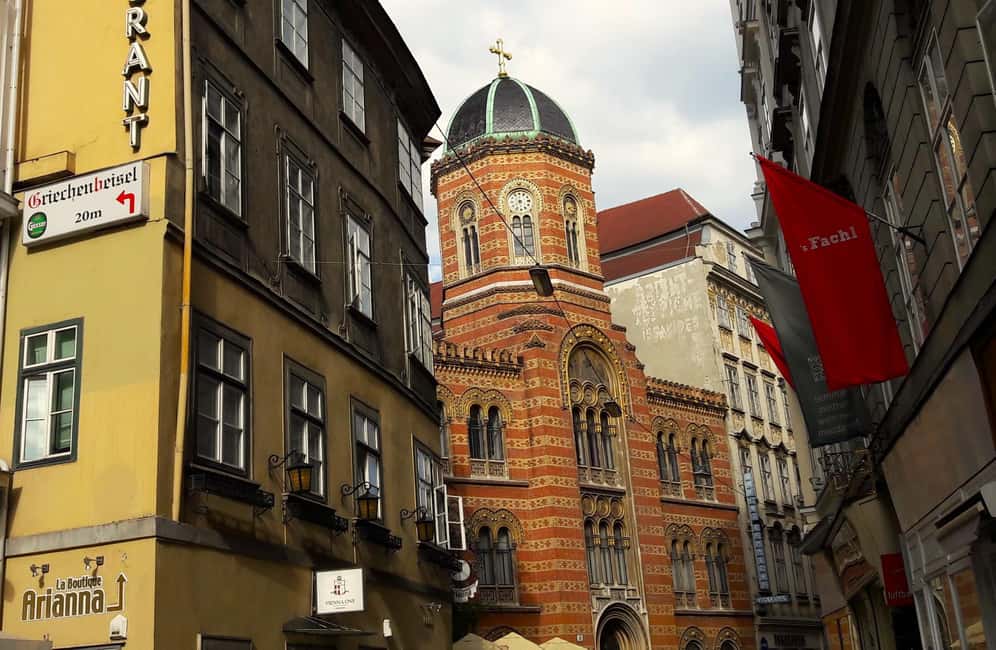
- The 3-hour route from the Greek Quarter to the Hofburg (without the “too much” feeling)
- Lugeck, Augustine, and Basilisks: Vienna’s folklore isn’t just spooky
- Mozart’s concert-hall connection at Deutscher Orden Haus
- Winding streets, courtyards, and the kind of Vienna you miss alone
- The unknown medieval Hofburg: modern walls with older bones
- Re-Catholization traces: architecture as a marker of religious change
- The small-group format (max 10) and the value of real questions
- Price and value: $63 for 3 hours of guided street-level Vienna
- Practical tips so the tour feels easy (not tiring)
- Who this tour suits best (and who should reconsider)
- Should you book this Unknown Vienna walking tour?
- FAQ
- How long is the Unknown Vienna walking tour?
- Where does the tour start?
- Where does the tour end?
- How much does it cost?
- What languages are offered?
- Is the tour wheelchair accessible?
- Is there a refund if I cancel?
- Are there multiple starting times?
- Can I record the guide’s explanations?
Key points to know before you go
- Stubentor start: meet by the Dr. Karl Lueger monument near the Stubentor subway station.
- Small group (max 10): easier questions, less crowding, and more chances to hear the details.
- Monster legends + local meaning: Vienna’s folklore is treated as part of how people explain their city.
- Mozart-linked stop: you’ll see the Deutscher Orden Haus concert-hall connection.
- Hofburg without the cookie-cutter route: the tour aims for the medieval layers under modern facades.
- Architecture of re-Catholization: you’ll notice traces of major religious and cultural change.
Starting at Stubentor: a smart way to work the First District
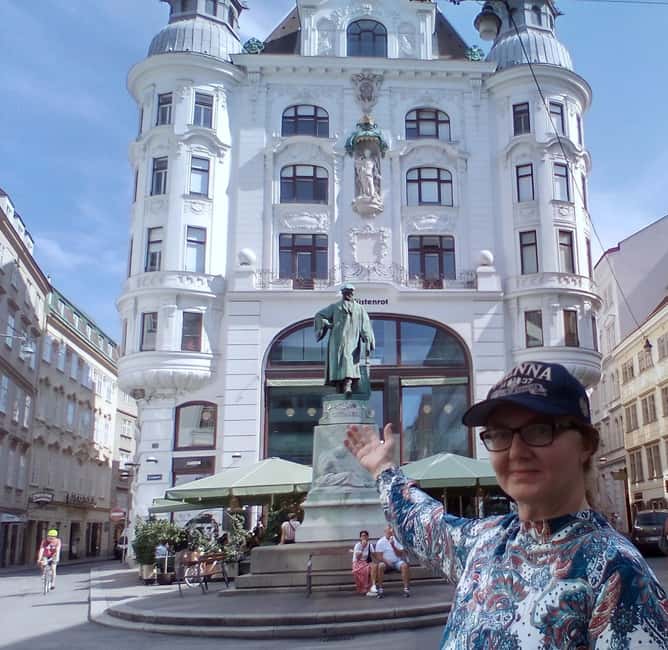
You begin near Stubentor, by the Dr. Karl Lueger monument and close to the subway. That matters because this is the kind of tour where the first few turns set the rhythm: you’re not just passing landmarks, you’re learning how to read a neighborhood.
The guide’s approach makes the start area feel like a launch point. Instead of starting with a list of palaces, you start with streets and building fronts that show Vienna at street level. From there, the tour keeps pulling you off the main tourist lines and into quieter lanes.
You can also read our reviews of more walking tours in Vienna


The 3-hour route from the Greek Quarter to the Hofburg (without the “too much” feeling)
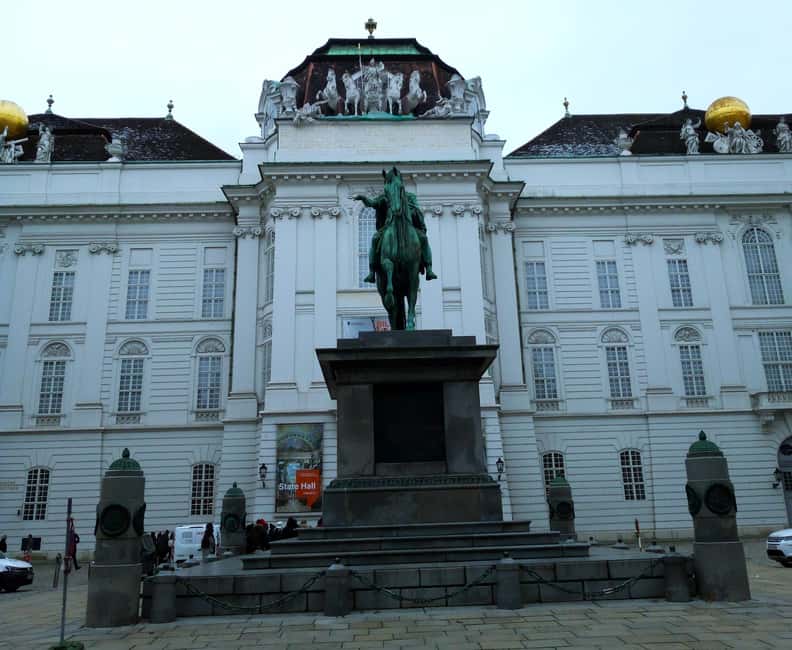
This experience is built as a three-hour guided walk that covers a chunk of the historic center, aimed at the First District. The overall storyline moves from the Greek Quarter area toward the Hofburg, with a timeline that stretches across medieval roots and carries you into later centuries up to the end of the Habsburg Monarchy.
For your planning, the big value is pacing. Three hours is long enough to learn how the city pieces fit together, but short enough that you aren’t stuck doing a full-day marathon. If you’re in Vienna for a quick visit, this is a strong way to get “city logic” fast—how places connect, and why the same block can mean different things across centuries.
You should also know what kind of walking this is: comfortable shoes are the sensible choice. The route is designed for feet-first exploration, and historic center streets tend to be uneven and full of turns.
Lugeck, Augustine, and Basilisks: Vienna’s folklore isn’t just spooky
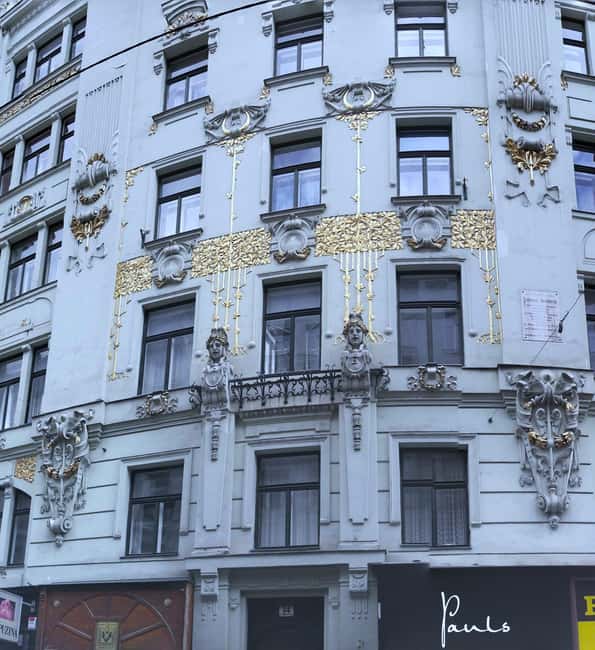
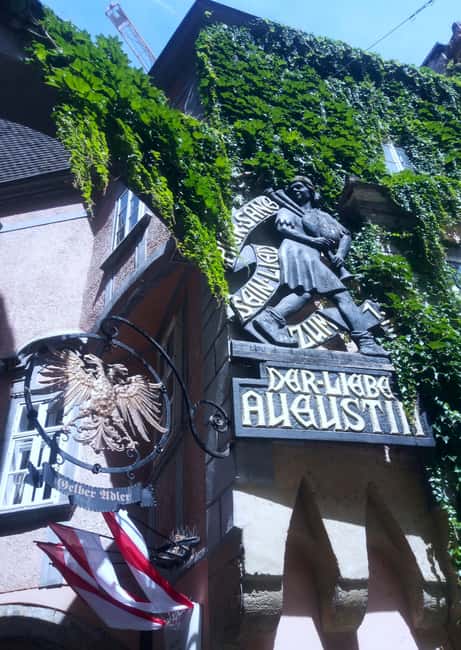
One of the most memorable parts of this tour is the emphasis on legends—specifically the Legend of Lugeck, the Legend of Augustine, and the Legend of Basilisks. You’re not just hearing a bedtime-story retell. The tour treats the legends as part of how Vienna’s people explained their world, their fears, and their identity in different eras.
I like this angle because it makes the city feel human. When you hear where a story is tied in, you start noticing the little details—why a street feels like it was built for foot traffic, why a corner seems to have drawn people in, or why certain spots became symbolic over time. Folklore becomes a lens, not a detour.
If you enjoy local culture with a slightly dark twist, this is a big reason the tour earns strong marks. The monster theme also gives your brain something memorable to hold onto while you’re looking at architecture that otherwise could blur together.
Mozart’s concert-hall connection at Deutscher Orden Haus
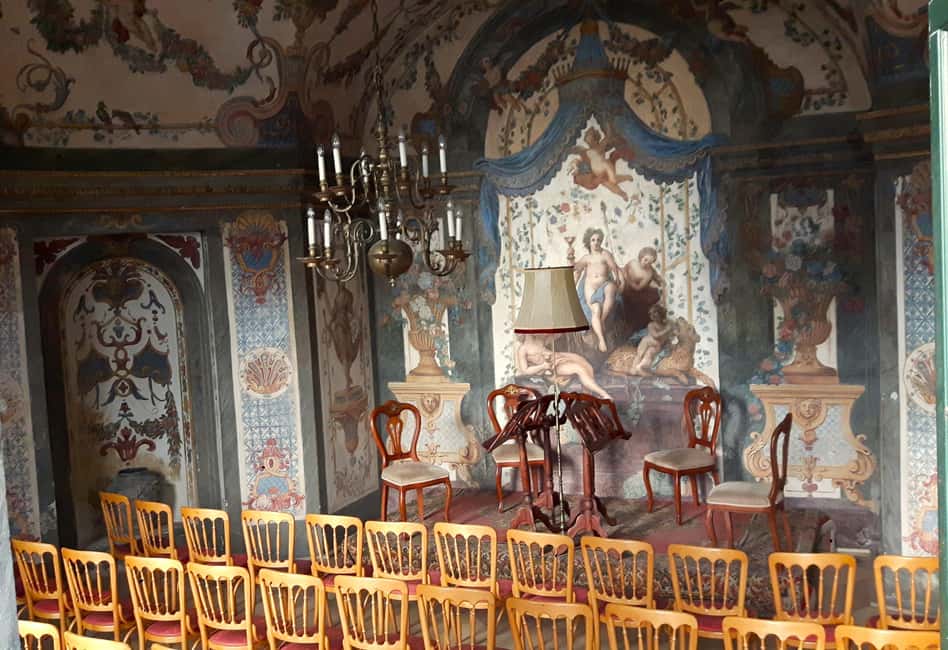
Music shows up on the route in a way that feels grounded in place, not like a lecture. A highlighted stop is the Deutscher Orden Haus, tied to Mozart’s concert hall.
Even if you’re not a hardcore classical-music person, this works because it turns “famous name” into “this is the building and this is what it represents.” It’s easier to remember Vienna when you connect a musician’s world to a physical setting—doors, façades, and the kind of civic and patronage energy that supported concerts and cultural life.
The tour’s larger theme is musicians and patrons shaping the city, so this stop fits into the bigger map of who had influence and why certain architectural choices landed where they did.
Winding streets, courtyards, and the kind of Vienna you miss alone
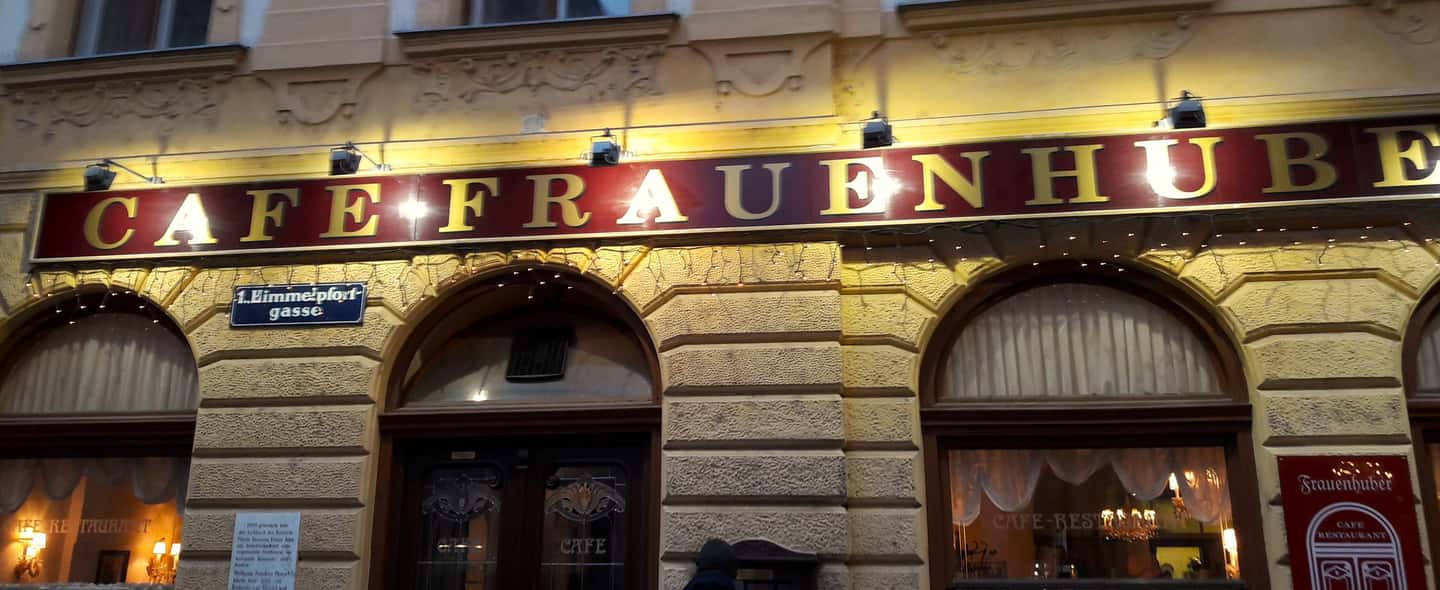
The itinerary is centered on the idea that some Vienna is best discovered slowly. You’ll follow winding, unknown streets and pass places most visitors miss, including small-scale spaces like courtyards and lesser-seen churches.
From what I’d treat as practical expectations: don’t plan to take this tour like a photo scavenger hunt. You’ll get better value if you pay attention to directions your guide gives and if you pause when the story lands. These are exactly the moments where a random alley becomes meaningful—like when a legend, a patron’s era, or a historical decision connects to the space you’re standing in.
One detail I’d highlight from past experiences is that you may also catch references that go beyond royal buildings. For example, the route can include a look connected to Mark Twain’s residence, plus local folk legend stops and locations tied to decisive moments. That kind of range helps the walk feel like Vienna, not just a museum circuit.
You can also read our reviews of more guided tours in Vienna
The unknown medieval Hofburg: modern walls with older bones
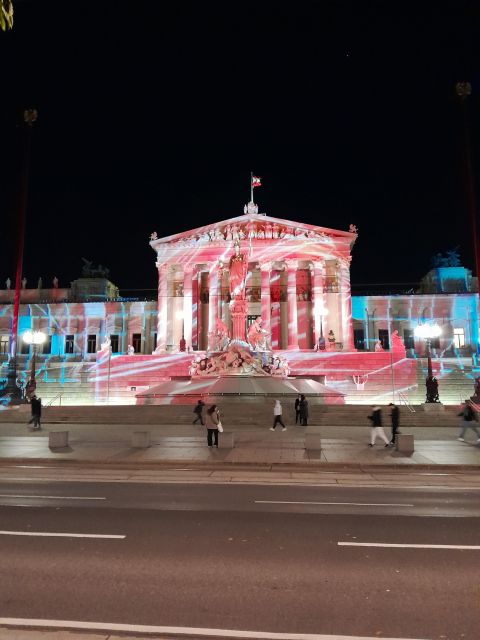
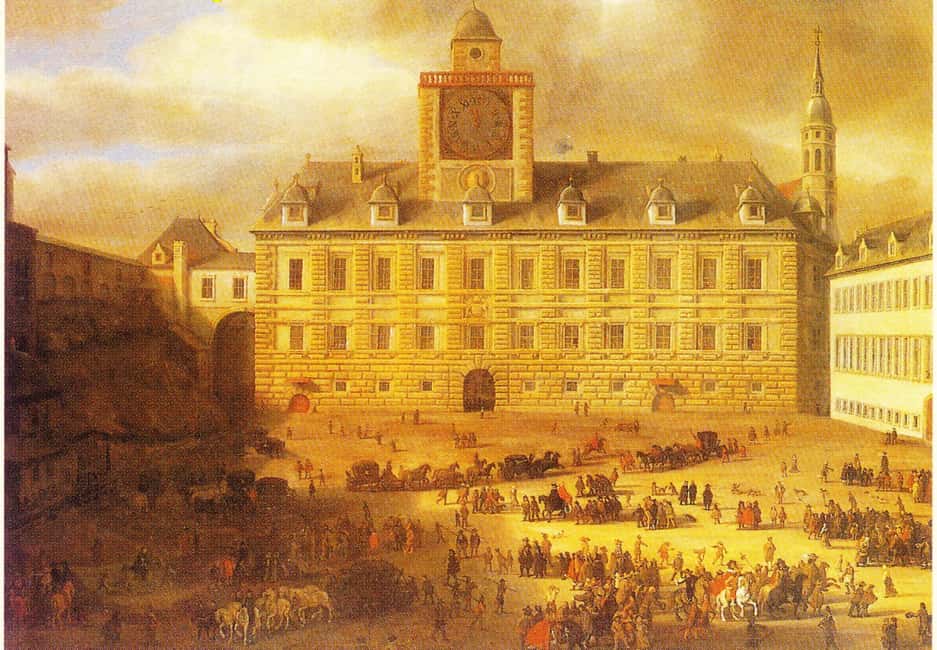
The Hofburg gets plenty of attention in Vienna, but this tour aims at something more specific: the “unknown” medieval layers. You’re guided through an idea of Vienna where old structures are still traceable even when much of the surrounding look is more modern.
The tour description leans into a time span from the 13th to the 21st centuries, including periods tied to the Ottoman wars and the long arc of change leading to the end of the Habsburg Monarchy. In plain terms: you’re watching history accumulate, not watching one era frozen in time.
This matters because it changes how you look at the Hofburg area. Instead of seeing it as one big impressive mass, you start spotting how Gothic, Renaissance, and Baroque styles can live in the same broad neighborhood story. And you also notice the later shifts—how Vienna kept building on itself.
Re-Catholization traces: architecture as a marker of religious change
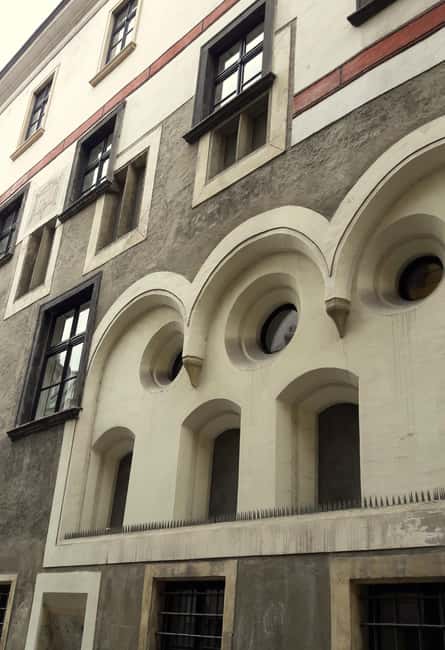
Another strong theme is the architectural traces of the re-Catholization of the Viennese. That phrase can sound abstract, but on a walking tour it becomes practical: you’re looking for evidence that policies and beliefs weren’t just discussed in paperwork. They shaped what was built and how communities organized themselves.
Even without memorizing religious timelines, you can walk away with a clearer sense of why Vienna’s streets look the way they do. When the guide points out these traces, you start to see buildings as outcomes of real historical decisions—some visible at once, some easier to miss.
This is also why the tour works well if you like history but don’t want to feel lost in dates. You’re connecting architecture to motives, not just collecting facts.
The small-group format (max 10) and the value of real questions
This tour caps at 10 participants, which is a big deal for a guided walk. It’s easier to hear the guide at street level, and you’re more likely to get answers to the questions that pop up when you’re staring at a detail and thinking, Why did they do that here?
One past guest specifically noted that the guide handled questions and tailored the experience around what people wanted to see. That’s a sign of a tour that isn’t just reciting a script. If you like asking things like How does this connect to that? or What’s the story behind this corner? this format is made for you.
Price and value: $63 for 3 hours of guided street-level Vienna
At $63 per person for a 3-hour guided walking tour, the value comes down to what you want. This price is reasonable when you’re paying for:
- a live guide who ties buildings to stories,
- a route focused on lesser-known streets and courtyard-scale spaces,
- and a small group size that keeps the experience from feeling crowded.
If you prefer to do Vienna purely at your own pace with a map, you might not need a guide for three hours. But if you want the city’s hidden logic—legends with place, music tied to architecture, and a Hofburg route that aims beyond the obvious—this is the kind of guided experience that can save you time and make your self-guided hours later more rewarding.
Practical tips so the tour feels easy (not tiring)
Before you go, do two simple things. First, eat something before you start; three hours is enough time to make low energy feel like an unnecessary roadblock. Second, wear comfortable shoes, because historic-center walking plus turns is part of the point.
Language is another practical point. The live guide offers English, Italian, and German. If your booking situation leads to a rare two-language format, the only way to know the exact setup is to email the team at [email protected], since the language you’ll hear can depend on who else is booked.
One more important rule: recording is strictly prohibited for any explanations given during the tour. So plan to take notes in your phone or a notebook, and let your eyes do the rest.
Who this tour suits best (and who should reconsider)
This tour is a great fit if you like:
- architecture you can interpret in the moment,
- folklore and legends with local meaning,
- and music-connected city stories, including the Deutscher Orden Haus and Mozart’s concert-hall link.
It may be less ideal if you need step-free access or if you rely on wheelchair-friendly routes, since it is not suitable for wheelchair users. And if you hate walking or prefer long, sit-down museum time over street-level context, you might find three hours brisk rather than relaxing.
Should you book this Unknown Vienna walking tour?
Yes, if you want Vienna that feels like a story told with your feet. The best reason to book is the balance: you get big city markers like the Hofburg area, but you also get the lesser-seen streets and the legend-driven way of noticing details. With a small group and multiple languages available, it’s also easier to stay engaged.
Skip it if your top priority is only the most famous sights with minimal walking. This tour is for people who enjoy history when it’s tied to atmosphere—monsters, courtyards, and architectural traces you’d likely miss on your own.
If you’re aiming for a smart First District day—one that mixes Vienna’s public face with its spooky and medieval undercurrent—this is a strong bet.
FAQ
How long is the Unknown Vienna walking tour?
The tour lasts 3 hours.
Where does the tour start?
You meet around the Dr. Karl Lueger monument near the Stubentor subway station.
Where does the tour end?
The activity finishes at In der Burg 1.
How much does it cost?
The price is $63 per person.
What languages are offered?
The live guide is available in English, Italian, and German.
Is the tour wheelchair accessible?
No. It is not suitable for wheelchair users.
Is there a refund if I cancel?
Yes. You can cancel up to 24 hours in advance for a full refund.
Are there multiple starting times?
Starting times vary, so you’ll need to check availability.
Can I record the guide’s explanations?
No. Any recording of explanations given by the guide during the tour is strictly prohibited.