REVIEW · VIENNA
Third Man Museum Admission Ticket Vienna
Book on Viator →Operated by Third Man Museum · Bookable on Viator
Vienna has a knack for turning history into something you can hold. The Third Man Museum does that by mixing film artifacts with the feel of occupied Vienna from 1945 to 1955. It’s a great pick if you love The Third Man or if you like World War II-era stories that go beyond dates and headlines.
I like how the museum focuses on original objects—not generic photos—so you’re looking at real pieces tied to the movie’s making. I also like the way the exhibition spreads across a 13–16-room layout, using those items to explain what the film was responding to before and after the war.
One consideration: the schedule is tight. This admission is Saturdays only, 2:00 PM to 6:00 PM, so you’ll want to build your Vienna plan around that window.
In This Review
- Key things to know before you go
- Third Man Museum Admission Ticket Vienna: what your $20 buys
- Saturday 2–6pm logistics: plan around the museum’s hours
- Inside the 13–16 room exhibition: occupied Vienna, 1945–1955
- The objects I’d prioritize first: zither, scripts, cameras, projector
- How film-making meets postwar reality: why the museum structure works
- The staff touch: attention to detail and a welcoming feel
- Price and value: is $20 worth it?
- Practical visit tips for a smooth museum hour
- Who should book this Third Man Museum ticket?
- Should you book the Third Man Museum Admission Ticket Vienna?
- FAQ
- What does the Third Man Museum admission ticket include?
- How long should I plan to spend at the museum?
- Is the ticket mobile?
- When is the museum open for this ticket?
- What are some of the standout items inside?
- Is transportation provided?
- What’s the cancellation policy?
Key things to know before you go
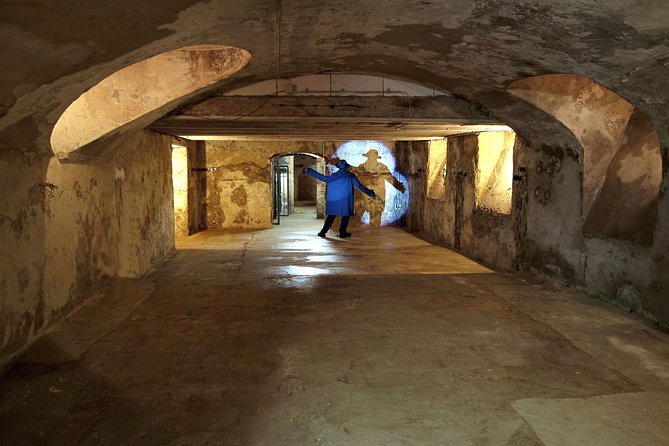
- Original film artifacts: scripts, props, and documents linked to The Third Man
- Anton Karas’s original zither used for recording the film music in London
- Filming gear on display including two cameras rented in Vienna for special effects
- Occupied Vienna timeline from 1945–1955 through multiple rooms of exhibits
- Movie details meet history with posters, lobby cards, and cinema program material from the era
Third Man Museum Admission Ticket Vienna: what your $20 buys
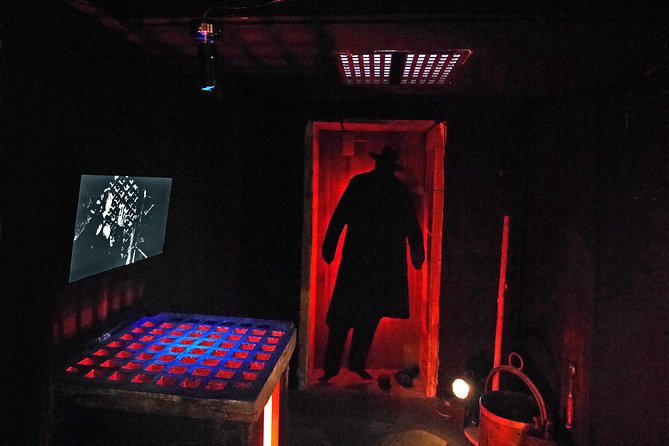
For $20, you’re paying for a straightforward thing: entry to a museum built around one famous film, with real-world artifacts that explain how it was made and why the setting mattered. At museums like this, the value isn’t the building—it’s the stuff inside. Here, the exhibition emphasizes original items tied directly to the movie’s production.
The standout for me is the mix of creative materials and historical context. You don’t just see what the film looked like on screen. You see paper, equipment, and even period-style display pieces that help you connect the movie to the lived reality of postwar Vienna.
You can expect a visit in the 1 to 2 hour range, which is a sweet spot for travelers who want something focused. You’re not signing up for a half-day museum marathon, but you also won’t feel rushed if you like reading exhibit text and studying objects closely.
You can also read our reviews of more tours and experiences in Vienna

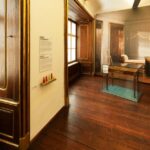
Saturday 2–6pm logistics: plan around the museum’s hours
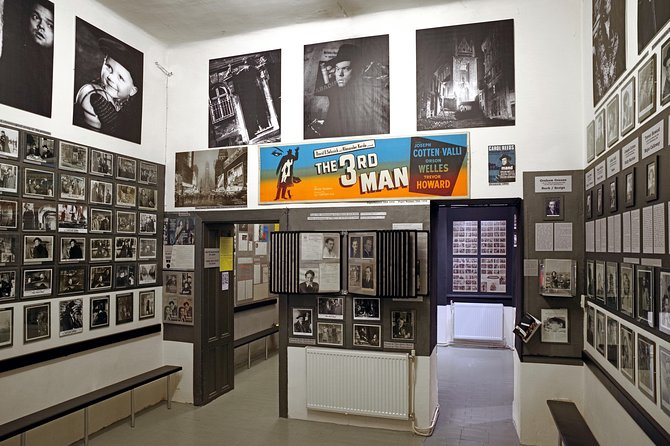
This ticket is open on Saturdays from 2:00 PM to 6:00 PM (for the stated operating dates). That’s not a deal-breaker—just a planning rule. If you’re in Vienna on a weekday, this may not work for your dates.
The ticket is a mobile ticket, which is handy. You won’t have to chase a printed voucher. Confirmation happens when you book, so you’ll want to make sure your phone is charged and you can access the ticket at the entrance.
Also, you’ll be visiting near public transportation, so you can pair it with other central stops without needing a car.
Inside the 13–16 room exhibition: occupied Vienna, 1945–1955
The museum experience is organized as a guided story through its rooms, designed to give you an impression of daily life in occupied Vienna from 1945 to 1955. That matters because The Third Man isn’t just a mystery with great lines. It’s built on a very specific postwar atmosphere.
One of the best ways to approach this kind of exhibition is to treat it like “film history with a street-level view.” You’re moving from display to display, but the goal is to understand the setting and the period pressure that shaped what audiences saw.
Because it’s spread across multiple rooms (the information you’ll see references thirteen rooms, and the layout is also described as sixteen-room coverage), give yourself enough time to shift gears. Early rooms can feel like setup—context and backstory—then later rooms start to connect the artifacts more directly to how the production created its world.
The objects I’d prioritize first: zither, scripts, cameras, projector
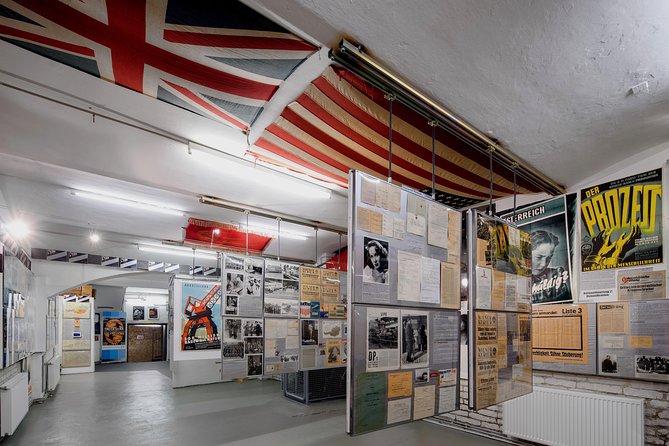
If you’re the type who likes to scan a museum quickly but stop hard for a few standout pieces, this is exactly that kind of place. Several items are listed as key exhibits, and they’re the ones that make the museum feel unusually “real.”
Here are the high-impact artifacts to look for:
- Anton Karas’s original zither
This is the instrument associated with the music recording in London. Seeing the zither turns the film’s iconic sound from an effect into a physical object.
- Original film scripts
The exhibition includes scripts from first draft through the final release script. That’s fascinating because it shows the movie wasn’t just “made once”—it evolved. If you like how stories change during development, this is a strong section.
- Two cameras rented by the crew in Vienna for special effects
This is one of those details that makes film history click into place. Instead of treating special effects as “magic,” you can see that real equipment and real logistics played a role in creating the look.
- A fully functional projector: Ernemann VIIb (dating from 1936)
A working projector is more than a prop. It reminds you how filmmaking and exhibition technology shaped what was possible and what audiences experienced.
- The original cap from Little Hansel
Props like this help you understand how the film used recognizable character details to make the world feel specific and memorable.
- Historic posters, lobby cards, and cinema programs
These are great for grounding the film in the way it was marketed and shown at the time.
If you go in with a plan—start with the zither and scripts, then circle back to cameras and projector—you’ll get a satisfying arc. You’ll understand the sound, the writing process, and the technology behind the scenes.
How film-making meets postwar reality: why the museum structure works
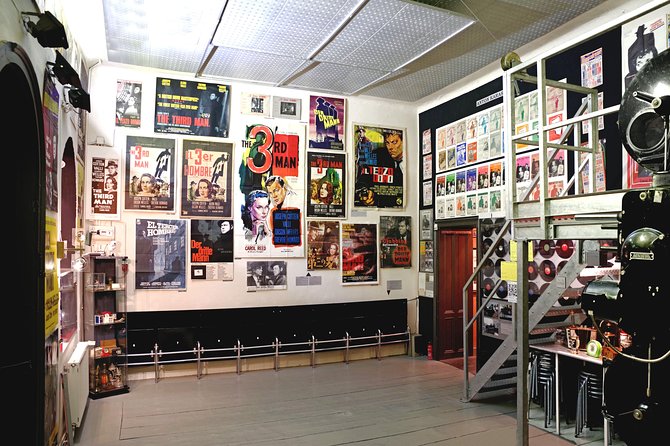
What I find smart about this museum is that it doesn’t treat The Third Man as a sealed cinematic artifact. Instead, it uses the exhibition to connect the movie to the era it’s tied to.
The museum’s focus on occupied Vienna from 1945–1955 helps you read the film’s atmosphere with more context. You’re not just collecting trivia. You’re learning what the backdrop meant, and how that backdrop bled into the storytelling.
Even the production items reinforce this idea. The zither ties the music to the London recording context, while the cameras and special effects equipment tie the production back to Vienna. That cross-city production story fits the movie’s tone, which constantly feels like it’s working between worlds: fear and style, shadow and detail.
You can also read our reviews of more museum experiences in Vienna





The staff touch: attention to detail and a welcoming feel
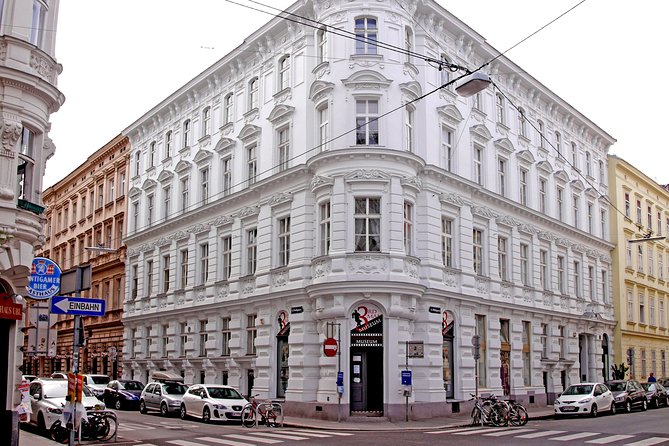
The reviews highlighted something important: the collection is built with care, with a strong emphasis on details. One reviewer also specifically called out the museum leadership and staff as very nice and accommodating.
Even if you’re not the “read every line” type, that kind of visitor experience matters. Museums can sometimes feel cold, like you’re moving through glass cases. Here, the tone appears to be more human—helpful enough that you don’t feel stuck if you want clarification on what you’re seeing.
That’s especially valuable for a museum where you’ll see specialized film-related objects. When people are easy to talk to, you can turn your visit from passive looking into active understanding.
Price and value: is $20 worth it?
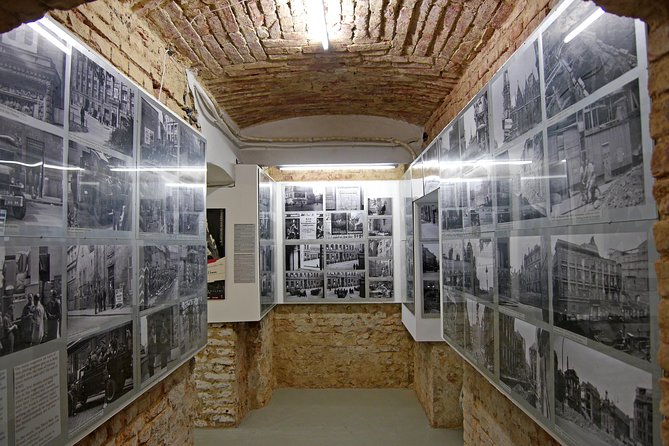
At $20, this ticket sits in the “worth it if you’ll actually use it” category. The reason I’d call it good value is that the admission isn’t just access to a generic exhibit. You’re paying for a museum experience built around originals and production-linked items: scripts, cameras, a projector, and the zither.
Also, the time commitment matches the ticket price. A 1 to 2 hour visit fits easily into a typical day of sightseeing. You’re not paying for something you’ll feel obligated to race through.
If you’re only casually aware of The Third Man, you might still enjoy the historical atmosphere and the object-focused exhibits. But if you love film trivia, scripts, and behind-the-scenes gear, you’re likely to feel the ticket was money well spent.
Practical visit tips for a smooth museum hour
A few practical tips can make your time go better:
- Plan your visit around Saturday 2–6 PM so you don’t waste your day window.
- Use your 1–2 hours wisely: start with the items you most care about, then move outward into the broader context rooms.
- Take your time with the scripts and posters if you like tangible context. Reading short sections plus looking at objects tends to work best here.
- Pair with transit-friendly stops since the museum is described as near public transportation.
Because this is a private tour/activity that includes only your group, you should feel less rushed than in a big, mixed crowd situation. That’s not the same as a guided tour, but it still usually means a calmer pace.
Who should book this Third Man Museum ticket?
This works best if you fit one (or more) of these profiles:
- You’re a The Third Man fan and want more than scenes and quotes.
- You’re interested in World War II era context, especially the feel of postwar Vienna.
- You like museum visits where you can see the physical side of filmmaking: instruments, scripts, cameras, and projection equipment.
Who might not love it? If you want a large, multi-theme museum day, this is more single-focus. It’s built around one film and its world. That can be perfect—or it can feel narrow—depending on what you came to Vienna for.
Should you book the Third Man Museum Admission Ticket Vienna?
I’d book it if you want a focused, high-detail museum that mixes film artifacts with the postwar setting that shaped the movie. The presence of original pieces like Anton Karas’s zither, script drafts, cameras rented for special effects, and an Ernemann VIIb projector makes this feel concrete rather than purely interpretive.
Skip it only if your dates don’t line up with Saturday 2–6 PM, or if you’re not interested in film-making history at all. Otherwise, for $20 and a short visit, it’s one of those Vienna stops where the details do real work.
FAQ
What does the Third Man Museum admission ticket include?
The ticket includes the entrance fee to the Third Man Museum.
How long should I plan to spend at the museum?
Plan on about 1 to 2 hours for the visit.
Is the ticket mobile?
Yes, the admission ticket is listed as a mobile ticket.
When is the museum open for this ticket?
The opening hours listed are Saturdays, 2:00 PM to 6:00 PM during the stated operating period.
What are some of the standout items inside?
The exhibition includes items such as Anton Karas’s original zither, original film scripts, two cameras rented in Vienna for special effects, a Little Hansel cap, a functional Ernemann VIIb projector (from 1936), and historic posters/lobby cards/cinema programs.
Is transportation provided?
No. Food and drinks and transportation to/from attractions are not included.
What’s the cancellation policy?
You can cancel for free up to 24 hours in advance for a full refund. If you cancel less than 24 hours before the experience’s start time, the amount paid isn’t refunded.