REVIEW · VIENNA
Private tour of historical Vienna with Jan
Book on Viator →Operated by Jan Kepinski · Bookable on Viator
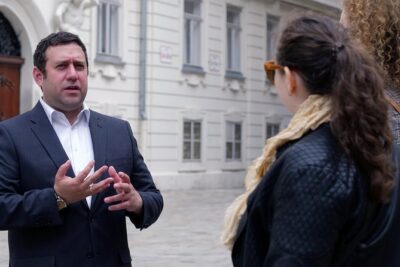
Vienna makes sense on a private walk. Private historical touring with Jan turns the old streets of Vienna into a story you can actually follow, from Hofburg courtyards to St. Stephen’s Cathedral and then out toward Naschmarkt. You get a focused orientation in the historical center, with Jan Kepinski guiding in English and keeping the pace right for your group.
What I really like here are two things: first, the way the route mixes big landmarks with practical stops, so you learn what matters and still have time to move like a local. Second, the tour leans into Vienna’s everyday rhythm—architecture, dynasties, and even a proper coffee-house break at Conditorei SLUKA. It’s designed for people who want meaning, not just dates, and you’ll finish with an easy plan for dinner at the market end point.
One possible drawback: this is a walking tour built around key sights and viewpoints, with much of the time spent outdoors and around courtyards. If you’re hoping for a heavy, inside-only museum day, you might want to pair it with separate ticketed visits later.
In This Review
- Key highlights to look for
- Why this private Vienna history walk beats the big-group grind
- At a glance: time, price, and where the walk finishes
- Stop 1: Historic Center of Vienna from Stephansplatz style landmarks
- Stop 2: Hofburg Palace courtyards and the Habsburg patchwork
- Stop 3: Heldenplatz and the National Library backdrop
- Stop 4: Maria Theresien Square, twin museums, and the modernization story
- Stop 5: Conditorei SLUKA for an Art Nouveau coffee-house break
- Stop 6: St. Stephen’s Cathedral, styles over time, and rebuilding after war
- Stop 7: The Jesuit Church for baroque drama without the usual crowds
- Stop 8: Stadtpark and the Ringstrasse side of Vienna
- Stops 9: Graben and Kohlmarkt, plague column history, and high-end street energy
- Ending at Naschmarkt: your built-in dinner plan
- Who this tour suits best (and who should think twice)
- Should you book Private Historical Vienna With Jan?
- FAQ
- How long is the Private Historical Vienna tour?
- What is the meeting point and where does the tour end?
- Is pickup offered?
- Is the tour private?
- What language is the tour in?
- How many people can be in a group?
- Does the tour include admission tickets?
- Is a mobile ticket provided?
- Are service animals allowed?
- Is cancellation free?
- Is gratuity included?
Key highlights to look for
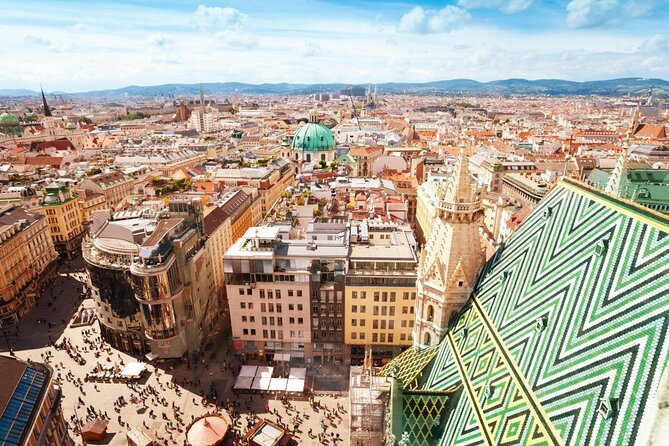
- Private pacing with Jan: your group only, with time to ask questions and shape the walk to your interests
- A tight old-town orientation: Stephansplatz to Hofburg and onward through the Ringstrasse edge
- Habsburg context in the courtyards: Hofburg as a patchwork of eras and rulers
- Architecture with built-in stories: Heldenplatz, Maria Theresien Square, and the plaza-to-cathedral flow
- A classic Viennese coffee-house stop: Conditorei SLUKA’s Art Nouveau interior for strudel-and-coffee energy
- A smart ending point: Nazchmarkt is right where you’ll want to eat after a walk
Why this private Vienna history walk beats the big-group grind
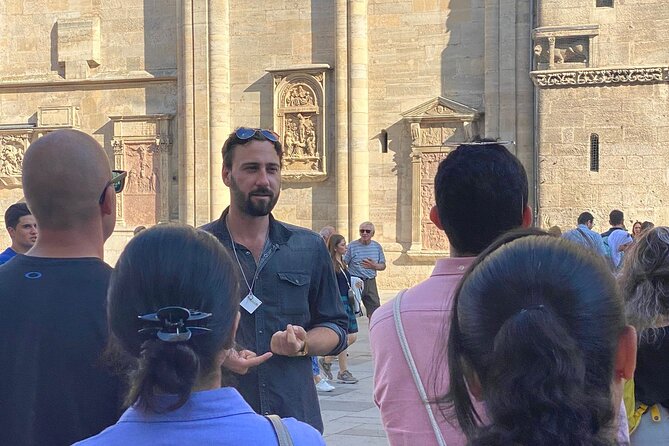
Big bus tours can be fine if you want a quick checklist. But Vienna rewards slower looking: why a facade is the way it is, how power shifted, and how the city reassembled itself after hard times. This private format gives you that breathing space.
You also skip the most annoying part of large groups: standing still while the crowd funnels through the same photo spot. Here, the flow is built around a walk through the historic downtown area, with short stops that add up to real direction for your next days in the city. Jan’s role is less about reciting facts and more about making the streets readable.
The reviews make one theme loud and clear: Jan is engaging, asks-and-answer friendly, and keeps the pacing light. Even when topics turn dark, the tour doesn’t feel heavy. That matters in Vienna, where history is right there on the walls.
You can also read our reviews of more private tours in Vienna

At a glance: time, price, and where the walk finishes
The tour runs about 2 to 3 hours. That’s a great length for a first day if you arrive tired, or for your second-to-last day when you want to connect landmarks you already saw.
Price is $432.53 per group (up to 10). For solo travelers, it’s clearly not the cheapest option. But for a small family or a group of friends, it can be good value because you’re paying for a licensed guide and a private route, not per-person ticketing. Here’s the math to help you decide: if you max out at 10 people, it works out to about $43 per person; if you’re a group of 4, it’s about $108 per person. The private element is why the price is what it is—this is about getting the guide’s time, not just a landmark circuit.
The tour starts at Stephansplatz and ends at Naschmarkt. That end point is practical: you’ve walked the history, and then you step right into a place where you can keep the evening going with food.
Pickup is offered, and a mobile ticket is part of the setup. English is the guided language. If you’re using public transit, the meeting point area is near it, so you’re not stuck on a far corner of the map.
Stop 1: Historic Center of Vienna from Stephansplatz style landmarks
The tour begins in Vienna’s old-town core, where the city layout does a lot of teaching for you. Jan uses this start to set the big picture: how Vienna grew, what made it such a long-running political and cultural center, and what you’ll want to look for as you keep walking later on your own.
This is also where the tour’s “why Vienna is livable” angle shows up. It’s not just a history lecture. You’ll get hints about where people eat, what shopping streets feel like, and what parts of the center are best for your schedule. That kind of orientation is hard to get from a quick self-guided pass.
A key value here: you’re learning the layout early. Once you understand which streets connect to which plazas and squares, Vienna stops feeling like a maze. And because the tour is private, Jan can slow down if you’re asking questions like how one area relates to another.
Stop 2: Hofburg Palace courtyards and the Habsburg patchwork
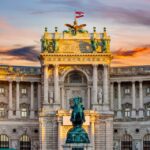
Next comes the Hofburg, the former grand palace of Austria’s rulers. The important detail isn’t just that it’s historic—it’s that it’s a patchwork. Different wings and palace buildings came from different periods and rulers, which is a big clue about how power evolved over time.
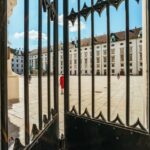
This stop focuses on the outer courtyards. That’s a smart choice when you want context without turning the tour into an all-day museum marathon. You can still get the feel of the palace complex and absorb the Habsburg story as you stand in the spaces the dynasty shaped.
If you like dynasties, architecture, or political history, this is where the tour can click for you. Jan’s storytelling style is built for exactly this kind of place: you don’t just see stone, you learn what it signaled and why people cared.
Stop 3: Heldenplatz and the National Library backdrop
Then you hit Heldenplatz, also known as the Hero’s square. It’s one of the best spots for catching the grandeur of Viennese historic architecture in one frame. Jan uses the square to guide your attention: what looks “monumental” isn’t random, and the stories tied to it explain why.
This is a short stop, but short doesn’t mean shallow. You’ll be positioned for views that help you understand Vienna’s official style—big symmetry, strong axes, and buildings that were designed to represent power.
There’s also the National Library palace presence nearby, which helps you see how cultural institutions were part of the same worldview as royal sites.
You can also read our reviews of more historical tours in Vienna

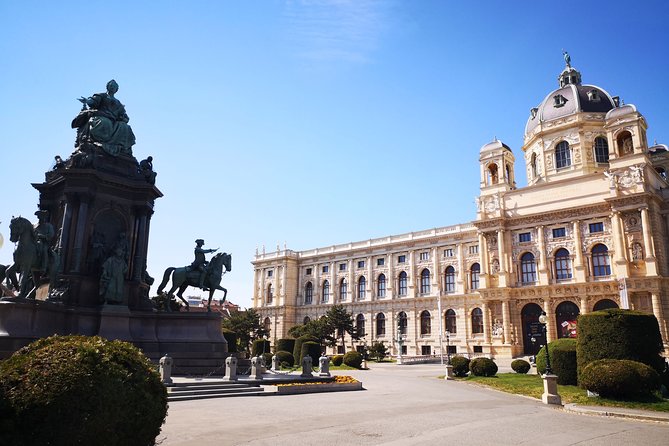
Stop 4: Maria Theresien Square, twin museums, and the modernization story
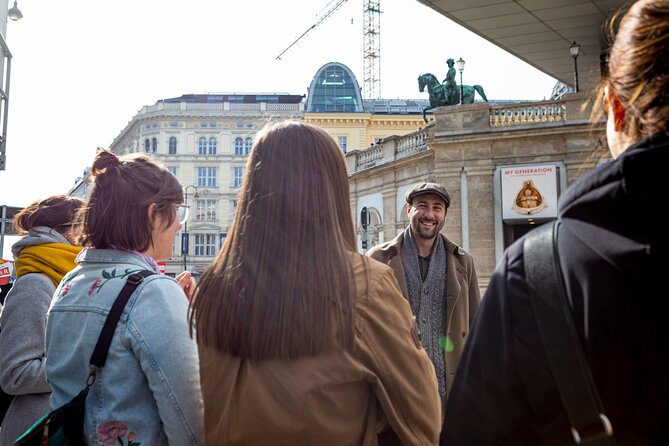
Maria Theresien Square adds a different layer: not just rulers and palaces, but the way modernization happened under Maria Theresia. The square is lined by the twin museums—Natural History and Art History—so you can link education and empire in your head while you stand there.
Jan connects the dots between her reign and the long process of modernization that supported a more centralized state and helped a new middle class rise, especially bureaucrats. It’s a human-scale explanation of political structure: how governance changes daily life and opportunities.
This is the kind of stop that’s easy to skip if you’re rushing for photos. Don’t. It’s one of the clearest “story moments” in the route because the square is literally built around themes—rule, learning, and culture.
Stop 5: Conditorei SLUKA for an Art Nouveau coffee-house break
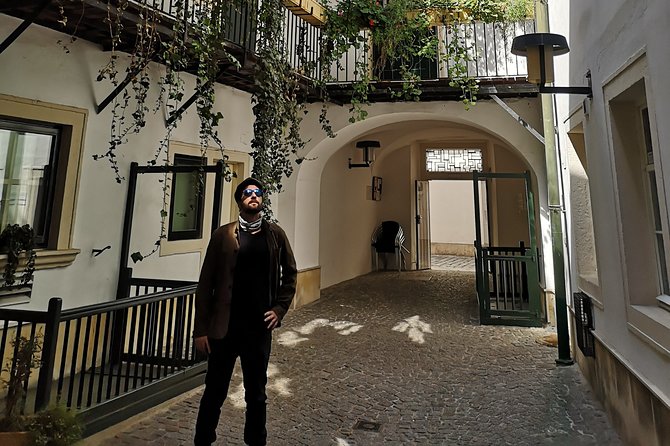
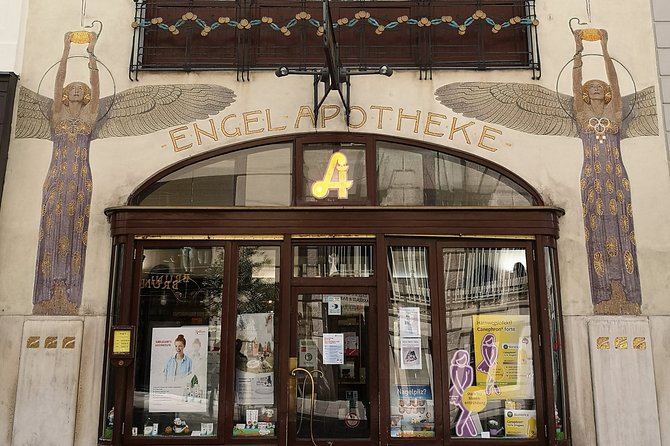
Around the mid-point, you take a break at Conditorei SLUKA. This is where the tour becomes more than just standing in history. Vienna’s coffee-house culture is part of why the city feels livable, and SLUKA’s end-of-the-century Art Nouveau interior gives you that sense of style with a seat at the table.
This stop is practical: after a couple of hours walking, you need a reset. And it’s also cultural. Coffee-house time in Vienna isn’t just about caffeine—it’s about the social habit of lingering, chatting, and thinking.
In the experience feedback, people specifically mention breaks for coffee and cake, and even suggestions like baking stops when the timing works for families. So if you’re traveling with kids or you’re the type who gets hangry on schedules, this style of pacing is a big plus.
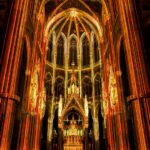
Stop 6: St. Stephen’s Cathedral, styles over time, and rebuilding after war
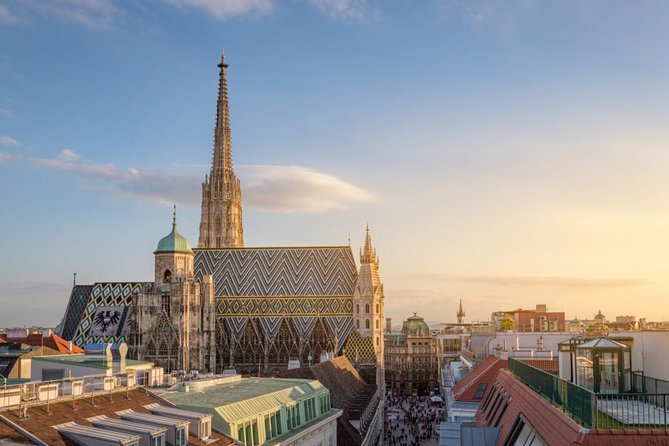
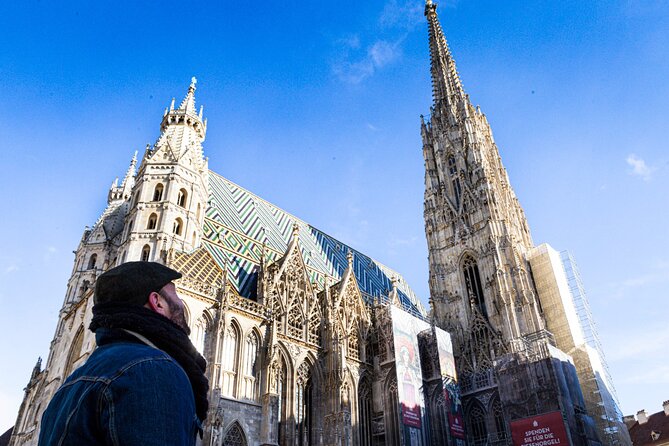
Next is St. Stephen’s Cathedral, the spiritual and geographical heart of Vienna. The cathedral’s construction spanned decades and multiple styles, so it’s a living timeline in stone. That alone is a reason to stop, even if you’ve seen it from the outside before.
Jan also frames the cathedral through the post-war reconstruction story—how it reflects cooperation and a future-focused mindset even in a city that had been torn by war. That angle changes how you look at the building. You’re not just admiring architecture. You’re seeing how people rebuilt meaning.
A nice touch from the guide’s approach: the tour can include little prompts that help you notice details, so you feel like you’re spotting clues instead of just being told what to see.
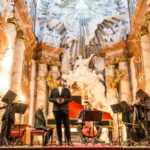
Stop 7: The Jesuit Church for baroque drama without the usual crowds
Then comes the Church of the Jesuits, a baroque highlight that many people miss simply because it isn’t the loudest name on the postcard list. The tour points it out as one of the finest baroque churches in Vienna and notes it’s often less visited.
This stop is short, but it’s built for impact. You’ll get that flamboyant baroque feel—big visual energy, dramatic design, and a sense of theatrical devotion.
If you’re the type who likes to compare styles—cathedral calm versus baroque intensity—this is a great contrast stop. And because it’s paired after St. Stephen’s, it helps you understand how Vienna’s religious architecture can swing between different emotions and goals.
Stop 8: Stadtpark and the Ringstrasse side of Vienna
After the old-town intensity, the route moves into a calmer pause: Stadtpark, along the southern part of the Ringstrasse boulevard. This is where you escape narrow streets for a green break.
Jan’s framing ties the park to Vienna’s “golden age” figures—painters, musicians, and politicians—so the park becomes a mini lesson in who shaped the city’s culture. Even if you only take in the views for a few minutes, the stop does its job: it refreshes you before the final stretch.
A green pause also helps with pacing. By the time you hit the shopping streets, your feet and attention usually have more life left.
Stops 9: Graben and Kohlmarkt, plague column history, and high-end street energy
The walk finishes with the old town’s shopping streets: Graben and Kohlmarkt. These are high-end corridors lined with luxury brands and coffee houses, which means the street scene feels polished and busy in a way that’s still distinctly Viennese.
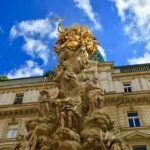
Graben specifically includes a baroque plague column that commemorates survival after a devastating plague at the end of the 17th century. That’s one of those details you won’t notice fast on your own, and it adds weight to the street. You’re walking where people once learned what survival required—then later learned how style and commerce express power.
This part is also great for mapping. After your tour, you’ll know where to return for a late afternoon browsing session or a coffee break that doesn’t require guesswork.
Ending at Naschmarkt: your built-in dinner plan
The tour concludes at Naschmarkt, the famous open-air food market. Ending here is smart because it stops the tour from feeling like a one-way history drop. You’ve already seen the architectural and political backbone of the city, and now you get a place to eat and keep exploring in a more casual way.
Naschmarkt is also where you can shift from “tour mode” to “wander mode.” You’ll have context for what you’re looking at, but you can keep it light with food, snacks, and people-watching.
If your trip rhythm tends to fall apart after a long travel day, this ending point is a lifesaver. You don’t have to solve dinner logistics after the walk.
Who this tour suits best (and who should think twice)
This private historical walk works best if you want:
- A clear orientation in central Vienna without rushing through too many sites
- A guide like Jan who can answer questions and connect the story to what you see
- A mix of architecture, dynastic history, and Vienna’s daily culture
- A pace that includes breaks, including a coffee-house stop at SLUKA
It might not be ideal if:
- You want mostly indoor museum time and long-ticket lines (this tour is structured for outdoors, courtyards, and short stops)
- Your group expects the day to be a sprint of many entrances rather than a guided flow through major sight areas
One more real-world factor: this is a walking tour. If your group has mobility limits, you’ll want to be honest about stamina.
Should you book Private Historical Vienna With Jan?
Yes—if your goal is to understand Vienna fast, while still enjoying it. The private setup, the English guidance, and the route from Hofburg to St. Stephen’s plus the coffee-house break give you a strong first-picture of the city. You also get a finish at Naschmarkt, so the tour naturally turns into dinner plans instead of ending in a dead zone.
If you’re traveling solo on a tight budget, it may feel pricey. But for families, couples, or small groups who want a guide’s attention and a well-paced walk, it’s a solid use of your time.
FAQ
How long is the Private Historical Vienna tour?
It runs about 2 to 3 hours.
What is the meeting point and where does the tour end?
It starts at Stephansplatz, 1010 Wien, Austria and ends at Naschmarkt, 1060 Wien, Austria.
Is pickup offered?
Yes, pickup is offered.
Is the tour private?
Yes. It’s private, and only your group participates.
What language is the tour in?
The tour is offered in English.
How many people can be in a group?
The price is per group for up to 10 people.
Does the tour include admission tickets?
The stops listed on the tour show Admission Ticket Free.
Is a mobile ticket provided?
Yes, mobile tickets are provided.
Are service animals allowed?
Yes, service animals are allowed.
Is cancellation free?
Yes. You can cancel up to 24 hours in advance for a full refund.
Is gratuity included?
No. Gratuity is not included.