Vienna’s courtyards teach you how to see Vienna. This 2-hour small-group walk links famous landmarks with calmer, courtyard-style detours, and I especially liked the way you get architecture plus story in one go, and the stop on Mozart’s final residence for the facts-versus-myth angle. One thing to consider: it’s not designed as a long stop-by-stop Cathedral visit, so if you’re hoping for lots of time inside St. Stephen’s, you’ll likely want a separate plan.
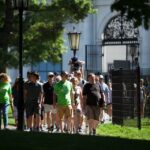
I also like that the route is built for atmosphere—narrow lanes, back courtyards, and street-name clues that turn into real context for daily life in Vienna. Your guide is a certified local (Viennatour Herbert Stojaspal), and the pacing is light enough to stay engaged even when you’re just walking. The only real downside is that the tour isn’t suitable for wheelchair users or people with mobility impairments, and it also doesn’t work well if you show up with large bags.
In This Review
- Key highlights worth showing up for
- Courtyards are Vienna’s secret study rooms
- Meeting near St. Stephen’s and getting your bearings fast
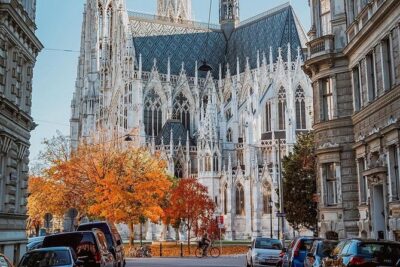
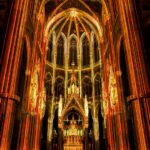
- St. Stephen’s Cathedral area: beyond the postcard view
- Mozart’s final residence: myth checks with real context
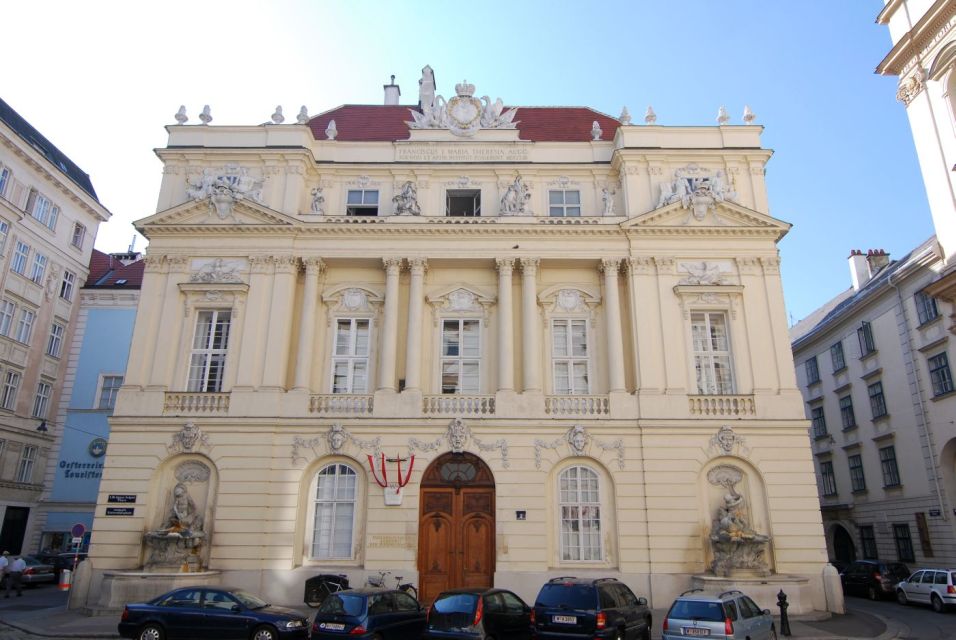
- Palais Neupauer-Breuner and the Deutsches Haus: architecture you can read
- Blutgasse and Domgasse: street names that turn into mini history lessons
- The house where the cow plays on the board
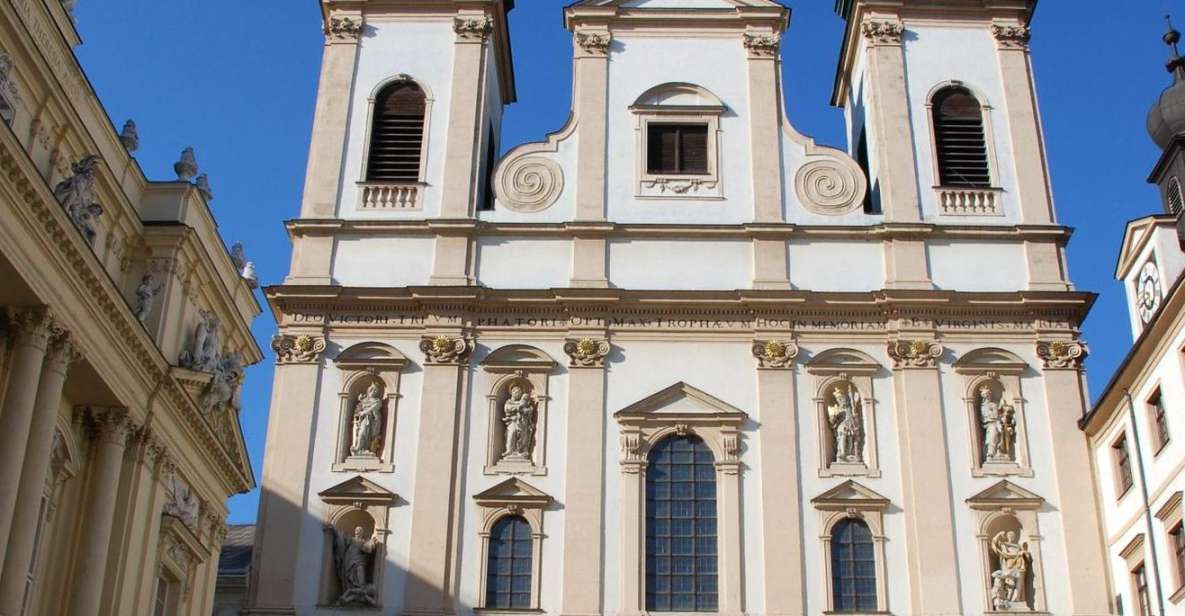
- Old university district and the Jesuit Church: learning centers and belief centers
- Franciscan Church and Monastery: a calmer reset
- Finishing near Dr.-Karl-Lueger-Platz
- Traditional Viennese food and stories you can actually remember
- Price and what $34 buys you for a 2-hour walk
- Who this tour suits best (and who should skip it)
- Should you book this Courtyards and Hidden Places walking tour?
- FAQ
- How long is the Vienna Courtyards & Hidden Places Walking Tour?
- What is the price per person?
- Where does the tour start?
- Where does the tour end?
- Is the tour offered in English?
- Is the tour in all weather?
- Is it a small group tour?
- Can I bring luggage or large bags?
- Are audio recordings allowed?
- Do I need to take Part 1 first?
- Is it suitable for children or wheelchair users?
Key highlights worth showing up for
- Back courtyards with legends that explain what you’re actually looking at
- St. Stephen’s Cathedral area plus smart orientation at Stephansplatz
- Mozart’s final residence, with a truth-focused take on his final years
- Architectural stops like Palais Neupauer-Breuner and the Deutsches Haus
- Street names with stories, especially along Blutgasse and Domgasse
- Franciscan Church and Monastery for a quiet reset from the crowds
Courtyards are Vienna’s secret study rooms
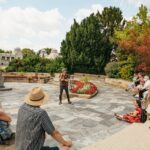
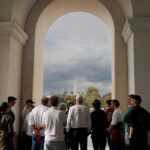
Vienna can look like one long postcard, but courtyards are where the city loosens its tie. You walk into calm pockets behind front doors and window grids, and you suddenly understand why these spaces mattered to everyday life—work, neighbors, routines, and survival through different eras.
This tour does a nice job mixing mood with meaning. I like that you’re not only told what a building is—you get the why, including legends tied to the places you pass. And because it’s a walking tour, the stories aren’t trapped in a lecture. They happen while you’re staring at the details.
One more practical point: the walk is scheduled for all weather, so bring what you need for rain or wind. The small-group format helps here too; you’ll usually hear the guide clearly as you move.
You can also read our reviews of more walking tours in Vienna

Meeting near St. Stephen’s and getting your bearings fast
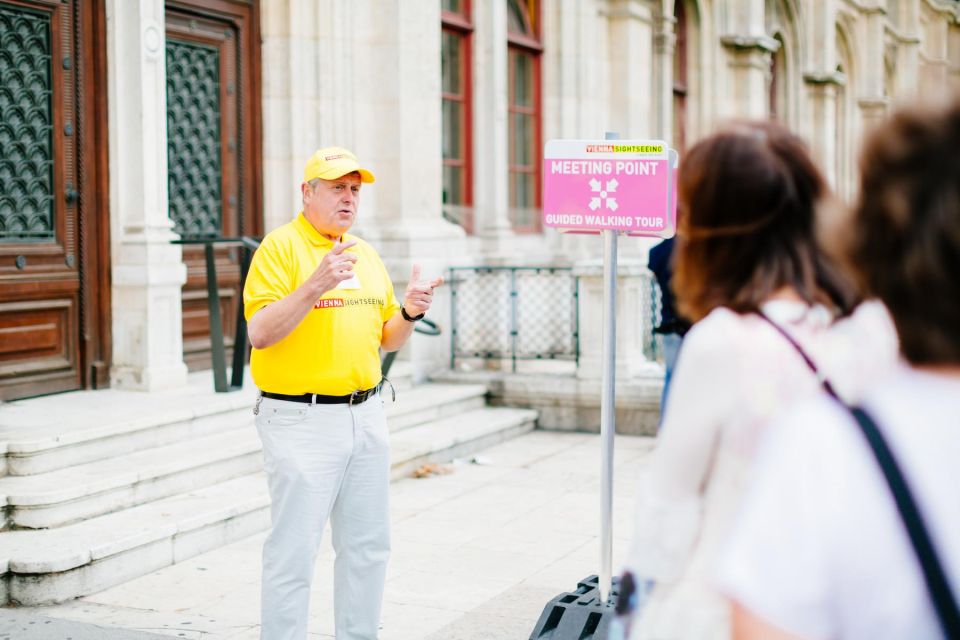
You’ll start around Stephansplatz / St. Stephen’s Cathedral (the exact meeting point can vary by the option you book). This is smart, because it gives you a central “map” before the tour spreads into smaller streets and courtyards.
St. Stephen’s is the obvious headline, but what makes this stop useful is the orientation. The guide helps connect the cathedral area to the surrounding streets and districts you’ll be walking through later—so you don’t feel like you’re just hopping between famous spots. Even if you don’t plan to go inside during the walk, you’ll understand the geography of the old center much better when you leave.
If you’re the type who likes to look up at façades and street levels, you’ll enjoy this part. If you’re expecting long time at the cathedral itself, plan to treat it as an anchoring moment rather than the main event.
St. Stephen’s Cathedral area: beyond the postcard view
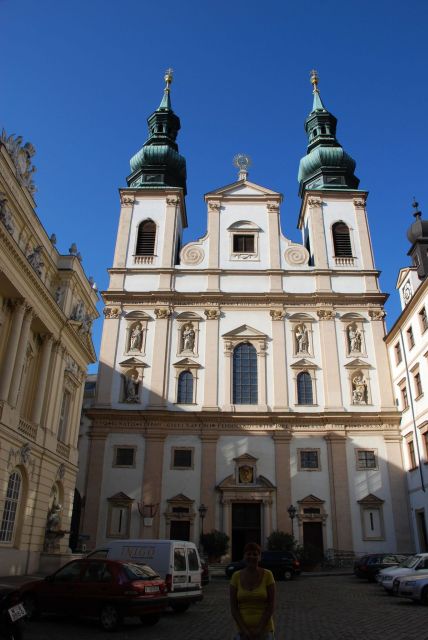
St. Stephen’s is so famous that it can become background noise. Here, the tour approach is more “read the street” than “tour the interior.” You’ll learn what makes the cathedral area significant, and you’ll also see how the city’s old structure guided movement—who went where, and why the lanes and squares formed the way they did.
That matters because Vienna’s charm isn’t only in the big monuments. It’s in the system around them: side streets that lead to quieter places, and courtyards that reveal the city behind the city. By the time you’re done with this stretch, you’re usually looking at the same views with different eyes.
Mozart’s final residence: myth checks with real context
One of the tour’s biggest draws is the stop at Mozart’s final residence. This is where the guide’s story style really helps. You’re not just hearing name-drops—you’re getting a truth-focused look at Mozart’s final chapter, including what people often get wrong.
Mozart in Vienna can feel like a museum topic until you place him in street-level reality. Standing near his final home area and hearing the guide’s take makes the story less abstract. It also helps you understand how Vienna functioned as a music city in real time: patrons, pressure, and the calendar of performances and commissions.
A small tip for how to enjoy this best: don’t treat it like a quick photo stop. Listen first, then look around—street fronts, windows, and the scale of the lane. That’s where the story starts to click.
Palais Neupauer-Breuner and the Deutsches Haus: architecture you can read
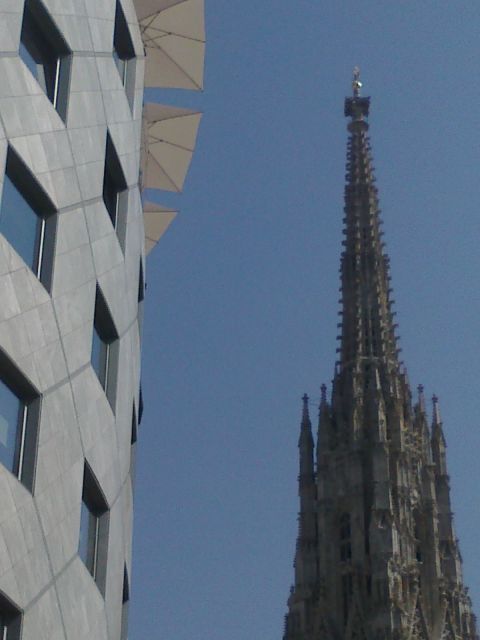
The tour includes standout architectural stops such as Palais Neupauer-Breuner and the Deutsches Haus. These are the kinds of buildings where it’s easy to walk past and think, pretty façade, moving on. The guide changes that by pointing out what you can notice right away—how the building presents power, identity, and place.
This is also where the “courtyards and hidden places” theme turns practical. You start to realize that Vienna’s grand streets and its quieter internal spaces weren’t separate worlds. They were linked—one representing status and one representing daily operations.
If you love architecture without needing to be a specialist, you’ll have a good time here. The explanations are built for regular visitors: you get what to look for and why it matters in plain terms.


Blutgasse and Domgasse: street names that turn into mini history lessons
As you move along lanes like Blutgasse and Domgasse, the tour leans into something I find very Vienna: street names that carry old meaning. You’re not just walking; you’re decoding.
These stops are valuable because they’re a break from the big-sight rhythm. A palace is impressive, but a street-name legend gives you a different kind of understanding—what people believed, what they feared, what they joked about, and how the city’s past sticks around in language.
The best part is that it makes your next turn more intentional. Once you’re hearing the meanings behind the names, your brain starts sorting the city in a new way.
The house where the cow plays on the board
The tour also includes a stop connected to the house known as the Where the cow plays on the board place. It’s the kind of detail you’d otherwise miss entirely, but it works for two reasons.
First, it adds humor to the walk. Vienna can be heavy, and moments like this give the city room to breathe. Second, it shows how symbolism and folklore attach themselves to real addresses—so the city feels less like architecture and more like a living story.
If you enjoy quirky legends and visual clues, this is one of those “wait, that’s why it’s there” moments.
Old university district and the Jesuit Church: learning centers and belief centers
You’ll also pass through the old university district and visit the Jesuit Church area. These stops help explain why Vienna’s central streets were shaped by more than royalty and commerce. Education and faith also drove movement, architecture, and everyday rhythms.
The university connection is useful because it gives you a different Vienna than the imperial headline. It’s still part of the same center, but the story shifts toward ideas, students, and the flow of people who didn’t belong to the court.
The Jesuit Church stop keeps the balance too. You get a look at how religious institutions influenced not just worship, but urban design—how buildings shaped routes and how squares and side streets developed around major institutions.
Franciscan Church and Monastery: a calmer reset
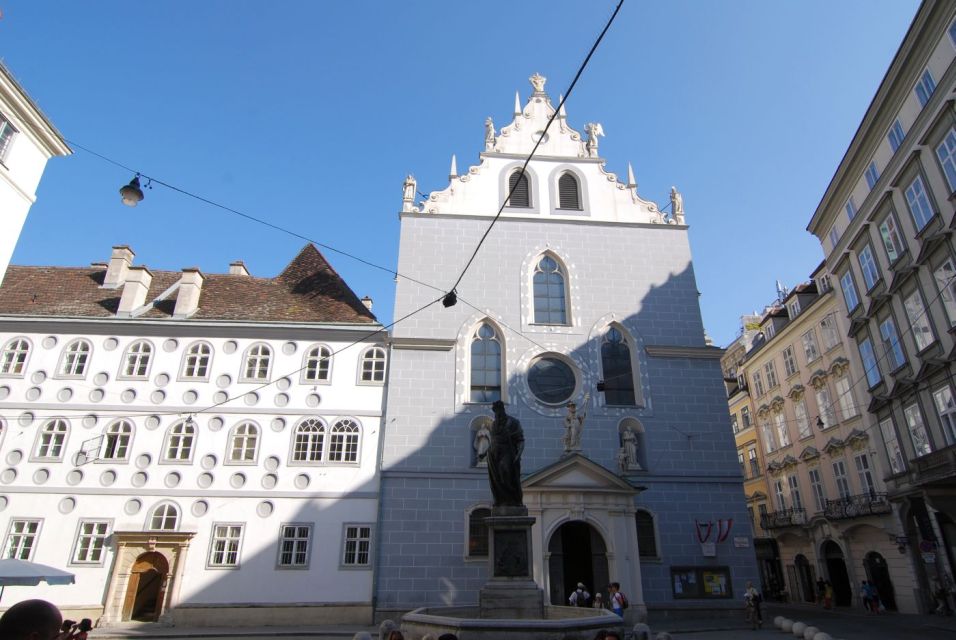
Later, you’ll see the Franciscan Church and Monastery. I like this stop because it functions like a reset button after busier stretches. Even when you’re still in the center of things, the monastery atmosphere tends to slow you down.
This is also a good moment to practice the tour style: look at the details, then listen for how the guide ties them back to the larger story of Vienna. If you’re the type who likes architecture but also wants context, this is one of the best “two-for-one” areas on the walk.
Finishing near Dr.-Karl-Lueger-Platz
The tour ends at drop-off locations around Dr.-Karl-Lueger-Platz 3, 1010 Wien. That’s a handy area to use as a springboard for lunch or a second walk, because you’re still in the inner-city web of transit and streets.
If you’ve got time after the tour, I’d use it to keep following courtyards on your own. Once you’ve learned the pattern—front street, quieter inner passage, small shift in level and light—it’s easier to spot these places without needing a guide.
Traditional Viennese food and stories you can actually remember
Food comes into the tour through traditional Viennese cuisine references. You don’t get a full meal, but you’ll hear the ideas that make Vienna’s food culture make sense in context—how the city’s social life and everyday routines shaped what ends up on plates.
I also like how the guide uses storytelling to keep it memorable. One person specifically liked the way the tour stayed interesting with stories, and that matches the feel here: the guide doesn’t only list sights. They connect them.
Price and what $34 buys you for a 2-hour walk
At $34 per person for about 2 hours, this tour is priced like a “high value orientation plus standout stops” experience. You’re not paying for a long day, but you are paying for a certified guide, live storytelling, and a route that hits famous landmarks and the calmer courtyard spaces most people miss.
For me, the best value part is the combination: you get St. Stephen’s Cathedral area, Mozart’s final residence, and architectural stops like Palais Neupauer-Breuner—then you get the quieter streets and courtyards that make Vienna feel local. If your goal is to get your bearings fast and learn how the city’s past shows up in the present, this price makes sense.
If you’re more interested in spending most of your time inside major sites (rather than walking and looking at exterior spaces), you might want to pair this with separate timed entries. But for a focused 2-hour story walk, the cost feels fair.
Who this tour suits best (and who should skip it)
This tour is a good fit if you:
- like walking tours that mix famous places with lesser-known side routes
- enjoy architectural details explained in plain language
- want a story-led approach to Mozart’s final residence and Vienna’s older neighborhoods
- are comfortable with a small-group format and standing/walking for 2 hours
It’s not suitable for children under 12, and it’s not made for wheelchair users or people with mobility impairments. It’s also not ideal if you travel with large luggage, since luggage or large bags aren’t allowed.
Should you book this Courtyards and Hidden Places walking tour?
I’d book it if you want Vienna in story form—courtyards, narrow lanes, and architecture with context—without committing to a long day. The pacing is tight, the guide is local and certified, and the route hits big names like St. Stephen’s and Mozart while still making time for the quieter inner-city spaces that give Vienna its personality.
Skip it if your priority is lots of time inside major sites, or if mobility limits make a standing-and-walking route unrealistic. Also, if you hate listening to guided explanations, know that this is a talk-forward experience.
If you’re on the fence, think of this as a “how to read Vienna” walk. After it, you’ll look at street names, courtyards, and façades with a lot more meaning than you started with.
FAQ
How long is the Vienna Courtyards & Hidden Places Walking Tour?
It lasts 2 hours.
What is the price per person?
The price is $34 per person.
Where does the tour start?
The meeting point may vary depending on the option you book. You should confirm the exact start point when you reserve.
Where does the tour end?
Drop-off is listed near Dr.-Karl-Lueger-Platz 3, 1010 Wien, Österreich.
Is the tour offered in English?
Yes. The live guide offers German and English.
Is the tour in all weather?
Yes, it takes place in all weather conditions.
Is it a small group tour?
Yes, it is conducted in a small group.
Can I bring luggage or large bags?
No. Luggage or large bags are not allowed.
Are audio recordings allowed?
No. Audio recording is not allowed.
Do I need to take Part 1 first?
No. This tour continues from Part 1 provided by the same operator, but it is not a problem if you have not taken Part 1.
Is it suitable for children or wheelchair users?
No for children under 12, and it is not suitable for people with mobility impairments or wheelchair users.
If you want, tell me your travel dates and what you care about most (cathedral time, Mozart, courtyards, or architecture), and I’ll help you decide if this pairs well with your other Vienna plans.