Dessert with a side of transit know-how. I like how this Vienna dessert tour mixes real krapfen-style bakery time with an easy ride system, then lands you at the Naschmarkt area for a final drink. You’re not just collecting sweets; you’re learning how Vienna eats and how to move around it.
One thing to consider: the tour involves a fair amount of walking, and gluten-free options are very limited. If you need step-free pacing or you’re strictly gluten-free, plan ahead.
In 4 districts and 3 tasting modes
- 10th district bakery for local krapfen, especially common around Lent
- 4th district coffee house known for Austrian cakes and strudels
- Naschmarkt finale with browsing energy and a last drink
- Small group (max 10) means you can ask questions and keep up the pace
- Public transport practice using the subway/tram so you can repeat it later
- Dessert-heavy (and filling) with cakes plus a savory Viennese course
In This Review
- A Vienna Dessert Tour That Teaches the City, Not Just Sweets
- The First Stop: Wein@co to Get Your Bearings Fast
- 10th District Bakery Time: Krapfen and a Local Neighborhood Mood
- 4th District Coffee House: Strudel, Cake, and Why It Feels Quiet
- Naschmarkt and the Hipster Finale: A Drink to Reset Your Sweet Tooth
- What You’ll Eat: Cakes, Pastries, Dumplings, Crepes, and More
- The Real Value of $119: Why This Costs More Than a Slice, But Often Less Than You Think
- Pacing and Portion Reality: Come Hungry, But Don’t Plan a Big Dinner
- How the Guide Makes the Difference: Stories, Ordering Help, and Transit Tips
- Who This Tour Suits Best (And Who Might Want Another Option)
- Quick Practical Tips Before You Go
- Should You Book This Vienna Dessert Tour?
- FAQ
- Where is the tour meeting point?
- Where does the tour end?
- How long is the Vienna dessert tour?
- How much does the tour cost?
- How large is the group?
- What language is the guide?
- What’s included in the food and drinks?
- Are metro tickets included?
- Can vegetarians, vegans, or gluten-free travelers join?
- Can I cancel for free, and can I reserve without paying yet?
A Vienna Dessert Tour That Teaches the City, Not Just Sweets
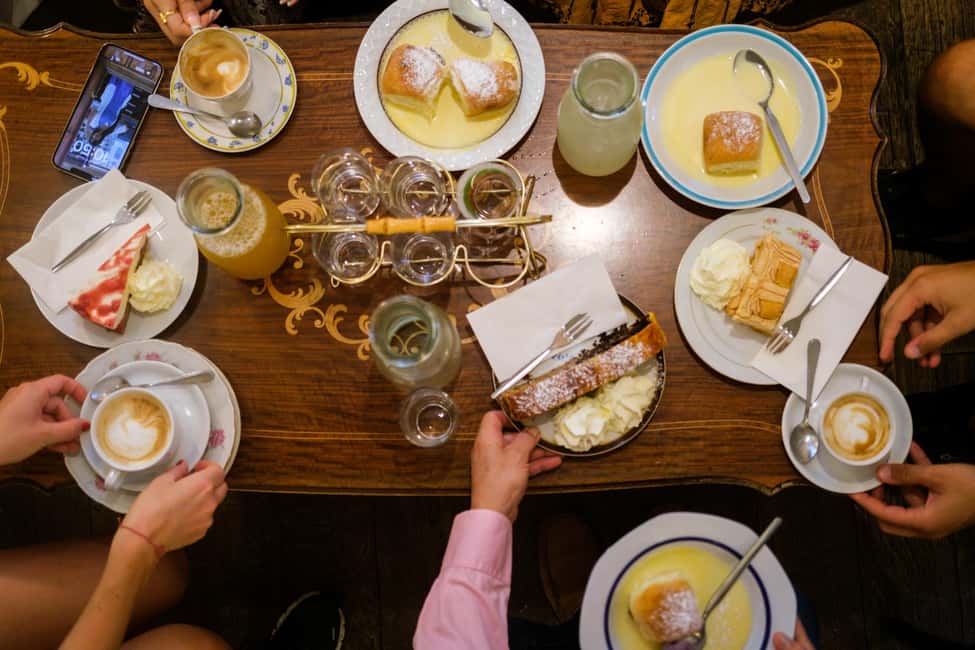
Vienna has a serious dessert culture. What makes this tour feel worth your time is that it pairs classic Austrian baked goods with neighborhood-hopping you can actually copy later. You’ll ride the subway over to the 10th district, then head to the 4th district, and finish in the Naschmarkt area. That routing matters, because the point isn’t to stay stuck in the “see-and-snap” zone.
I also like the practical structure: you’re given enough tastings to understand the range (jam-filled doughnuts, cakes, strudel-type pastries, crepes, dumplings), but the stops are spaced with local context and guidance. Past guides named in reviews include Maria, Patrick, Verena, and Julia—each praised for explaining not just what you’re eating, but why it fits Vienna.
The “dessert + meal” mix is another smart choice. Instead of treating sweets like a sugar sprint, you get a savory dish in a typical Viennese restaurant (goulash or schnitzel or spinach dumplings, depending on the day). That alone keeps the experience from turning into a chaotic sugar overload.
The First Stop: Wein@co to Get Your Bearings Fast
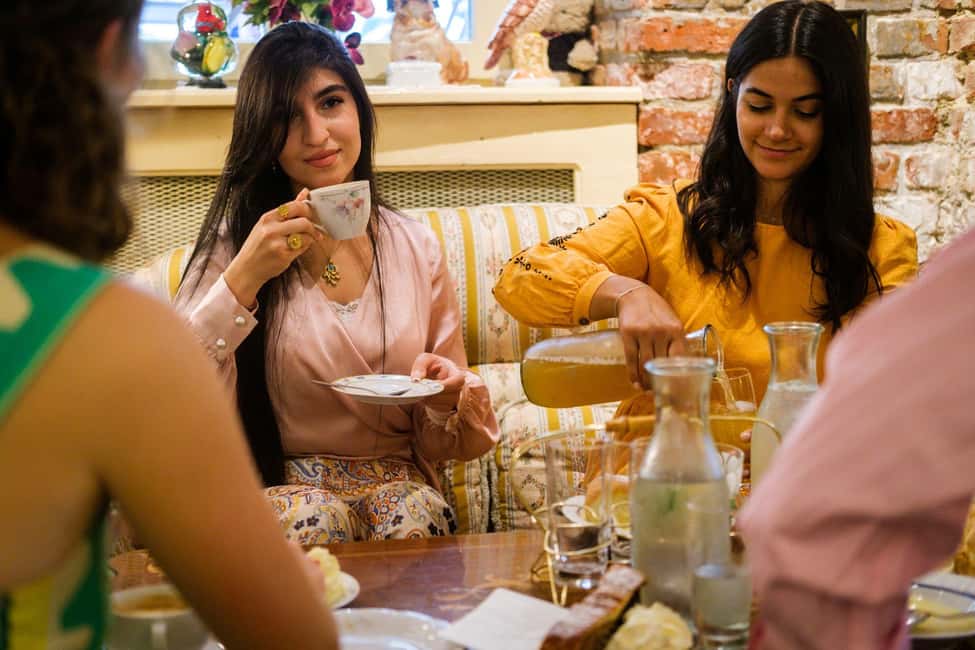
You start right by Wein@co store, Jasomirgrottstrasse 3, and the tour ends back at the same meeting point. That’s a small detail, but it’s the kind that saves you hassle at the end of a food-heavy afternoon.
From there, your guide brings the group into motion on Vienna’s transit network. One of the most praised parts in feedback is the help with public transportation—people call out how useful it is to learn how to use the subway and tram/train lines during the tour. Even if you know Vienna’s map already, I think it’s easier to remember a route when you’re walking out of real stops with a guide pointing out which direction to go.
Practical note: metro tickets are not included. So bring a little buffer for transit costs (whatever pass or ticket system you prefer). The tour gives you the know-how; you provide the fare.
You can also read our reviews of more tours and experiences in Vienna



10th District Bakery Time: Krapfen and a Local Neighborhood Mood
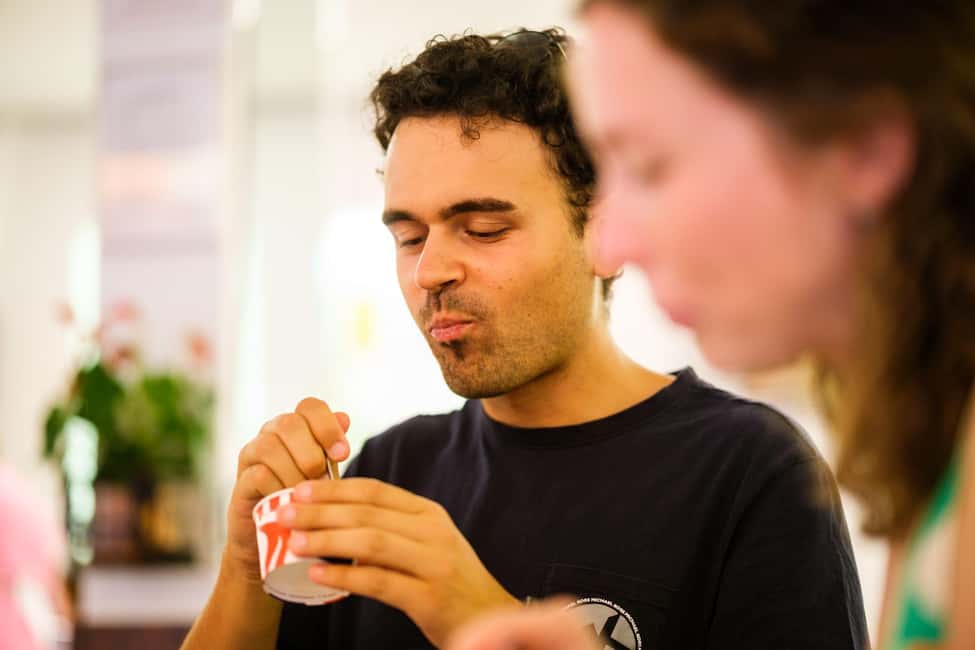
The heart of the tour begins with a family-owned bakery in Vienna’s 10th district. This area is known for being more multicultural than the central tourist strip, and that changes the feel immediately. You’re not just visiting a landmark bakery; you’re stepping into everyday local life.
Here’s what you’ll typically try: krapfen. It’s a jam-filled doughnut sprinkled with sugar, and it’s popular year-round. The guide also points out why it becomes extra common leading up to Lent. That timing matters because it turns a simple pastry into a window on seasonal Austrian food culture—why certain sweets show up when they do.
This stop is also where the “small-group” benefit shows up. With a group limited to 10 participants, your guide can explain differences you might miss on your own: why krapfen is distinct from other fried pastries, how Vienna treats snack-time and dessert-time as part of one continuous food rhythm, and what to look for when you’re comparing bakery styles later.
4th District Coffee House: Strudel, Cake, and Why It Feels Quiet
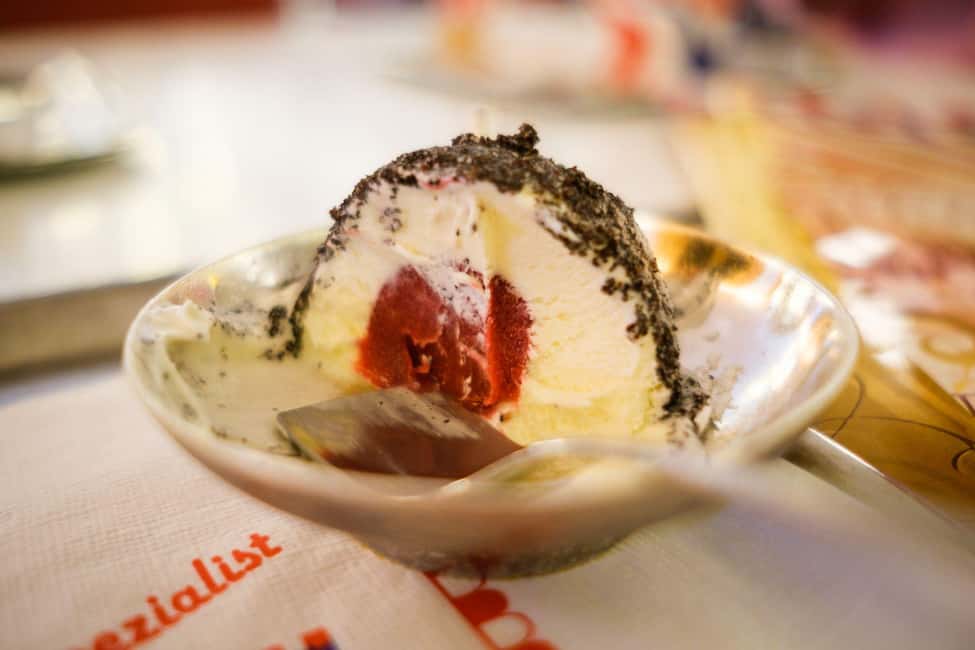
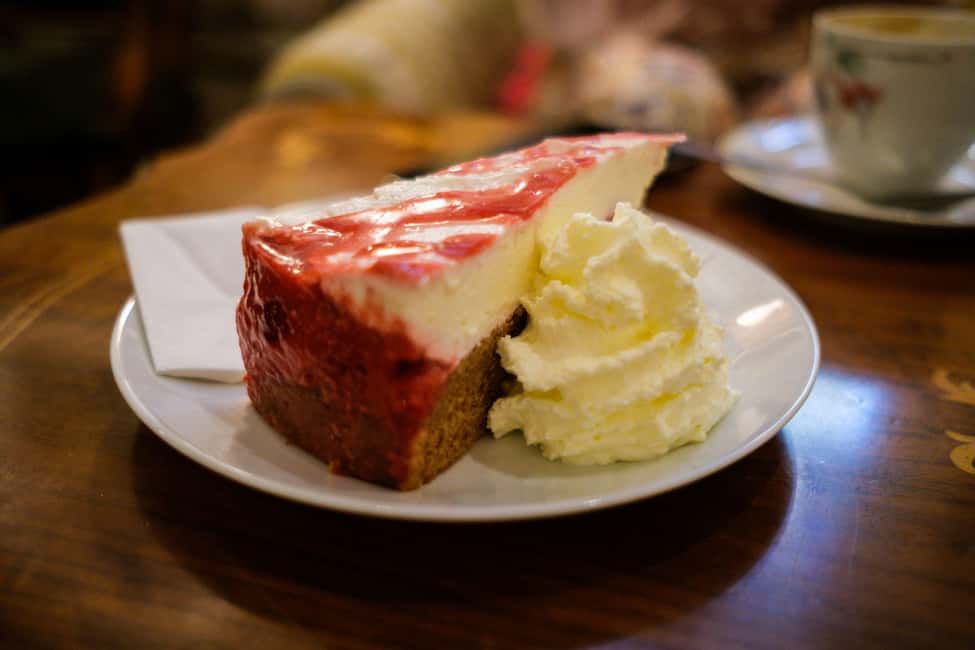
Next you head to the 4th district, to a coffee house that isn’t built for crowds. The tour framing is clear: this place may not be famous in the big tourist sense, but the Austrian cakes and strudels are the point.
Coffee houses in Vienna aren’t just places to drink something warm. They’re social spaces with an old-school pace—one that makes desserts feel like a proper event, not a quick bite. In reviews, people specifically mention learning about coffee culture as part of the stop. That’s useful because it helps you order and linger in a way that feels natural.
What you can look forward to here:
- Austrian cakes and strudels
- Another tasting moment that keeps you learning rather than only “sampling and moving”
Seasonal variations can shift what appears across the tour, but the vibe stays consistent: you’re eating like a local who actually enjoys dessert, not like a tourist chasing a checklist.
Naschmarkt and the Hipster Finale: A Drink to Reset Your Sweet Tooth
Then comes Vienna’s best-known market area: Naschmarkt. You’ll visit it as part of the tour, and it’s a fun stop because the energy is mixed—food, shopping, and people-watching all happening near each other.
The finish includes a drink at a hipster hangout. That last stop does two things well:
- It slows you down after the heaviest tasting portions.
- It gives you a social landing spot where it’s easier to ask the guide questions.
A detail I really like from the feedback: one group said their guide (Maria) helped them select local cheeses in the Naschmarkt area. Even if your group doesn’t focus on cheese, that’s a good sign of how interactive the tour can be—and how the guide’s local instincts help you make choices you might not attempt alone.
What You’ll Eat: Cakes, Pastries, Dumplings, Crepes, and More
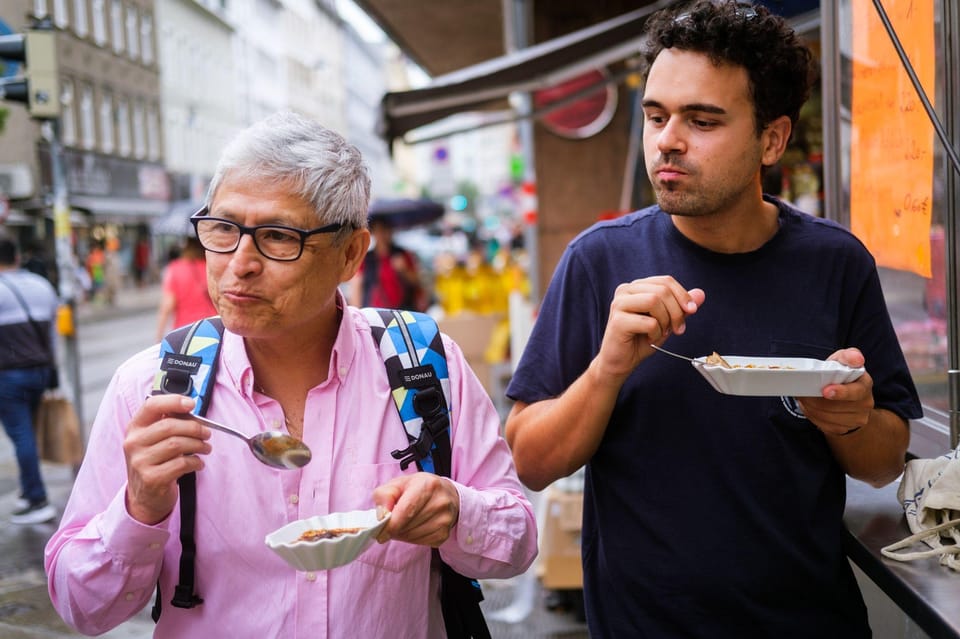
This is not a “one small bite per stop” tour. The included items are built to feed you through the whole 3.5-hour window.
Here’s what’s listed as included:
- 2 homemade cakes with coffee or tea or soda drink (iced tea, apple juice, or homemade juice)
- Hot chocolate in winter or homemade ice cream in summer
- 2 typical Austrian pastries
- A savory dish in a typical Viennese restaurant (goulash or schnitzel or spinach dumplings)
- An English-speaking local guide plus personalized tips for bars and eateries
And the desserts can vary by season. The tour description includes possible treats like:
- palatschinken (jam-filled crepes)
- marillenknödel (apricot dumplings)
- gugelhupf (bundt cake)
- Austrian ice cream
- You may also see other seasonal Austrian sweets depending on what’s available
One review mention that the group tried Buchteln at a coffee house called Vollpension, described as a brioche-like pastry filled with plum compot and served with vanilla cream. Even if you’re not guaranteed the exact same pastry, it’s a good example of the kind of “proper Viennese comfort” the guide may bring to the table.





The Real Value of $119: Why This Costs More Than a Slice, But Often Less Than You Think
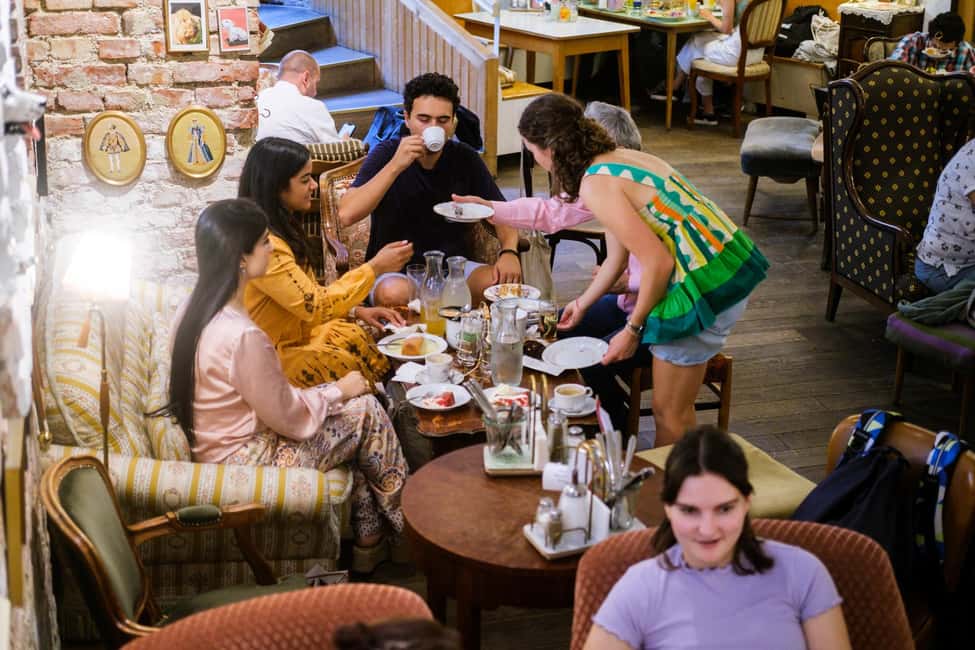
At $119 per person, this is a treat. The question is whether it’s a good trade for your time.
I think the best value argument is the mix:
- Multiple tastings: homemade cakes + pastries + a seasonal hot drink or ice cream
- A real sit-down component: a savory Viennese course
- Guided context: history behind famous pastries and coffee culture
- Practical city help: subway/tram guidance so you can use Vienna transit without guesswork
If you were to do this on your own, you’d likely spend money on a few cafés and pastries across different neighborhoods. The guide turns those purchases into a coordinated plan where you’re also learning what you’re tasting. Add in the small group size (max 10), and the guide attention becomes part of the price, not just “free extras.”
Also: additional food and drinks aren’t included, so you’ll want to avoid planning extra meals right after. Come hungry. Then pace yourself, because people have mentioned getting so full they needed takeaway for later desserts.
Pacing and Portion Reality: Come Hungry, But Don’t Plan a Big Dinner
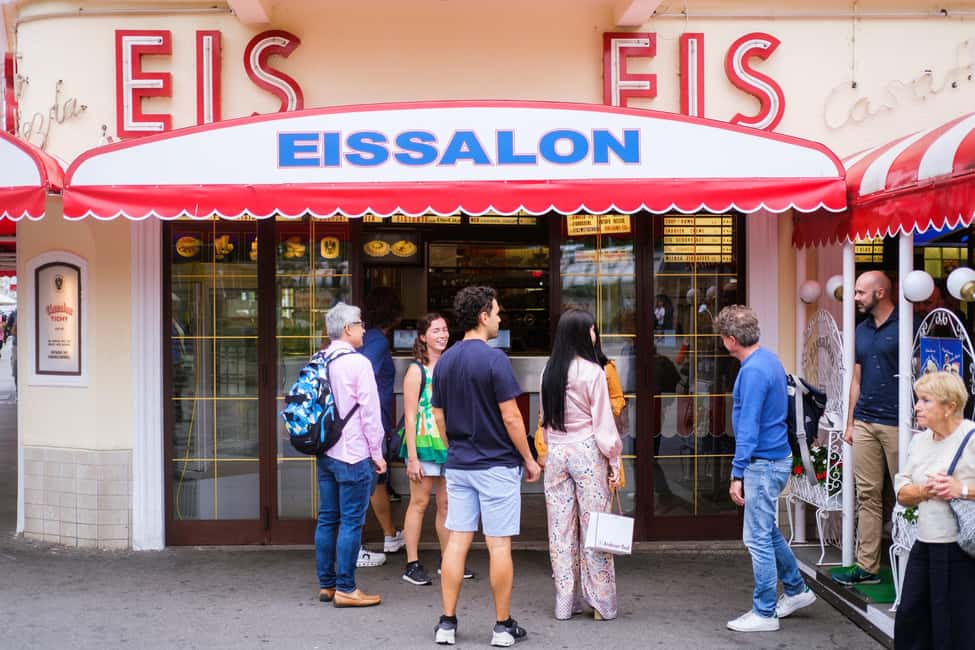
This tour runs about 3.5 hours. That length is ideal for dessert learning, because you’re not rushing between stops. But it also means you’ll likely experience multiple “warm and sweet” items plus a savory dish.
In reviews, the food quantity shows up as a repeated theme. People mention trying a large number of desserts on the tour, and some describe ending up very full. That matches the structure: cakes + pastries + a savory course + a finishing drink.
My advice: plan light earlier in the day. Wear comfortable shoes. If you’re the type who wants to taste everything, use the savory course as your checkpoint. It helps you reset so you don’t hit a wall halfway through.
How the Guide Makes the Difference: Stories, Ordering Help, and Transit Tips
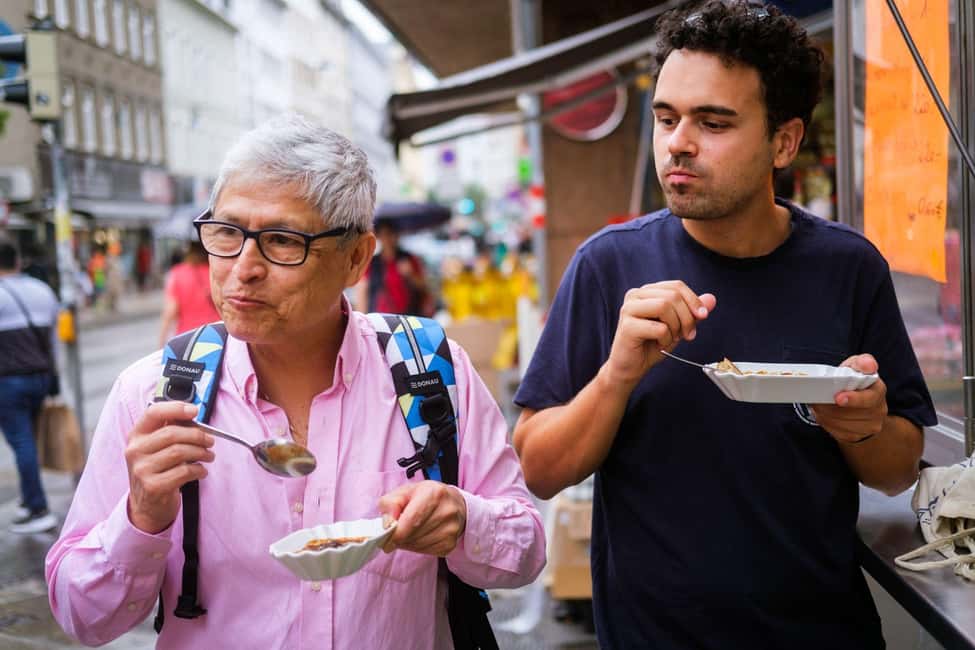
The tour’s big strength is the guide. Reviews consistently call out names like Maria and Patrick for being friendly, knowledgeable, and story-driven. The best part isn’t the facts alone. It’s how the guide connects facts to food and to where you are.
Here are the kinds of guide value you’re getting based on the tour description and feedback:
- History behind famous Austrian pastries
- Explanations of what makes each dessert style different
- Help using Vienna public transportation while you move between districts
- Personalized recommendations for bars and eateries afterward
That last one matters. A dessert tour can end with a “thanks, bye.” Here, you should leave with ideas for the next time you’re craving something sweet or looking for a casual drink spot. Even if you don’t follow every suggestion, the guidance makes your own planning quicker.
Who This Tour Suits Best (And Who Might Want Another Option)
This tour fits well if you:
- Want a guided way to try Austrian sweets without hunting down the right places yourself
- Enjoy coffee house culture and want the story behind what you eat
- Like “off the tourist trail” neighborhoods and district-to-district variety
- Appreciate learning practical transit skills while sightseeing
It’s not a great fit if you:
- Need a fully low-walking, low-steps itinerary (the tour involves a fair amount of walking)
- Have gluten-free needs that require reliable gluten-free options (the tour notes gluten-free availability is very limited)
- Are traveling with children under 12 (not permitted; a private tour can be organized)
If you’re vegan or vegetarian, good news: the tour says they’re happy to accommodate you. Still, traditional Austrian cooking relies on milk and butter, so your guide’s role in choosing what works for you becomes extra important.
Quick Practical Tips Before You Go
- Plan for some walking. If you have mobility issues, let the provider know in advance so they can adjust the itinerary.
- Bring transit money for metro tickets, since it’s not included.
- Don’t schedule a big meal right after. This tour includes cakes, pastries, a savory dish, and winter/summer sweet drinks.
- If you’re gluten-free, contact at least 24 hours before the start time to ask what’s realistically available.
- Wear comfortable shoes and expect a relaxed pace with tastings and explanations, not a sprint.
Should You Book This Vienna Dessert Tour?
I’d book it if you want Vienna sweets with structure and local guidance. The combination of bakery + coffee house + Naschmarkt and the transit practice makes this feel more useful than a random café crawl. The pricing makes sense for what’s included: multiple desserts, a savory Viennese course, and a guide who helps you understand what you’re eating.
Skip it if gluten-free reliability is essential, if you can’t handle walking, or if you want a light snack-style outing. This one is designed for real tasting, and that’s exactly why people come away happy and full.
FAQ
Where is the tour meeting point?
You meet in front of the Wein@co store at Jasomirgrottstrasse 3.
Where does the tour end?
The tour ends back at the same meeting point.
How long is the Vienna dessert tour?
The duration is 3.5 hours.
How much does the tour cost?
The price is $119 per person.
How large is the group?
The tour is a small group, limited to 10 participants per guide.
What language is the guide?
The guide is English-speaking.
What’s included in the food and drinks?
It includes 2 homemade cakes with coffee/tea/soda, 2 typical Austrian pastries, and a hot chocolate in winter or homemade ice cream in summer. You also get a savory dish (goulash or schnitzel or spinach dumplings), plus a drink with coffee/tea/soda as part of the cake service.
Are metro tickets included?
No. Metro tickets are not included.
Can vegetarians, vegans, or gluten-free travelers join?
Vegetarians and vegans are accommodated. Gluten-free options are very limited, and you should contact at least 24 hours before the tour starts to ask what’s available.
Can I cancel for free, and can I reserve without paying yet?
Yes. You can cancel up to 24 hours in advance for a full refund, and you can reserve now and pay later (book your spot and pay nothing today).